Corey Payette’s musical On Native Land adds layers of tradition-based nuance with song and dance
At The Cultch’s York Theatre, the acclaimed writer and director turns to genre-blending Indigenous practices to open new perspectives on identity, land claims, and hope
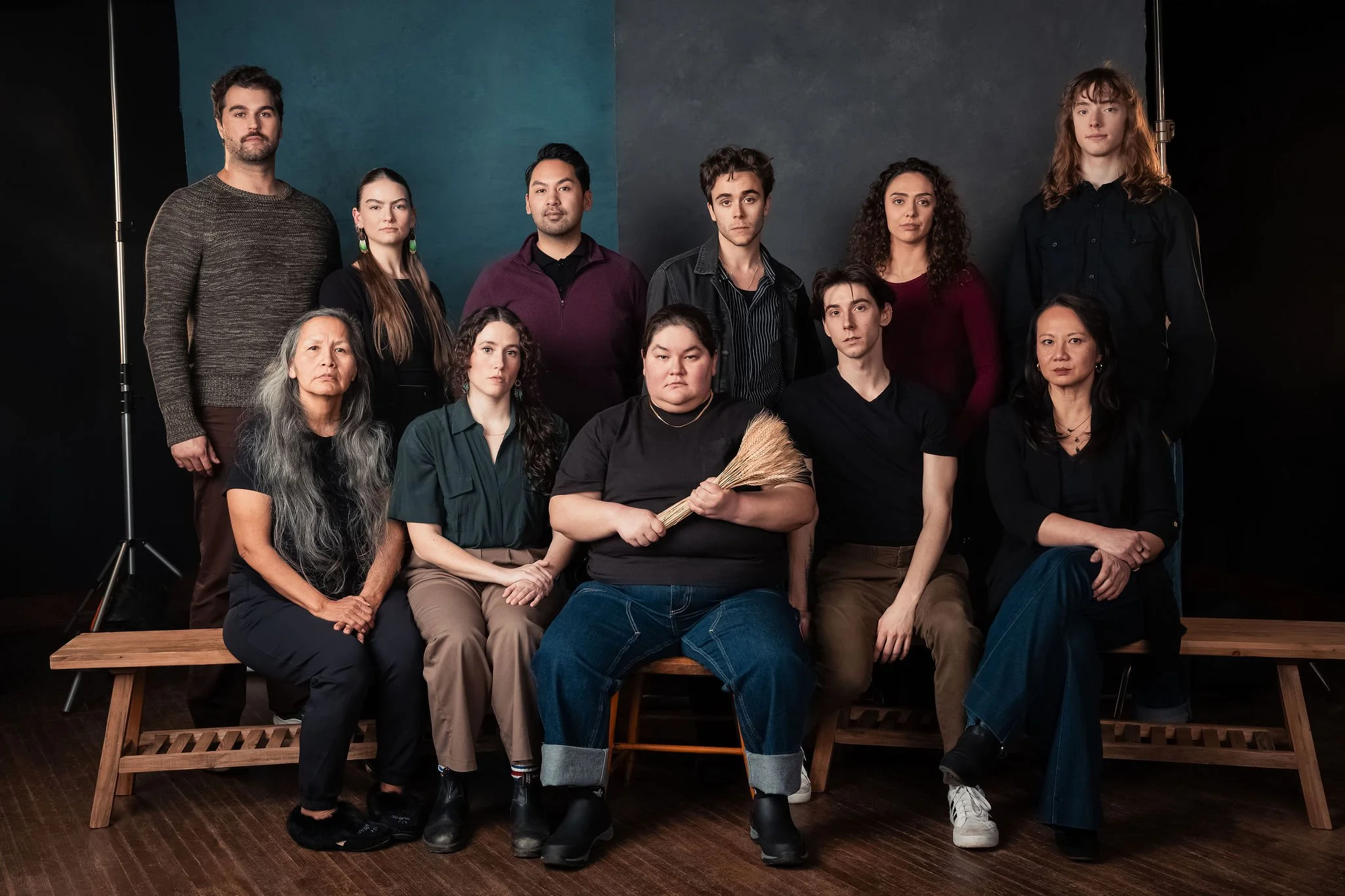
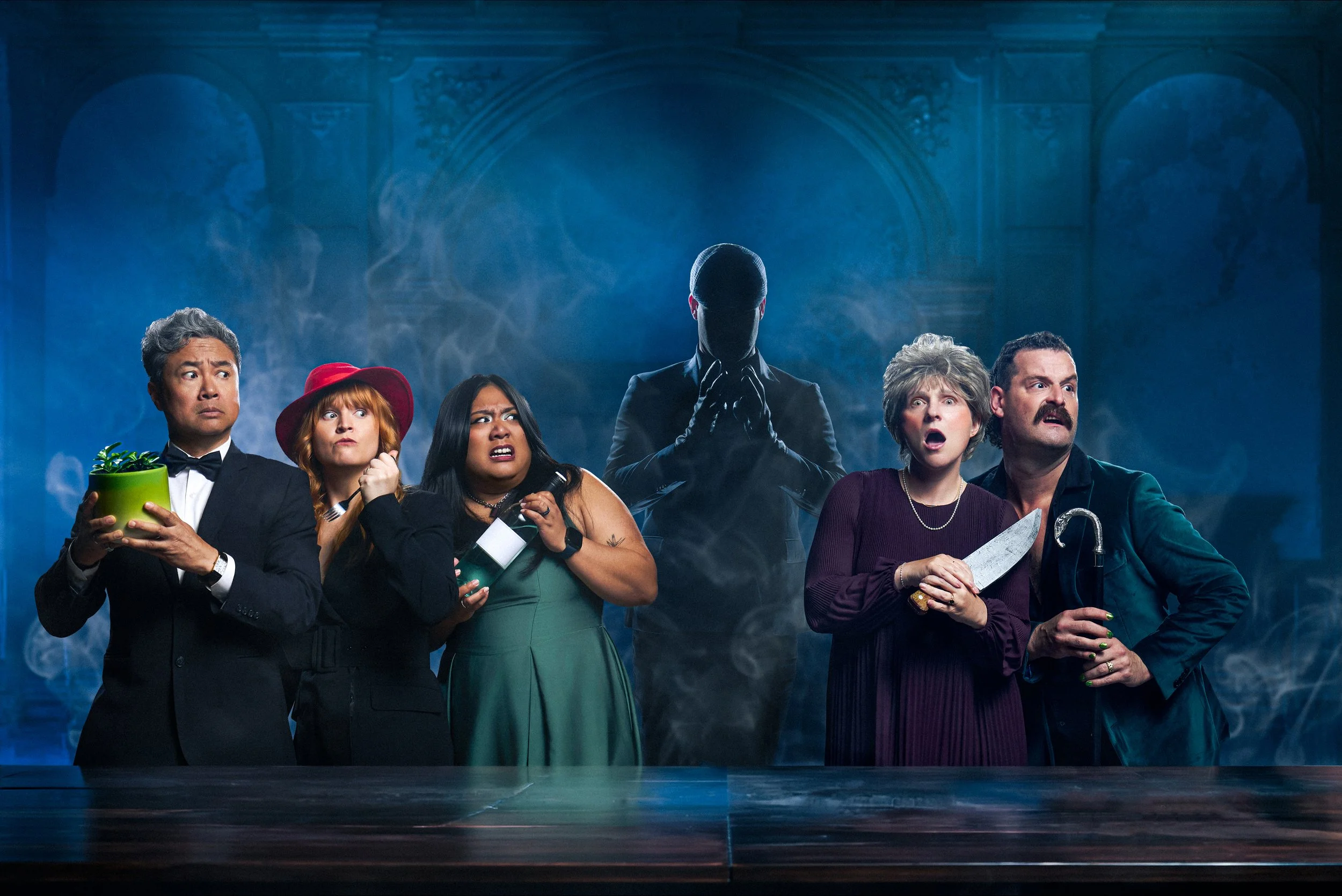
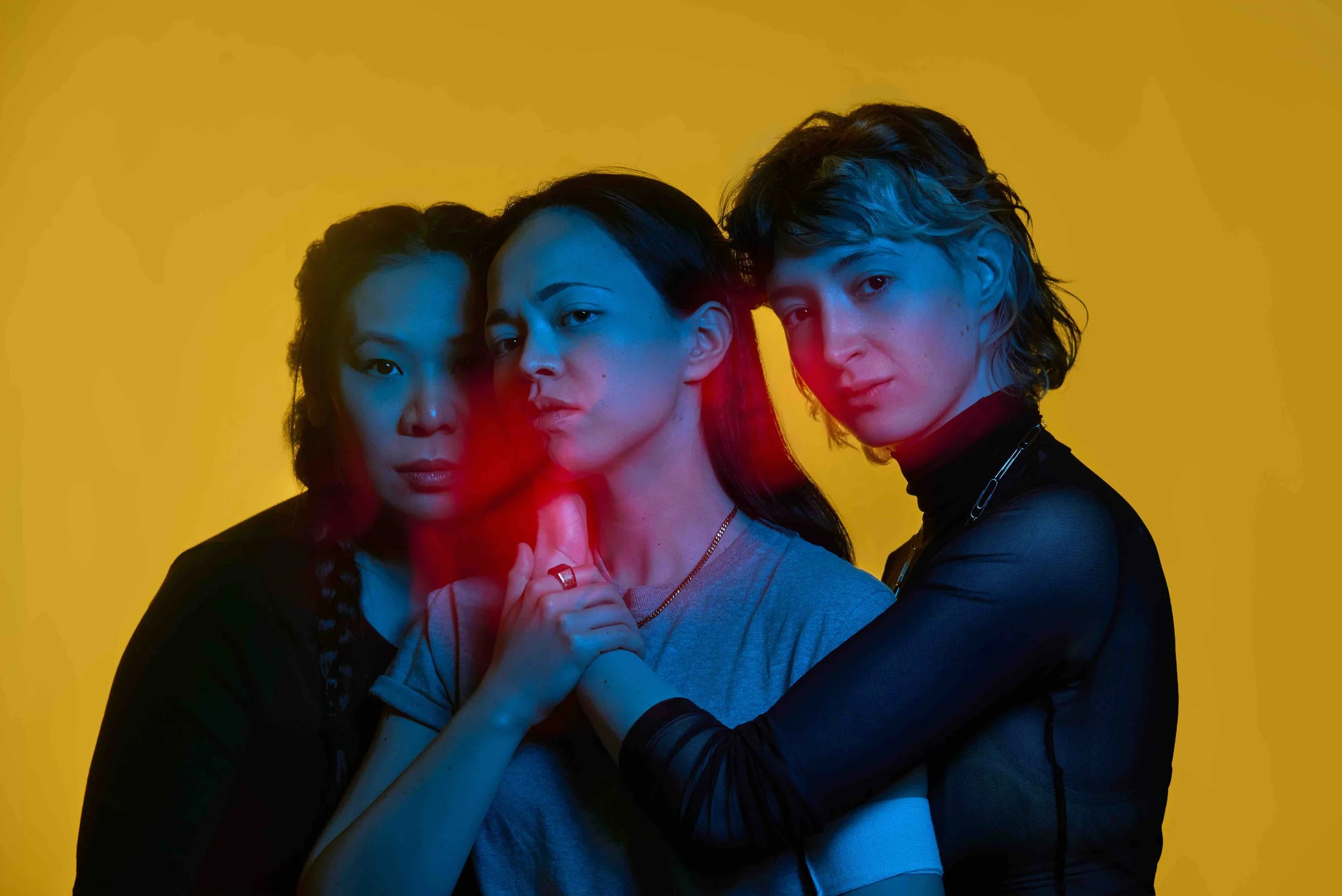
The cast of On Native Land. Photo by Matt Reznek
Urban Ink, The Cultch, and Raven Theatre present On Native Land at the York Theatre from April 8 to 19
FOR COMPOSER, WRITER, and director Corey Payette, 2026 has already been a busy year. In January, he premiered Closest Thing to Home, a concert that featured some of the most renowned songs in his repertoire, including pieces from his shows Children of God, Les Filles du Roi, Sedna, and Starwalker. Those who attended the event at The Cultch’s Historic Theatre also got a small preview of Payette’s upcoming musical project, On Native Land. As the film version of Starwalker continues to hit festivals and theatres, Payette is preparing to premiere On Native Land at the York Theatre, in a production by Urban Ink, Raven Theatre, and The Cultch.
Payette, who is a member of the Mattagami First Nation with French-Canadian and Irish ancestry, began developing the project in 2019. Poetically, the first song he wrote was “On Native Land”, a name that would also serve as the musical’s title. The story weaves between Indigenous characters (a lawyer, a Chief, a rising singer-songwriter) to explore issues such as identity, land, and the historical silencing of Indigenous voices.
“There is no one Indigenous perspective; there is no one Indigenous experience,” says Payette in conversation with Stir. “So often when Indigenous people and communities are discussed in media, it’s as this singular experience. We fall into tropes.”
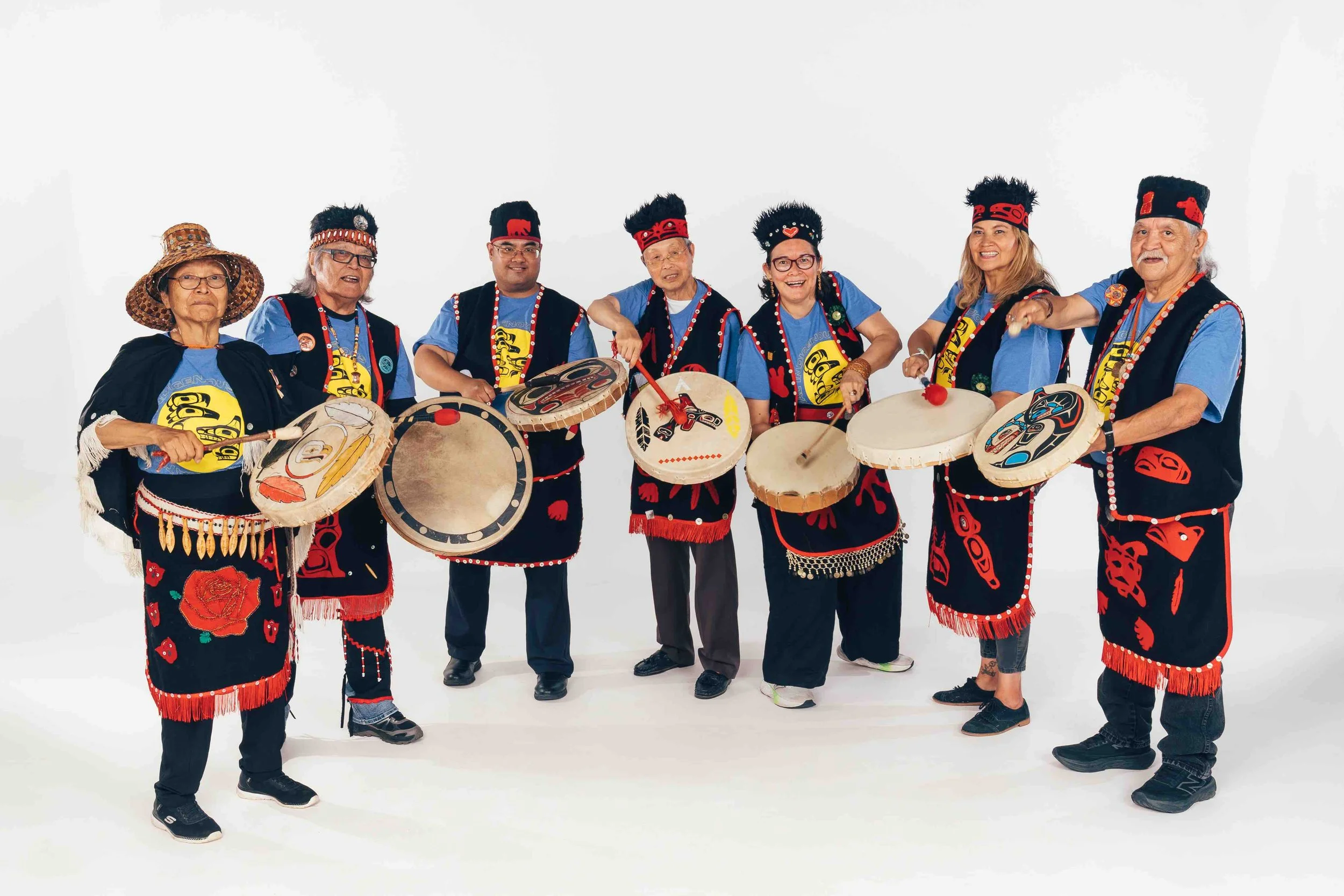
Payette’s unique blend of Indigenous influences and classical musical theatre genres feels particularly fitting for a story about urban Indigenous communities. On Native Land has a contemporary score that features melodies in the tradition of Company and Dear Evan Hansen, while the driving force of the drum grounds the music in the Indigenous stories. Out of his new repertoire, “The Land Remembers” stands as one of Payette’s proudest achievements as a composer.
“It’s about the exhaustion of the fight that communities have had with the government surrounding land claim cases,” he explains. “That’s 25 years of potentially doing other things, like spending time in community, building programs, supporting your family, [instead of being] in the courts and travelling. ‘The Land Remembers’ is an opportunity to sit in that exhaustion, in that frustration.”
On Native Land marks the first time that ballet work is being featured in a Payette musical. He teases this showstopping moment in the second act as a “dream ballet” sequence, choreographed and performed by Jera Wolfe, a Toronto-based performer of Métis heritage. As someone who works within and outside colonial traditions, Payette always goes back to the fundamental connection between story, song, and dance.
“You cannot share a story without having a song, without that song having a dance, and that dance telling a story,” Payette says. “There’s a recognition of the musical form being a part of Indigenous practice.”
Despite the success of his work, Payette has faced setbacks and rejections, particularly early in his career. While developing Children of God, he was confronted by fears of backlash and concerns about the musical element in his creations. Now, with a string of projects under his belt, he’s seen conversations shift somewhat around media representation, but larger Indigenous issues remain as urgent today as when he started working on On Native Land. “It’s not just fluff,” he affirms, and cites last year’s Cowichan Tribes v. Canada decision as an example of the timeliness of these conversations.
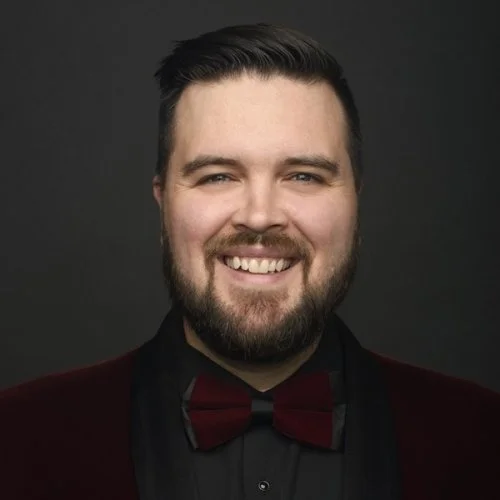
Corey Payette
“With the Cowichan decision, and also what the government is doing in relations to that, all of it is so timely, and my hope is that On Native Land acts as a place to hold some of that complexity, and also bring in that song and dance,” Payette says.
Adding layers to the storytelling is a talented cast filled with emerging performers, including Amanda Trapp, Dustyn Forbes, Hailey Christie-Hoyle, Jacob Woike, Jenna Brown, Jesse Alvarez, Nathan Coburn, Sharon Crandall, Taninli Wright, Wahsontí:io Kirby, and Zac Bellward. Payette notes that casting performers from Toronto, Montreal, and Saskatoon, as well as from Vancouver, brings in a national ensemble that can deepen and broaden perspectives.
“It’s been fascinating to hear how this story resonates with so many different communities across Canada,” Payette says. “It might feel like we’re sometimes isolated out here on the West Coast, [but] they’re having ripples of this conversation in Toronto and different parts of the Prairies where we’re all trying to unpack ‘How do we move forward?’”
Despite the weight of these issues, Payette hopes On Native Land is a space that offers nuance and glimmers of hope.
“Right now, it just feels like this darkness is kind of descending on all of us, and I understand why that’s the case,” Payette says. “I hope this musical encourages people to not lose hope, and to really see this as part of that larger journey that we’re all on together.” 

Related Articles