Saigon Story unpacks the complicated history of an image synonymous with Vietnam War violence
In the National Film Board documentary making its local premiere at the DOXA Documentary Film Festival, Canadian director Kim Nguyen traces the repercussions of an execution photo through the decades
Saigon Story
The DOXA Documentary Film Festival screens the NFB’s Saigon Story: Two Shootings in the Forest Kingdom as part of the Justice Forum series, at the VIFF Centre on May 1 at 5:15 pm and on May 7 at 5:30 pm at SFU Woodward’s Djavad Mowafaghian Cinema. DOXA runs April 30 to May 10
WHILE MOST PEOPLE immediately recognize the photo known as Saigon Execution, they probably know little about its context or the people involved.
The shot, by American photojournalist Eddie Adams, captures a street execution during the Vietnam War, depicting the moment a bullet enters a man’s skull. His face twists in agony, while his executioner stands coldly pointing the gun at his temple.
It’s a powerful image of unfiltered violence that you can’t unsee. And this split second frozen on film has sent repercussions reverberating through the decades, across continents and generations.
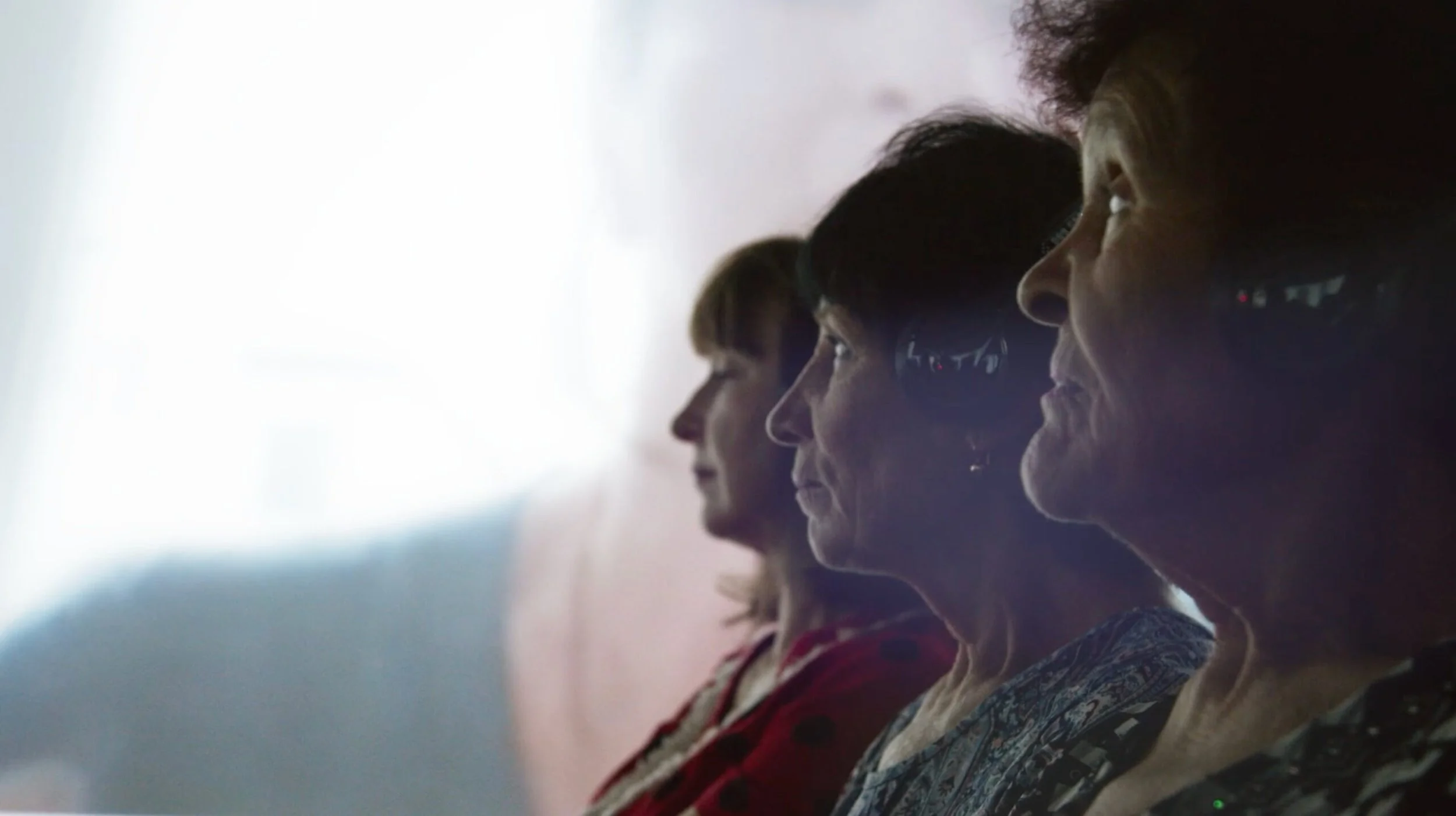
In a new National Film Board documentary that’s as poetic as it is investigative, celebrated Canadian filmmaker Kim Nguyen unpacks the mystery around the photograph, and tracks down the family members of key players in the picture—some who remain in Saigon, others who fled abroad to build new lives.
To reveal more would give away some of the film’s richest revelations; suffice it to say that, in the documentary, the shocking photograph connects two aging orphans still searching for answers, a brutally honest woman still emotionally and physically scarred by her relationship to a man in the image, and a Vietnamese journalist determined to solve some of the biggest questions about the image.
Nguyen reveals how memory and trauma blur truth over time—and how Vietnam and its far-flung diaspora have learned to heal. All this makes Saigon Story: Two Shootings in the Forest Kingdom one of the most anticipated films opening at this year’s DOXA Documentary Film Festival.
The Montreal-based filmmaker, best known for his Oscar-nominated fictional feature War Witch (Rebelle), has made his name exploring the space between true stories and made-up ones. Shot in the Democratic Republic of Congo, War Witch was inspired by true accounts of child soldiers, starred a real-life street child, Rachel Mwanza, and had a documentary-like style that made many wonder if it was “real”. When he speaks to Stir by Zoom, Nguyen is in the Canary Islands, adapting Canadian Edith Blais’s memoir about spending 450 days in captivity in the Sahara. (He laughs about how it is that he keeps ending up shooting movies in the desert, one of the toughest places on Earth to film.)
Nguyen is fascinated with the way memory shifts after a traumatic experience—starting in the first few days and weeks. What people remember as truth alters, “because the brutality of what they experience changes their memory”.
“The story has changed inside of their perception, because the subconscious tries to make what the event was more acceptable to the psyche of the person,” he explains. “But there are many, many versions of what happened. It’s really like a Rashamon—in this story, this picture really has multiple layers of truth, and for the majority of the people that are telling these stories, it’s their own truth.”
The Vietnamese-Canadian director came to the subject matter, and the Saigon Execution photo, with little knowledge of its context.
“I mostly knew what everybody knew about that picture—that it was taken at a complicated time, and that the answers about what we are actually witnessing in the picture are not easy to define,” he says.
He, like many others, also believed that the photo marked a turning point late in the Vietnam War, one that stoked opposition to the ugliness of the conflict and signalled the beginning of the end of U.S. involvement. As detailed in the documentary, that perception is not quite correct. The photo did have a big impact on the American psyche, as noted in the film by an Associated Press editor at the time. But the killing took place in 1968—and the war would rage on for another seven long years. And that’s only the beginning of the contested circumstances surrounding the image.
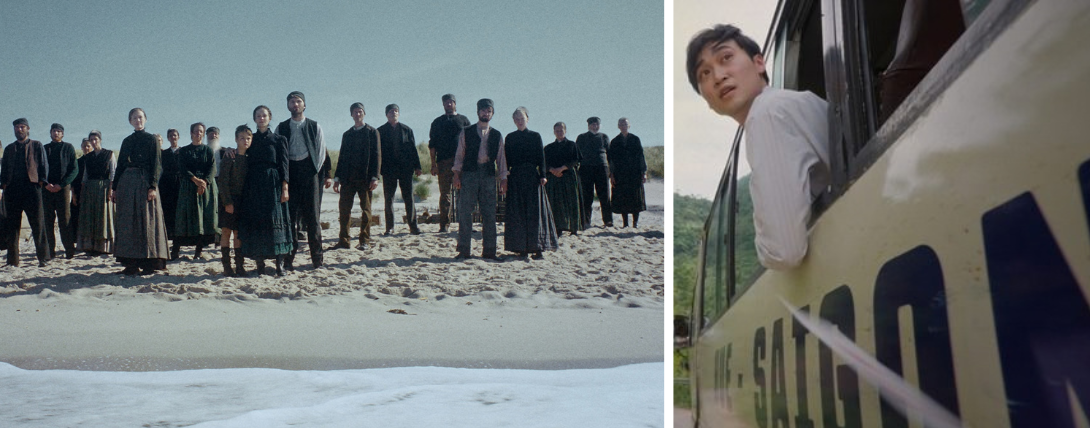
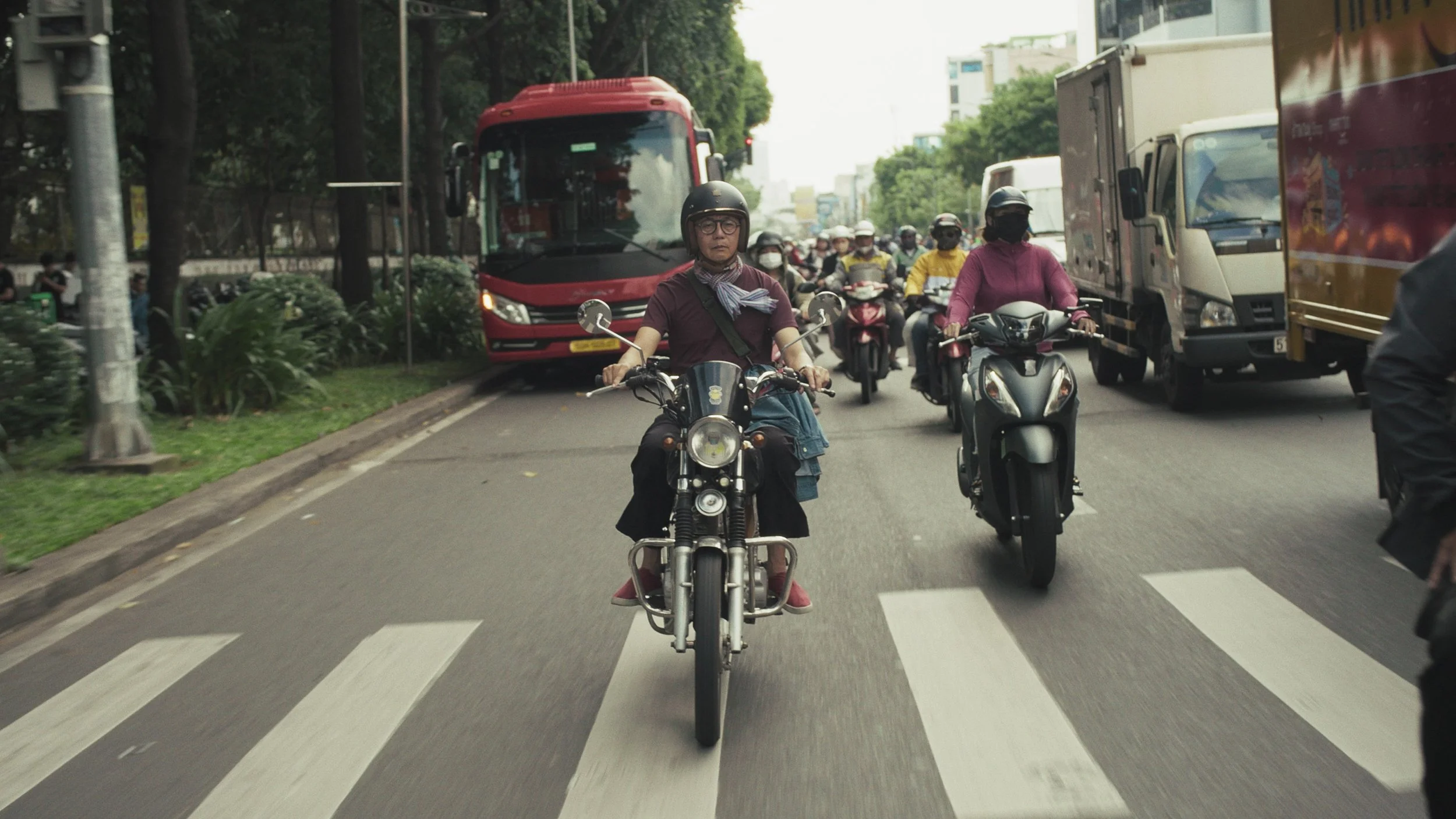
In the film, Nguyen spends a lot of time in Ho Chi Minh City—the metropolis its residents still warmly call Saigon—holding interviews, tracking down the site of the shooting, and heading to its outskirts to visit the War Remnants Museum and the Cu Chi Tunnels. A recurring motif is the city’s infamously mind-boggling traffic, an organized chaos that somehow manages to move through packed main streets. The film uses the imagery as a metaphor for a country able to move on from civil war and trauma, propelling forward as long as everyone goes along with the flow.
“The younger generations in Vietnam, they want to move on, I think,” Nguyen observes. “And the older generations that are living in Vietnam—I feel that a large number of them don’t want, necessarily, their children to carry the burden of fights from the past. I think that trauma still prevents the older generations from fully moving on, but I think that the younger generations have been given the gift of letting that go. I think that’s one of the most inspiring things. I kind of feel right now in Vietnam that they have almost this duty to find healing so that the cancer of hatred doesn’t carry on in the new generations.”
In other words, he sees a country and its diaspora continuing to let go of the kind of hatred that led to the shooting in Saigon Execution. And there are lessons that could be instructive throughout the world, particularly in ongoing conflicts that have been at the root of other stories he’s told on film.
“It’s the idea of not carrying hatred forward to future generations or to people around us,” Nguyen says. “I think that, in the United States, we see that the political parties are getting more and more divided. And I’m for seeking another way—for finding how we can sit down and be in opposition of points of view, but having a discussion about it. That’s one thing that really moved me with this film: it’s about healing. And I want to make hopeful documentaries.” 

Related Articles