Vancouver Cantata Singers concert is a sort of homecoming for Tyler Duncan
The acclaimed British Columbia–born baritone will perform Johannes Brahms’s A German Requiem with the choir
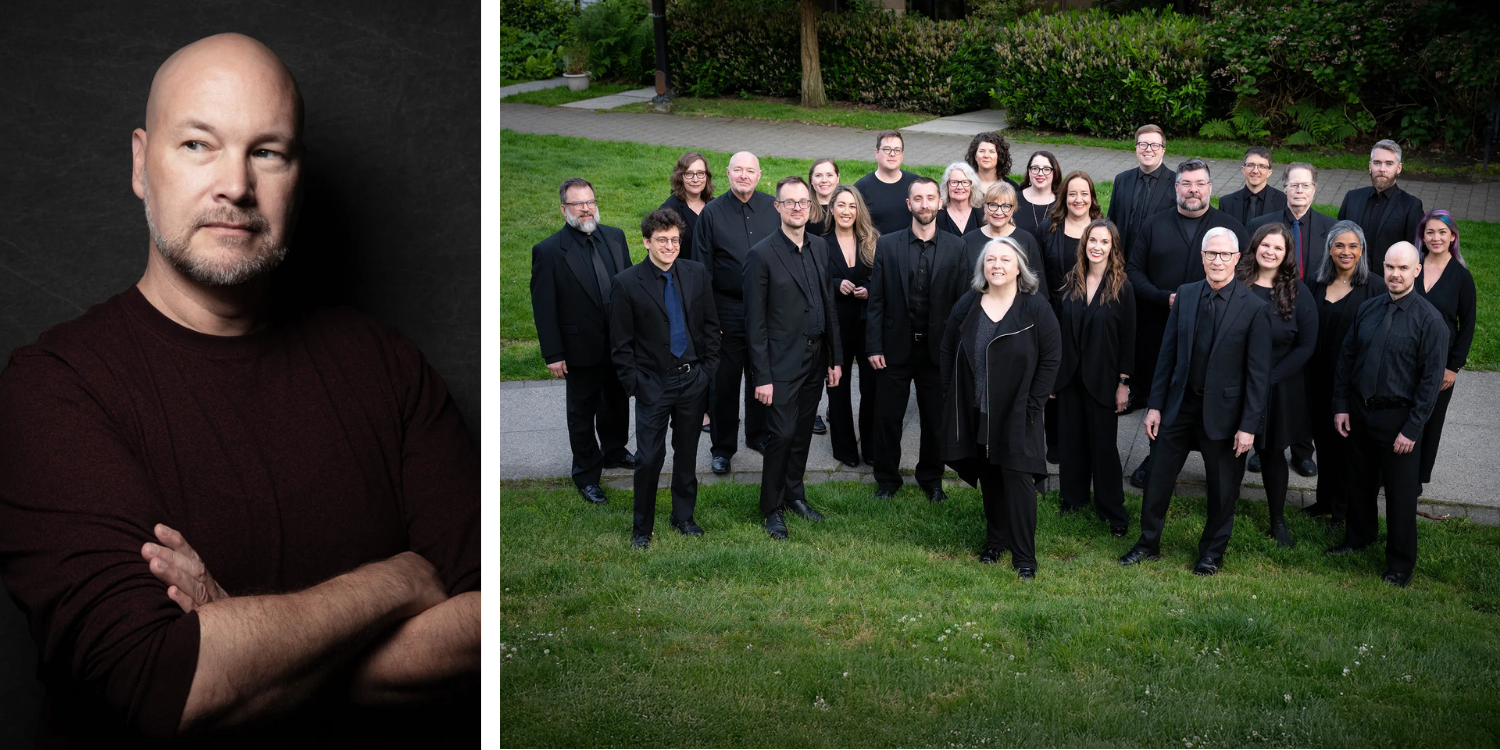
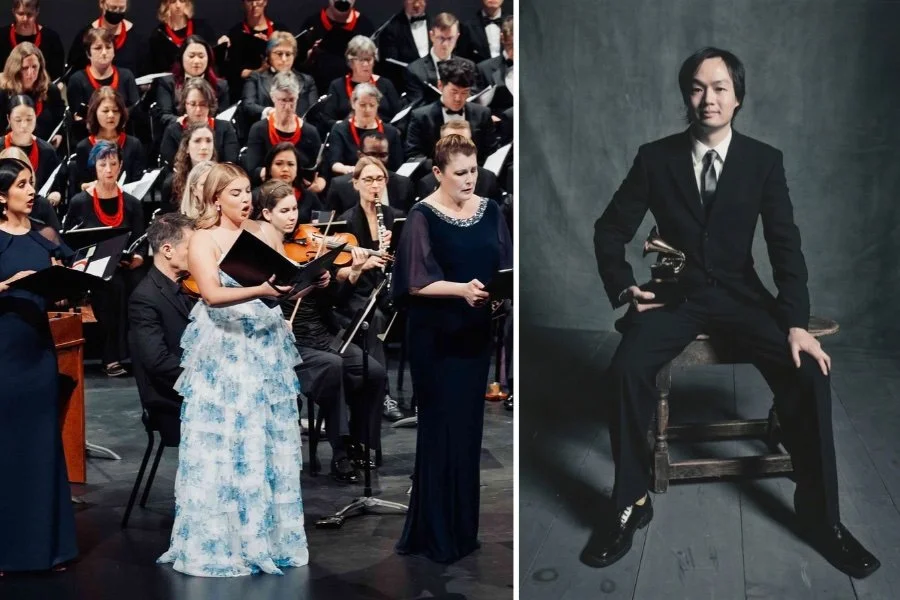
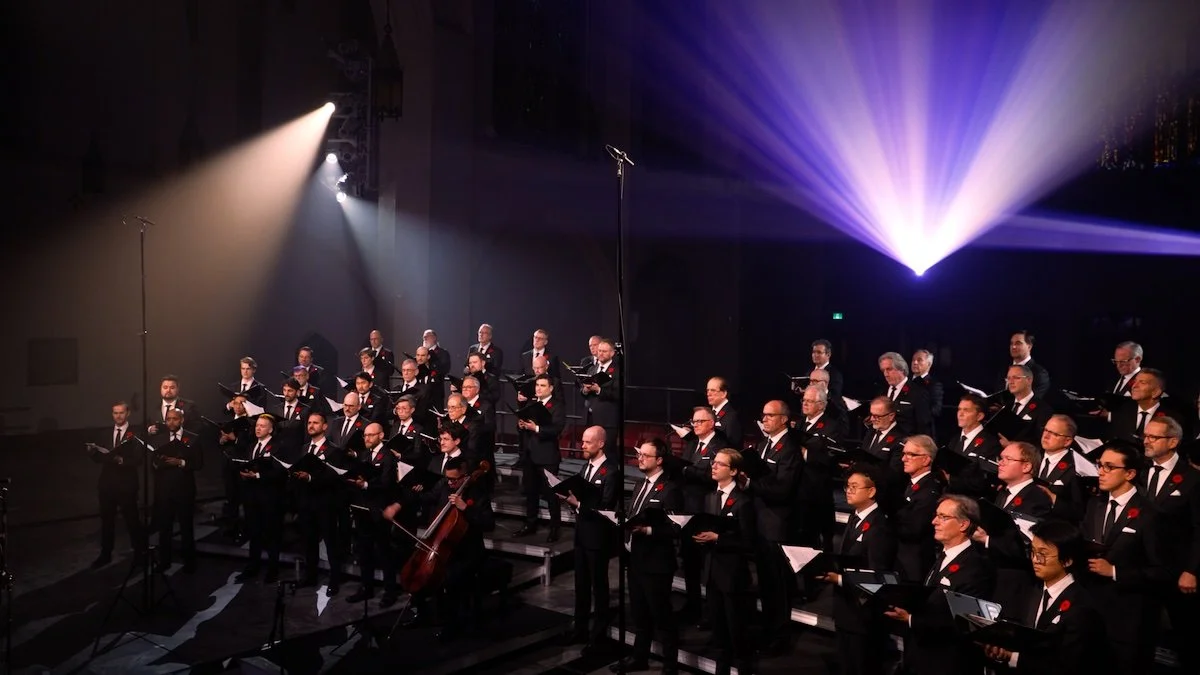
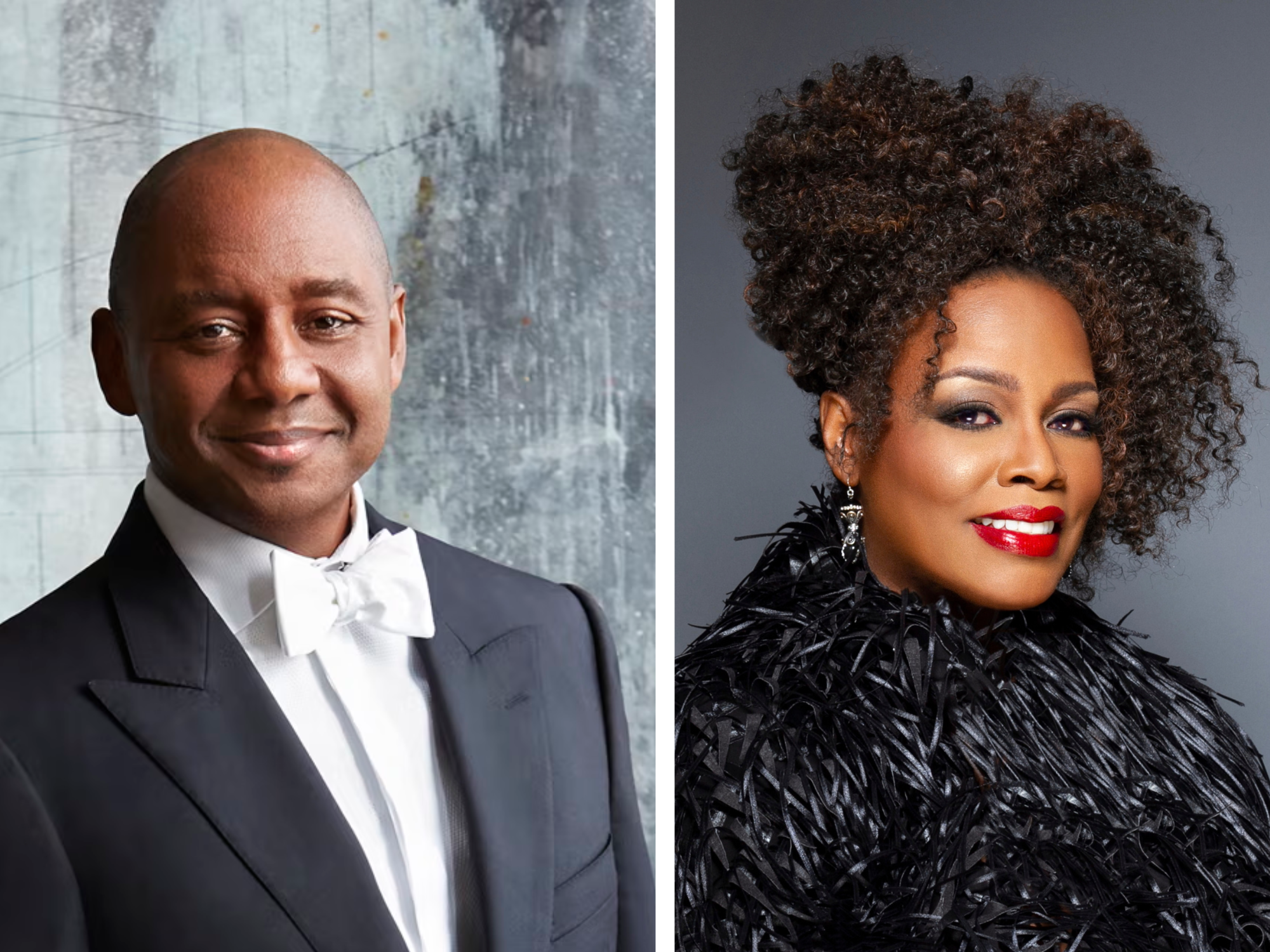
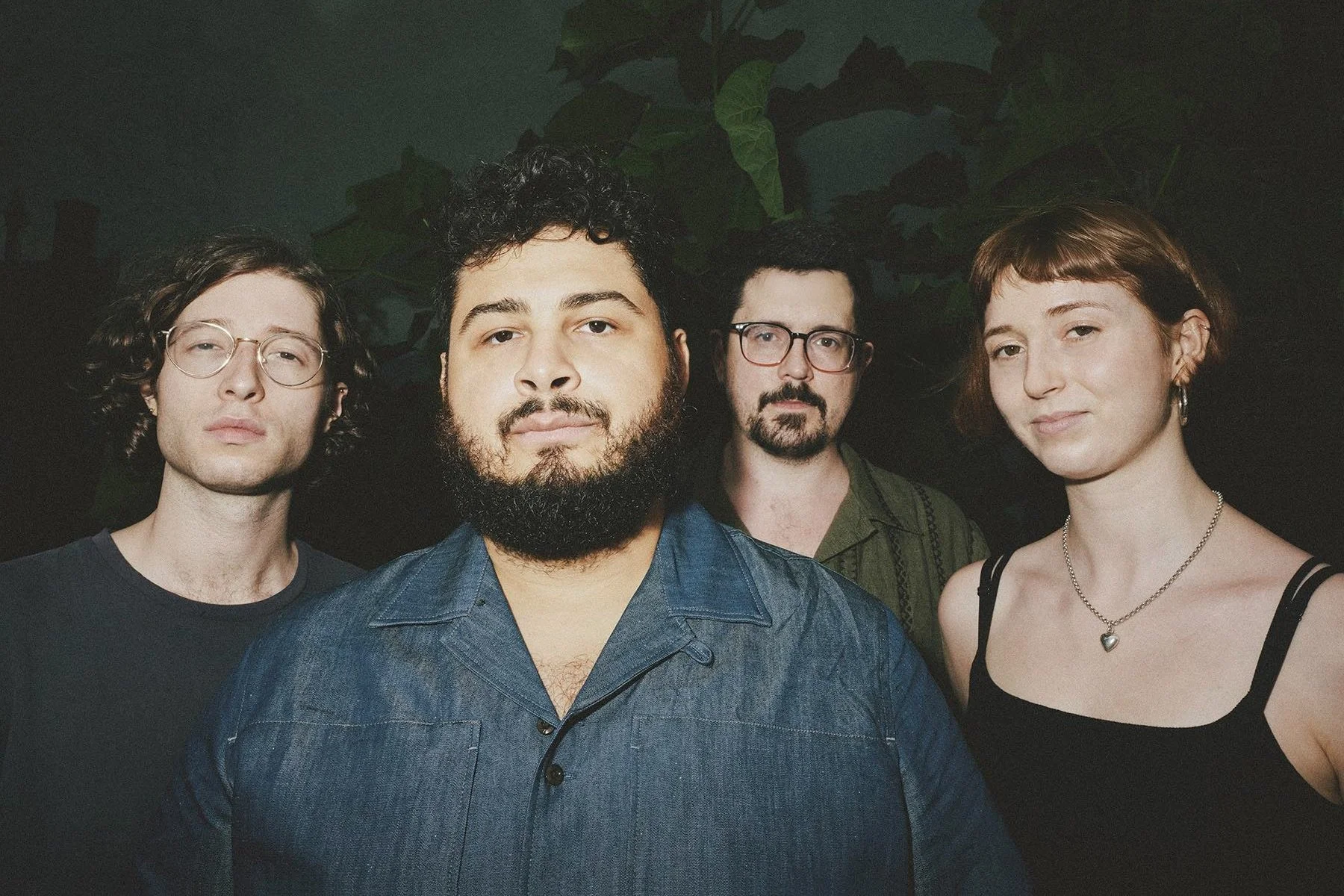
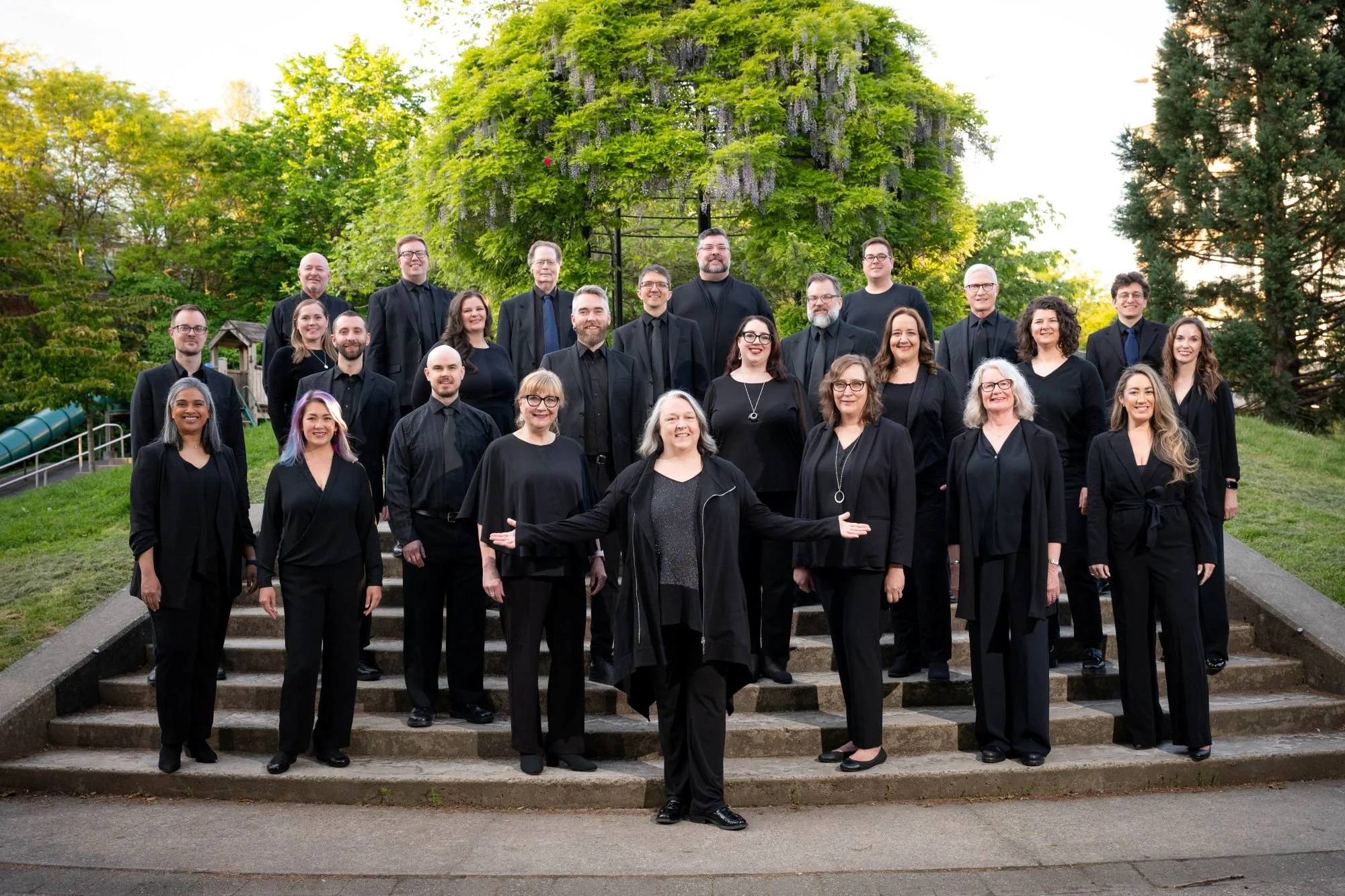
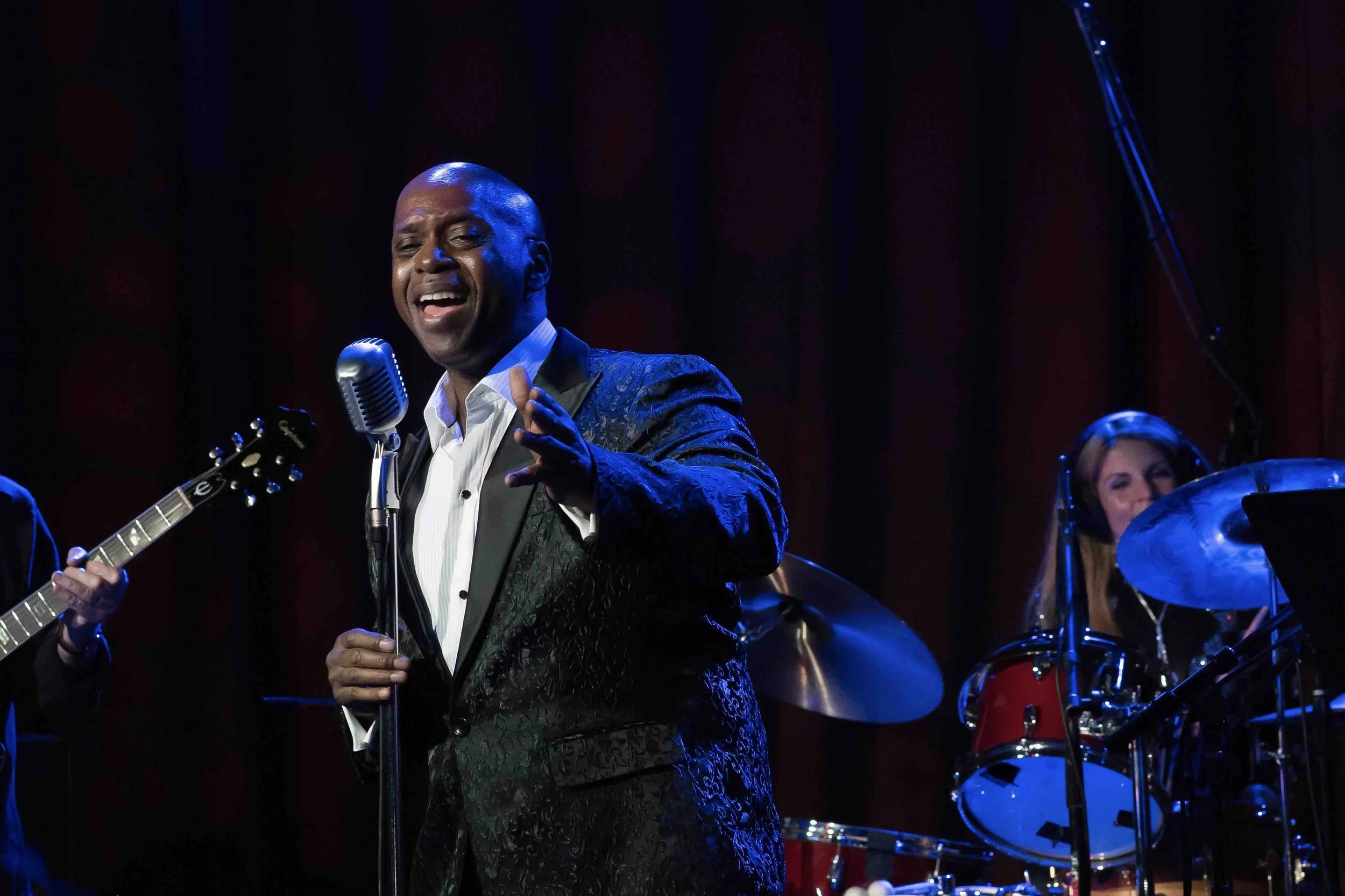
Tyler Duncan (left; Kristopher Johnson photo) and Vancouver Cantata Singers
The Vancouver Cantata Singers present Ein Deutsches Requiem at Pacific Spirit United Church on April 25 at 7:30 pm
IT’S EASY TO dismiss the creative endeavours of one’s own youth. As anyone who has ever stumbled upon an especially earnest bit of prose scrawled in a Grade 9 notebook or a VHS recording of a rushed and clumsy piano recital can tell you, it can be somewhat mortifying to be reminded of those awkward learning stages.
The great Russian writer Vladimir Nabokov, for example, didn’t take much pride in his early work. “The kind of poem I produced in those days was hardly anything more than a sign I made of being alive, of passing or having passed, or hoping to pass, through certain intense human emotions,” he wrote.
Tyler Duncan is kinder to his younger self than many of us. “Sometimes I hear old recordings of myself and I think, ‘Oh, if only I knew the things that I know now,’” the baritone tells Stir in a telephone interview. “But also, I’m sometimes pleasantly surprised at what the finished product was at that point in my development. Hearing the youthfulness and naïveté of a young baritone who’s just learning about what he’s doing, but also finding some deep artistic connection to what I was doing.
“I did recently hear a couple of recordings of me from a very long time ago,” reveals Duncan in a call from Vancouver Island, where he’s about to go into a rehearsal with the Victoria Symphony and the Choir of King's College, Cambridge. “They just kind of popped up on my phone because I was looking for something else. And it was not a cringeworthy experience, although I do have those every once in a while. I was thankful to be reminded that I’ve grown so much, but that the same things that are important to me now were important to me then. I just didn’t know enough to be able to use them to my full potential.”
It’s fair to say that Duncan has developed as a performer since those fledgling days, and classical-music critics have certainly taken notice, with the Globe and Mail, for one, hailing his voice as “honey-coloured and warm, yet robust and commanding”. The website Classical Explorer went so far as to declare “Tyler Duncan is the perfect singer.”
It’s only natural that Duncan is in a reflective, even nostalgic, mood of late. It’s not just that the B.C.-born and -raised baritone is on familiar ground. In fact, he gets back to the West Coast often enough that it’s easy to forget that he hasn’t lived here in more than 25 years. Currently, Duncan gives voice lessons at Bard College Conservatory of Music in New York state, where his wife, pianist Erika Switzer, is also on faculty. But he’ll be back in Vancouver in July and August for Early Music Vancouver’s Summer Festival, singing the role of Plutone in Claudio Monteverdi’s L’Orfeo and performing Franz Schubert’s song cycle Die schöne Müllerin as a duo with Switzer.
Before that, though, Duncan will be in town to perform Johannes Brahms’s Ein Deutsches Requiem (A German Requiem) with the Vancouver Cantata Singers. His association with that long-running choir date back to even before he became a member of it.
“When I was at UBC as a student doing my bachelor’s degree, my voice teacher was James Fankhauser, who was the director of the Vancouver Cantata Singers at the time,” Duncan says. “An interesting thing is that the year that I joined the Vancouver Cantata Singers was the second year that Paula Kremer, who is now the conductor, was a member of the choir as well.”
Fankhauser was the Vancouver Cantata Singer’s longest-serving artistic director, a post he held from 1973 to 2000. He passed away last year, but his influence still looms large on the local choral scene.
“Fankhauser—Fank, as we called him—left a giant musical legacy in Vancouver and in the people that sang under him,” Duncan says. “Even to this day, I’m inspired by the musical phrasing that he had in his body as a conductor. He was just the most beautiful musician, and his legacy lives on in Paula, and so many of the people that studied under him. And me, in the way I still approach so much of the phrasing that I do, and so much of my musicality; he is a big foundation of that.”
As for A German Requiem, Duncan also has a long-standing relationship with the seven-movement work, which Brahms composed between 1865 and 1868.
“I’ve lived with this piece for just about as long as I’ve been a singer,” he says. “I performed it as a young chorister in the ensemble, hearing these amazing people soloing out front and thinking I would love to do that someday. And then, as a young singer living in Germany, I was hired to do it quite a few times, and I ended up coming over to Canada and singing it a few times.”
Unlike many requiems, which utilize four soloists, this one includes multiple solos for only two voices: soprano and baritone. A German Requiem is a lot of work for a baritone (not to mention the soprano, who in this case is Mireille Asselin), and Duncan admits that his younger self was intimidated by the vocal range it requires.
“Starting out, I was afraid of some of the high notes and I just got by doing it and was quite nervous onstage but made it through,” he recalls. “It was nerve-racking, and now that I am a more seasoned professional and have really come into my own vocally and as an artist, I’m able to dive more into the text.
“The cool thing is that now I can find inspiration from the text,” Duncan says. “I can find inspiration from my colleagues on the stage; I can listen better, I can make music with them so that what the audience gets to experience comes from the heart. It’s not about the singing, it’s about the text and the message. It’s about communication.” 

Related Articles