Denmark’s Uppercut Dance Theater pushes the limits of movement in BENCHED
Choreographer Stephanie Thomasen’s piece has no plot and instead invites audience members to imagine their own storylines
BENCHED
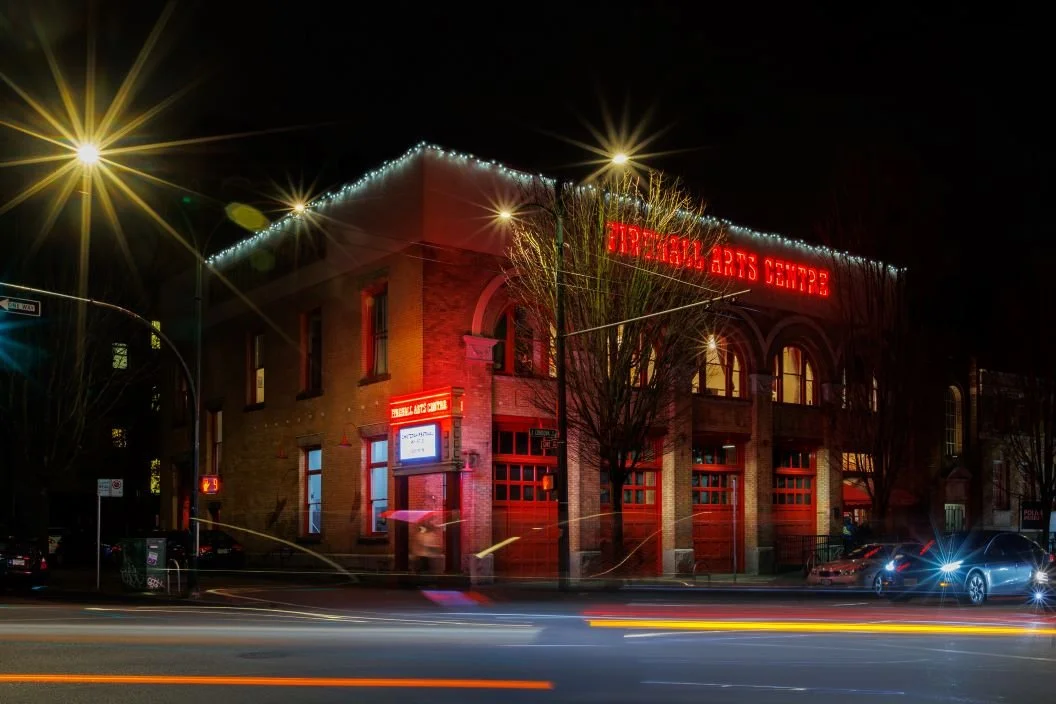
Uppercut Dance Theater presents Benched as part of the Vancouver International Children’s Festival at Performance Works from May 26 to 31
ALTHOUGH IT’S MIDNIGHT for me, Mark Philip’s day has just begun. It’s a beautiful blue-sky kind of morning in Copenhagen, without a cloud in sight. Alongside the Copenhagen Harbour, Philip finds a bench to sit on to chat with me over Zoom on his iPhone.
Philip is one half of the artistic director duo of Denmark’s Uppercut Dance Theater. It’s a role he shares with his partner, Stephanie Thomasen, the visionary and choreographer behind BENCHED.
Originally commissioned for the Copenhagen Summer Dance festival in 2021, BENCHED has traveled around the world and has been performed over 130 times. Last year, it was presented at Princess Isabella of Denmark’s 18th birthday gala at the Royal Danish Theatre. Later this month, Uppercut will share BENCHED as part of the 49th annual Vancouver International Children’s Festival.
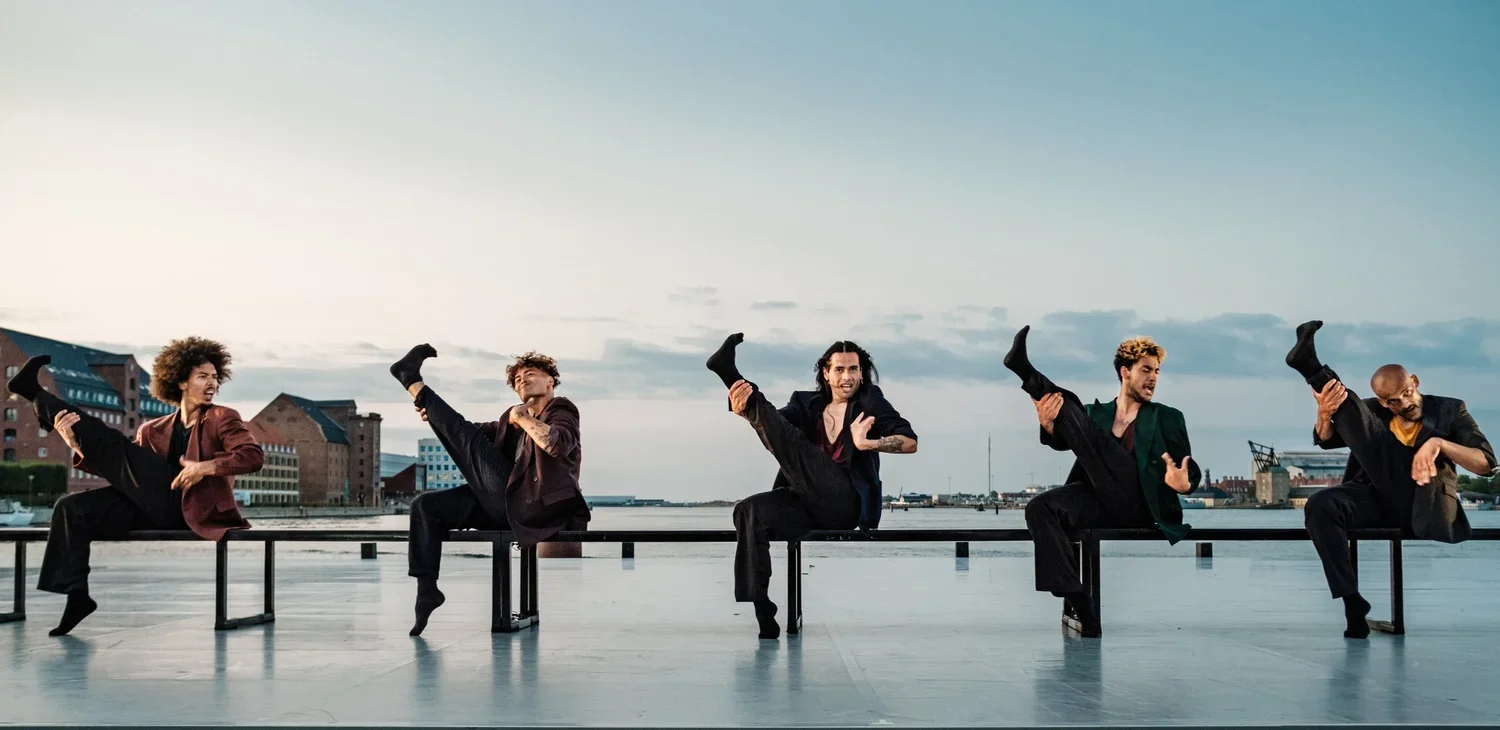
BENCHED blends playful choreography with bold athleticism on an eight-meter-long, reconfigurable bench to “push the limits of movement and explore what it means to take space, share space, and sometimes fall right off the edge”, according to the dance company’s website.
Along the harbour, Philip switches his perspective from himself to the people near him, sitting on the other benches lining the water. He points out folks conducting work meetings, talking with friends, working on their computers, and chatting with tourists.
“It’s such a nice thing, even though it’s so simple. So many different things happen on benches, and that is what Stephanie wanted to put into the performance,” Philip says. “We were looking for a prop that could combine the audience and the performance together, and we came up with the idea of benches.”
The long, dark bench—which can be broken apart, set on its side, and held overhead—is moved around to create new tableaus throughout the piece, offering snapshots of moments in time and evoking various feelings. There’s no traditional storyline; instead, the piece encourages the audience to imagine a story of their own.
“Whatever you as an audience member sees and feels, that is the story,” Philip explains. “This is your art. This is your way of seeing these small glimpses of life that you see on a bench. This is also the core of our work in all our performances: to keep it so open that you can make your own story on our performance.”
Uppercut Dance Theater has been creating shows for adults and young audiences for more than 40 years. Over his 25 years with the company, Philip has trained as a performer, a dance teacher, and, most recently, as an artistic director alongside Thomasen. He says their mission is to continue Uppercut’s legacy of championing their dancers’ unique expression. Philip says they encourage their dancers to “be your own artist, use your own voice, be your own dancer.”
As he explains, “We are very different from each other, as you will see in BENCHED. Each dancer has their own background, their own culture. It’s very beautiful when you can grow up and just be yourself in a company.”
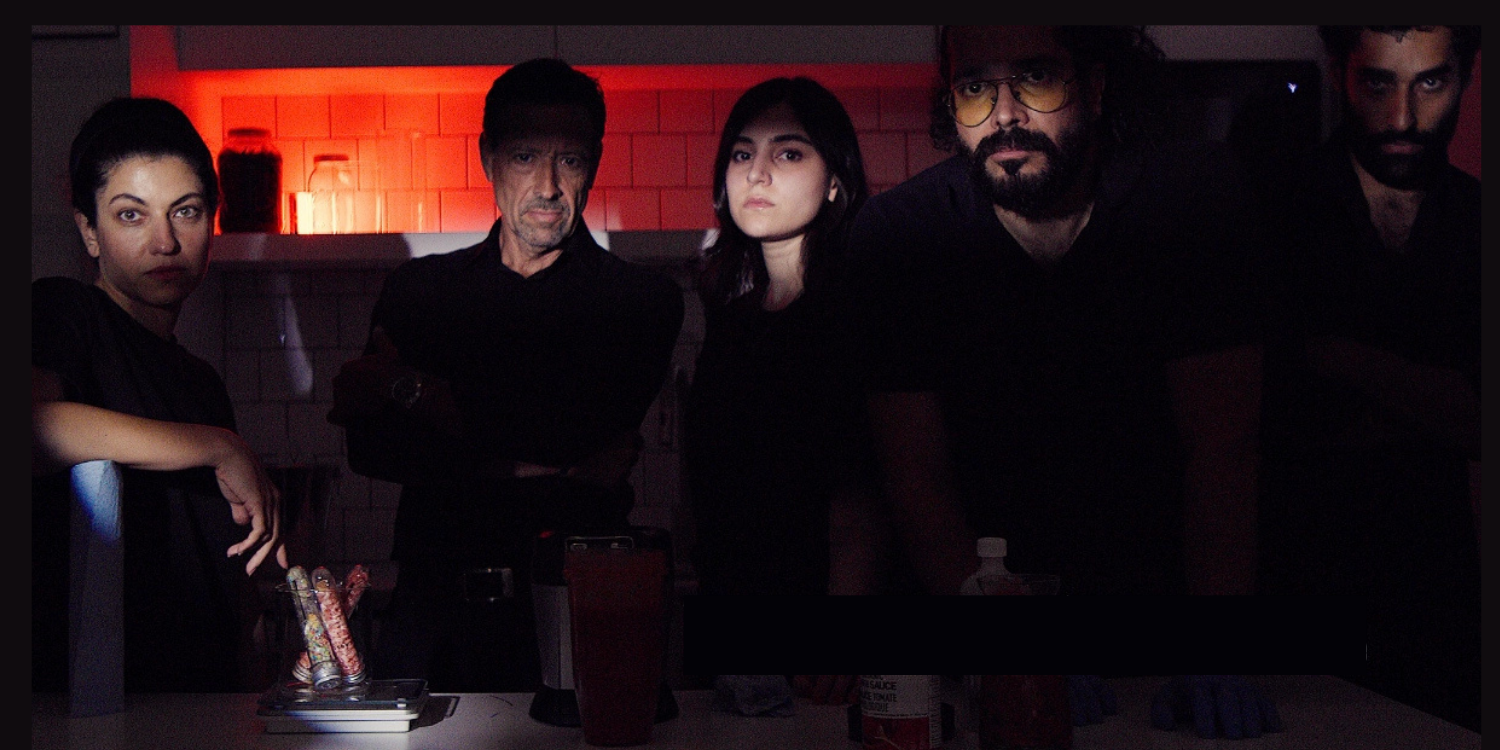
The dancers featured in this piece are Adam Tocuyo, Patrick Afuale Eirup, Carl Giacomello, Elias Khanamidi, and Jens-Antonio Schyth Brøndum.
Tocuyo’s movement is informed by his experience in the Brazilian fight-dance movements of capoeira and also by hip-hop. Giacomello’s style comes out of parkour. Schyth Brøndum was a ballet kid, and so his contemporary dance style is grounded in an extremely strong technique.
Khanamidi comes from breakdancing (“He’s like jelly,” Philip says) and Afuale Eirup’s style has been shaped by his experience with house dance—with his light footing and tall height, Philip likens his movements to an airplane taking off.
Together, this fusion of dance styles offers something dynamic and accessible, inviting the audience to find personal resonance within the performance. For Philip, what makes the piece so special is its ability to help people not only see themselves in the work but to connect with folks who are different from themselves.
“In today’s world, which is so chaotic, everything feels closed—all feelings, all eyes, all the love is closed towards other people,” Philip says. “We hope that Vancouver can see that it’s so beautiful when you combine different human beings from different places of the world together.” 

Related Articles