Kuniko Kato uses Open Frequencies to bring new meaning to Steve Reich’s groundbreaking music
As part of Vancouver New Music’s festival, the acclaimed percussionist relies on a traditional Japanese spirit of harmony that allows Reich’s precise patterns to breathe
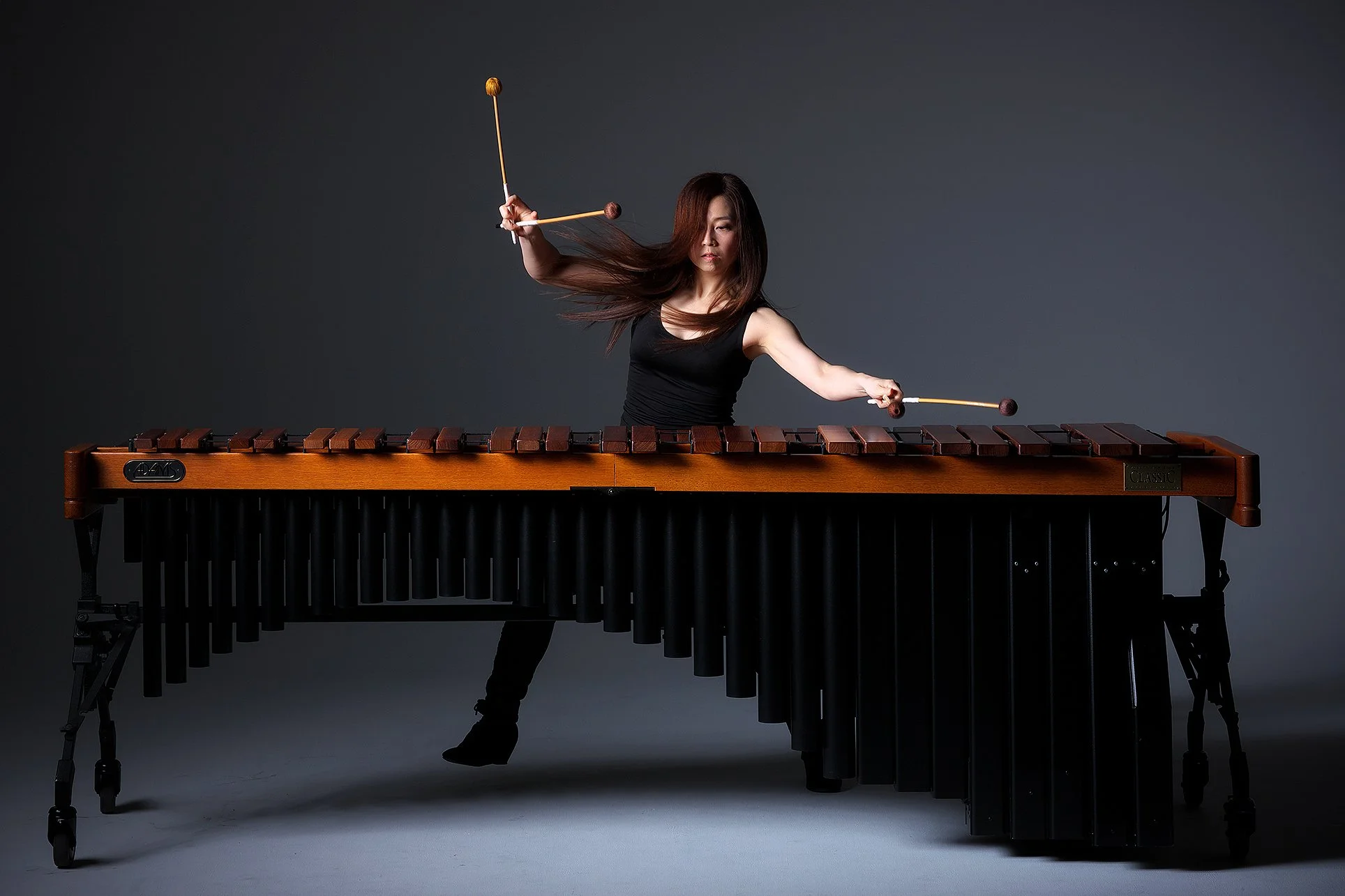
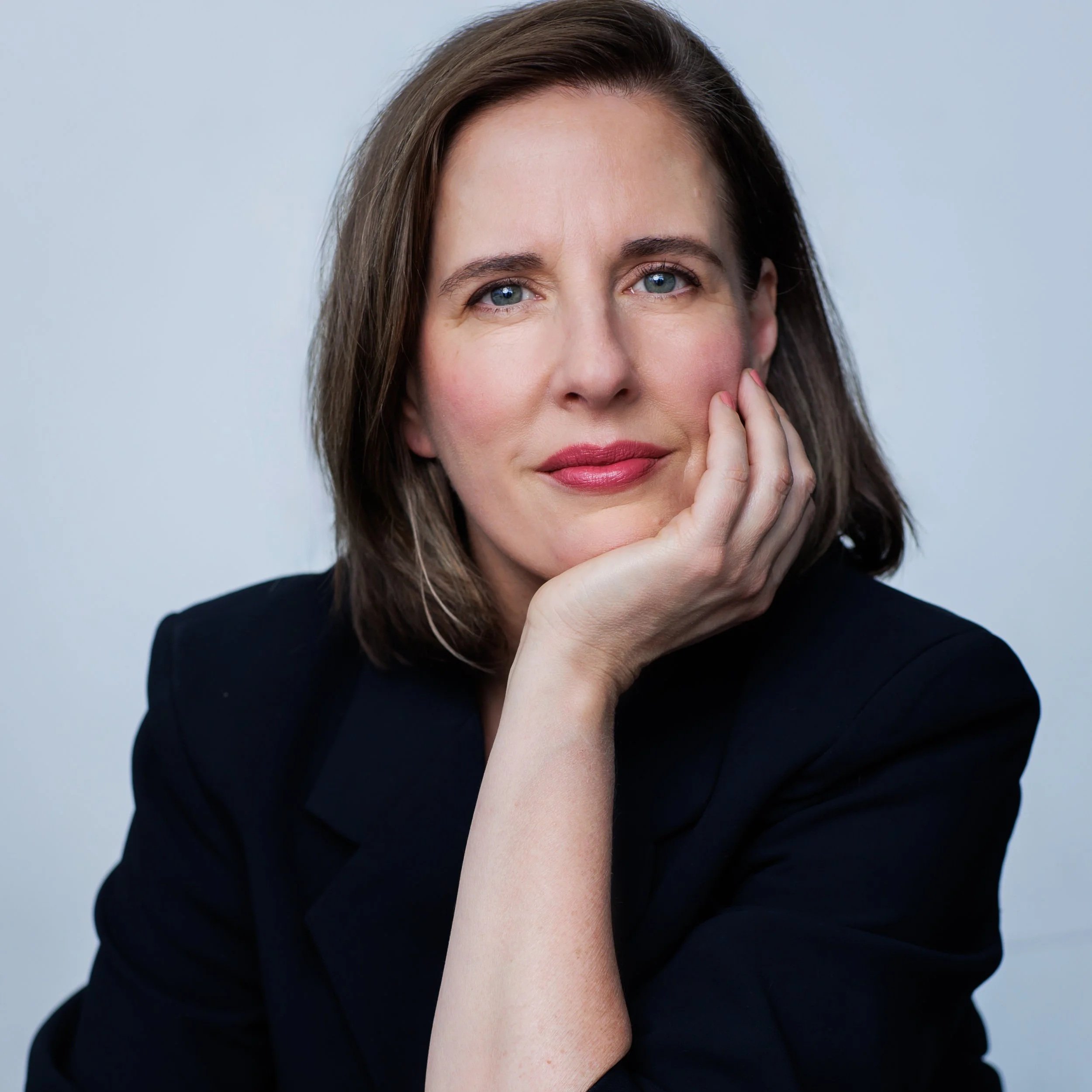
Kuniko Kato. Photo by Michiyuki Ohba
The Kuniko Kato Quartet plays Pacific Spirit United Church on October 22 as part of Vancouver New Music’s Open Frequencies festival
WHAT DO STEVE REICH and Japanese craftsmanship have in common? Not much, on the surface of things. Granted, the American pioneer of minimalism and looping, who celebrates his 90th birthday this year, has always looked beyond the European classical tradition for inspiration, but he’s not paid particular attention to Asian forms, preferring instead to draw from African and African-American sources. Meanwhile, the Japanese craft tradition tends to be about perfecting centuries-old means of expression rather than breaking the rules, as Reich and his contemporaries Philip Glass and Terry Riley did during the turbulent 1960s.
Look deeper and some important parallels begin to emerge, however—and Toyohashi-born percussionist Kuniko Kato is in a particularly good place to draw them out. Over the past decades—and three quite spectacular recordings of Reich’s work—the percussionist has highlighted Reich’s compositional mastery while also managing to find new levels of life and meaning within his complex patterns.
Some performers of Reich’s music aim for metrical precision, and that’s laudable enough in its own way. But Kato somehow makes the music breathe—and that, she says, comes from her uniquely Japanese perspective. It’s hard to put this into words, as we found out during a two-part interview, first by email with automated translation and then in a Zoom call facilitated by the drummer and marimba virtuoso’s bilingual partner and tour manager, Andy Ito.
“The Japanese spirit of wa [harmony] is evident in everything,” she initially wrote. “It manifests itself in sports, music, and everything else, and it’s what brings about its success.
“Strangely enough, whenever I play the drums, I feel like any piece somehow resonates with a sense of wa,” she continues. “From the moment I hit the drum, I strangely feel like I’m playing the drums as a Japanese person. A master of the tsuzumi drum spends their entire life refining the tone of just one note. They practise by striking that single note all day long, [and] continue this for their entire lives. In a piece of music, each note connects to the next (which is also the ‘space’ between notes), and then to the next, until a complete piece of music is formed.”
There’s a relationship, too, with taiko drumming, a uniquely Japanese form initially intended to build community and celebrate rural harvests that has since become concert music in its own right. As with the West African drum groups that Reich studied with during his early career, taiko contains an organic pulse that can’t be duplicated by any metronome or click track. Playing it at a high level requires a martial arts–like understanding of breath and body control, as well as the kind of intuitive ensemble coordination that makes near-telepathic shifts in timbre and tempo possible.
In our Zoom call, Kato added that while her quartet does not improvise in the jazz sense, this sense of ensemble unity allows the performers to respect the written score—and Reich’s are often quite intricately notated—while going “beyond the score” in elastic and immersive ways.
“I try to give [fellow performers] some kind of image from nature, like the shining of leaves,” Kato explains when asked if she links any kind of narrative to Reich’s abstract compositions. “There are a thousand kinds of shining, but they are never the same. Or sometimes I give them the idea that we are running like some kind of animal, or swimming like many thousand fishes in the sea, or that we’re making a soundtrack for some kind of city life, like a scene from the city.
“I think there’s also a ‘Japanese spirit’ that we all share,” she continues. “Sometimes it’s not in a good way, but it can give rise to an abnormal sense of collective consciousness, which has even shaken the world.” And with the ensemble that she’s bringing to Vancouver next week, an intensely focused yet meditative sense of purpose is what she’s trying to achieve.
“One more thing I value is the feeling of ‘instinctiveness’,” she comments. “When producing sound, you must make choices in every single moment. The fleeting sensation of contact with the instrument; how to release a living sound in that instant; the resonance; the instantaneous harmony—you entrust everything to your instinctive senses.”
Of course, Kato is also in a position to get expert advice: she has Reich’s ear, as well as his approval. The notoriously plainspoken composer makes a point of answering any of her questions within a day, and is not shy about making suggestions where necessary. “For my special arrangements, he always says, ‘Send me a demo first,’” Kato notes. “Then he gives me all sorts of feedback, from balance and dynamics to the sounds that should be heard. He’s quite picky and strict, but he’s always positive and it shows how much he cares about his work. And when it’s finished, he always says, ‘Congratulations!’”
As well he should: Reich is lucky to have such a devoted interpreter, and come October 22 we will be lucky, too, to hear five selections from his body of work given such vital and sensitive readings. 

Related Articles