The Array: Supermassive Black Hole explores cosmic themes through experimental theatre
Upintheair Theatre stages its latest installment, with What Lab, of a project that challenges local artists to respond to timely topics in science, nature, and astrophysics
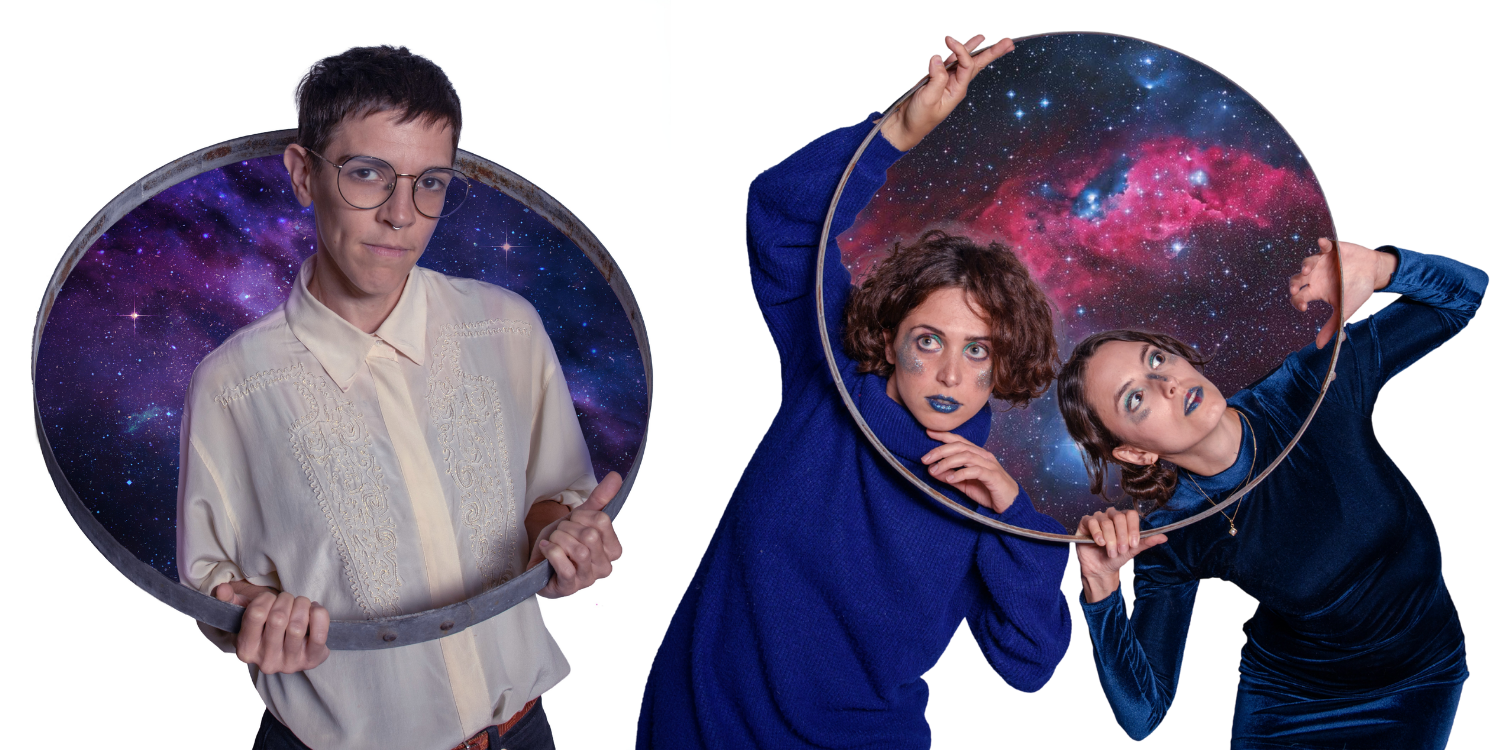
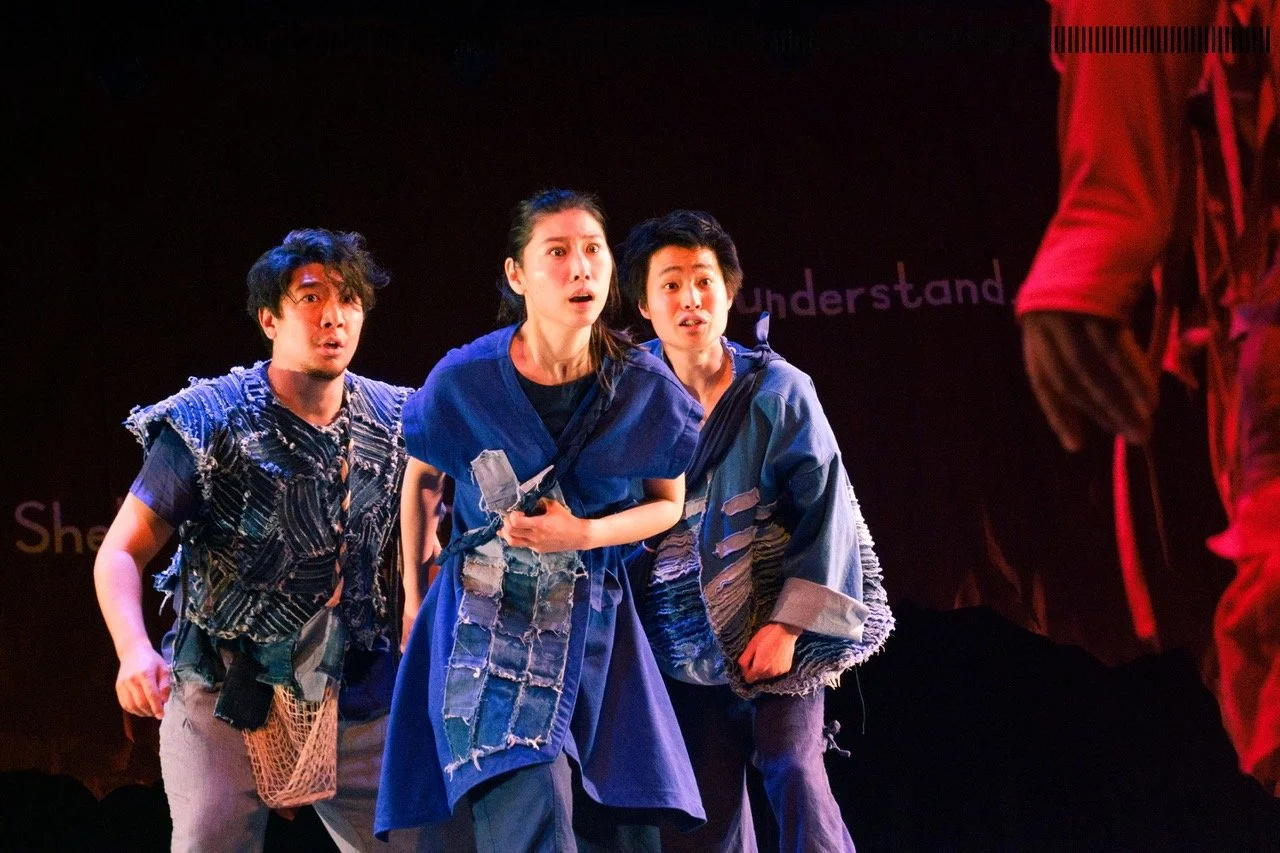
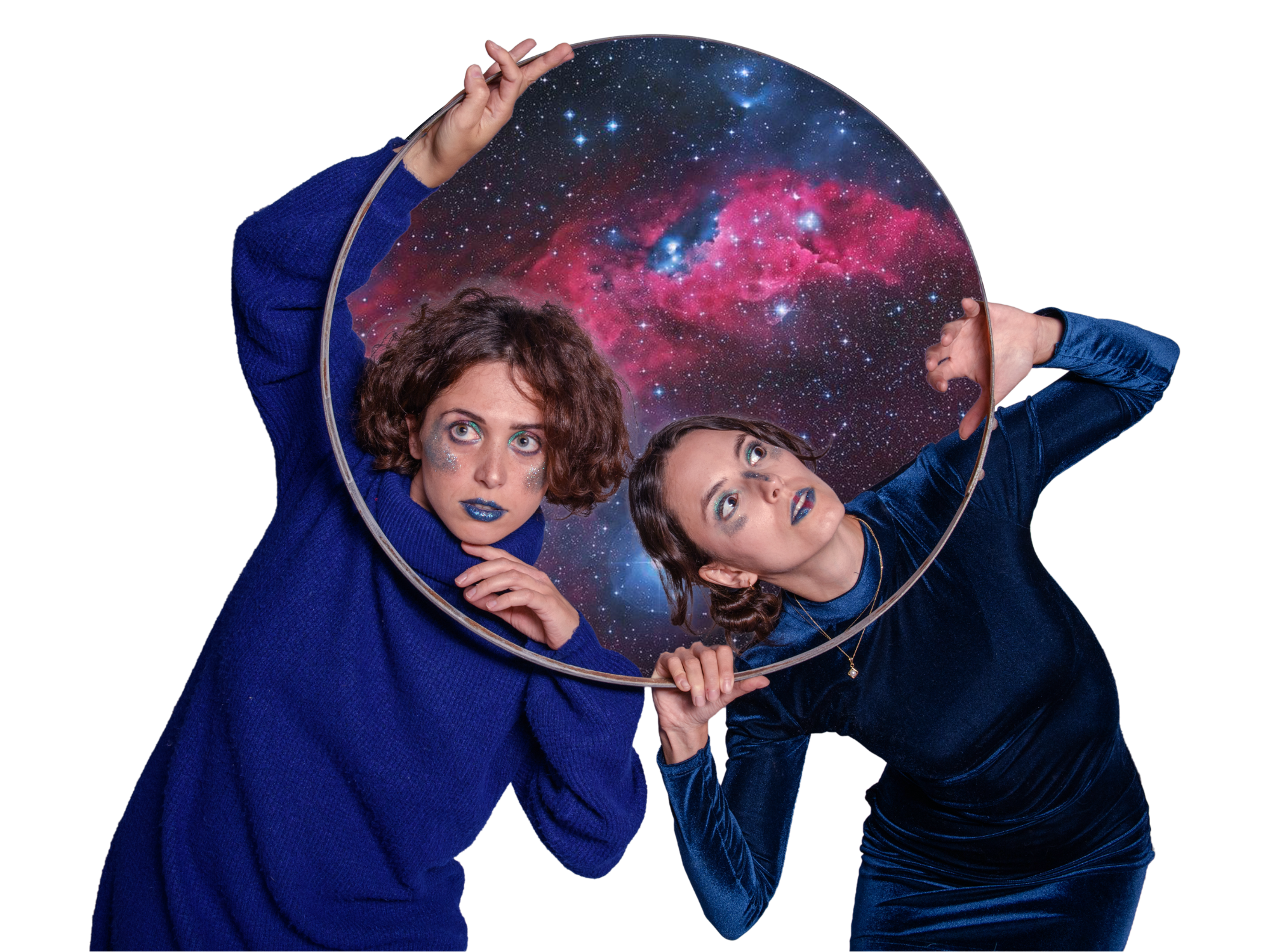
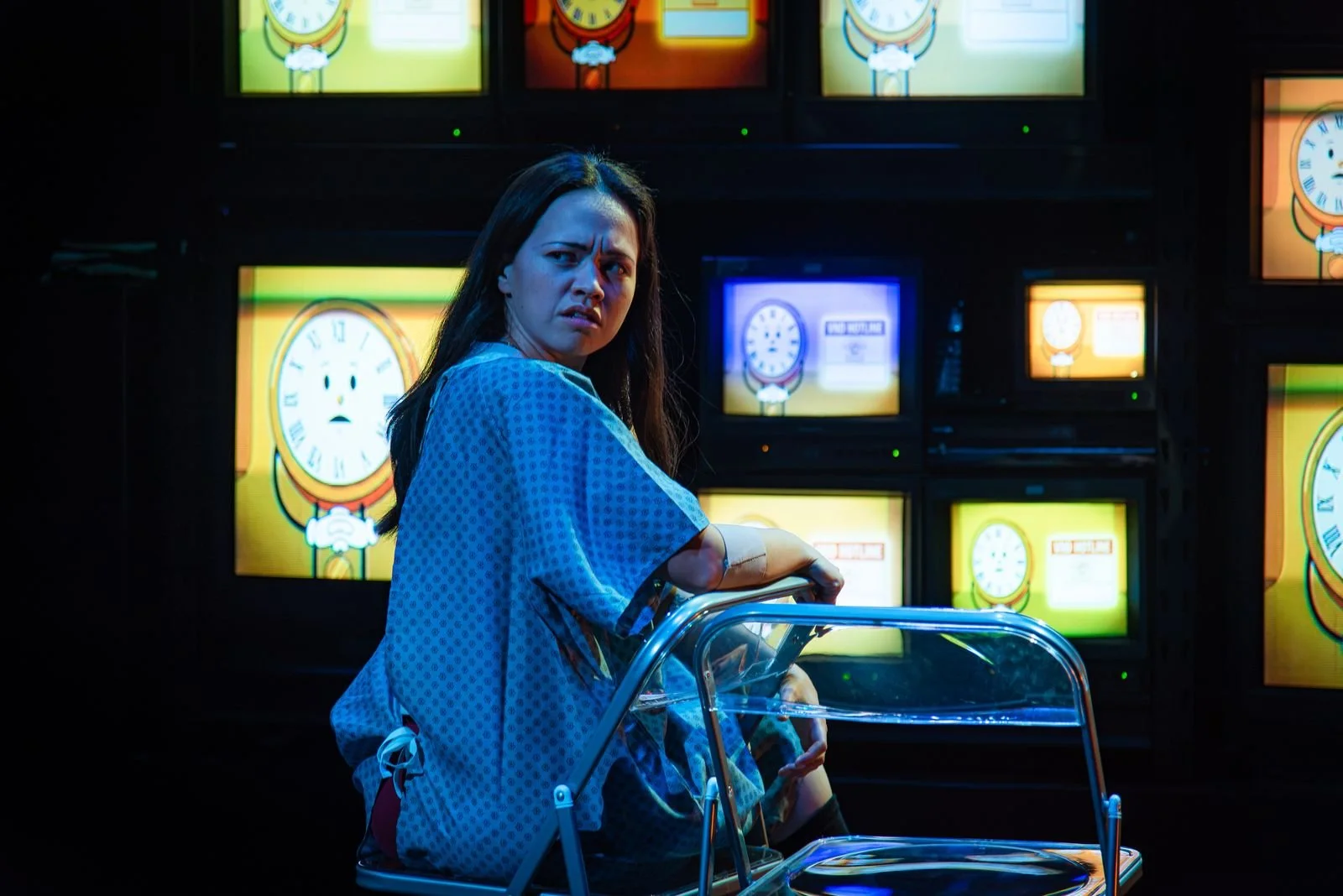
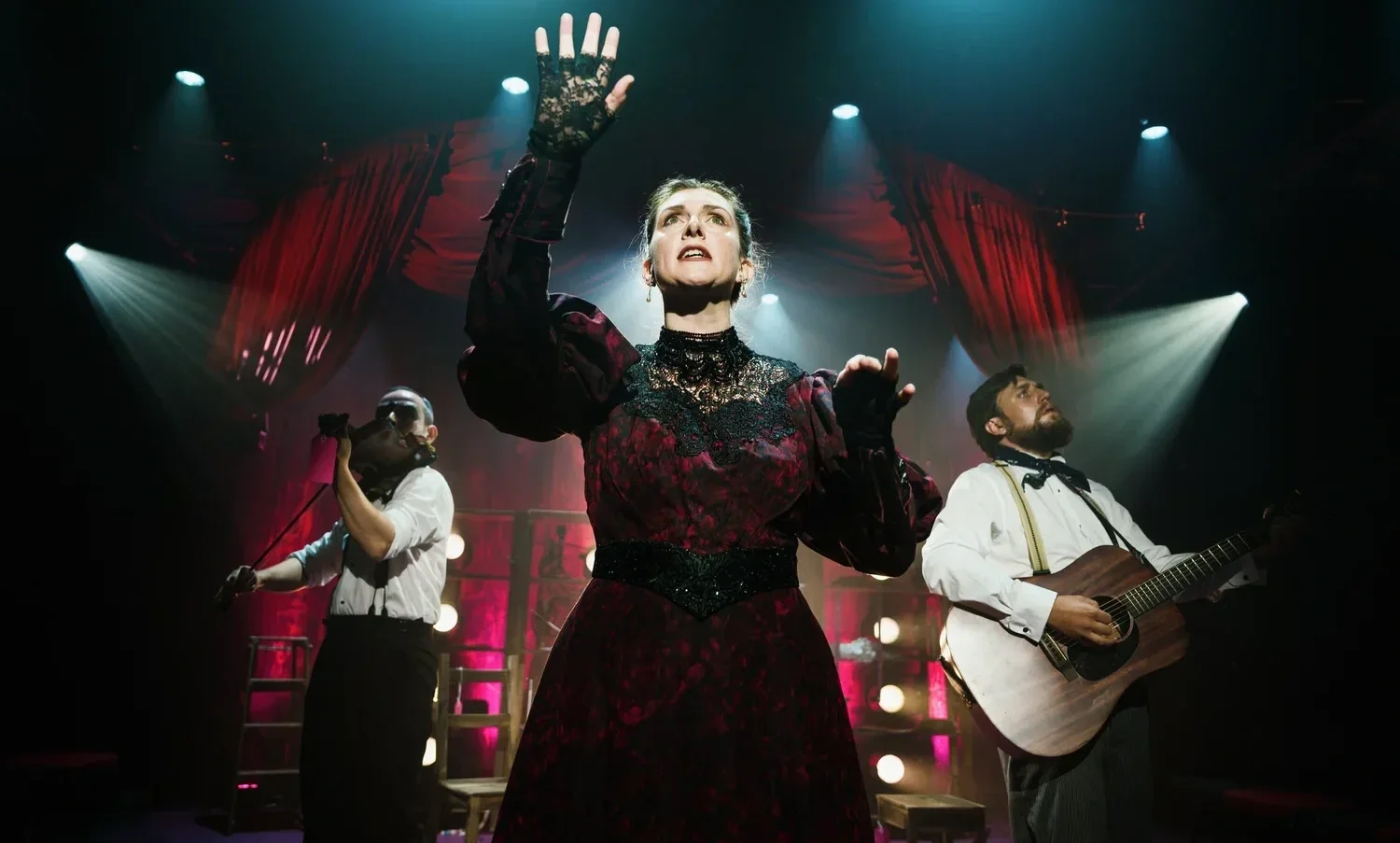
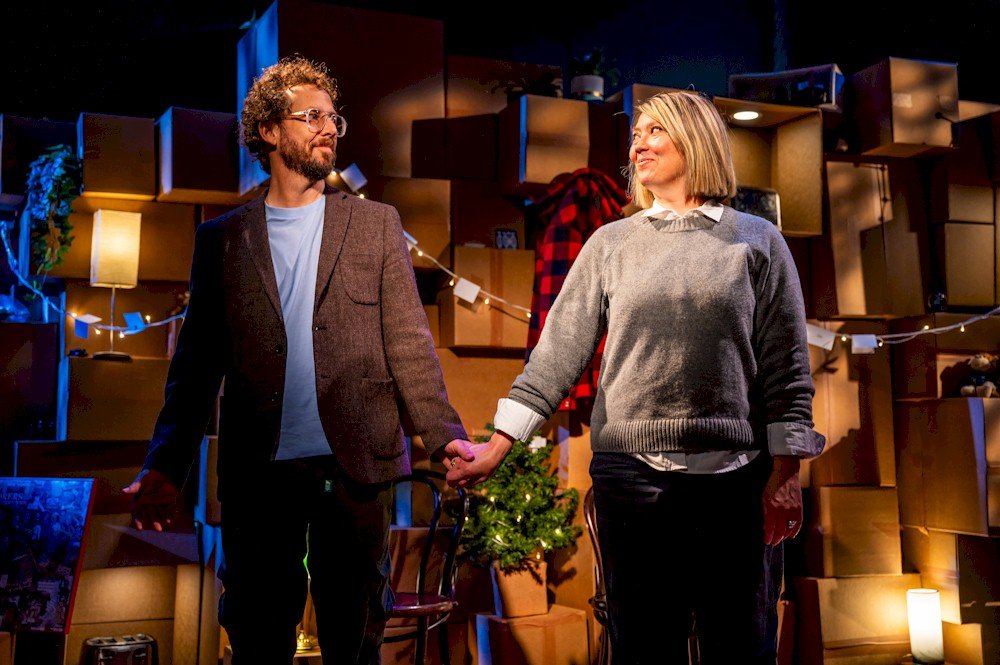
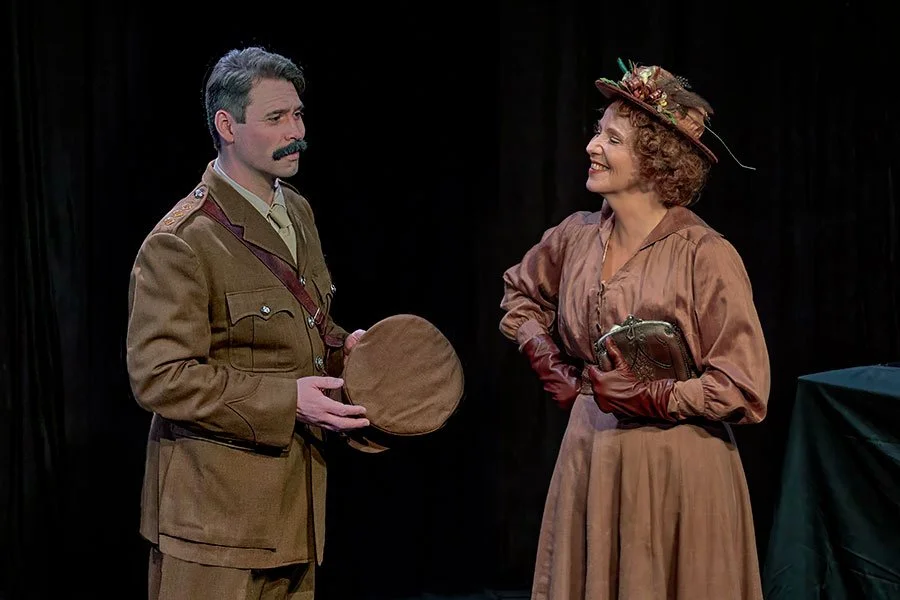
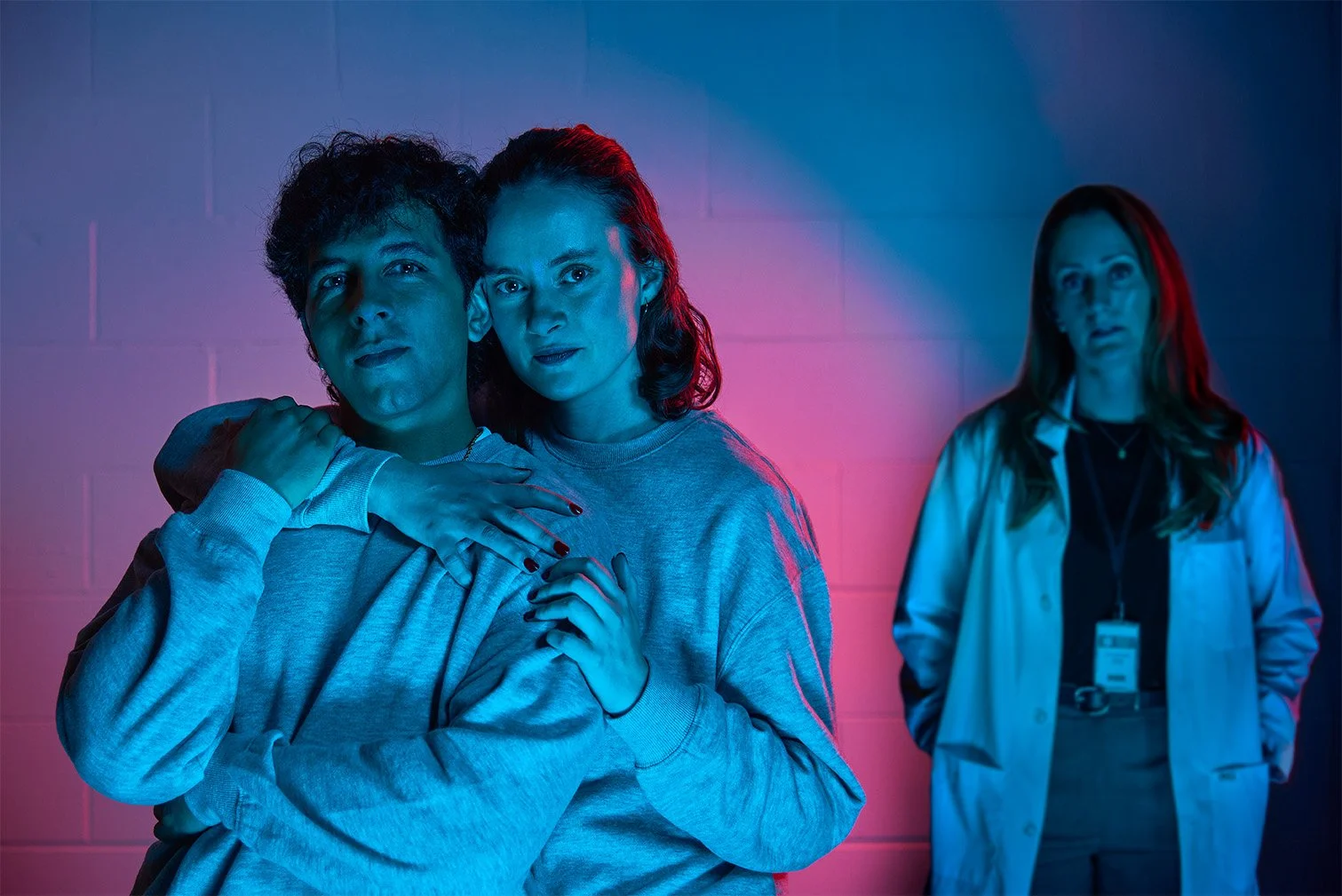
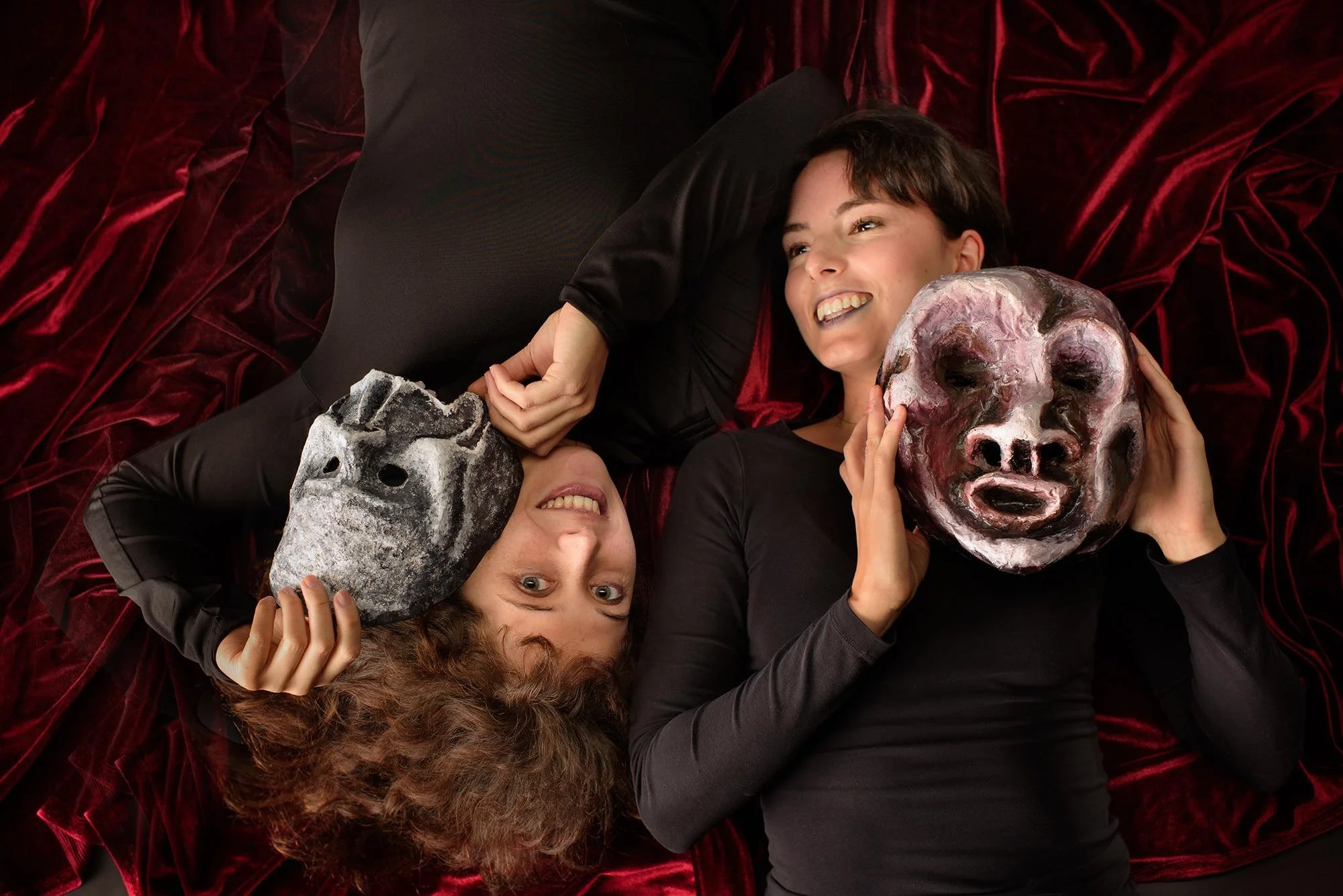
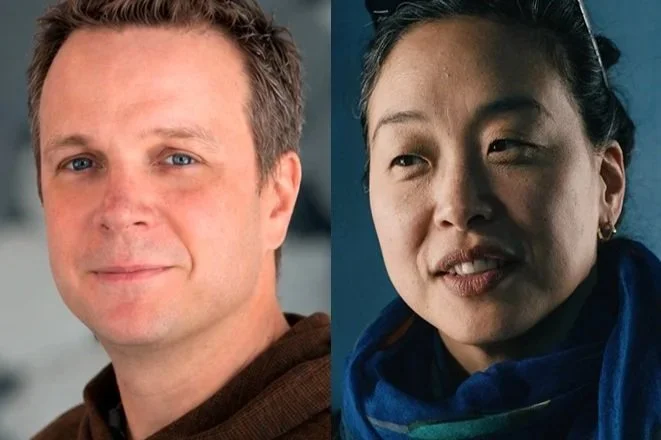
Left to right, Jarin Schexnider of What Lab; Plastik Theatriks’ Loreta Andrea and Regina Ríos. Photos by Marjo Wright, edited by Jessica Hood
Upintheair Theatre, in association with What Lab, presents The Array: Supermassive Black Hole at What Lab from October 21 to 23 at 7:30 pm
BLACK HOLES ARE very much in the news these days, and we’re not talking about the dead eyes of whatever soulless lizard person the Trump White House has wheeled out as its new press secretary this week. No, we mean real black holes. The outer-space kind.
On October 13, for example, the website IFLScience reported that astronomers are close to discovering the source of anomalous “ghost particles” coming from a supermassive black hole at the centre of the delightfully named Squid Galaxy. Just the day before, SPACE.com told its readers that a different team of astronomers had witnessed another supermassive black hole at the heart of the Perseus Cluster “burping radio jets 300 days after a heavy cosmic meal”.
The timing could not be more perfect, then, for Upintheair Theatre to present a show called Supermassive Black Hole. This is the sixth installment of The Array, a series in which Upintheair asks local theatre artists to create new works inspired by recent developments in science.
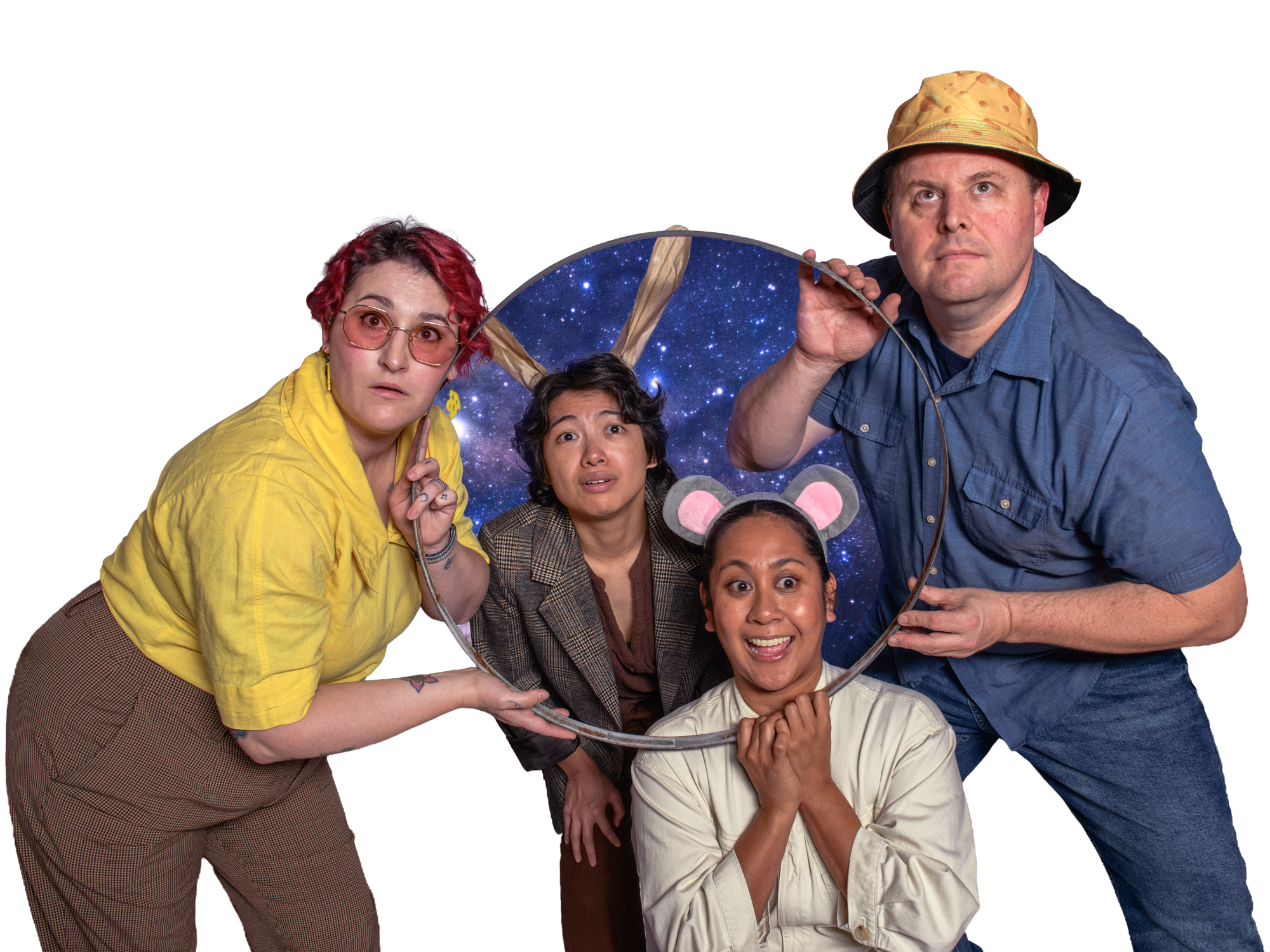
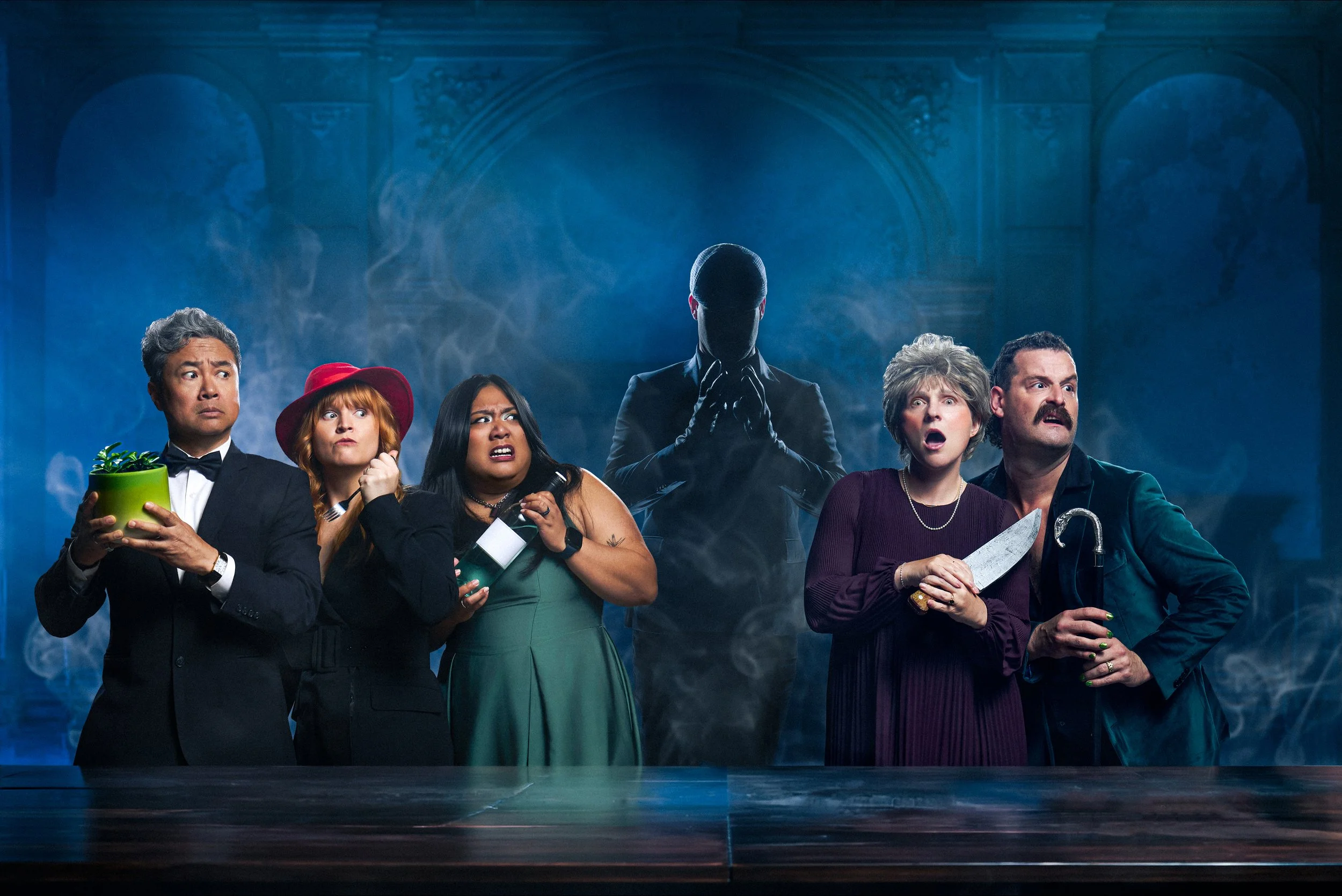
Upintheair Theatre’s Jessica Hood, Jesse Del Fierro, Sarah Roa, and Dave Mott. Marjo Wright, edited by Jessica Hood
“Jarin Schexnider and I, who are the two curators, select a bunch of articles, we read them, and then we break it down to five,” says Upintheair managing artistic director Dave Mott, who explains that the final article is selected by the participating artists through a voting process. “This year, the one we chose was essentially about the history and the updating of knowledge around black holes, and that black holes existed at an earlier time in the past than was previously proven.”
Last August, scientists utilizing the spectroscopic capabilities of the James Webb Space Telescope confirmed the existence of a black hole at the core of galaxy CAPERS-LRD-z9 that dates from 500 million years after the Big Bang. To put that in perspective, that’s just 3 per cent of the universe’s current age.
Along with Mott on the Zoom call are Regina Ríos and Loreto Andrea of Plastik Theatriks, one of four groups or individual artists who have created works for this edition of The Array. (The others are Schexnider, danielle Mackenzie Long and Shion Skye Carter, and Upintheair itself.)
“We latched onto how poetic the article actually was,” Ríos says. “These black holes that are seen through the telescopes as tiny red dots, they’re described as these solitary leviathans. So that’s the concept that we’ve latched onto, this old and dark solitary leviathan that we’re creating. We’re creating this creature in our piece.”
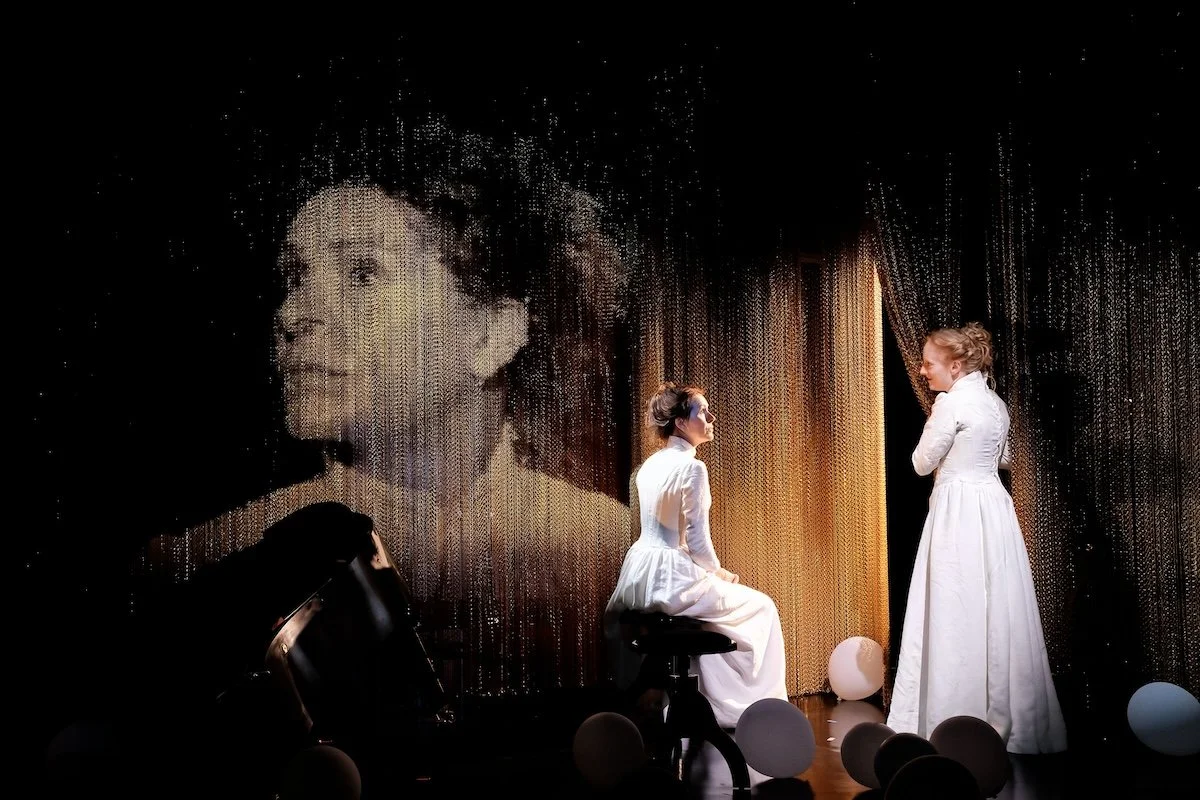
In the piece, titled Leviathan, Plastik Theatriks employs masks, fabric, and physical performance set to a looping soundscape.
“Ultimately, the text is an excuse to work on something that as artists we have in the back of our minds,” says Andrea, who tells Stir that Leviathan uses masks originally created for a previous work. “We’re bringing these masks back for this piece, and we decided to replicate one of them. So we’re kind of photocopying with Worbla, with this thermoplastic for crafts. We’re going to have many masks—and I feel like that’s all I can say without spoiling too much.”
As for Upintheair, Mott says he and his colleagues—Jesse Del Fierro, Jessica Hood, and Sarah Roa—have something cheesy in the works. Literally.
“We went in a totally different direction, because we were thinking about these gas-based black holes, and we were like, ‘What’s at the centre of the centre?’ And for some reason, we latched onto the idea of how bubbles form in Swiss cheese,” Mott says. “And we proposed that at the centre of every hole in a piece of Swiss cheese was a miniature black hole which came into existence, which provides us with the delicious flavour of cheese that we have now.
“And also, those black holes, we supposed, are constructed primarily of grief,” he continues. “So, for us, we’ve made a very funny comedy that talks about shared communal grief that as a community and a society we all understand and know. But rather than going on the nose and talking about that, we’ve made a funny performance, so as to explore the concept of grief without making it heavy. We want people to enjoy it.”
The Array is intended to be fun for the artists involved, as well. Mott says the series was conceived to recapture the spirit of something like Theatre Under the Gun, the 48-hour theatre-creation challenge that started in the late ’90s and ran sporadically up until 2019. (It has recently been revived for a post-pandemic world and renamed Theatre Under the Wire.)
“The Array is one of the few truly experimental art-making, theatre-performance opportunities that exists in Vancouver, and it’s just really cool that we latched onto this physics and science theme, because it’s not something that work gets made about regularly,” Mott says. “It’s varied in many different ways, but it’s always based in the world of science and physics.
“It was really quite space-focused at the beginning, but as I started working with Jarin, we started to bring in other ideas, like thermal dynamics,” Mott notes. “There was one time we read this article about how bubbles work, and we were going to make a work about bubbles. But it’s definitely got to be in that realm of the science and nature world in order for it to proceed, because the artists are like an array of telescopes that are all looking at one particular idea—way out in the heavens or nearby, or whatever it is they’re focused on.” 

Related Articles