Film reviews: Social satire abounds at Visions Ouest and Alliance Française summer screen series
François.e helps a cynical screenwriter see the world through trans eyes; The Electric Kiss revels in 1920s-era comedy; and The Party’s Over creates a biting critique under the southern French sun
François.e
COMEDY IN ALL forms fills much of the programming at the summer mini-installation of new films that comes care of Visions Ouest (the folks behind the Rendez-Vous French Film Festival) at Alliance Française Vancouver.
Below, our take on just a few of the options continuing at the Cambie Street venue to September 3—from a daring but rewarding Quebec comedy on faking diversity to a social satire set in a southern French villa.
FRANÇOIS.E
August 28 at 7 pm at Alliance Française
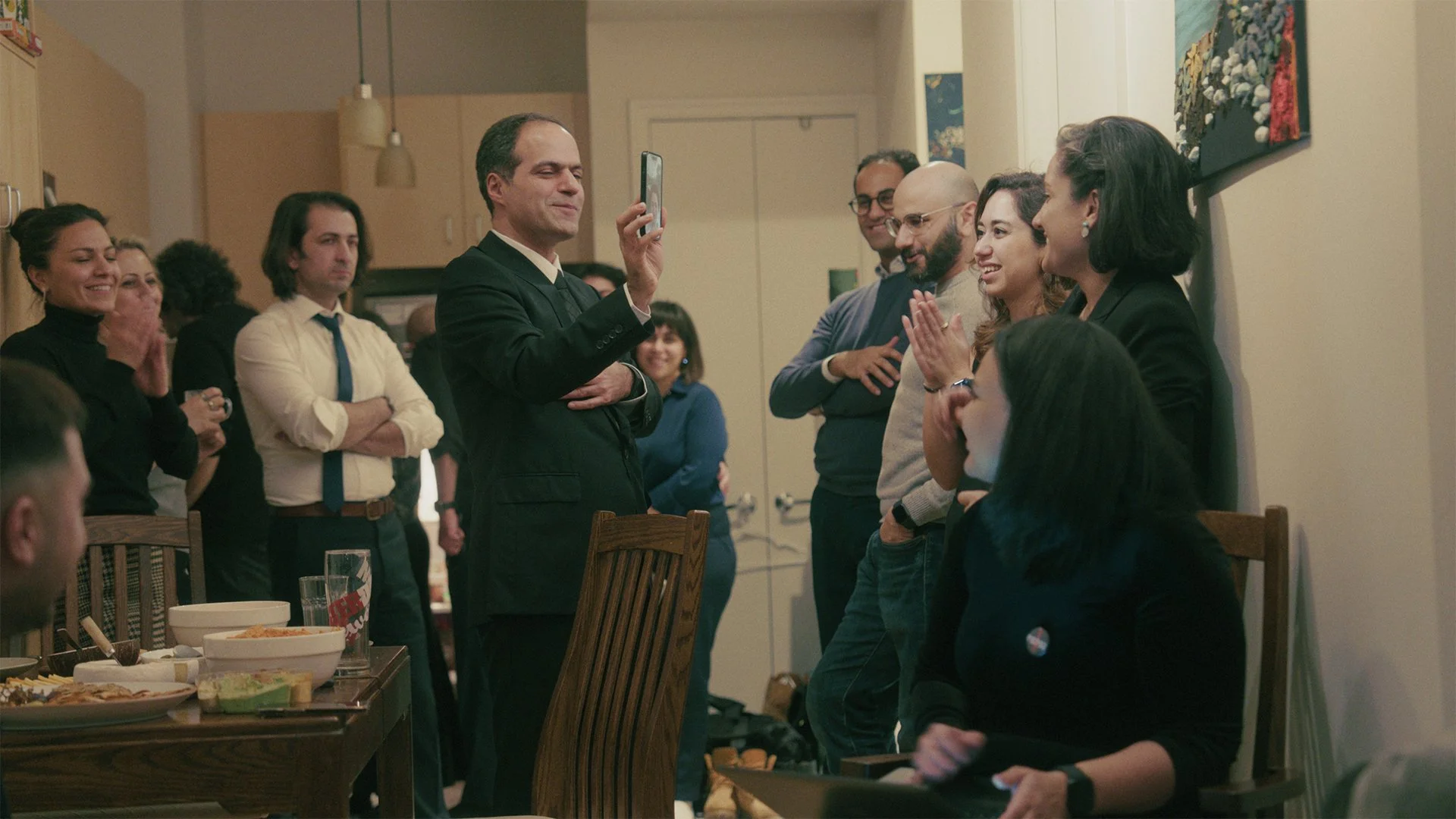
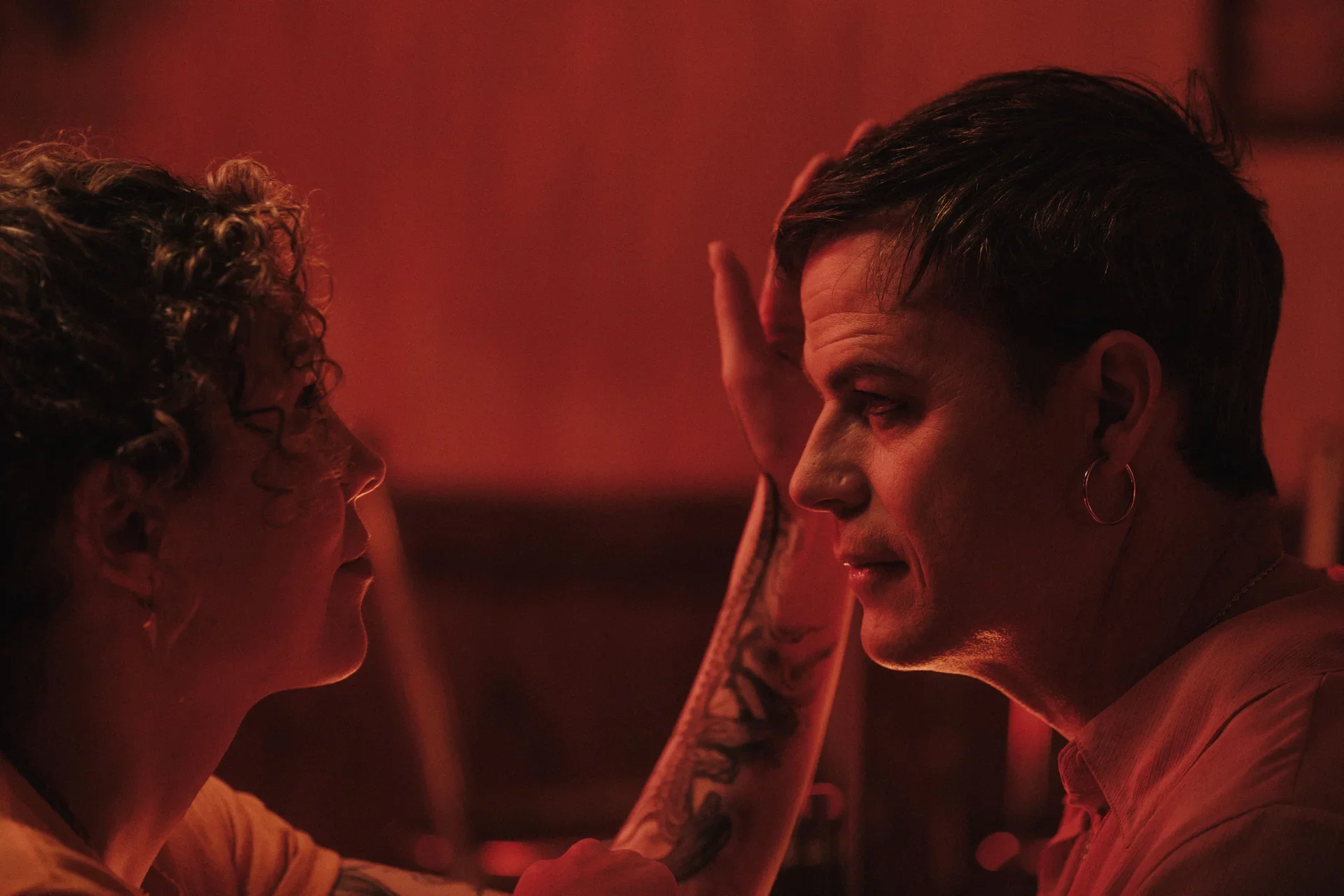
This risky new comedy from Quebec director Jean-François Asselin (Plan B) quite literally shows its nards in its first seconds, shooting a bunch of guys from the waist down, full-frontal, as they shower and talk about sex after hockey practice. It’s here, in this ultramasculine, beer-drinking world that white, straight, 50-something TV screenwriter François feels most at ease. But he can’t sell scripts anymore: the networks want diversity. And so he cynically checks the “transgender” box on his next funding application and gets the green light to create a new series centred on a trans character. It’s loaded, possibly offensive territory, but trans author Gabrielle Boulianne-Tremblay and coscripter Jean-François Léger work sensitive magic to turn all the irreverence into something warm and illuminating. François (an adept, self-deprecating Louis Morissette) is forced to walk the walk (in heels) as he becomes ever more entrapped by his elaborate deception. At the same time, he starts to see the world through trans eyes—and all the macro and micro aggressions that happen—thanks in large part to smart trans script doctor Sara (a likeable Pascale Drevillon). As a bonus, François’s neglected family actually likes him more as Françoise. None of this is subtle—as announced by that opening scene—but it’s fun watching François.e pull off its audacious setup, and a few surprises, while managing to build bridges and walk a comedic tightrope (in heels) through laughter.
LA VÉNUS ÉLECTRIQUE (THE ELECTRIC KISS)
September 2 at 7 pm at Alliance Française
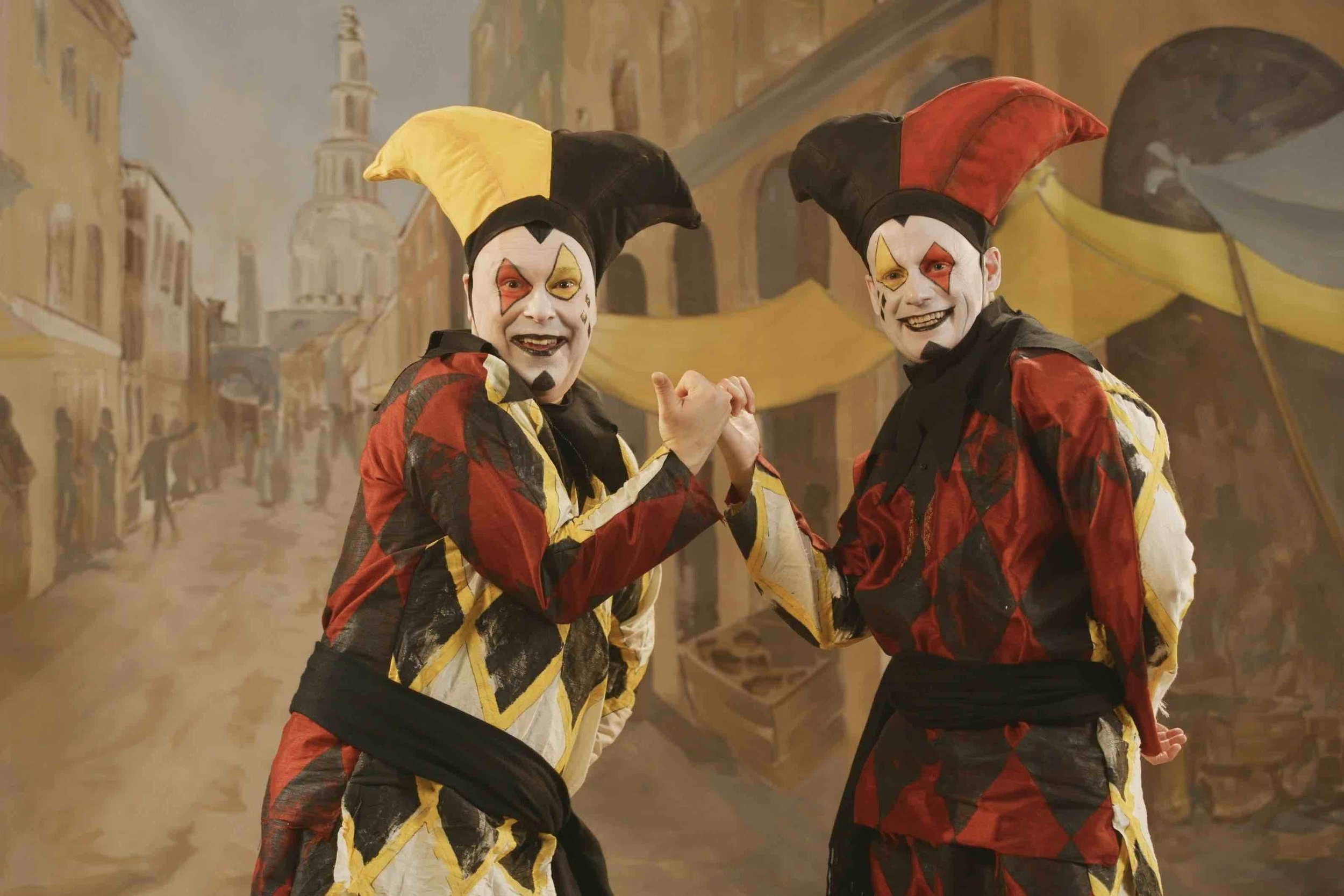
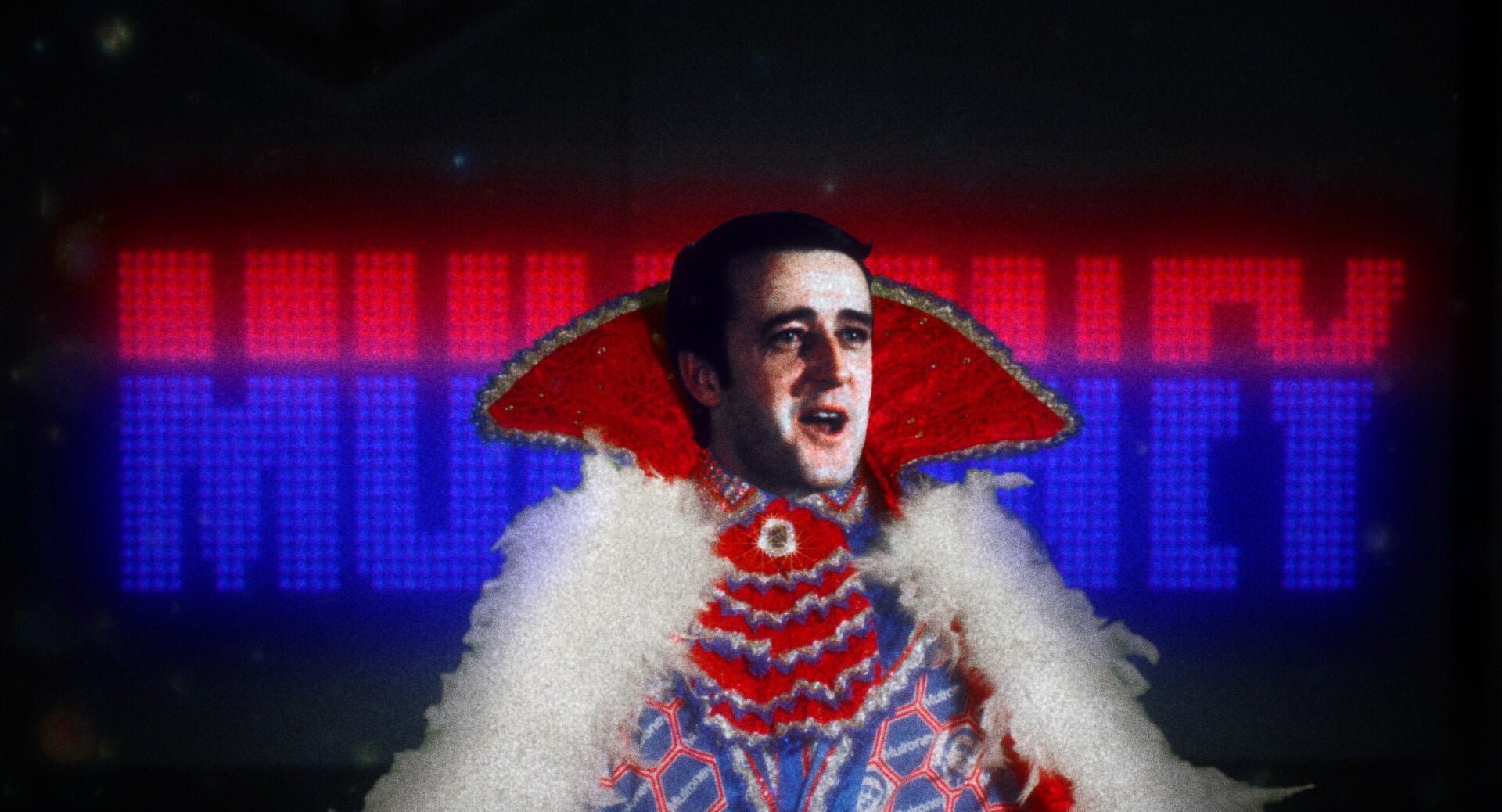
Pierre Salvadori’s light-as-static 2026 Cannes Festival opener transports audiences back to the atmospheric Paris of the late ’20s, when a travelling carnival attracts the masses with Siamese twins and fortune tellers. Amid the acts is Anaïs Demoustier’s flapper-bobbed Suzanne, the “Electric Venus”: looking a bit like a more jaded Amélie, she takes the stage to kiss young men from the crowd, her hands clutching two globe-shaped generators that send electric volts through her lips. But she’s hard up and needs more money to feed her laudanum habit, so she moonlights as a fake spiritualist for a rich artist, Antoine, who believes she can channel his beloved dead wife. Cue long flashbacks as Suzanne searches for the late Irène’s diaries for believable details—and starts to question her own grifting ways as she learns more about a woman sure in herself and in her love of art and Antoine. Along the way, as you might expect, Suzanne starts to fall for Antoine too. It’s far-fetched and sometimes falls into silly farce, but waouh, is La Venus électrique beautiful to look at, from the antique palette of its carnival wagons to the sight of Sacré-Coeur looming in the distance beyond Antoine’s apartment.
CLASSE MOYENNE (THE PARTY’S OVER)
September 3 at 7 pm at Alliance Française
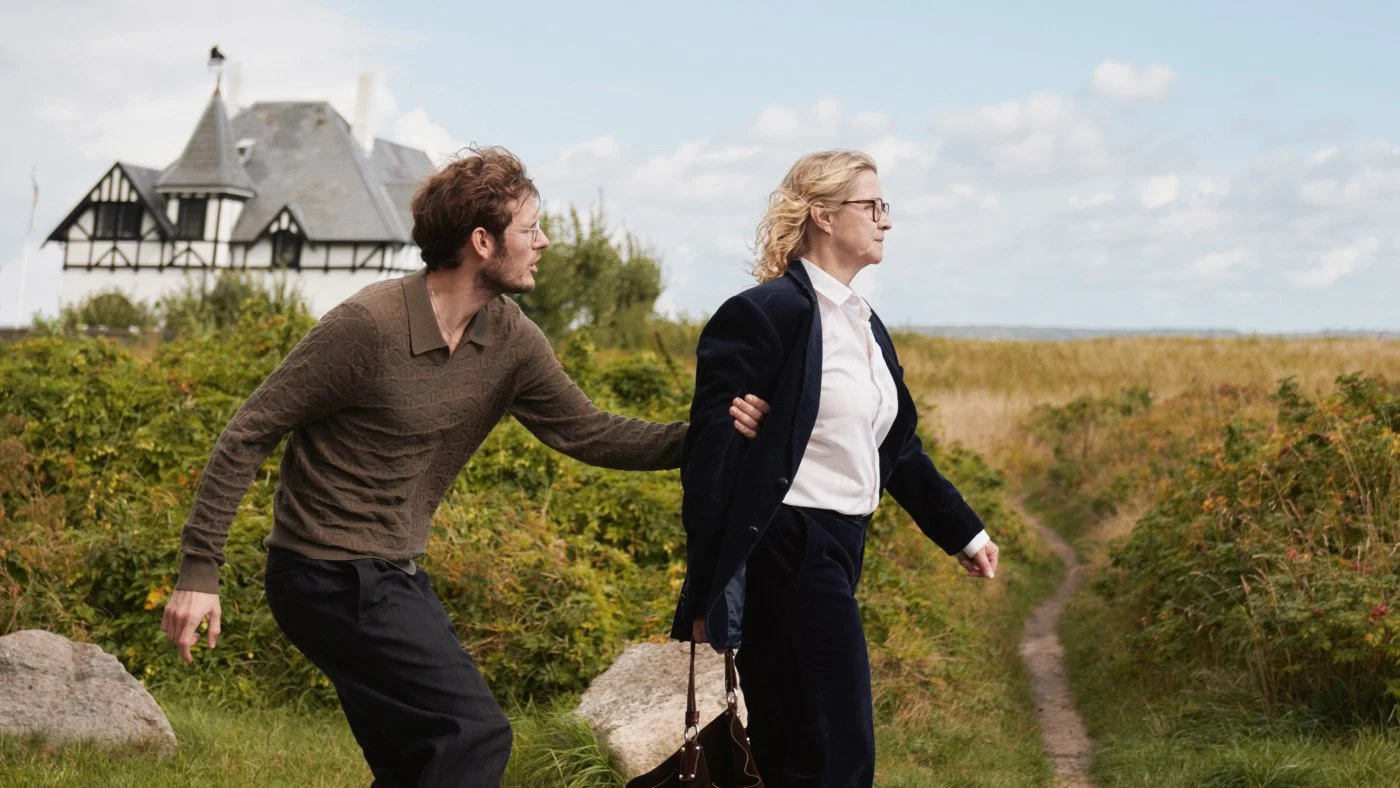
Think class warfare in a luxury villa in sun-baked Southern France. In Antony Cordier’s biting social satire, Mehdi (Sami Outalbali) has just graduated from law school, joining his spoiled aspiring-actor girlfriend, Garance (Noée Abita), to holiday at her snobby parents’ estate. One of Mehdi’s first introductions is to the live-in caretakers, and even though they’re celebrating their daughter's 20th birthday, patriarch Philippe (Laurent Lafitte) casually mentions the drain needs fixing. Think arch characters and absurd situations—a little like White Lotus en français—as tensions escalate between the permanent residents who repair the plumbing and tend the tomatoes (Ramzy Bedia and Laure Calamy) and the people who float in for only a few months of sunbathing and Champagne-sipping per year. Mehdi tries to mediate but chaos ensues. That’s mostly because there’s something important missing in this microcosm of today’s world—namely, the bridging class of the French title. 

Related Articles