Film reviews: At VIFF, New German Cinema finds, Argentine analogue horror, and Vietnamese-Canadian reflections
Sometimes, I Imagine Them All at a Party’s wrenching return to a femicide attack; Family Fears Another Night of Terror retro-’80s TV scarefest; Seventeen’s gritty but warm trip into the Downtown Eastside, and more
Sometimes, I Imagine Them All at a Party
Relax, Open Your Eyes
HERE’S A BRIEF look at some local films hitting the Vancouver International Film Festival this week—works that will take you from remote German villages to cryogenic labs and the teeming streets of the Downtown Eastside. The fest runs from October 1 to 11.
Sometimes, I Imagine Them All at a Party
October 9, 6:30 pm, The Cinematheque and October 11, 10:45 am, International Village
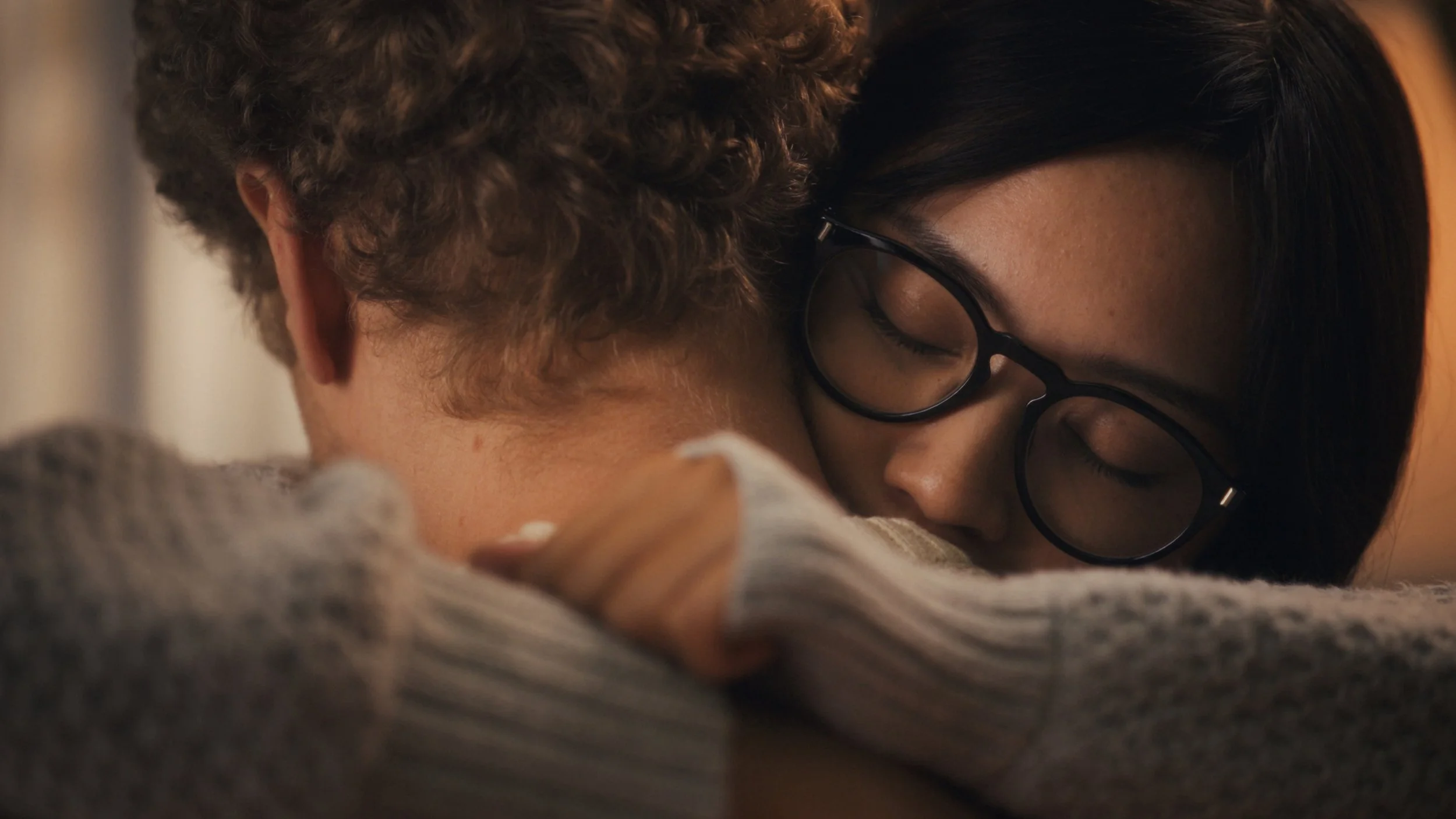
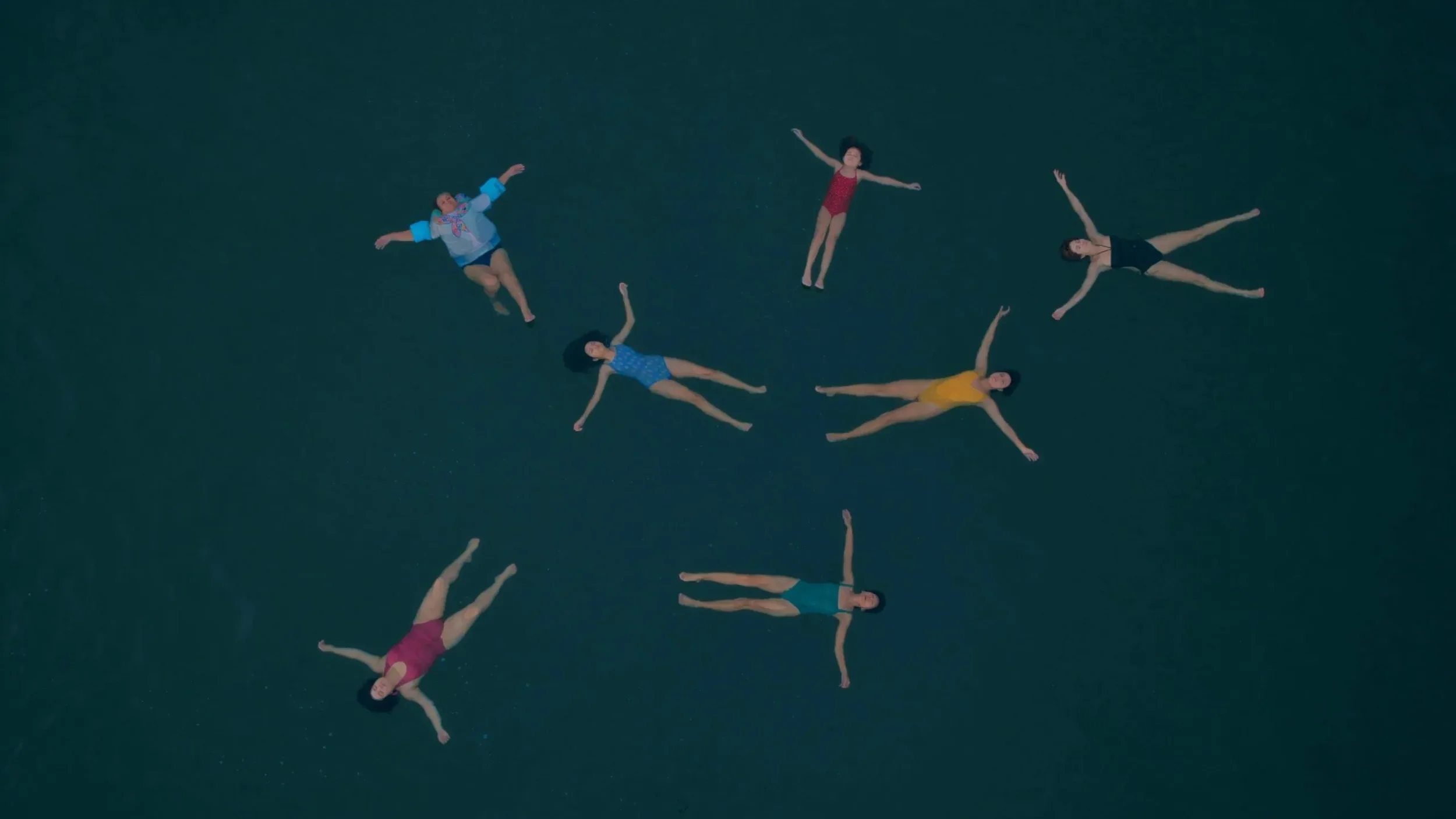
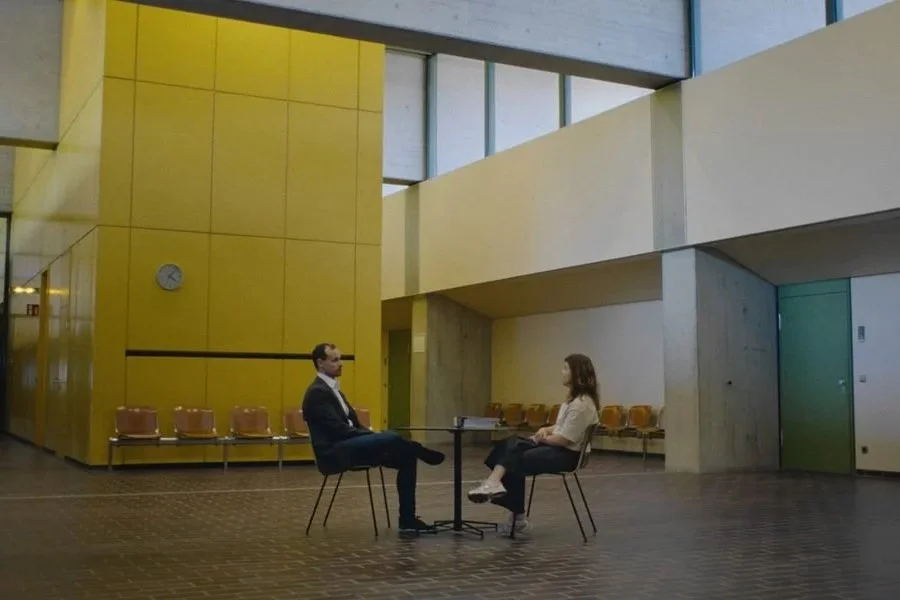
At the age of 17, Daniela Magnani Hüller was attacked on the street and nearly killed by a classmate who was widely known to be stalking her. Bystanders looked the other way. When Hüller woke up in hospital with multiple stab wounds, a shaken investigator pleaded with her to “not lose faith in humanity.” This project, made 14 years later (and included in VIFF’s Focus on New German Cinema), might be an attempt to honour or at least interrogate that request. Hüller interviews witnesses including a teacher, another classmate, and an investigating officer, clearing the air over an incident still obscured by shame, propriety, and legal fog. A visit to Brazil adds more detail, and as this riveting film proceeds, we’re gradually allowed to see more of Hüller’s face, and also her flesh, in close detail that underscores its terrible vulnerability. One of the interviewees says she admired Hüller for never concealing her scars, but we do not see those. Some very placid and poetic images offer relief, but there’s a flintiness to the project that’s understandable. We are watching serious trauma investigating itself in the face of perpetual societal weakness and failure—the title refers to Hüller’s vision of victims who didn’t survive their encounter with male violence—conditioning us for a conclusion that knocks everything sideways. AM
Trial of Hein
Trial of Hein
October 2, 6 pm, The Cinematheque and October 3, 2:30 pm, Fifth Avenue Cinemas
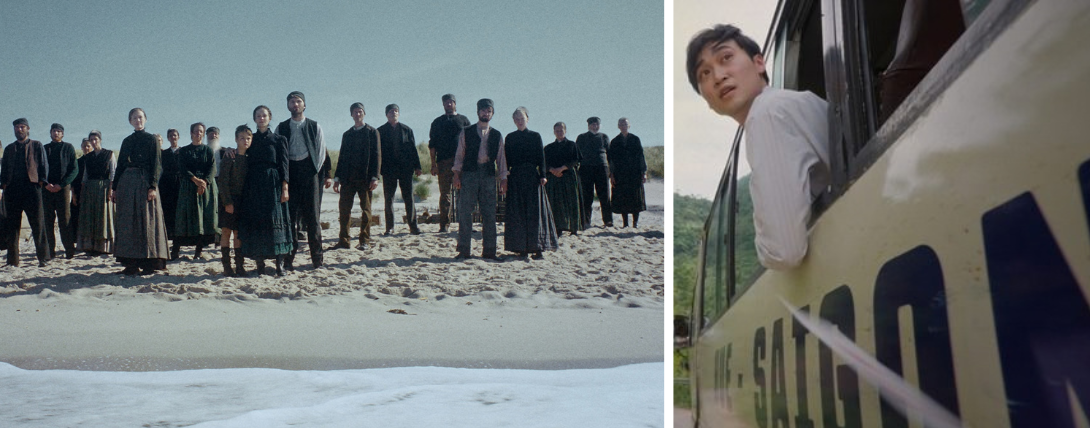
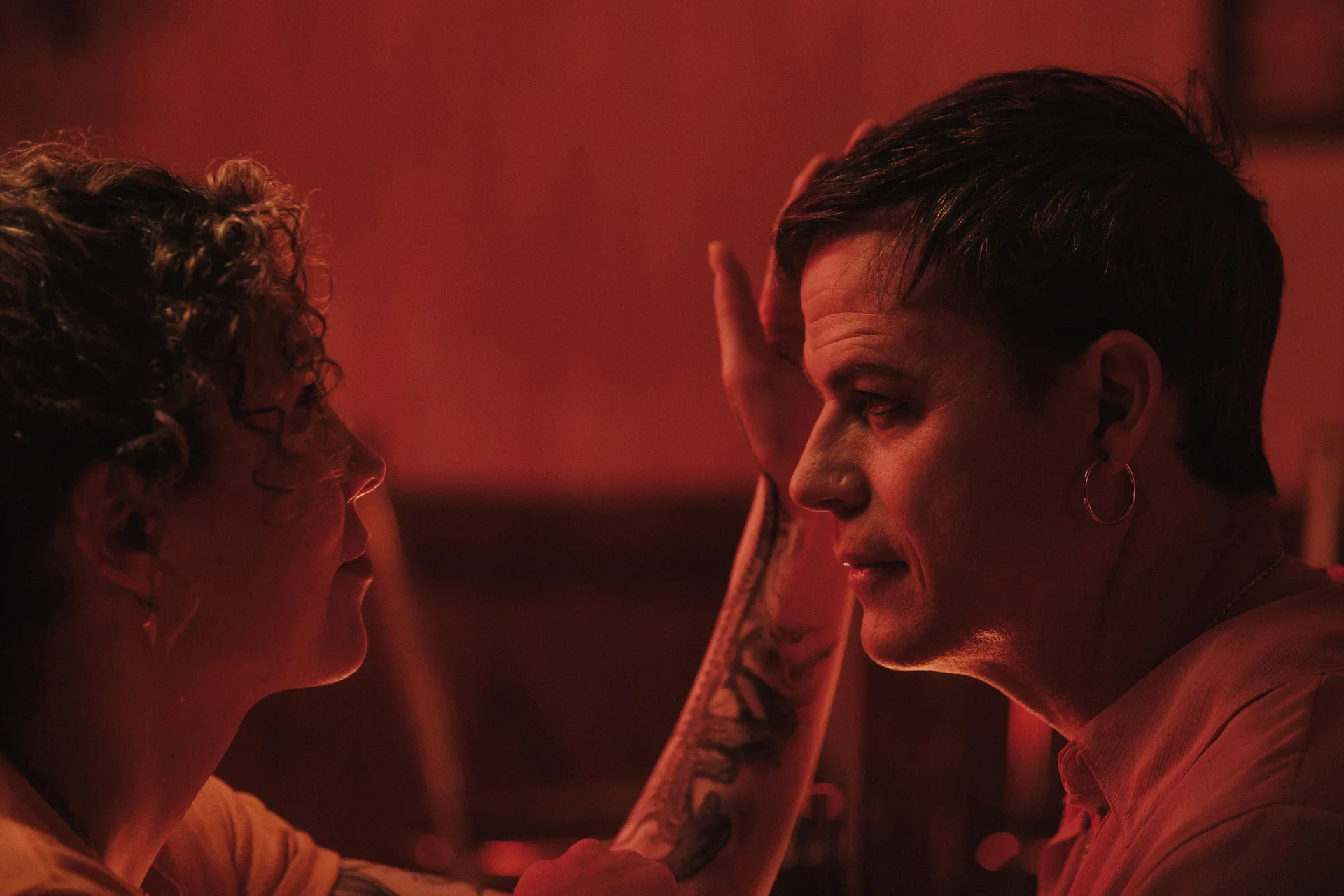
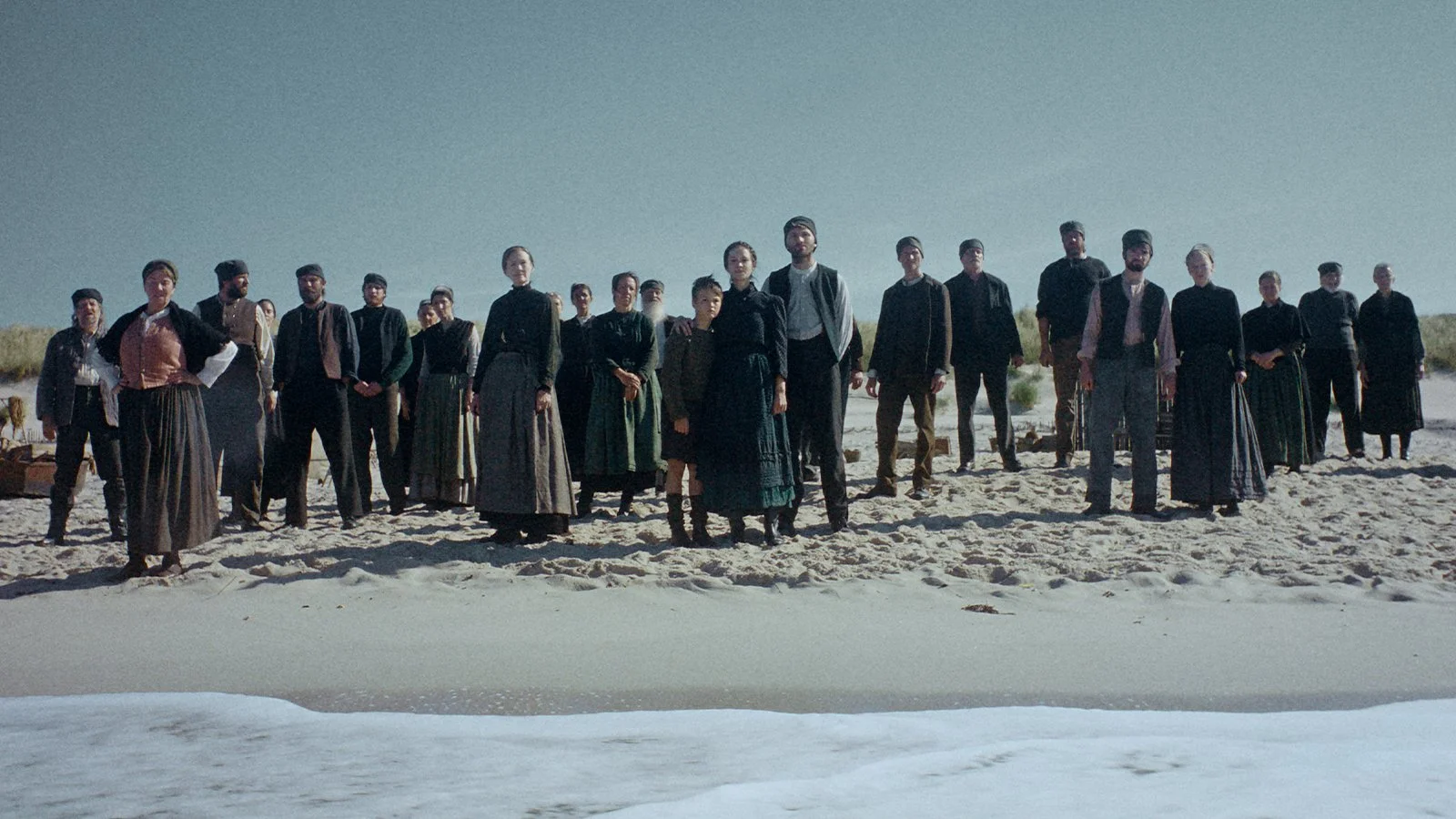
Another striking New German Cinema work that upends form, director Kai Stänicke’s Trial of Hein builds an austere, unsettling fable to tell a deeply personal story of an outcast attempting to return home. After 14 years away, Hein (Paul Boche) arrives by boat at his isolated island community, where the townsfolk and even his own family—all dressed like 18th-century peasants—fail to recognize him. But this strange, windswept world isn’t quite what it appears to be. As with Lars von Trier’s Dogville, its thatch-roofed homes turn out to be open-air set pieces beyond their façades; even beds sit on wooden platforms, exposed to the elements. Similarly, the community offers Hein no shelter: instead, they force him to testify to his identity in a makeshift courtroom, his recollections starkly contrasting with those of others. Without giving too much away about this compelling and assured experiment in allegory and Brechtian distancing devices, Stänicke is getting at how he feels as a queer filmmaker, excavating the lingering scars and distorted memories that come from being closeted, and the from the people who wish to shun and pigeonhole. JS
Family Fears Another Night of Terror
October 4, 9:15 pm, Fifth Avenue Cinemas and October 5, 4:15 pm, International Village
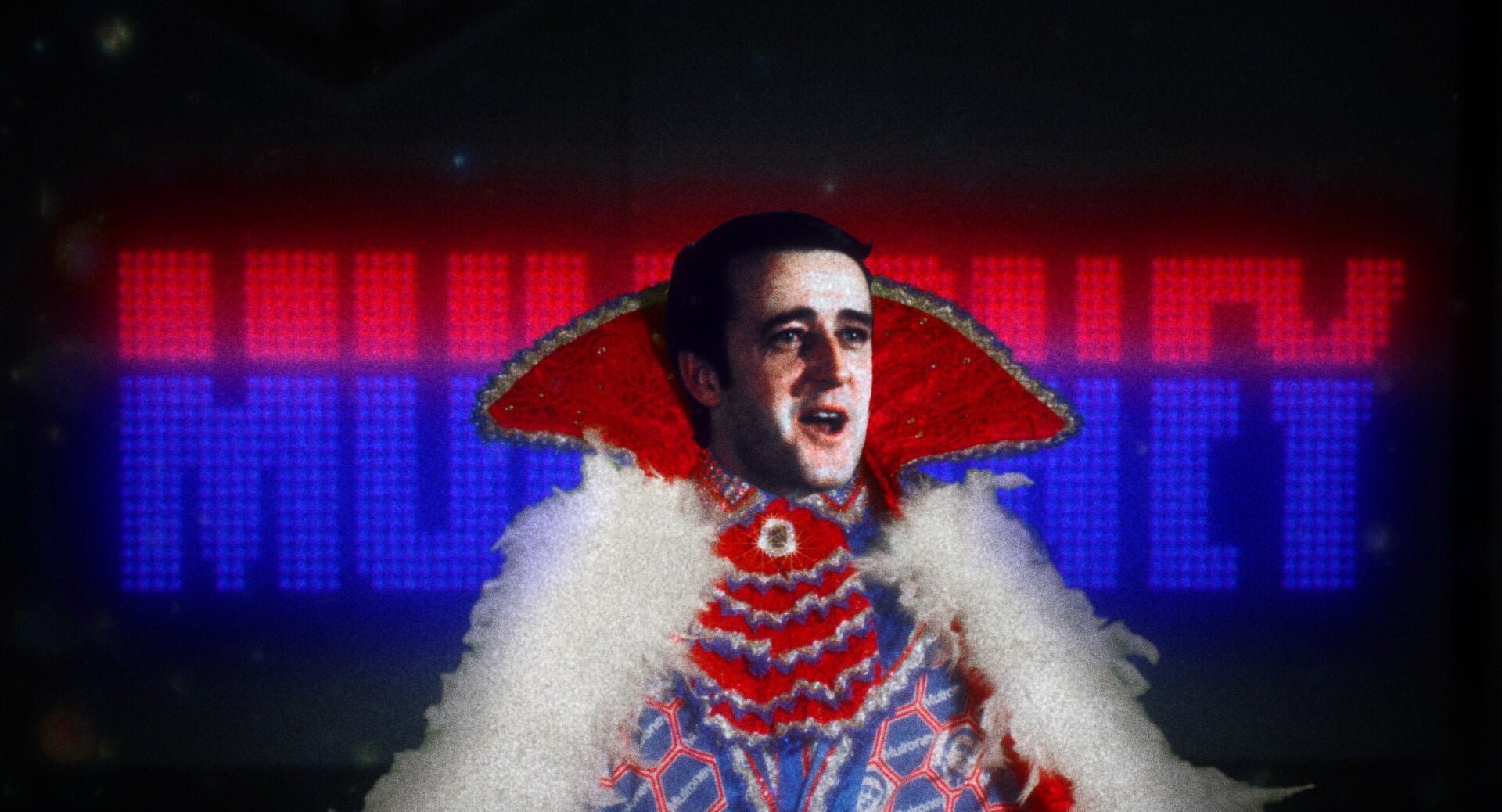
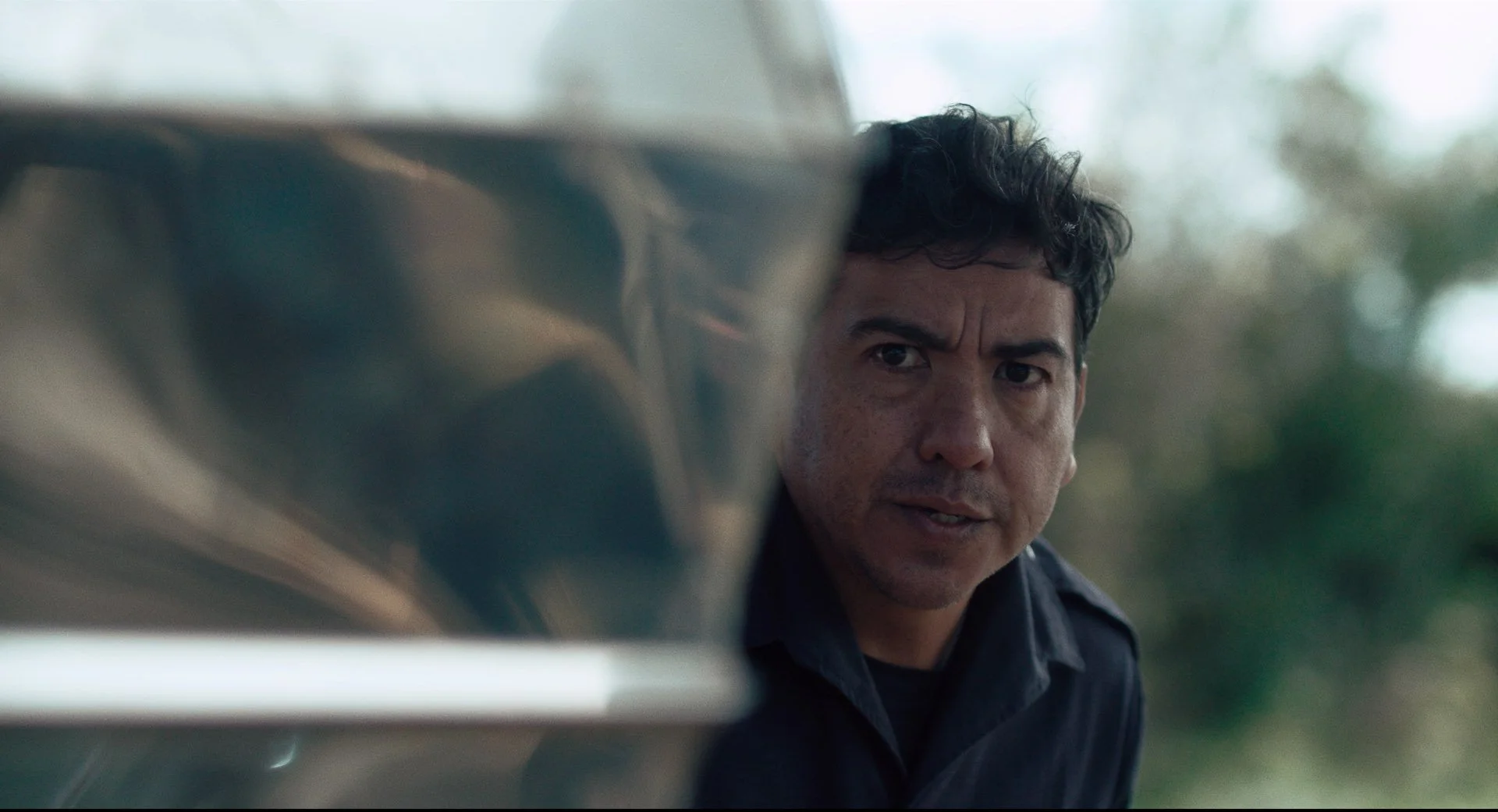
A massively enjoyable Argentine crack at analogue horror, Cristian Ponce’s film purports to be a TV scarefest from 1986 but takes off in all sorts of logic-defying directions, going meta while still somehow maintaining its creepy affect. Set inside a pointedly spartan studio set, it begins with freaked-out Mom trying to coax something from its hidey-hole on top of the pantry. Meanwhile, her metalhead son obsesses over a song by the band Ataque Satanico (there’s a copy of Michelle Remembers on his desk) and Dad pretends everything is okay until suddenly he doesn’t, confessing to his wife that he believes the neighbours are plotting to replace him with a doppelgänger, at least when they aren’t peering at the family through the windows and possibly even the mirrors. Turns out the “neighbours” are the least of their concerns, but in any case, writer-director Ponce and his excellent cast produce something puzzling and upsetting in all the right ways, replete with glitchy video effects and a gesture toward the media’s dum-dum attempts at containing Satanic Panic. In the end, it’s like a terrible and unthinkable truth infiltrates and explodes the 1986 TV event called Family Fears Another Night of Terror, and look out! It might even leak into your theatre! AM
Ba’s Book
October 4, 6:15 pm, VIFF Centre; October 05, 4 pm, International Village
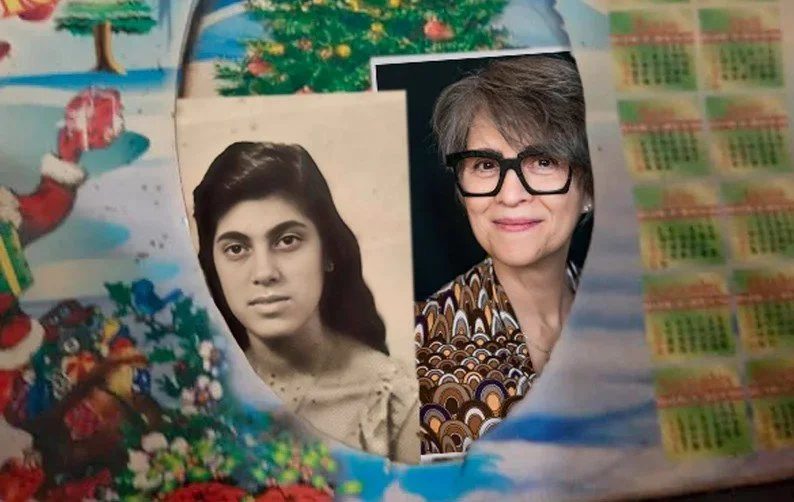
Anh Duong’s memoir Dear Da-Lê recounts his incredible experience of not just growing up during the Vietnam War but then fleeing the Iranian Revolution and later emigrating to Canada. Now his daughter Ashley Da-Lê Duong takes the story to a further, complex level, re-enacting what she has called his Forrest Gump–like tale for film with her father’s relatives and neighbours—helping him make the journey back for the first time, at 73, to the home in the rural outskirts of Hue that he left at just 22. The unusual mix of dramatizations and interviews with survivors pushes beyond the stoic surface of families scattered after the trauma of the war. Ashley gently prods her father and his relatives to relive painful memories and express regrets, resentments, and to revisit moments of poverty, loneliness, and violence. In one of the most moving scenes, Anh’s elderly sister tearfully recalls forgoing school to cook and clean for her male siblings, even as the older Anh used his math skills to leverage escape to Tehran. The question that hovers, and remains unanswerable, is, Was it worse to stay or flee so far from home? A raw and deeply personal project to add to a growing body of strong documentaries reflecting on the lasting intergenerational, and intercontinental, effects of the war in Vietnam (recalling Saigon Story, earlier this year, at DOXA).
Still Night, Burning House
October 6, 6:30 pm, International Village; October 7, 4 pm, VIFF Centre
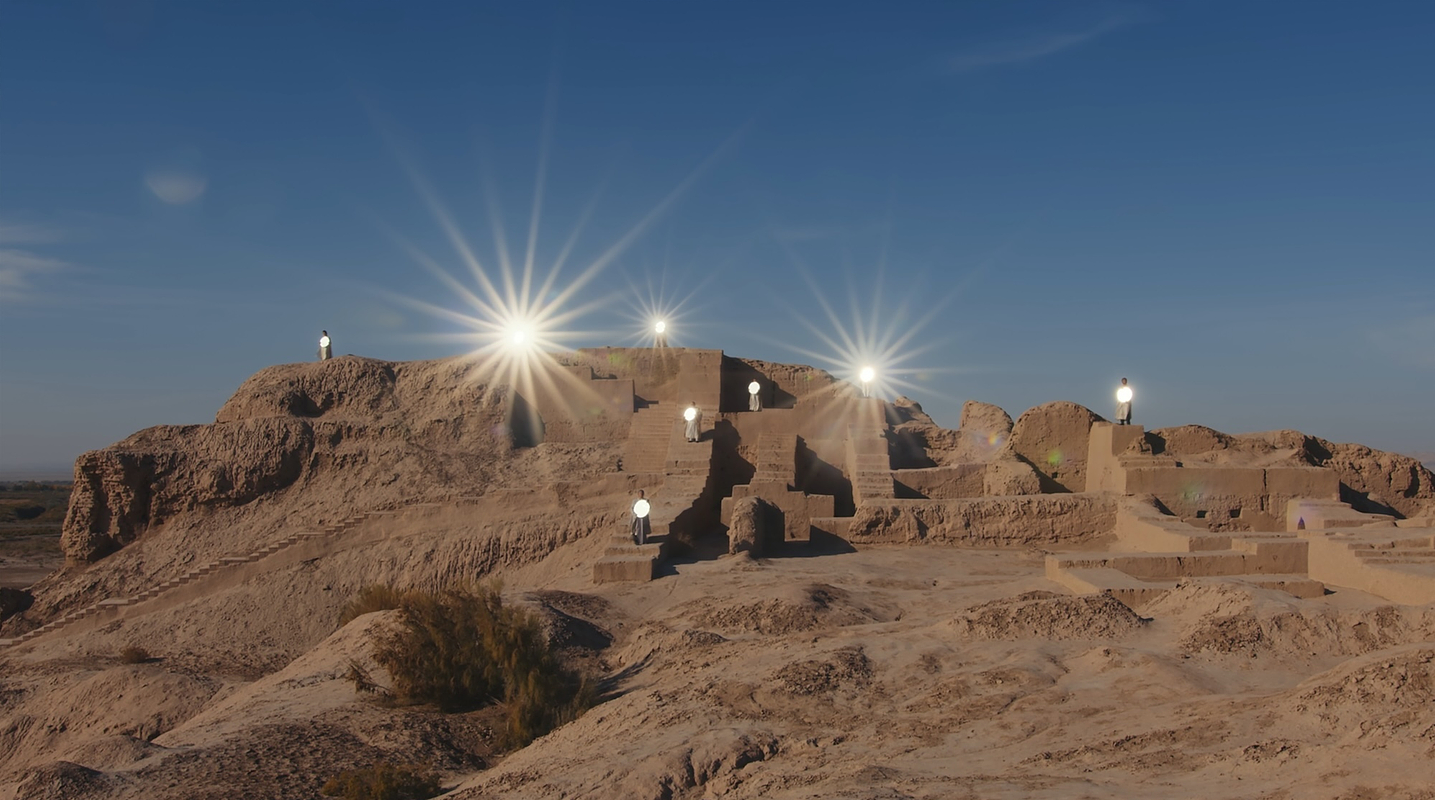
A perfect compliment to Ba’s Book, this NFB feature from Vietnamese-Canadian filmmaker Carol Nguyen digs into more unspoken family trauma. Nguyen, too, gathers family for a trip back to Vietnam, this time to explore the effects of silence across time and generations, almost 20 years after her uncle’s mysterious death in the country where he took refuge. She and her cousins were told varying stories about the reason he died, but digging into medical records and stories about his journey from Vietnam to an Indonesian refugee camp to Canada reveal the more complex story of mental illness that was long suppressed. The film’s highlights are in its serene rituals, enacted in Vietnam, as a form of delayed mourning, and several liminal, near mystical sequences in the bluish light of late day. With an assured sense of craft and the help of Arie Verheul van de Ven’s haunting soundtrack, Nguyen forges a new connection with home and culture, processing grief while acknowledging the corrosive damage that comes with secrets. (Filmmaker Nguyen will be in attendance of both VIFF screenings.) JS
Relax, Open Your Eyes
October 2, 6 pm, Lindsay Family Stage at Granville Island and October 6, 3:15 pm, Lindsay Family Stage at Granville Island
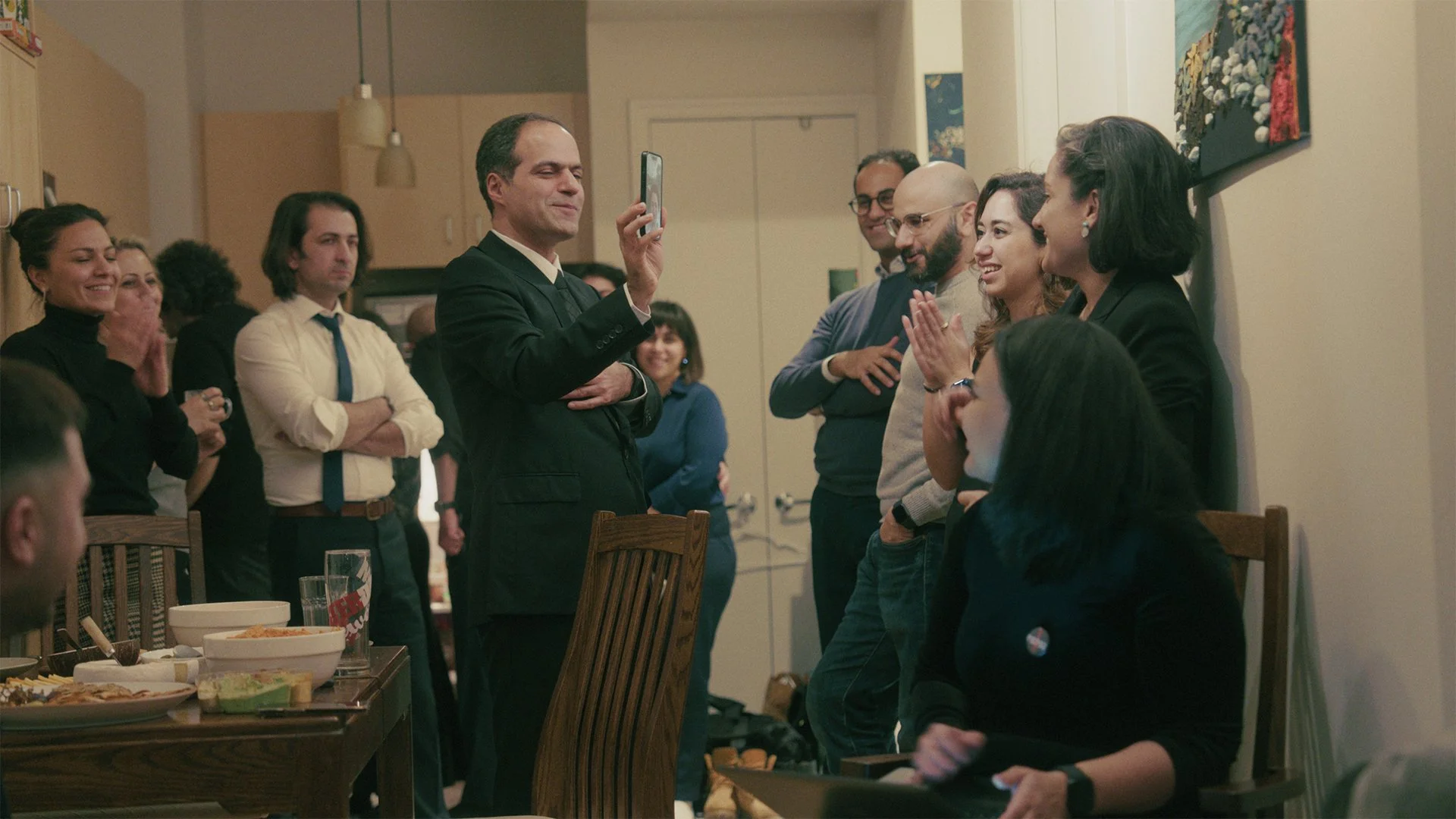
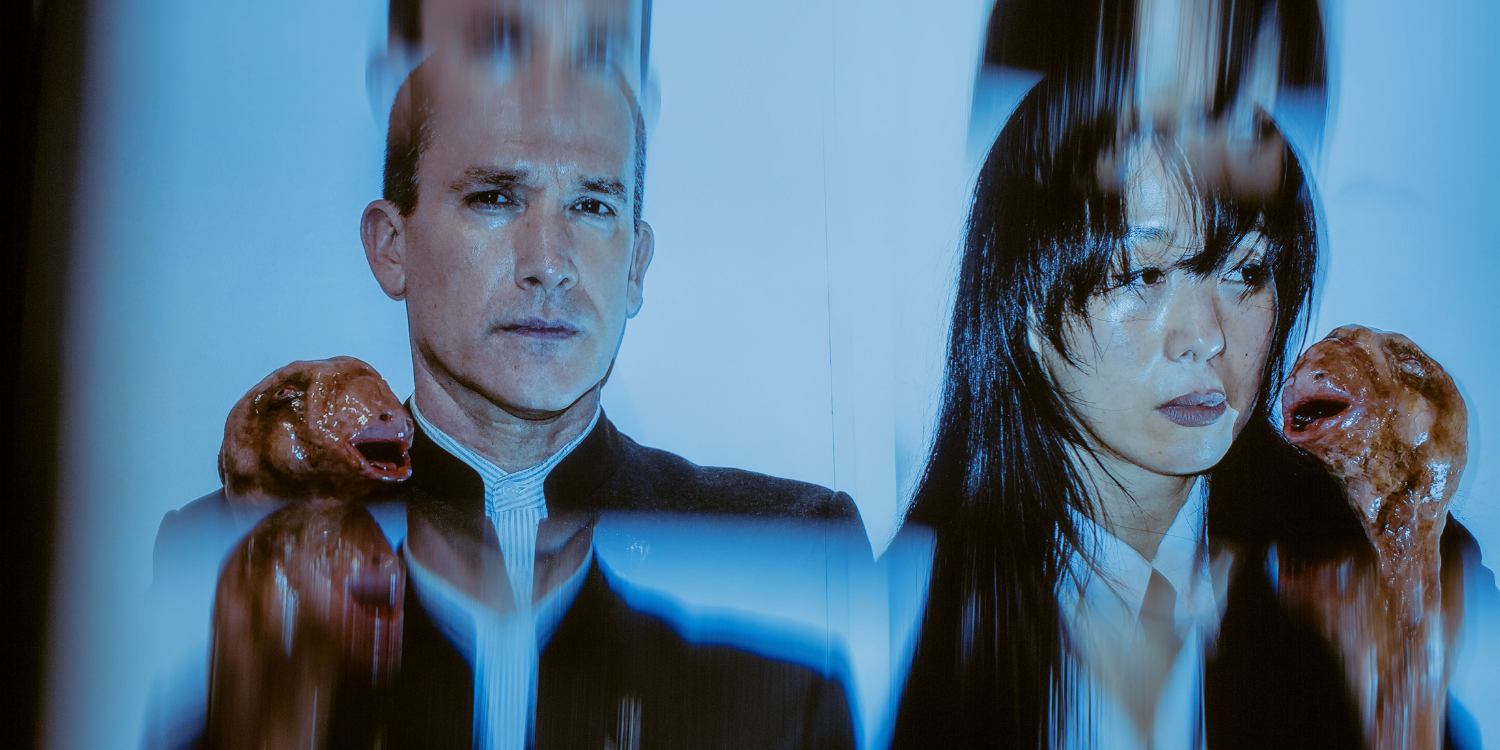
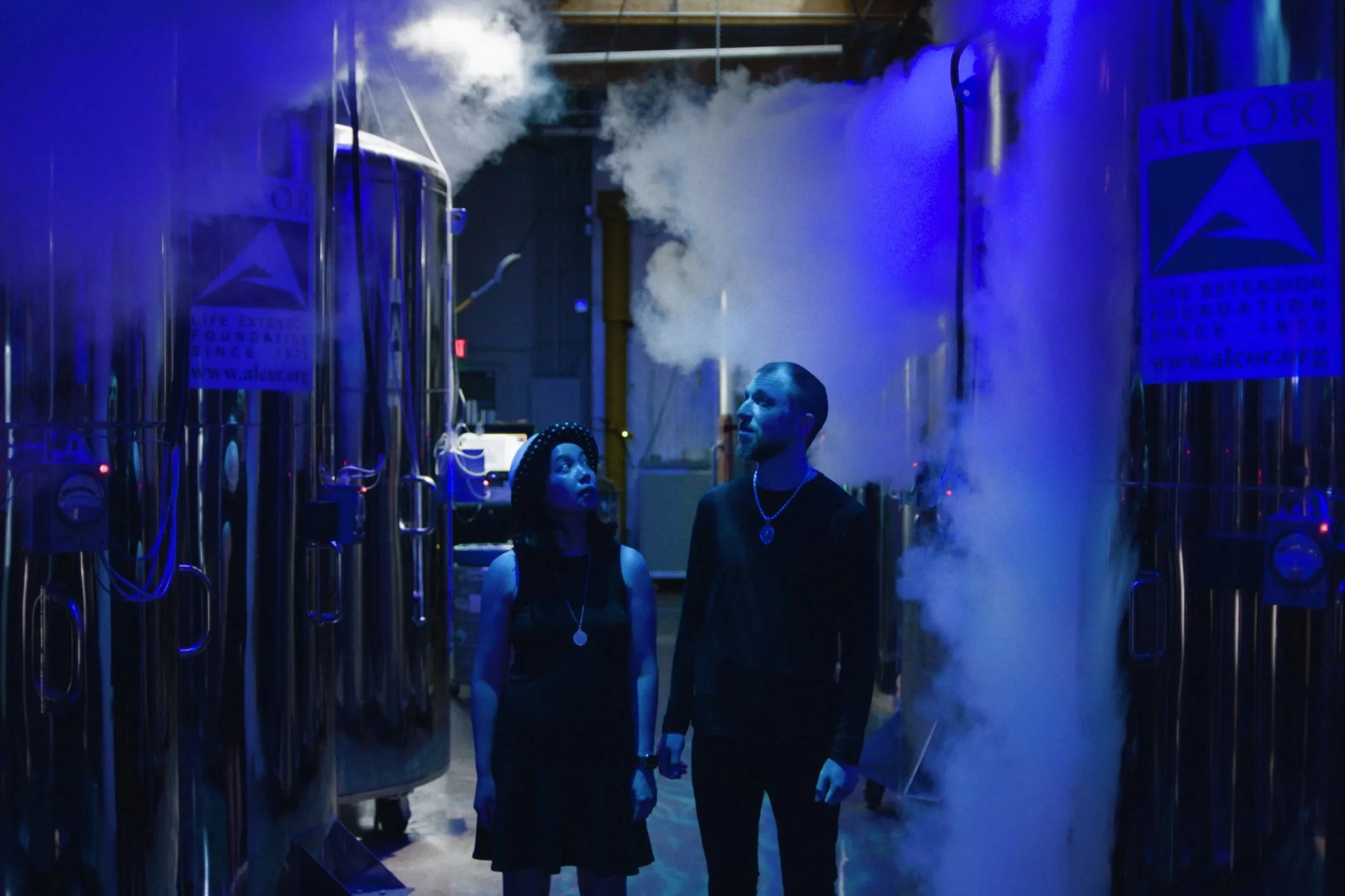
It must be a legal minefield, but there are facilities around the globe that will cryogenically preserve your head or body for… who knows what, exactly?—and at least one other company that will keep your brain in chemical storage in the event that we can ever upload our consciousness into “the Cloud”. That’s assuming that consciousness even resides in the brain, mind you, which is a very good question that the transhumanists don’t care for too much. David Ehrenreich’s fascinating doc maintains a positive view of a tech that some might find pretty ghoulish, especially when the camera follows Calgary-based mom and ardent cryonics believer Carrie Radomski into a dimly lit operating theatre where she trains in “perfusion”, which is the process of replacing blood with antifreeze. The film is built around Radomski, who puts her smarts and determination to work building the Futurist Club, Canada’s first cryonics service, bankrolled by husband Witek, who’s sweet and likeable and who obviously made a killing in the tech sector. It feels unkind to question the thing they so fervently believe in, but the film circumvents a lot of pretty common sense questions about a practice dependent on forever infrastructure to support extreme Hail Mary theories. That said, it also takes us to the Alcor Life Extension facility in Arizona, which has been freezing people since 1972, so what do I know? On a more philosophical note, Radomski “loves life” but, like (almost) everyone we meet here, is driven by a consuming fear of death. Tangentially, it’s interesting that the couple took their operation to Alberta from B.C., where you can’t even find a GP, let alone get your corpse reanimated. AM
Seventeen
Seventeen
October 2, 8:45 pm, Rio Theatre; October 4, 3:45 pm, Fifth Avenue Cinemas; and October 11, 9 pm, International Village
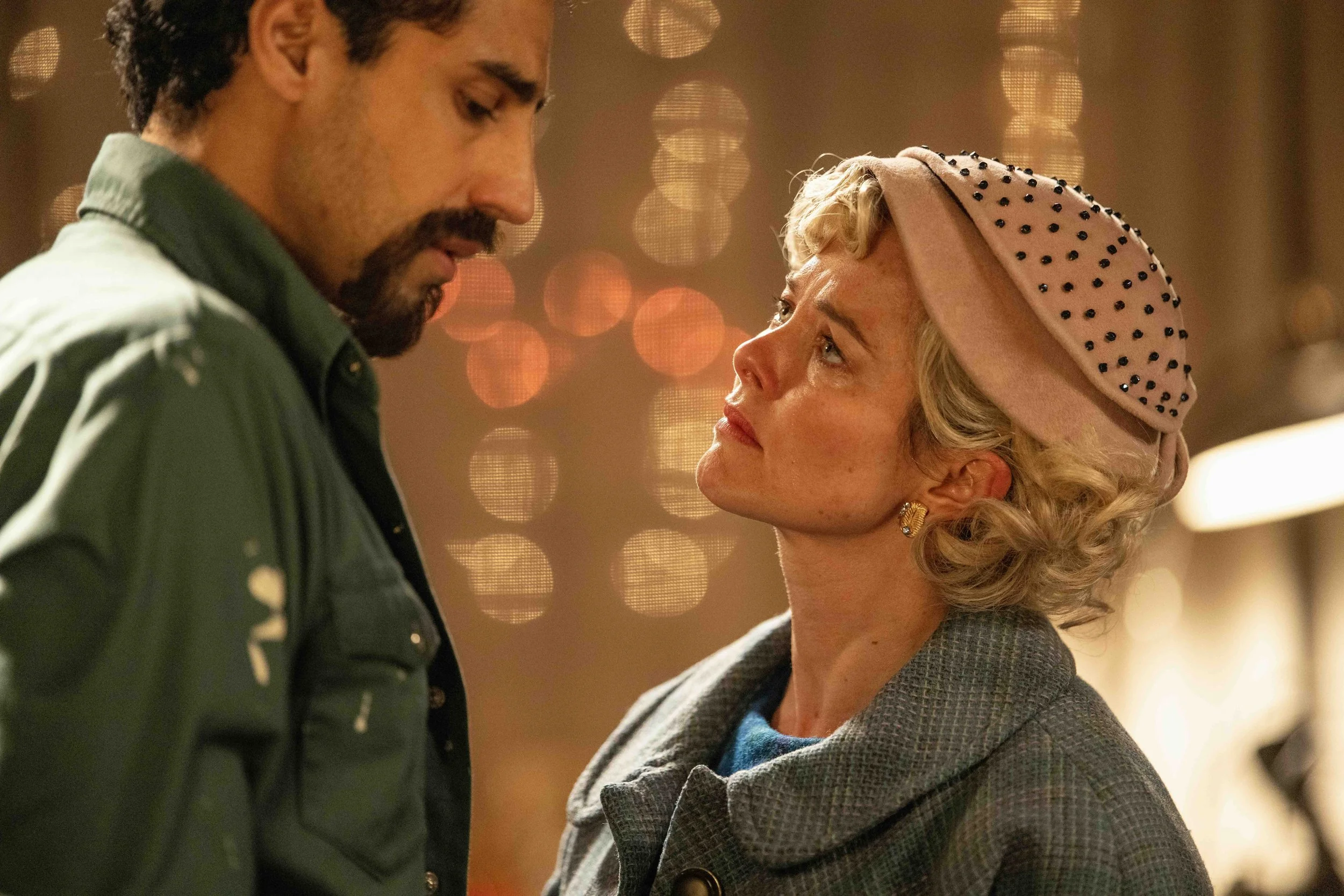
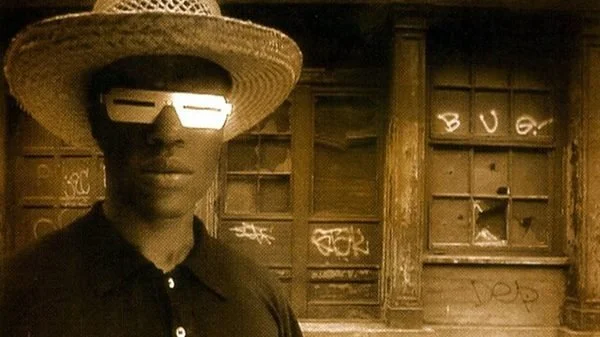
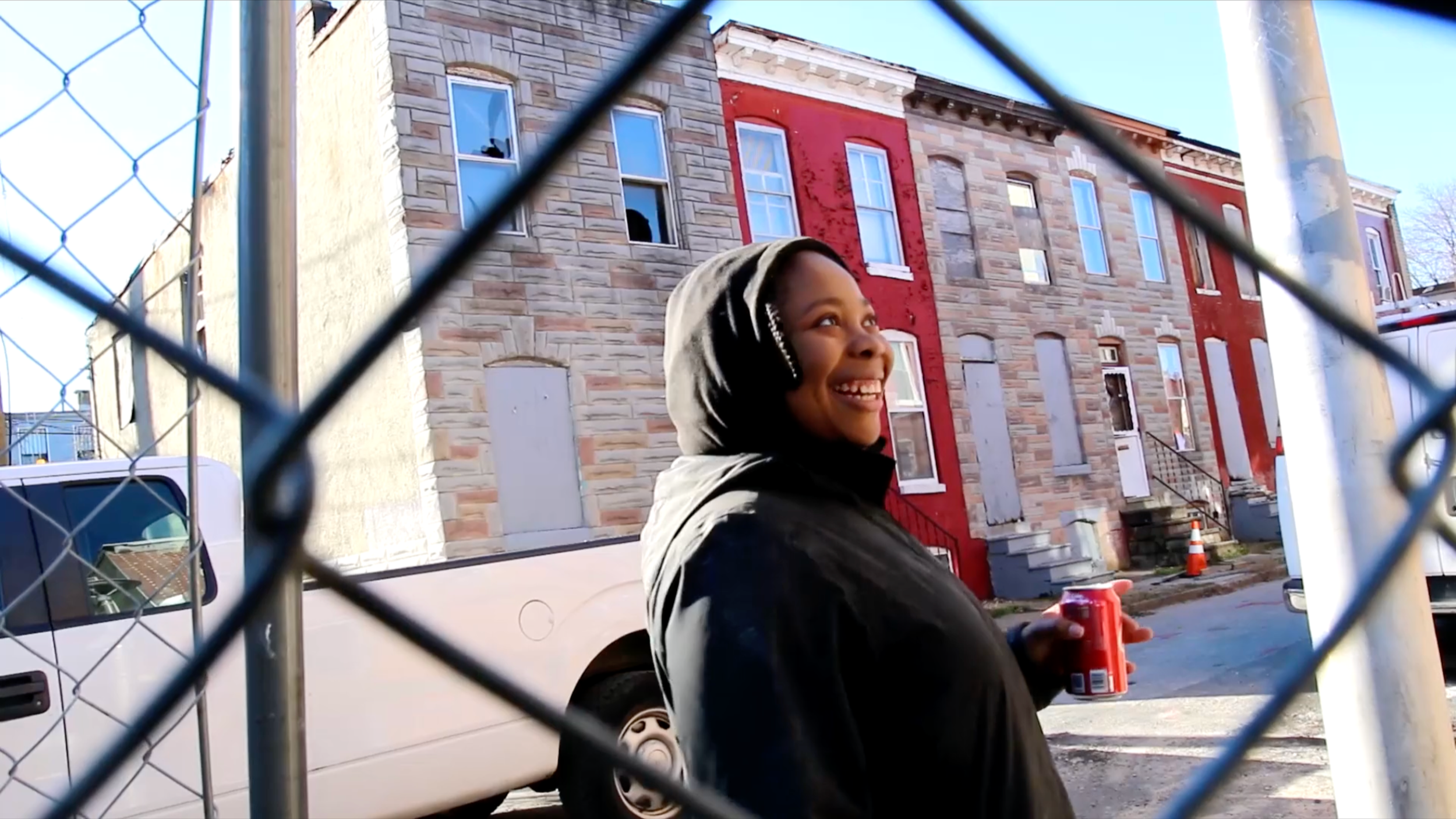
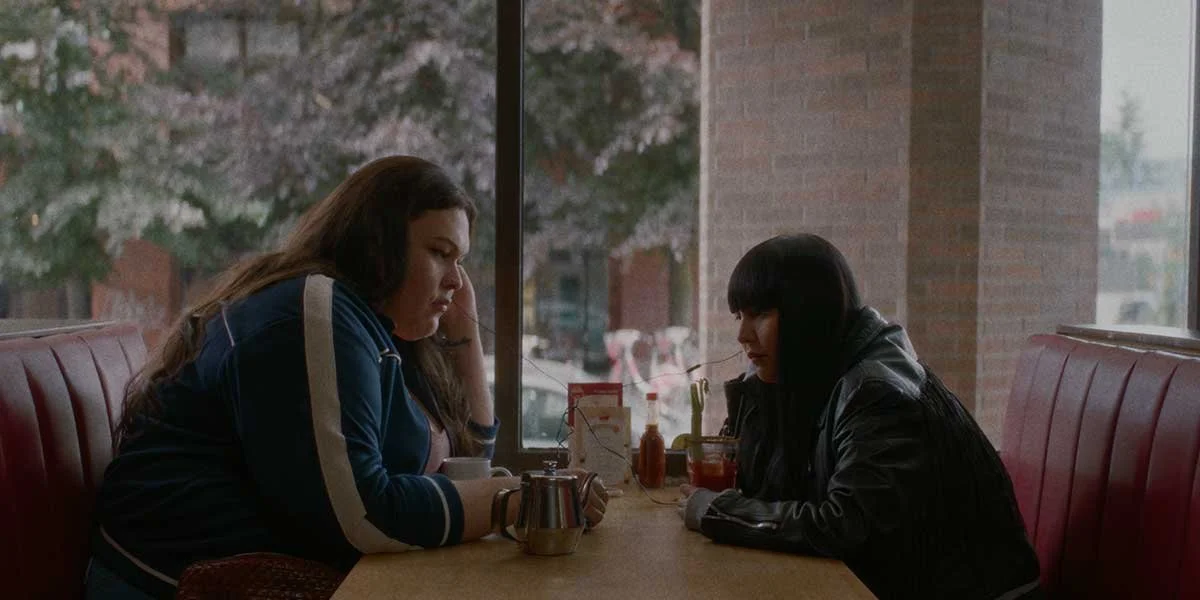
In his debut feature, Vancouver’s Justin Ducharme finds a striking balance between warmth and grit that feels comfortably at-home on street—and alley—level in the Downtown Eastside. Three young, queer, Indigenous sex workers struggle to get by, their lives intersecting over a 17-hour period as they find strength through chosen family. The clock ticks as Tamara (Nizhonniya Austin) searches for her missing passport to avoid being deported back to the U.S. December (Aalayna) deals with grief over her recently deceased father. And perhaps most compellingly, skateboarder Aiden (Taio Gélinas) has to work overtime as a male sex worker to raise the money for a subsidized-apartment (telling a housing worker he’s a kind of “gig” worker). Ducharme—who came out publicly as a sex worker with the 2018 short film Positions—avoids stereotypes and judgment, tapping the real DES community for amateur actors. Ducharme has asserted a different kind of film about sex work and Canada’s “poorest postal code”. His characters have intelligence and agency, all too aware of the structural forces that have put them where they are, but relying on intuition and supporting each other to not only keep going, but to push back. JS
Whispers in May
October 2, 1 pm, International Village and October 7, 9 pm, SFU Woodward’s
In China’s remote Liangshan Mountains, childhood comes with responsibility. With parents away as migrant workers, 14-year-old Qihuo and her two best friends already care for their younger siblings, cooking and hand-washing clothes—only sporadically making the long walk along hilly paths to the local school. The entry into adulthood will only carry more burdens—factory work, marriage, and more hardship. Still, Qihuo and her pals try to celebrate as they embark on a multiday trip by foot into town to search for the traditional skirt that marks her passage to womanhood. Filmmaker Dongnan Chen has crafted this lyrical, observational “hybrid documentary” with her young actors. Their story is partly made up, but there is nothing false or affected about the girls, who let us in on their deepest secrets, their crushes, and their anxieties, and yet remain stoic about the looming, bleaker realities of their future. The film’s greatest strength is the exquisite empathy Chen brings to her subjects—people who manage to find joy amid hardship, and beauty in simple things. JS 


Related Articles