The Cinematheque enters Forbidden Rooms filled with unique Halloween horrors
Richard Martin’s locally made 1989 feature Matinee takes its place among dread-charged classics from around the world in this monthlong series
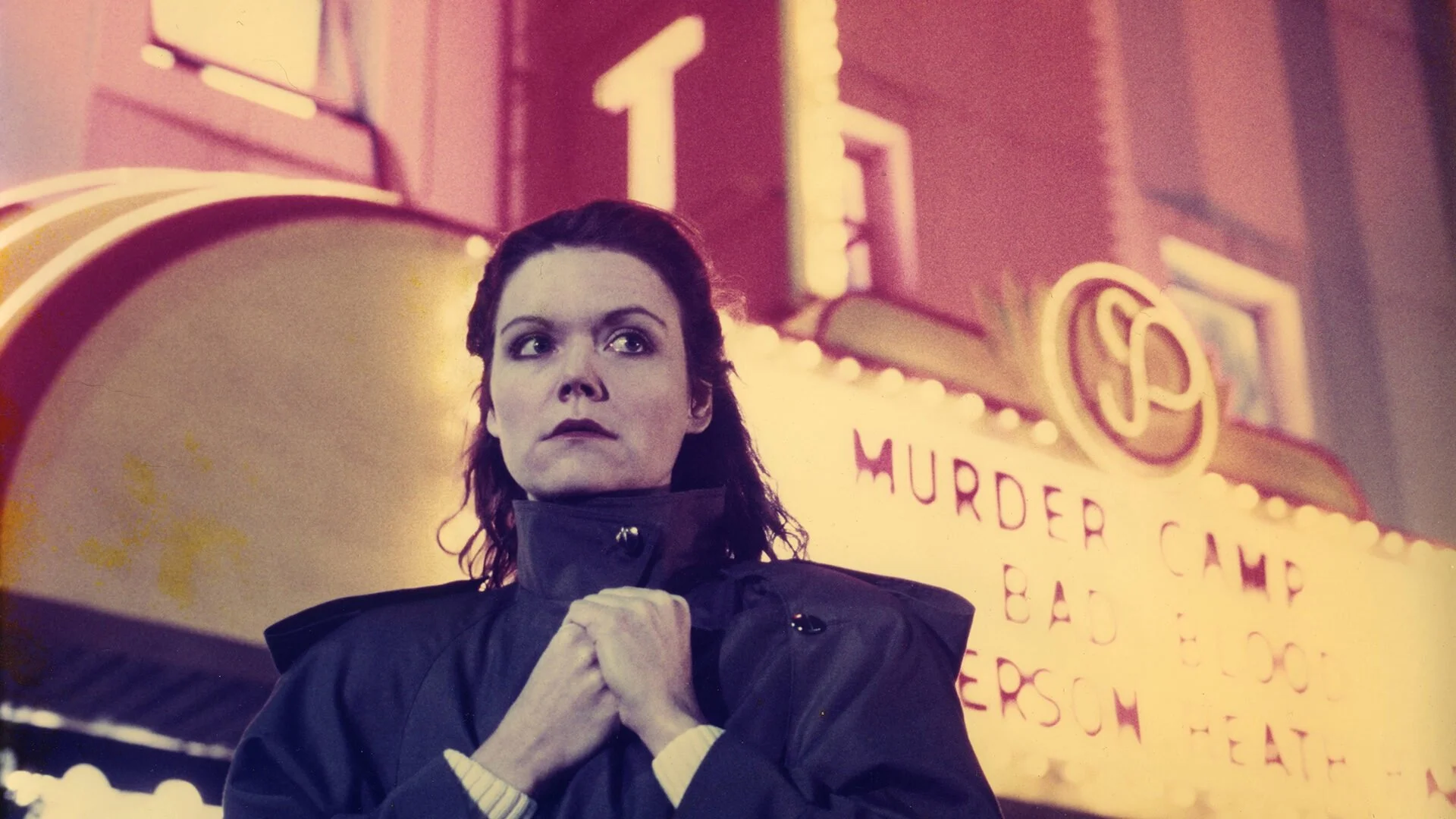
Richard Martin’s Matinee.
The Cinematheque presents Forbidden Rooms: Halloween on Howe from October 12 to November 1
IT’LL BE SOMETHING of a homecoming when locally made curio Matinee screens at The Cinematheque later this month. It played the same theatre as part of the Vancouver International Film Festival back in 1989, which is precisely the last time that writer-director Richard Martin got to see his debut feature on a big screen.
“No one was screaming and yelling and calling it ‘genius’,” he recalls. “But it played okay and then it went out and sold in territories and that was it. So great. Then it took over 35 years to become an overnight sensation. And you know what? That’s just fine with me.”
The affable filmmaker is unduly modest. A tight horror-thriller concerning a killer on the loose at a horror film festival—the inventive marriage of high concept and low budget is already pretty ballsy, not to mention a good five minutes ahead of its time—Matinee retained enough of a reputation to interest the Swiss company Multimedia Ulrich, who contacted Martin out of the blue to put the film back into European distribution.
“They promptly sent a courier,” he recalls. “I only had one single 35mm print left. Everything else was gone to the landfill. They whisked it off to Munich, which is where they did the HD scan.” This piqued the interest of Kino Lorber in New York, leading to a Blu-ray release complete with commentary by Canuxploitation expert Paul Corupe and the film’s re-evaluation and eventual journey back to the scene of the crime here in Vancouver. And so Matinee returns to The Cinematheque on October 29 as part of the rep theatre’s superb Forbidden Rooms: Halloween on Howe program.
Martin’s initial response to all this was “Why?” The answer: because time inevitably lends a kind of magic to something like Matinee. It captures a Lower Mainland that’s largely vanished almost four decades later, but also reminds us of the sheer invention, energy, and graft that fuelled such independent regional product in the years before Hollywood North.
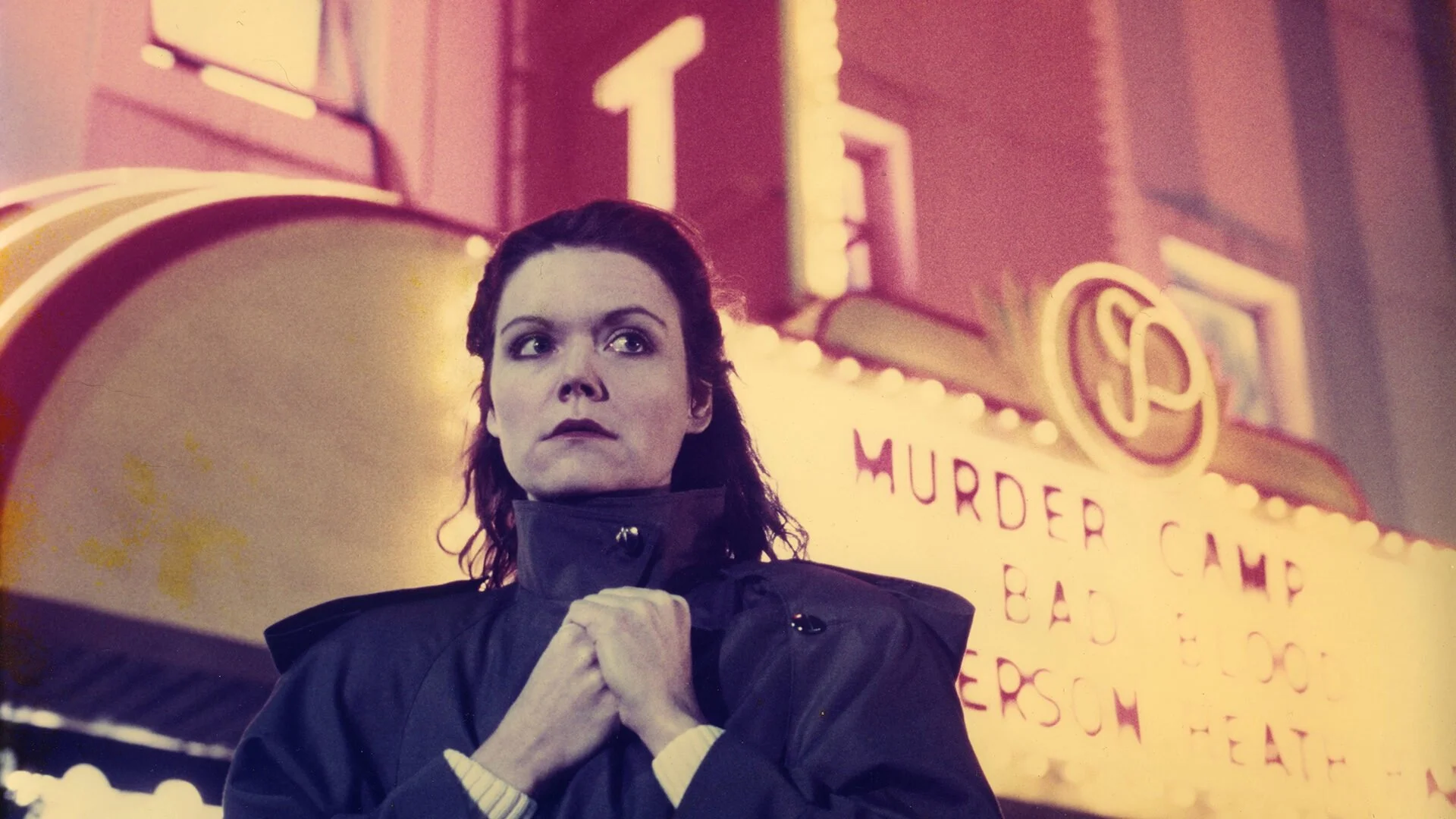
How, for instance, did they manage to scale up the impressive crowd scenes we see outside Chilliwack’s (now gone) Paramount Theatre, where the film’s first murder takes place?
“My producer called the local car club and they just circled the block as we were shooting, all night long,” answers Martin, speaking to Stir from his Vancouver home. "We had an ambulance and there were 400 people just standing to the side, which, by the way, you can’t do this kind of thing anymore. You can’t get away with this shit, but we were just, with the bullhorn, ‘You guys wanna be in a movie? C’mere!’ And we crowded the street with them. We were being cowboys and everyone was into it.”
Martin was in his early 30s at the time, and his screenplay was inspired in a fit of what he calls “cynicism” by a marquee on Granville Street advertising Slumber Party Massacre II. “There’s a little bit of homage in there to the genre, while biting it in the ass,” he says. “Someone wrote that it’s an anti-thriller with pretensions to arthouse. And I thought… yeah.” A pre-credit sequence establishes the self-reflexive fun and games that follow, sending up the slasher genre while performing one other vital function. It was actually shot as a kind of teaser for Martin’s script with money cadged from, among others, his parents. The results were impressive enough to generate interest where it mattered.
“Fifty thousand dollars we spent, shot it in 35mm, put it together, and then we got a lot of attention,” he says. “Especially in LA. They’re showing it at Orion Pictures, Atlantic Releasing, we’re doing the Hollywood two-step, going around, trying to charm the pants off these executives. Did we get anywhere? No. But it did open things up in Canada. So we capitalized on that, found a distributor, and that unleashed Telefilm, and BC Film, and so we actually did it. Then it was 25 days of balls-to-the-wall filming. But I was sitting there for a year after we made it, sweating buckets, and wondering: Are we actually going to get this off the ground?
Recently hailed for his 2013 doc Backbone: Vancouver Experimental Cinema 1967–1981, Martin enjoyed a busy mainstream career in the decades following his debut, and there are traces in Matinee of the industry boom that was just about to follow. Playing an anxiety-ridden theatre manager, Don S. Davis was only a year away from Twin Peaks and, on the cusp of The X-Files, Cancer Man himself chews the scenery as an exploitation filmmaker pointedly presented as the film’s biggest asshole.
“Oh, yeah,” laughs Martin, “William B. Davis. I got to write him the best lines. He was basically playing me, ’cause I felt like I’m an asshole too. But we had an incredible crew and a really wonderful cast. I would say, if I knew one thing about directing, it was how to surround myself with a bunch of really talented people.”
The X-Files is also prefigured in the film’s use of Riverview Hospital and the West Lawn Building, “which is now condemned and probably should have been back then,” says Martin, who stitched together a variety of locations to build an exotic and wholly fantastical labyrinth beneath the film’s putative cinema—“It’s like Phantom of the Opera, the only thing I was missing was a river going though it!”—which itself was seamlessly assembled from the Vogue, the Ridge, and the Hollywood theatres.
“So many locations,” he laughs. “This is where my editing experience came into play. I came up through editing, so I was already in the scene and I know all the people from Phil Borsos to Laurence Keane. I actually edited his movie Samuel Lount. So it wasn’t wide open then. You really had to struggle to get a picture together, and we were all struggling. Charles Wilkinson, me, just trying to get that first thing. There wasn’t a lot of homegrown stuff going on, so we were kind of in a league of our own, slightly together and slightly incompetent. Charming. We were so charming.
“There’s a unique moment in our filmmaking history of Vancouver. I’m very proud to be a part of it. I was there, I knew all these people. We fought like hell, we didn’t know what we were doing, sometimes we did, and we managed to make these things and that led to a huge industry. We were part of that thing.”
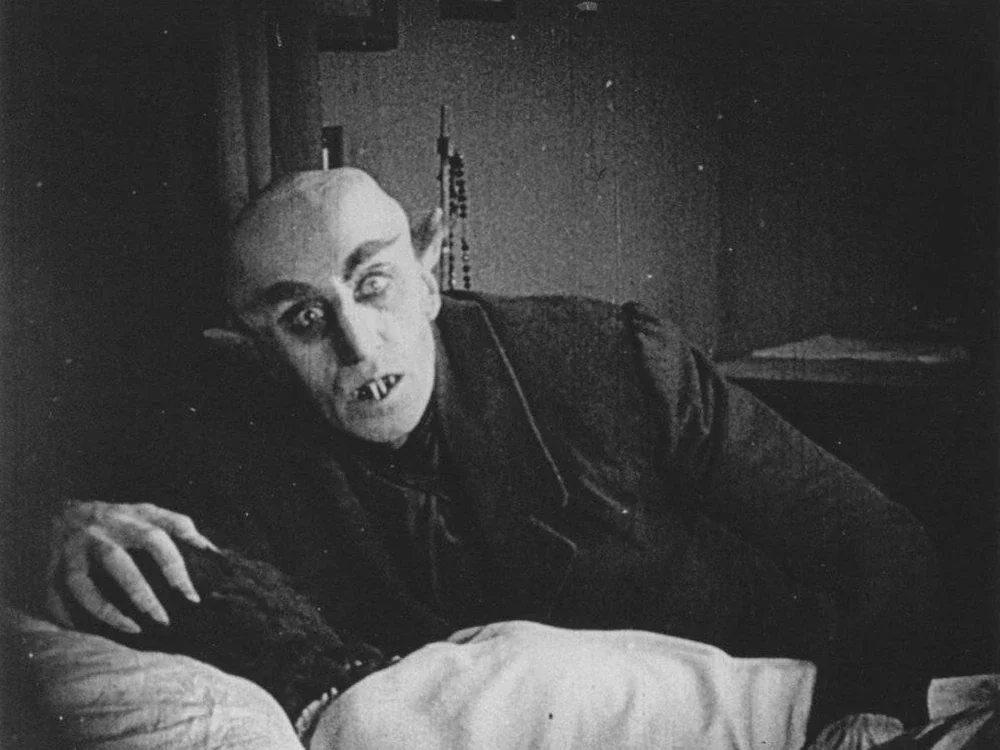
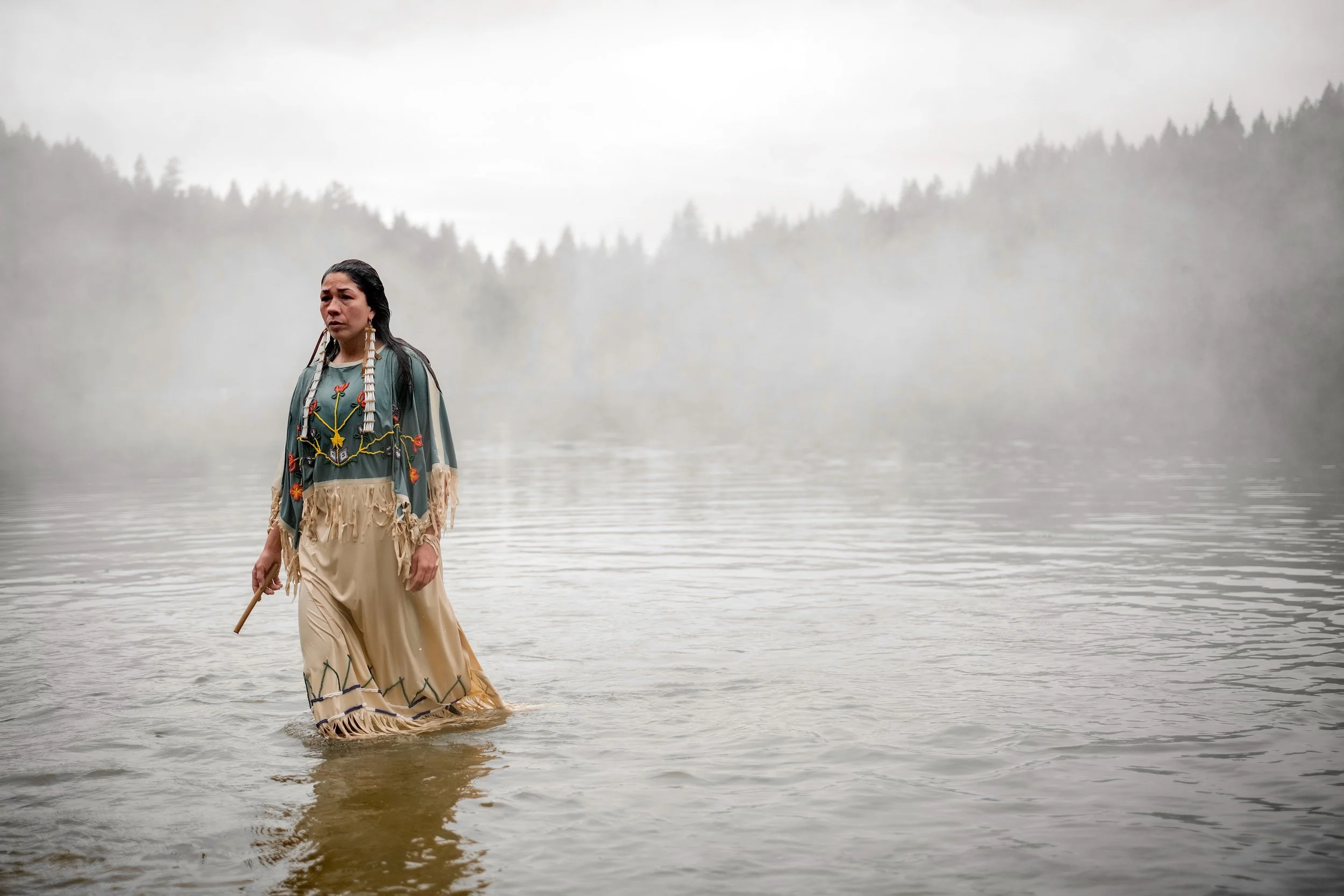
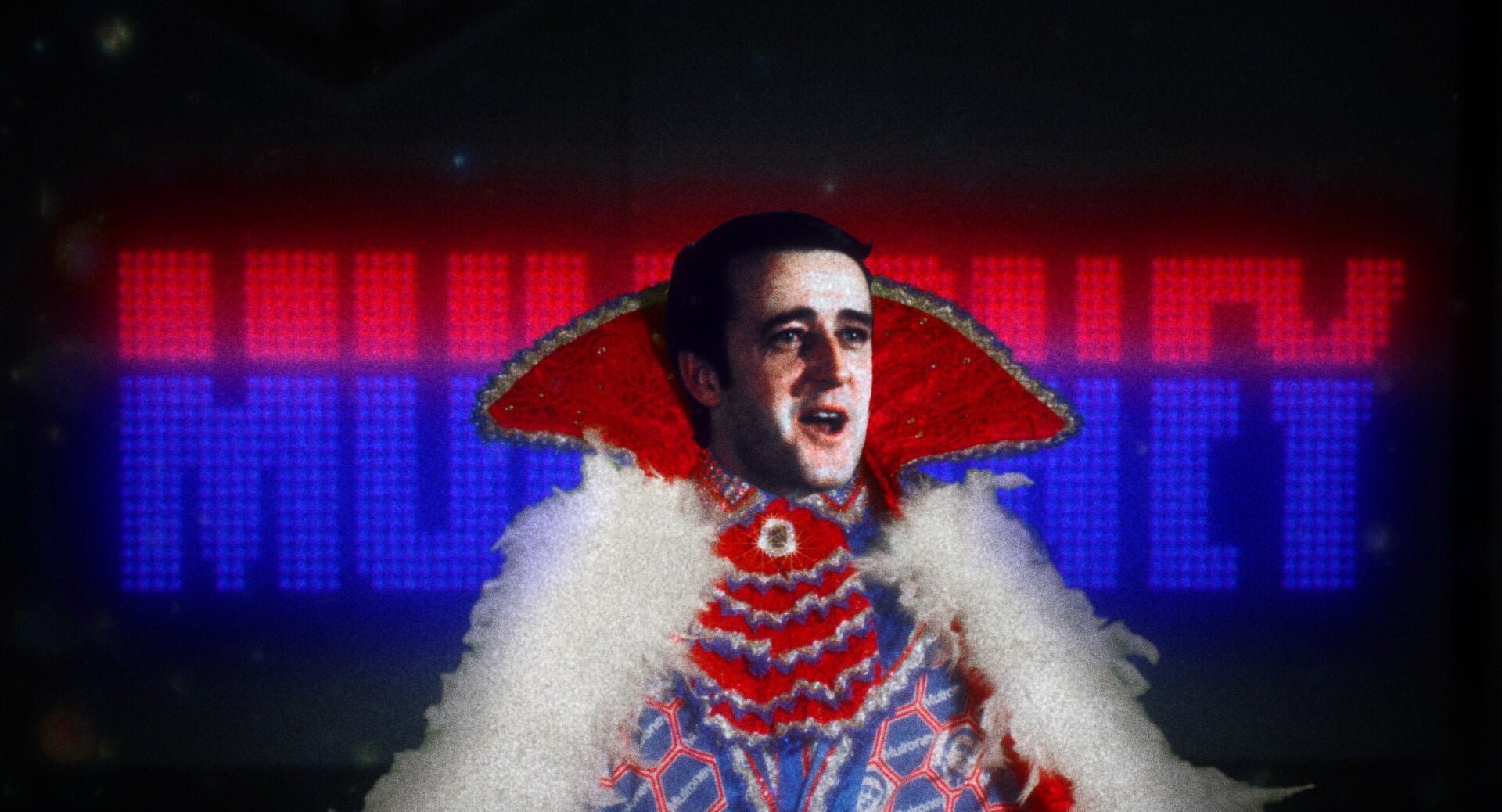
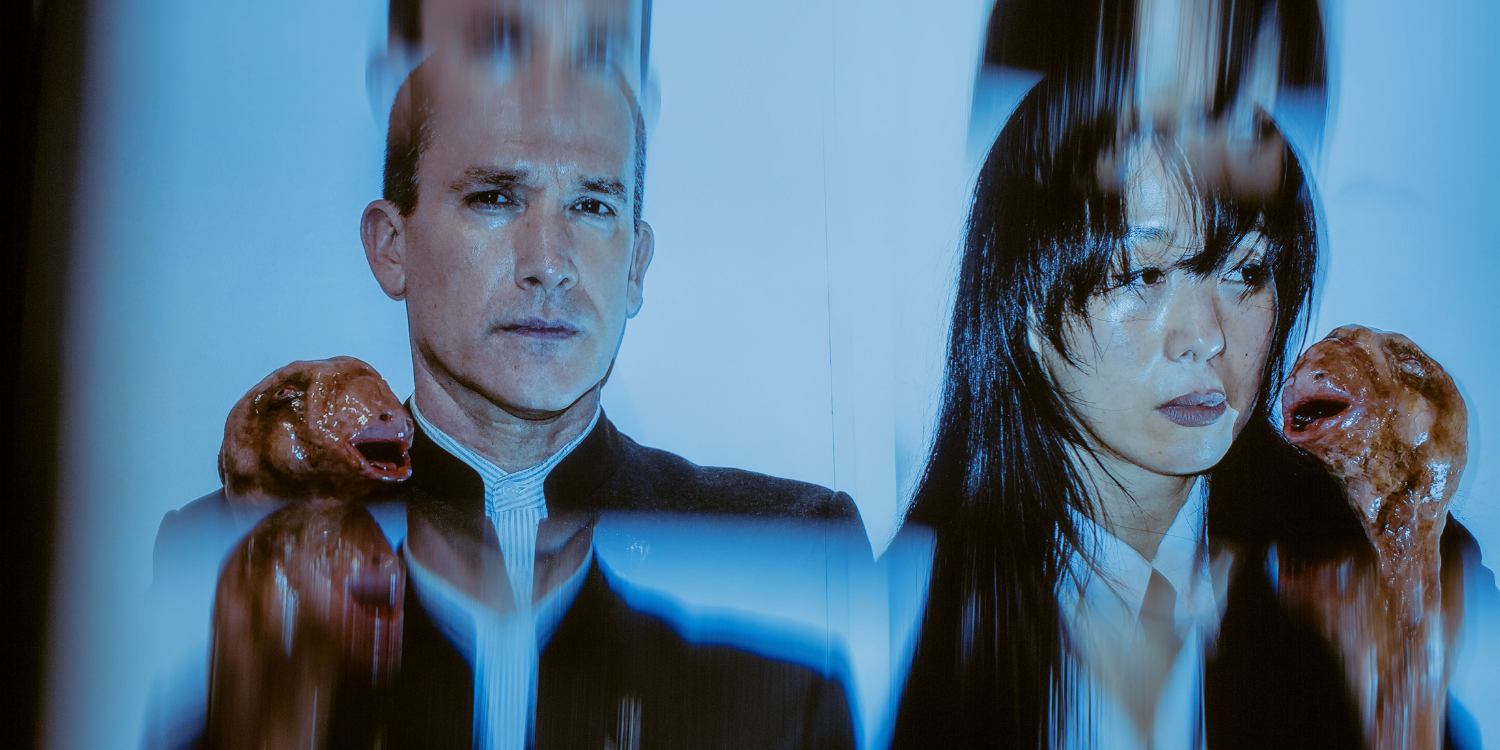
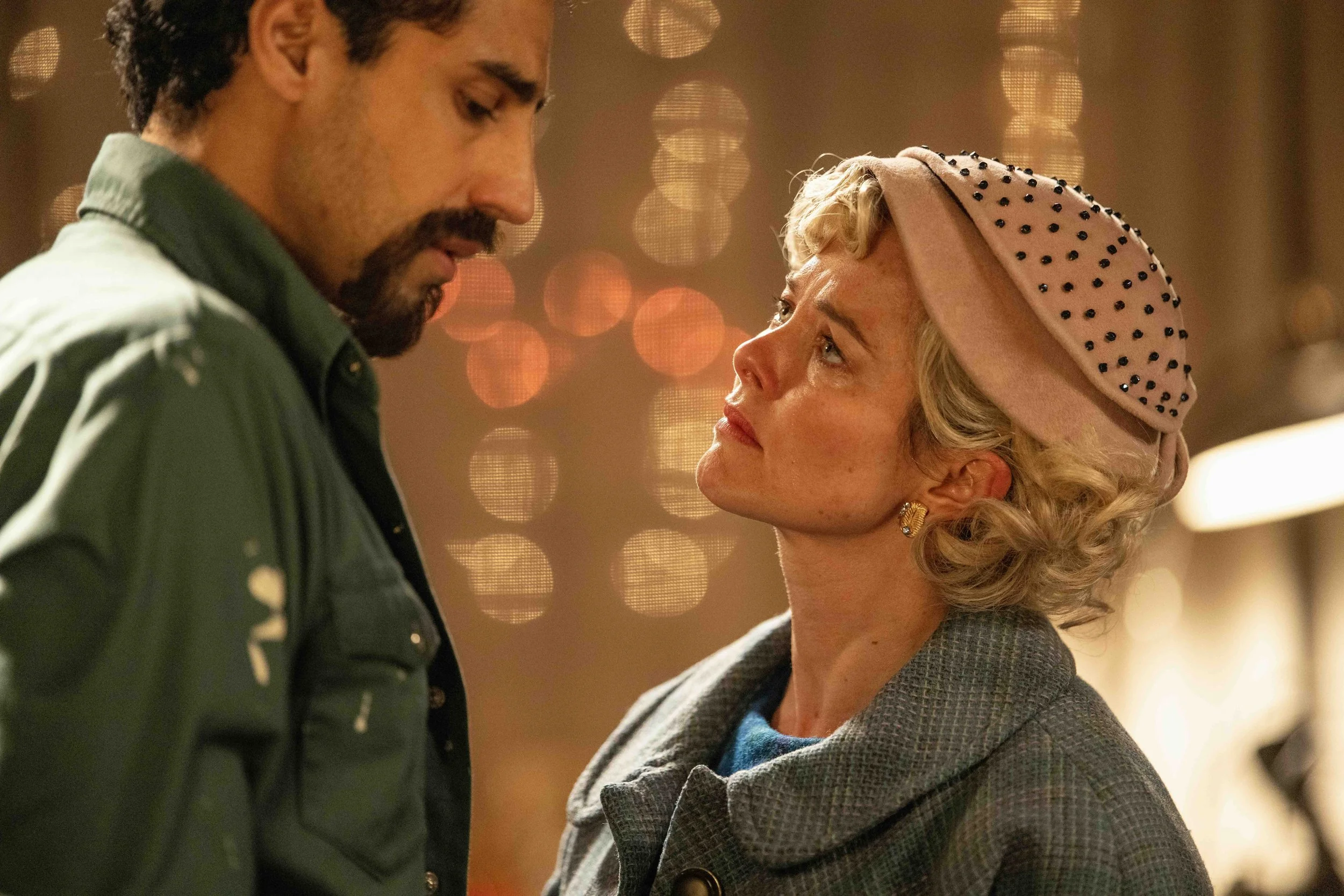
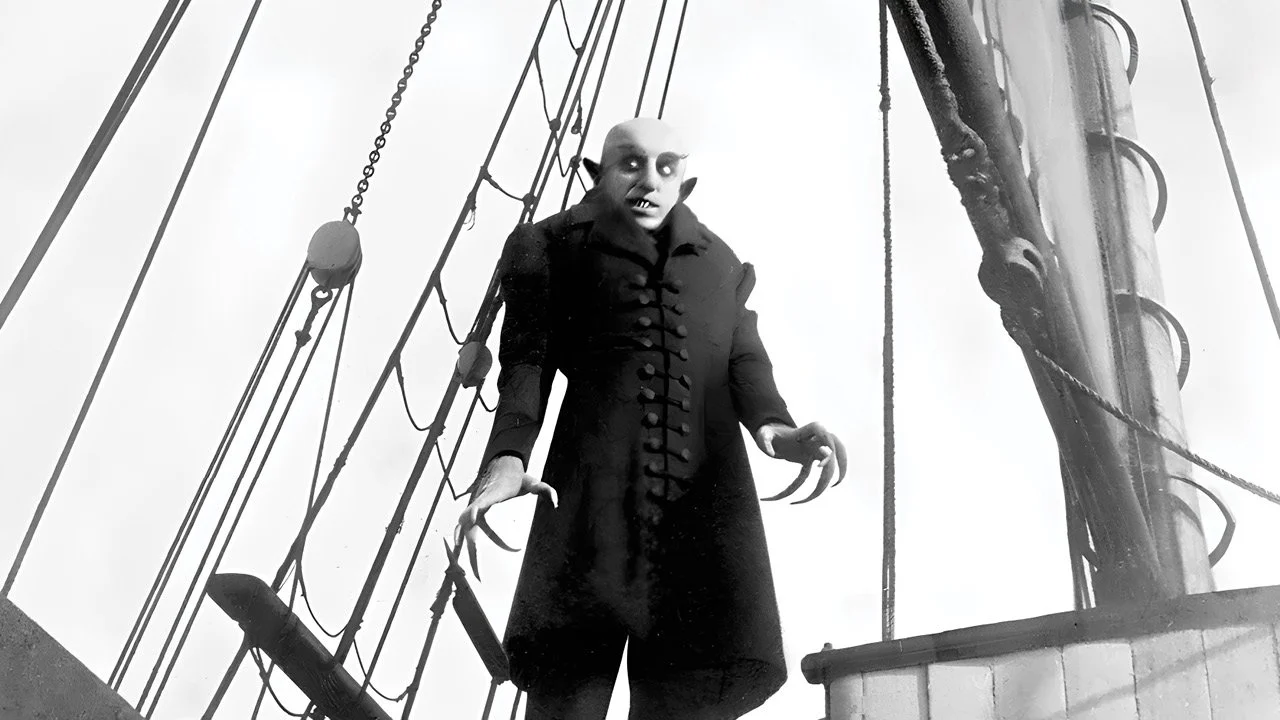
Forbidden Rooms: Halloween on Howe kicks off on October 12 with the three-hour cut of Japanese classic Kwaidan, paired with the somewhat more visceral Clair Denis film Trouble Every Day. The series continues with Harry Kümel’s sumptuous ’70s lesbian vampire pic Daughters of Darkness, E. Elias Merhige’s extreme grotesquerie Begotten, and two from the reigning master of the horror genre, Kurosawa Kiyoshi: 2001’s Pulse and the very hard-to-see short from 2024, “Chime”. The last film in the series will be Carl Theodor Dreyer’s amazing Vampyr, featuring a live soundtrack performed by the Stephen Lyons–led quartet Applied Silence (also amazing). 

Related Articles