Stir Cheat Sheet: 5 books for the arts and entertainment fans on your holiday list
Celebrations of 7IDANsuu James Hart and Tamio Wakayama mix with coffee-table odes to gritty Vancouver streets and a viral marquee
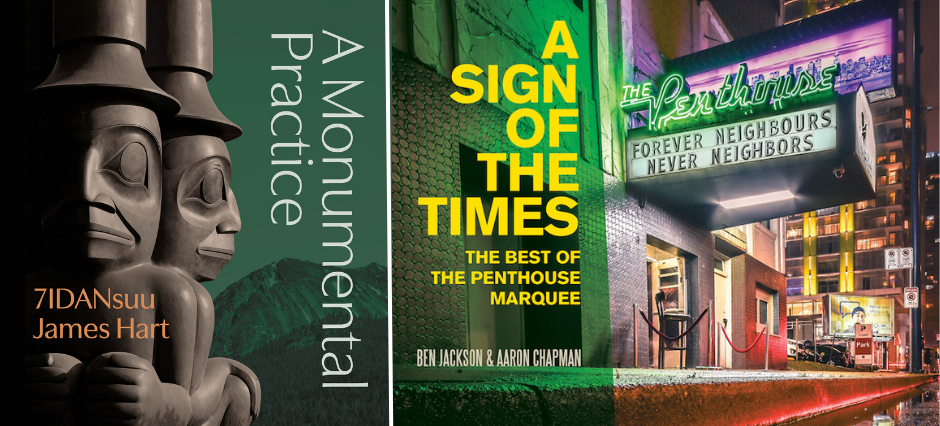
7IDANsuu James Hart: A Monumental Practice and A Sign of the Times: The Best of the Penthouse Marquee
IN TIME for Christmas, local publishing houses have released a slate of books that pay tribute to everyone from a master Haida carver to a photographer whose images captured social-justice movements from the 1960s through to the 1990s.
Elsewhere, there’s a local street-photography book for the diehard East Van resident on your list, an ode to a downtown marquee, and more.
Below, five gift ideas for culture vultures and visual-arts fans.
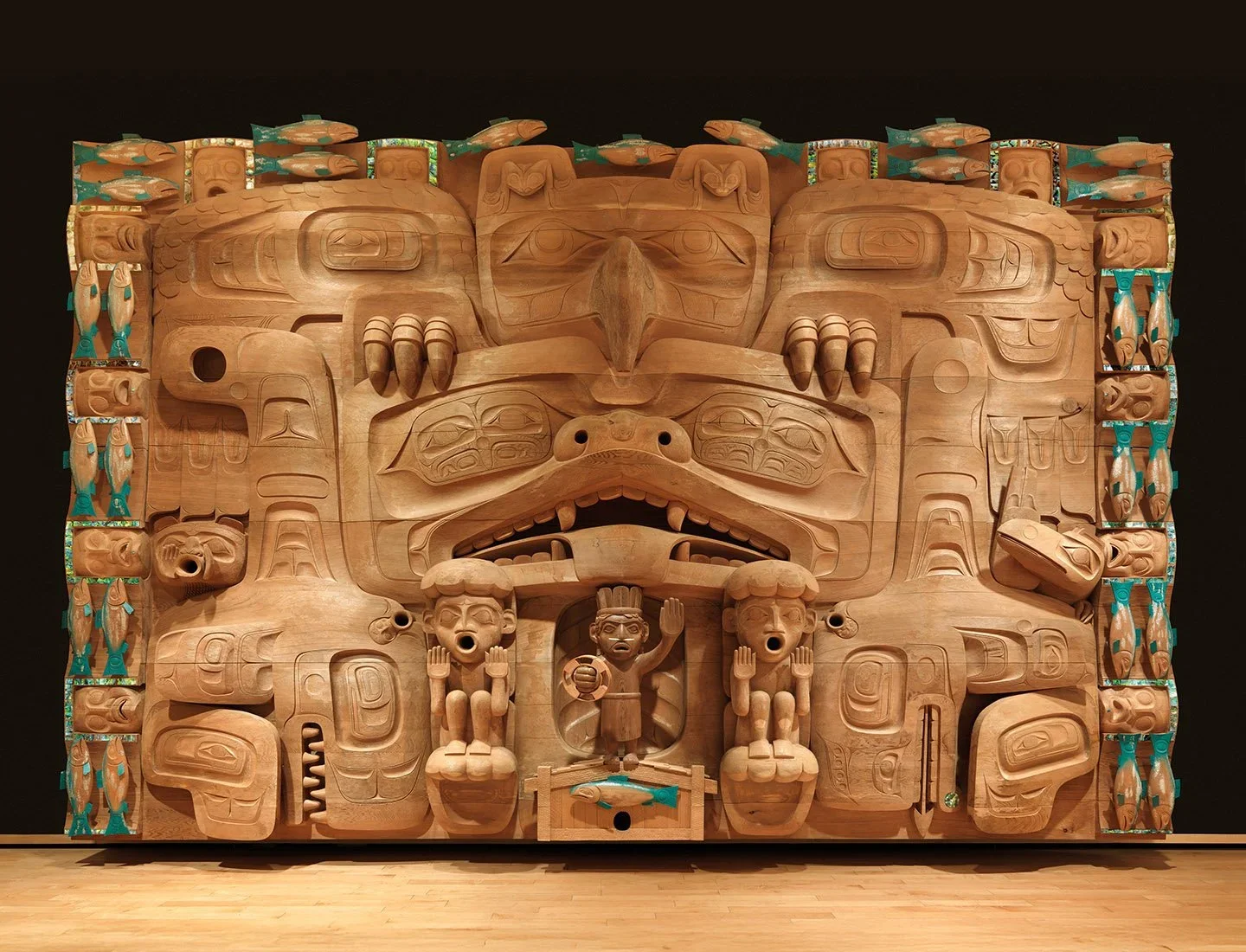
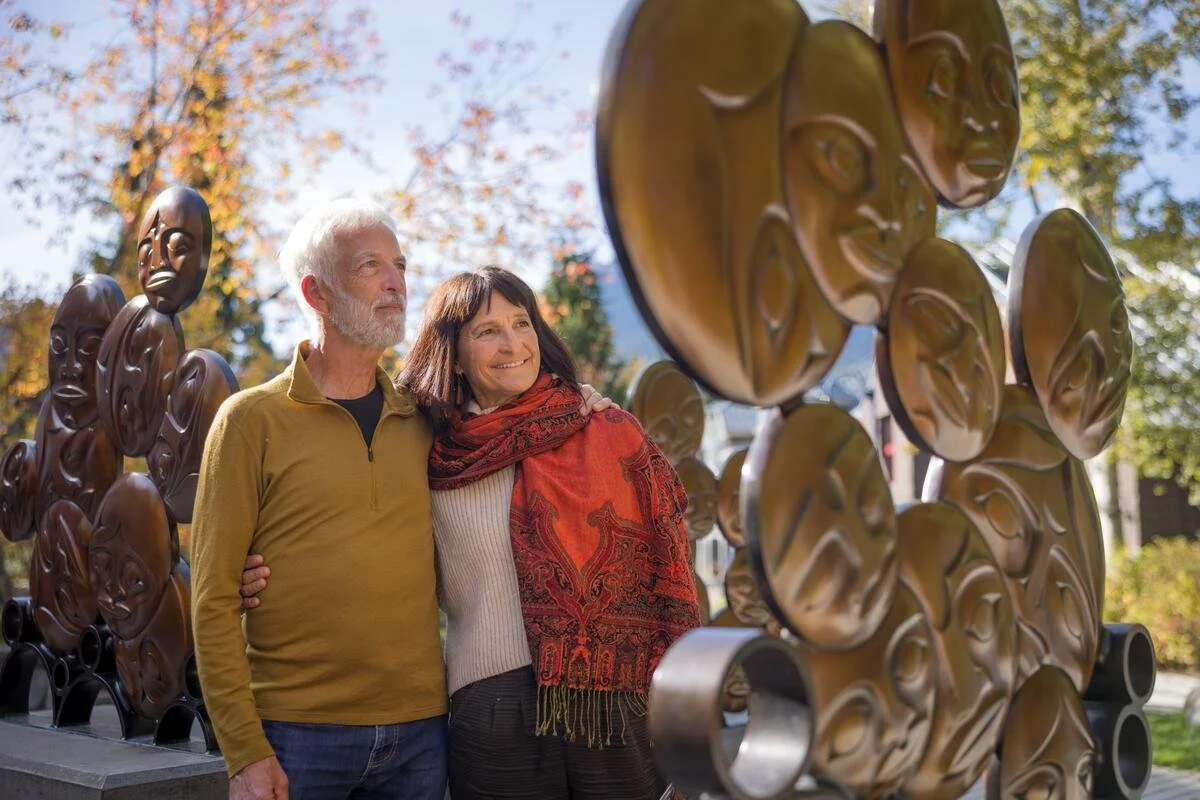
7IDANsuu James Hart, The Dance Screen (The Scream Too), 2010-13.Photo by Trevor Mills, courtesy Figure 1 Publishing
7IDANsuu James Hart: A Monumental Practice
By 7IDANsuu James Hart and Curtis Collins, with commentaries by Wade Davis and Gwaliga Hart, and a foreword by Michael Audain, Figure 1 Publishing
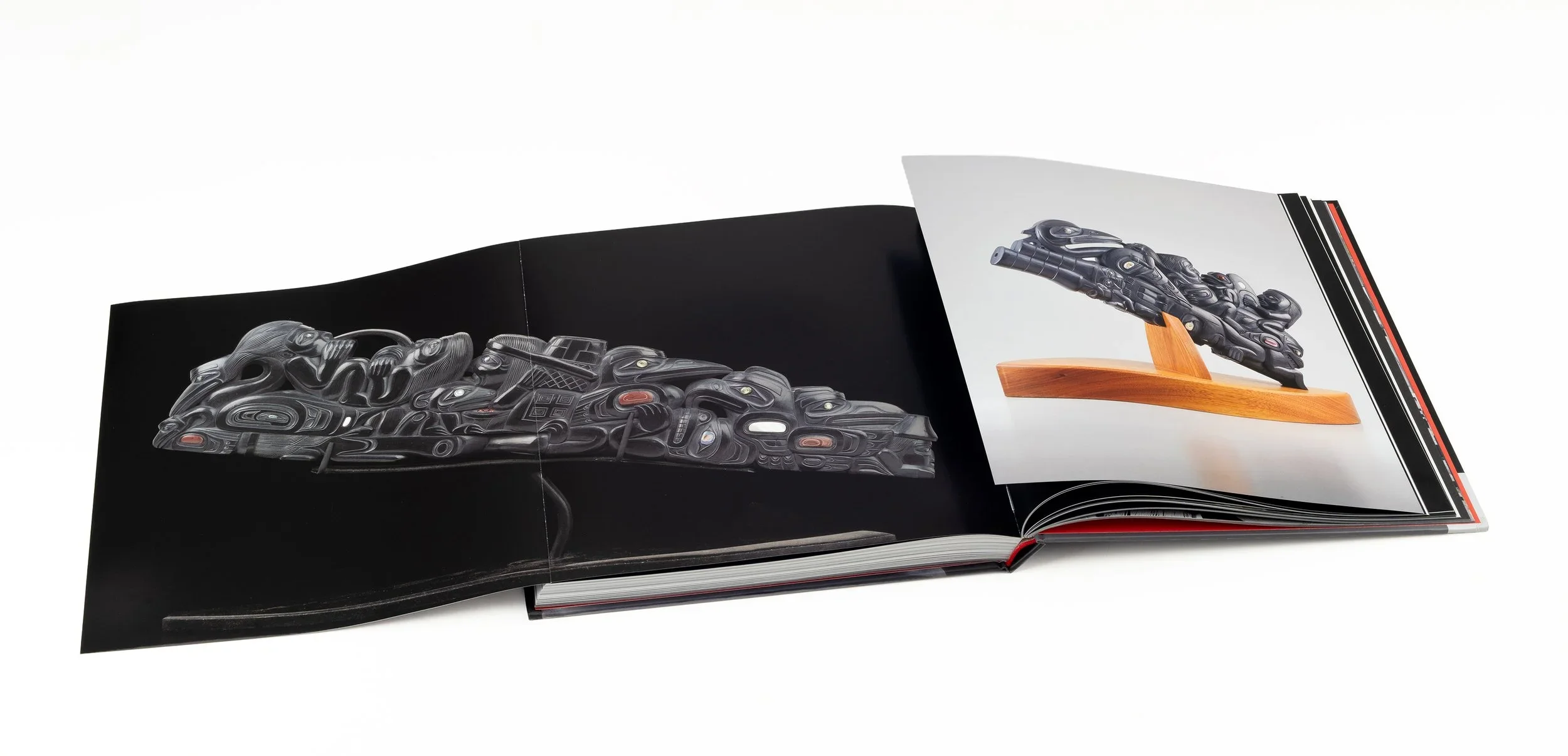
Full of hundreds of images of his works, the first art book dedicated to Haida artist and hereditary chief 7IDANsuu James Hart follows his career, from the early days assisting legends such as Robert Davidson and Bill Reid to achieving his own renown for monumental totem poles, sculptures, and bronzes. Audain Art Museum director and chief curator Curtis Collins’s underlying idea for the book is that a physical exhibition of it all would be impossible: Hart’s work is not only too large, but it’s spread across the world’s private and public collections (although the book also features some beautiful smaller jewellery and copper pieces). Towering pieces that dazzle here include Hart’s The Dance Screen (The Scream Too) (2010–13), from the Audain Art Museum, intricately carved in cedar and yew, with abalone and mica, and portraying figures including a mother bear, an eagle, ravens, and orcas, flanked by dozens of turquoise-shimmering salmon and centred around a small shaman figure. Throughout, essays by philanthropist Michael Audain, anthropologist Wade Davis, and curator Collins, as well as Hart’s son Gwaliga Hart, give further context to the artist’s formidable skill and expressive talent—not to mention his inspiration from Haida resilience.
A Sign of the Times: The Best of the Penthouse Marquee
By Benjamin Jackson and Aaron Chapman, Anvil Press
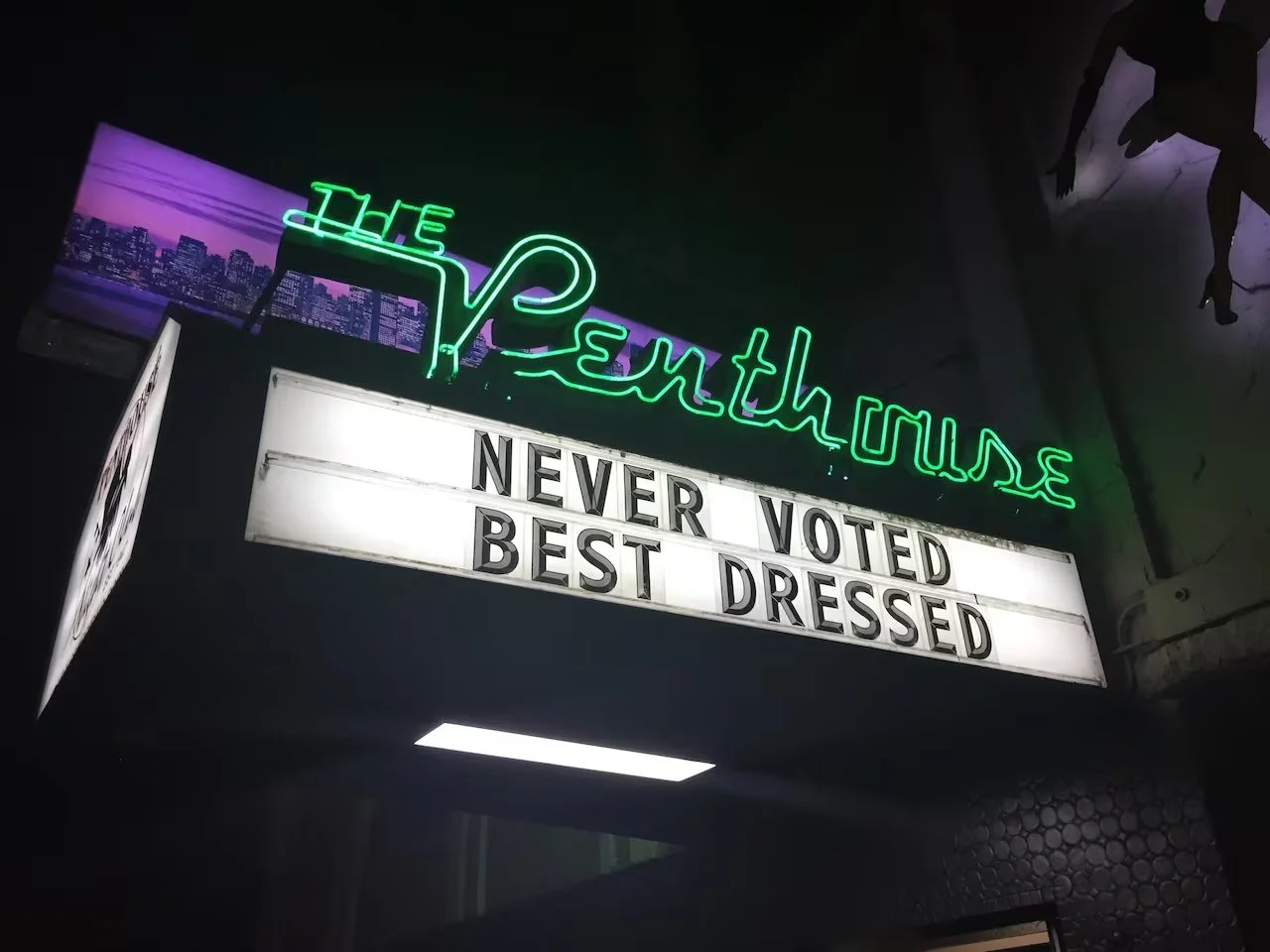
The eight-decade-old Penthouse Nightclub’s neon marquee has made traffic-jammed commuters and passersby laugh for the last decade. Many of the strip bar’s witty messages have gone viral on social media (“NEVER VOTED BEST DRESSED”, “RELAX GUYS, COLDPLAY ISN’T HERE”, the Trump-aimed “FOREVER NEIGHBOURS, NEVER NEIGHBORS”, or the pandemic-era “CLOTHED UNTIL FURTHER NOTICE”). Now Penthouse bartender Benjamin Jackson—the jokester behind the marquee messages—and Vancouver journalist Aaron Chapman have joined forces on a new coffee-table book that pays tribute to the irreverent icon. It mixes full-colour photographs from the nightclub’s archives with interviews and anecdotes from the establishment’s staff. Chapman is becoming a bit of a Penthouse aficionado: his first book, 2012’s Liquor, Lust, and the Law, focused on the Seymour Street institution. His other local history books include Live at the Commodore, The Last Gang in Town, Vancouver After Dark, and Vancouver Vice.

Enemy Alien: Tamio Wakayama
Edited by Paul Wong, Figure 1 Publishing
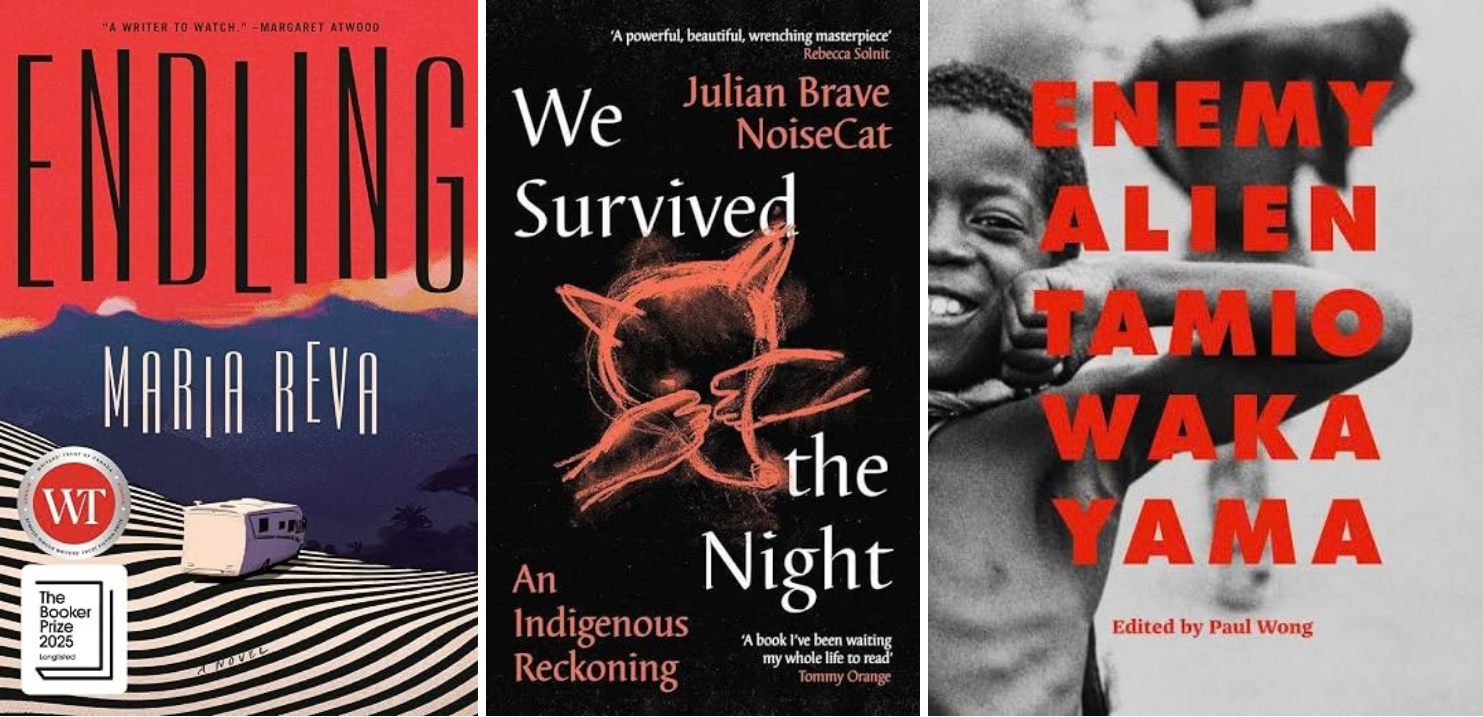
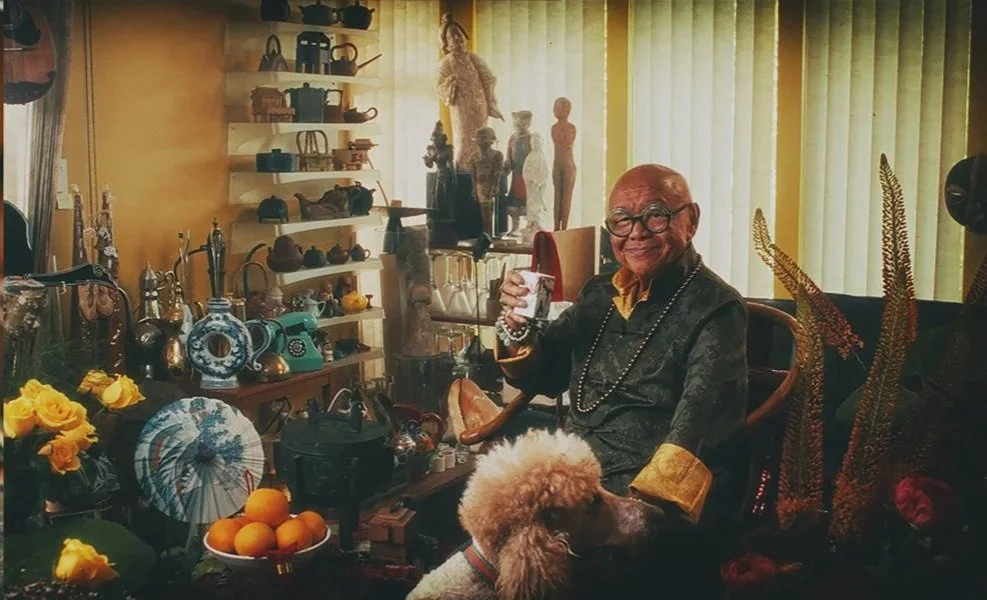
Mississippi civil-rights marches, Doukhobor prayer meetings, Indigenous powwows, and Vancouver taiko drumming: these disparate happenings, and many more, converge in a fascinating first book dedicated to social-justice activist and photographer Tamio Wakayama. Created to accompany the expansive Vancouver Art Gallery exhibition of the same name, it traces a 50-year career, told mainly through Wakayama’s own words and striking black-and-white images; the VAG’s Eva Respini and Vancouver art icon Paul Wong give added context. Read about the hardship of the Japanese Internment and his family’s eventual relocation to Chatham, Ontario; after that came an awakening that took the photographer to the American South in the nascent days of the American civil-rights movement, reflected here in luminous photographs of Freedom Summer ’64 activists, and Black sharecroppers quilting, farming, barbecuing, and singing. Later, he captures counterculture and anti-war movements of the 1970s, and documents everything from the regalia and powwows of Saskatchewan’s Indigenous communities to the long-table meals and other rituals of the Doukhobors of eastern B.C., and to Vancouver’s own Powell Street Festival. The faces the photographer captures, the turning points in history and the quieter truths, are indelible.
Night Moves: The Street Photography of Rodney DeCroo
By Rodney DeCroo, Anvil Press
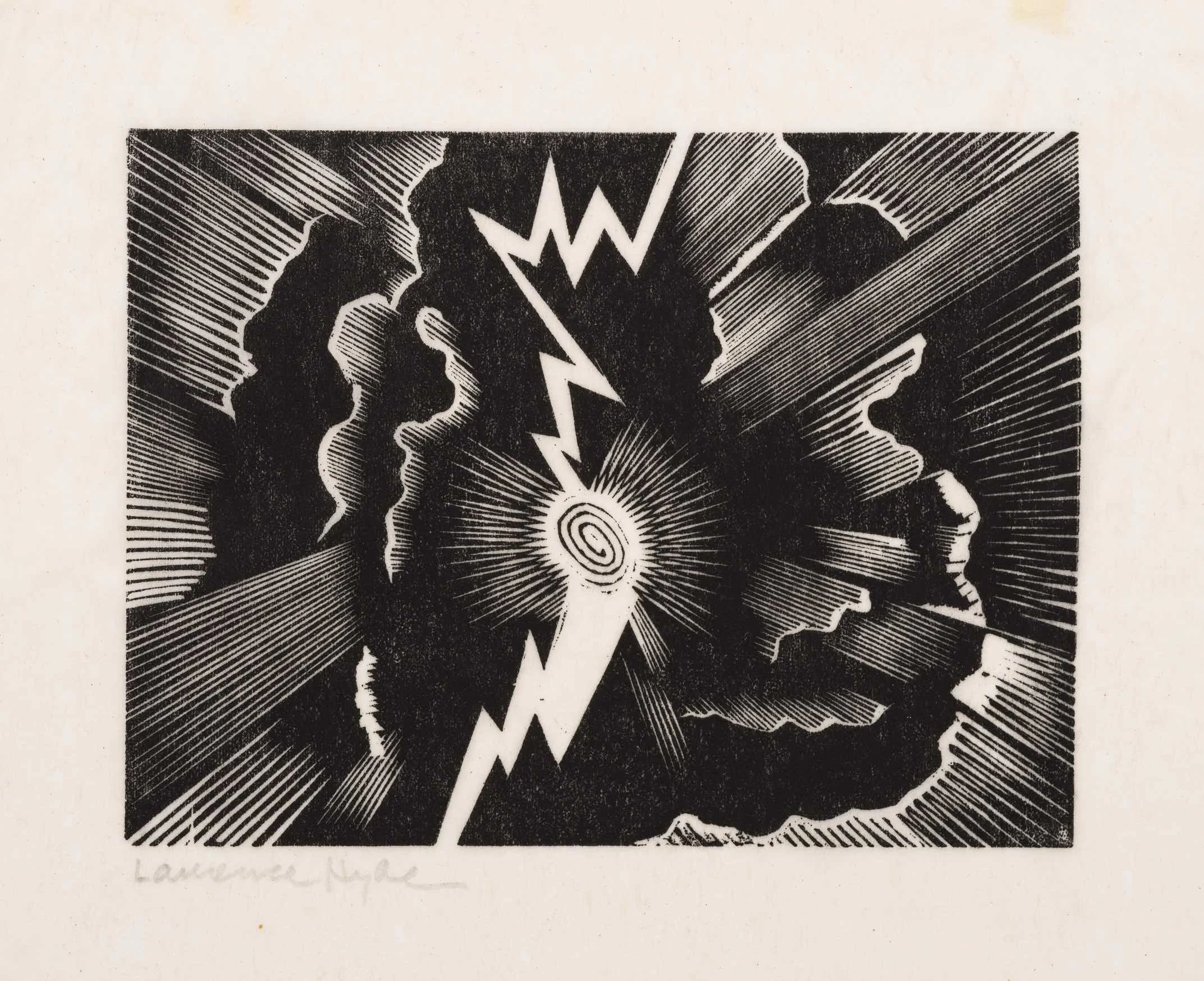
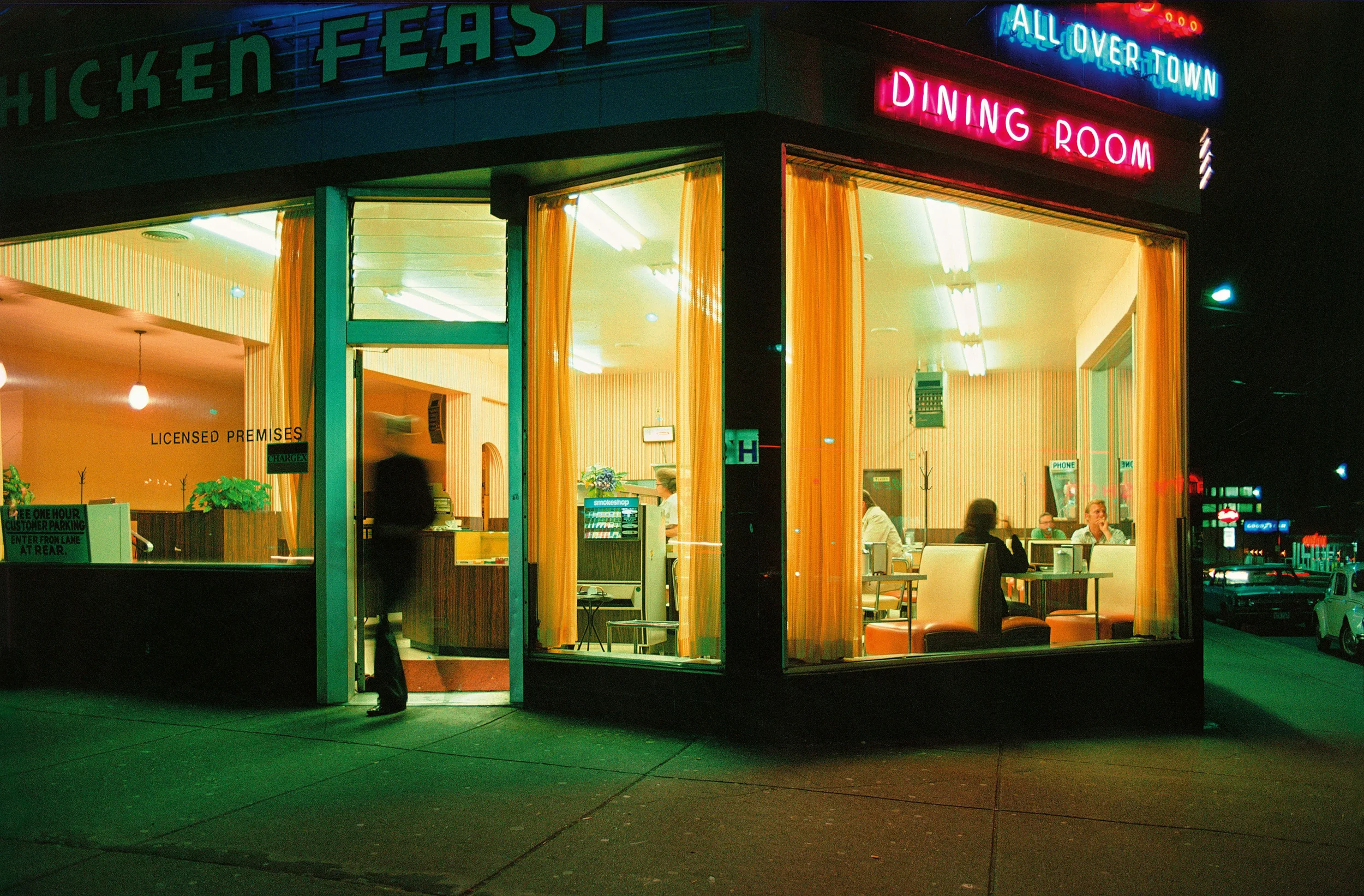
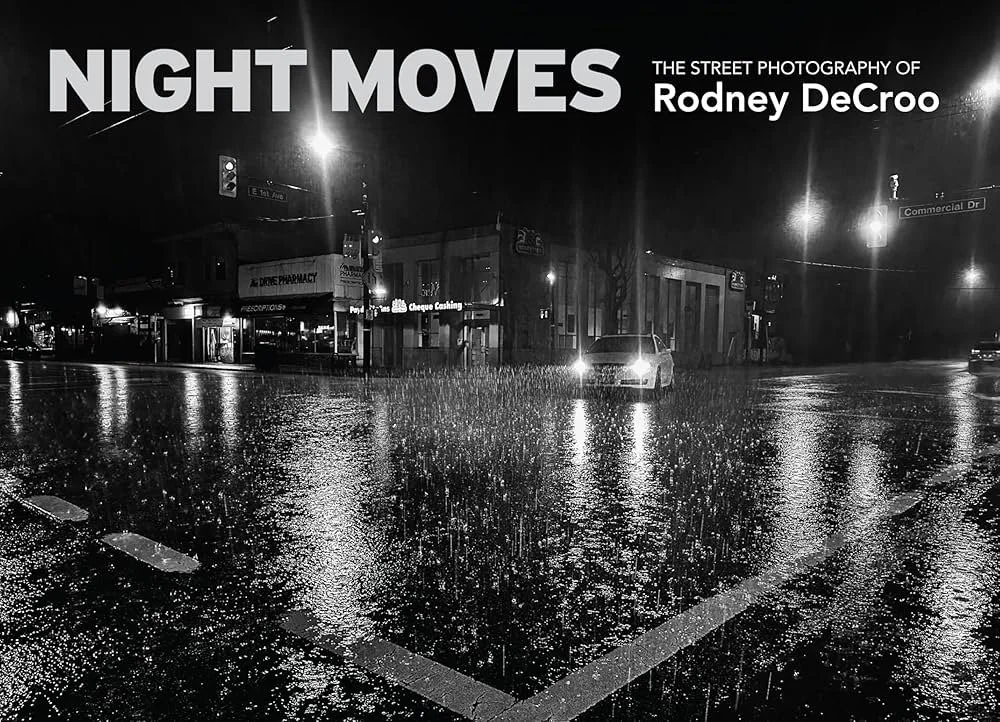
The Vancouver songwriter, poet, and playwright expands into street photography, much of it aiming an unfiltered lens at the grit and character of his own Commercial Drive neighbourhood. As we said in our article here earlier this year, “In page after page of the landscape-format volume, gritty black-and-white images reflect the city’s jumbled profusion and cross paths with its residents—young and old, guarded and open, a few comfortably off, others on the brink of crisis or poverty, each of them inexhaustibly unique.” He finds his subjects on late-night buses and busy crosswalks, or under the fluorescent glow of street signs. Interspersed with poetry, many of the images are shot through with loneliness, but there’s also a bracing honesty to them that captures the complex truth of a city beyond the travel brochures.
Louis de Niverville: Pentimenti
By E.C. Woodley, Heather Bell, and Ihor Holubizky (text), with a foreward by Tobi Bruce and edited by Thomas Miller and Philip Ottenbrite, Figure 1 Publishing
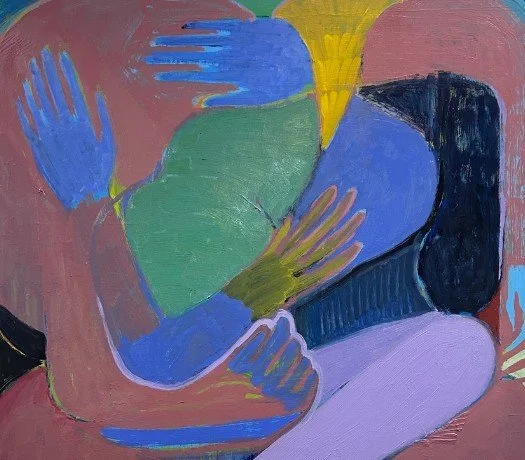
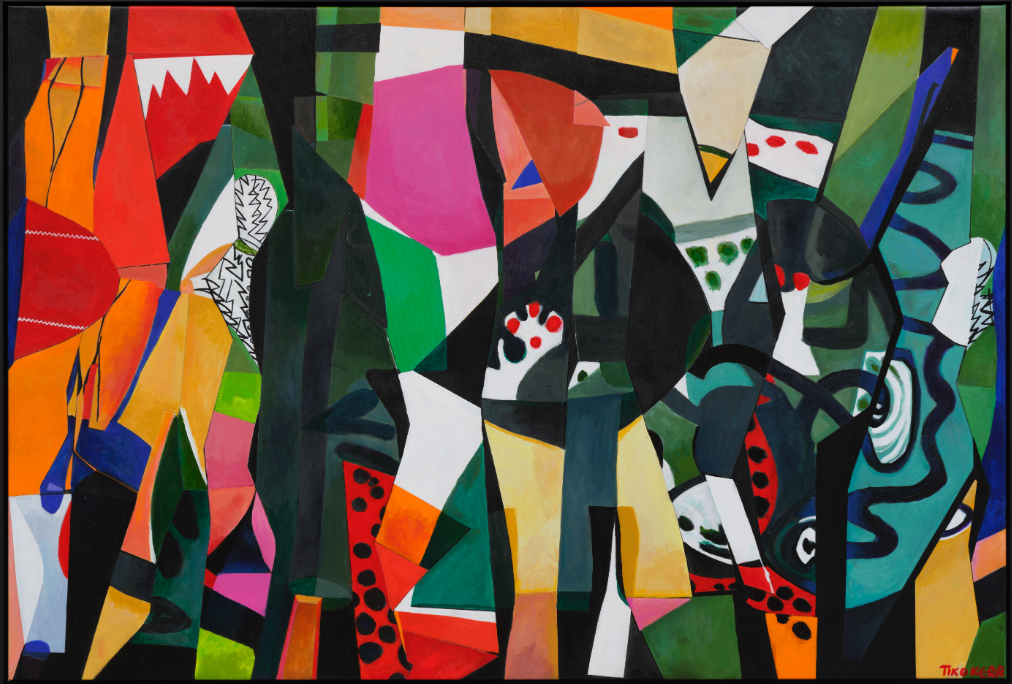
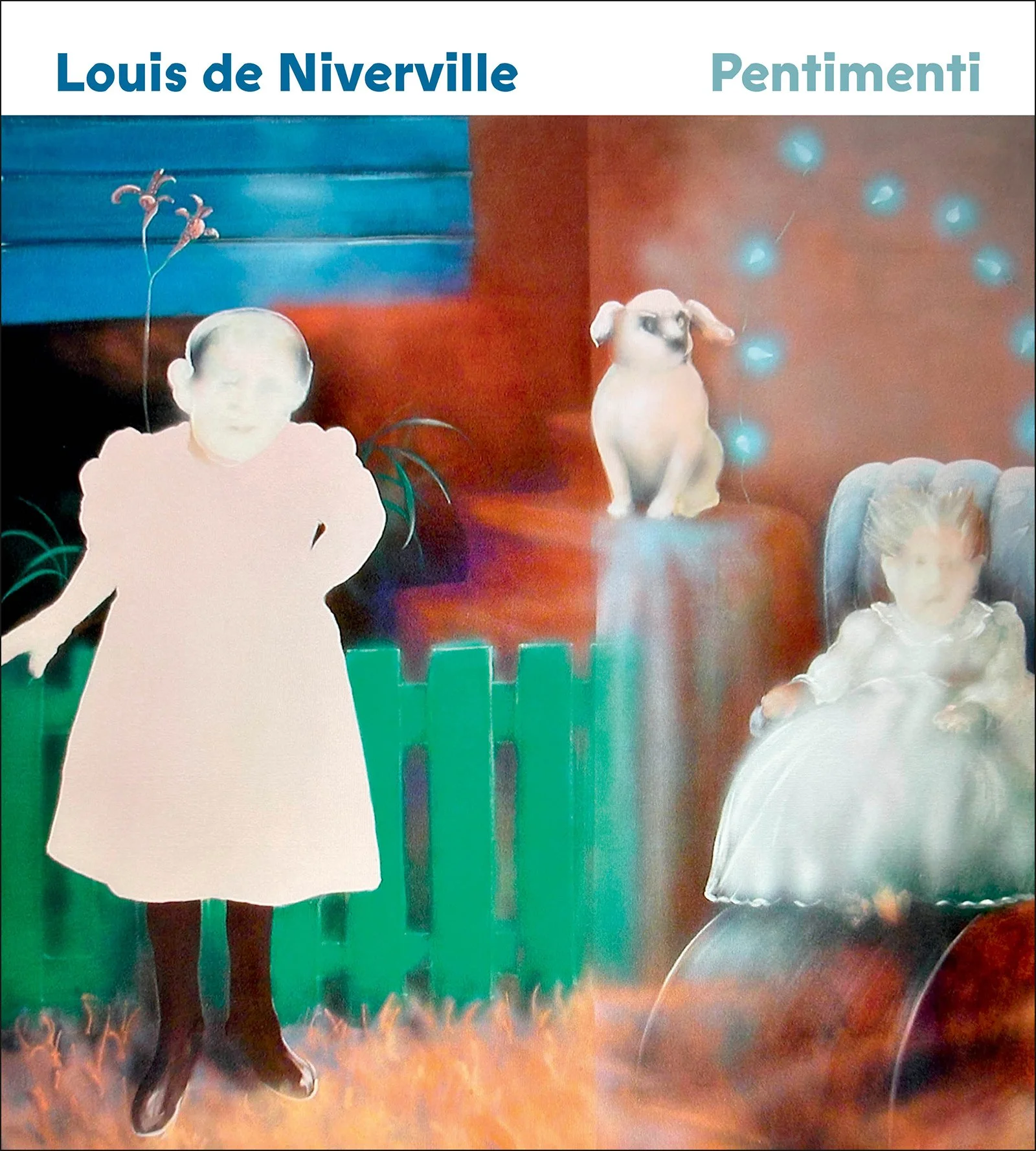
For art lovers who don’t know much about late Canadian artist Louis de Niverville and his mysterious, dreamlike paintings and collages, this vivid new monograph is a revelation. As documented beautifully here, his feverish images—with their ghostly figures and objects that often seem to float surreally out of time and space—trace poignantly back to early trauma: the ninth of 13 children, he spent more than four years at an Ottawa sanatorium, to which he had been sent at just six years of age with spinal tuberculosis. De Niverville was confined to bed and allowed to see his parents only once a week. That experience influenced nearly all the art that came later, an essay here reveals, from the subtle allusions to windows to the depictions in his copious family portraits. One of his most high-profile works, 1978’s Morning Glory, a mural in Toronto’s Spadina subway station, is spread in all its wonder across two pages, depicting a little boy confined to his bed, daydreaming about what is going on in the world outside (complete with rabbits and a lion). The book allows you to spend time unpacking his often elaborate artworks—touching on the surreal without being Surrealist, and swinging between fantasy, comedy, and even something that one critic has called “cosmic horror”. 

Related Articles