Labour dispute at Centre A sparks lockout and public rally
Negotiations reached an impasse in recent weeks and illustrate challenges facing small artistic nonprofit workplaces
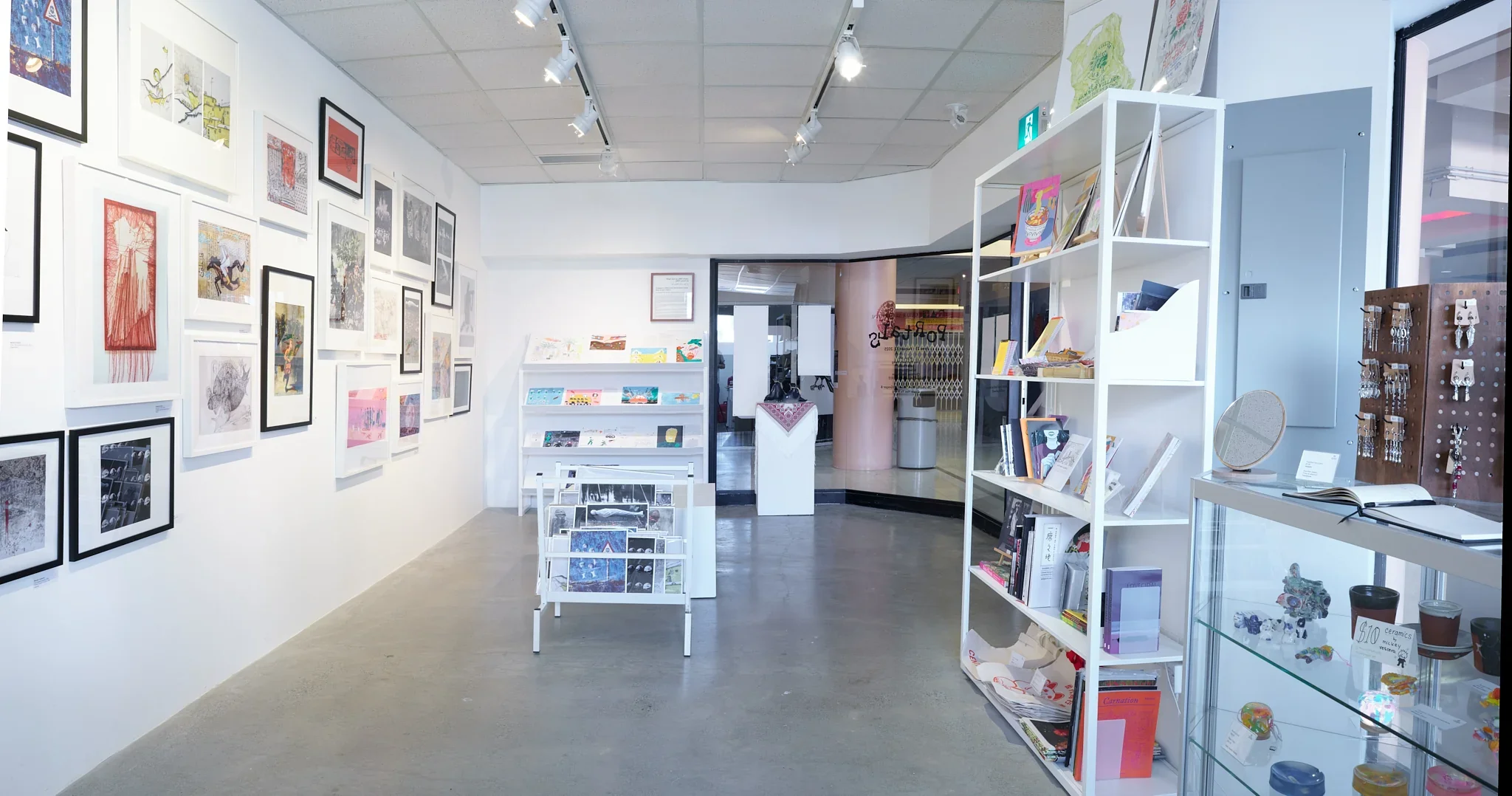
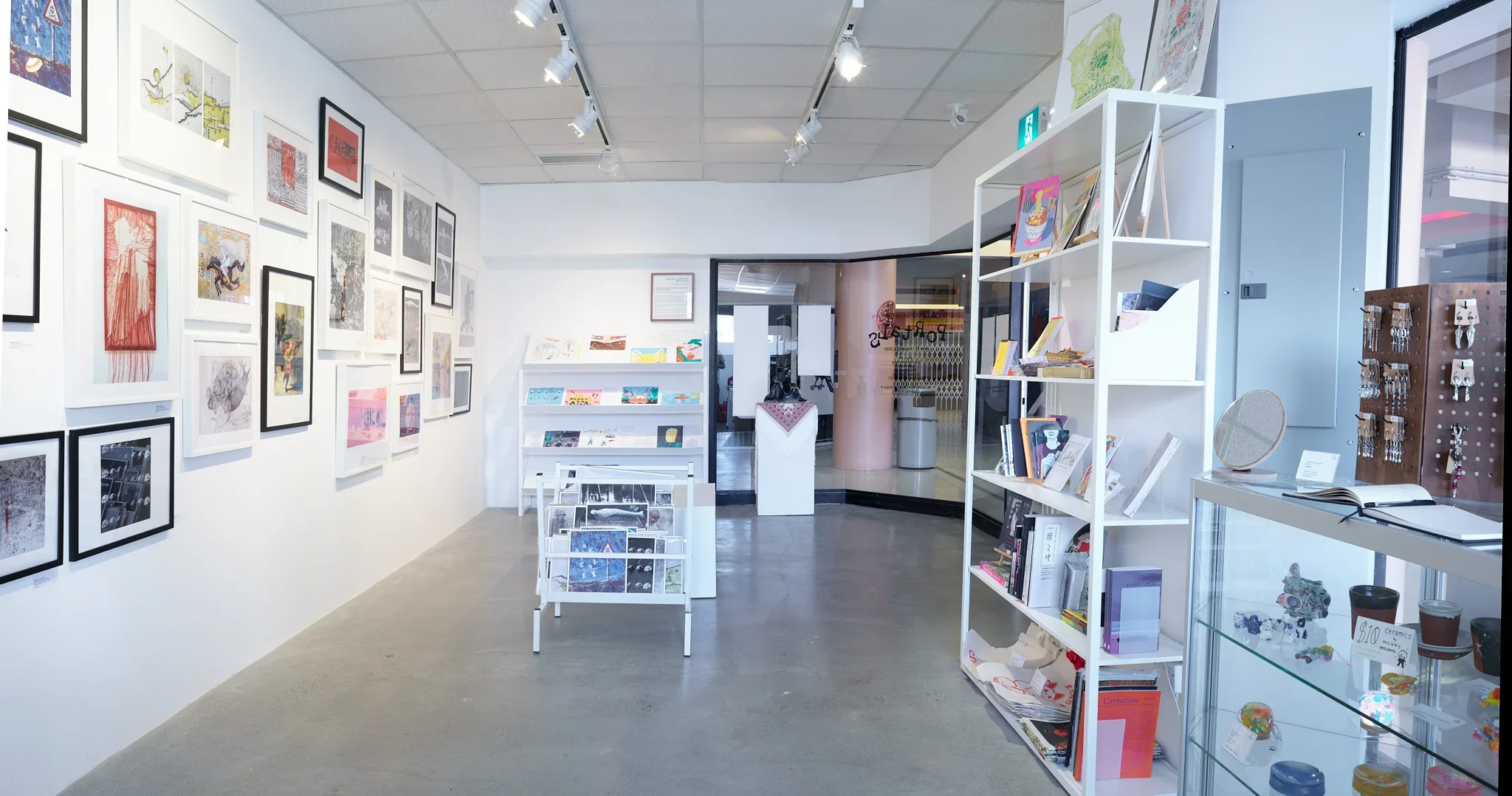
Centre A’s entrance boutique at its Keefer Street location.
Update: As of July 16 the lockout has been lifted at Centre A and the rally has been cancelled for July 18.
STAFF MEMBERS OF Centre A: Vancouver International Centre for Contemporary Asian Art, and their supporters, picketed outside the nonprofit’s workplace after bargaining negotiations reached an impasse between Centre A’s leadership and its staff’s union, IATSE B-778, Arts and Cultural Workers Union (ACWU). Another rally is already planned for July 18 as labour tensions continue at the Keefer Street facility—the only public gallery in Canada dedicated to contemporary Asian and Asian diasporic visual art practices.
Update as of July 16: Stir received word late July 15 after publishing that Centre A’s board has now terminated its executive director without cause.
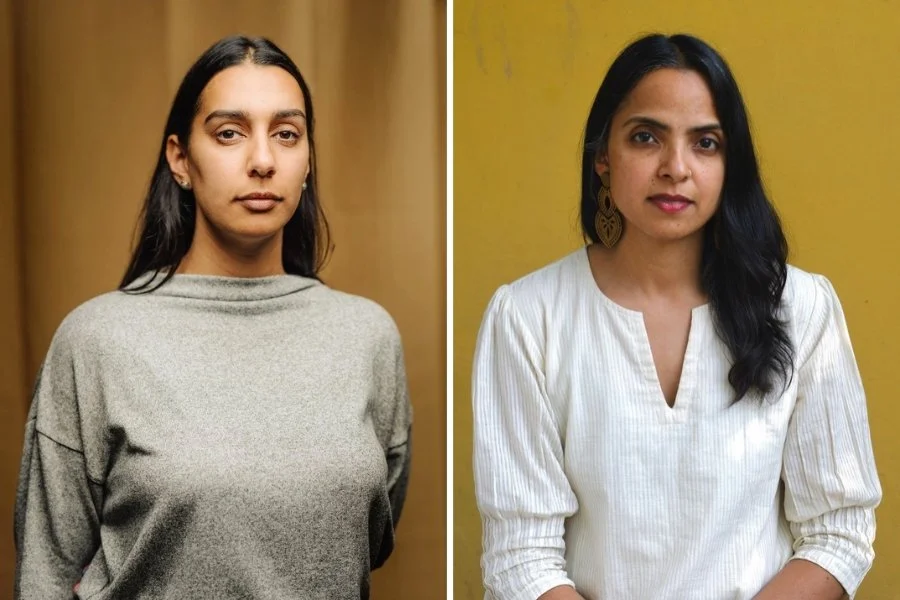
Centre A was founded in 1999, with executive director Jenie Gao overseeing the organization until late yesterday, with daily operations supported by its two union employees: artistic director Diane Hau Yu Wong and programming coordinator Maliv Khondaker. (Gao has been the executive director for one year, and is the fifth executive director in six years following a two-year gap in leadership.) The workplace became unionized in 2023. This year, formal bargaining meetings began in May to codify a new collective agreement, which included Gao, union representative Conor Moore, and Khondaker. However, negotiations reached an impasse in recent weeks and illustrate some of the challenges facing small artistic nonprofit workplaces today.
According to a statement published on July 13 on the ACWU Instagram page, Wong and Khondaker were notified of the lockout on July 3, giving them 72 hours before it went into effect. They say that their access to work-related materials was immediately revoked.
Centre A released a public statement shortly after ACWU, outlining that previous wage proposals from the union included codifying up to a 20-percent annual raise. ACWU’s statement rejects this claim, saying the union instead asked for an annual wage increase of three percent, up to a maximum of 8 percent. The union also states that during the last bargaining meeting before the current collective agreement expired, Centre A proposed a wage decrease as its final offer.
Both statements confirm that on July 6, Centre A proposed another offer to the union, which would have union employees maintain their current wages, followed by a two-percent annual wage increase. On its part, the union’s rejection is due to Centre A’s “last offer” stance in its proposals, citing in its statement that union members “would not accept their proposal point-blank, but would be happy to discuss the proposals in a bargaining session”.
While Centre A states the lockout is approved by the Labour Relations Board, Gao affirms the decision was not made lightly, with work stoppages more disruptive to smaller organizations compared to large institutions.
“We only have two union employees,” Gao tells Stir. “Once we got past the expiration date of our collective agreement, either Centre A can do lockout, or the union employees can go on strike.”
They explain that ultimately, the decision of lockout was made to avoid the possibility of employees quitting during a strike, which would leave Centre A with a bargaining unit of zero, and therefore no one to end the strike, an action that would kill the nonprofit. In either scenario, significant disruptions impacting Centre A’s programming and collaborative artists is all but inevitable.
Centre A has a budget of $450,000 budget and a $98,000 deficit. Gao says if Centre A does not address its deficit immediately, it will “enter a terminal state”.
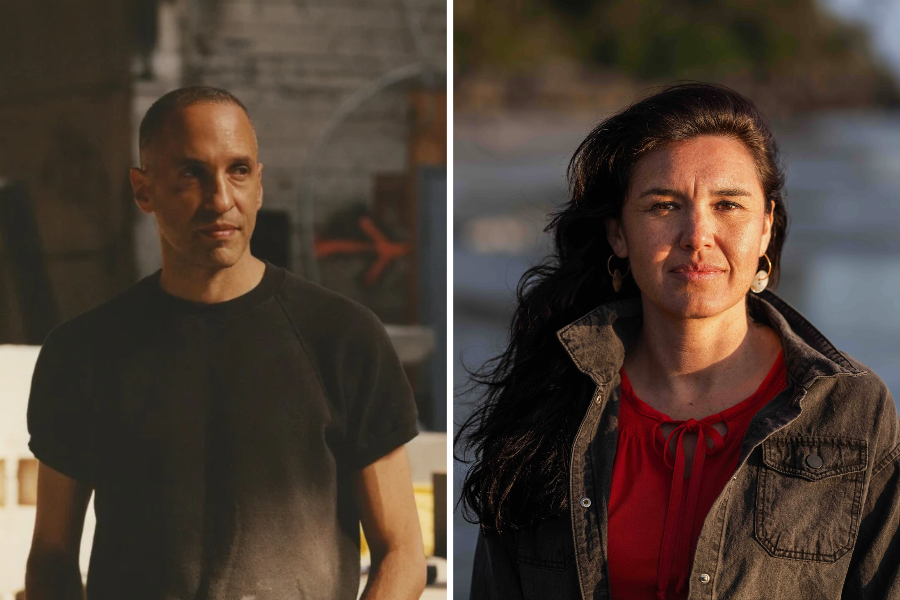
This year, Centre A named writer, editor, and critic Dr. Yani Kong to lead and mentor its third biennial Art Writing Mentorship program. After learning about the potential disruptions that included an employee lockout, Kong and a colleague decided to postpone a scheduled July 4 public talk at Centre A to, in Kong’s words, “give space for resolution”. According to the ACWU statement, her contract for the 18-week program was subsequently terminated on July 8. Since the release of Centre A and ACWU’s respective public statements, former and current collaborative artists of Centre A have voiced their support for the union employees and for Kong on social media platforms.
“I understand my mentees were intended to learn with a replacement mentor who then pulled out,” says Kong in a statement to Stir. “I have heard from other writers who have been asked to replace me. They have declined.”
According to Gao, a request for mediation was rejected multiple times by the union, despite bargaining meetings reaching an impasse. “I come from a background in labour organizing and I’ve been advocating for artists for decades,” says Gao. “Why would I jeopardize that?”
The ACWU was created in 2020 by the founding members of the Vancouver Artists Labour Union Cooperative to address issues such as income precarity, exploitation, and job insecurity in the arts and cultural sector. Since then, they have expanded to represent a diverse mixture of freelance artists and creative workers across B.C. and Canada. For workers like Khondaker, actions like the lockout erodes trust within a team that is already overburdened and under-resourced.
“The dramatic lockout of workers at Centre A is catching the attention of people across the sector, because this issue is larger than just our workplace,” says Khondaker in a written statement to Stir. “The state of labour relations in the arts is distressing. Workers at institutions like Centre A are who make these places meaningful. We build relationships, we create programs, we put up and take down the art and keep it safe, and we are always trying to find new ways that the organization can better serve the community. And yet, we are asked to absorb costs again and again. We are treated as disposable when management seeks to push institutions past what workers can sustain.”
Despite current circumstances, Gao and Khondaker echo the same sentiment: What has transpired at Centre A is not unique to this small arts organization.
Still, the desire to return to bargaining is clear on all sides, with the unionized employees asking for an immediate end to the lockout, and Centre A requesting third-party mediation to support bargaining meetings.

Related Articles