New Works’ All Over the Map brings dance to unexpected corners of Vancouver, August 14 and 16
In a lineup reflecting the strength of the local dance scene, performer Jes Hanzelkova embraces outdoor settings for the multifaceted expression of struggle in her new piece
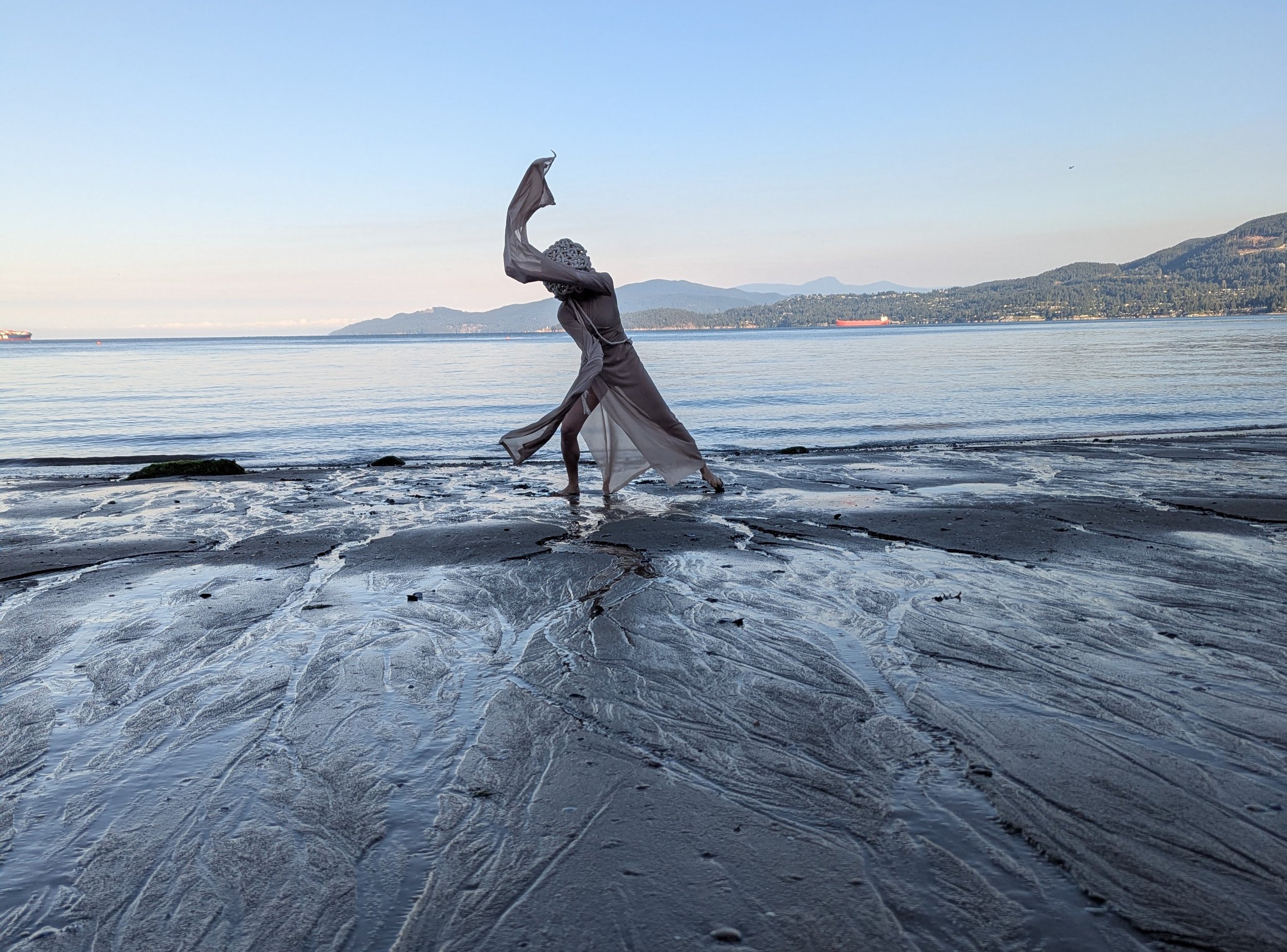
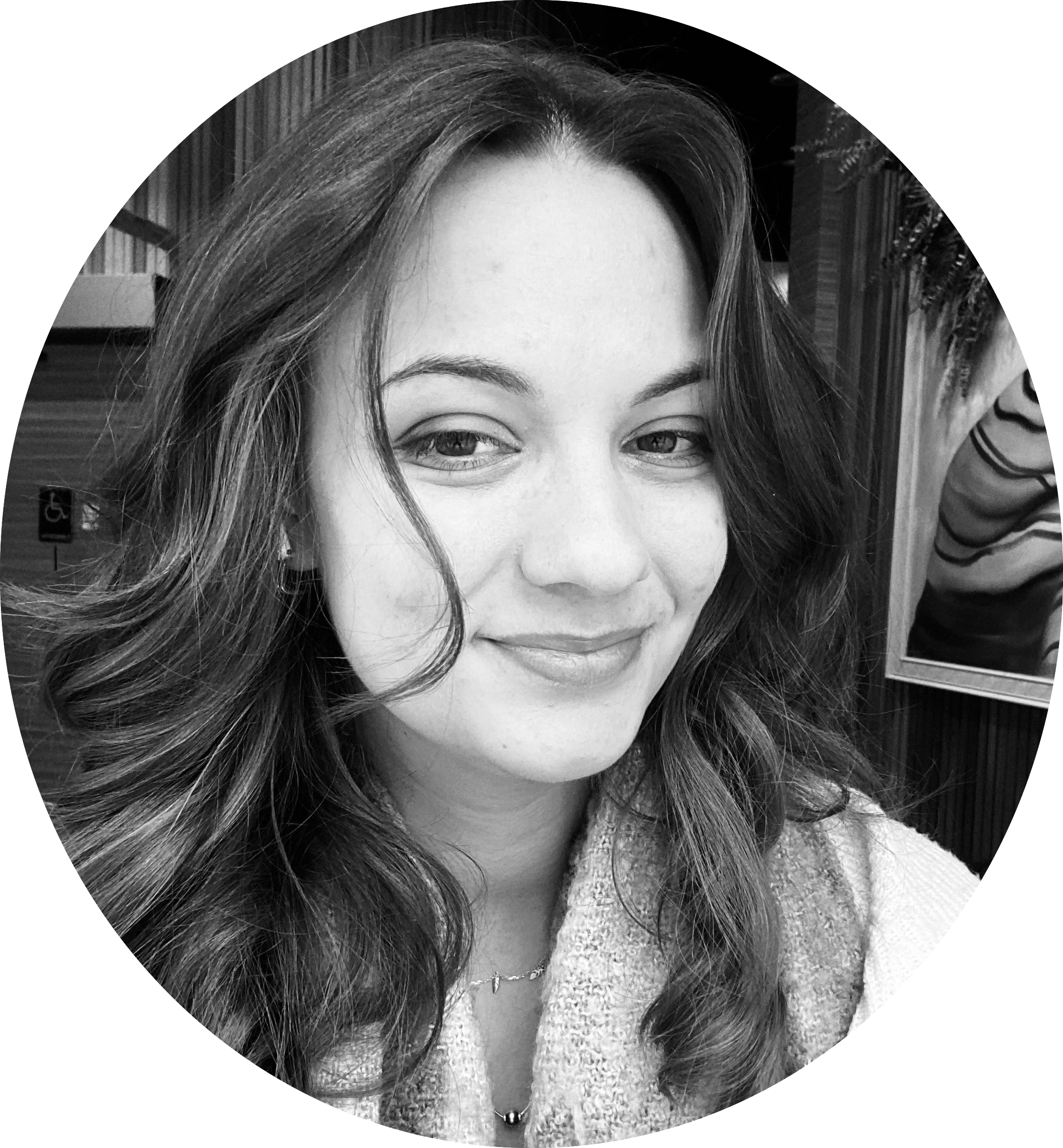
Jes Hanzelkova. Photo by Vincent Min
New Works presents All Over the Map at various venues on July 24 and 26 and August 14 and 16
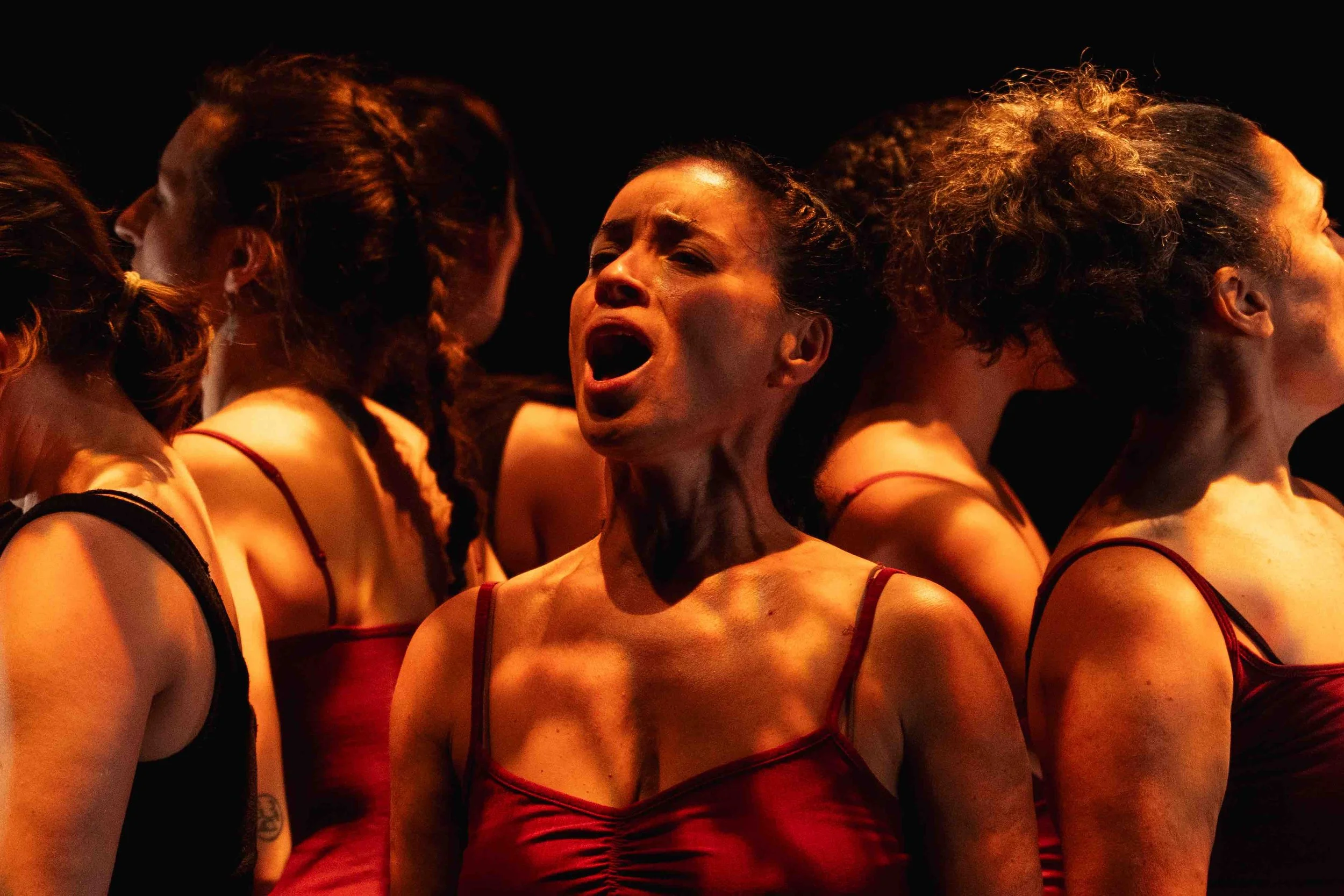
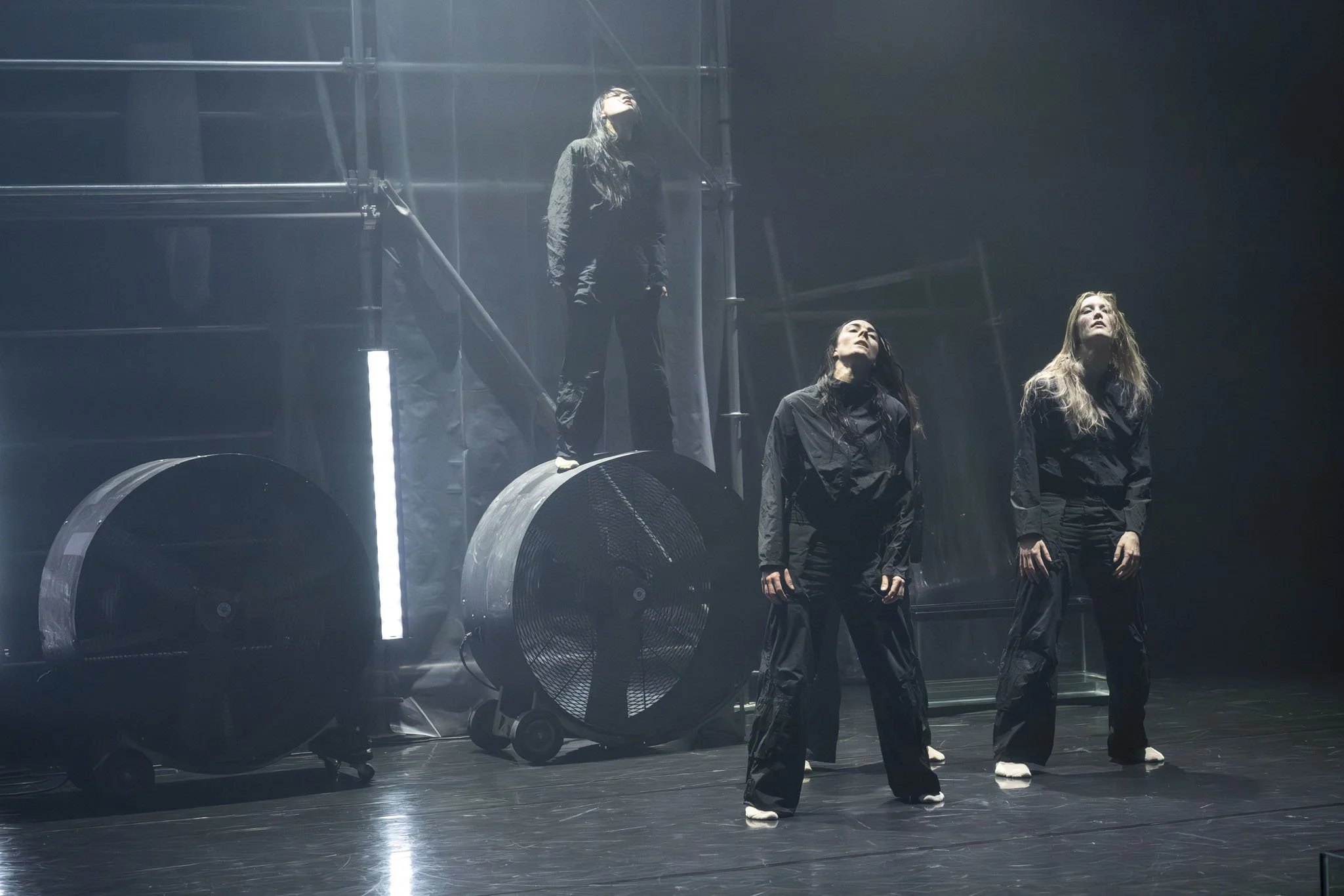
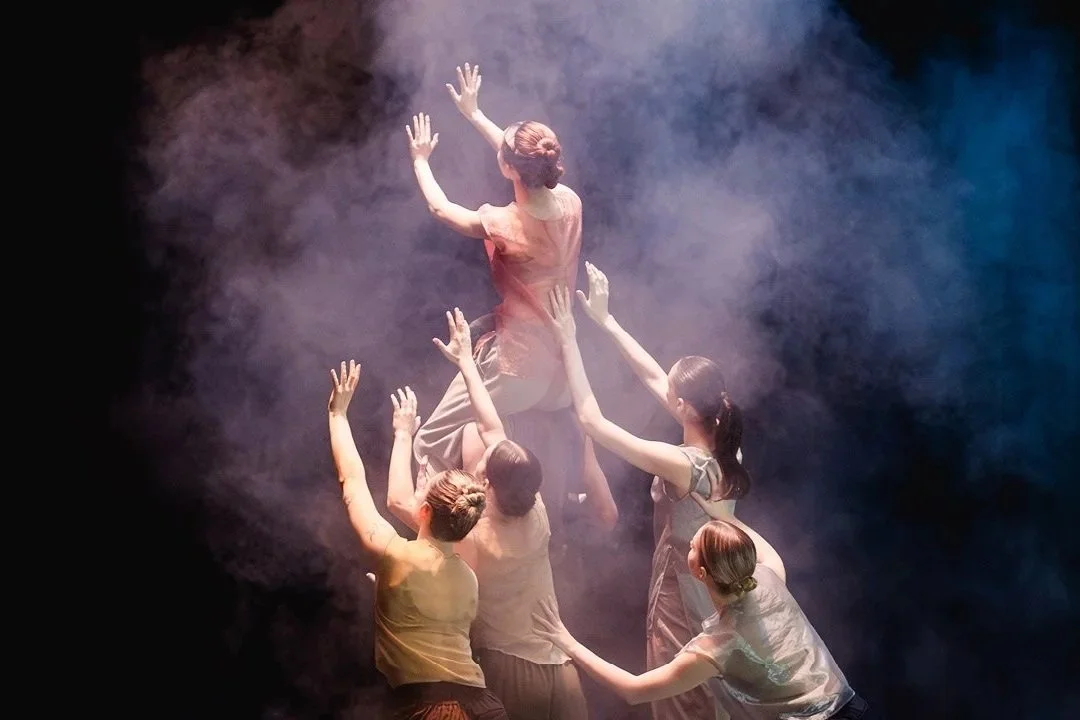
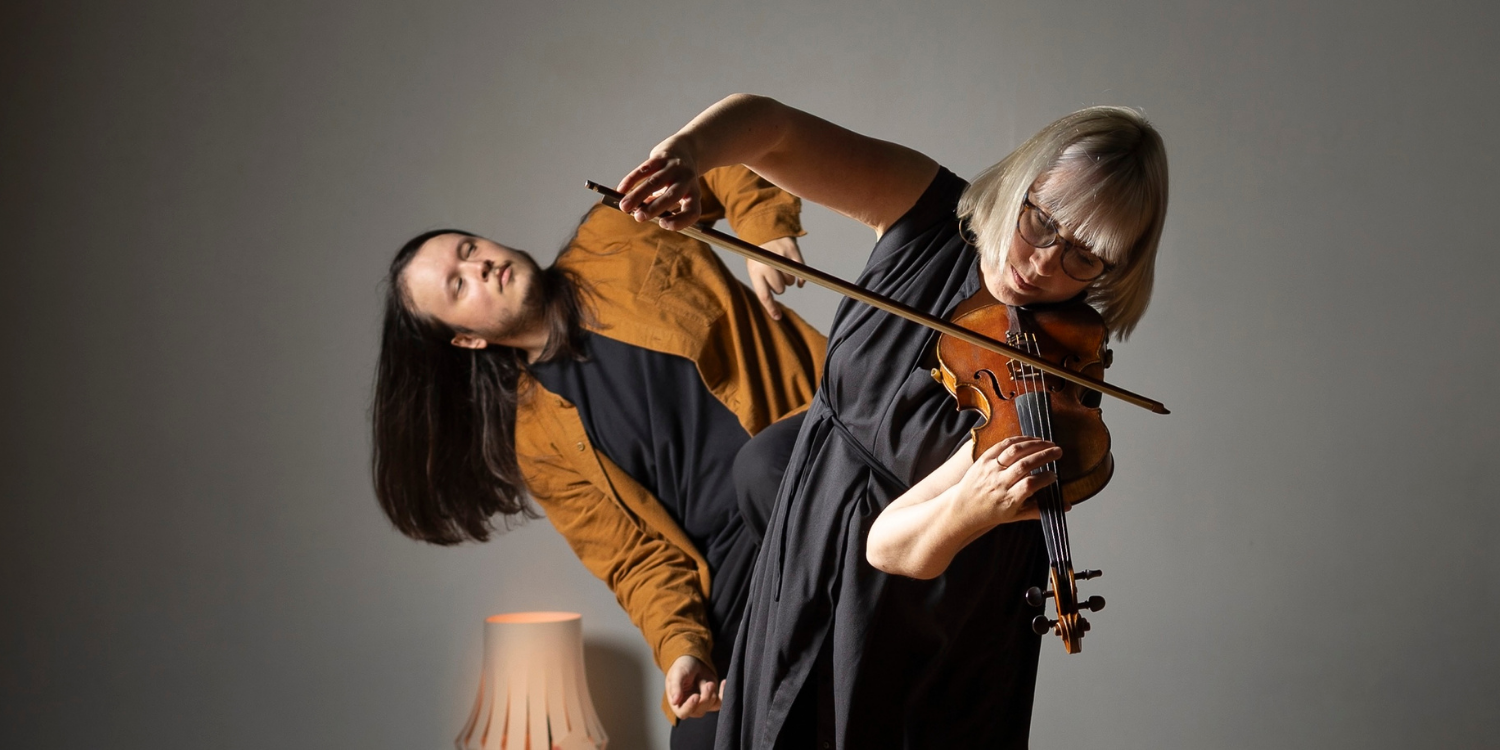
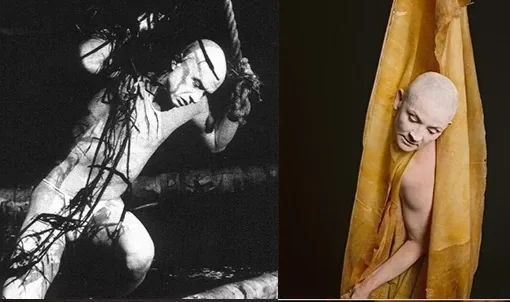
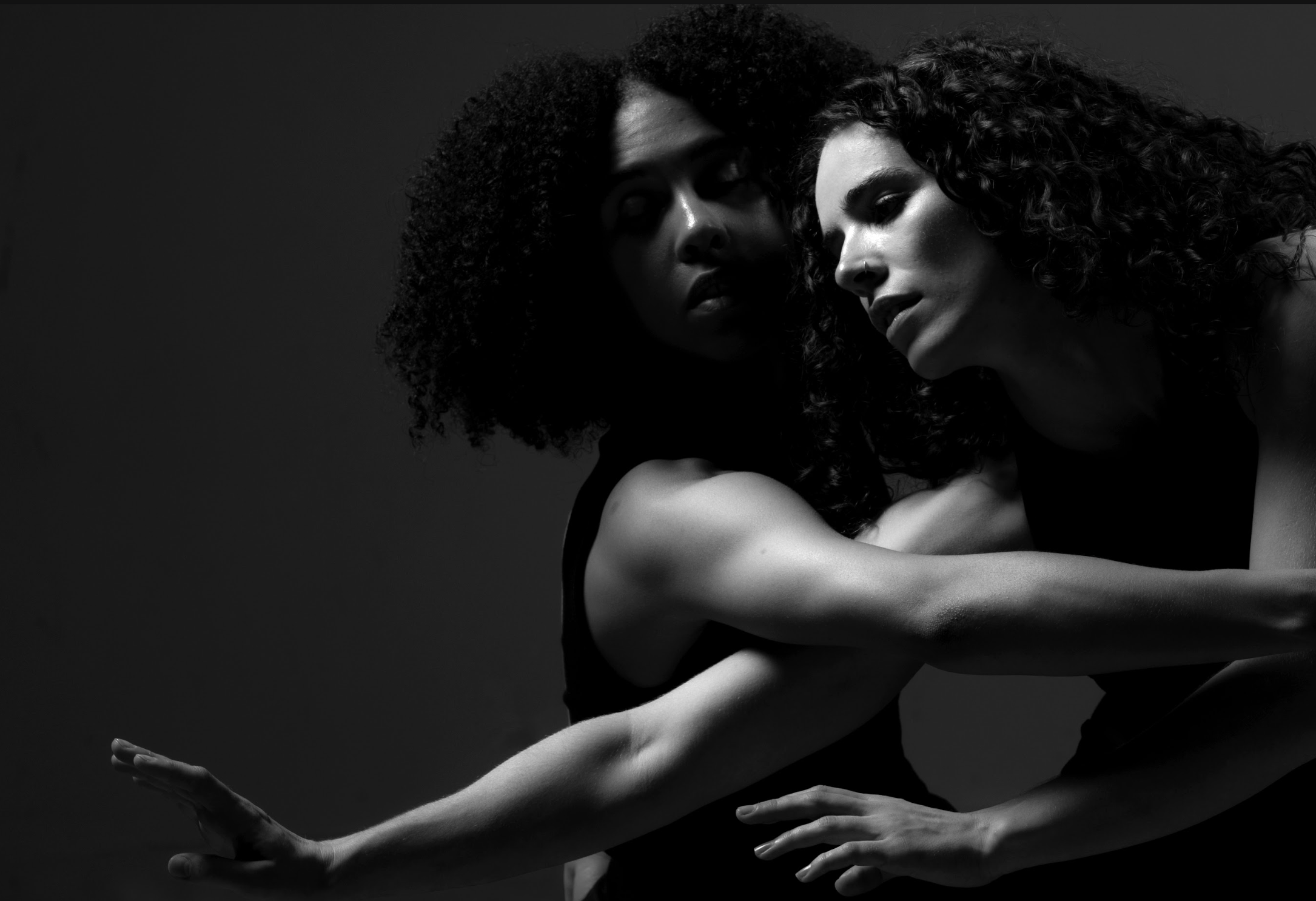
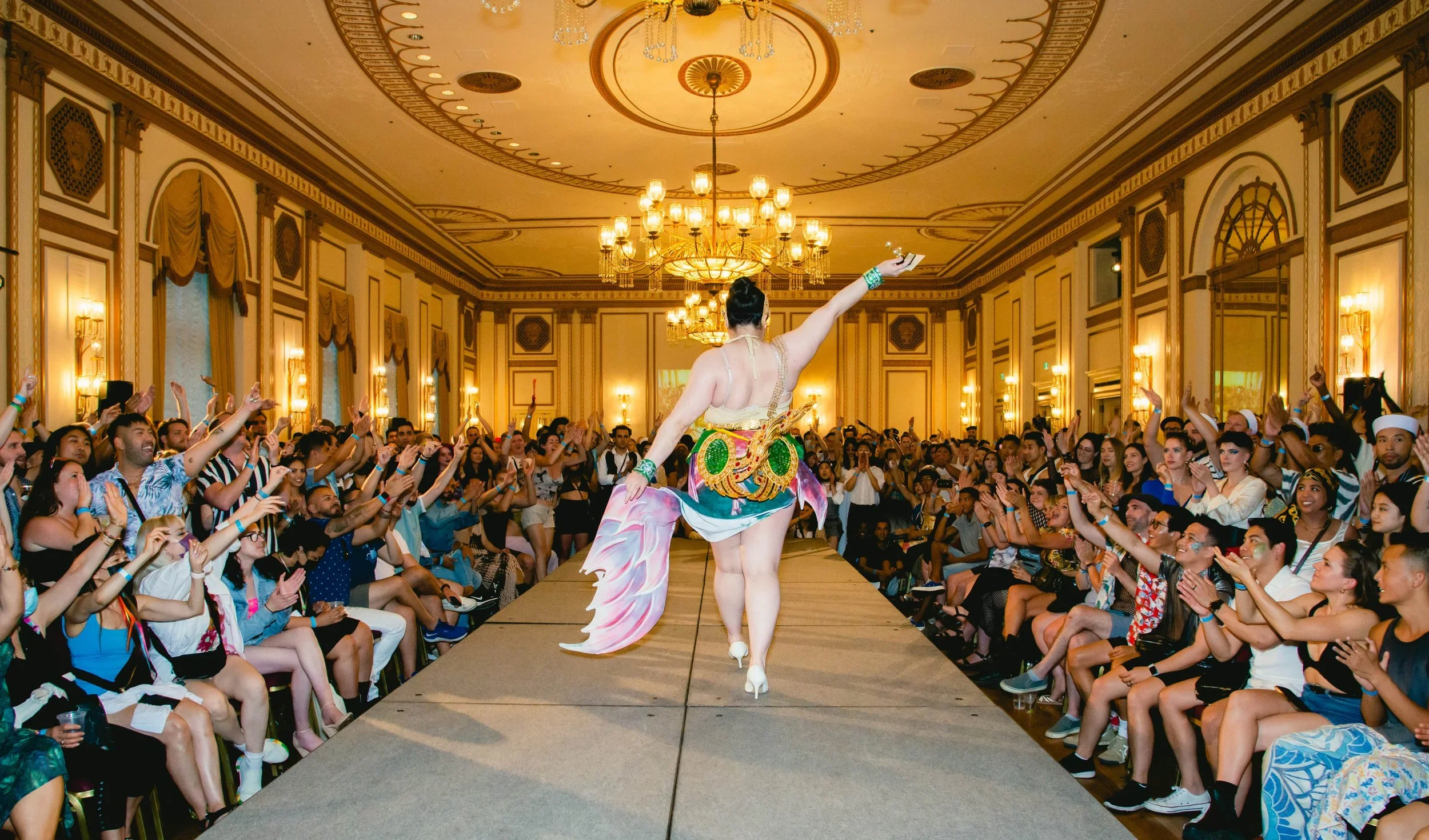
THIS SUMMER, A WALK through Granville Island or a visit to the library might reveal a masked figure wrapped in rope, a Bharatanatyam dancer, or a contemporary juggler. New Works’ event All Over the Map returns with free outdoor performances that turn everyday public spaces into unexpected stages.
Running on select dates in July and August, the annual series transforms the Picnic Pavilion on Granville Island and, for the first time, the rooftop garden of the Vancouver Public Library’s Central Library into open-air stages. The same four artists perform at both locations in July, and a different lineup returns in August.
“This year we’re really excited to be growing the series with a new partnership with Vancouver Public Library Central Library,” says Charlotte Newman, general manager of New Works. “It’s really exciting to bring this kind of work to another community.”
The performances are accessible by design. Rather than asking audiences to buy tickets and commit to a full evening in a theatre, All Over the Map invites people to stop for a few minutes or stay for an entire hour.
“One of the exciting things about presenting these shows in public places is that we get to reach audiences who weren’t planning to be there but got excited and sucked in,” Newman says. “That really feels like a powerful part of this work.”
This year, New Works received 67 applications for eight presentation spots, a response Newman says reflects both the strength of the local dance community and the need for more opportunities to present work. The selected pieces are designed for non-traditional spaces, where lighting, projections, costume changes, and other theatrical elements are stripped away, leaving only the performers and the choreography.
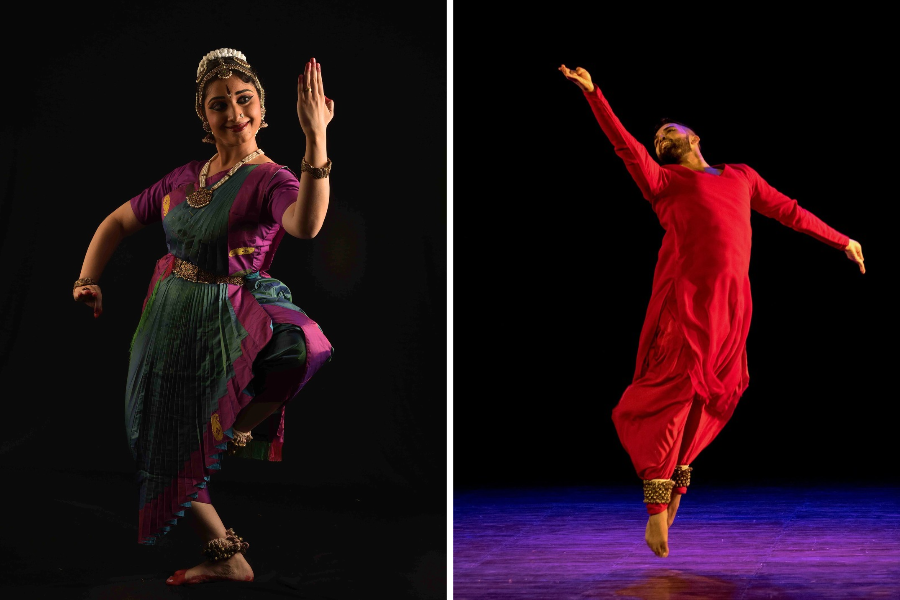
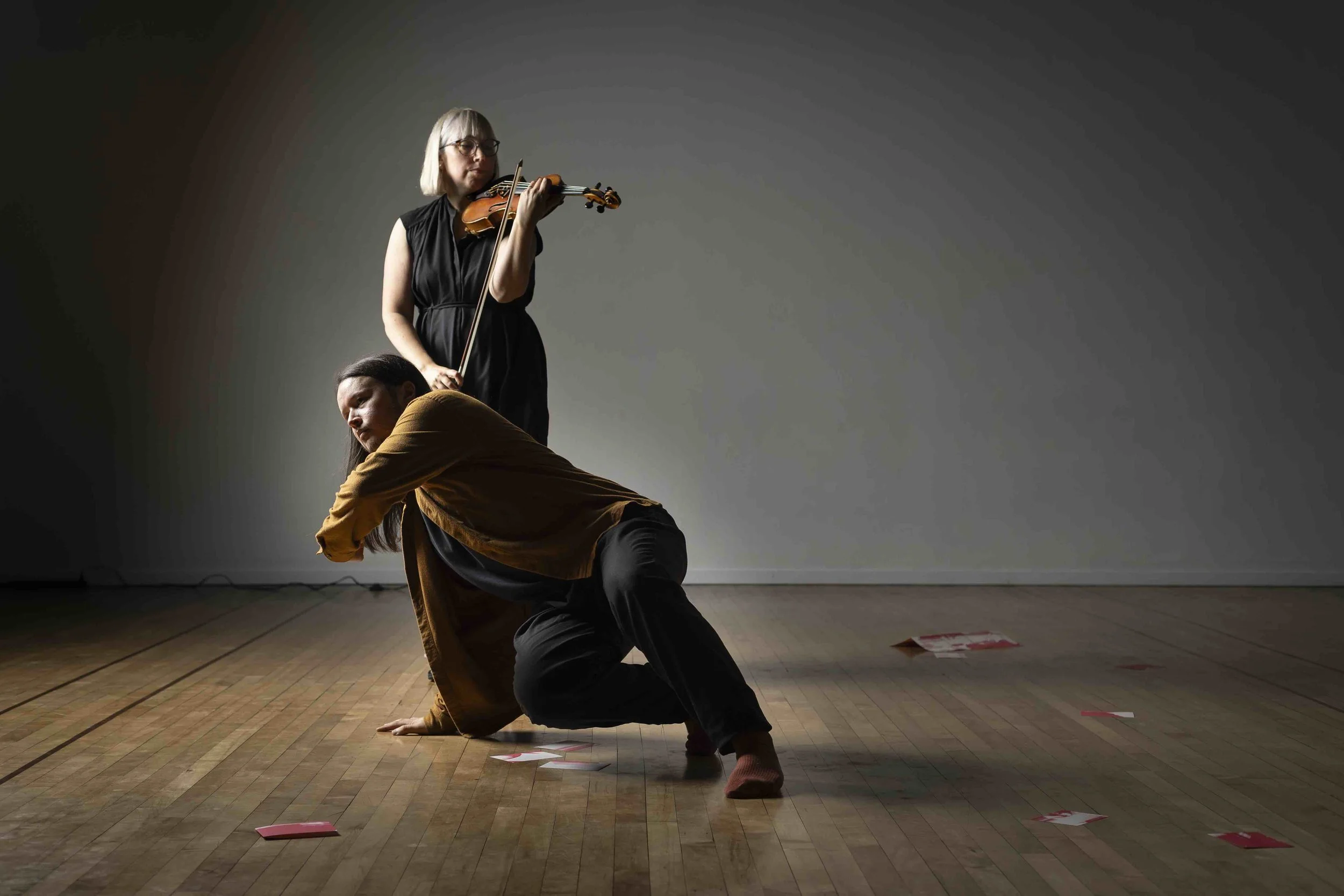
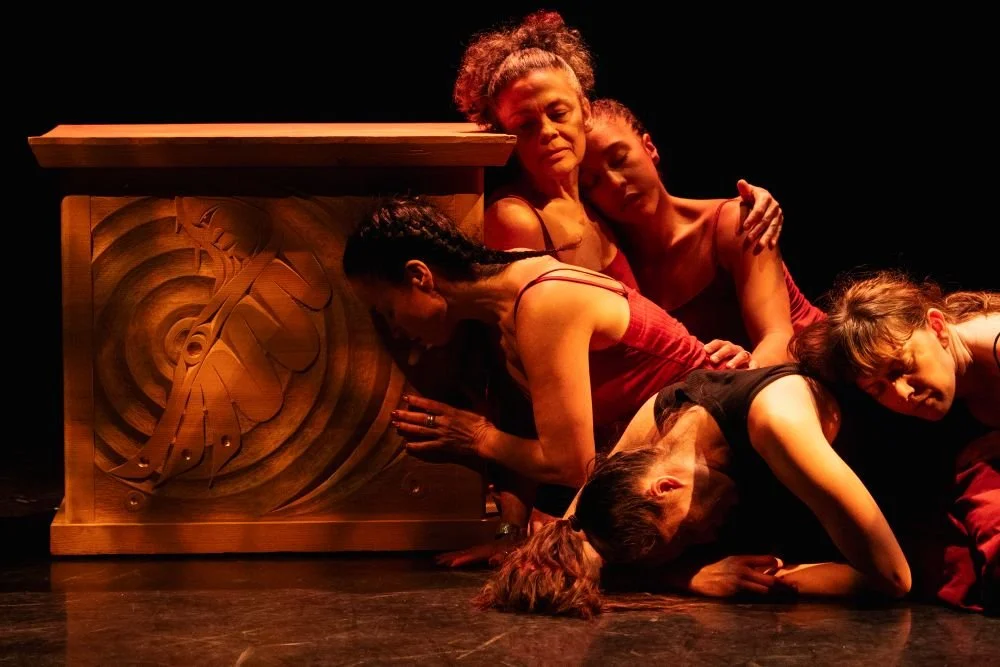
Among the July performances are Joanne Park’s street-dance-inspired choreography and Indian classical dance by Arno Kamolika and Akshaya Surve. In August, audiences can experience Jayden Gigliotti’s contemporary juggling solo and Mario Matias’s exploration of Filipino diaspora.
One of the artists chosen for this year’s July program is Vancouver-based interdisciplinary artist Jes Hanzelkova. Her performance Latent Shores draws on the flowing water sleeves used in traditional Cantonese opera, combining them with rope, movement, and sculptural masks to explore memory, belonging, and cultural inheritance.
An architect by day, Hanzelkova began creating masks to explore her relationship to space and movement.
“I started to design essentially buildings for my head, or spaces for myself, trying to understand my own position in the world and how to feel the world in a different way and take up space as a woman in the world,” she says.
Latent Shores began with a camping trip on Salt Spring Island, where the rhythm of the waves brought back memories of watching a Cantonese opera performer using flowing water sleeves. Inspired by her Cantonese heritage, Hanzelkova found herself thinking about the ways cultural histories continue to shape the body.
“I’ve always been trying to find ways to connect but also heal and find connection to the Cantonese side,” she says.
Unlike dance performances that strive to make movement appear effortless, Latent Shores embraces physical struggle. Wearing a heavy rope mask and contemporary water sleeves inspired by traditional Cantonese opera, Hanzelkova constantly responds to the costume as she performs. The mask shifts her balance, limits her vision, and forces her to adapt in the moment, while her increasingly heavy breathing becomes part of the rhythm of the piece. Rather than following a rigid choreography, the performance leaves room for improvisation, allowing each presentation to respond to the space, the audience, and the physical demands of the costume itself.
For Hanzelkova, presenting the work outdoors feels like a natural fit. Since she began making masks, she has often presented them in public, festival-style settings rather than galleries.
“I’ve always been looking for opportunities to share art where it’s not in a gallery,” she says. “People could interact with the work casually, and it doesn’t feel pretentious in some of the ways that art performances can be.”
That sense of discovery is exactly what New Works hopes audiences will experience throughout All Over the Map. Whether someone comes specifically to support an artist or simply stumbles across a performance while passing through the city, the series invites people to encounter dance in uncommon places and perhaps discover a new artistic voice along the way. 
Related Articles