Theatre reviews: LIVE IN HELL and Fashionably Late offer edgy smarts at Vancouver Fringe Festival
Two unique solo shows—one set in the underworld, the other in the dressing room—deliver witty takes on contemporary anxieties
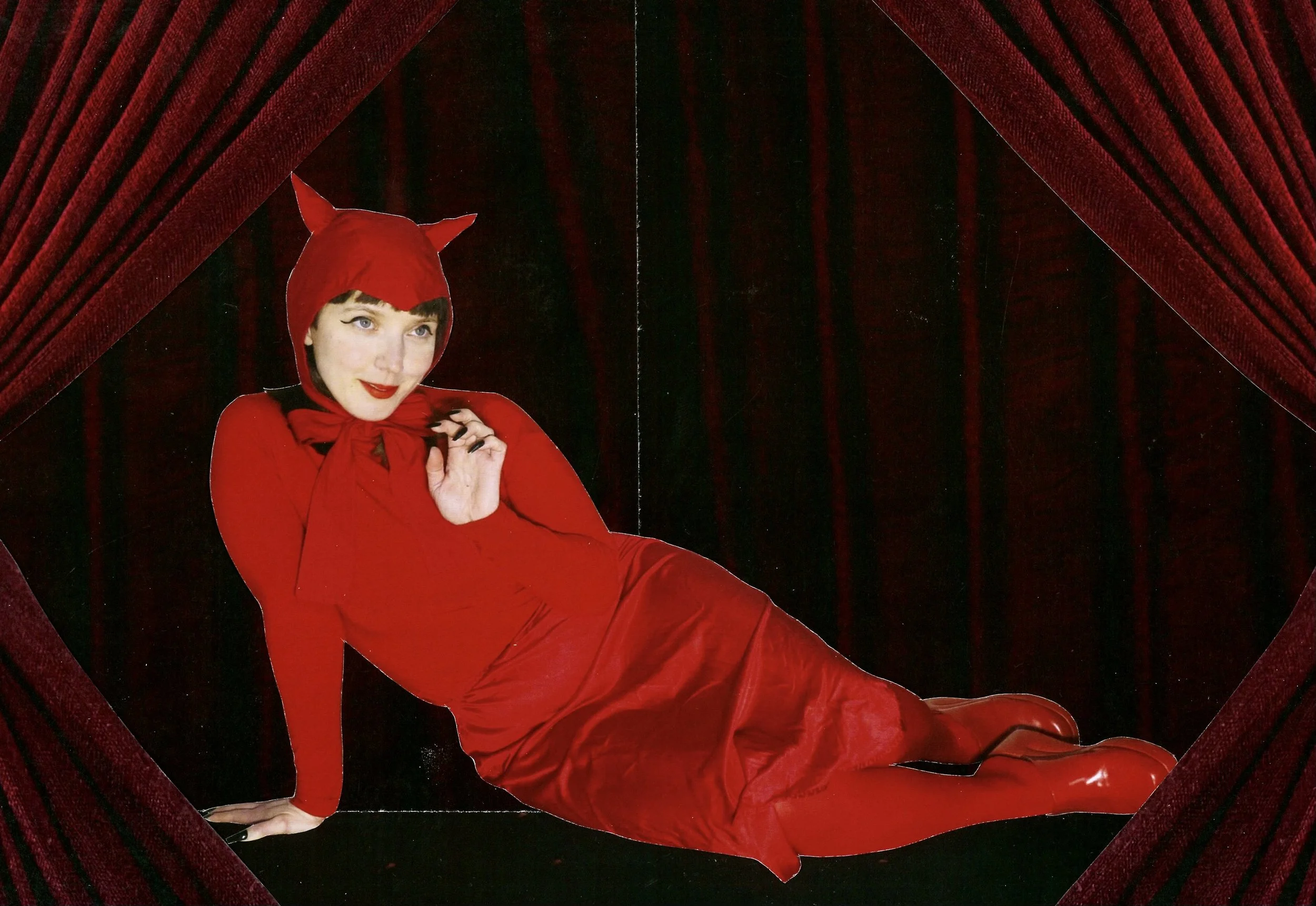
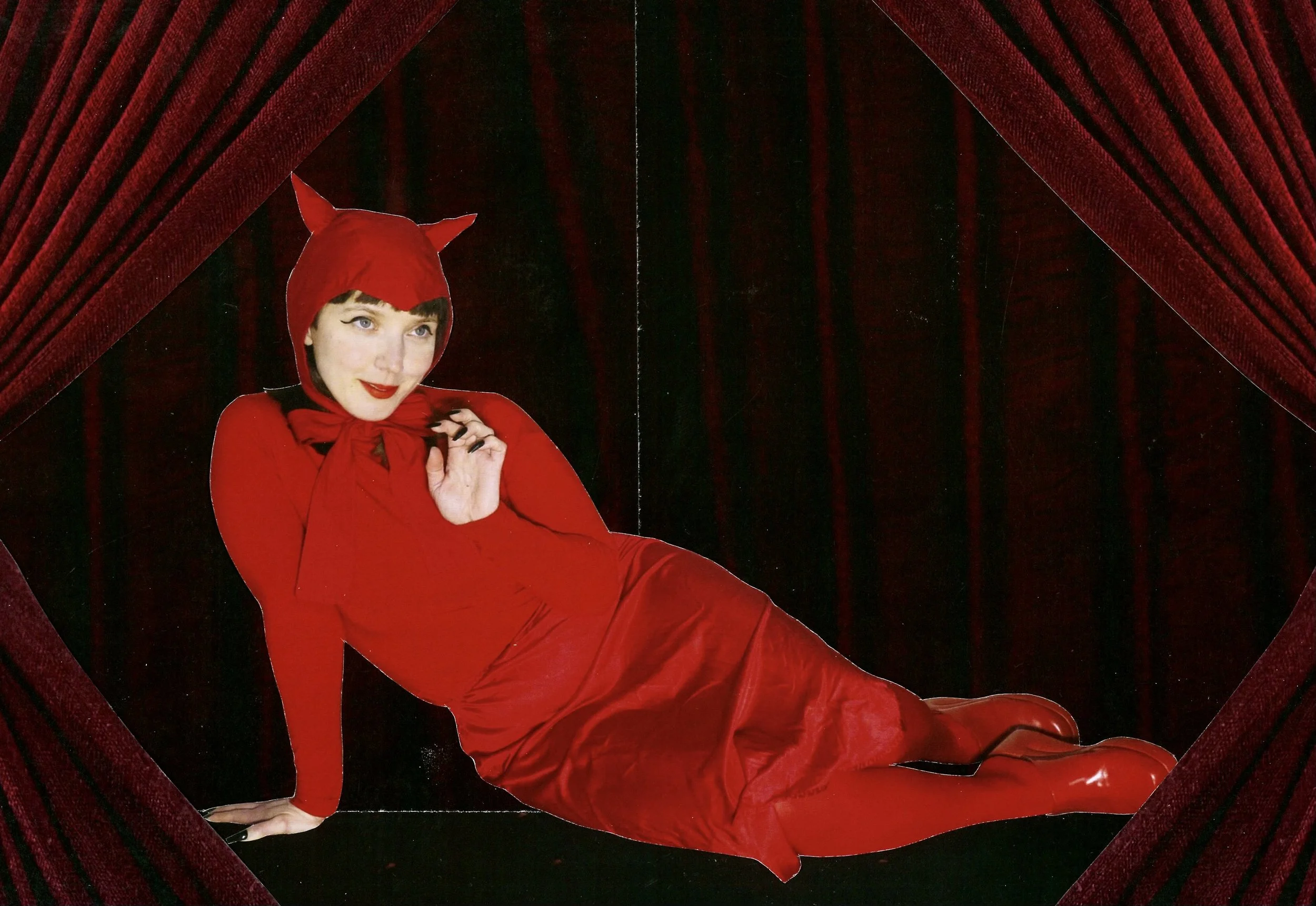
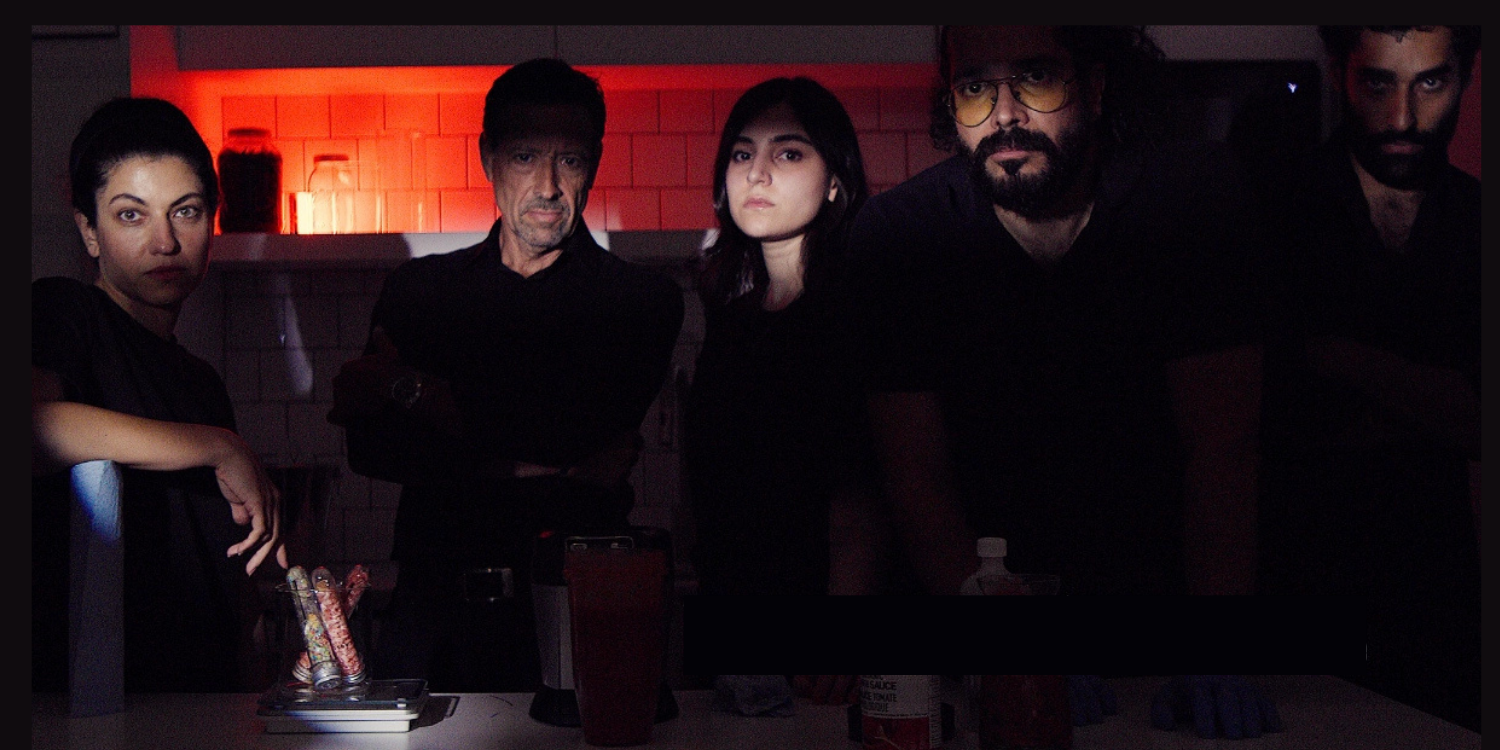
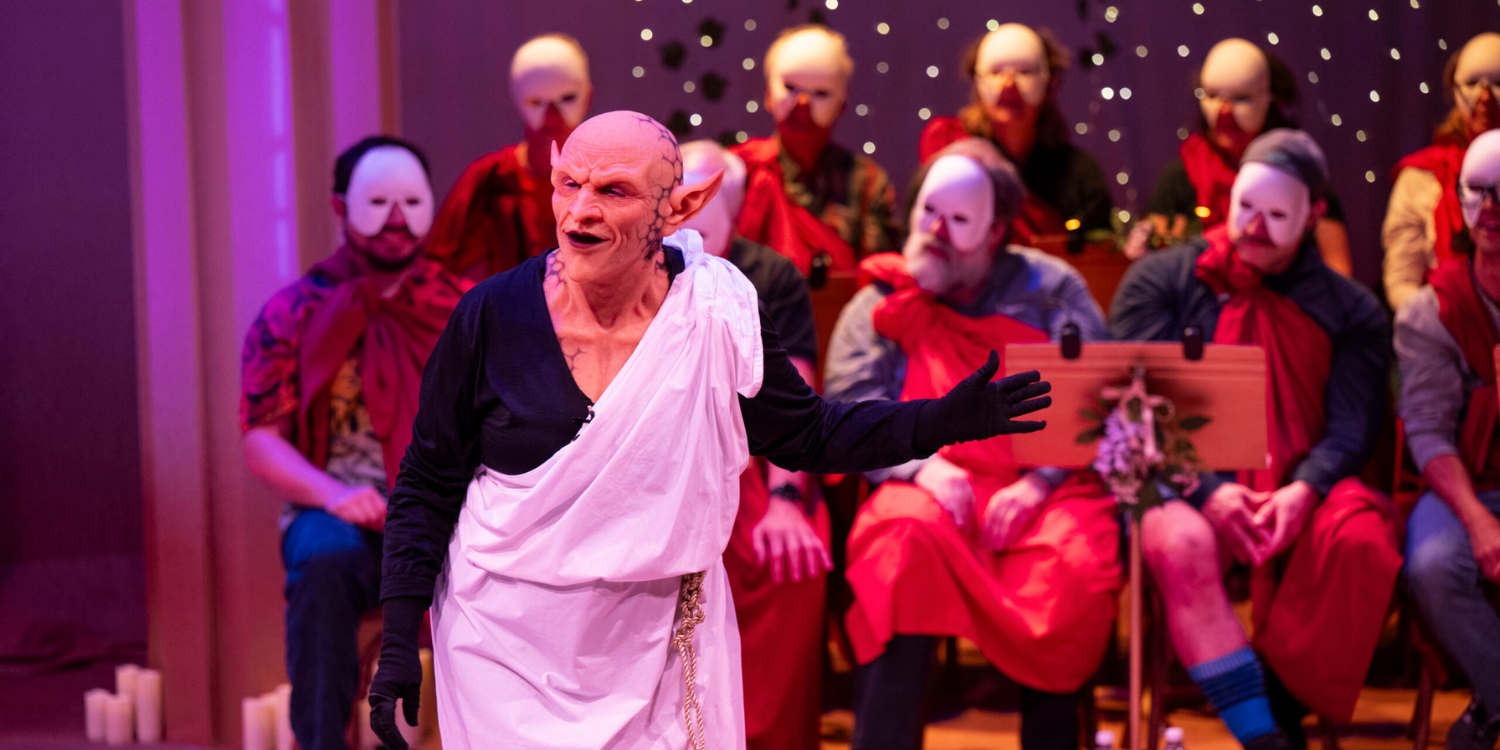
LIVE IN HELL’s Marita Michaelis. Photo by Emily Maric
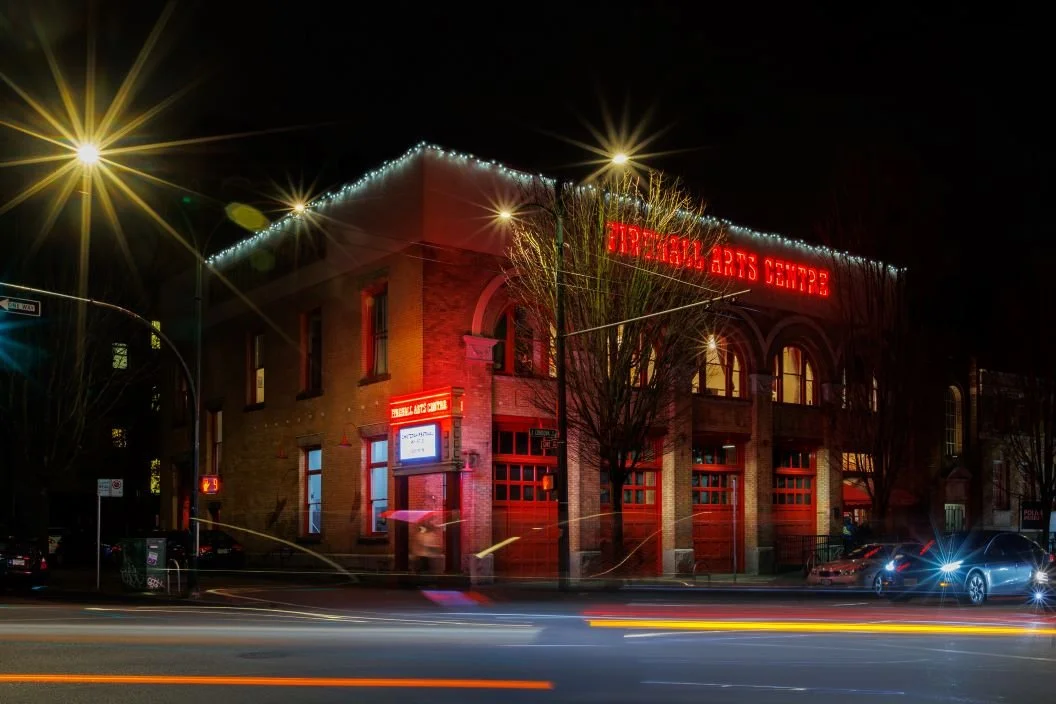
The Vancouver Fringe Festival runs at various venues to September 20
“WHAT’S WORSE, a bad girl or a sad girl?” asks the She-Devil in LIVE IN HELL. It’s a recurring gag: posing snappy moral puzzles to the audience that are provocative and stupid in roughly equal measure. “What’s worse, a show about nothing,” she asks, talking about Seinfeld, “or a show about me?”
For the She-Devil, the answer is obvious. She’s a self-professed cultural icon, after all. Cultural icon status pending, performer Marita Michaelis has made her wonderfully wicked and hard to ignore.
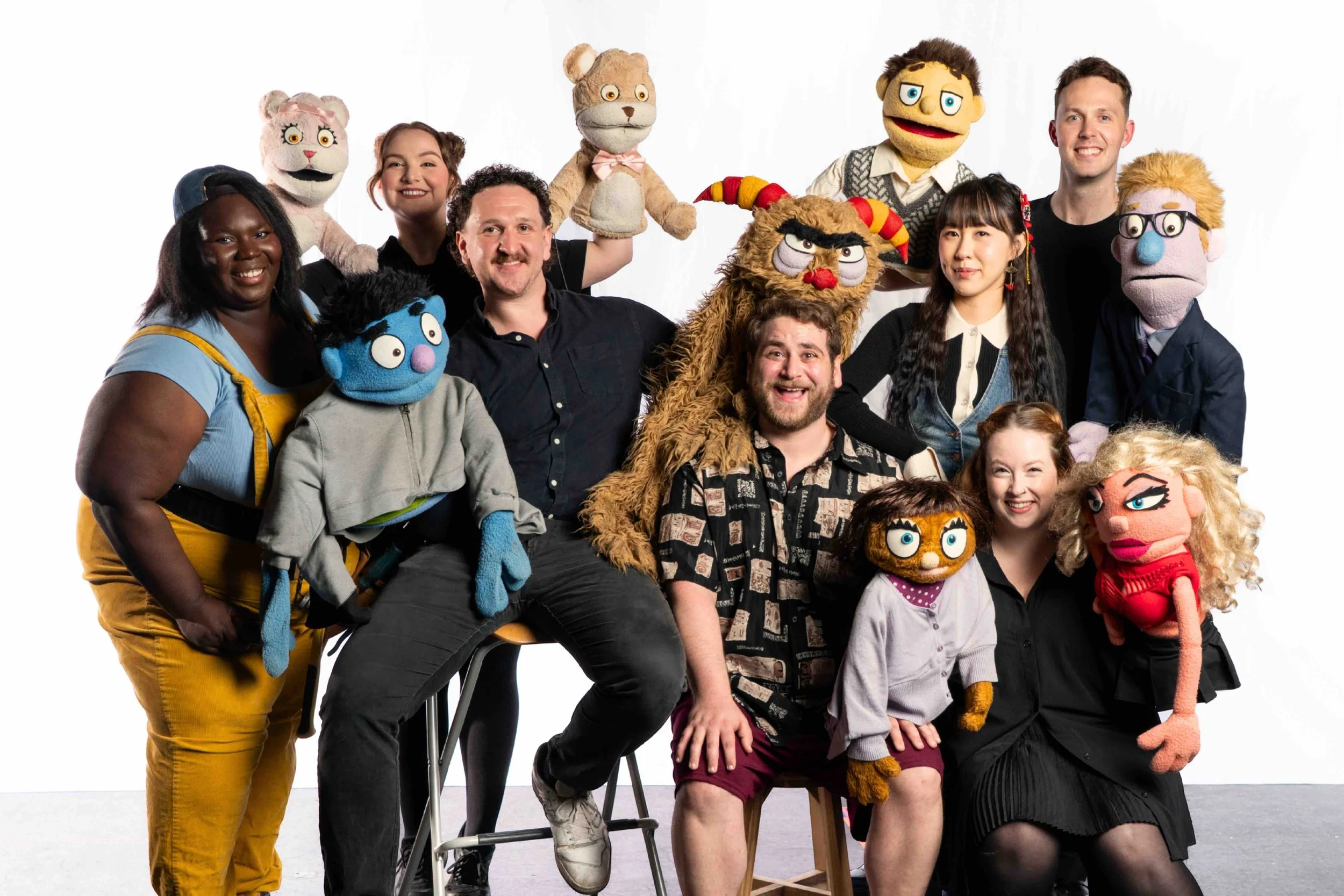
The character arrives at this year’s Fringe after a year of development through Playwrights Theatre Centre’s Kathleen Flaherty Prize, with LIVE IN HELL receiving its premiere here. In Tabi heels, red lipstick, and a hand-sewn horned cap tied under her chin, she looks like a vintage Halloween devil who made it to the present day and acquired vocal fry. She’s coy about the whole thing, smiling sweetly at us as she writhes on the floor or drops her voice into a demonic register. Even when she gets vulgar, which is often, she has a way of looking surprised, and delighted, that we noticed.
That same cheerful slipperiness lets the solo show find cartoonish little trap doors out of very serious things like fascism, climate disaster, and genocide, all of which the She-Devil, of course, takes credit for. Eventually, a therapist puppet suggests that she might not be an all-powerful harbinger of badness and horrors at all, but something much more mundane, garden-variety, and recognizably contemporary.
LIVE IN HELL occasionally gets lost in its own chaos on the way there, but the mess is part of the fun, like playing a record backwards because someone said there's a satanic message in it. Michaelis’s delight in her devilish creation is infectious too. She and her collaborators have found a character from which they could mine endless possibilities. Then again, the horrors are endless too.
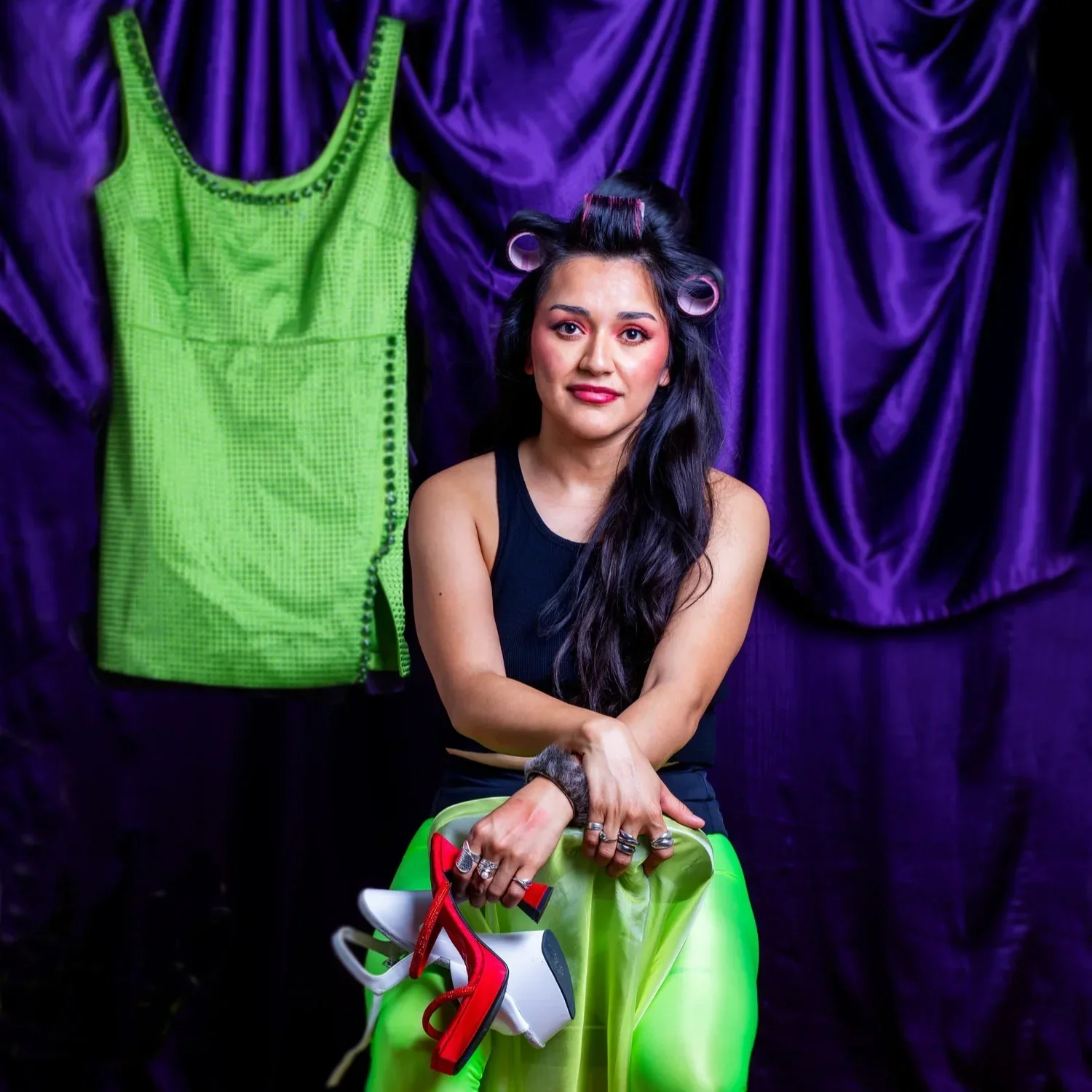
Savannah Erasmus
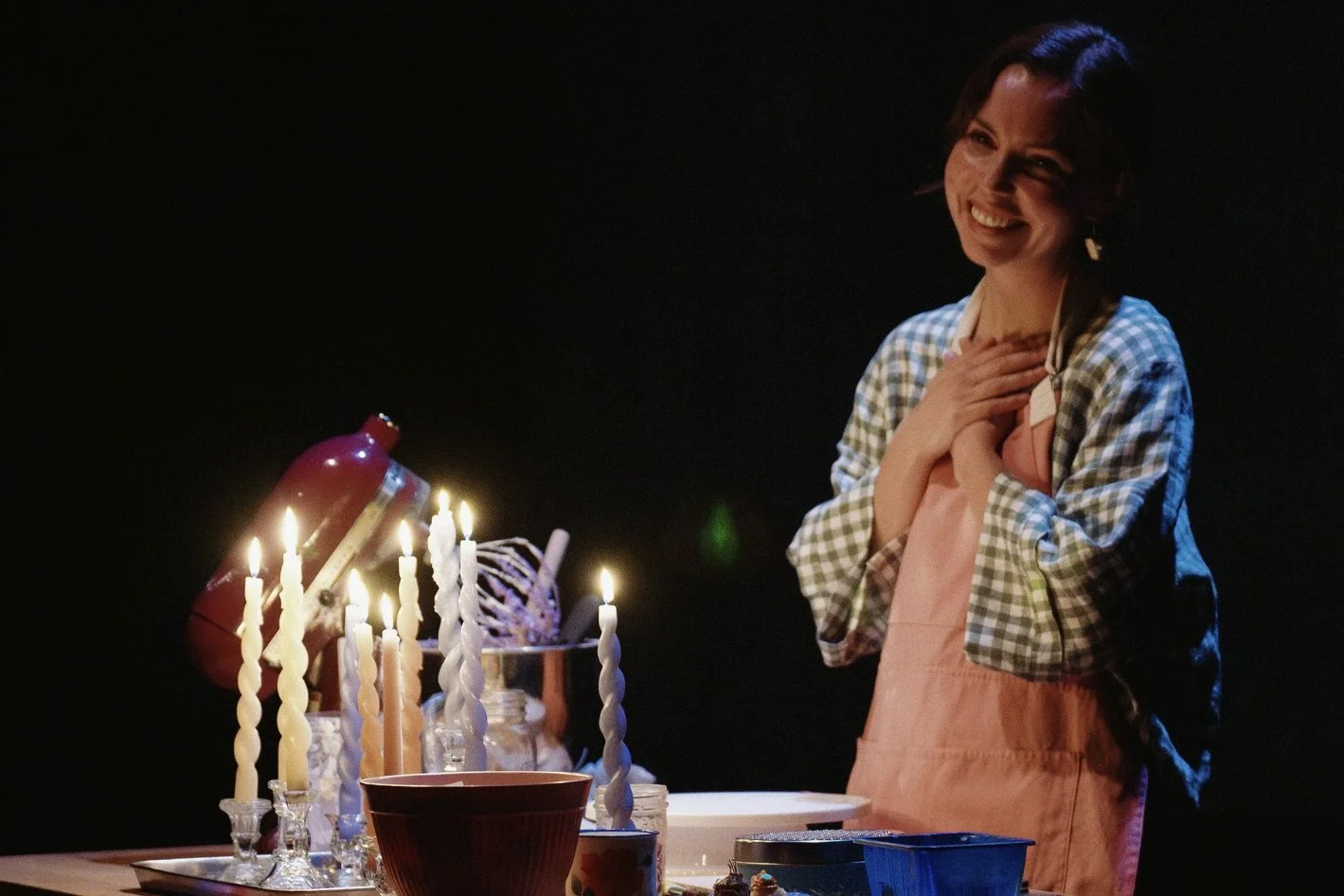
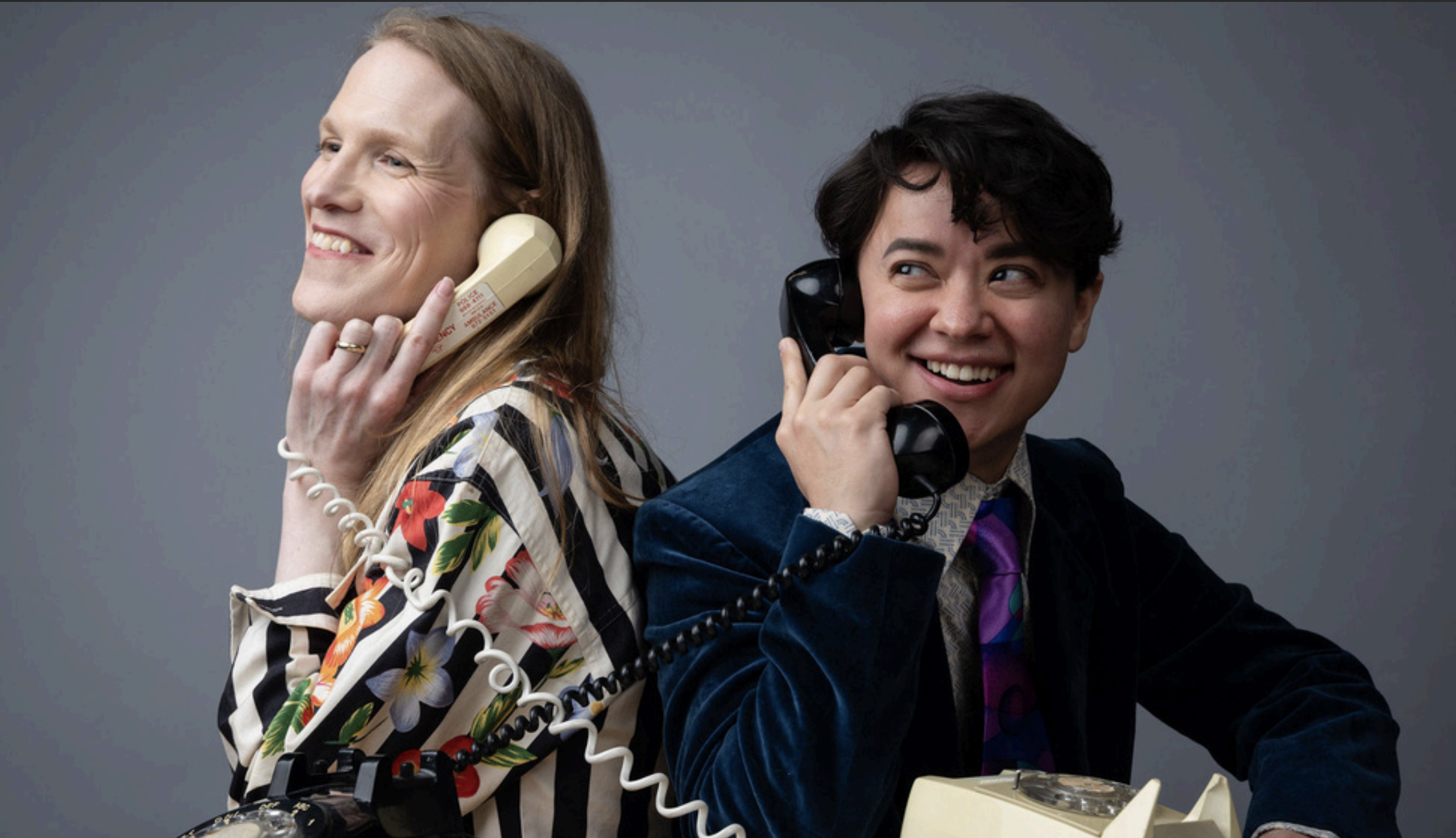
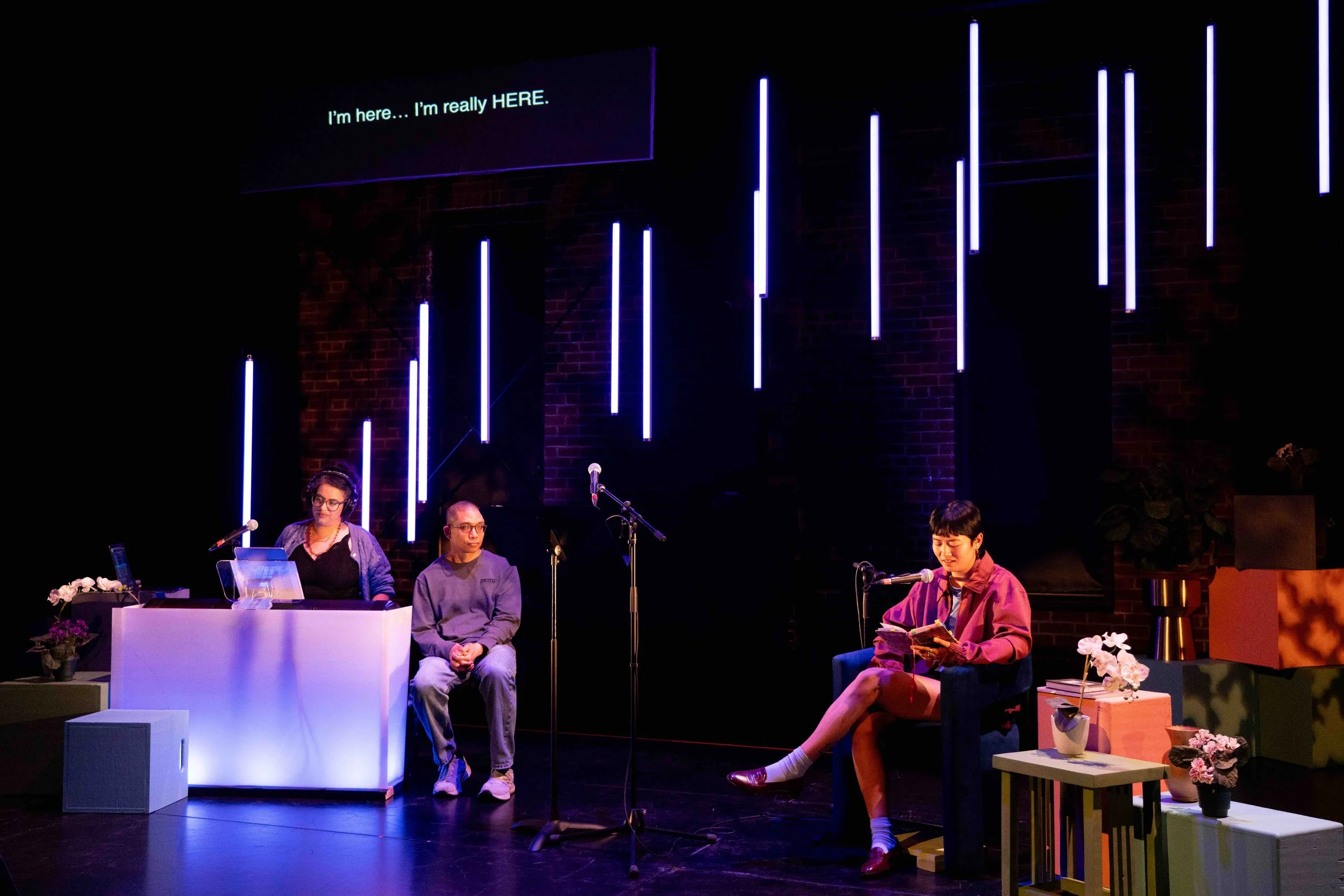
In another solo show at the Fringe, Savannah Erasmus has more earthly concerns: she doesn’t want to look like “a male comedian in 2002”. A reasonable enough ambition. What she should look like instead is a surprisingly complicated question though, and one that takes up most of Fashionably Late. The premise has her getting ready for a comedy show while already performing one, trying outfits on and asking for our opinions between personal anecdotes. The Vancouver-based stand-up has been doing comedy for years, but Fashionably Late is her first full-length show. On opening night, she was nervous at first, stumbling through some of the show’s more theatrical business before relaxing into the thing she’s clearly great at: telling a joke.
Erasmus, who is from Kikino Métis Settlement and Cold Lake First Nation in Treaty 6 territory, has a dry, conversational, and deceptively precise delivery: she’s especially funny when the punchline seems to occur to her a second or two after the rest of the sentence has. “Ever since I was a little girl I knew I wanted to wear miniskirts,” she says. “I learned that while hunting with my dad.”
There’s a lot of Erasmus in Fashionably Late: Indigeneity, mental health, relationships, getting labelled a domestic terrorist, Snooki—she worries and jokes her way through all of it. Letting us in on the anxious mode of her thought processes and hyperfixations, she occasionally stops, self-consciously, to assure us, “This is a comedy show, I’m getting to the comedy.” Not every tangent earns the time it takes, and the getting-dressed conceit sometimes feels less like a structure than a very attractive clothes hanger for Erasmus’s intelligent and humorous observations.
She tells us that an elder Métis elder once came up to her with a sincere and long-winded compliment that ended in her telling the performer that her comedy is “very contemporary”. Erasmus rightly points out that the elder never said it was funny. Fortunately, it is. 
Angie Rico wrote this review as part of Page Turn, a professional development network for emerging arts writers, funded by the Canada Council for the Arts and administered by Neworld Theatre.

Related Articles