The Narrow Group and Emily Carr University make shortlist for Granville Island arts and innovation hub
Also in the running to transform the historic 125,000-square-foot building is nonprofit organization 221A
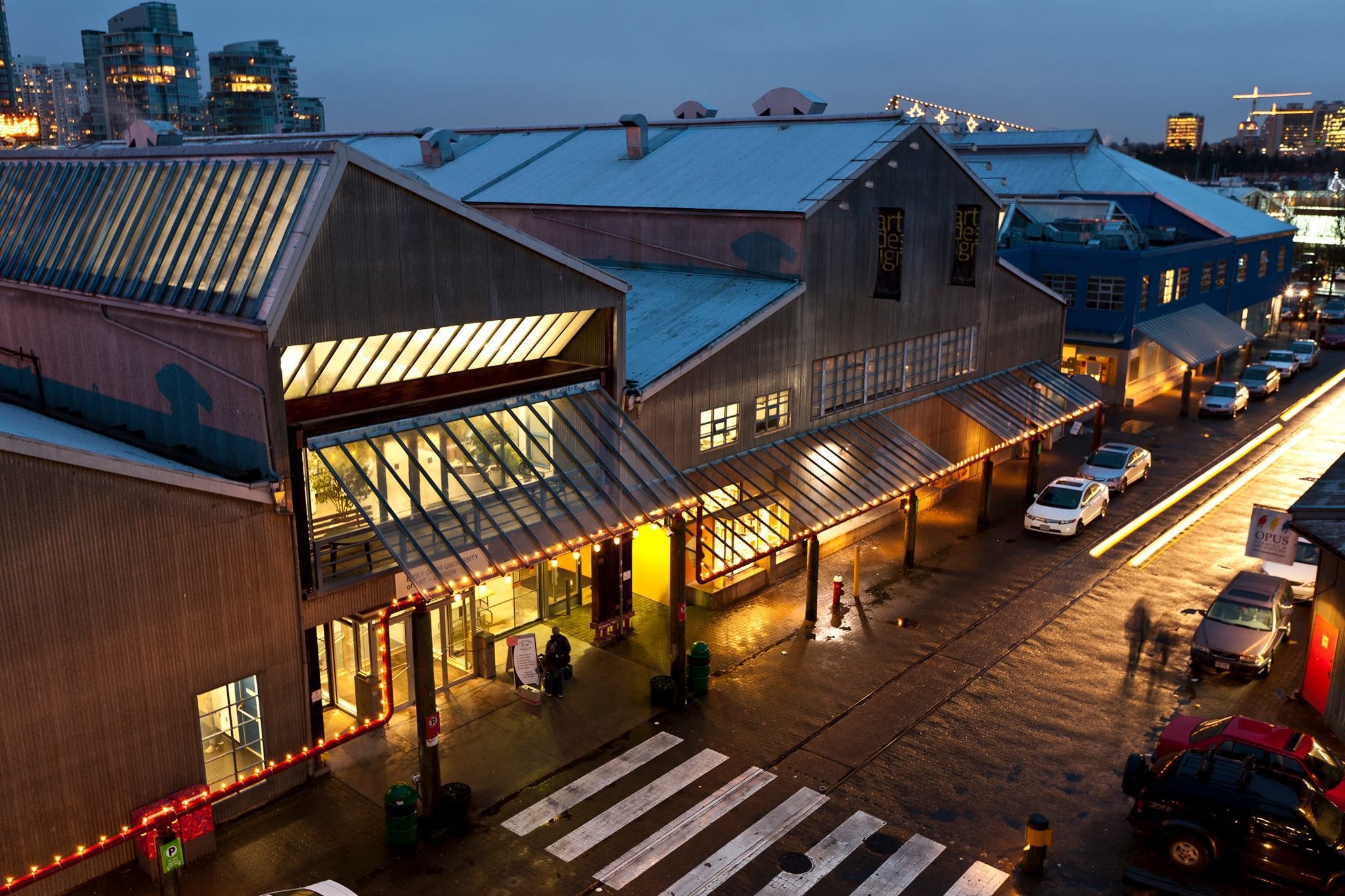
Future site of the arts and innovation hub on Granville Island.
THE NARROW GROUP and Emily Carr University of Art + Design have just announced that they made the shortlist for a joint proposal to transform a Granville Island building into an arts and innovation hub.
The historic building at 1399 Johnston Street was the site of ECUAD’s main campus from 1980 until 2017, when it relocated to a new facility on Great Northern Way. The property has sat empty since then. Like all buildings on Granville Island, it’s owned by the Government of Canada and managed by the Canada Mortgage and Housing Corporation, which is now seeking a new tenant to lease it.
The Narrow Group and Emily Carr University’s proposal revolves around keeping the building buzzing with energy at all hours. During the day, ECUAD would run educational art programs and retail tenants would operate, then community gatherings, cultural events, and private rentals would take place at night. The hub would encompass galleries, a café, a restaurant, and small businesses, including an art supplies store. It would also feature affordable artist studio spaces, event spaces for performances and exhibitions, and dedicated areas for Indigenous cultural programming.
“The goal is to create an animated and interactive experience throughout the building where visitors are drawn to a never-ending labyrinth of art, music, dance, food and drink—and most of all: fun,” the Narrow Group CEO David Duprey said in the press announcement today.
“By having Canada’s premier arts and design institution expand its public programs and arts innovation strategy to Granville Island, we’re opening the door for new opportunities, partnerships, and community engagement, while ensuring arts education remains accessible to everyone,” said ECUAD president Trish Kelly.
The CMHC launched a Request for Expressions of Interest last fall to assess various groups’ ideas for turning the building into an “arts and innovation hub”, a space that facilitates creative production, presentation, and learning. Three proposals were shortlisted earlier this year, but one subsequently dropped out—leaving the Narrow Group and ECUAD in the running alongside nonprofit organization 221A, which is working on establishing a Cultural Land Trust in B.C. 221A’s proposal includes an Indigenous textile innovation space spearheaded by Musqueam weaver Debra Sparrow; an arts market with clothing, jewellery, ceramics, and books; affordable artist studios; textile showrooms; and space for culinary innovation, fashion shows, and live music.
The future hub measures some 125,000 square feet, which is more than 20 percent of the built area on Granville Island. It began as three separate frames that were adjoined by the university during its tenure there. But because it’s over a hundred years old, the structure now requires significant renovations. At the bare minimum, that means roof repairs, along with other possible fixes to cladding, electrical components, and mechanical systems.
The CMHC stated in its initial Request for Expressions of Interest document that “the building would be provided in ‘as-is’ condition,” and the future tenant would be responsible for any necessary renovations and maintenance. The Narrow Group and ECUAD said in today’s release that with their proposal, “the existing structure will be preserved, avoiding costly rezoning and reducing environmental waste that comes with demolition.”
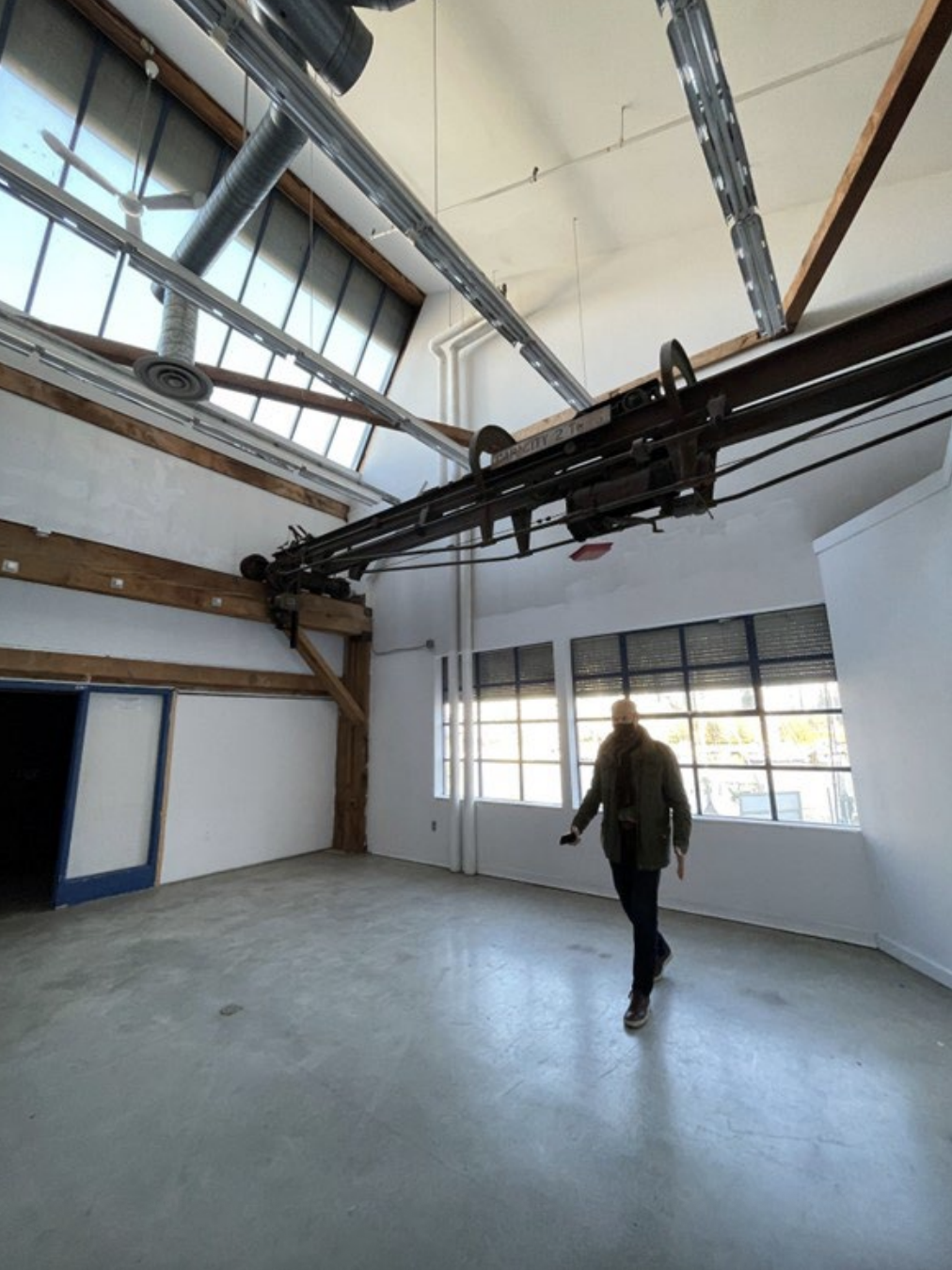
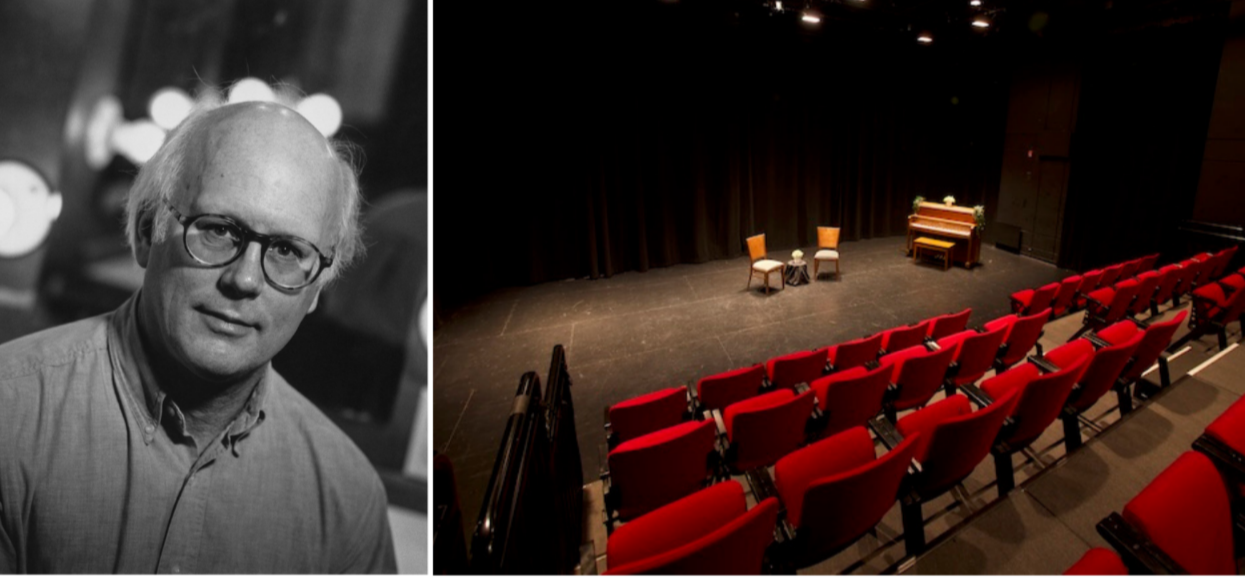
Inside the future arts and innovation hub.
When Stir spoke to Tom Lancaster, who works for CMHC as general manager of Granville Island, he estimated that upgrades to the building could cost anywhere from $2 million to $30 million—perhaps even more—depending on the future tenant’s vision. At this point, specific renovation costs and timelines have not been released.
“The quality of these two applicants at this stage is unbelievable,” Lancaster said in August. “So either one would be incredible. It’s not like we’re trying to pull together a project out of the ashes here. We’re trying to figure out what’s the most viable between the two, and what fits most with the vision.”
Speaking to Stir by phone, Duprey said that he feels optimistic about the cost of transforming the Granville Island site into an arts and innovation hub.
“What I’ve done for the past 20 years is take old buildings that have been empty and turn them into active, exciting, fun spaces,” he said. “And that doesn’t mean you have to go in and knock the whole place down and rebuild it. It means you’ve just got to go in and fix what’s broken, you know? Like if the roof’s leaking, you don’t put a whole new roof on it—you just fix the part that’s leaking. If there’s a hole in the wall, it doesn’t mean you need to knock the whole wall down and build a new wall. It just means you need to fix a hole….It’s just going to need some TLC and some elbow grease, and it’s going to be good as new. I don’t think that’s going to have a huge price tag to it.”
The Narrow Group currently owns and manages 10 artists’ buildings (including Mount Pleasant’s City Centre Artist Lodge), totalling over 170,000 square feet of space and around 400 artist tenants. Many locals also know the group for the bars and restaurants it manages in Vancouver: the Narrow Lounge, Key Party, Slim’s BBQ, Uncle Abe’s, and Monarch Burger. Duprey has also helped open venues like the Fox Cabaret and the Rickshaw Theatre.
The CEO told Stir that having grown up in Vancouver, he recalls Granville Island being full of life in the ’80s, and he would regularly catch punk shows there at night.
“I moved back here in 2004, and no-fun city was really in effect,” he said. “People were bummed out and there wasn’t a lot to do. And you know, I really saw an opportunity to contribute, to change that, right? And I think I’ve been really a positive part of that. So I want to do that same thing on Granville Island.”
He noted that there would also be involvement from collaborators like the Rio Theatre’s Corinne Lea and Beaumont Studios executive director Jude Kusnierz in bringing nightlife to the hub with events and art openings.
This month, 221A and the Narrow Group and ECUAD will present the next stage of their proposals to CHMC. While an exact timeline is unclear, Duprey is hopeful that the winning proposal will be announced in the new year.
Keep an eye on the Stir site for more details. 

Related Articles