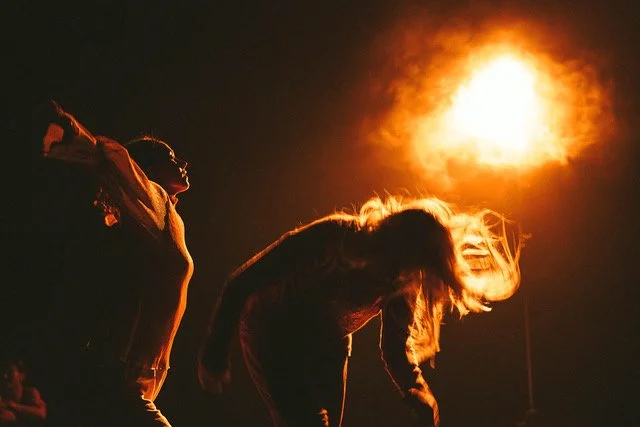
With MY HOUSE, Ralph Escamillan brings the spirit of Ballroom to contemporary-dance stage
At The Dance Centre, new FakeKnot production taps into deep community ties to celebrate the family bonds and playful energy behind the voguing
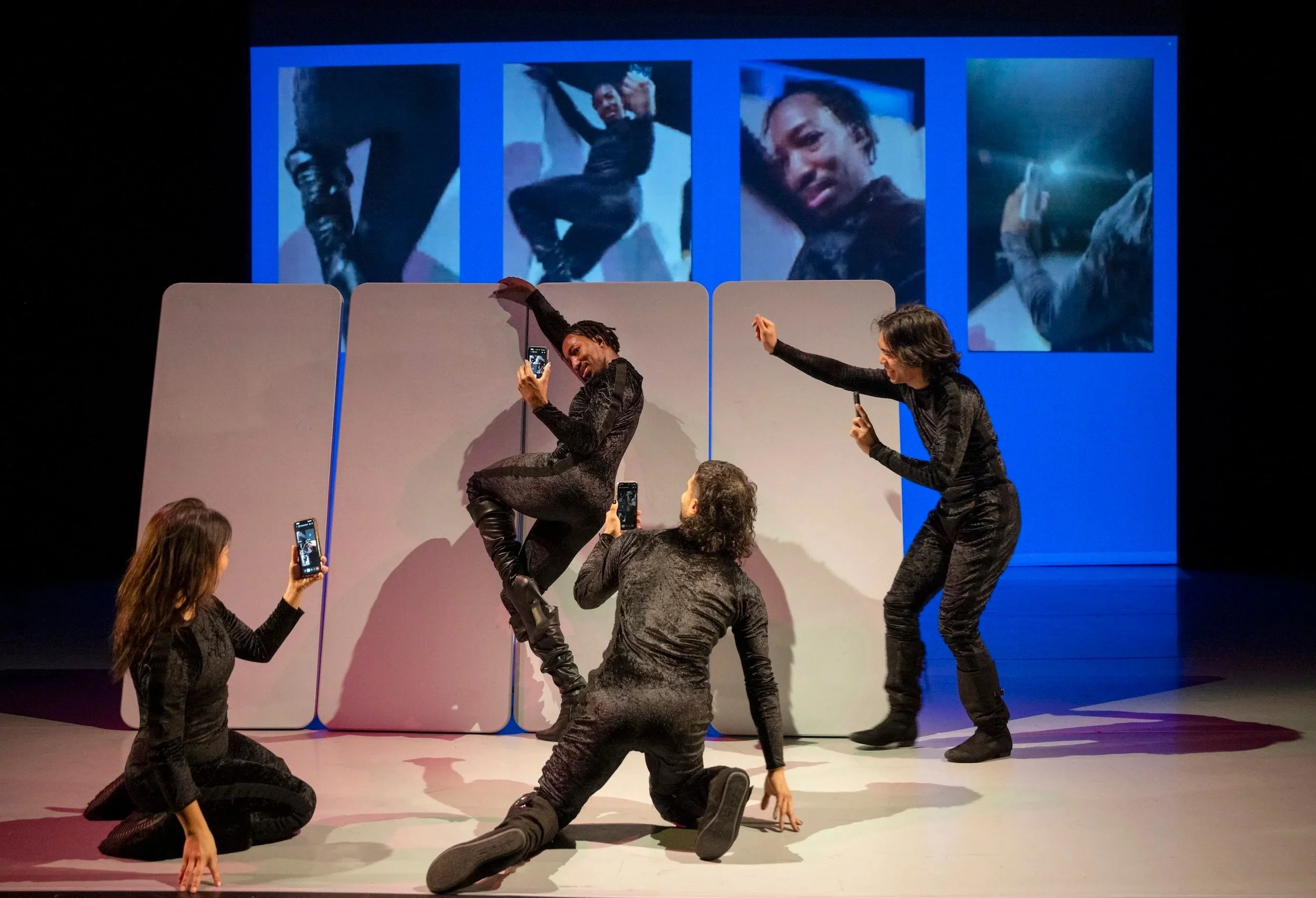
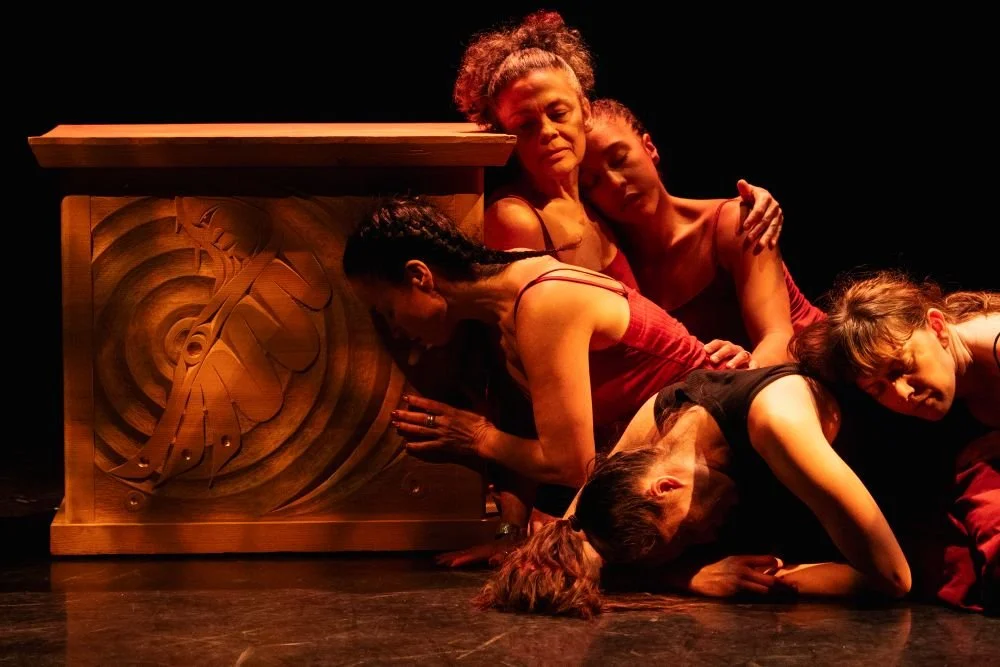
MY HOUSE. Photo by David Cooper
FakeKnot’s MY HOUSE is at The Dance Centre on June 19 and 20, in a copresentation with the Queer Arts Festival
AMID A BUSY career in contemporary dance with companies including his own FakeKnot, Vancouver’s Ralph Escamillan has also been a force in the Ballroom scene both here and across Canada.
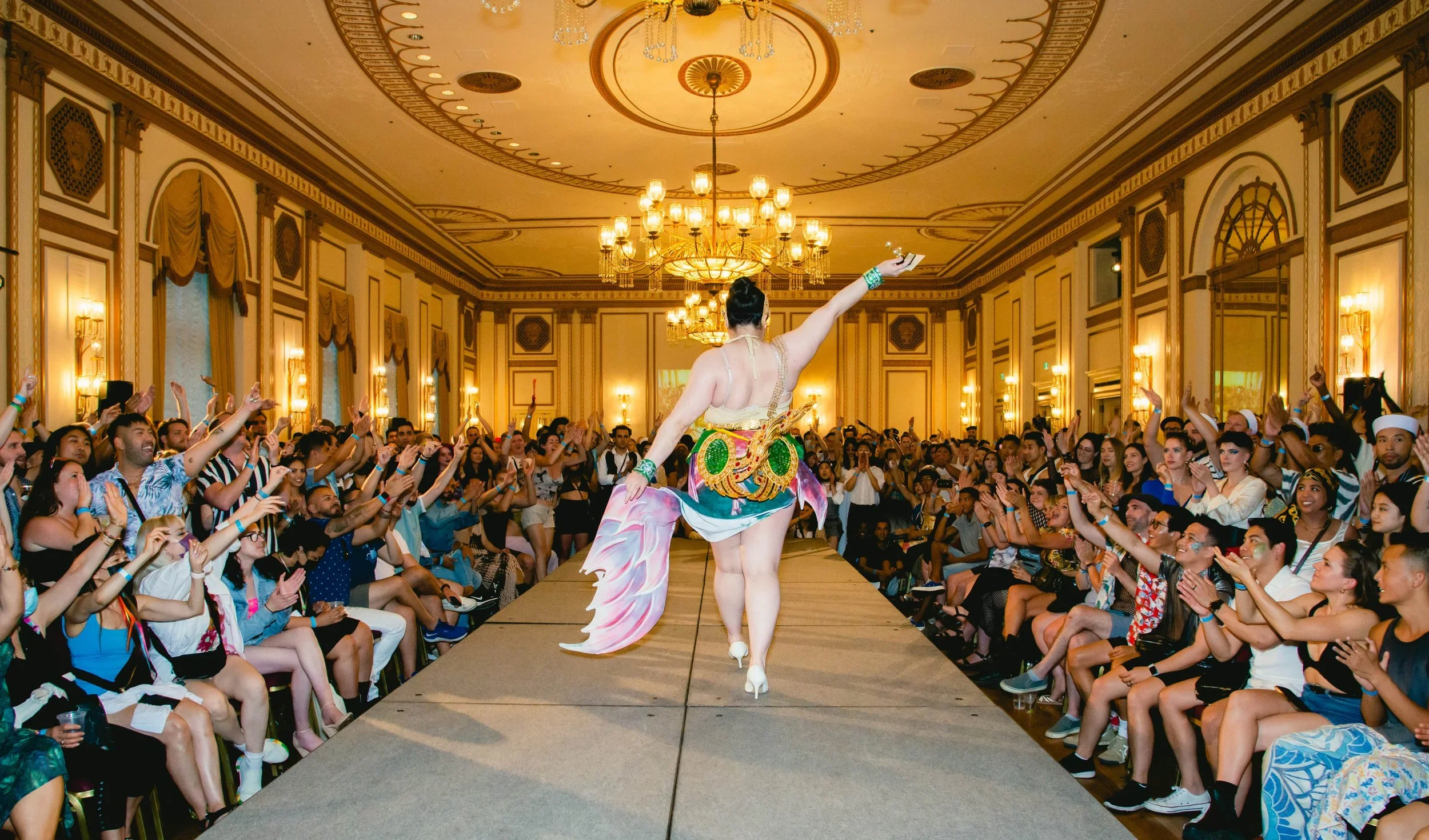
That’s “Ballroom” not as in the world of waltzes and rumbas, of course, but as it refers to the underground subculture known for its competitive voguing, and for its chosen family network of “Houses” that offer a safe haven to queer and trans youth of colour.
Escamillan is a pioneer of the form in Western Canada, founding his own Kiki House of Gvasalia in Vancouver and running classes and ball events through his VanVogueJam here; in fact, he launched the major Posh Ball that’s set to happen again at the Pearl on July 25. Since 2024, he’s also served as the Canadian Mother of the Mainstream House of Basquiat.
Now the Filipinx-Canadian artist’s worlds are converging in MY HOUSE, a new FakeKnot production that brings the joyful spirit and familial bonds of Ballroom culture to the contemporary-dance stage.
Set to premiere at The Dance Centre, MY HOUSE doesn’t seek to mimic any voguing competitions from the runways at clubs, galleries, and underground community spaces where balls might normally take place. Instead, Escamillan says he wants to playfully abstract Ballroom elements while capturing what’s at its heart: finding your people and being able to express yourself freely.
“I definitely didn’t want to just copy a ball format and put it in the show,” he tells Stir in a phone interview. “The work is really about showing the family and the community and the bonds that build someone to go to be at a ball, because that’s a big part of it. I think people tend to neglect the amount of work it takes to see that 10-second moment [on the runway]. So there are ball elements: when you come into the show, you’ll feel like you’re coming to a ball—but be ready for it to be subverted!”
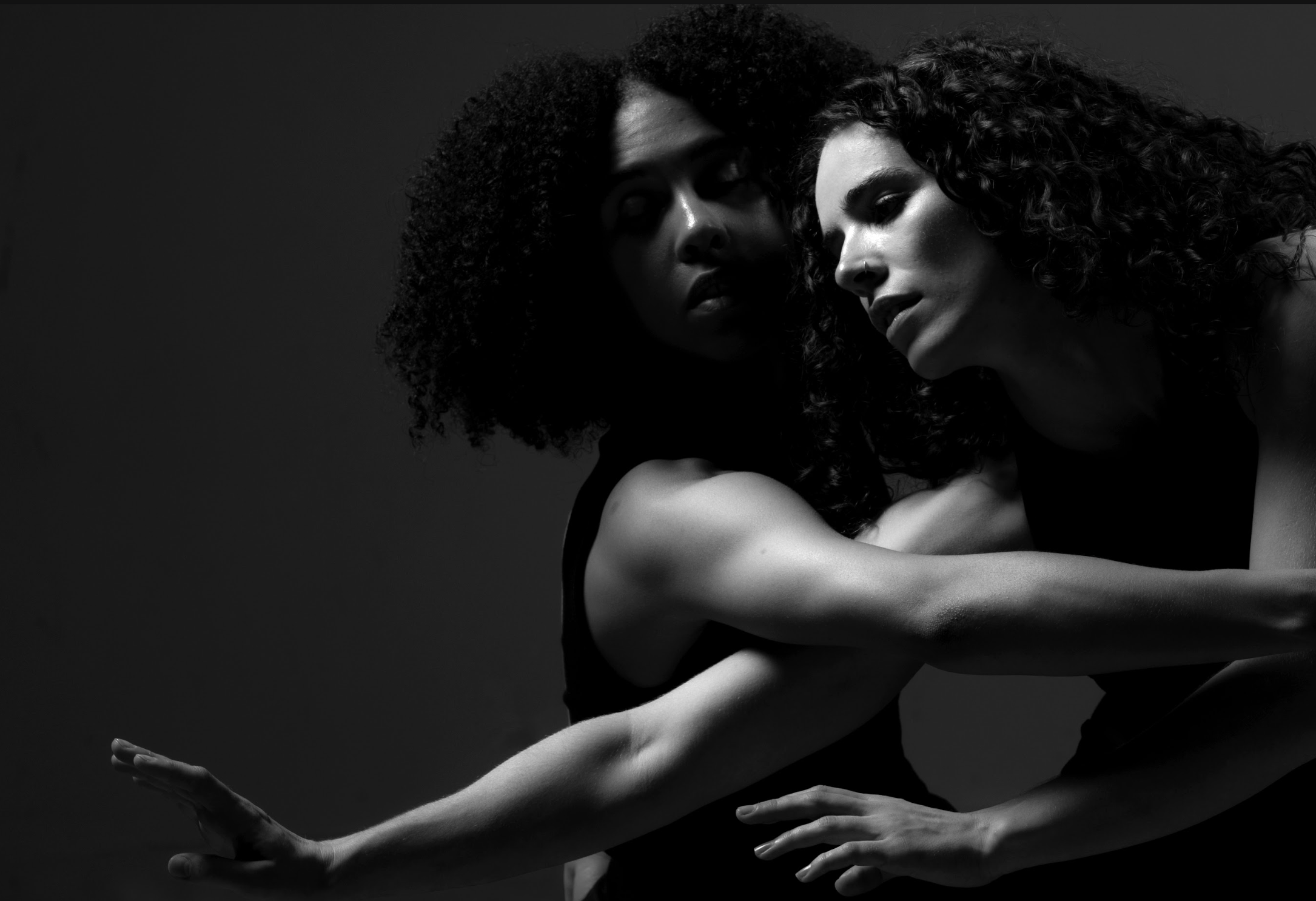
The artist says it was integral for him to root the work in the authentic Ballroom community that he’s a part of. Performing with him onstage are Canadian Ballroom performers Brian Mendez (Kiki Legend Besos 007), Jocelyne Cajamarca (Father Jaws Siriano Balenciaga), and Matthew “Snoopy” Cuff (Kiki Icon Snoopy Fubu Basquiat), as well as DJ Simone Chnarakis (Simone Gvasalia) and commentator Max Morales (Princess Pegasus Pink Lady). In the lobby outside the theatre doors, Escamillan has even curated an exhibit featuring costumes, awards, and video archives showcasing the last nine years of the Vancouver Ballroom scene.
“From the outset, it was important to have open community practices, to have community members be able to watch rehearsals and talk and share their opinions of the work, between Vancouver and Toronto,” he says. “It just offered an opportunity to have, from a very early point of the work, eyes from the community—especially if the piece is really about trying to bridge cultures and hopefully create a discourse.
“I feel like bringing in people from the community to the work also formed an accountability of how we’re sharing the culture on the stage,” he adds. “I think if I were to use just contemporary dancers trying to do vogue or Ballroom, and trying to educate them within the process, that would just do a disservice to the culture.”
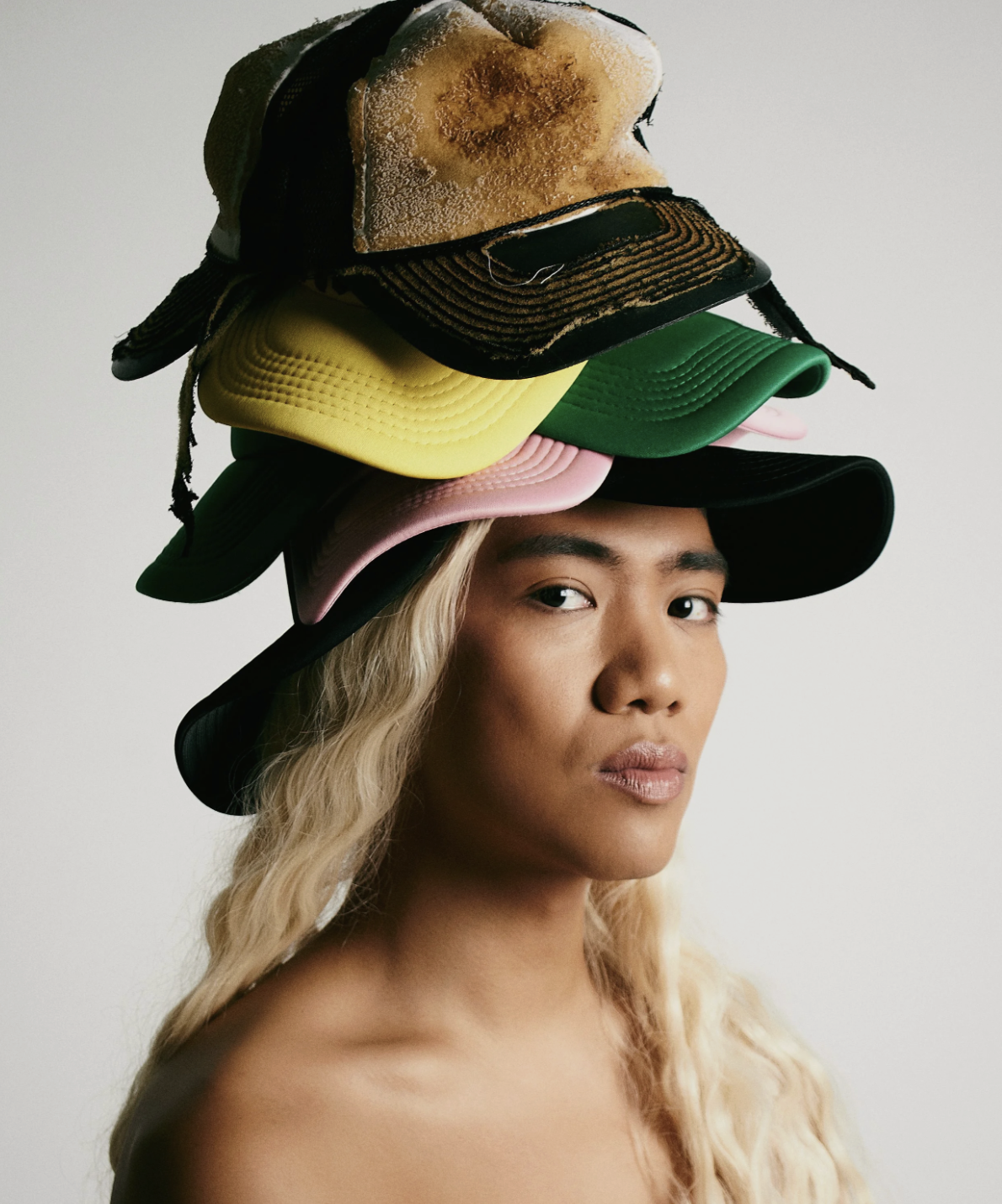
Ralph Escamillan
Live video projection, created with Nancy Lee, plays a prominent role in the performance, drawing inspiration from the video archiving that’s an integral component of the Ballroom scene, Escamillan explains.
As for costuming, Escamillan and collaborative designer Robyn Jill Laxamana subvert expectations by clothing performers in stripped-down, catsuit-like, crushed-black-velvet bodysuits. From there, more colourful Ballroom garments are added as surface treatments in certain scenes.
As for the choreography itself, it pushes beyond voguing to give a nod to the wider physicality—and more importantly, attitude and confidence—of Ballroom.
“Voguing in its own right has variations that are very complex, very bombastic and dramatic, but also subtle and soft,” says Escamillan, who strove to capture that spectrum. “But I also want to showcase that there are other things in Ballroom than just voguing, whether it be through face, through runway, through best dress, or through ‘bizarre,’” he says, referring to a category of wild, avant-garde fashion category.
“What carries the virtuosity of all those forms in Ballroom is learning how to show your best self, so it can be bought, so that you can get the judges’ point for their vote,” he elaborates. “So I think it’s not necessarily a sort of physicality. There’s a longing, there’s also this nuance, and there’s a play. There is this constant awareness that it’s play, it’s a game. That we are playing, and that we’re all part of the play: I think this is really important.”
More than anything, Escamillan wants to stoke optimism and creative ambitions within a community that has faced challenging times. “I hope that people seeing this work—and not even my own specific Ballroom community, but also all queer people of colour—are inspired to want to keep pushing, because it’s a really hard time to feel hopeful. So I hope I can create levity and joy and show that, yeah, it’s worth it. There’s value in our voices, and there should always be value—even more so now.” 
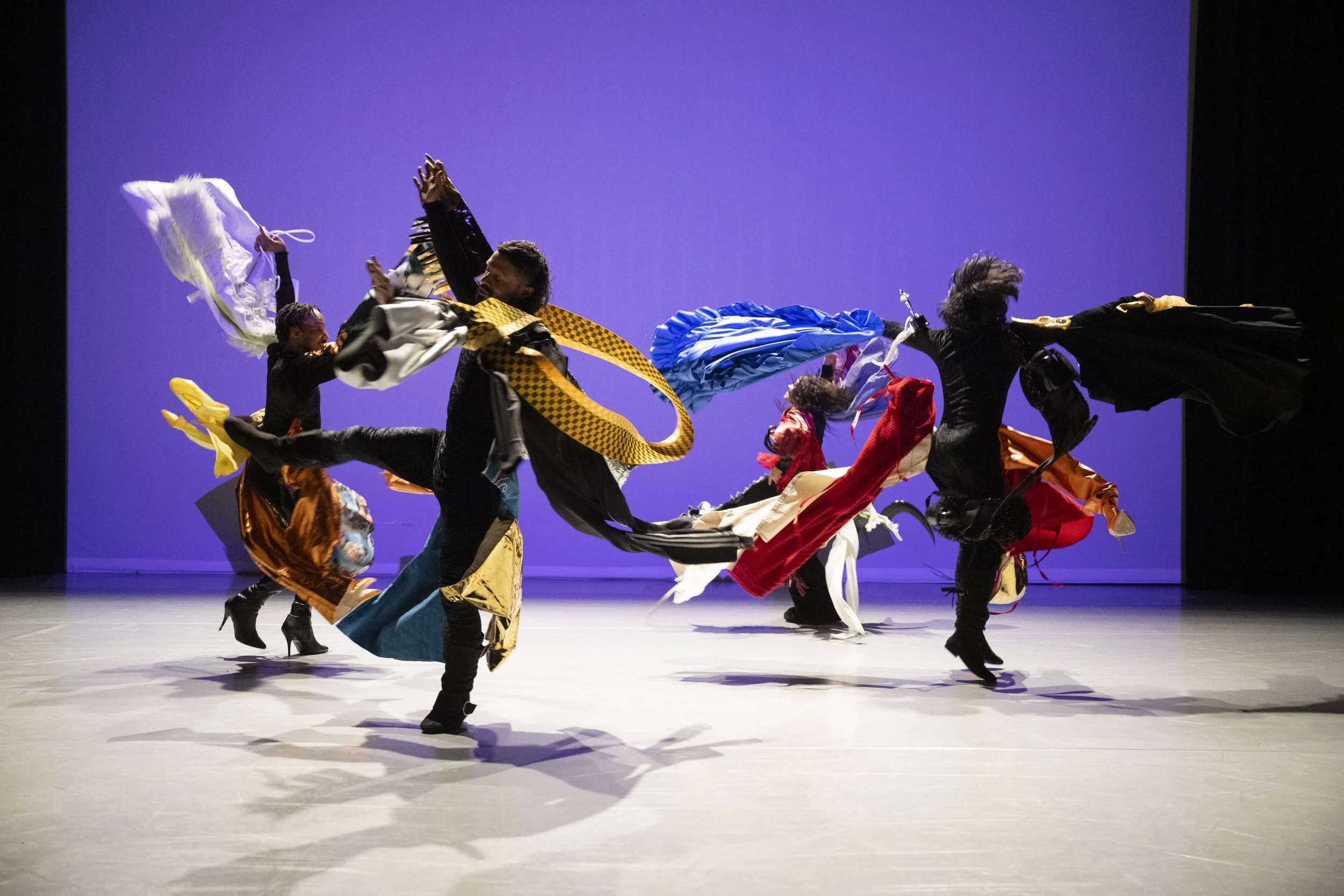
MY HOUSE. Photo by David Cooper

Related Articles