Theatre review: Fears about motherhood infuse poetic, darkly humorous Liste des enfants dévorés par les loups
With warped sitcom rhythms, Caroline Bélisle’s new play brings together two old friends to contend with contemporary ambivalence about bringing children into the world
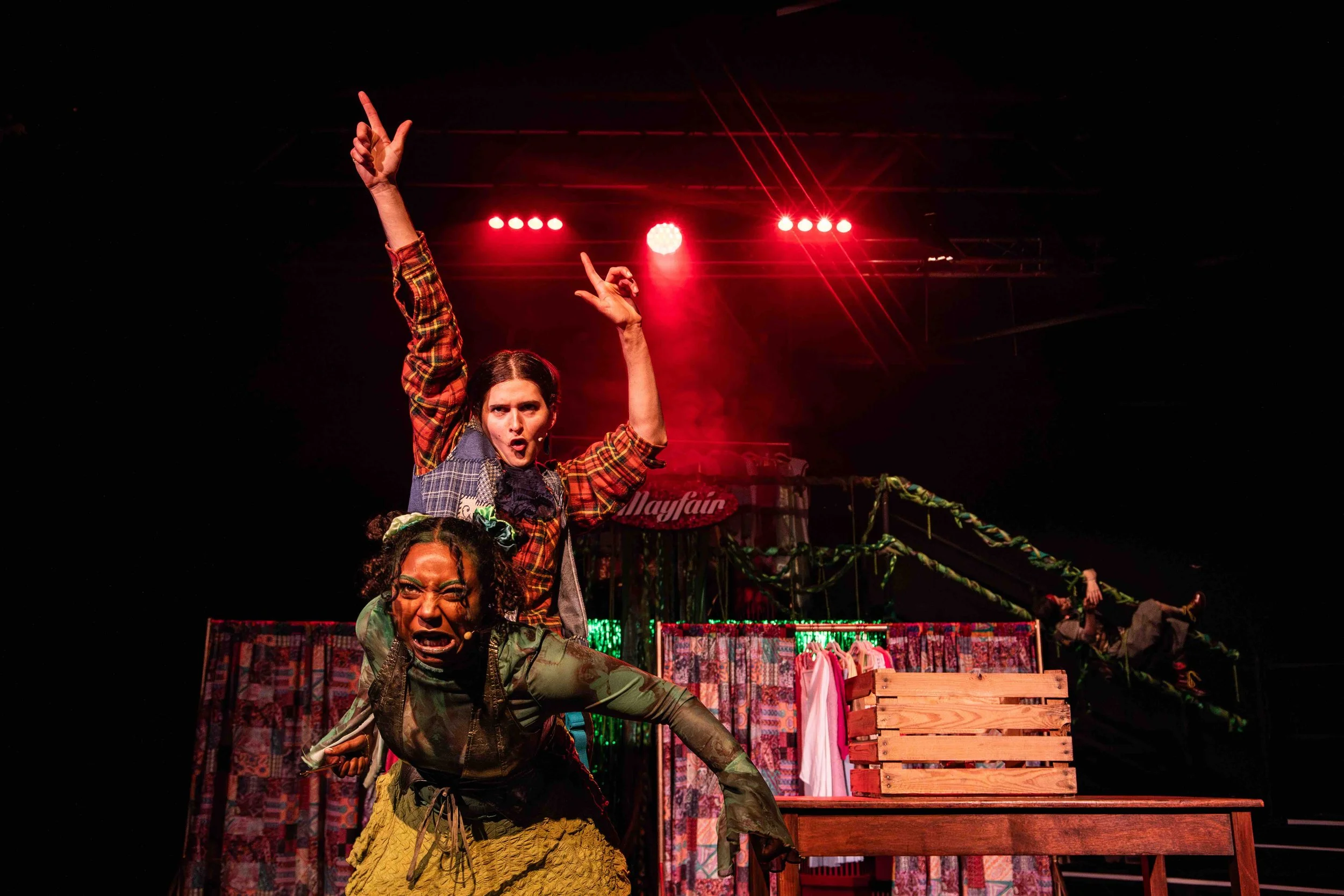
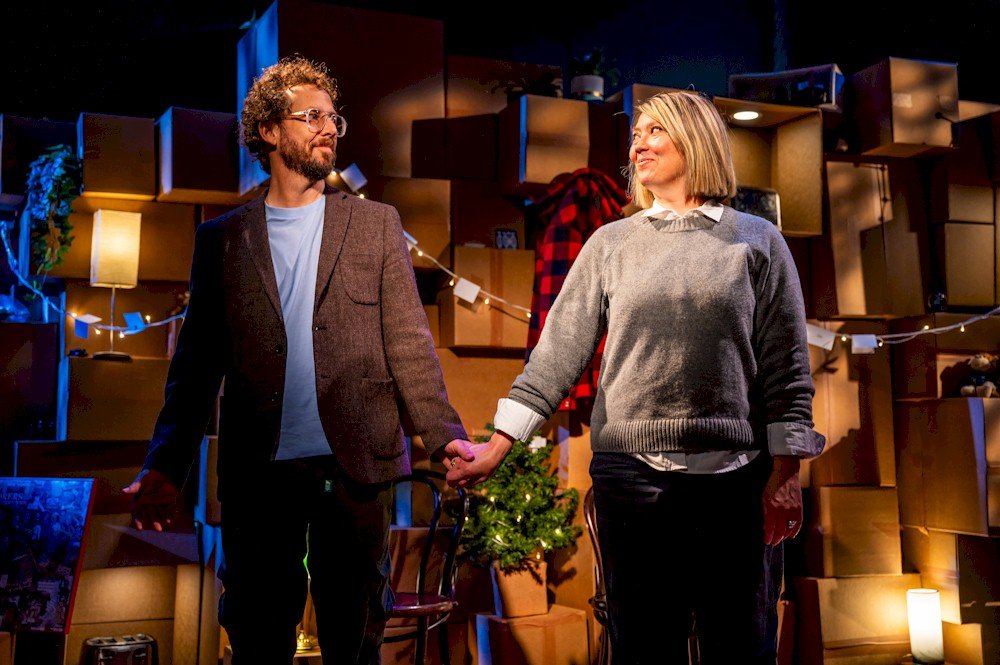
Liste des enfants dévorés par les loups. Photo by Javier Sotres
Théâtre la Seizième presents Liste des enfants dévorés par les loups at Studio 16 to March 14
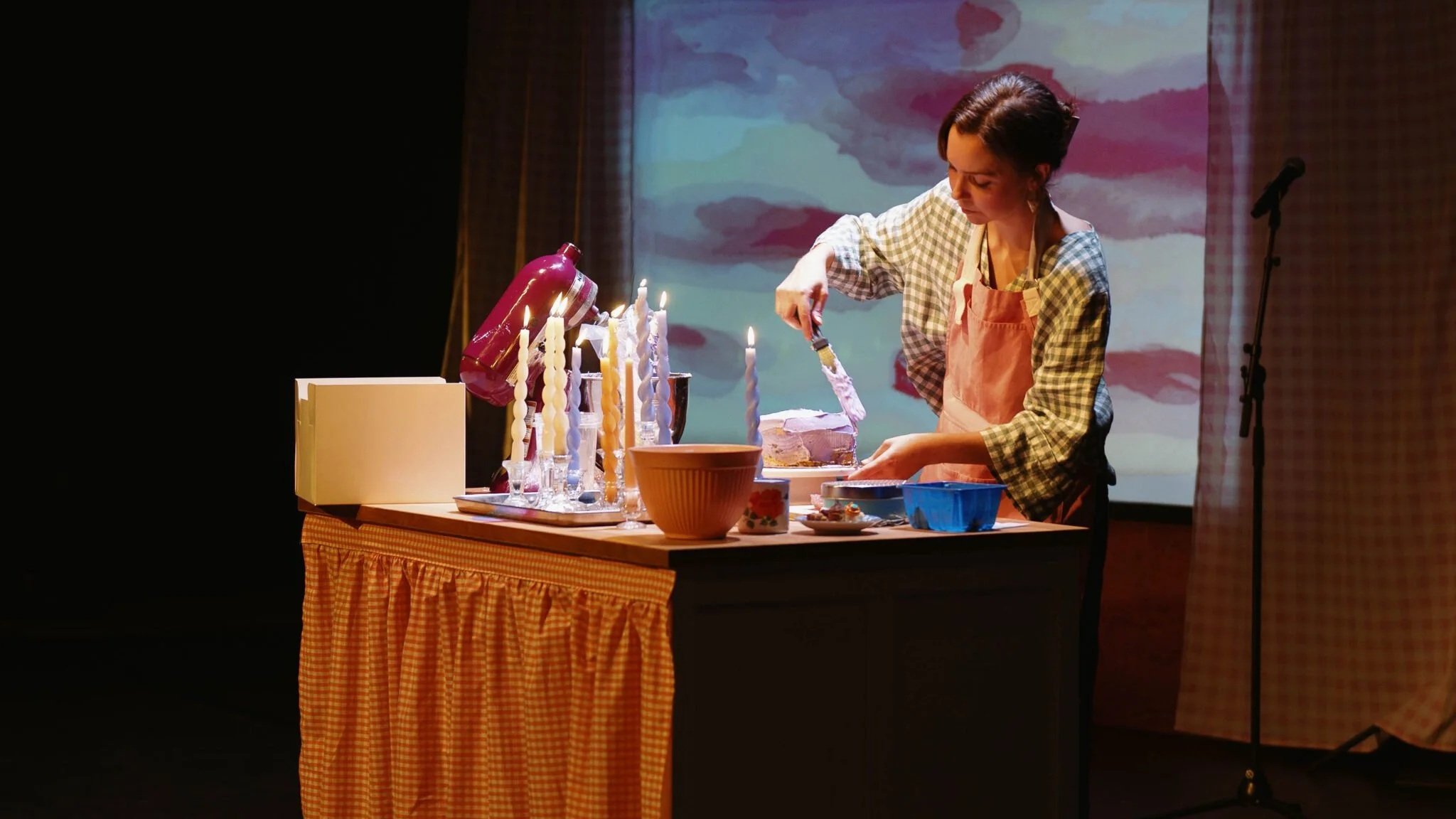
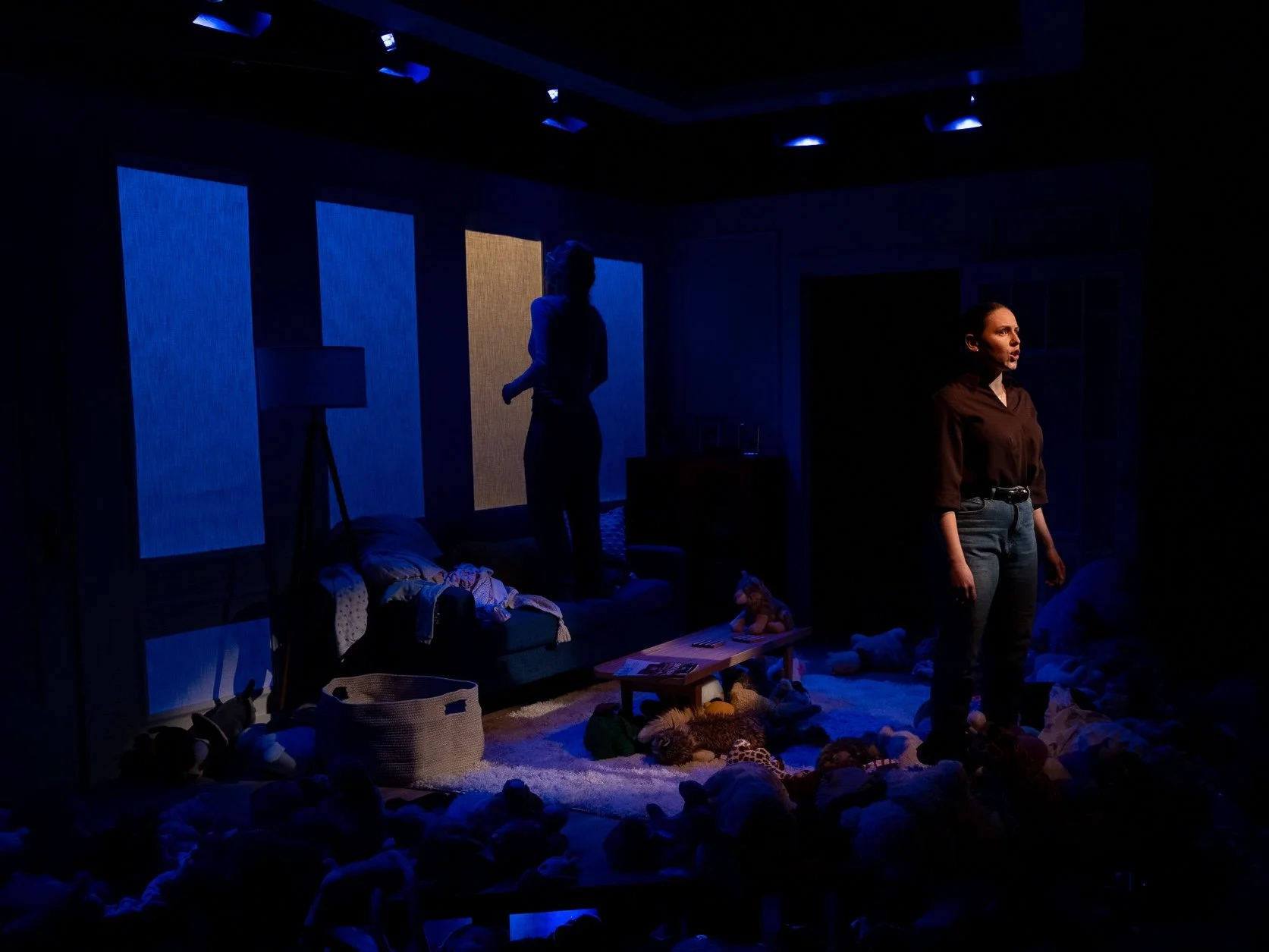
LISTE DES ENFANTS dévorés par les loups gives us a memorable image before it even starts. At the centre of the set is a small, angular living room raised above the stage floor. Hundreds of teddy bears line the platform’s edge and spill onto the ground below, a haphazard safety net that would do little to soften a fall and instead forms an uncanny excess of domestic comfort.
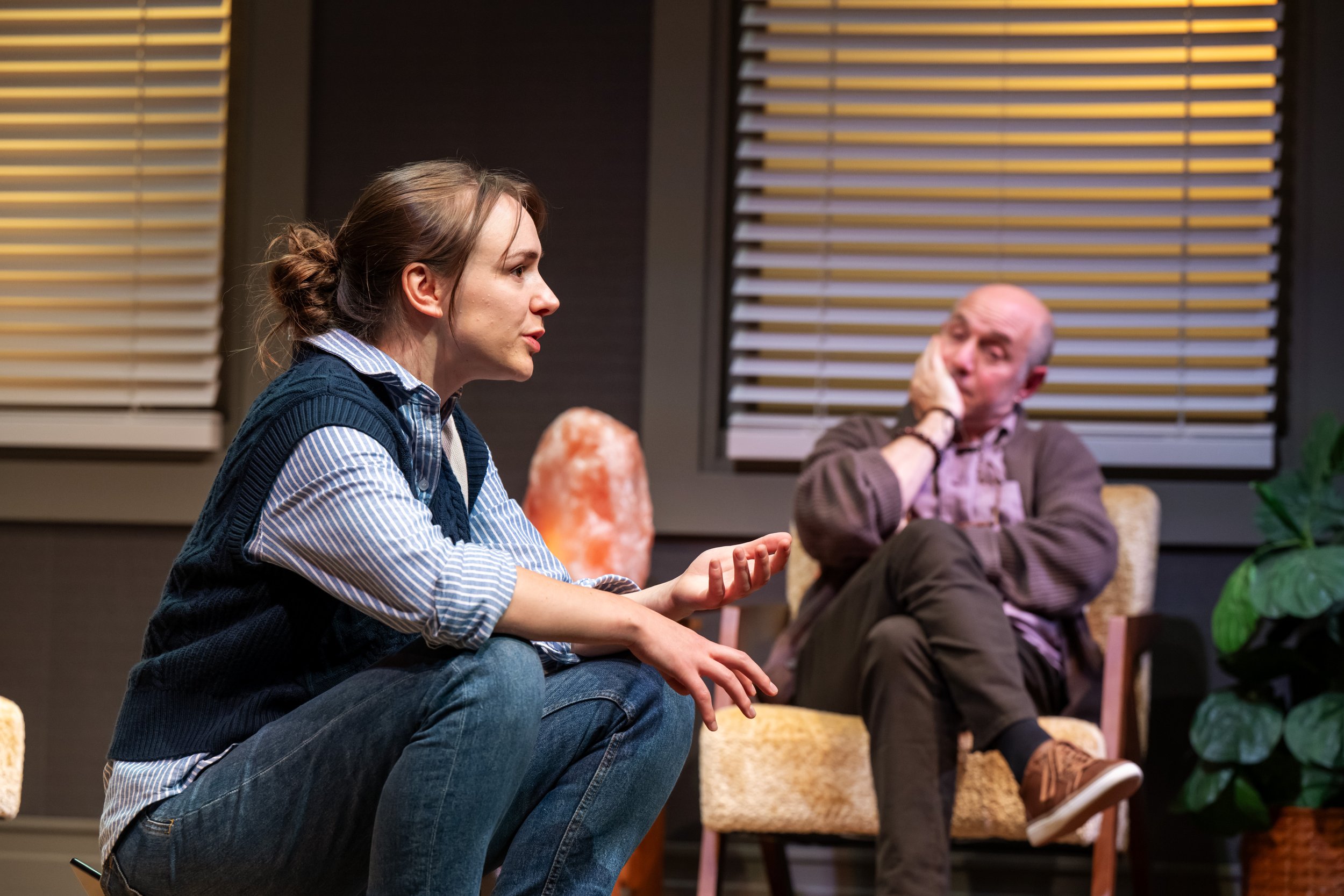
The house, we learn, belongs to Blanche, a middle-class, first-time mother of a newborn. When her childhood friend Charlène shows up for a long-overdue visit, the crowded living room becomes fertile ground for the tensions between them. Blanche (Siona Gareau-Brennan) is exhausted and desperately aware of the ways motherhood has reshaped her sense of self. Charlène (Gabrielle Morin), on the other hand, is openly averse to becoming a mother.
The claustrophobia inherent in motherhood hangs over the room, shaping the charged and elusive atmosphere of Caroline Bélisle’s new play.
A lot of the time, the play, produced by Théâtre la Seizième, takes on the rhythm of a slightly warped sitcom. The two women exchange polite pleasantries, misunderstand each other, and occasionally pull faces of disapproval or puzzlement that the other cannot see, all while the clutter of the home gets in the way of every gesture. But Alaia Hamer’s set has already tipped us off that this will not stay a straightforward comedy.
As their conversation moves from laundry and sleep schedules, Blanche suddenly brings up a girl they both knew in high school—another new mother who recently committed suicide.
If that sounds like a jarring shift, it isn’t quite. From the start, the play’s language moves on its own strange wavelength, not unlike the play’s title, flowing and spilling from the mundane to the grotesque. Non–French speakers have to catch the words from the surtitles, which are easier to see from the left side of the theatre.
Charlène’s anxieties about motherhood surface in flashes of dark humour that feel distinctly contemporary, echoing modern ambivalence about bringing children into the world; at one point she jokes that “the four horsemen of the apocalypse might be in [her] ovaries.”
Blanche’s fears take a different form. She obsessively collects newspaper clippings about tragic infant deaths caused by mundane accidents. She imagines the headline that might one day describe her own fate: “A mother and her daughter drown in a wave of snot and dish soap.”
The exchanges grow increasingly heightened without losing their own strange, poetic clarity. Blanche and Charlène are clearly drawn as opposing figures—one newly immersed in motherhood, the other deeply wary of it. Gareau-Brennan and Morin approach the material with the small contradictions, flashes of humour, and a believable care between them that’s necessary to keep their characters from feeling entirely schematic.
Cory Haas’s direction gives this some room, creating moments that feel unexpectedly spacious. Even in their anxious confessions and paranoid ramblings, the two friends occasionally find space to breathe simply by speaking honestly to each other. “I couldn’t say this to the other moms,” Blanche tells her friend.
At times, the atmosphere edges toward some sort of magical realism, with a recurring figure (which I won’t spoil) that shows up intermittently. Maybe because the production inhabits a surreal register from the get-go, this device doesn’t register as dramatically urgent for a while and instead feels like a mere (albeit eerily striking) extension of atmosphere. It’s not until the show’s final moments that the image gathers real emotional resonance.
Here, Bélisle and Haas leave us with another potent image. The ending quite literally manages to spin light out of the play’s darkness. (A nod to lighting designer Robert Sondergaard is also due here.) Rather than presenting fear as all-consuming, Liste des enfants dévorés par les loups frames it as something that can open outward. The question of whether to have children remains deeply personal, but the play asks us to widen the frame; motherhood may not be for everyone, but the work of caring for others is something we all inevitably share. 

Related Articles