Maiku Hama trilogy still buzzes with ’90s-era wit, corruption, and cool at The Cinematheque
Hayashi Kaizo’s hard-boiled trio moves from cheerful spoof to disturbing violence in a distinctly Japanese play on old Mickey Spillane stories
The Stairway to the Distant Past
The Cinematheque presents The Maiku Hama Trilogy from August 6 to September 2
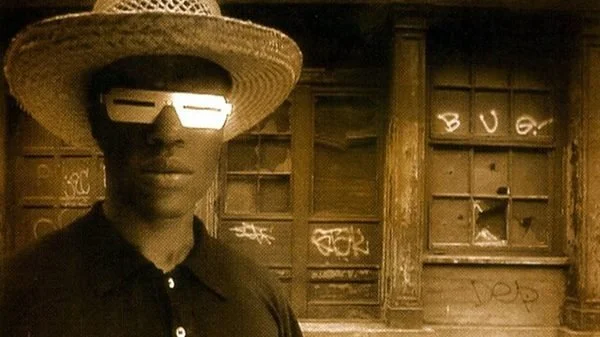
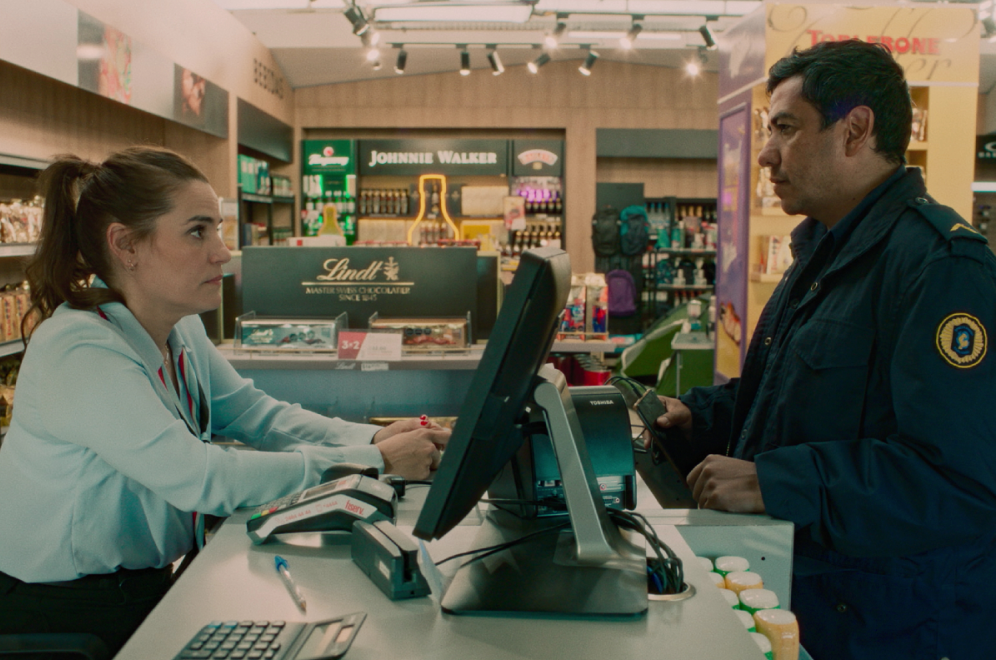
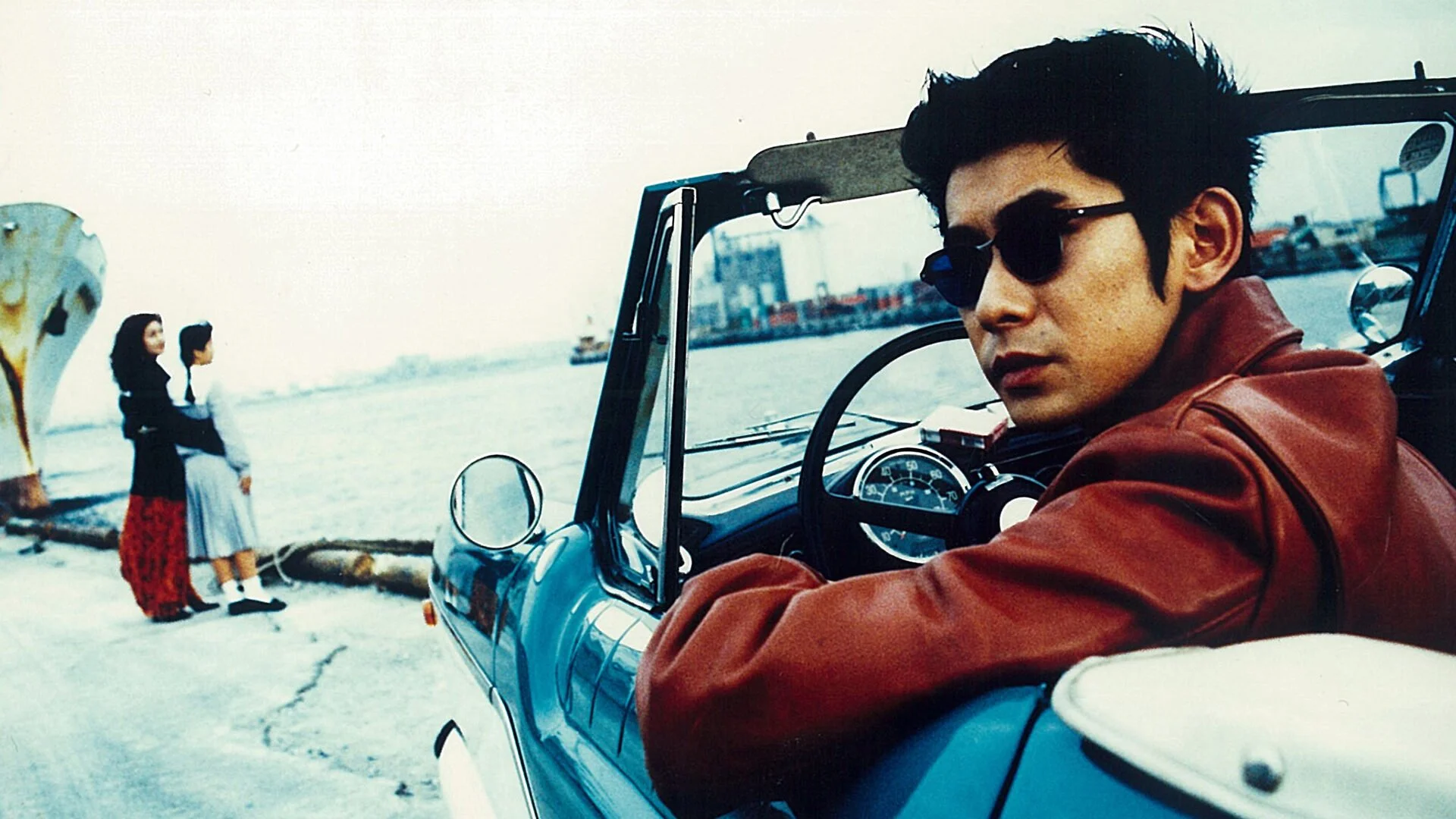
FANS OF ASIAN cinema struck gold when The Most Terrible Time in My Life came to VIFF in 1993. Hayashi Kaizo’s film is a dazzling postmodern homage to American pulp and Japanese B movies, shot in glorious black-and-white and buzzing with energy, wit, and the star power of Nagase Masatoshi, fresh off his scene-stealing introduction to Western audiences in Mystery Train.
If it was the right movie at the right time, the first entry in the Maiku Hama trilogy still feels as fresh and surprising as ever. Can we say that about the glut of forgettable hard-boiled Tarantino rip-offs that crowded theatres in the early ’90s? (Answer: no.) Now remastered, The Most Terrible Time in My Life comes to the Cinematheque with its two sequels, starting August 6.
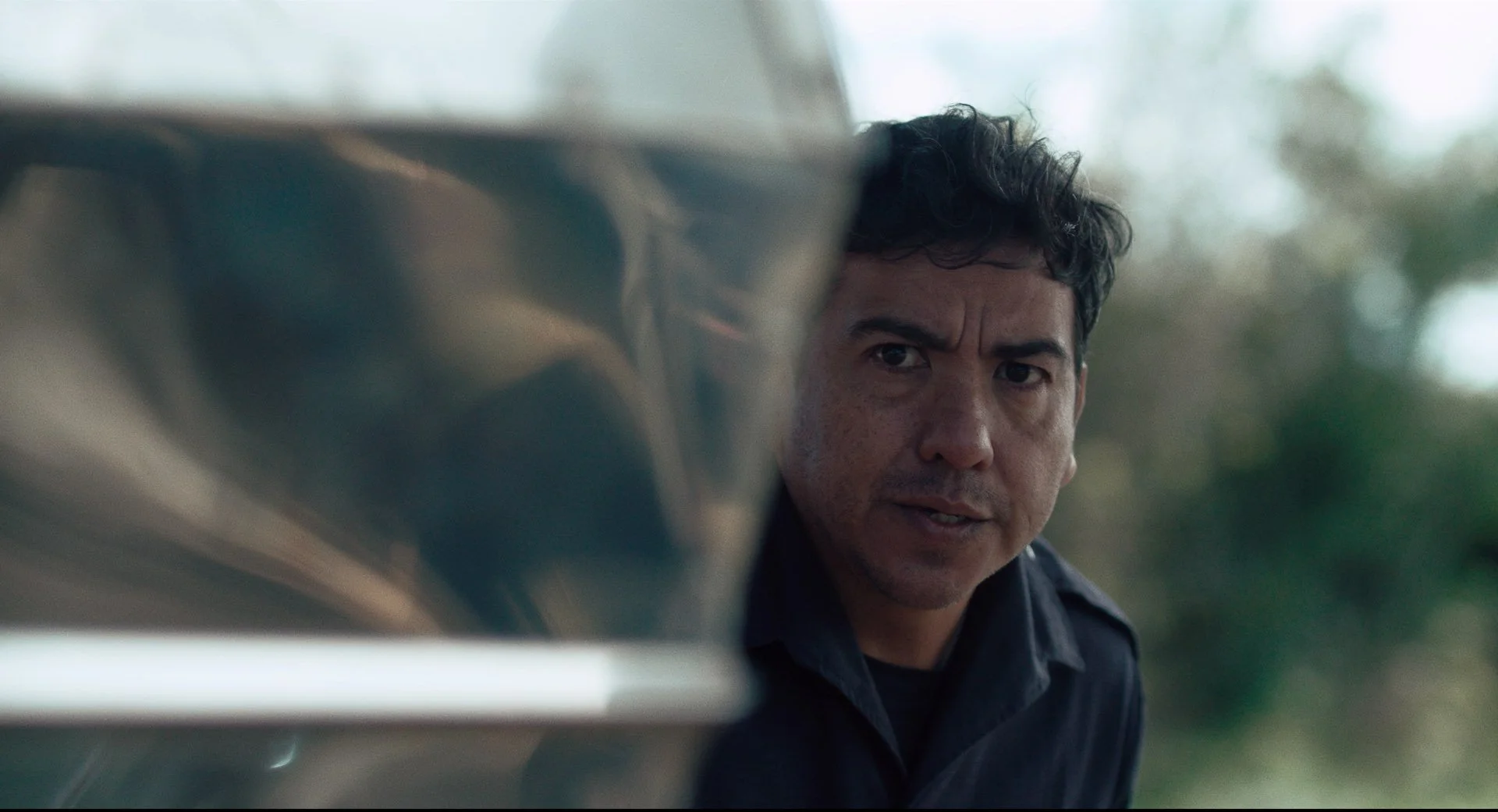
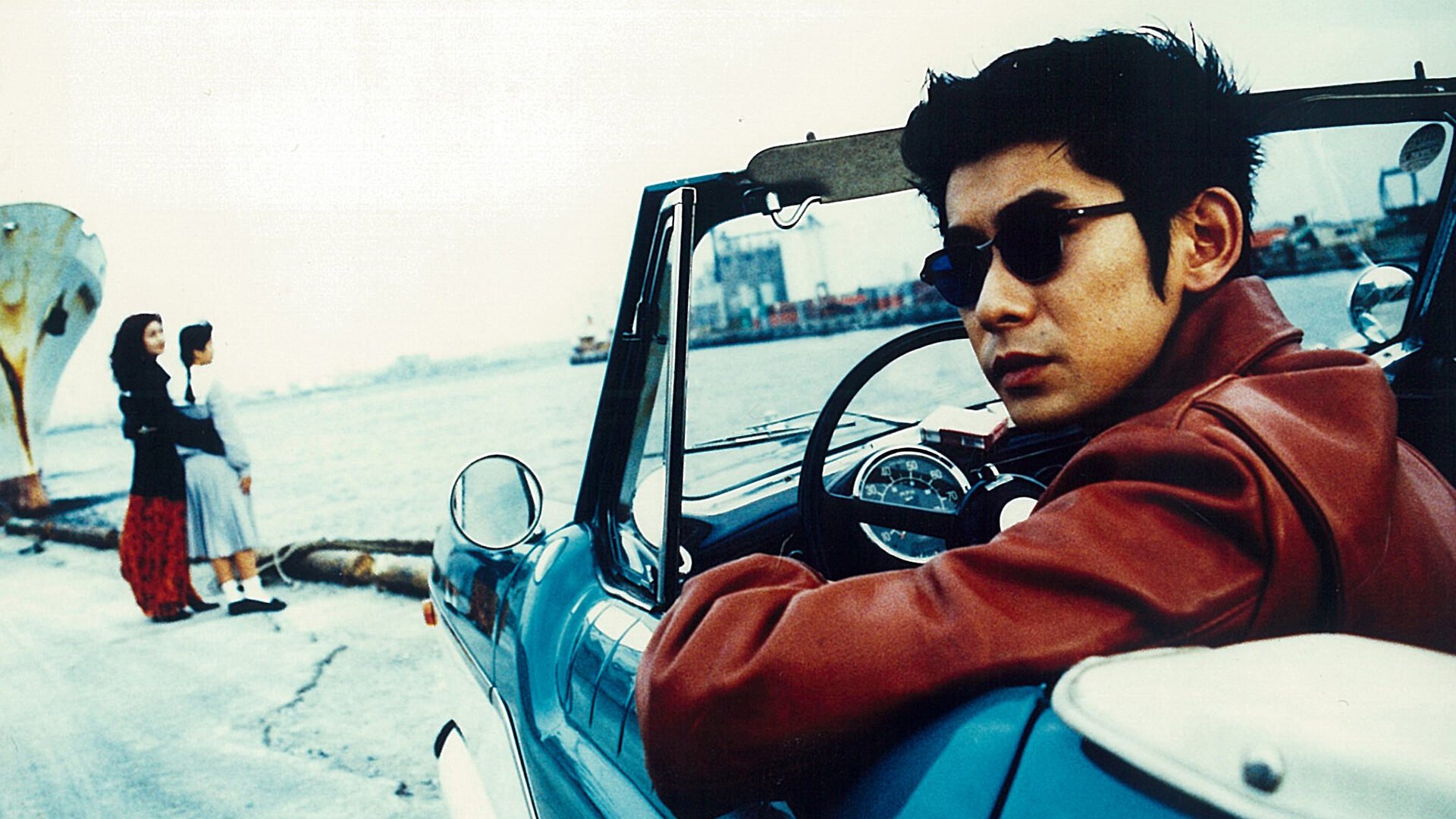
Of the three, it’s the easiest to love. Masatoshi was required to hit a single note in Mystery Train, where his imperturbable alien cool was the joke, but here he gets to spoof his own image as a clumsy and trouble-prone private investigator who loses a finger to a vicious yakuza in the first five minutes of the film. Even his vintage Nash Rambler sputters to a halt after a euphoric opening sequence. Maiku will be variously beaten, stabbed, and shot as he’s embroiled in a turf war between Taiwanese and Hong Kong gangsters, but the comedic zip never flags.
Otherwise, the film is drunk on its love of cinema and down-market entertainment. Maiku occupies an office above a movie theatre with a marquee that comments on the action (clients are required to a buy a ticket) and Kaizo furnishes his cast with veterans including Joe Shishido, star of Seijun Suzuki’s Branded to Kill, here playing an old mentor to a private dick whose name is a cheerful garbling of “Mike Hammer”. The violence is shocking and cartoonish but the film delights in breaking its own reality, eventually putting Maiku himself on that big marquee.
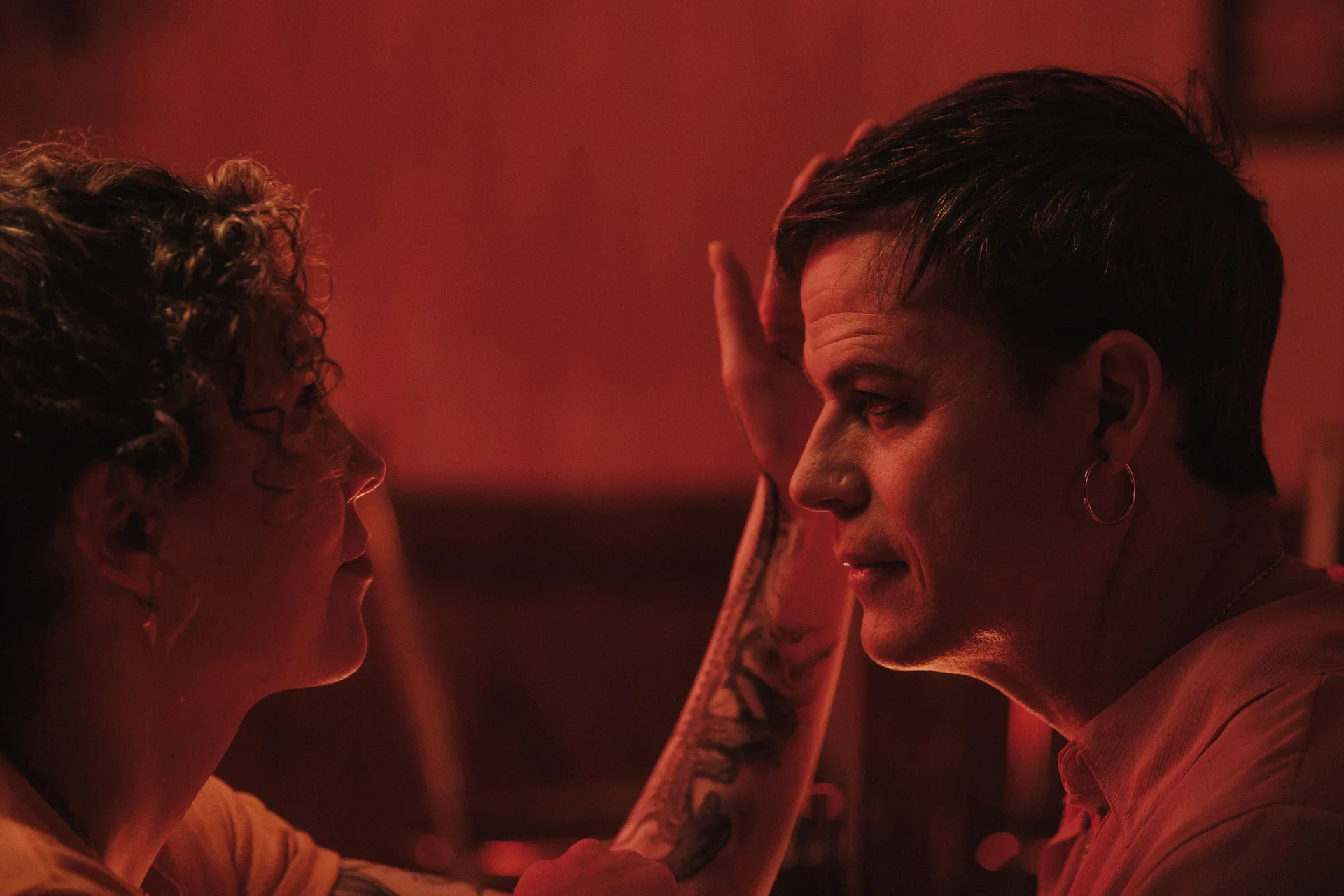
The Stairway to the Distant Past followed in 1995, this time drenched in widescreen colour and with an attendant deepening of emotional detail. Masatoshi still gets to clown around, but the return of Maiku’s estranged mother to Yokohama’s red-light district—she’s a famed stripper known as “Dynamite Sexy Lily”—takes the film into the character’s troubled past and other lingering questions about his family origins.
It all starts whimsically enough with the search for a missing dog and the impounding of Maiku’s beloved Rambler. Before long, he’s dragged into another underworld conflict, this time involving bent politicians, errant yakuza, and an ominous kingpin whose merciless 50-year control of the waterfront has never been contested. Naturally, in the midst of his Oedipal torments, Maiku finds himself in a direct showdown with this larger-than-life figure (played by Eiji Okada, star of Hiroshima mon amour).
If the film generously services its themes of guilt, regret, and moral courage, it also gestures lightly in a parapolitical direction. Yokohama was a key port for trafficking under postwar US occupation, and the film’s near-mythical crime boss is suggestively named “The White Man.” If Kaizo doesn’t quite follow through on that beat, it fits with the previous film’s mixture of Chinese and Taiwanese gangsters invading Yokohama as the self-styled “New Japs”—one of whom, Kanno, is now, pointedly, running for city council.
Whatever the meaning of all that, the trilogy’s final entry, The Trap (1996), dispenses with any historical inquiry into Japanese heritage and culture or its postwar immigrant mix. It’s by far the darkest and most sober of the three films, even as it takes an unexpected left turn into perverse ’70s euro-schlock and hokey Hitchcockian psychology, complete with a gloved and masked killer, and a weird sexual buzz focused on a brain-damaged youth treated in one scene as a sex toy.
If it needs saying, The Trap is where Kaizo’s trilogy tips into bad taste, meaning it’ll thrill some viewers and seriously challenge the rest. It’s also an admirably risky enterprise for the filmmaker. Over the course three films, we’ve watched Maiku Hama evolve from a slicked-back pop culture burlesque into a grown-up, three-dimensional man whose mission is to evade arrest—the corrupt cop Nakayama returns to menace our hero yet again—while saving his deaf-mute girlfriend from a serial killer wielding a syringe filled with poison. He’s aided by friends and supposed enemies, along with grateful locals who, by now, love Maiku Hama as much as we do. Time in his company is well worth the price of admission. 

Related Articles