Rachel Fenlon expands solo piano performance to encompass folk
The standout soprano returns to B.C. at the Kay Meek Arts Centre with a blend of her beloved Schubert and Benjamin Britten’s arrangements of traditional British and French songs
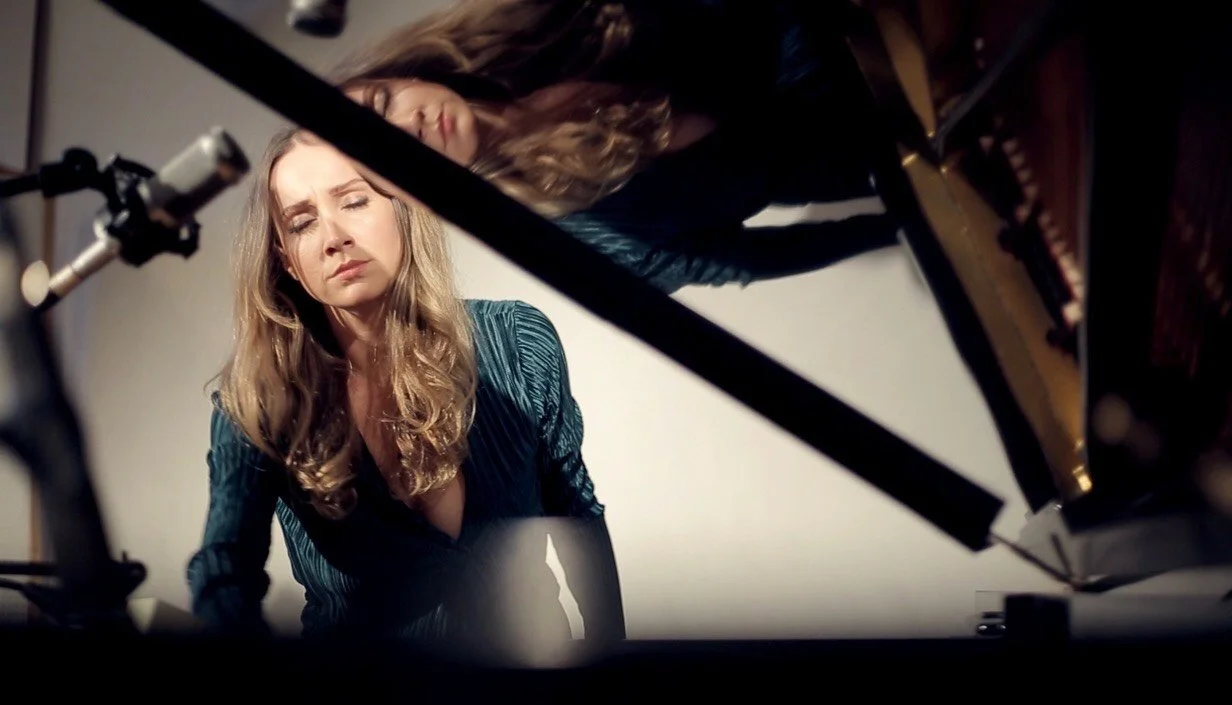
Rachel Fenlon
The Kay Meek Arts Centre presents Rachel Fenlon on April 12 at 3 p.m.
SO OFTEN, THE TERM “opera singer” brings to mind performance on a grand scale—masses of choruses amid towering sets. But today we find B.C.–raised soprano Rachel Fenlon travelling the world as a solo artist, successfully forging a path by doing that rarest of things: accompanying herself on piano.
When Stir reaches her, the Berlin resident is on a stopover in New York, heading to Budapest for a performance of the multimedia Sing Nature Alive—a song cycle composed by Canada’s Matthias McIntire, with film by Jamie McMillan—at the Classical:NEXT festival. Soon after, she’ll get set to fly home to B.C. for a solo concert of folk and art song at the Kay Meek Arts Centre before taking her one-woman show on the road again to Asia for a three-week tour in May.
In many ways, she reveals, she’s reaching back to what she was passionate about before pursuing opera at UBC and then Vancouver Opera’s Young Artists Program. “I was so determined to be a pianist and a singer, and I didn't really understand why I had to forsake one identity for the other,” she says.
She began an operatic career that eventually took her to Berlin at just 26—and back to the keyboard. “It was then, moving across the world with one suitcase, with a lot of question marks about who I was as an artist and what I wanted to say, and what I felt about classical music,” she continues. “As well, I’d always been really passionate about connecting with people in different ways, and it was in that space, and in that time—those first few years living in Berlin—that I started singing and self-accompanying.”
Fenlon’s breakout came in 2024, when she made history by releasing the first-ever, complete, self-accompanied recording of Schubert’s song cycle Winterreise (a critically acclaimed program she brought to the Vancouver Recital Society the same year).
Swinging back to B.C. now, the gifted vocalist will bring some Schubert to a new program that weaves in folk music—much of it by the late British composer Benjamin Britten—and even the traditional Irish ditty “You Rambling Boys of Pleasure”.
Early-19th-century lieder mixed with early-1940s folk songs? Let us explain.
“Why I’m so excited about this program is because it combines my great love of this composer—but instead of pulling a big song cycle like Winterreise, I’m sort of doing what I would say is my mixed tape of Schubert’s greatest hits,” the affable artist says. “And that’s super fun, because I think one of the most amazing things about Schubert is his mastery over the simple song. So I think you could call him the original singer-songwriter—of storytelling in one song. And that led me to the folk song.”

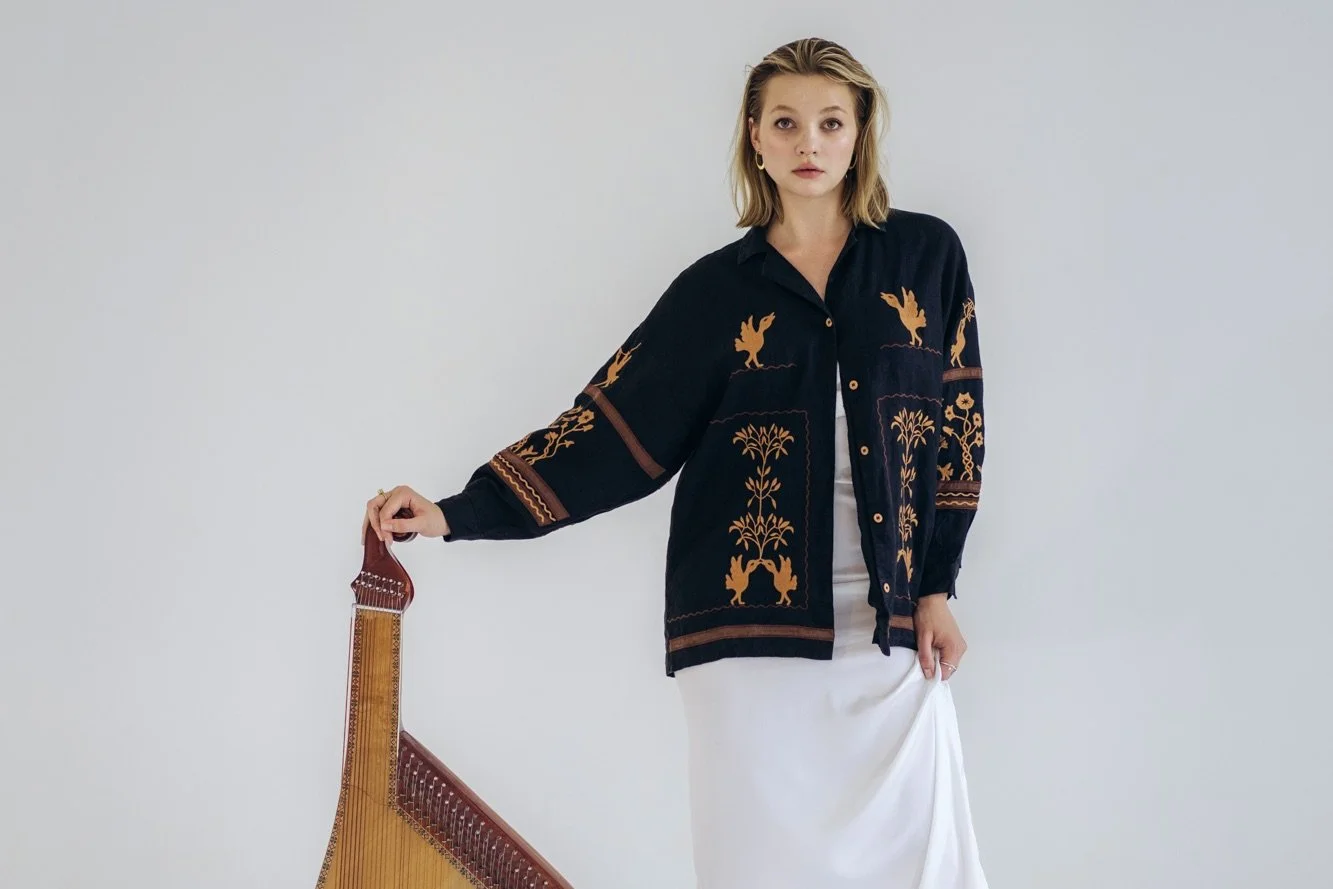
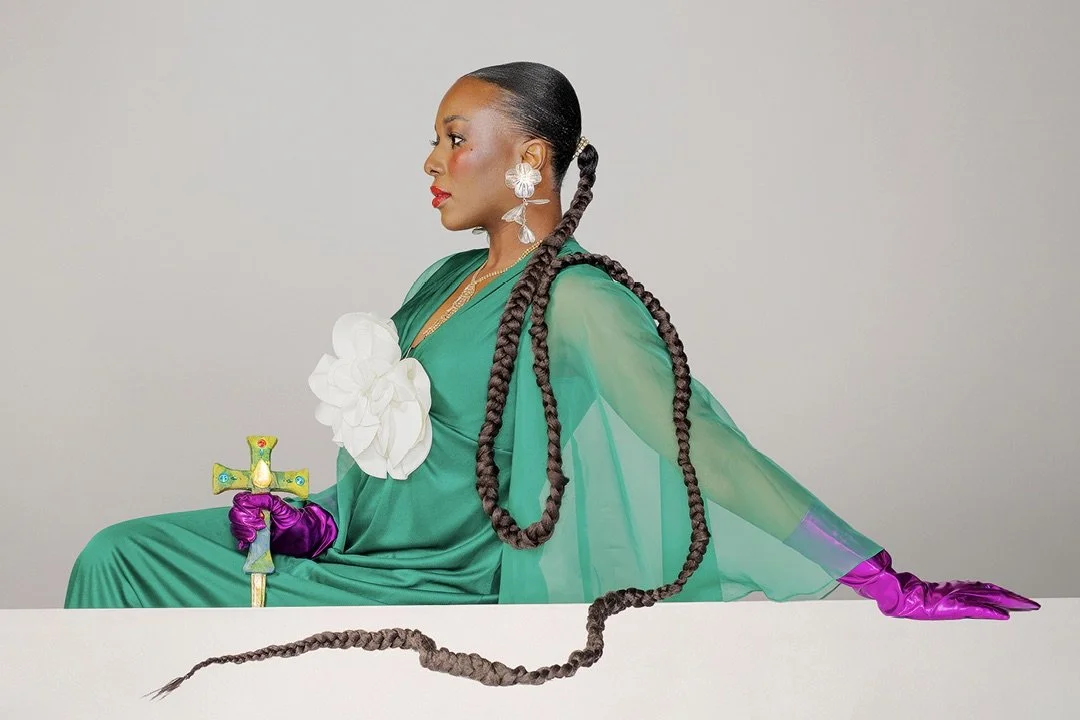
Rachel Fenlon. Photo by Clara Evens
Britten, of course, wrote large-scale operas like Peter Grimes and A Midsummer Night’s Dream that have been performed here by Vancouver Opera. But his folk-song arrangements are also celebrated for transforming traditional British and French melodies into sophisticated art songs, often featuring inventive piano accompaniments. Plus, as Fenlon points out, Britten was devoted to the music of Schubert.
“I think Britten’s settings of the folk songs are very Schubertian, in a way, because they have very complex accompaniment,” she explains. “It’s not just, you know, a rolled chord and singing. There’s a whole story in the accompaniment, and that’s very reflective of Schubert as well. So I felt like it was the perfect pairing. And the folk songs that I ended up choosing—well, I wanted a bit of everything, so I’ve got Irish folk songs, Scottish folk songs, English, and French.”
So how has art song and opera influenced her approach to folk music, and vice versa? Audience members at Kay Meek will find out, as they witness the artist putting her uniquely expressive soprano to a repertoire that draws on music more often associated with spaces far removed from opera halls: say, rural fields, coffee houses, pubs, and kitchen parties.
“It allows me to tap into a more informal, spontaneous way of singing and playing,” says Fenlon, pointing to Joni Mitchell and Joan Baez as influences. “There’s spontaneity in that presentation, for sure. I also think that by being pulled back to a folk song, and the simplicity of that, it also helps me approach the Schubert more informally as well. There’s less of a sort of veil between myself and the Schubert song, even though that’s, of course, something I’ve been diving into for so many years.”
Fenlon still participates in larger group projects, from operas and choral masterworks in Finland to her collaboration with mezzo-soprano Mireille Lebel, Pierrot entre 3 lunes—a bold, dance-filled reimagining of Arnold Schoenberg’s Pierrot lunaire in Montreal last summer. But Fenlon admits it’s perhaps more intense to walk out alone onto a stage to a piano and give all she has to the music.
“I think I love the scariness of it—but it’s an absolute sense of a place of safety and surrender and vulnerability,” she allows. “So there’s absolutely a sense of letting go. And I think when you’re by yourself, versus the cog in the beautiful, creative, critical machine that is opera, there’s this sense that if I don’t fully surrender, there’s no one else to do that for me onstage.
“And when it’s just you onstage, there’s a lot of trust,” she adds. “I also recognize the audience puts a lot of trust in you too, and for me, it always goes both ways.” 

Related Articles