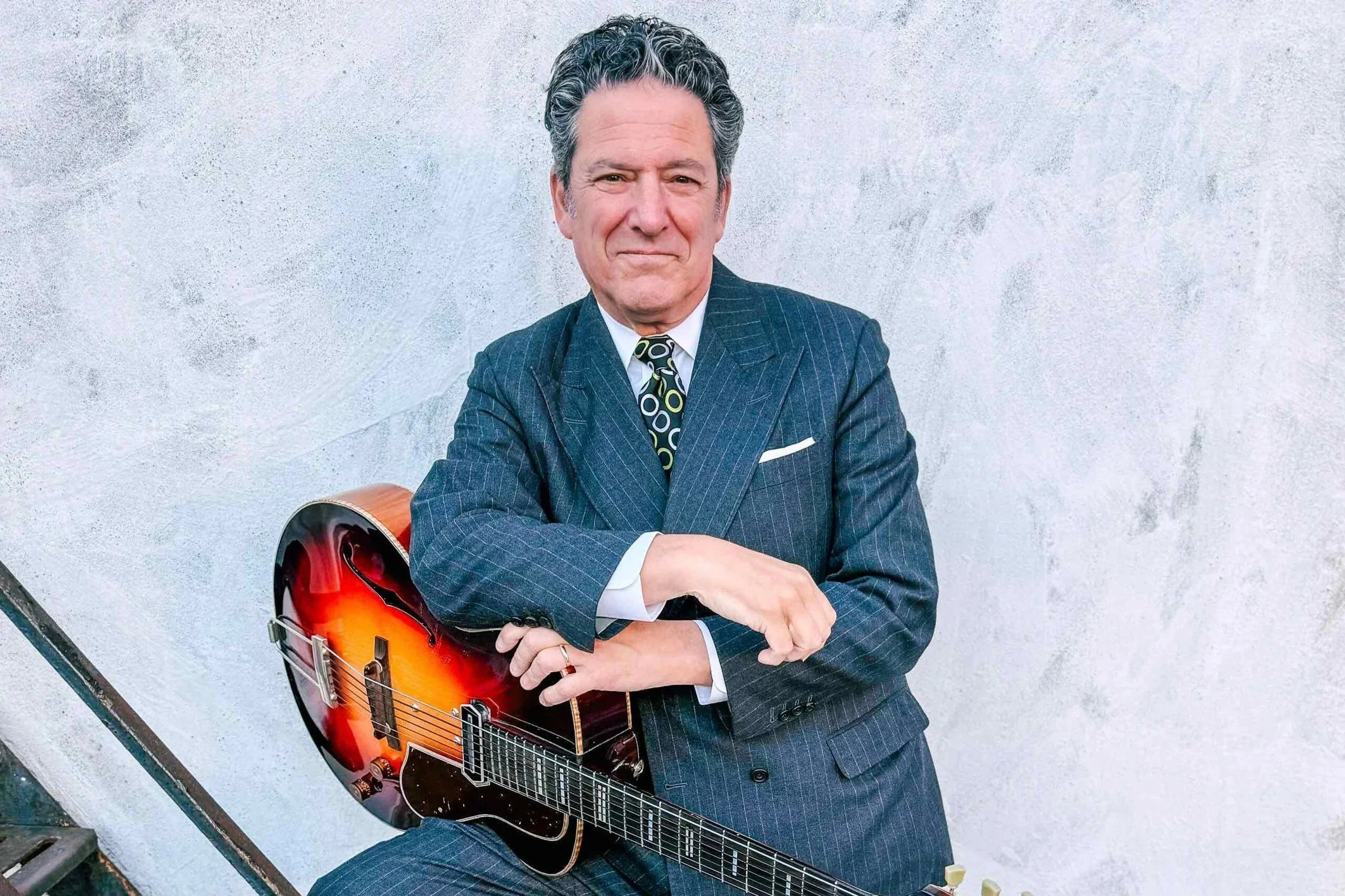
Keyon Harrold and Ron Di Lauro pay homage to the mastery of Miles Davis by taking their own paths
At this year’s Vancouver International Jazz Festival, the two acclaimed trumpeters find unique ways of expressing the legend’s enduring influence

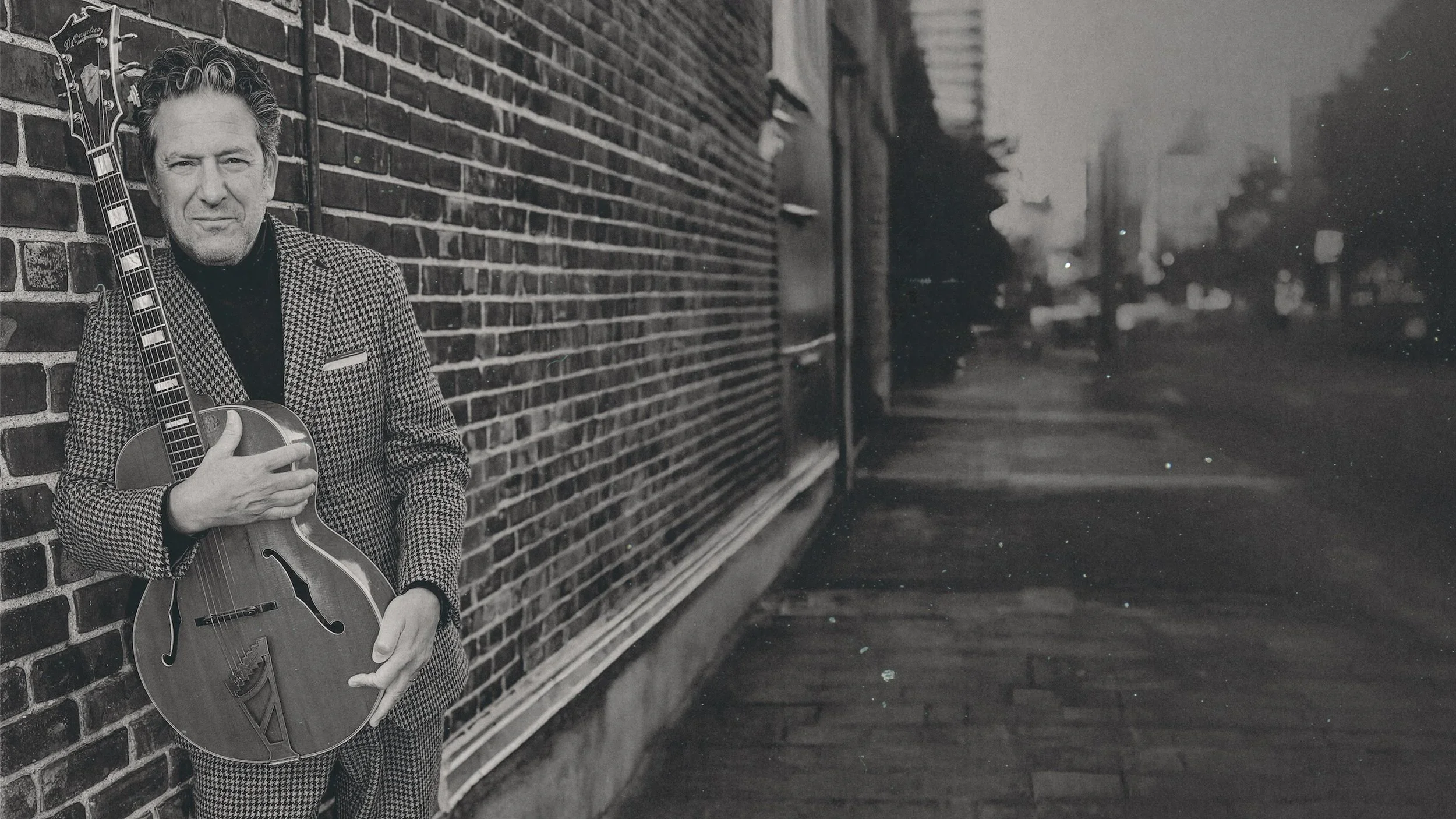
MIles Davis; Ron Di Lauro
The Vancouver International Jazz Festival and North Shore Jazz present the Ron Di Lauro Sextet in Kind of Blue: Tribute to Miles Davis at the BlueShore Financial Centre for the Performing Arts on June 22. Keyon Harrold and guests perform Foreverland and Songs for Miles at the Vancouver Playhouse on June 30
IT HAS BEEN 100 years since Miles Dewey Davis III was born in Alton. Illinois, and to celebrate that fact the Vancouver International Jazz Festival is hosting two major tribute concerts that will feature the late trumpeter’s music.
Miles probably wouldn’t much like one of them.
That would be the Montreal-based trumpeter and music educator Ron Di Lauro’s Kind of Blue: Tribute to Miles Davis, at the BlueShore Financial Centre for the Performing Arts on June 22. Focusing on the Miles of the late 1950s, and especially on his 1959 masterpiece Kind of Blue, it features an all-star cast of Québécois musicians giving a master class on why the best-selling jazz LP of all time remains vital even today, 67 years after its initial release. But, as Di Lauro readily admits, Miles wasn’t overly concerned with history, even his own.
“What I want to do is be as respectful as I can to Miles, even though he would probably say, ‘Don’t play like me. Play like you,’’ Di Lauro says in a telephone interview from his home. Unsurprisingly, we both laugh; he’s not imitating the older trumpeter’s characteristically raspy voice, but we can hear it anyway.
“He used to give shit to trumpet players for doing that,” Di Lauro continues. “He told that to Wynton [Marsalis]: ‘Stop trying to play like me. Play like you.’ But the thing is, his playing is so inspiring that you’re kind of afraid to drift from what he did. It was so particular—the way he just touched the notes, and his sense of rhythm—and so inspiring that it’s become my way of playing. You know what I mean? It’s like that with all those great trumpet players. If you’re going to play a series of eighth notes at a fast tempo, then you’re kind of wearing that Freddie Hubbard hat. And as time moves on, you grab these resources and assimilate those influences, because everyone had influences. Miles had Clark Terry and Dizzy Gillespie, and Chet Baker had some Miles in there, and Freddie had some Miles. So I think it’s about just being inspired and putting yourelf into the context that you’re playing in.
“Now, in terms of vocabulary, yes, I’m going to play Kind of Blue, but when it comes time for me to play a solo, then I’ll go into my vocabulary,” he adds. “But I’m just going to try to stay cool. Some of my licks will come out, but I’m not going to go crazy, because I won’t feel inspired to go crazy. That’s the way I am.”
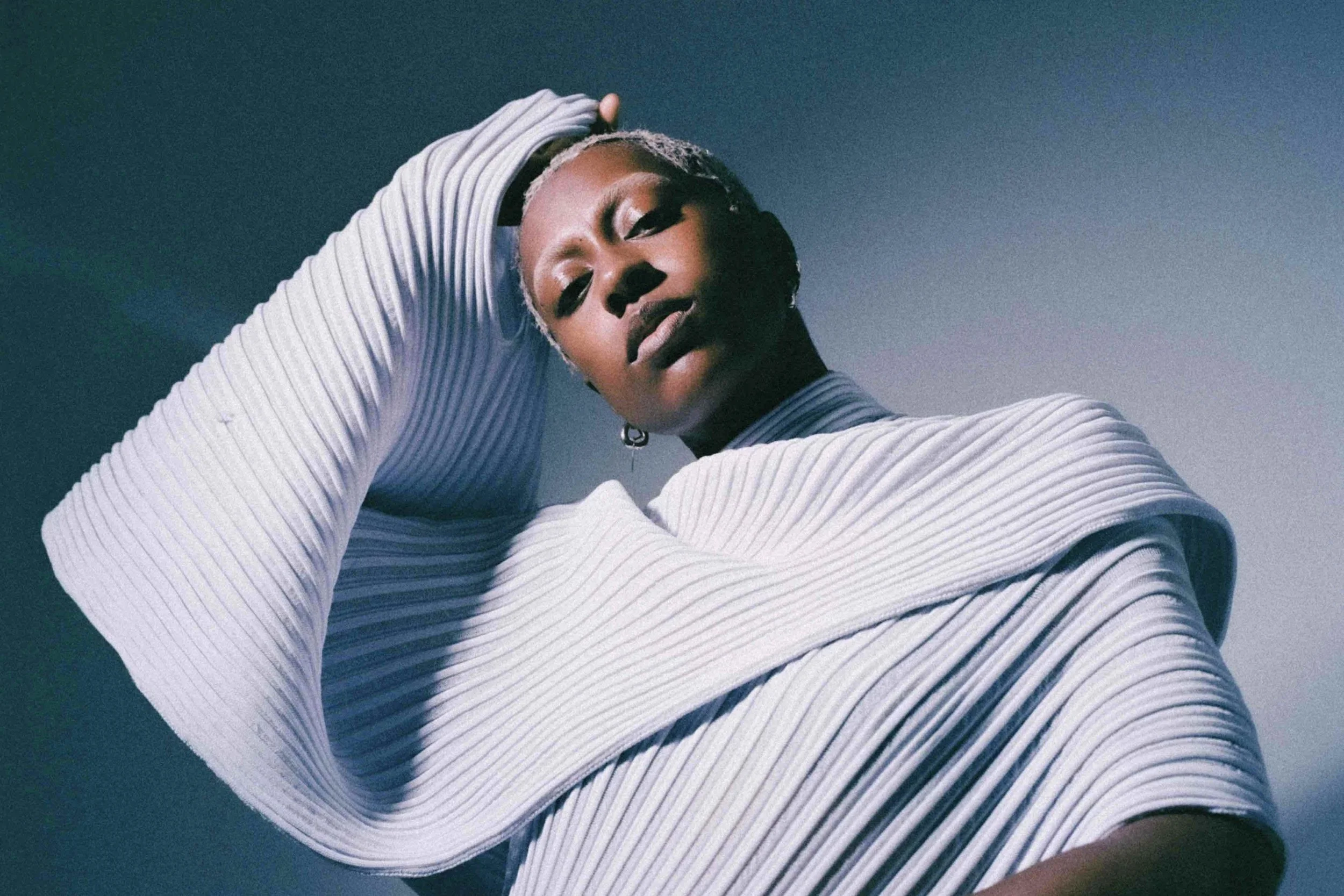
Keyon Harrold, who’ll play some of Miles’s tunes with his own at the Vancouver Playhouse on June 30, has an even more intimate familiarity with Davis’s style, and the perils of imitation. He was the late trumpeter, at least behind the scenes, having provided the Grammy Award–winning trumpet parts for Don Cheadle’s Miles Ahead biopic in 2015. And although Harrold has clearly taken Miles’s “play you” admonition to heart, he didn’t feel at all awkward when stepping into his instrumental idol’s shoes.
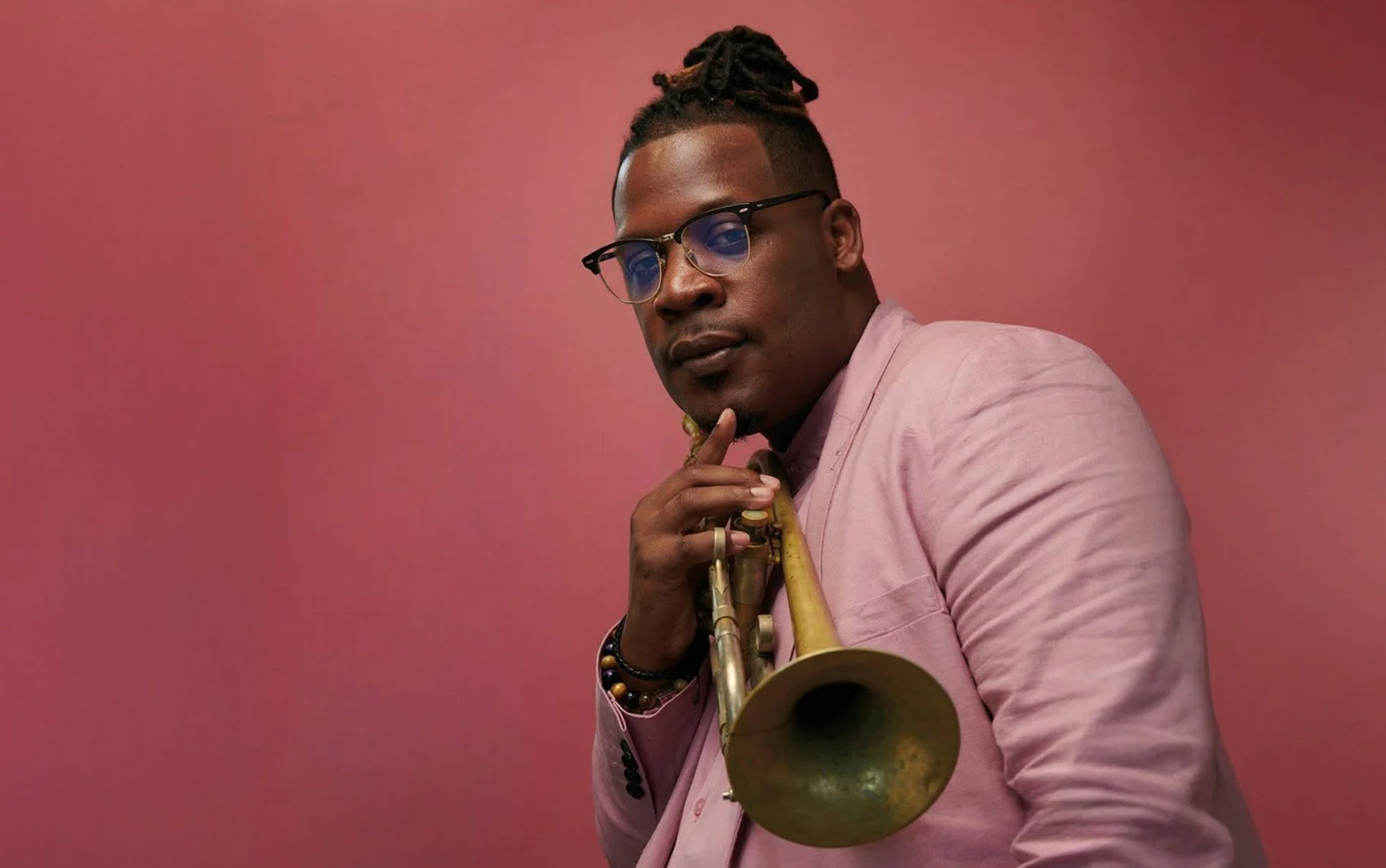
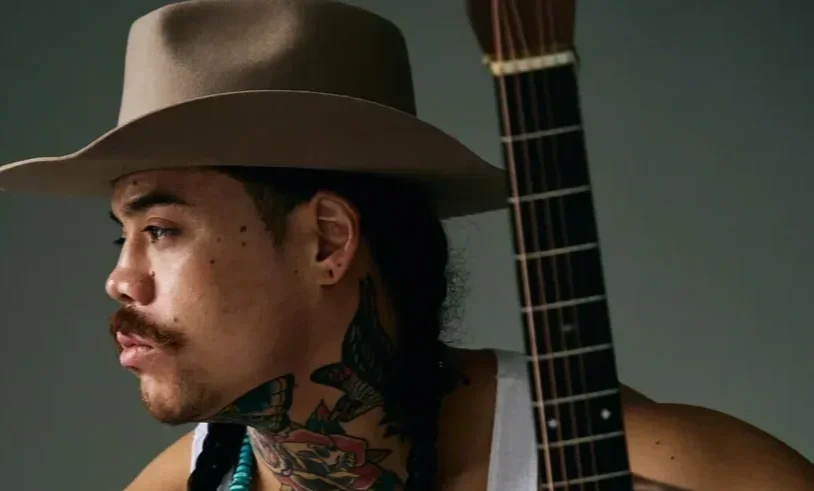
Keyon Harrold
“You know what? The thing is, as in any other scenario, when we think about the people who raised us, these people would speak to you and they’d tell you certain things,” Harrold explains, checking in from Los Angeles. “Some things you’d agree with; some things you didn’t. In terms of Miles Davis, some things I’d listen to and some things I wasn’t ready for. But over time I was able to ingest all of that information, and then I forgot about it for a while and tried to do my own thing. When I toured, I was playing music that I’d worked on and created. But when this scenario came along, it is was a scenario of speaking like the people who taught you. You start speaking like your parents or your teachers or whoever, and all of a sudden you’re like, ‘Oh my god, I can’t believe I just said that! That’s what so-and-so used to say.’ And I used to be upset about it, but the fact is, I had that in me.
“And that’s what the scenario with Miles Davis was like for me. I’d spent so much time learning and digesting and taking in his artistry: the way he played, his motifs, the way he sat on one note, the way he played ballads, the way he played bebop stuff, the way he played modally. All of those things had a great impression on me, and when it was time for me to play that on the movie, basically taking on his voice, it wasn’t something I had to learn to do again. It was like ‘I have this. I know this. I know that sound. I know that energy.’”
Harrold has another reason to feel close to the Miles Davis legacy: the two come from the same region—the environs of St. Louis, Missouri—and one of the first bands Miles played in was led by Harrold’s cousin, Eddie Randle.
Both he and Di Lauro also come from trumpet-playing families: Harrold’s grandfather led a popular drum-and-bugle corps and was responsible for training thousands of young Black musicians, while Di Lauro’s dad fronted a variety of swing and marching-band ensembles. And both share the same reverence for Kind of Blue.
“It was just the epitome of greatness on every level,” Harrold notes, pointing out that Davis’s sidemen—saxophonists John Coltrane and Julian “Cannonball” Adderley, pianist Bill Evans, bassist Paul Chambers, and drummer Jimmy Cobb—were as remarkable as the leader himself. “It was the highest level of performance, the highest level of a group of jazz musicians that ever lived, all playing at the highest level, all sounding cohesive, all playing new compositions. That album was something that nobody had ever heard before. We’re talking about modal things, and people just expressing themselves in music without any limitations, and not too many chords changes. That allowed the artists to be themselves and say what they wanted to say over, you know, very simply stated chords. And they were able to embellish and superimpose the way they saw fit.”
Di Lauro readily admits that he’s an interpreter, not a composer, and while the inherent elasticity of Miles’s music allows room for personal expression, the Montrealer aims to play it relatively straight. Harrold, on the other hand, has been as inspired by Davis’s adventures in Afrobeat, electrofunk, and pop as by his jazz genius, and that comes out quite clearly on his most recent LP, Foreverland. If there’s an identifiably Miles-esque moment on that record, it’s “The Intellectual”, which paints a very vivid picture of Davis on the bandstand, clad in the sharpest of his many sharp suits. Elsewhere, the disc explores quiet-storm soul, hip-hop narratives, and 21st-century jazz sounds, all of which will feature in his Playhouse concert.
Harrold won’t name everyone who will join him onstage, but hints that we can expect surprise guests in addition to his excellent touring band. We can also expect that both concerts will be uplifting events, Di Lauro’s for offering a warm look back at music that, for many of us, was formative, and Harrold’s because—again, inspired by Miles—he wants his music to be a positive counterpart to the many more sinister currents in American culture.
Embodying Davis for Miles Ahead, he says, taught him more than how to play the notes. It’s all about “the music speaking,” he asserts. “The music has to have a very specific intention, whether it’s to give you something heart-wrenching or to give you something exciting. And, as artists, we have a platform to provide some uplift for people, because some people can’t do it for themselves.” 

Related Articles