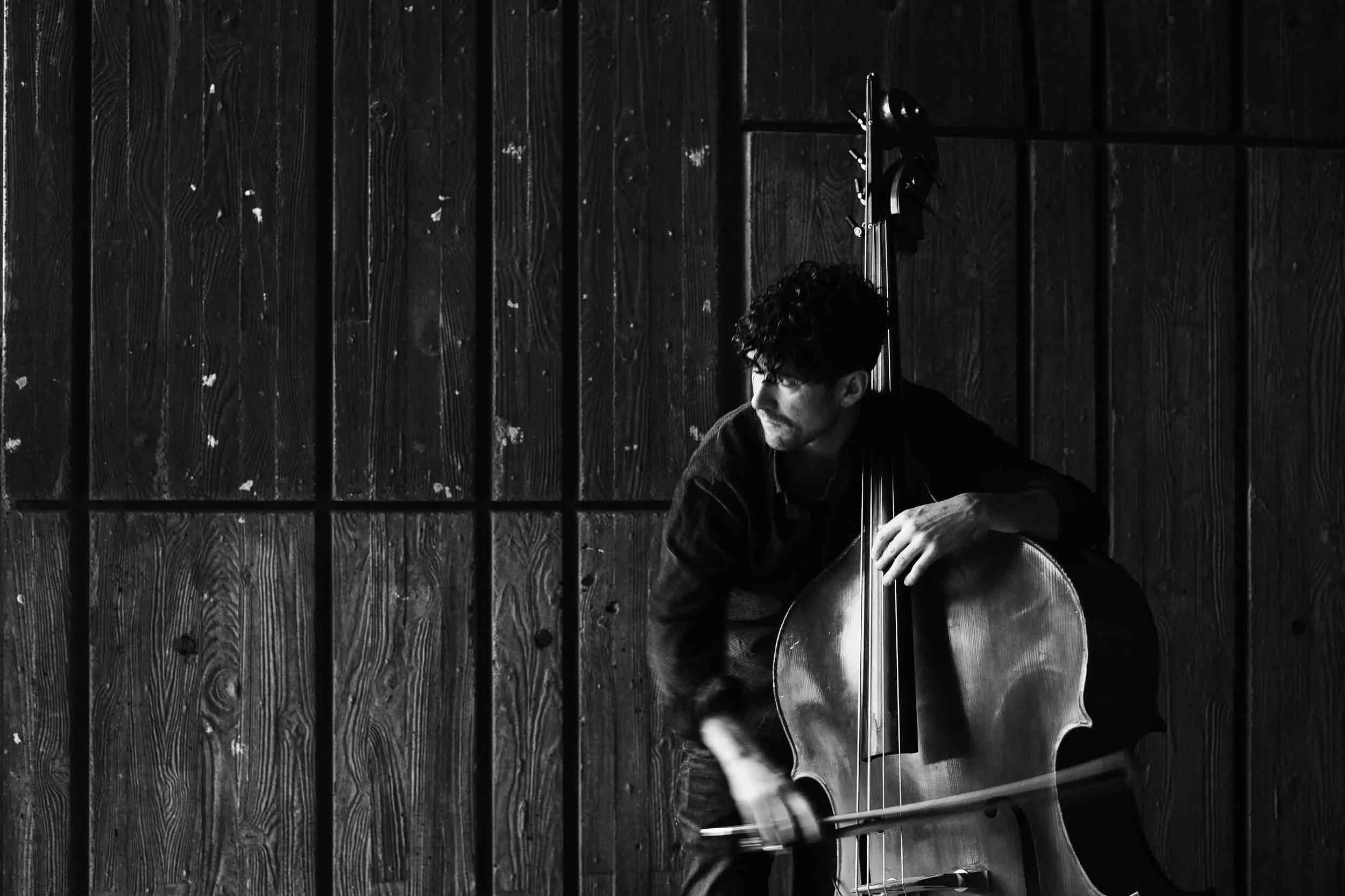
With Lachrimae, lute virtuoso Lucas Harris explores the uplifting powers of musical melancholy
The eclectic program mixes masterpieces by Renaissance composer John Dowland and Joni MItchell at Early Music Vancouver’s Summer Festival
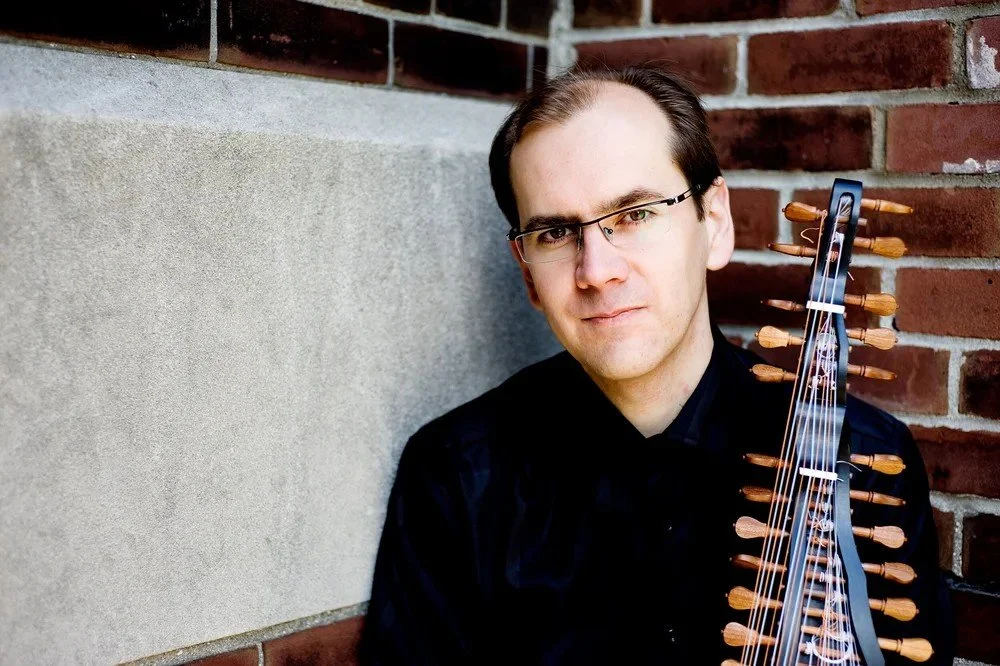
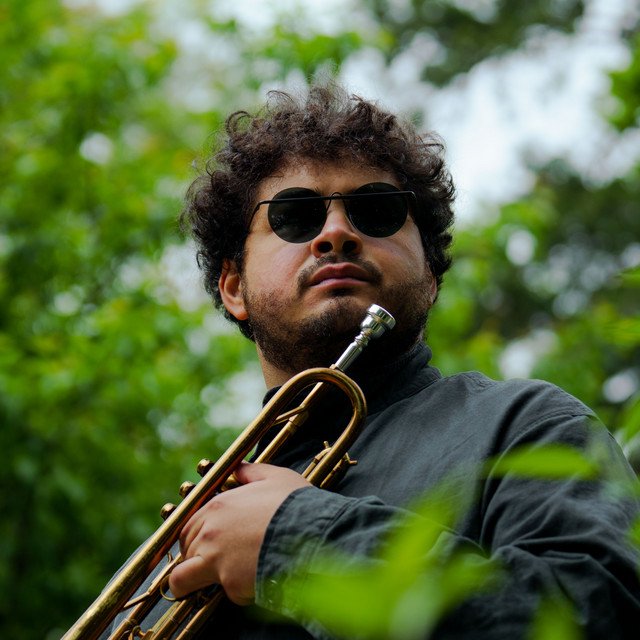
Lucas Harris
Early Music Vancouver’s Summer Festival presents Lachrimae, or Seaven Teares at Christ Church Cathedral on August 4
ALTHOUGH THE TITLE SUBJECT of Guy Maddin’s 2003 film The Saddest Music in the World is never clearly identified, the plot hinges on an interesting supposition: that Winnipeg, Manitoba, was the saddest city in the world during the Great Depression. Anyone who has ever shivered at the corner of Portage and Main in February could well argue that nothing much has changed.
A few hundred years earlier, however, London, England, could have made a good claim to the title—despite also being a hotbed of the literary, dramatic, and musical arts.
“We tend to think of melancholy as the number one emotion of Renaissance music, especially in England,” muses lute virtuoso Lucas Harris, reached at home in Toronto. “We have this idea that Elizabethans just loved their melancholy. Just think of all the Shakespearean tragedies!”
In the Elizabethan era, however, London’s undisputed king of despair was not the Bard, but composer and lutenist John Dowland, whose Lachrimae, or Seaven Teares Harris will present—in an updated and expanded fashion—during Early Music Vancouver’s annual summer festival. In fact, Dowland had made quite an industry out of sorrow. Lachrimae, which we’ll experience as a linked suite of seven pavans, began as a lute solo, won fame across all of Europe, reappeared as a song (“Flow, my tears”), and was eventually repurposed for lute and viol consort in 1604. The composer even began to sign his correspondence with the Latin moniker “Johannes Dowlandus de Lachrimae”, or “the guy that wrote Lachrimae”.
That’s both true and a bit of a stretch: as Harris points out, Dowland wrote reams of happy and even joyful music during his lifetime. But at a time when the “four humours” were said to control both mind and body, with “black bile” being responsible for both melancholy and artistic genius, Dowland was understandably eager to downplay his lighter side.
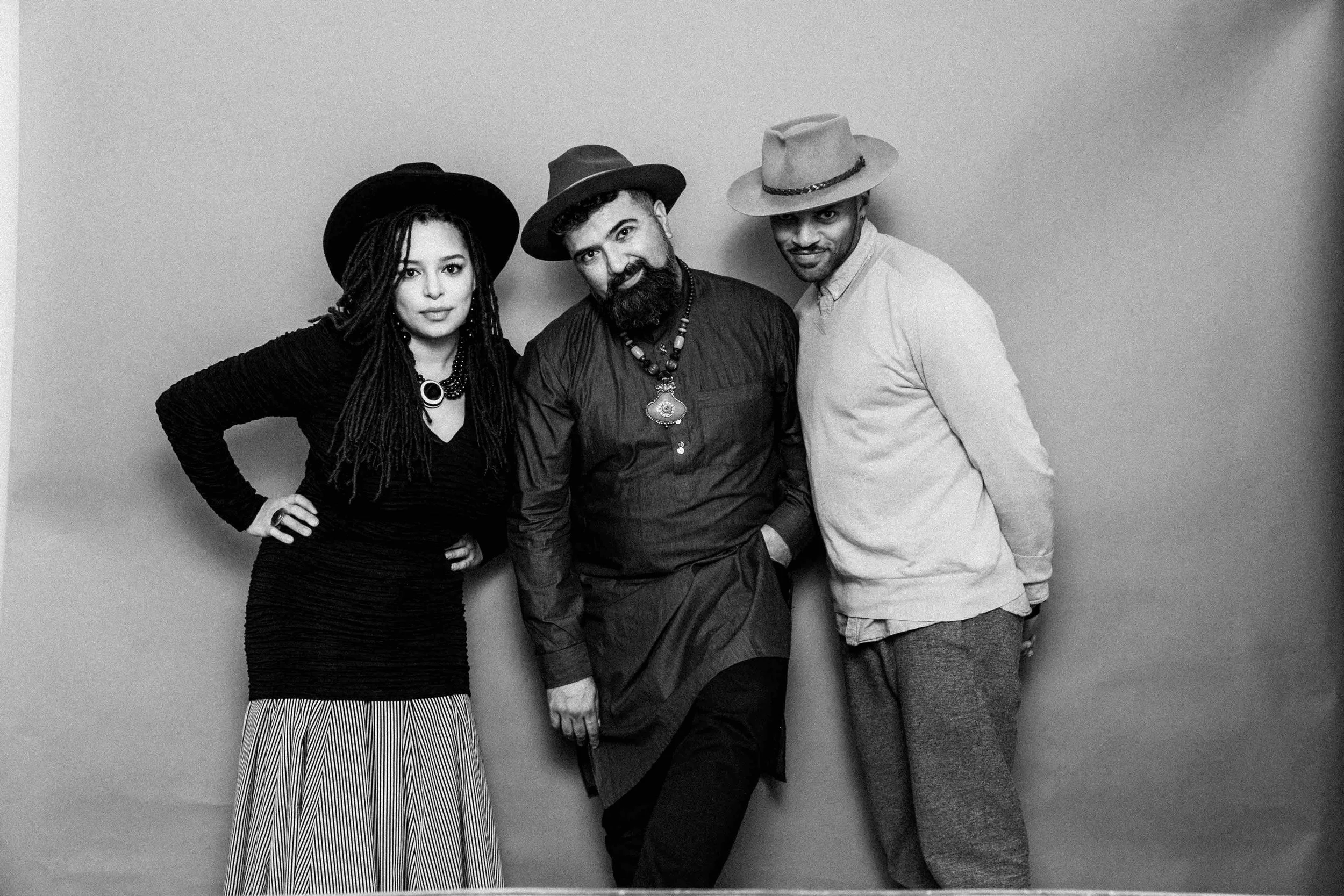
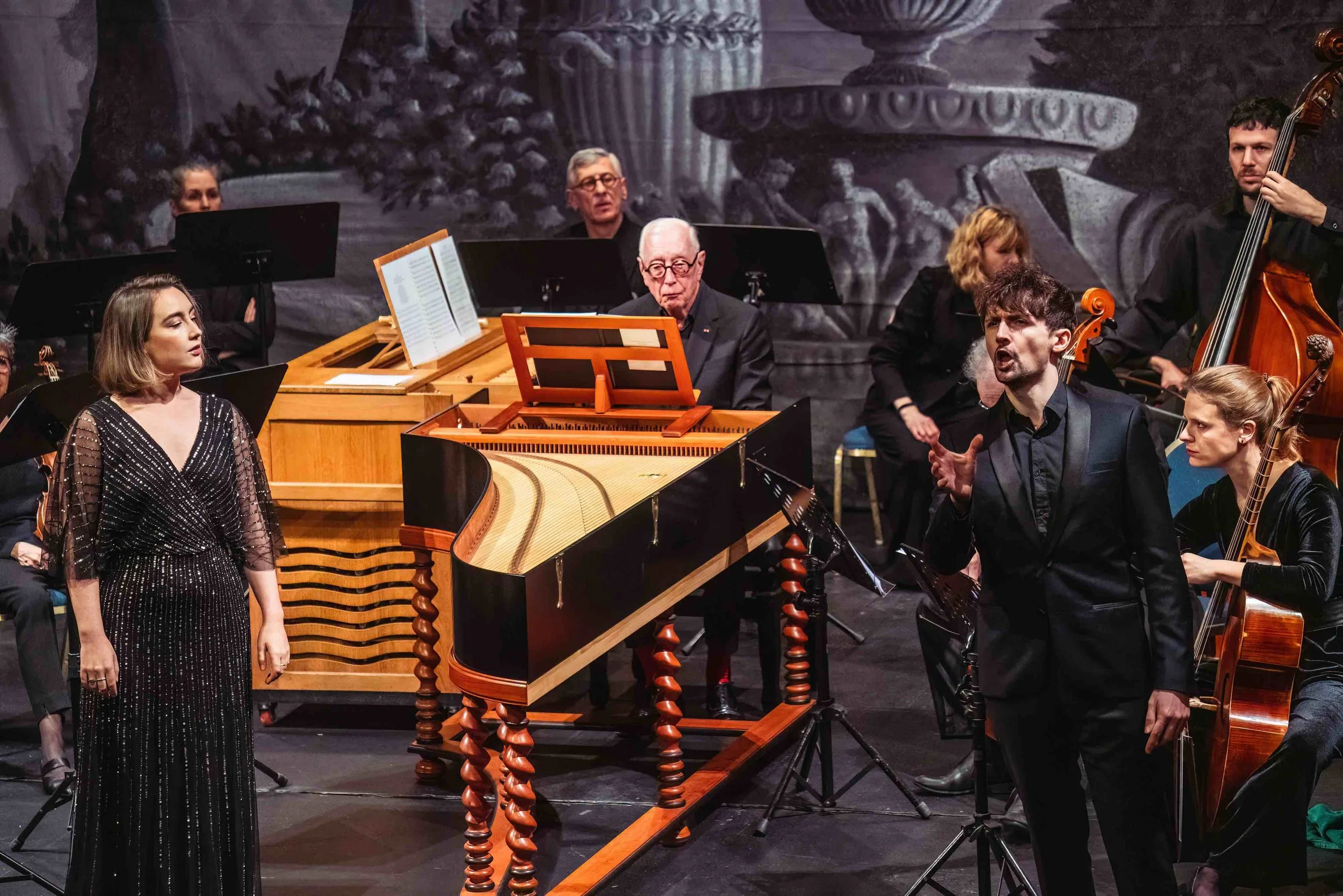
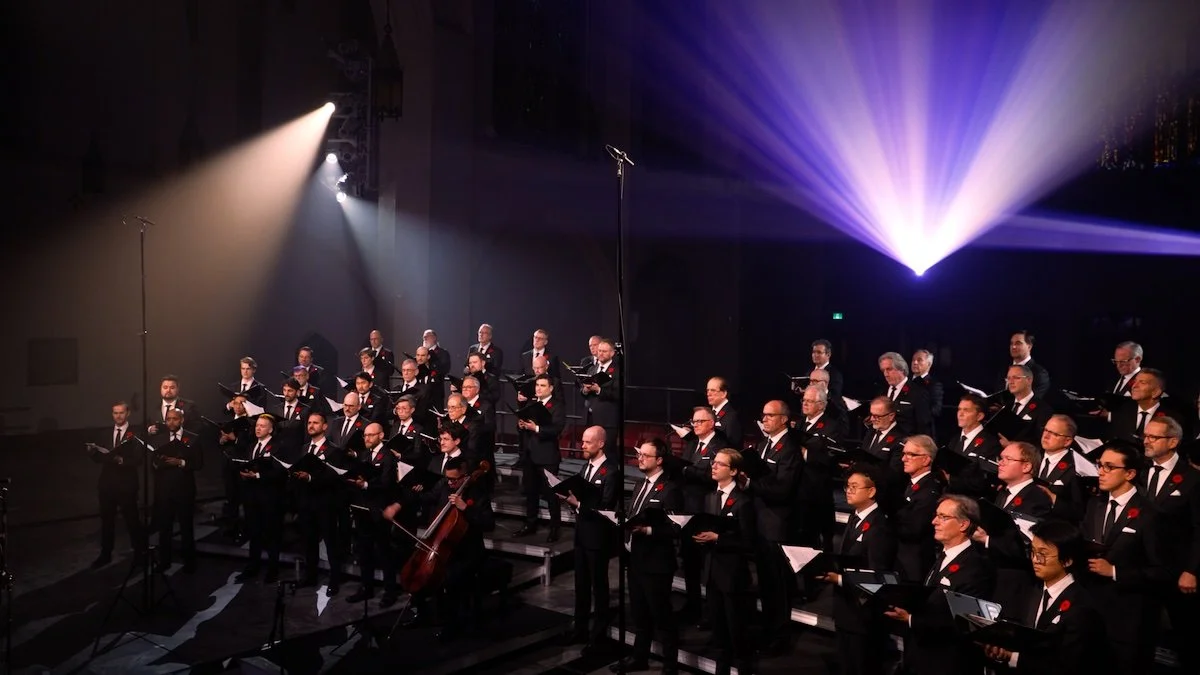
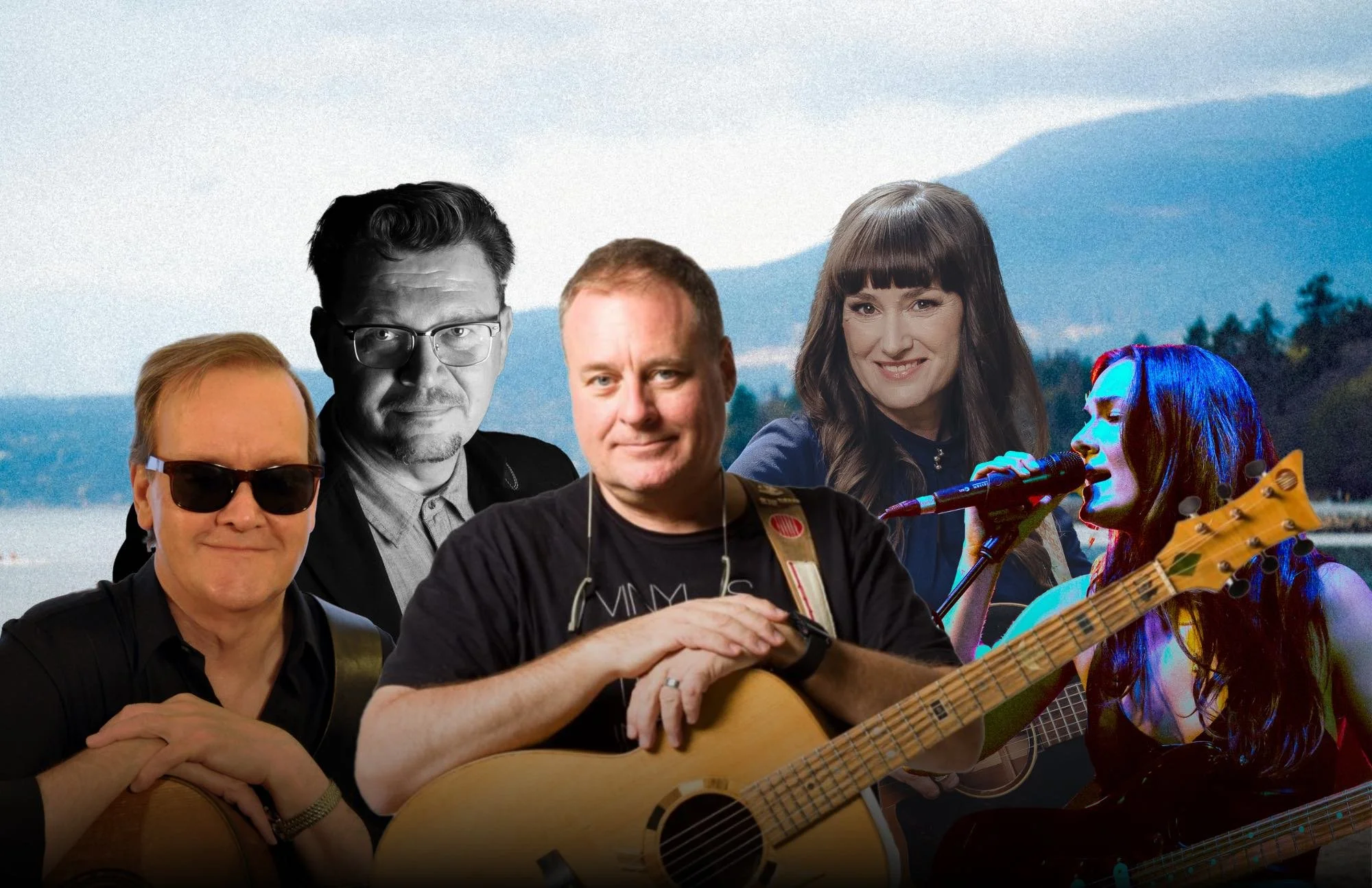
He was also a composer of undeniable brilliance, but even so, Harris’s interpretation of Lachrimae, at Christ Church Cathedral on August 4, will not be limited to Dowland’s works alone, or even to Dowland’s era. Backed by a truly remarkable cast of instrumentalists and the stellar singers Myriam Leblanc, Len Torrie, and Haitham Haidar, he’ll intersperse the seven Lachrimae pavans with works from Dowland’s contemporaries, Barbara Strozzi’s brief Baroque comic oratorio L’Astratto, and—in a considerable conceptual leap—songs from living composers Joni Mitchell and Charles Fox.
“If you do the seven pavans all together in a single sequence, you basically get about 35 minutes of slow, melancholy, depressed music in the key of A minor,” the affable lutenist explains. “I did perform them that way once, at the Smithsonian, and I was really nervous about it. I thought, ‘Oh my gosh, the audience is going to be suicidal by the intermission.’ And, funnily enough, they weren’t. I talked to a couple of people during the break and they said, ‘Actually, it was weirdly uplifting to listen to all that sad music in a row. There’s something kind of meditative about it.’
“So that’s one thing I was thinking about with this program: this kind of paradox about why listening to sad music doesn’t just make us sadder. It has the opposite effect; it seems to lift us up somehow. But I also didn’t want to program the seven pavans all in a row, so I came up with this idea of interspersing songs in between them. The seven songs that I picked are very diverse, in many ways, but what unites them is that they’re all asking questions about the nature of music.”
Franz Schubert’s “An die Musik”, for instance, celebrates music’s ability to transport the famously troubled composer to “a better world”, while William Croft’s “A Hymn on Divine Musick” contemplates this most mysterious of the arts, whether it be love or friendship or an earthly manifestation of heaven. And in the larger sense, Harris’s programming dovetails beautifully with the EMV festival as a whole. Curators Suzie LeBlanc and Alexander Weimann have built the 10-concert event around the theme of “The Power of Music”. Music, Weimann asserts in the festival’s promotional video, “attracts our attention, awakens our curiosity, and has all those powerful impacts on people,” to which LeBlanc responds: “It really has the power to translate things that words can’t say.”
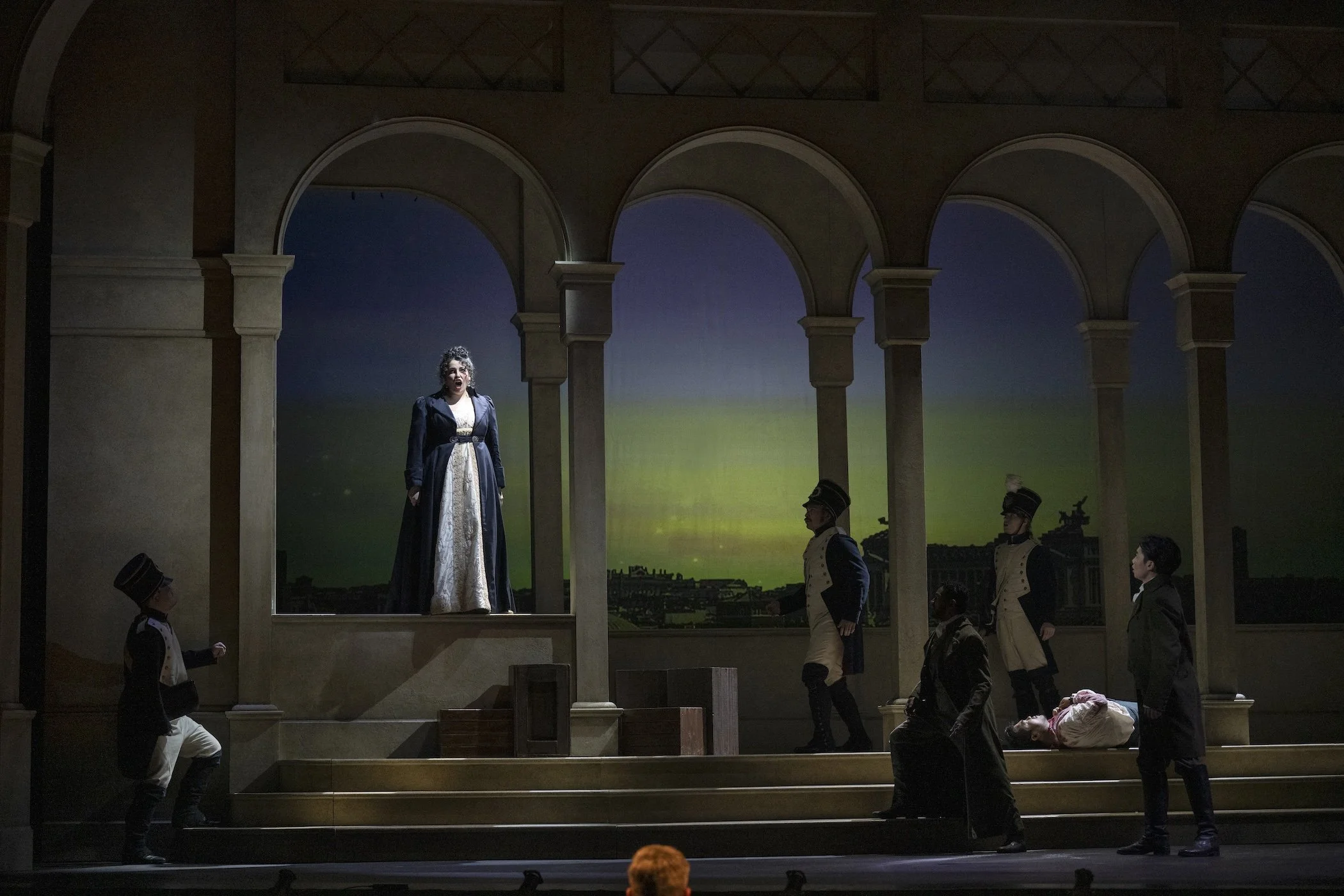
Music even has the power to bring the dead to life, or so Claudio Monteverdi claims in his opera Orfeo. Based on the ancient Greek myth of Orpheus, it finds the titular hero, bereaved after tragedy strikes his nuptials, going boldly into the ultimate darkness to revive his beloved—with only sweet music to keep him safe.
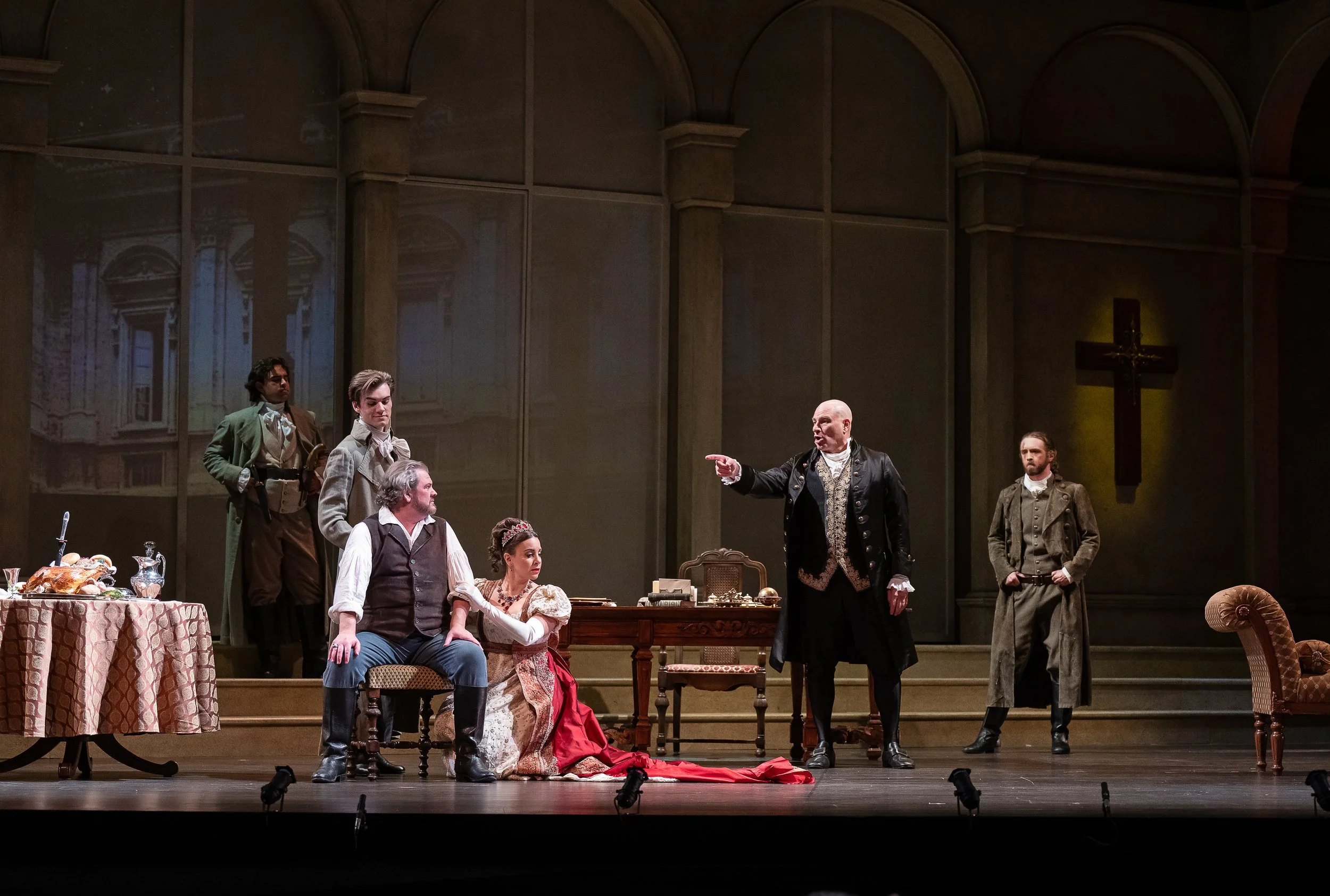
For Harris, performing in the production at the Chan Centre for the Performing Arts on July 31 and August 2—Orfeo is more than immortal music and an equally immortal legend: it’s also a very timely metaphor for our current age of anxiety and despair.
“People are yearning for something universal,” he says. “Our society is feeling more and more polarized and disjointed, and this theme of ‘the power of music’ is something that many people can get on board with. Everybody likes a different kind of music, but everybody likes music—or most people like music, anyway, and can get on board with the idea that music is incredibly powerful. And the story of Orpheus is just such a great story because it’s about very basic ideas: this young couple is madly in love and celebrating their wedding. and then this snake comes in the middle of it and bites the bride and she’s carried off into the underworld. And Orpheus is like, ‘No, I’m not accepting this. I’m going to do whatever it takes to get her back, even if I have to cross the River Styx and go into the underworld and drag her back with me.’ There’s something ancient and universal and wonderful about that, and maybe we’re in the mood to hear stories like that than stories of conflict and confusion.”
Even sad music can stoke courage, Harris adds, reaching deep into popular culture for an example of music’s therapeutic value.
“There’s this TV show called Shrinking,” he says. “It’s a sitcom about three psychologists who all work in the same building, and the one played by Harrison Ford has this technique where he says, ‘You can grieve really hard for 15 minutes a day.’ Basically, you put on headphones and listen to some unbelievably sad music and just cry your eyes out. And then after that you can continue on with your day.
“So I can see references to this idea all over the place—in old songs, in new songs, and in popular culture. But I really don’t know what the answer is. I just want to present how some different composers from different times have framed the question.” 

Related Articles