Canadian singer-songwriter Aysanabee is proud to be a role model for Indigenous youth
The Vancouver Folk Music Festival performer also tells us about his kick-ass band and the pressure he has put on himself as an award-winning recording artist
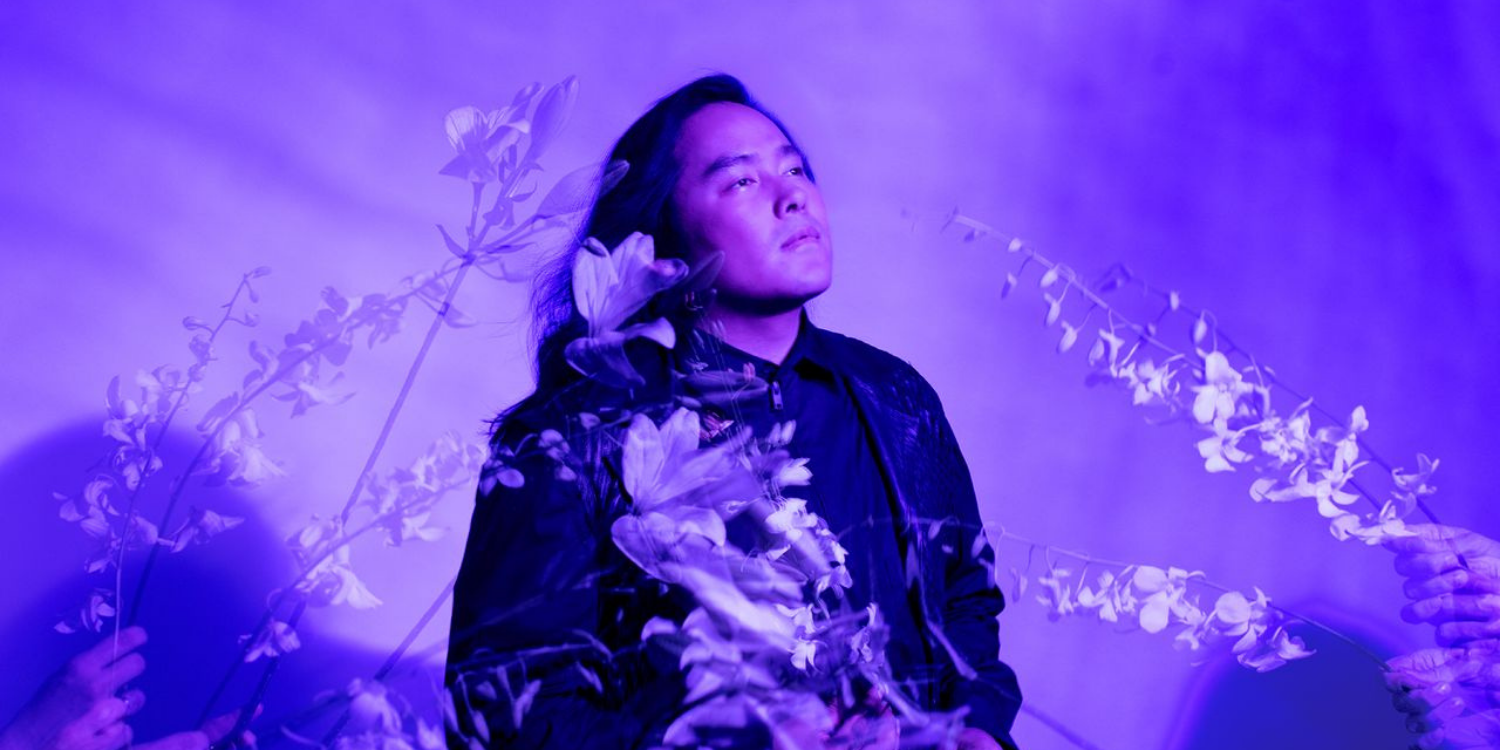
Aysanabee
Aysanabee performs on the Main Stage of the Vancouver Folk Music Festival at Jericho Beach Park on July 17, and on the fest’s South Stage on July 18
YOU CAN TAKE the boy out of journalism, but you can’t take the journalism out of the boy.
When Stir connects with Toronto-based singer-songwriter Aysanabee, he happens to be on vacation in Oakland, California. Back when he was still known as Evan Pang, the musician worked as a video and digital content creator and editor at Huffington Post Canada and CTV. He still has a reporter’s instincts, as evidenced by the fact that he starts his Stir interview with an impromptu review of the Rosalía concert at the Oakland Arena the night before.
“It was just absolutely mind-blowing. Such a wild production and performer,” he says of the show put on by the genre-bending Spanish singer whose music often blurs the boundaries between art-pop, classical, and Latin music. Highlights included a surprise guest appearance by Chappell Roan and the accompaniment of a full orchestra.
“I’m pretty sure she brings the same conductor, but I think a lot of the players will be local to the philharmonics of the city,” Aysanabee says. “It’s a big production, and it’s always kind of cool to see what’s possible when you have money.”
He says this last part with a hearty laugh. Aysanabee might not have Rosalía’s deep pockets, but in Canadian indie terms, he’s not doing badly at all. A member of the Oji-Cree Sandy Lake First Nation who grew up in Northwestern Ontario, Aysanabee released his first album, Watin, to widespread acclaim in 2022. Featuring songs inspired by the artist’s grandfather and his memories of working traplines and being sent to a residential school, Watin was hailed for its incisive lyrics and widescreen rock sound.
The record earned Aysanabee his first Juno Award nomination and made the shortlist for the 2023 Polaris Prize. An EP, Here and Now, followed in 2024, for which Aysanabee picked up Junos for alternative album of the year and songwriter of the year. Aysanabee’s most recent full-length, Edge of the Earth, netted still more Junos (for alternative album again, and also contemporary Indigenous artist of the year) and the Canadian Folk Music Award for Indigenous songwriter of the year.
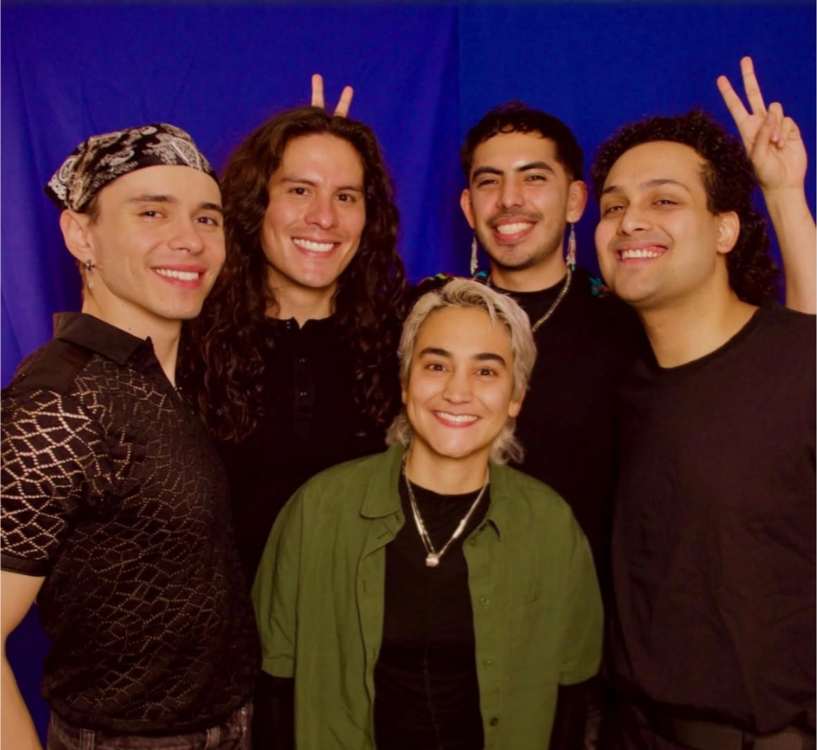
While none of that has yet translated into the kind of touring budget that Rosalía has, it does allow Aysanabee to work with a pretty kick-ass band. He’ll be bringing that ensemble with him when he performs at the Vancouver Folk Music Festival, and local fans should consider themselves lucky for that.
“This is the only full-band show that I’m bringing this year,” Aysanabee says. “And I’m super excited, because the players I play with are friends of mine, but they’re all really, really talented. They’re all school-of-music alumni, which is always so fun for me. I’m self-taught, so I’m a bit of a caveman sometimes, I feel like, when I’m trying to explain parts of the songs. I don’t know the lingo.”
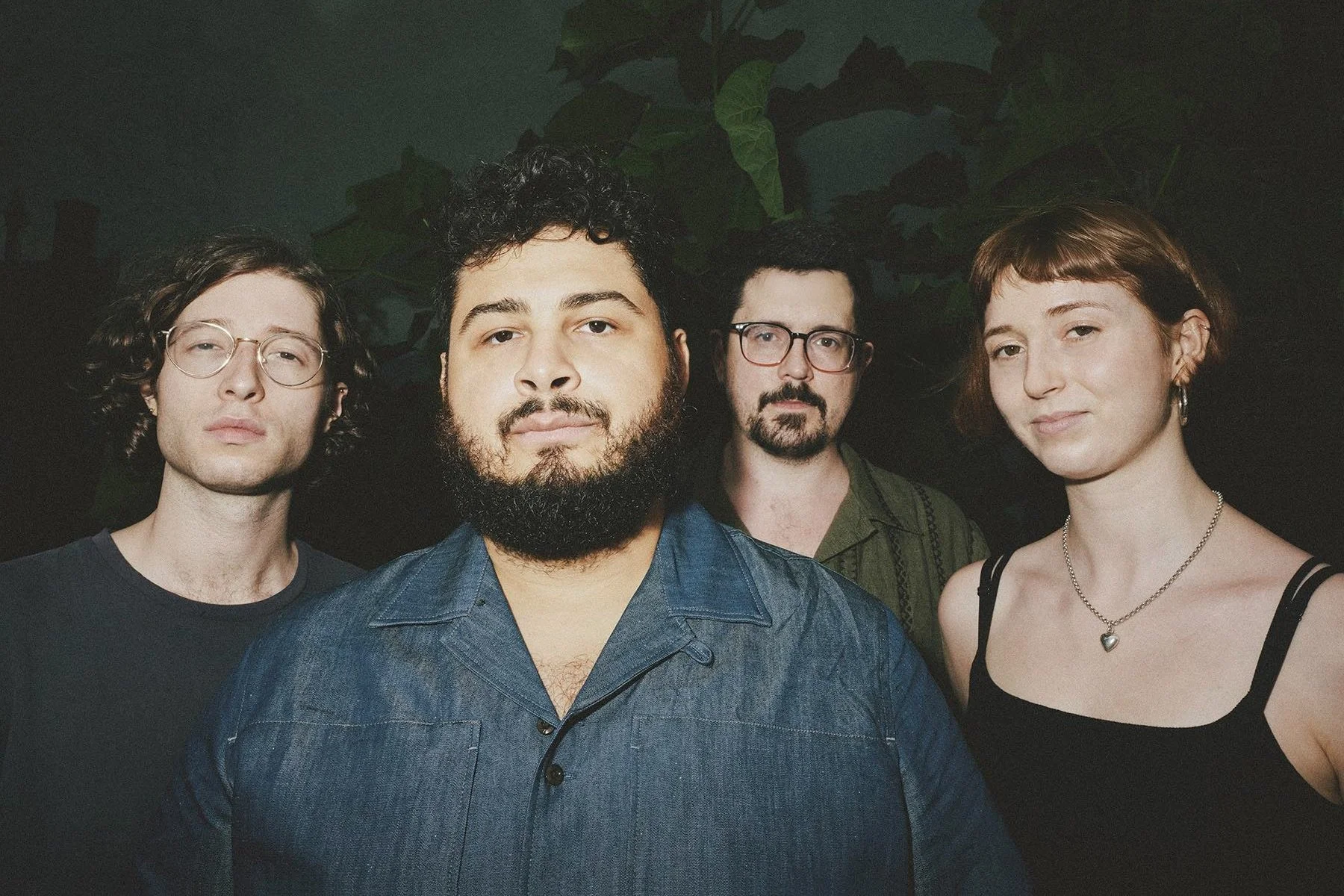
In addition to Aysanabee himself on lead vocals and guitar, the band features backing vocalist Kyla Charter, keyboardist-singer Konstantine Aivaliotis, guitarist Adam Hanney, and drummer Miles Gibbons.
“They’re just incredible session musicians,” Aysanabee says. “They play with a lot of people. They’ve all done arena tours and are world-class musicians, so I’m really excited to play with them, and we’ve kind of rebuilt different parts of the songs too, just to kind of showcase their skill level. I love watching musicians get to do what they do, you know?”
For his remaining festival dates this summer, Aysanabee will be flying solo. Don’t expect to see him onstage much after that; he’s got an album to write and record, and he has no intention of rushing the process.
“In 2023, when I won those first two Junos, there was this immense pressure I put on myself to put something out immediately and kind of keep the momentum going,” he admits. “But this year it’s like, I’m no longer ‘emerging’ anymore. I feel like I’m a medium-level emerged artist. I just really want to take my time and put the work into a record I’m super proud of.”
One might argue that he ought to feel that way about everything he’s released to date, including this year’s Timelines, an EP featuring acoustic versions of some of his best-known songs, including the hit single “Nomads”. He’s certainly making a deep impression on listeners; Aysanabee recalls one young fan who waited in line to meet him after a show in St. Catharines, Ontario.
“He was a little timid, a little shy,” the singer says. “He eventually came up and it took him a few seconds; he was trying to word himself the way he wanted to. He’s like, ‘I bought this new record of yours and I’m excited to listen to the vinyl version of it. I just wanted to say thank you for what you do, and seeing what you do has made me comfortable in my own skin.’ It was this young Indigenous man. And I was just like, ‘Wow.’ It’s a special kind of perspective you get, for sure. The song that I wrote in my tiny Toronto apartment with no idea how it might enter the world and impact a person—whether it’s being someone’s soundtrack while they’re going for a walk or driving, to this young gentleman who has found comfort in his own skin. It’s a beautiful and privileged thing that I got to hear.”
As a highly visible First Nations artist who has made major inroads into the mainstream music industry, Aysanabee acknowledges that he is a role model for Indigenous youth. It’s not a responsibility he takes lightly.
“I definitely think about that in the work that I do—you know, the way I present myself in different spaces. That definitely floats to the top of mind. I kind of carry that pretty high in my thoughts, of maybe inspiring people to take up music or to see what’s possible; to see themselves in these spaces. It’s wild, because growing up, I never would have thought that I would be considered a role model, so it’s really something I cherish and appreciate.” 

Related Articles