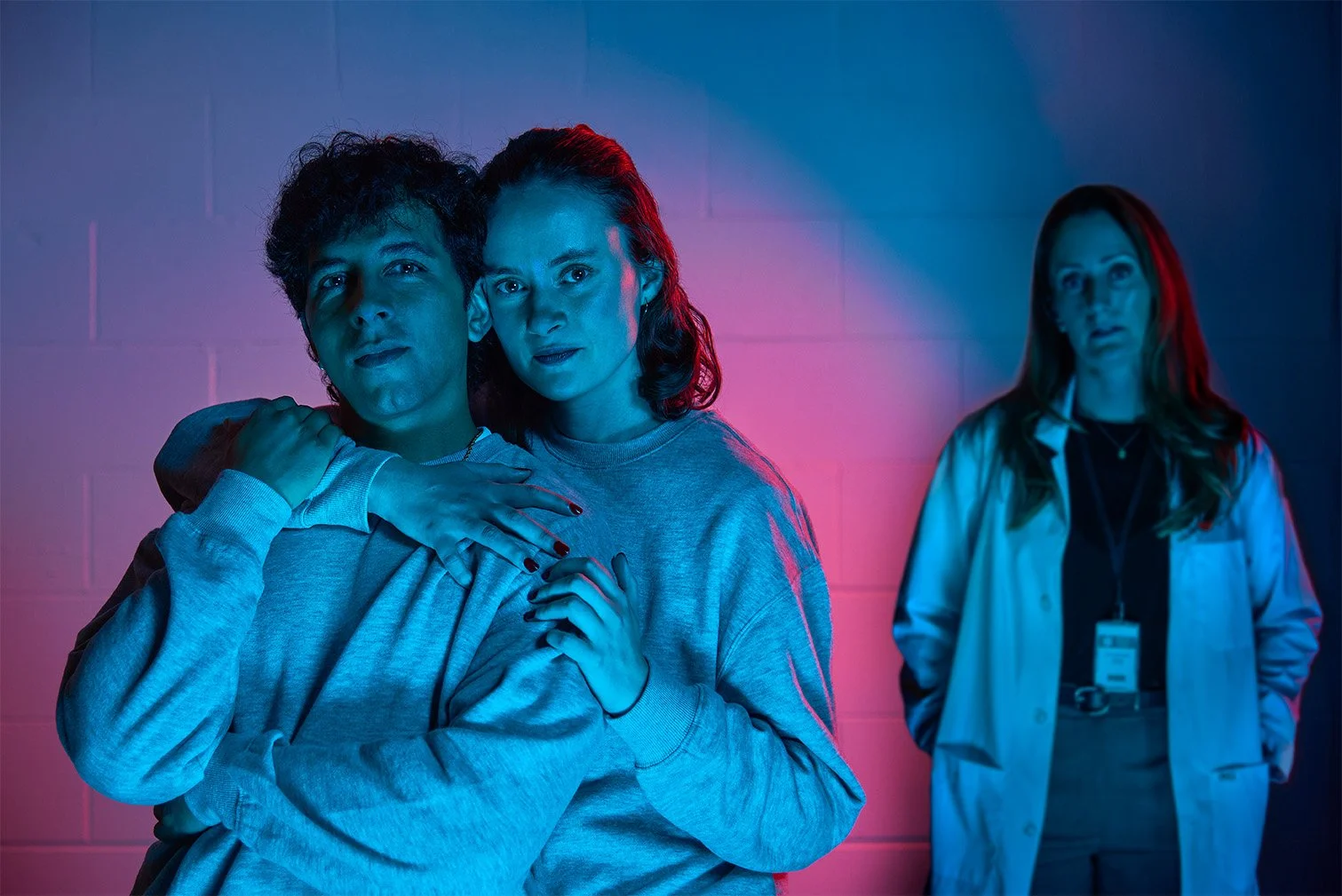
Theatre review: Pyper retells folk tales to explore our relationship with AI and algorithms
Cyborg teenagers struggle with the same fears about technology that their human counterparts do in this visually spare, idea-charged production by UBC Theatre
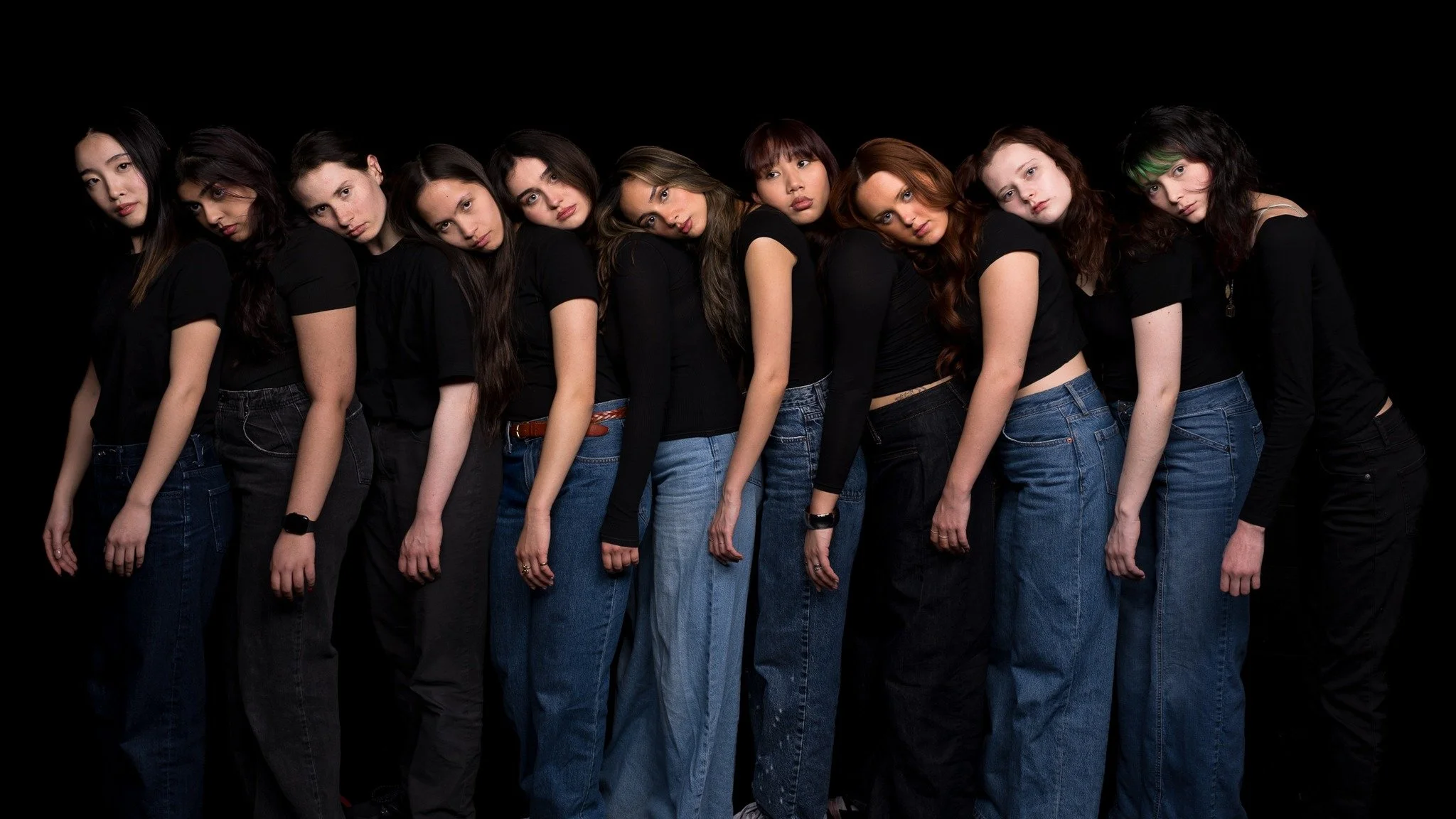
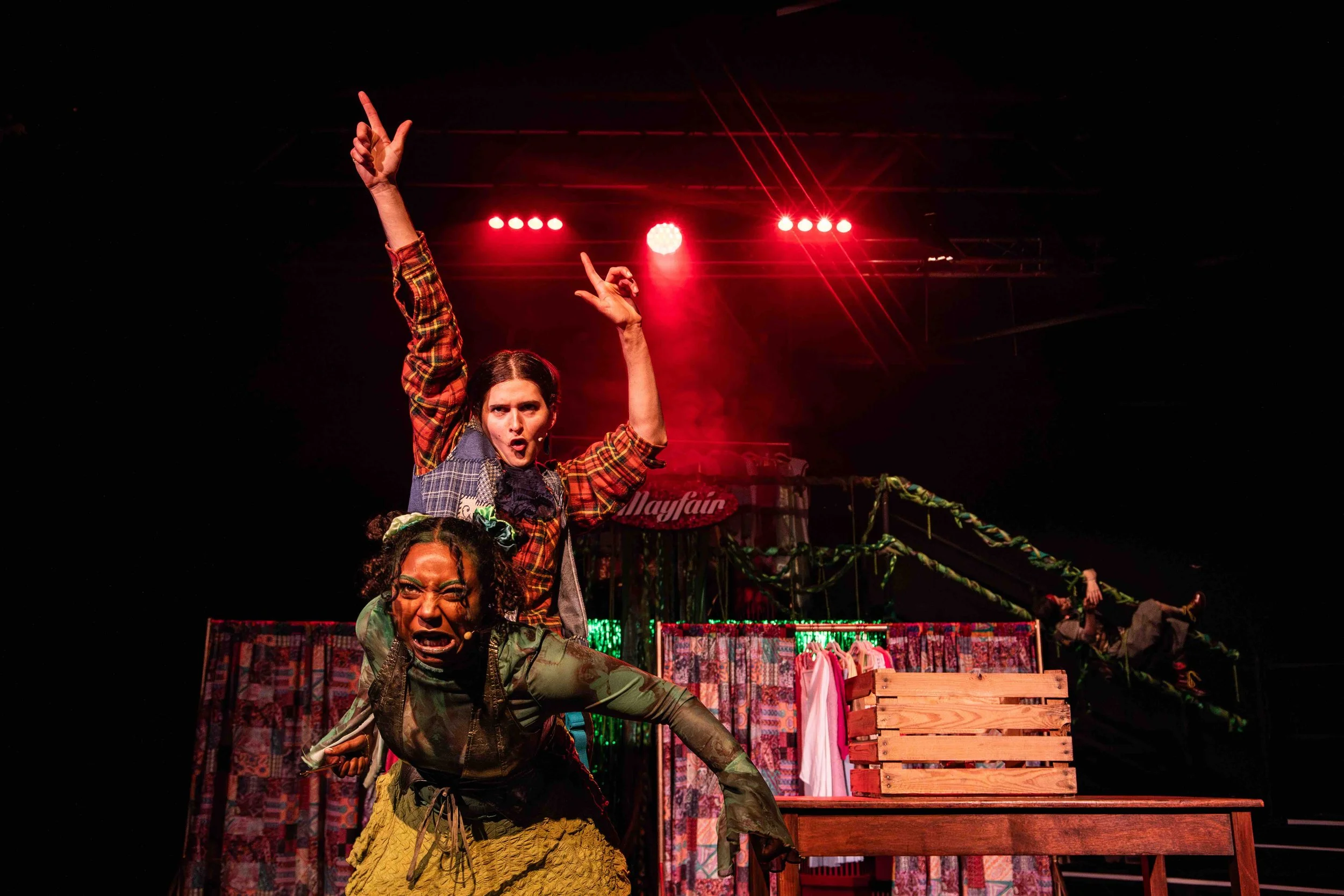
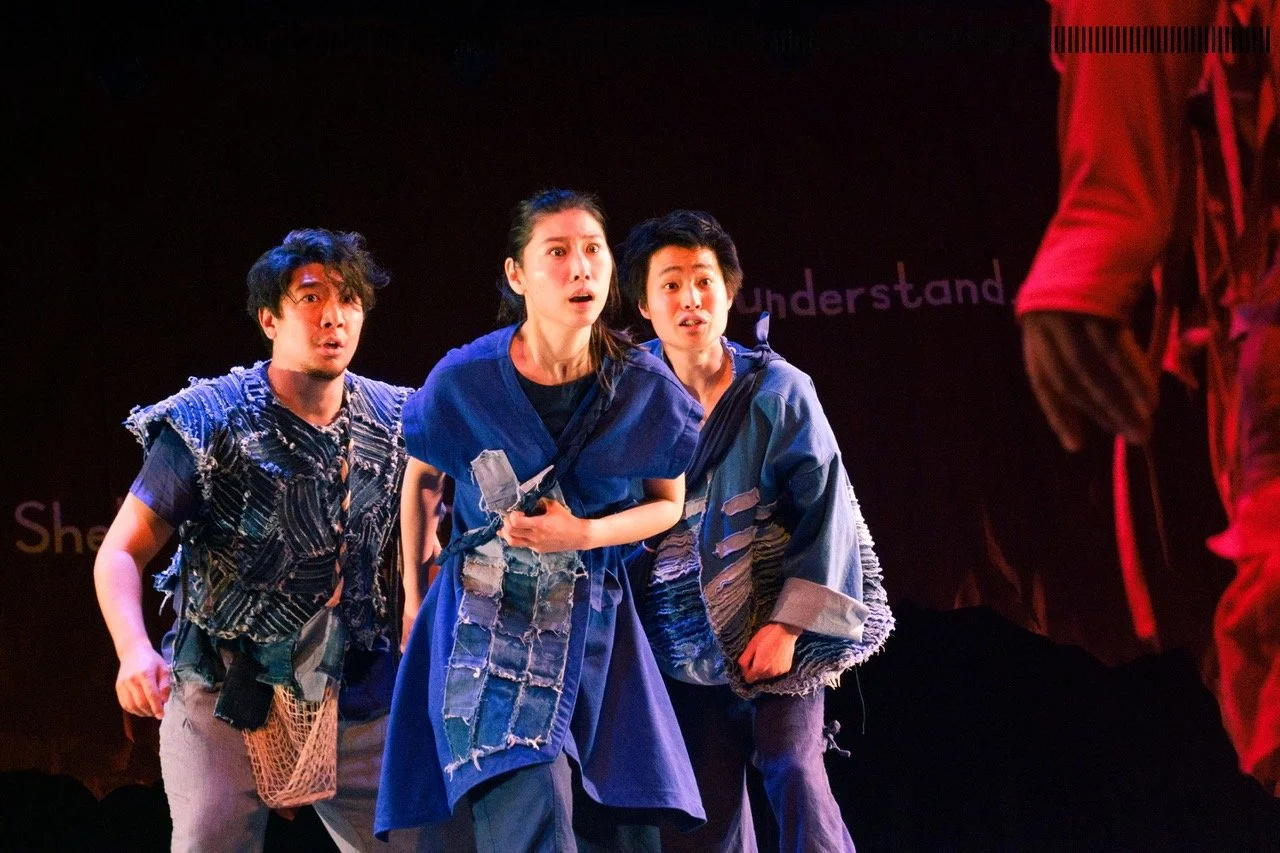
The cast of Pyper.
The UBC Department of Theatre and Film presents Pyper at the Frederic Wood Theatre to March 28
WHAT IF I NEVER live up to my potential? What if I’m not good enough? What if I’m a waste of resources?
If you’ve been a teen—and we all have to be, at some point in our lives—chances are you’ve held anxieties like these. Apparently, this is true for cyborg teenagers too.
As the final installment of the UBC Department of Theatre and Film’s 2025–26 season themed “Unplug and Connect”, Pyper follows ten “Real Kids”: a group of cyborg-AI teenagers who are hoping to build a time capsule before they graduate. A time capsule to prove they existed.
They wonder about what to fill the capsule with: The world? A moment? A feeling? As they ponder, they tell stories. Folk stories, stories about humans, and stories about themselves, until the tales begin to weave together so tightly the audience isn’t able to tell where one ends and another begins.
Concepts of empathy, queer identity, what it means to be a teenager, fears and hopes about what it means to be an adult, and how to deal with parents are mixed with musings on social media engagement, followers, the things we subscribe to, and having the world’s knowledge available at all times.
There are points in the piece, unfortunately, where Susanna Fournier’s script feels a bit confusing and bloated, overwrought with conflicting ideas. And while one could make the argument that that’s the point of Pyper, to share many differing high-level ponderings about technology and our relationship with it, the fact is the speed at which each new concept is brought up doesn’t leave the audience much room to sit with it. Which is unfortunate, as the piece, I believe, is meant to be about connection.
The best moments are when actors have the opportunity to slow down, speak directly to the audience, and find their own ways to interact with the humans in front of them. Standouts in this regard include Asa O’Connor-Jaeckel, Rachele Rutherford, and Biidaasige J. Zappia.
Scenic designer Sonia Nosrati and the rest of the design team should be commended for their inventive inclusion of over a hundred balloons, in all the colours of the rainbow, to drop down on the players at the top of the production and be used throughout the run of the show; they make for a very engaging piece of the set. Likewise, the decision to leave the stage bare-bones—with the exception of a set of risers and ten hanging microphones for the actors to grab and pull around the stage—is a clever one. This simplicity is very effective and lends itself well to the storytelling nature of the show. Instead of needing to change backdrops between scenes, the players need only mark up the balloons with Sharpie, raise them up to cover their faces, and throw them off the stage to take us from tale to tale.
Scene changes are also marked by impressive sound design by Emma Hamilton, Sylena Wong, and Hana Yoneyama, who have also chosen the less-is-more route, leaving most scenes in complete silence until the blinking chime of a system update, the whirring of traffic and crowds, or static and dial-up internet tones are needed.
In the age of the rise of AI, it’s valuable for us to contemplate our relationship with technology and how it impacts our social lives, our art, and our teenagers. In its university premiere, Pyper explores all of this and more. 

Related Articles