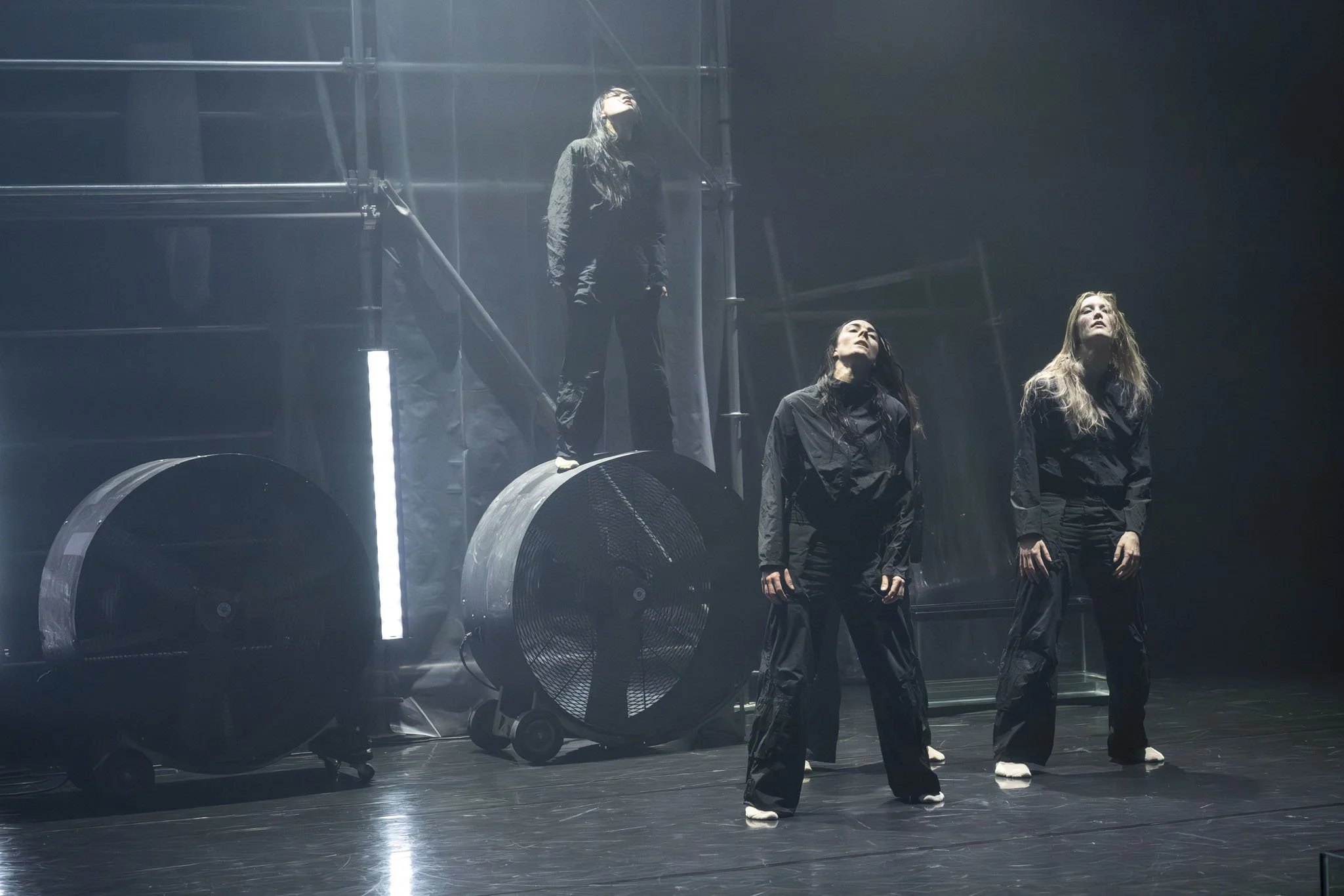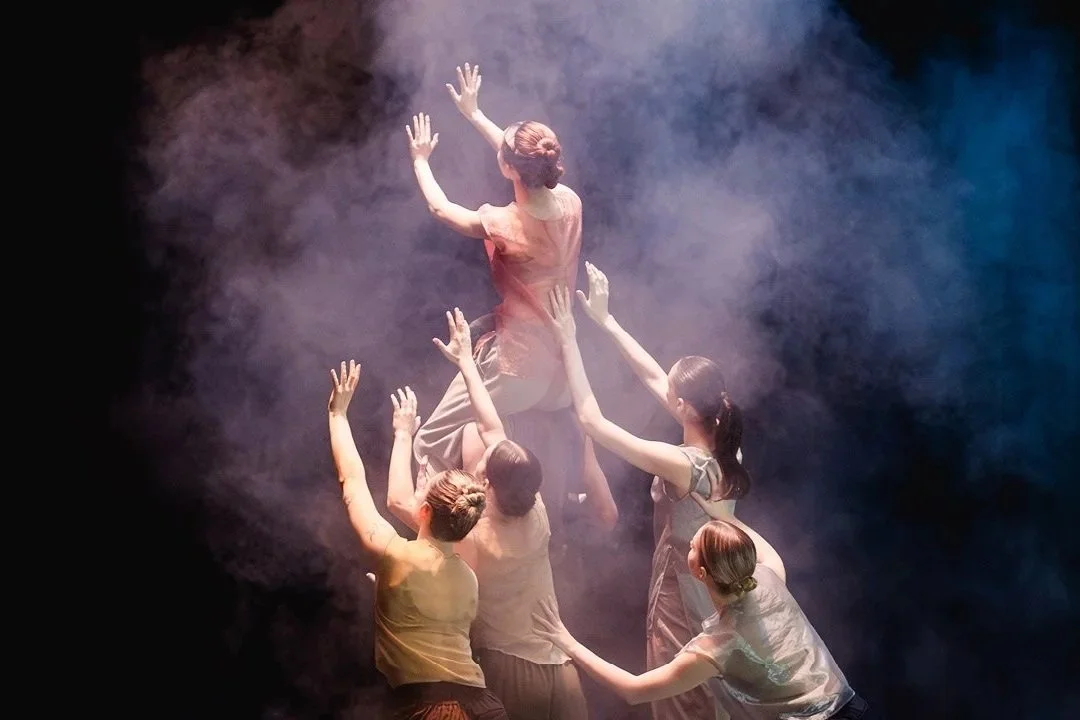
At Arts Umbrella’s Memento Mori, every moment on stage is a lifetime
Featuring works by Crystal Pite, Marcos Morau, Sharon Eyal, and more, the season finale is a celebration of presence, community, and the beauty of fleeting time
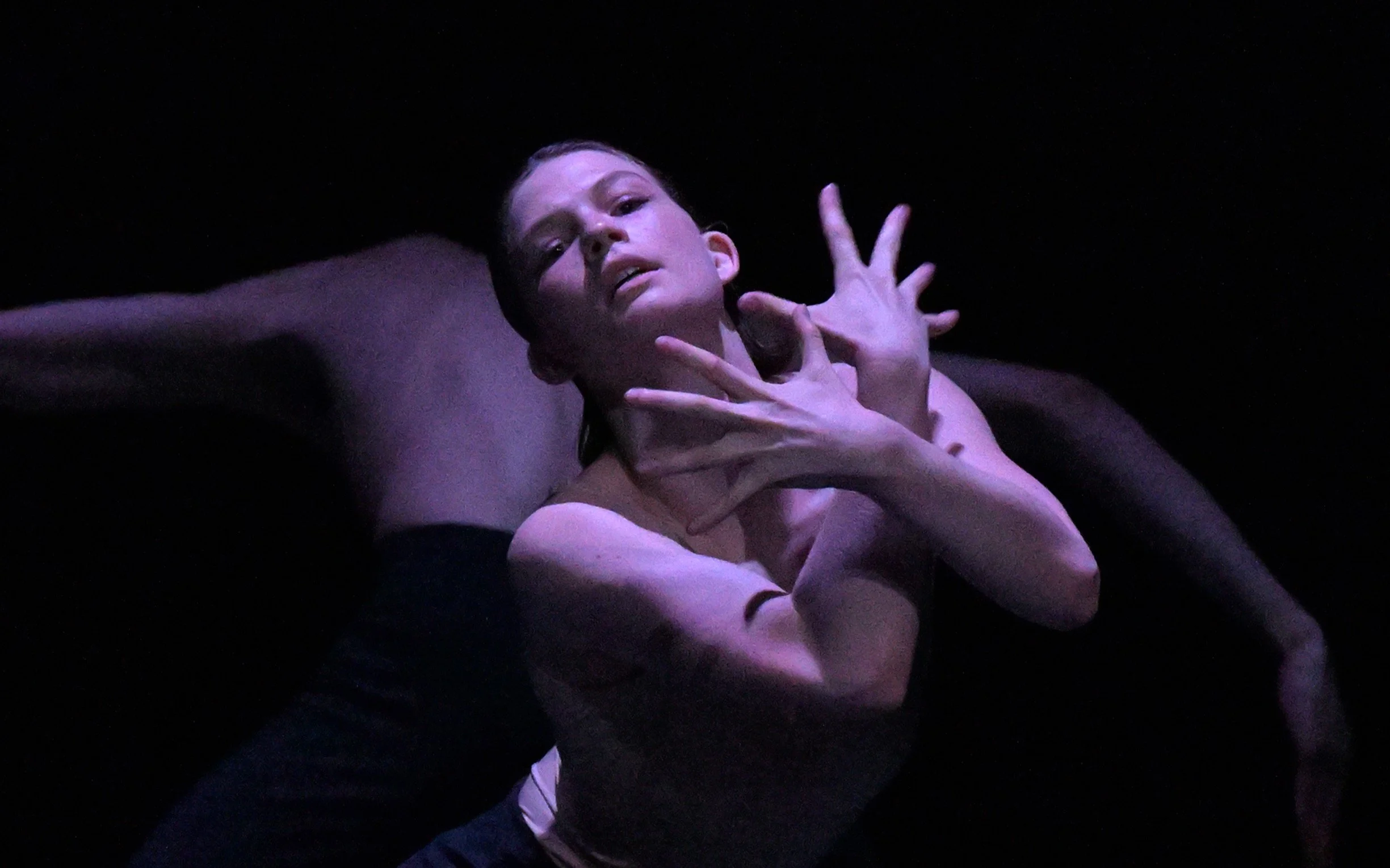
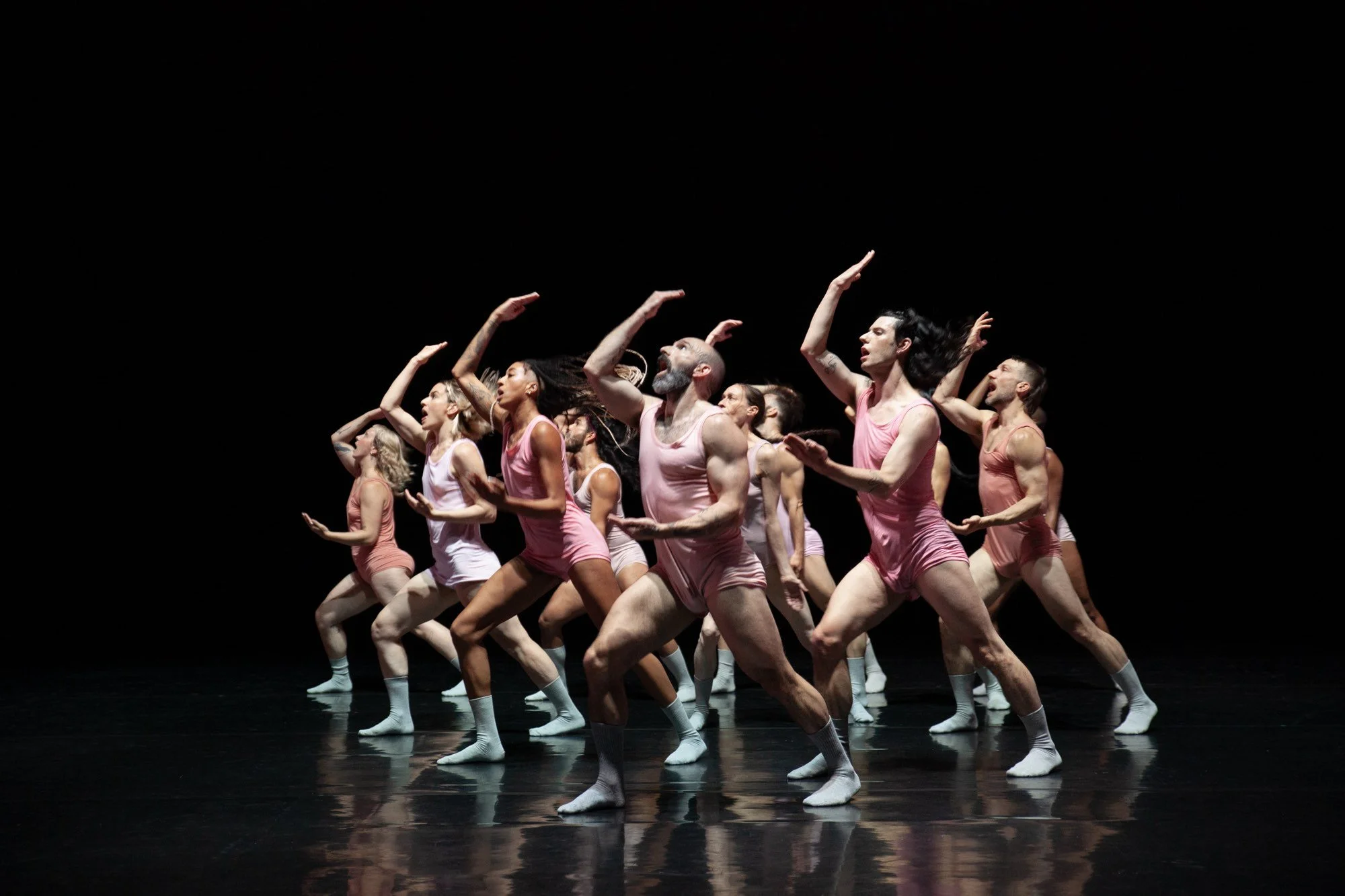
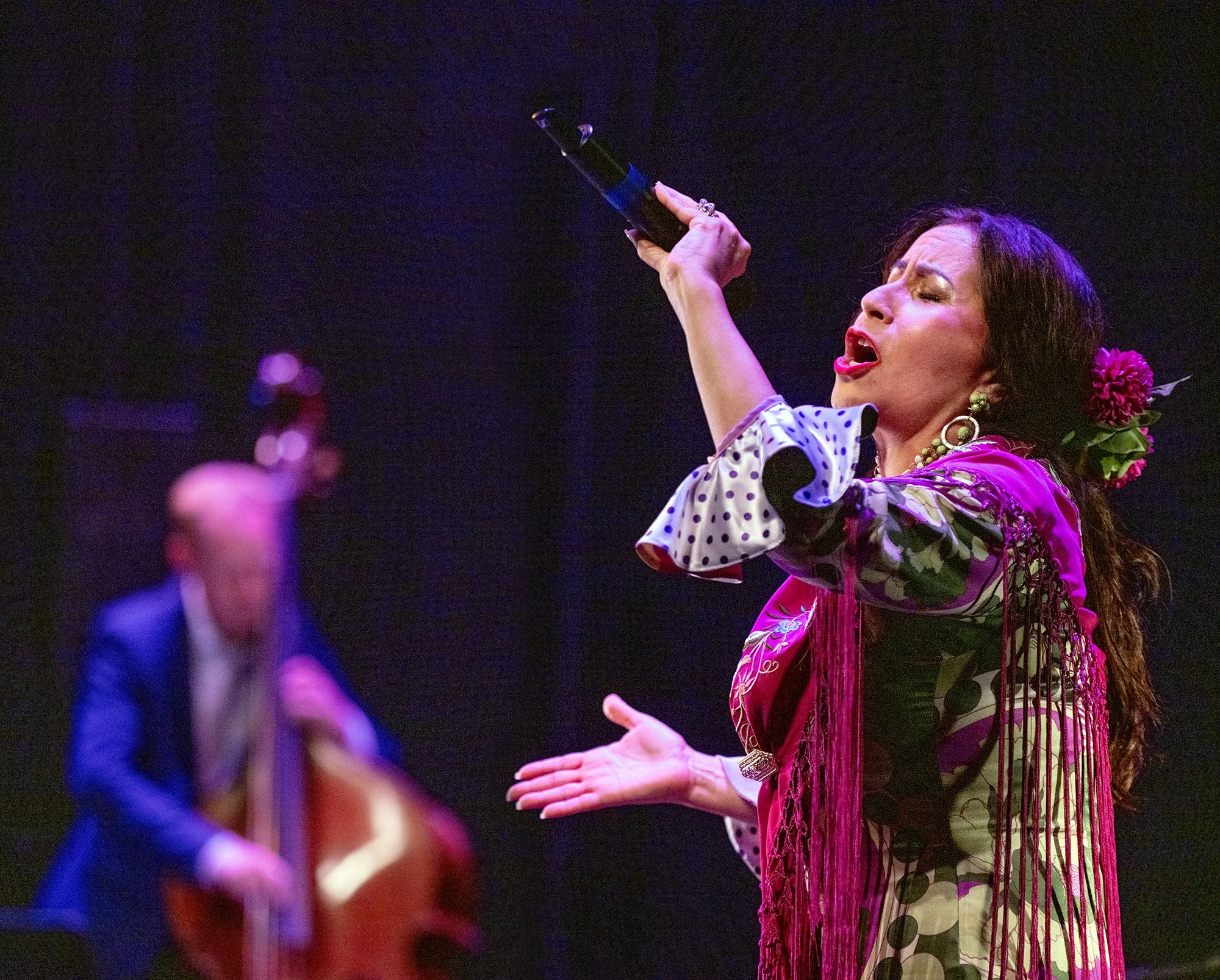
AMILLYA, from Memento Mori season finale. Photo by Michael Slobodian
The Arts Umbrella Dance Company presents Memento Mori: A Season Finale Performance from May 21 to 23 at the Vancouver Playhouse
THE LATIN PHRASE memento mori (literally translating to “remember you must die”) may appear to be a sombre reminder of mortality. But for Arts Umbrella Dance Company’s artistic director Artemis Gordon, it’s less a meditation on death than an invitation to be radically alive—a fitting title for the program’s season finale.
“I really wanted to capture the idea of time being so dependent on what we’re doing,” she tells Stir, interviewed at the organization’s Granville Island rehearsal studios, surrounded by the heavy breathing and bright-eyed gazes of dance students. “Being on an exercise bike for five minutes is an eternity, but doing what you love, you can do it for hours and it makes no difference. We’re working to slow down time, and when we’re on stage, that moment is a lifetime we remember forever.”
Showcasing the diverse talents of pre-professional dancers in the Post-Secondary Program, Memento Mori: A Season Finale Performance is a reflection of life’s beauty deriving from its ephemerality. The show features the works of more than 15 renowned choreographers from across the globe, among them Crystal Pite, Marcos Morau, Sharon Eyal, Ella Rothschild, and James Kudelka.
For the graduating third years—many of whom already have contracts in hand with companies like Nederlands Dans Theater, Charlotte Ballet, and Ballet BC—it is not only a farewell, but the start of a new beginning. Which makes the connection onstage all the more resonant.
“A lot of these pieces, it’s about what we do together,” says second-year artist and creator Sophia Springer-Iannantuoni from Chicago. “In Emergence by Crystal Pite, we’re in this final push to be together in this other world. The same with [Morau’s] Folkå, it’s all rooted in tradition and cultures of the world, and we’re all together.” Springer-Iannantuoni, one of several international students the program attracts, is also set to join Nederlands Dans Theater in the 2026-27 season.
Fellow second-year dancers Quinn Isert and Quinn Wyland wholeheartedly agree. Isert puts it simply: “There’s such a gorgeous sense of community and togetherness in the show and having so many dancers on stage brings so much power in performance.”
To achieve the level of coordination and skills required of the program, students are in the studio six days a week from 8:30 am to 6 pm learning, rehearsing, and conditioning. Many even choose to stay late into the evening to practise their own choreographies.
“This is a career,” Gordon stresses. “It’s now or never, and this is the window of our lives to define who we are in the world and how we want to make our mark.”
That dedication shows in both the calibre of the works and the demands it places on the dancers. Stamina, technique, theatricality, musicality—the list goes on. Gordon affirms that every piece is meant to challenge the dancers beyond their current abilities, pushing them to appeal to the audience emotionally and physically.
For the dancers themselves, the struggle is part of the appeal. “These pieces are so physically demanding that there is almost a surrender to accepting the state that you’re in and accepting the experience of that moment,” Isert says.
“There’s something self-sacrificial about it, where you have to really give everything,” Wyland adds, pointing to Morau’s Folkå—an exploration of community and ritual—as one of the most challenging choreographies he’s had to learn. “There is just this physicality that you have to really step into in order to perform it.”
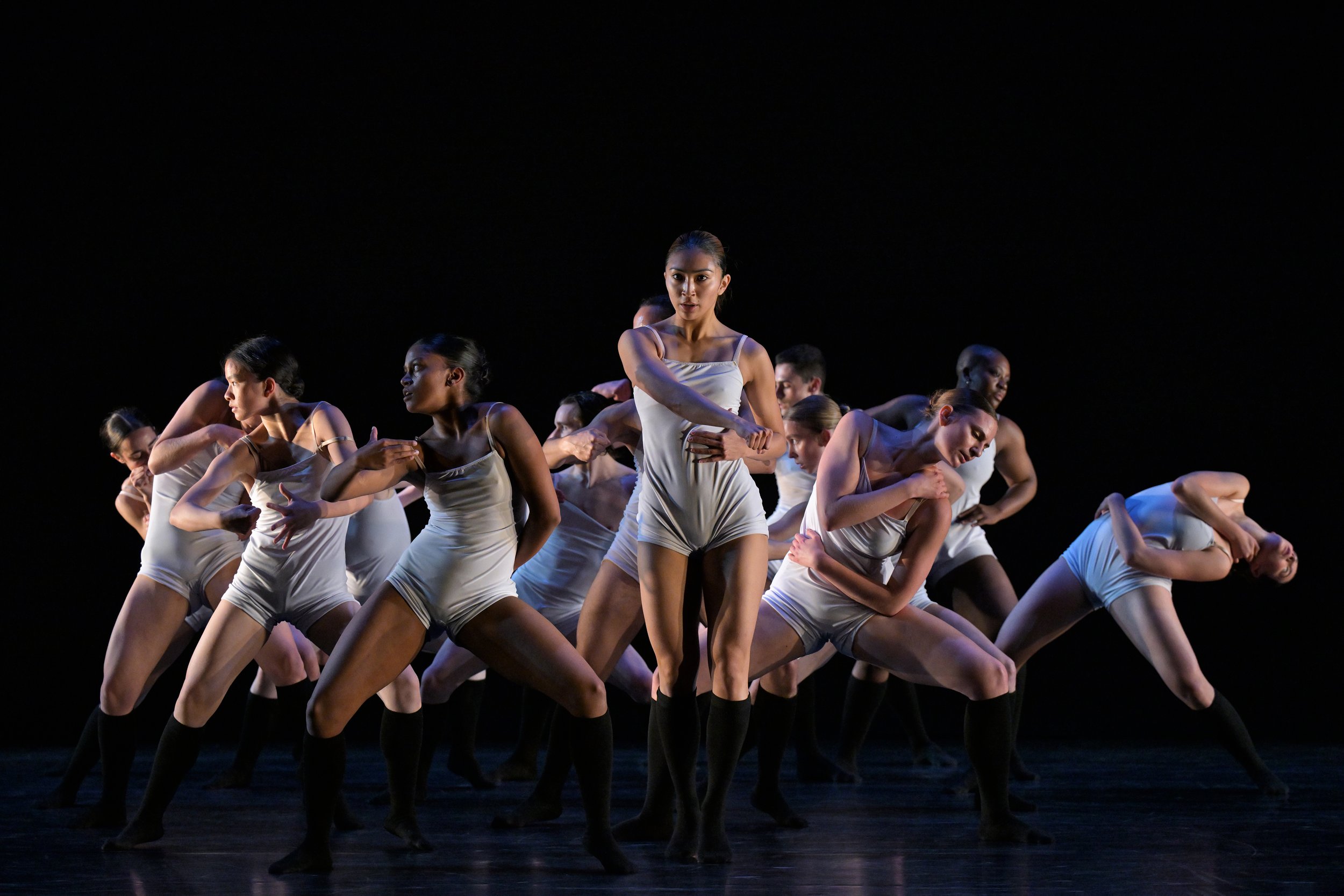
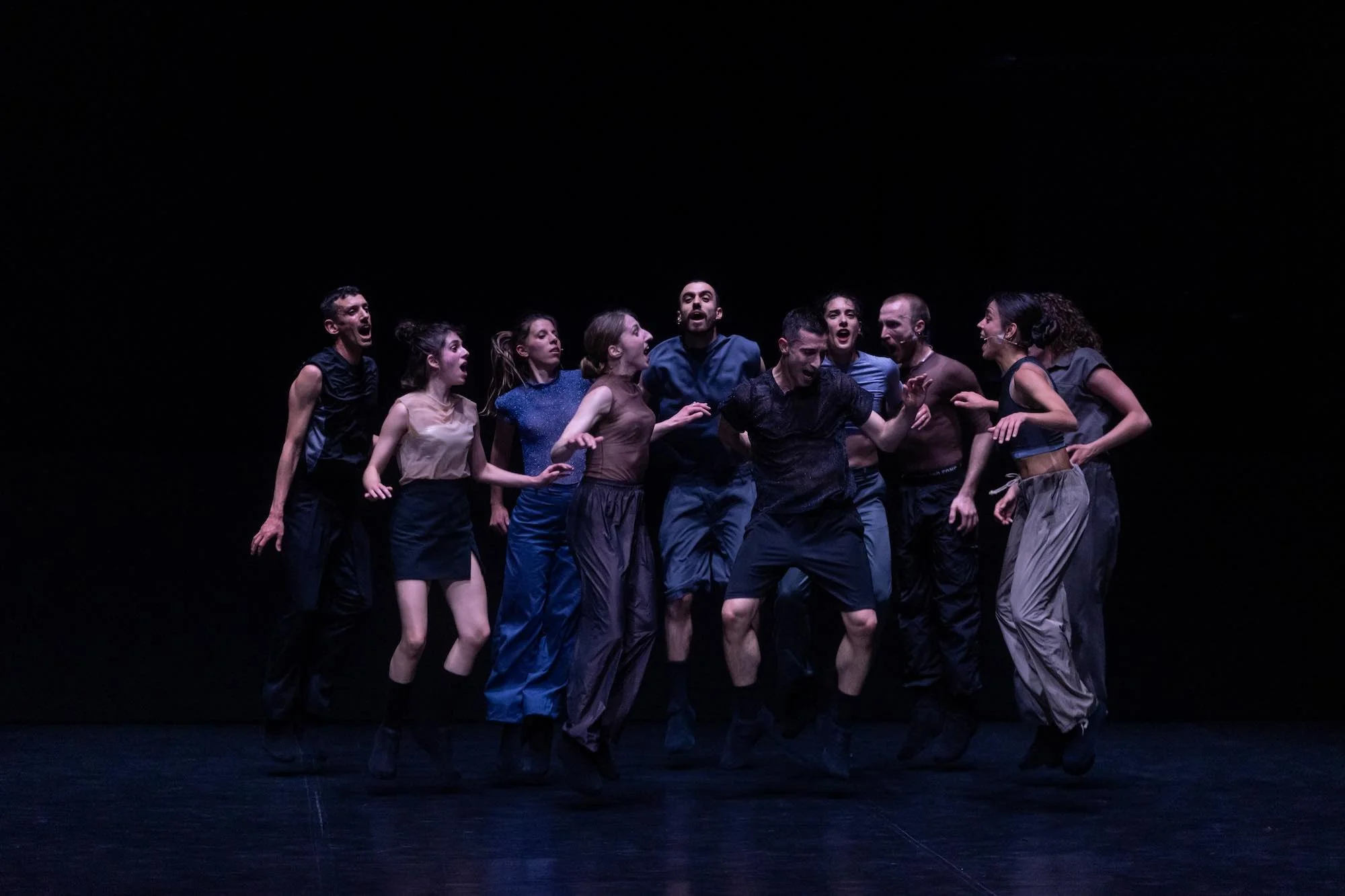
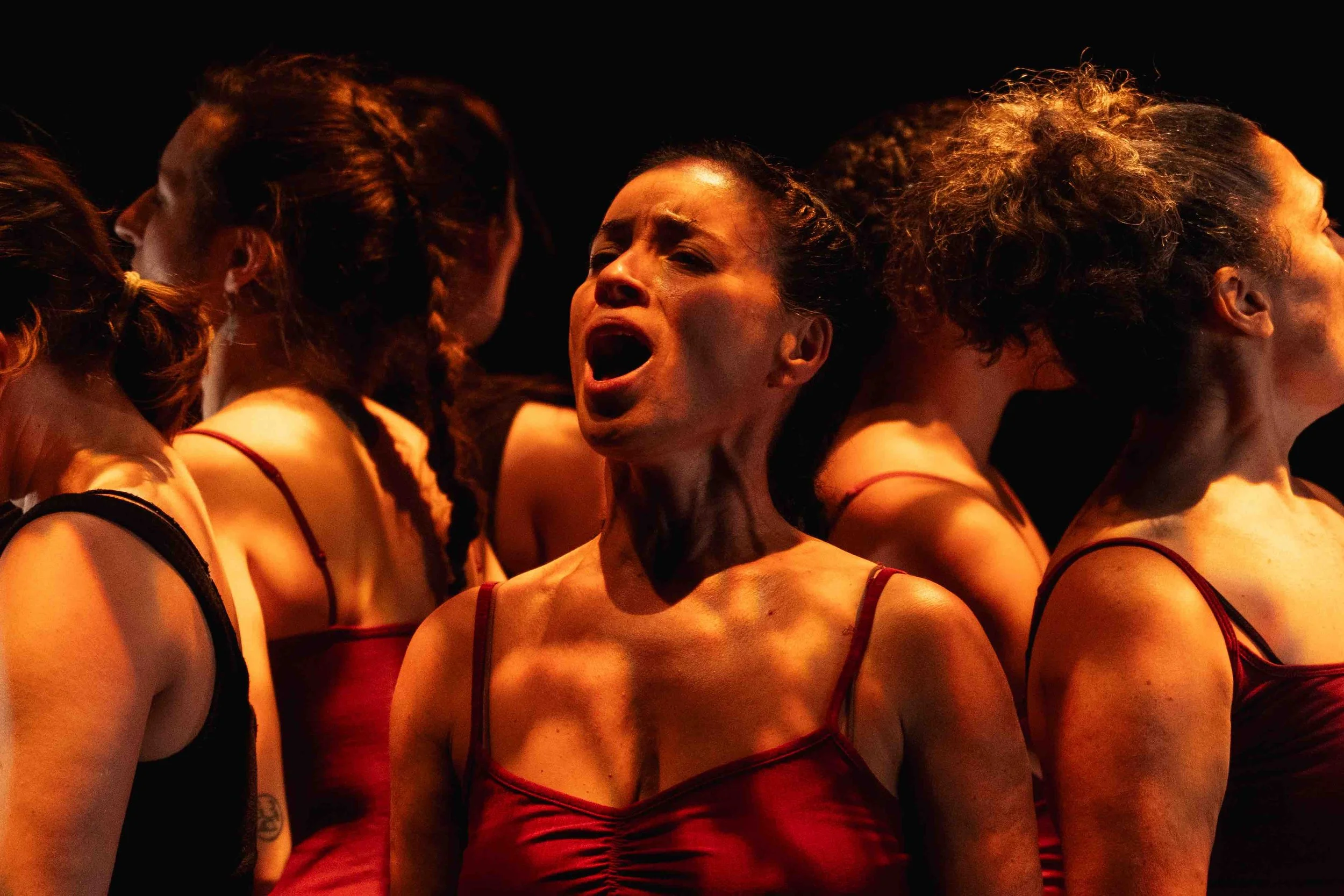
Memento Mori season finale. Photo by Michael Slobodian
Among the highlights of the show, Emergence and Folkå are mentioned time and again. The excerpt from Pite’s iconic Emergence brings all three years of the program onstage: 36 dancers moving as one. Gordon describes the piece as “phenomenal” and sure to “blow your mind.” And for Isert, what he personally finds mind-blowing is how Pite makes the work’s sheer scale feel focused: “It’s so big and so hypnotizing, but there are no moments of unclarity. Everything is so meticulously placed that it makes sense.”
When Gordon first encountered Folkå, originally created for Nederlands Dans Theater, she was struck by how Morau draws on different customs and traditions, tapping into the way people communicate and collaborate. Inside the Arts Umbrella rehearsal studio, dancers chant in unison, pushing and pulling against one another, their collective movement shaking the floor.
For Gordon, the piece’s defining moment comes when the full cast converges: “It’s when they all come in the two lines and start working in unison. For me, that’s what I love—when all of us together can decide this is where we’re going as a community.”
It’s a sentiment that extends beyond the single piece and to the program itself, which has spent decades sending dancers out into the world, together in spirit if not in place.
Springer-Iannantuoni, preparing for her own departure after the final bow, captures the spirit of finale season: “We’re all together, so why not be in the moment and live your life while it’s going?”
That, Gordon might say, is exactly the point. Memento mori. It passes, and it’s gone.

Related Articles