In Enemy Lines, Mayumi Lashbrook unearths a history she was never told
At the Firehall Arts Centre, the Toronto-based choreographer reckons with the forced displacement of Japanese Canadians and the cycles of fear-based thinking that still echo today
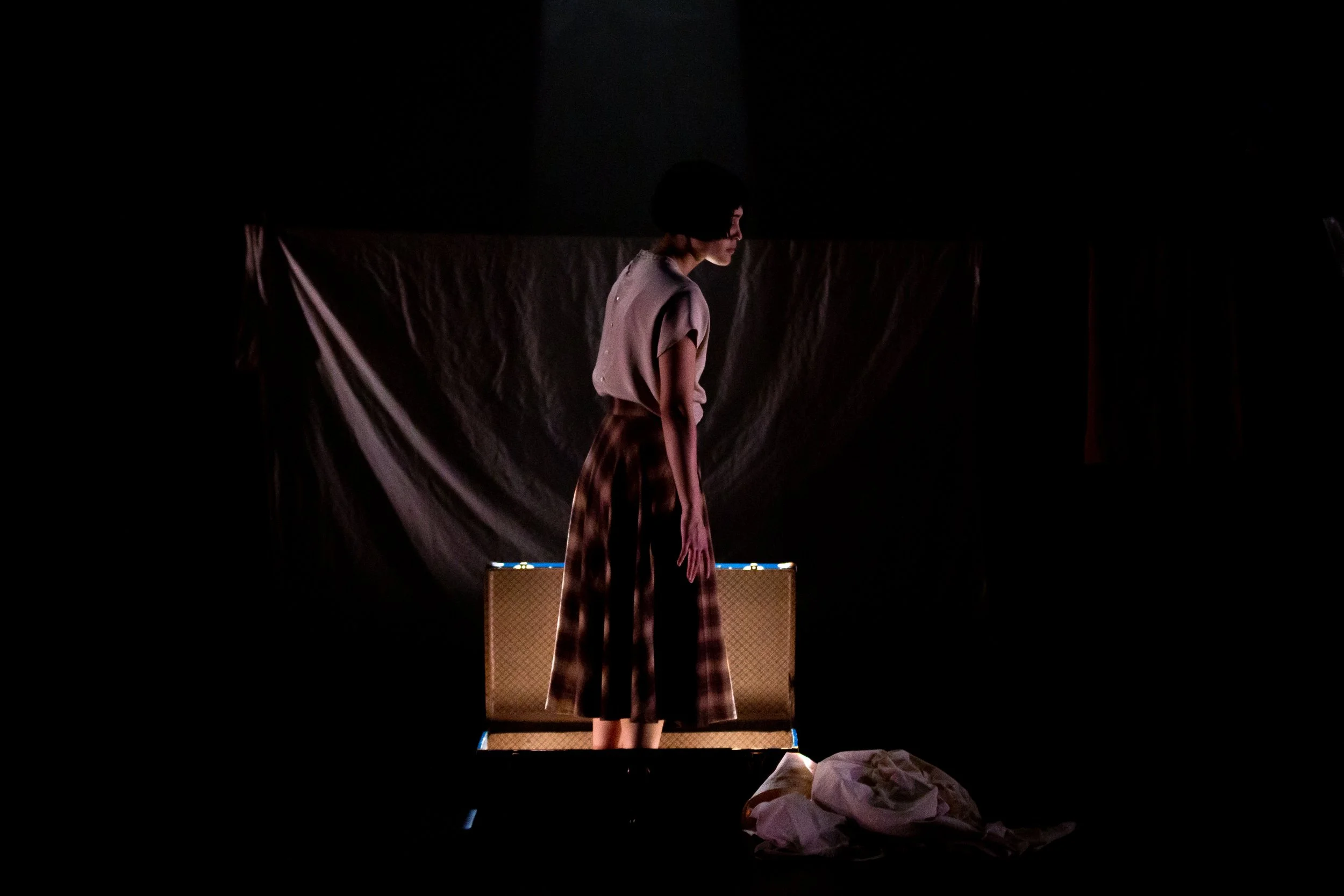
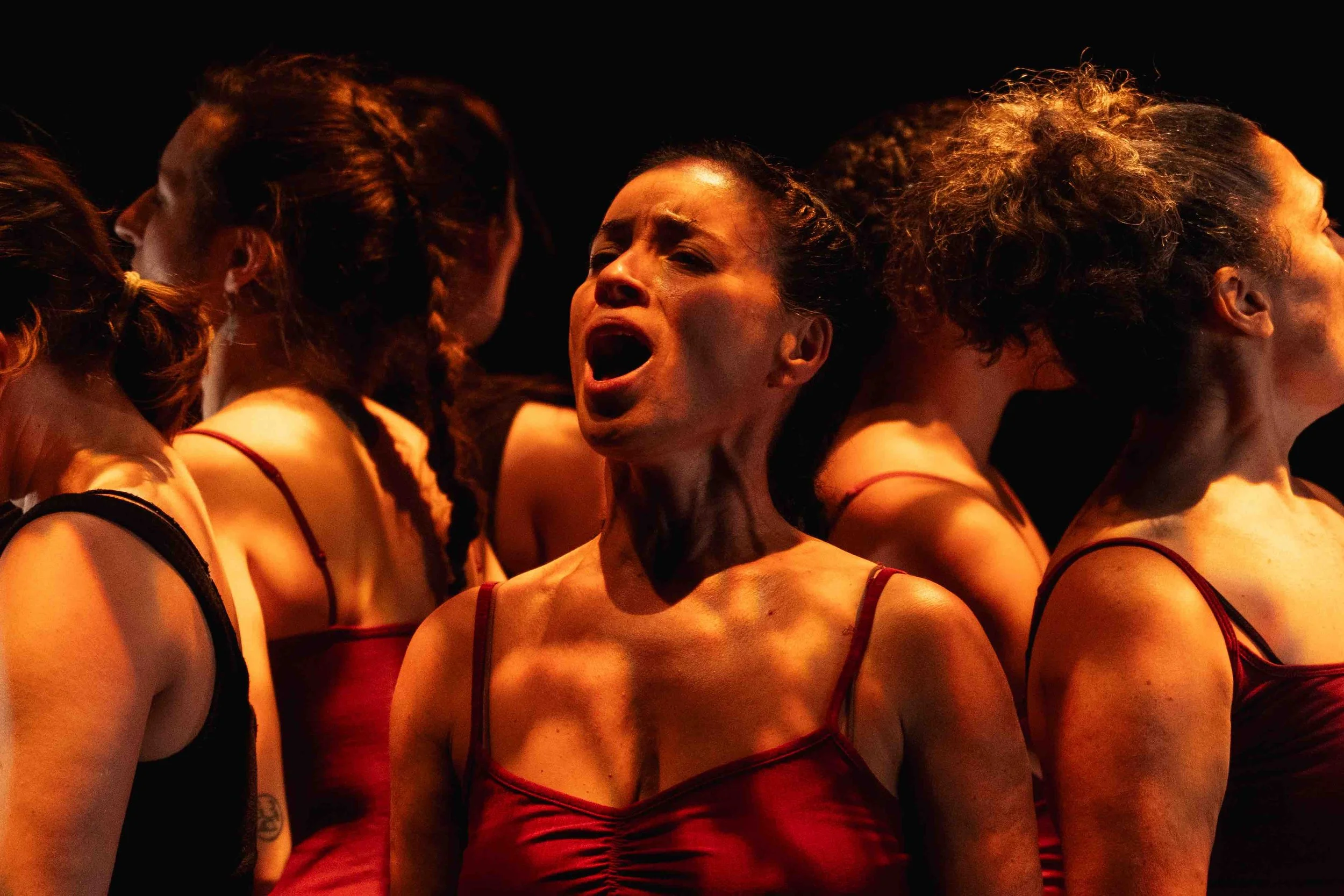
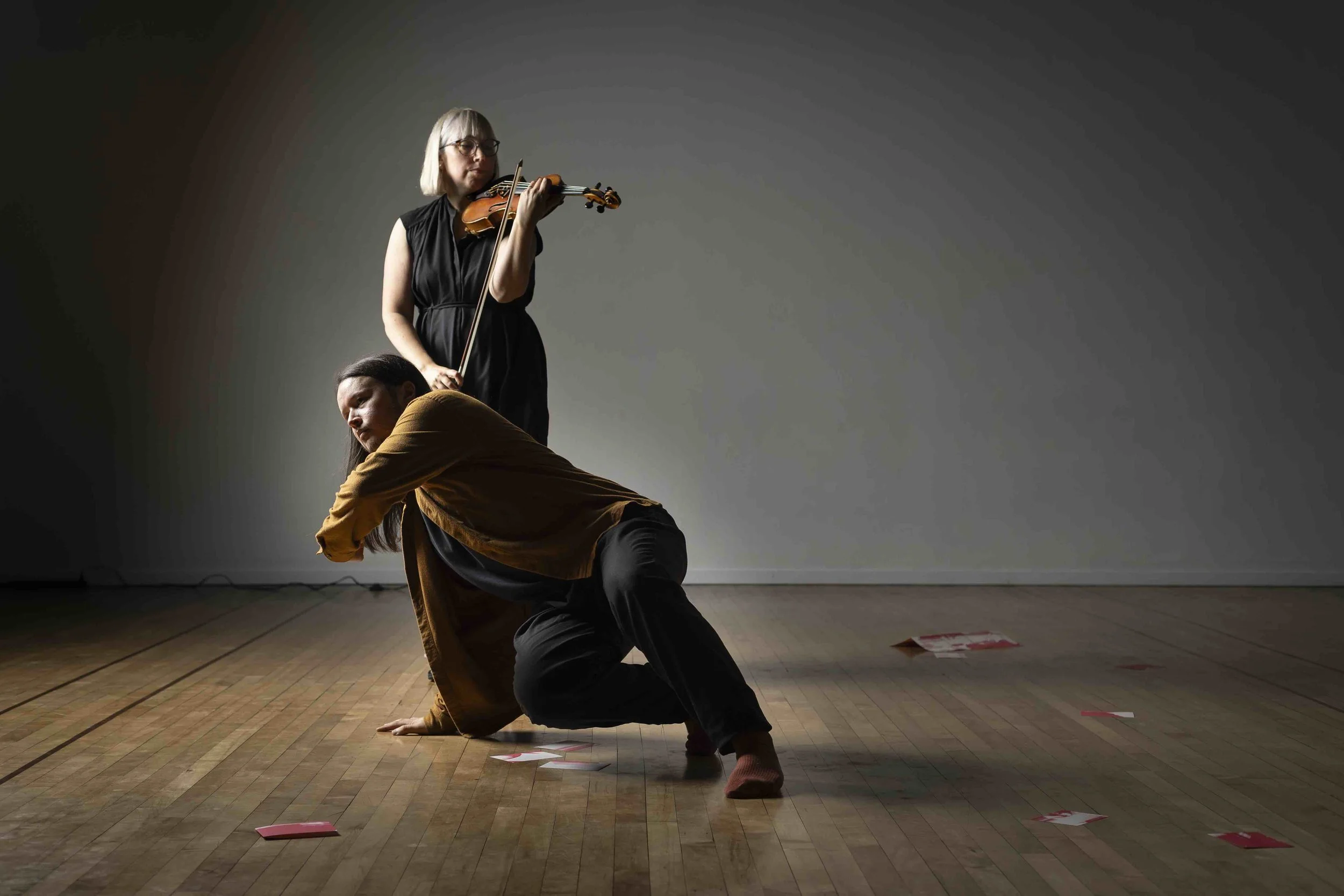
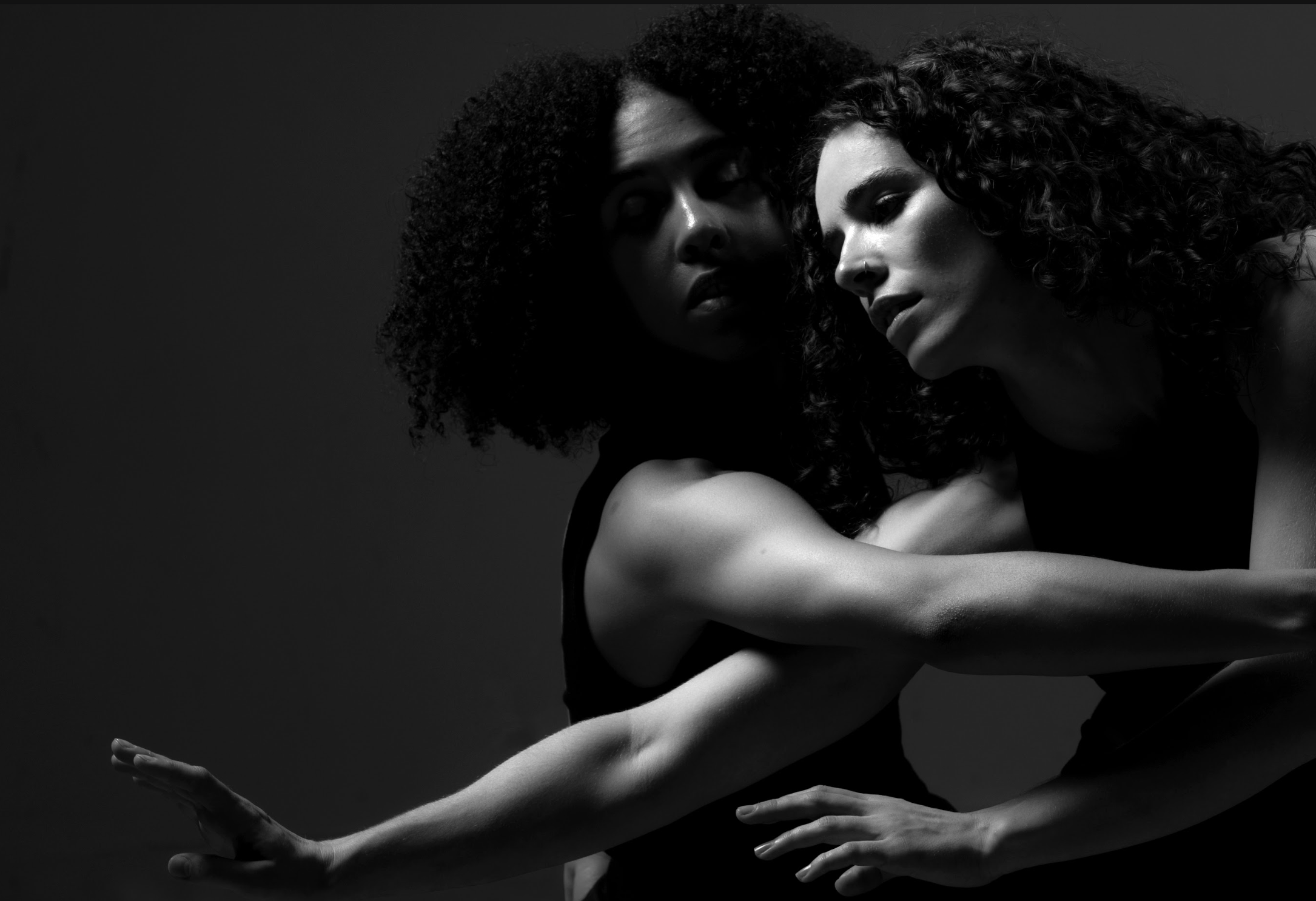
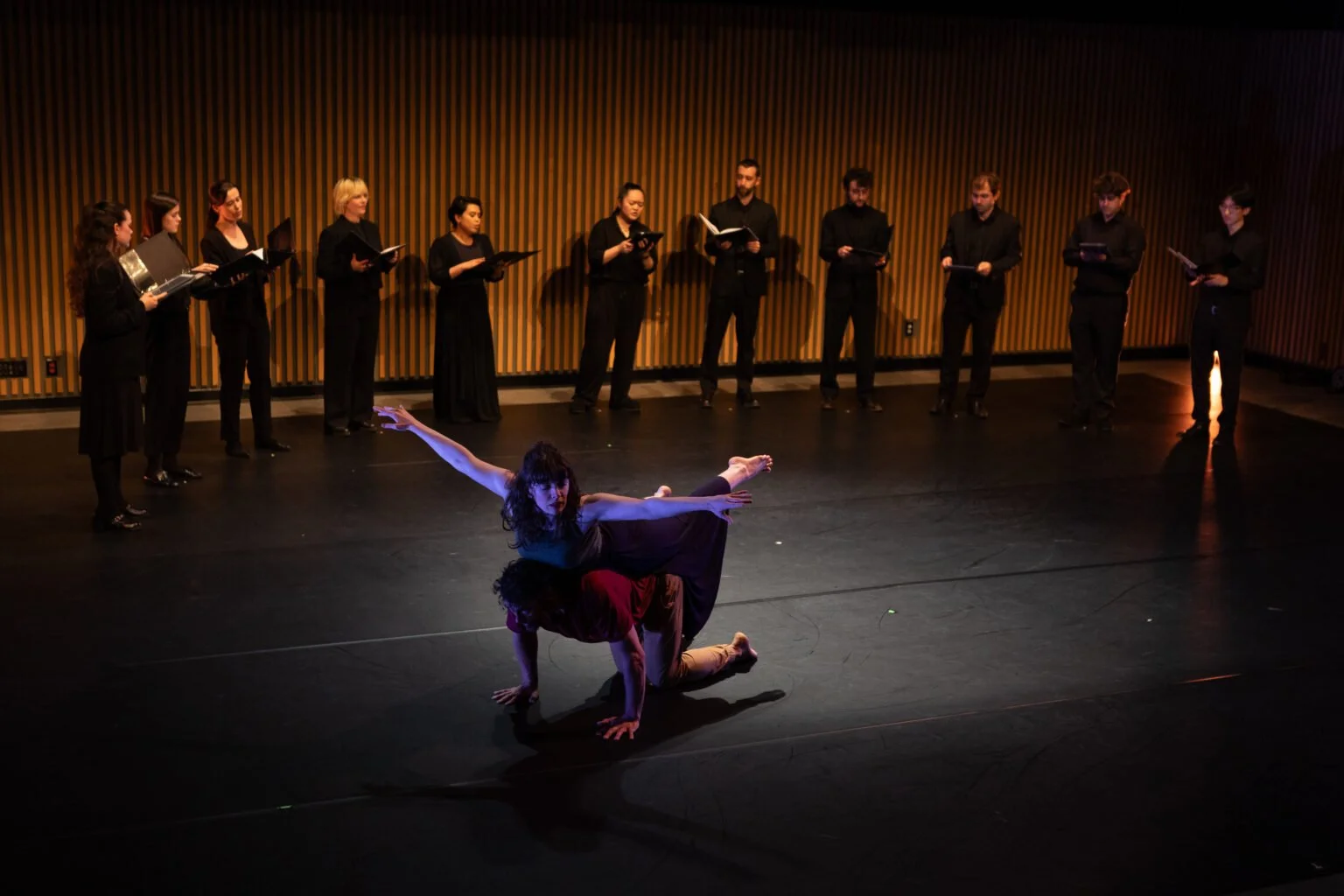
Enemy Lines. Photo by Marlowe Porter
The Firehall Arts Centre presents Enemy Lines, in association with Powell Street Festival, from May 6 to 9 at 7:30 pm
FOLLOWING THE ATTACK on Pearl Harbor in 1941, more than 22,000 Canadians of Japanese descent were forcibly displaced from the coast of B.C. Stripped of their homes and possessions, thousands of innocent civilians were suddenly deemed a national threat.
Decades later, dance artist Mayumi Lashbrook stands onstage. In her new dance-theatre work Enemy Lines, she discovers a trunk that transports her back in time into the body of her great-grandmother—a widowed mother shepherding her three Canadian-born children through the internment shacks of rural Manitoba and eventually opting for voluntary repatriation. This is the story she was never told growing up.
“As a child, people would ask me about my family’s internment and I had no idea what it was,” the Toronto-based choreographer and performer tells Stir over Zoom. It wasn’t until 2020 that Lashbrook—a yonsei (fourth-generation) Japanese Canadian—began to excavate that history, tracing a thread that started with her close connection to her grandfather and what she observed to be his “disconnection between social connections”.
“As I began to unravel that story, it became clear to me the effects of that in my life,” she says. “I started seeing the connections from that historic moment in the present moment, questioning some of the fear-based thinking that is still present today.”
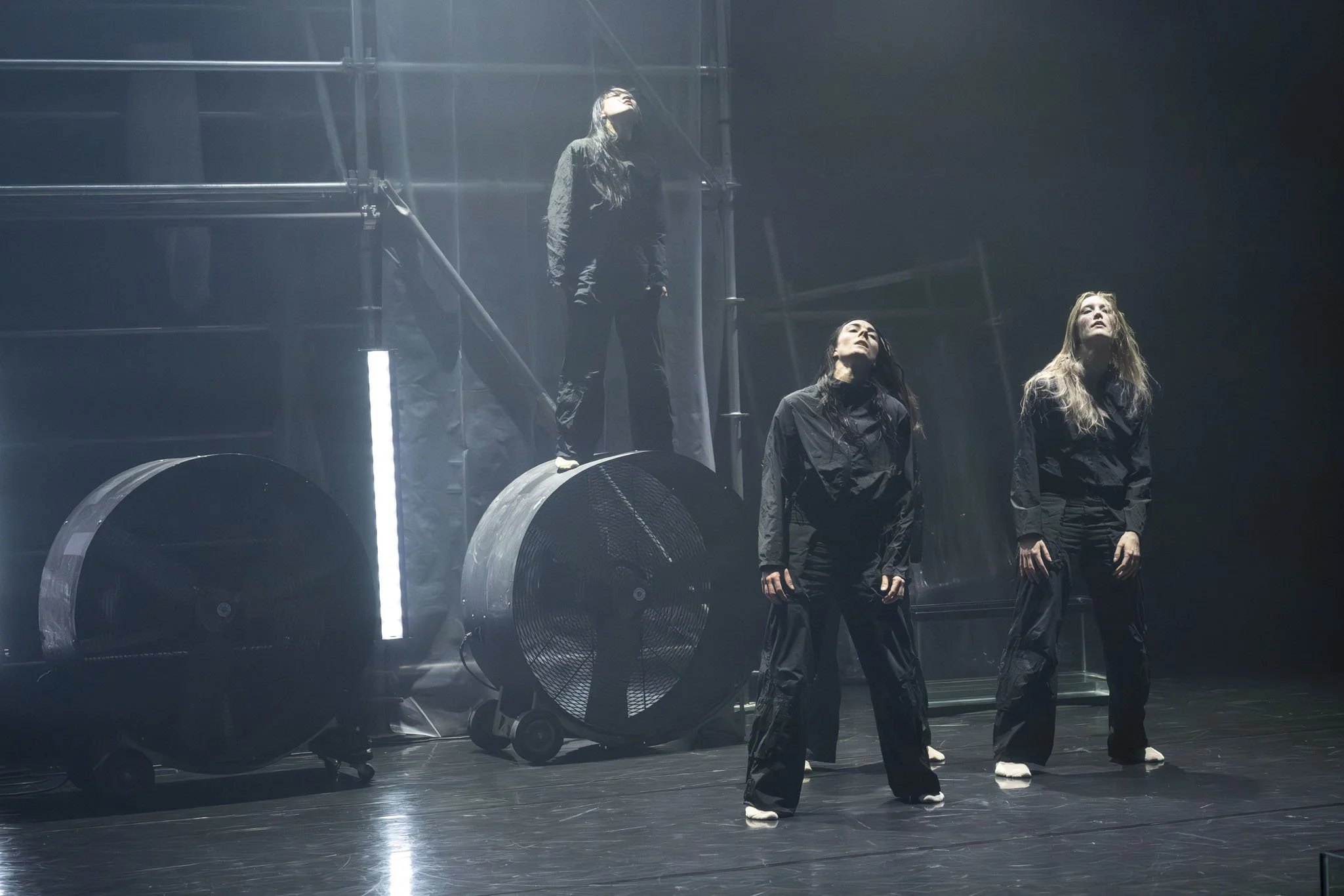
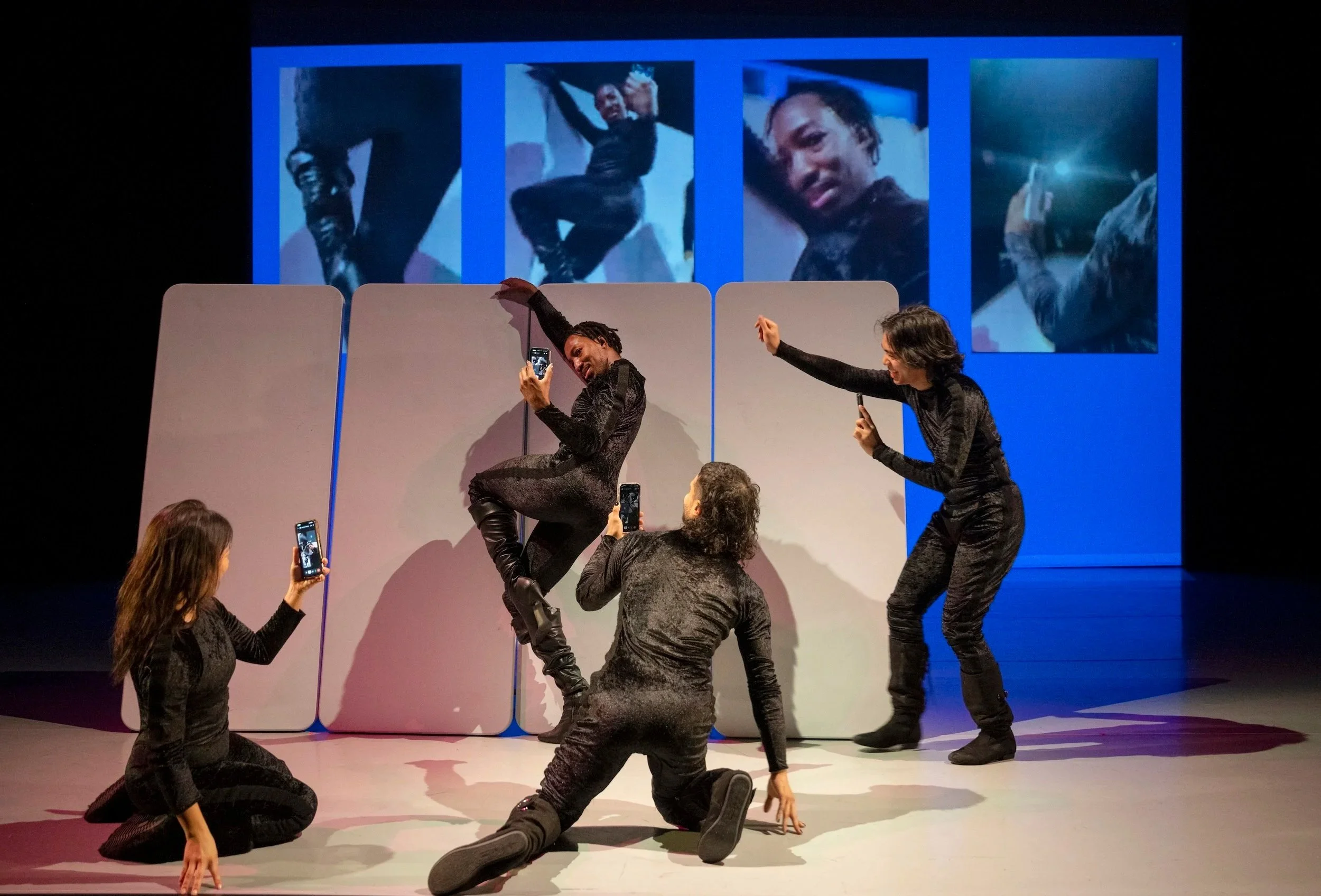
In search of answers to those questions, Enemy Lines was born. Closing the Firehall Arts Centre’s season, the 50-minute, five-dancer show follows Lashbrook as she experiences the internment through her great-grandmother’s eyes and, after returning to her own body in the present day, grapples with her new-found knowledge. Woven throughout the choreography are voiceovers and projections on stage that display Lashbrook’s research—letters written by her great grandmother pleading for her rent allotment, a repatriation notice leading her family to move across oceans—while objects as simple as sheets transform within the production from walls to airplanes to TV screens, evoking internment-era resourcefulness.
Yet, beyond the performance itself, the research process was its own kind of reckoning. Coming face to face with her family’s history, Lashbrook interviewed her great-grandmother’s three children, gathered their written recollections, and even discovered through the Landscapes of Injustice database letters her great-grandmother had written. These stories, once silenced but not forgotten, allowed her family to come closer together.
To carry and convey all that history in the body, Lashbrook deliberately moved away from a contemporary-dance approach, honing what she describes as the “human physicality”.
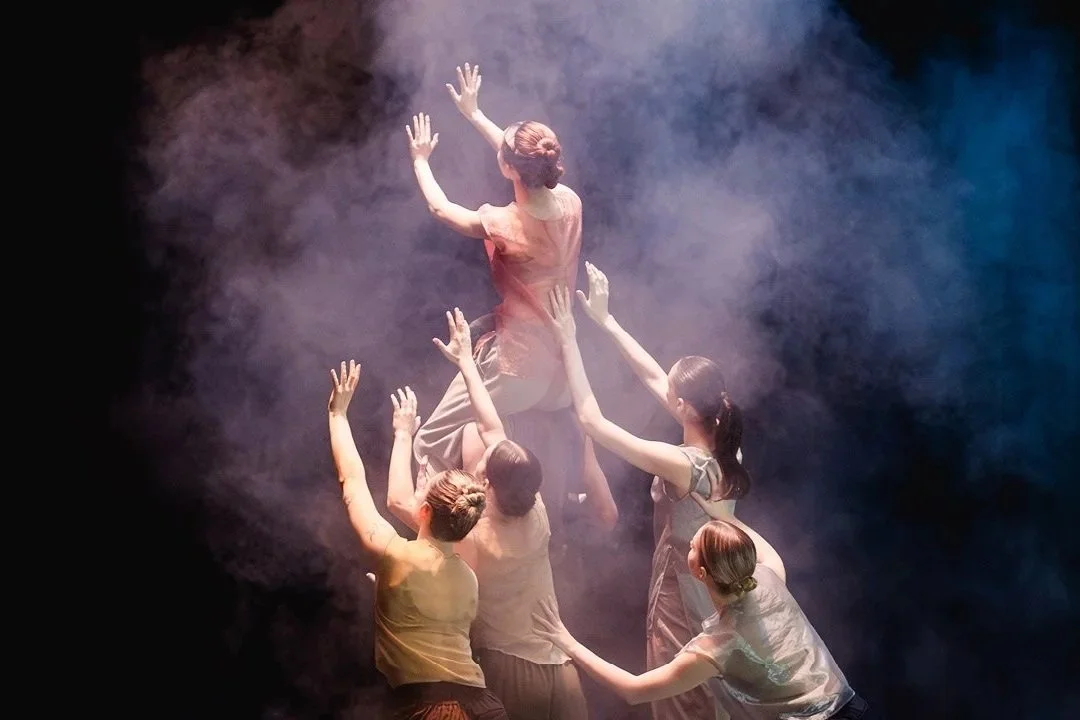
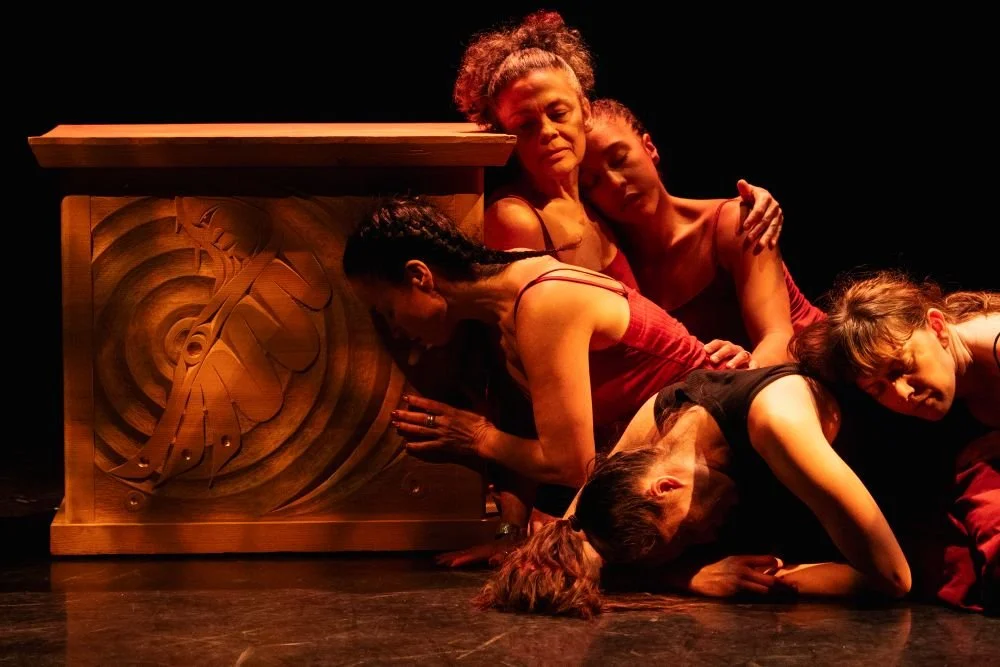
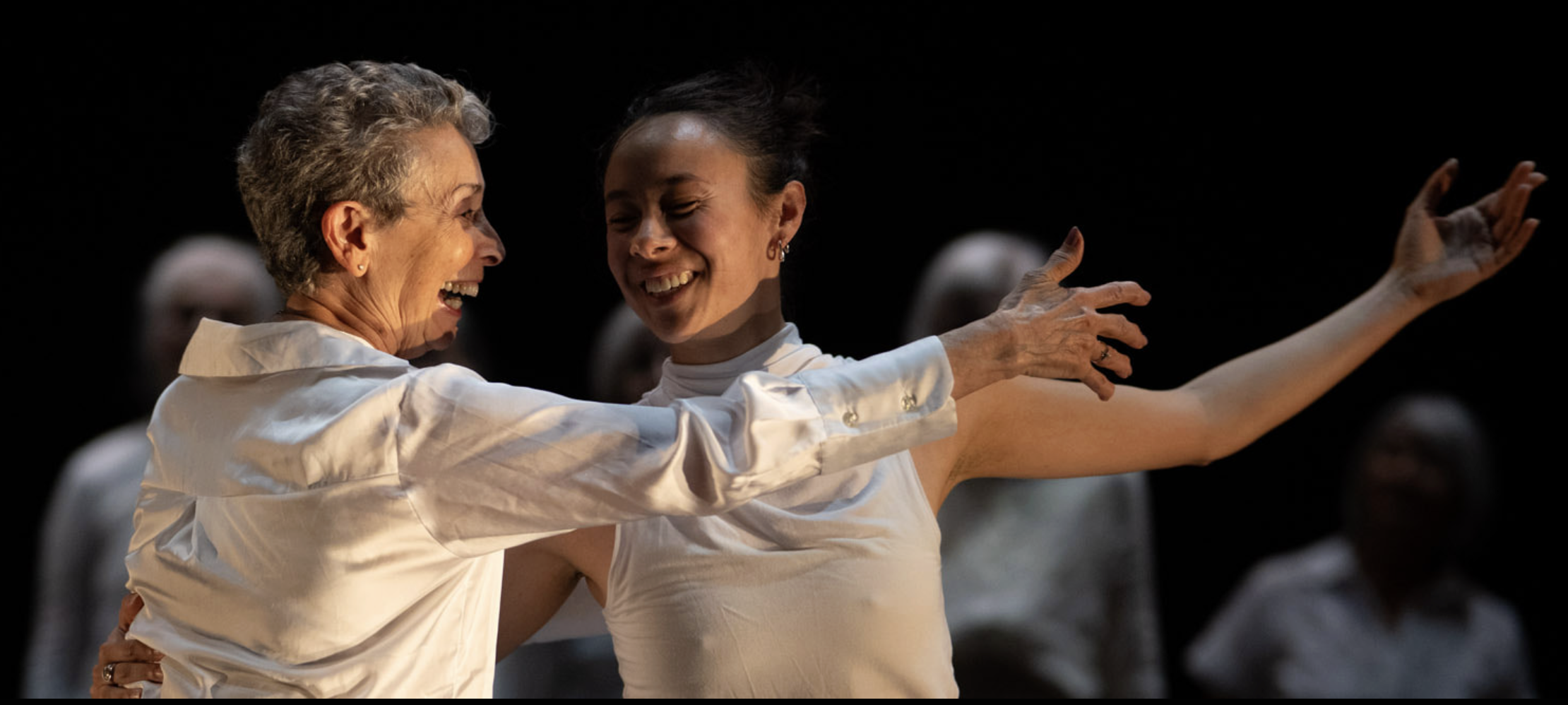
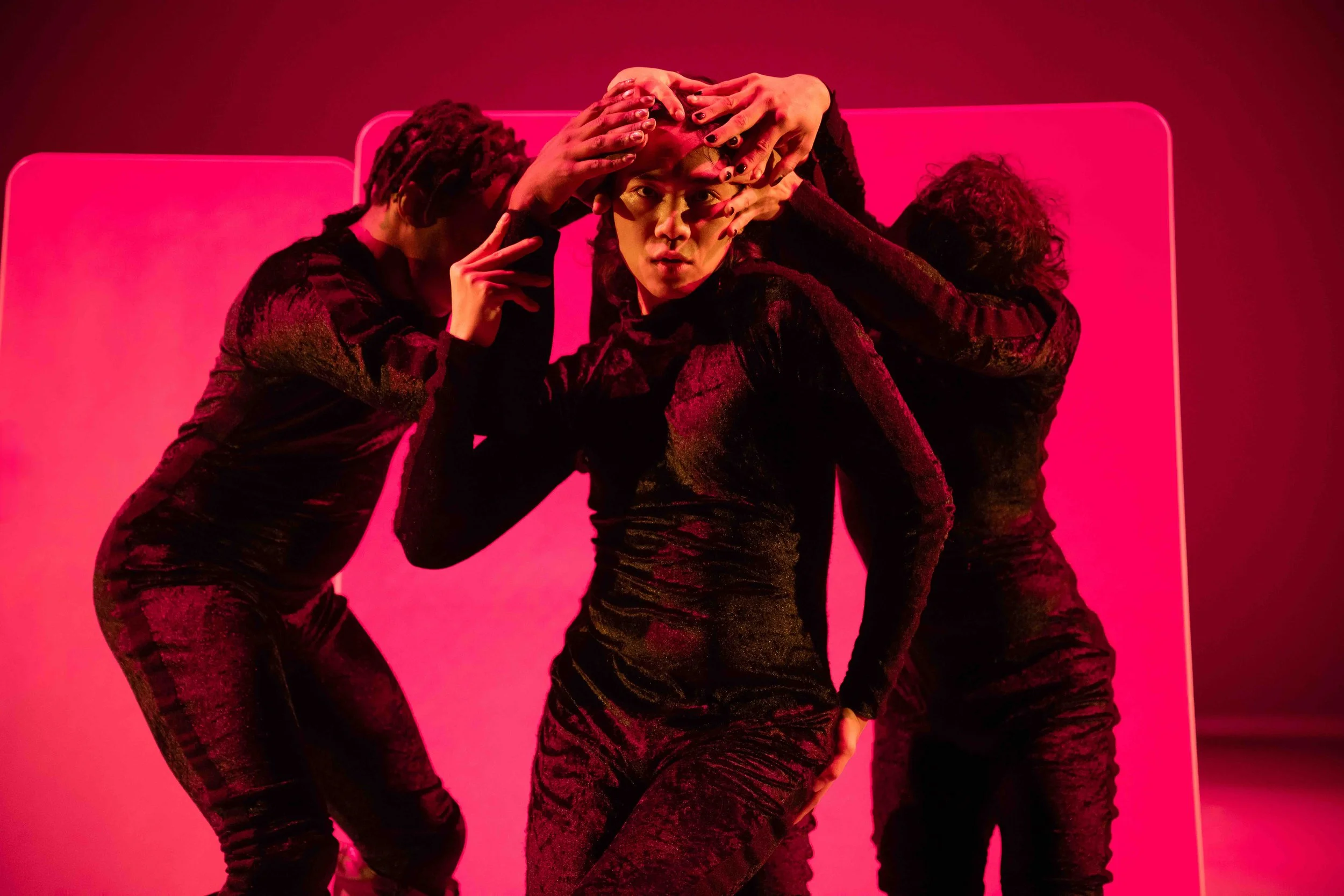
“A gesture of reaching out to somebody is really powerful in this work over a dance move that we recognize, like a jeté,” she stresses. “It requires such a balance between physicality and acting—something that isn’t always required in dance…These characters become people; they don’t become dancers, but people.” The same expectation extends to the ensemble, whom Lashbrook asks to inhabit rather than perform, finding each other, reaching and recoiling in ways that feel visibly human.
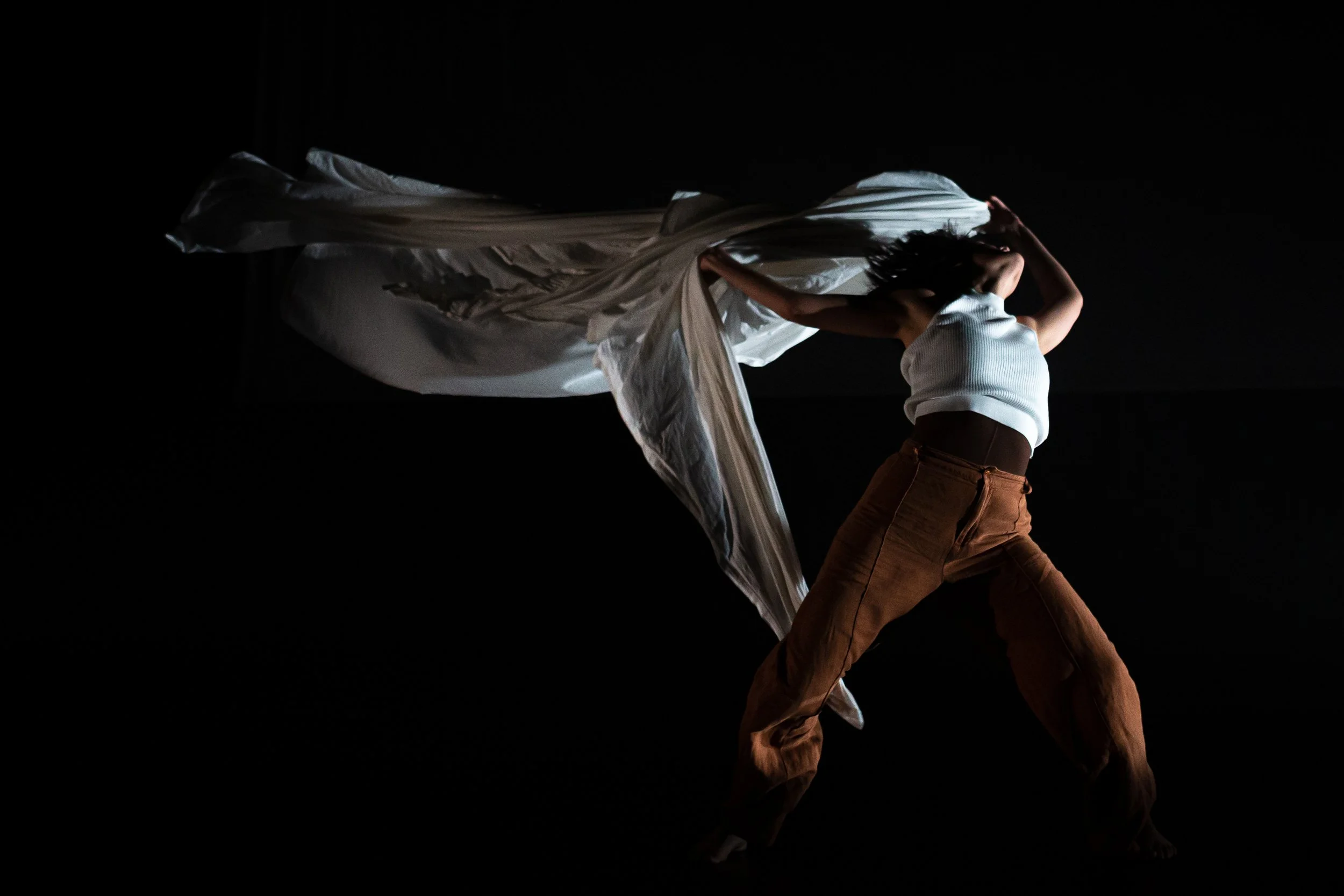
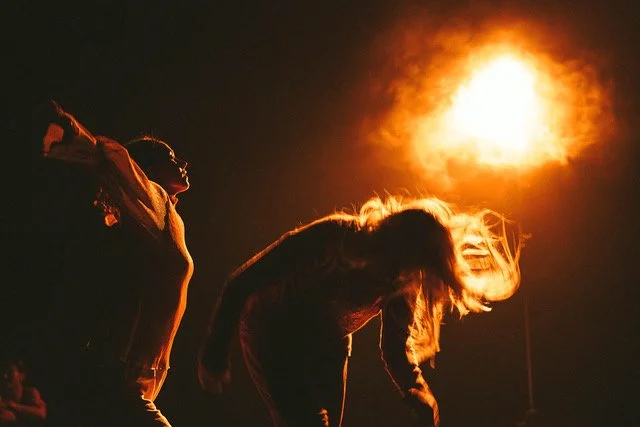
Enemy Lines. Photo by Marlowe Porter
What started out as a solo dance sharing her family’s story of incarceration and perseverance has gradually evolved into a larger narrative requiring multifaceted perspectives. Enemy Lines delves into the broader discussion of how patterns of intolerance and oppression disrupt human connection and collective growth, looking at both the past and present to find ways to shape the future.
“I realized that as much as this piece is about my family’s journey, it is a conversation between more than just my family,” Lashbrook adds. “I really wanted to say more than what hardships the Japanese Canadians went through, but how those things can ripple into other places. And that created this real need for other voices.”
That ripple effect becomes palpable in the latter half of the show, when ensemble cast members attest to current atrocities in what Lashbrook refers to as the “Olympics of victimization”. She highlights how the piece has developed since its 2023 premiere, as she continuously revisits and reflects on global affairs. This implication is uncomfortable and intentional; the fear-based thinking that oppressed Lashbrook’s family did not end with the war—it repeated and still repeats in a vicious cycle.
Ahead of her Vancouver performance, Lashbrook reflects on this cycle and the harm that is perpetuated across time and space, whether in 1940s Canada, 1940s Japan, or present-day conflicts throughout the world.
“I feel like most people walk away from this work with a deeper appreciation for our differences,” Lashbrook notes. “I hope that people can see some of the more nuanced ways that we are hurt and hurting, and look past those moments to be able to better support each other through conflict, through repair, through hardships.” 

Related Articles