B.C. arts groups solidify goals amid 2027 provincial budget consultations
Organizations call for longterm strategic plan, increasing Arts Council budget, and cultural space retention

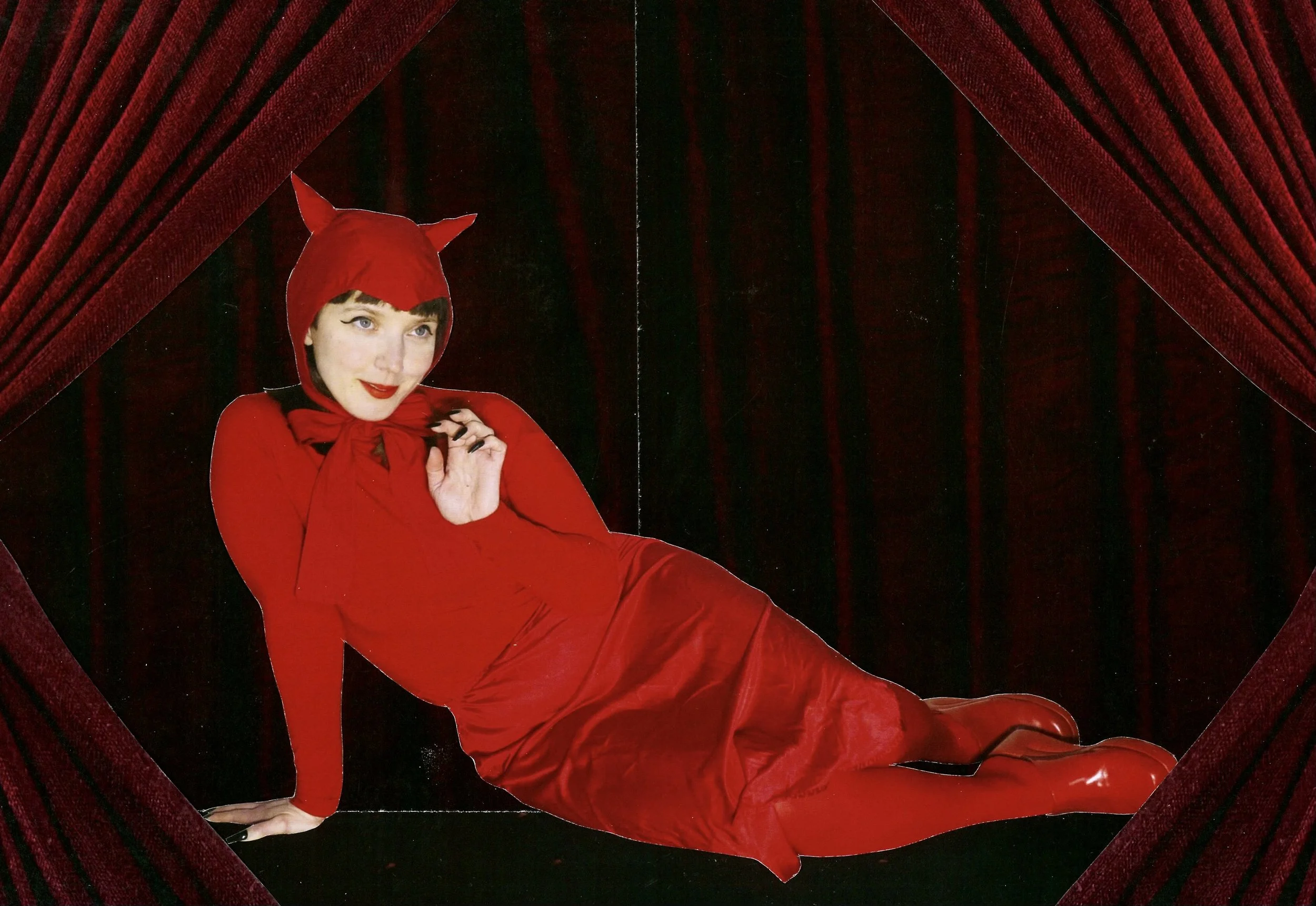
Victoria’s late, great Rifflandia Festival; Rainbow Robert (right)
FACING RISING COSTS, shrinking cultural spaces, and uncertainty about future funding, arts organizations across British Columbia are increasingly finding common ground on what needs to be done next.
One place where collaboration has become visible is the province’s 2027 budget consultation process, which recently invited organizations to submit recommendations to the Select Standing Committee on Finance and Government Services. The committee will review those recommendations ahead of the budget's expected release in February. Through the BC Coalition of Arts, Culture and Heritage, organizations from across the province came together around a shared set of priorities.
“We were trying to underscore the need to consider longterm strategies to build stability in the sector,” says Rainbow Robert, executive director of the BC Alliance for Arts + Culture and a member of the coalition's steering committee.
Some organizations are struggling to maintain events, performances, exhibitions, and other public programming, while others are facing questions about long-term sustainability. Across B.C., festivals, venues, and cultural spaces are feeling the strain of rising operating costs and increasing property values.
“We are seeing some really concerning cancellations of important events in rural, remote, and urban communities,” Robert says.
Among the examples she points to is the Kaslo Jazz Etc Summer Music Festival, which paused operations this year after more than a decade of growth in the Kootenays. Victoria’s Rifflandia Festival also cancelled its 2026 edition.
For Robert, challenges like these have highlighted the importance of a coordinated response across the sector.
“A larger number of organizations within the arts, culture, and heritage ecology have worked together to get this message out this year than ever before,” Robert says.
Those shared concerns have ultimately led the coalition to focus on three priorities for the sector.
The first is the creation of a provincial arts and culture action plan, with British Columbia currently the only province in Canada without one. According to Robert, a longterm framework could help guide future investment while creating greater coordination between government and the arts sector. An action plan would help ensure arts funding is used more effectively across the sector.
Funding is another key priority. The coalition continues to advocate for increasing the annual operating budget of the BC Arts Council from approximately $39.2 million to $58 million, while opposing planned reductions to arts and culture spending outlined in the province's fiscal plan.
The goal, Robert says, is to maintain momentum at a time when many organizations are already facing financial pressures.
The third priority focuses on cultural infrastructure and space retention. Over the past decade, British Columbia has lost arts and cultural spaces to redevelopment pressures, rising costs, and aging facilities. The coalition is encouraging the province to explore tools such as cultural land trusts while supporting the longterm affordability and accessibility of cultural spaces. Robert says the conversation also includes artist housing, arguing that communities need places not only to present artistic work, but to support the artists who create it.
At their core, the recommendations are aimed at helping artists and organizations continue creating and presenting work in communities across the province. Funding, planning, infrastructure, and affordability all influence whether artists can continue to create.
“We’re trying to nurture collaboration between people and to give people the tools and the information on how to participate in this type of consultation,” Robert says.
Robert—who will step down from the Alliance to head up Salt Spring Island’s ArtSpring on July 27, replaced by interim executive director Kayleigh Harrison—hopes the process leaves behind something more lasting than a set of budget recommendations.
Throughout the consultation process, organizations with different mandates, disciplines, and community needs have found common ground around a shared vision for the future. For Robert, that growing willingness to work together may prove just as important as any individual recommendation.
“Arts, culture and heritage are part of the beauty that surrounds us and part of what makes B.C. remarkable,” she says. 

Related Articles