With Ionesco’s Cabaret, Rumble Theatre brings the Theatre of the Absurd into the modern age
The show, produced by Theatre Conspiracy in association with Pi Theatre, finds contemporary resonances in Eugène Ionesco’s 20th-century works
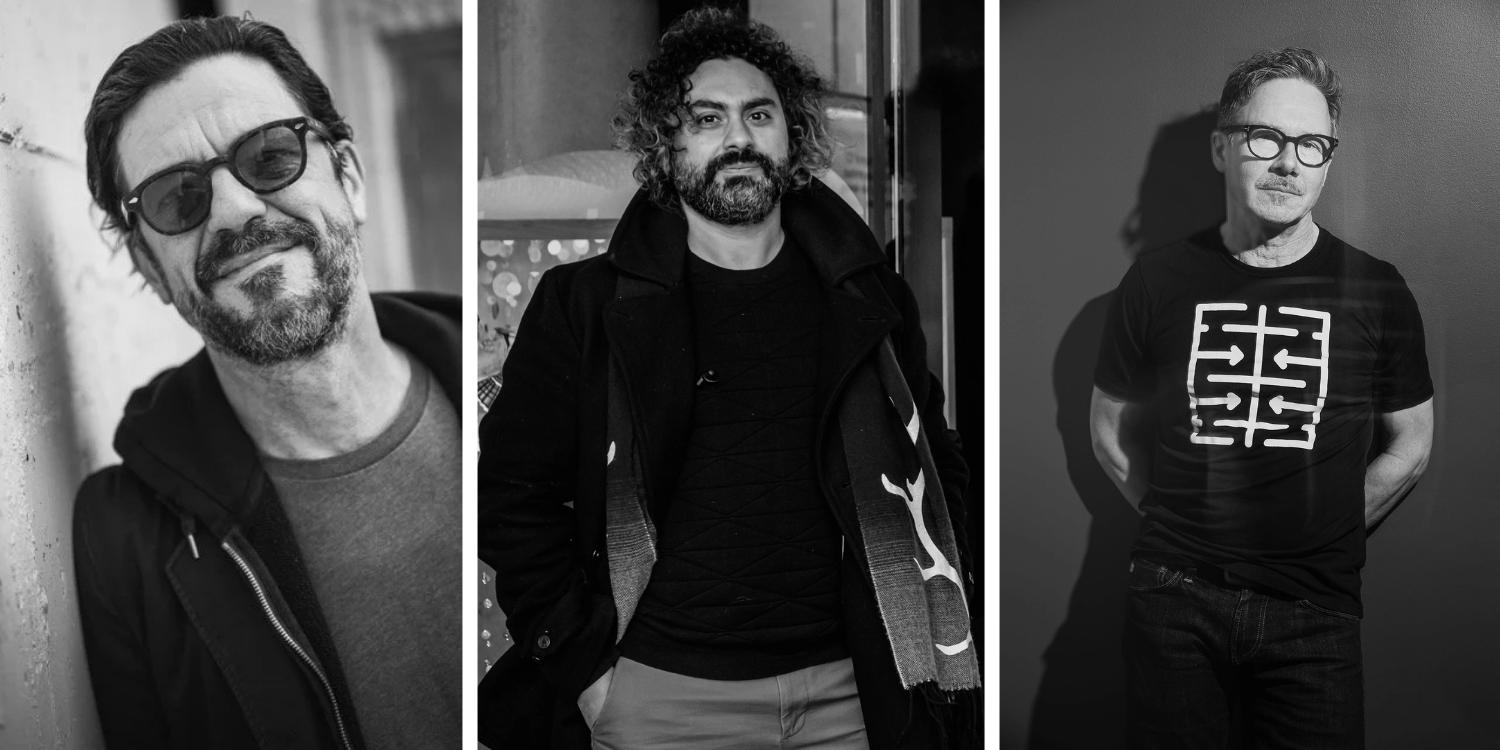
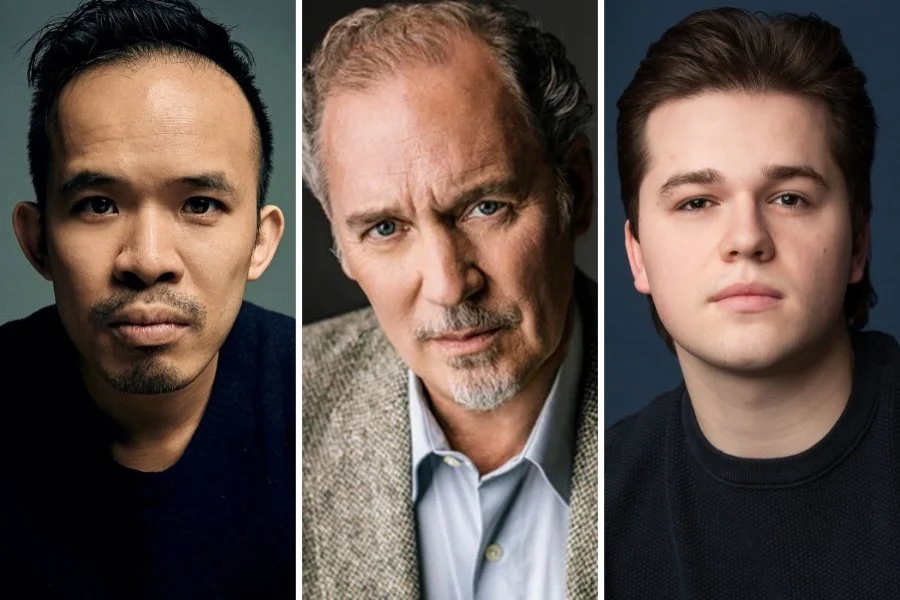
(Left to right) Tim Carlson, David Mesiha, and Richard Wolfe.
Rumble Theatre presents Ionesco’s Cabaret, produced by Theatre Conspiracy in association with Pi Theatre, at Progress Lab 1422 from July 23 to 25 at 7:30 pm
WHEN EUGÈNE IONESCO wrote the plays that would become foundational texts of 20th-century absurdism—The Bald Soprano, The Rhinoceros—the world was recovering from the horrors of the Second World War, grappling with the rise of authoritarian leaders, and looking back on a century-defining pandemic that killed millions. Richard Wolfe, who’s directing a production of Ionesco’s “Frenzy for Two” as part of Rumble Theatre’s upcoming Ionesco’s Cabaret, sees parallels in the modern age.
“We’re actually, in some ways, reliving a lot of existential dread, a lot of anxiety,” Wolfe tells Stir in an interview conducted via Zoom. “Ionesco himself was filled with it.”
In Ionesco’s day, that absurdist anxiety—which manifested first in Albert Camus’s The Myth of Sisyphus—often played out in the smoky halls of cabarets, where poets, artists, and disaffected youths could catch dinner and a show under the impending threats of nuclear war and authoritarianism. Though the cabaret form still thrives in queer spaces, it’s fallen from prominence as a venue for dramas. With Ionesco’s Cabaret, playing at Progress Lab 1422 from July 23 to 25, Wolfe and coproducer David Mesiha are bringing it back.
“The night is curated and designed to feel like a happening, like an event for the whole night, as opposed to just showing up, watching a play, and going home,” says Mesiha, the co–artistic director of Theatre Conspiracy, in a Zoom interview. “It is looser in that we are encouraging audiences to feel free to move, especially in between the acts.”
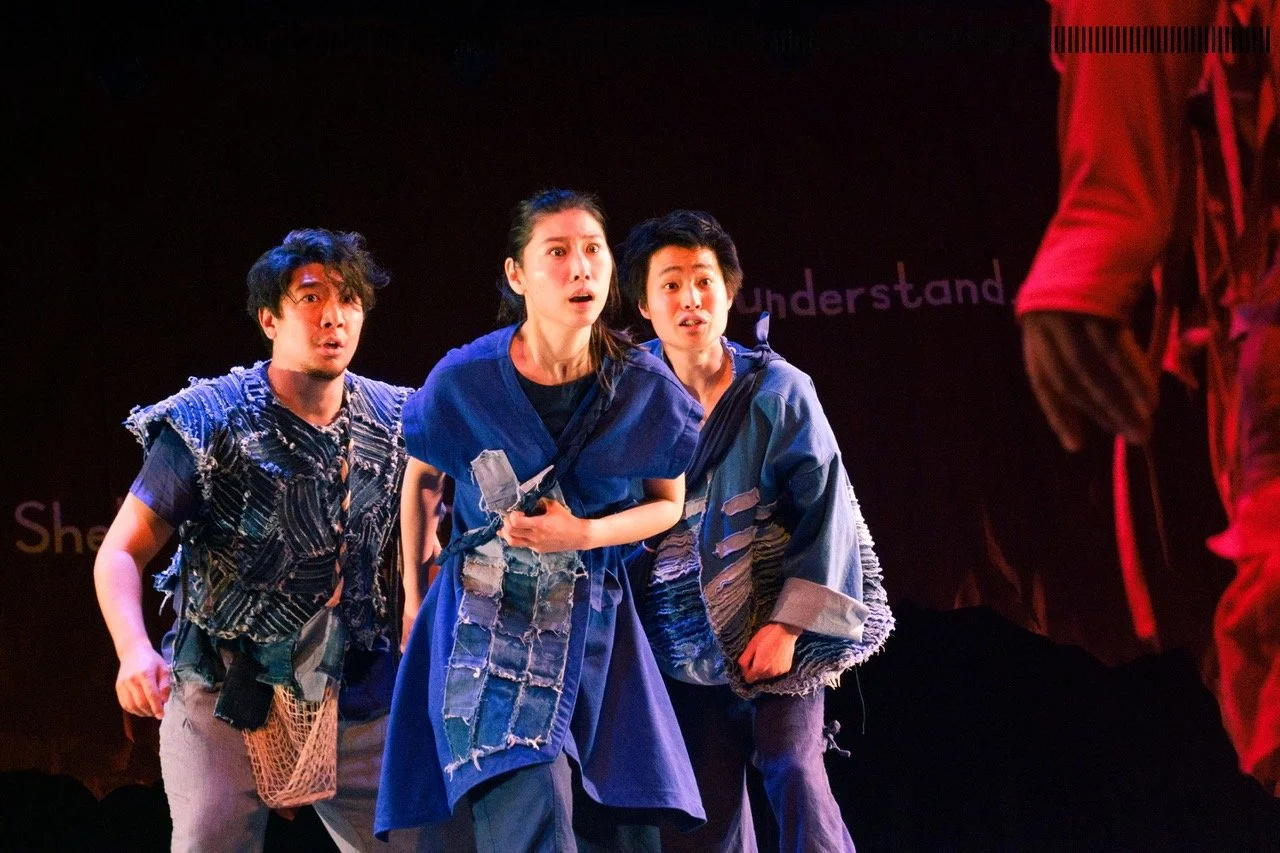
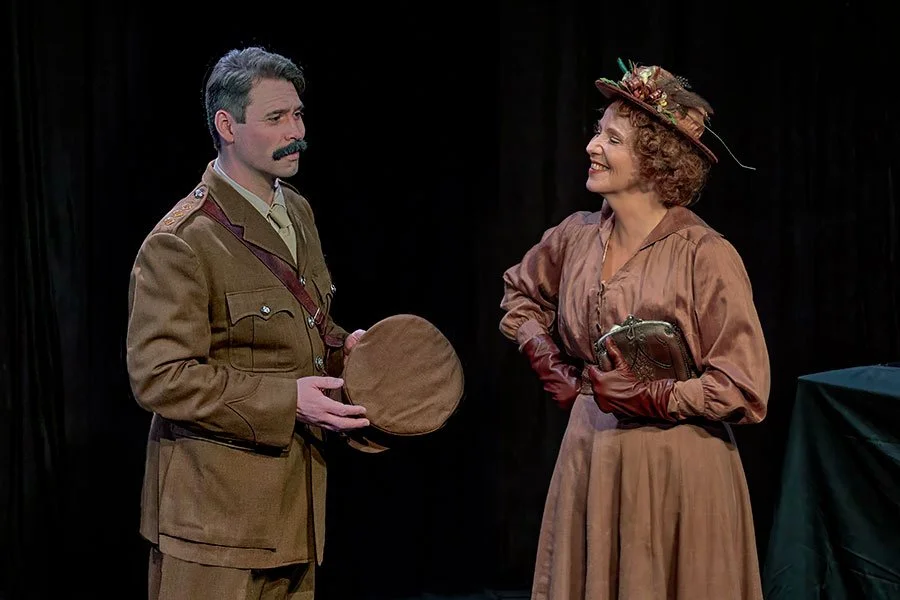
Alongside Wolfe’s “Frenzy for Two”, Mesiha is directing a production of “The Leader”, another of Ionesco’s shorter works. It satirizes the absurdity of fascistic cults of personality, the imagined authority of despots, and the way all of that takes root.
“We spend the whole time talking about the leader and describing what the leader is and isn’t doing, and we only actually see the leader briefly in the very, very last section of the play,” says Mesiha. “That really felt extremely contemporary in terms of our relationship to leadership, but also our relationship to media.”
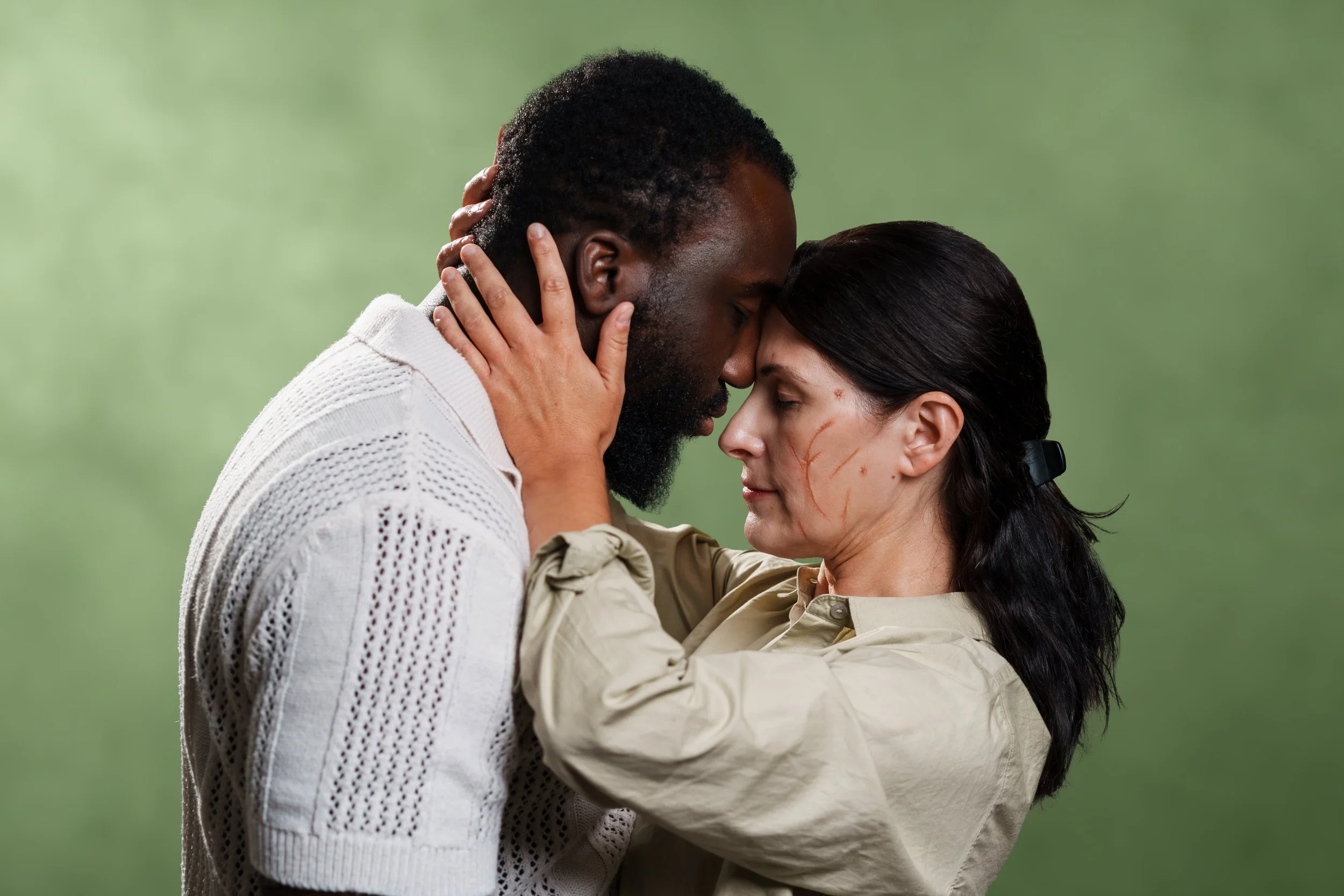
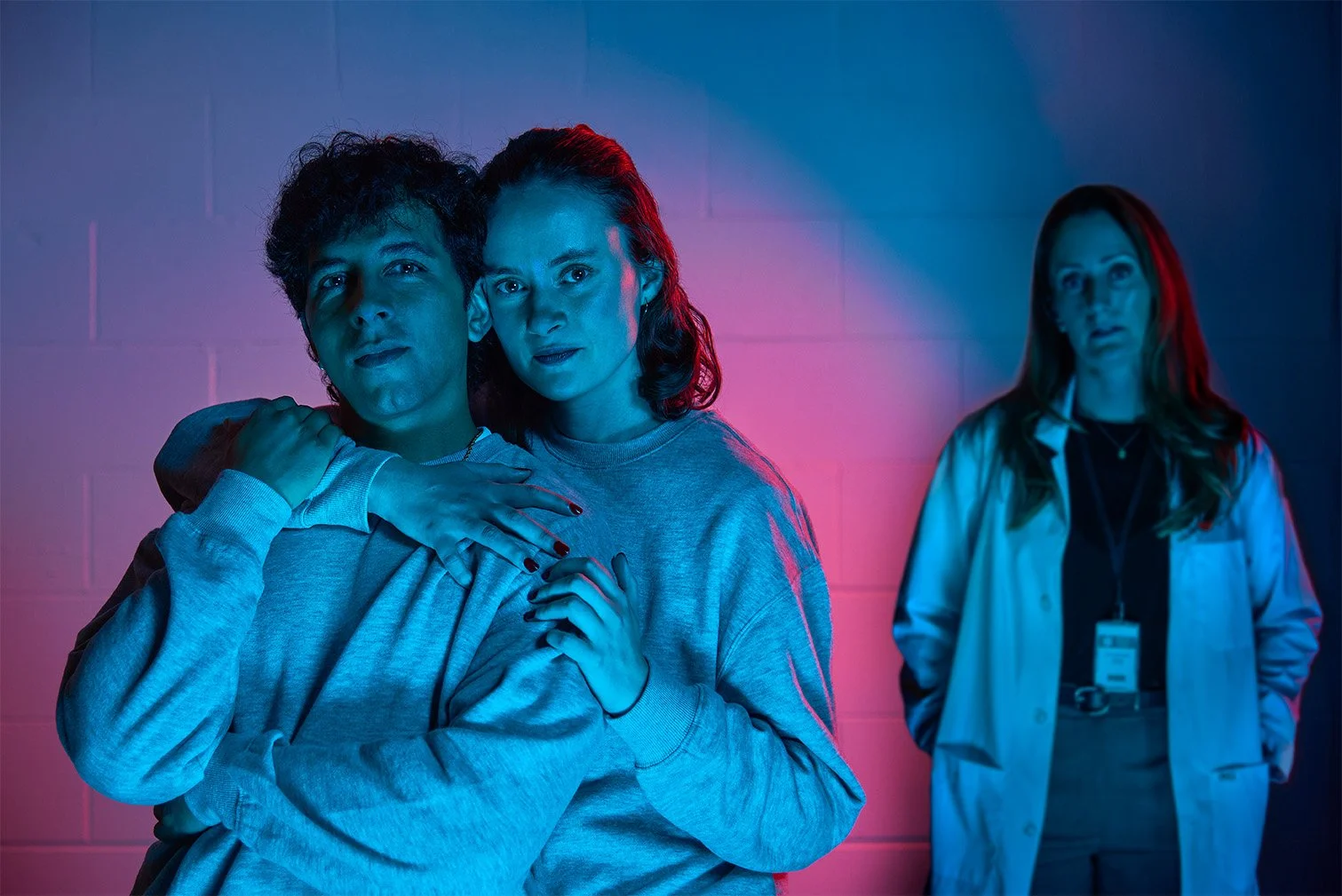
“Frenzy for Two”, which Wolfe chose to adapt partly because of resonances he felt between the play and the ongoing violence in Ukraine and Gaza, follows an absurd argument between a married couple over whether a turtle and a snail are really the same animal. Meanwhile, a war is raging outside the window and the couple’s home is gradually reduced to ruins.
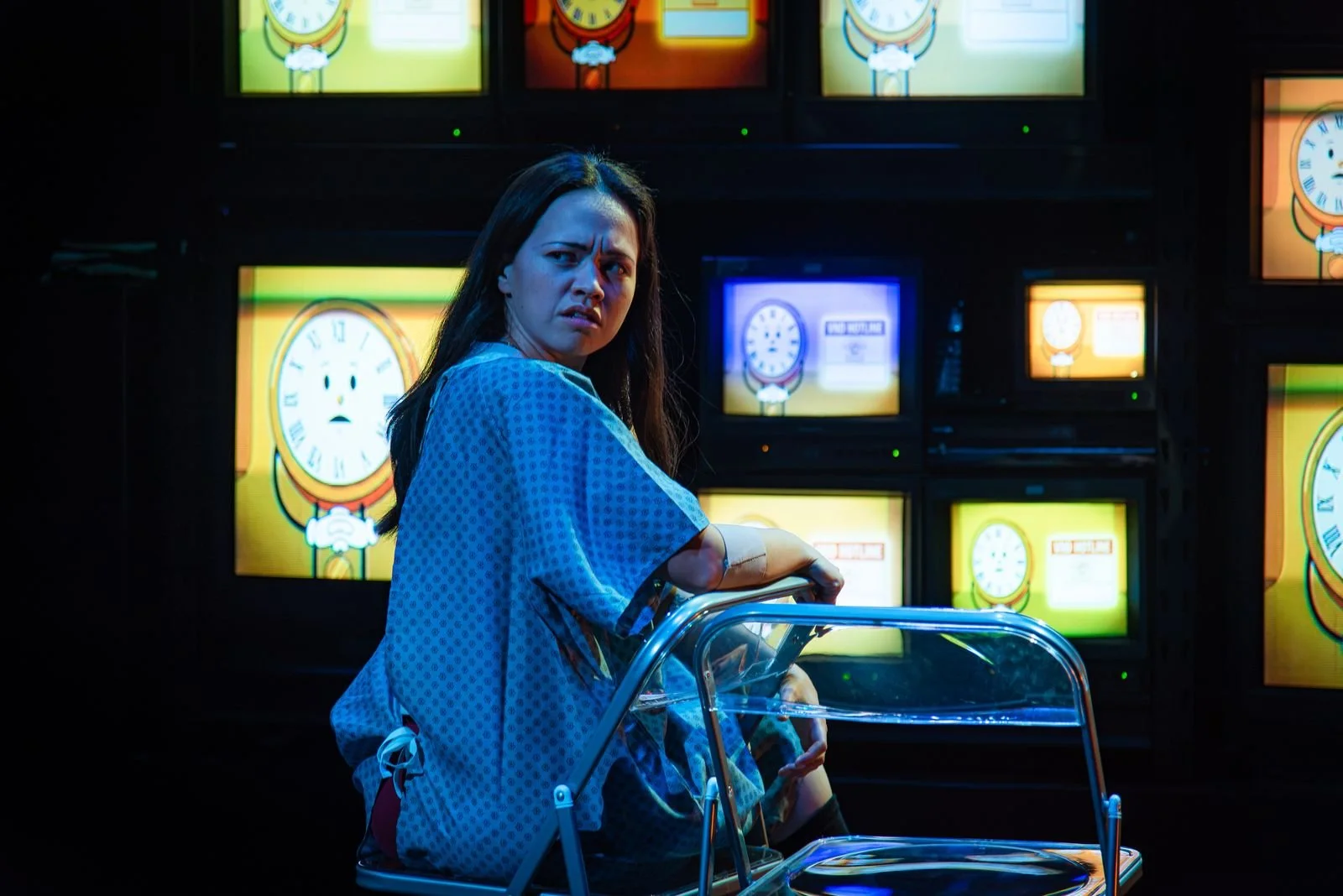
Wolfe and his team didn’t have the budget or the materials to create a fully destructible set—they had to get creative. “It’s fully produced with lights, original sounds, compositions, videography, costumes,” he says. “Our job is to create this environment without building a physical, realistic building.”
Forgoing a traditional set might have come out of funding constraints, but it’s appropriately experimental. When producing the work of Ionesco and his contemporaries who worked in what came to be dubbed the Theatre of the Absurd, directors frequently opt for stark, minimalistic sets to express postmodern ideas of fragmentation and confusion. Tim Carlson’s audiovisual installation Lost Hands, which will be displayed at Progress Lab 1422 simultaneously with Wolfe and Mesiha’s plays, takes that juxtaposition further.
Carlson, who works under the name feral.i.d, tells Stir via Zoom that Lost Hands started as a back-burner project when he moved to Vancouver in the ’90s. He would walk the West End at night, and for whatever reason, he kept seeing gloves abandoned on the ground. He started documenting them with a 30mm camera, and when Wolfe and Mesiha asked him to contribute an audiovisual installation for the cabaret, he decided those photos would be a good place to start.
For the audio component of Lost Hands, Carlson wrote and narrated a series of short stories that resonate with the themes of “The Leader” and “Frenzy for Two”.
But blasting spoken word from PA speakers while a play is being performed sounds like a recipe for chaos that, while suitably postmodern, might not make for the most comfortable theatre experience. To get around this, Carlson is using a set of hyperdirectional speakers borrowed from Mesiha and Theatre Conspiracy.
“You can think of them almost as a super narrow spotlight or a laser pointer,” says Mesiha. “They’re almost like that for sound. So you can hear them clearly only when you’re standing right in front of them or in a specific place in the room.”
With Lost Hands, “The Leader”, and “Frenzy for Two”, Carlson, Mesiha, and Wolfe want to juxtapose art in the same way Ionesco clashes tragedy with comedy, and create a space that’s porous and open for people to move through. Wolfe hopes that the plays can hold a mirror up to people’s perceptions of the world and expose some of the absurdity all around us. 
Related Articles