The VIFF Centre hosts Andrzej Wajda 100: War & Peace, November 19 to December 27
Series devoted to the celebrated Polish director opens with a 4K restoration of his essential 1958 war film Ashes and Diamonds
SPONSORED POST BY VIFF Centre

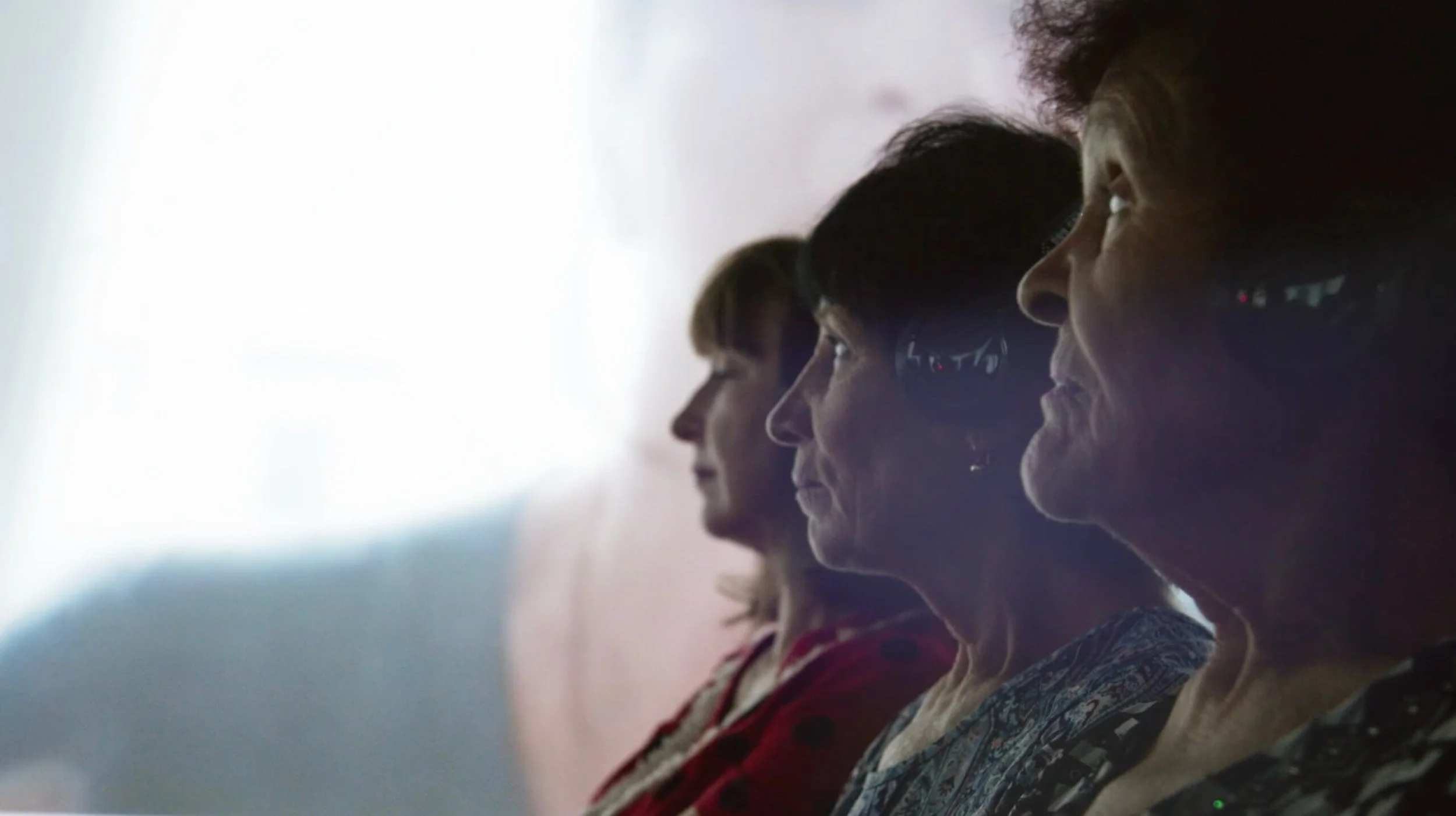
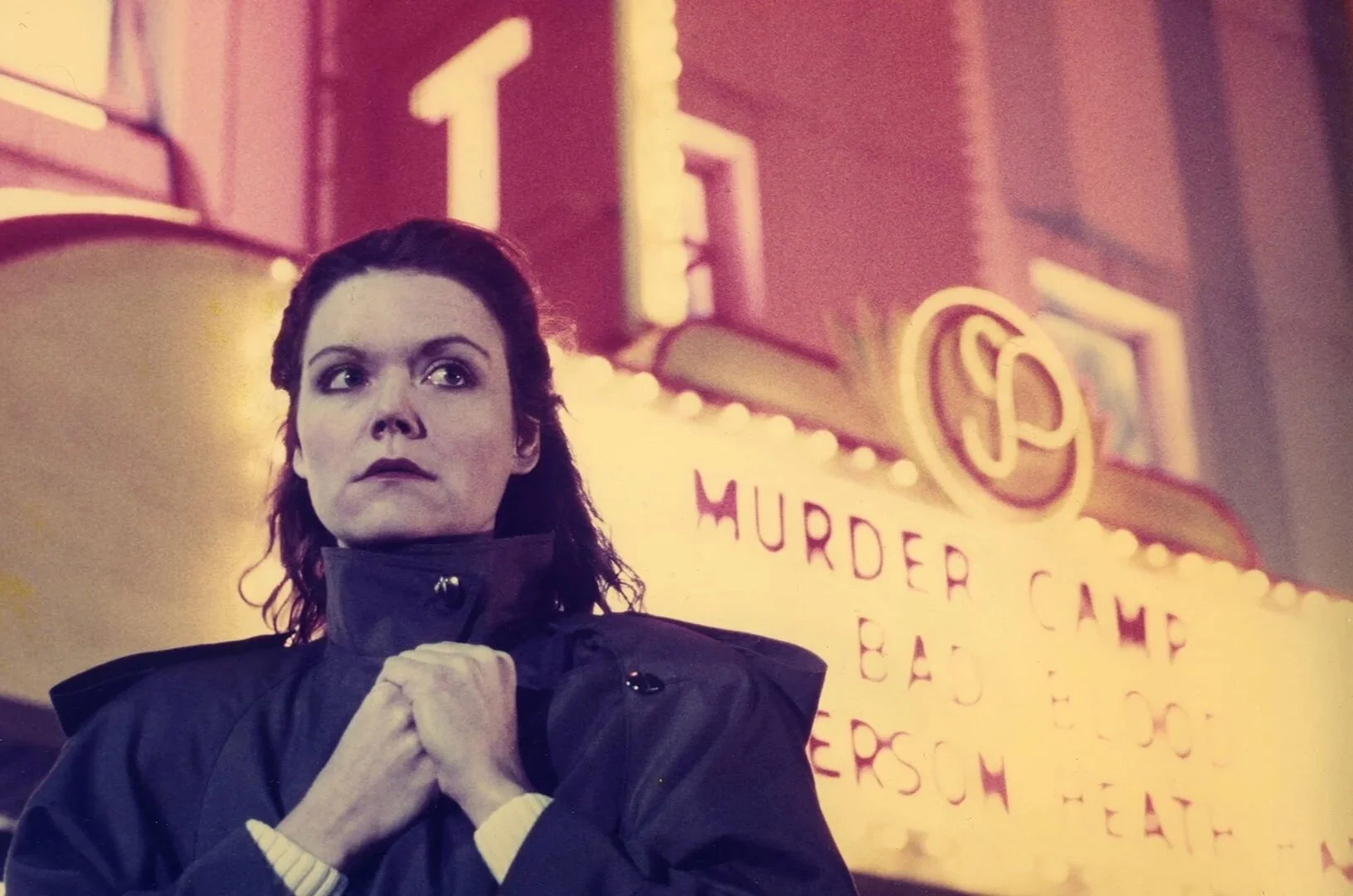
Ashes and Diamonds
Andrzej Wajda 100: War & Peace, a series honouring the centennial of the father of Polish cinema, is running at the VIFF Centre from November 19 to December 27.
Born in Poland in 1926, Andrzej Wajda was 13 when his country was overrun by Germany at the outbreak of the Second World War. Stalin’s Red Army massacred thousands of Polish prisoners of war at Katyn in 1940—including Wajda’s own father. He joined the resistance at 16 in 1942 and witnessed the transportation of Jews to the death camps built on Polish soil.
After the war, Wajda saw his country fall under totalitarian communist control, and he was on the frontlines when dissidents stood up to demand democracy in the 1980s. Wajda reflected all these events in more than 40 films between 1955 and 2016, many of them wrestling with the push and pull between fascism and communism, freedom and totalitarianism, war and peace. His towering achievement Man of Marble, the morally complex Danton, and the richly paradoxical The Promised Land—all screening at the VIFF Centre—expertly exemplify those themes.
For Wajda, cinema was a place where history could be investigated, ideologies interrogated, and authorities held to account. Many of his movies are long-established art house classics; many more demand to be rediscovered—in sparkling 4K restorations—in his centennial year.
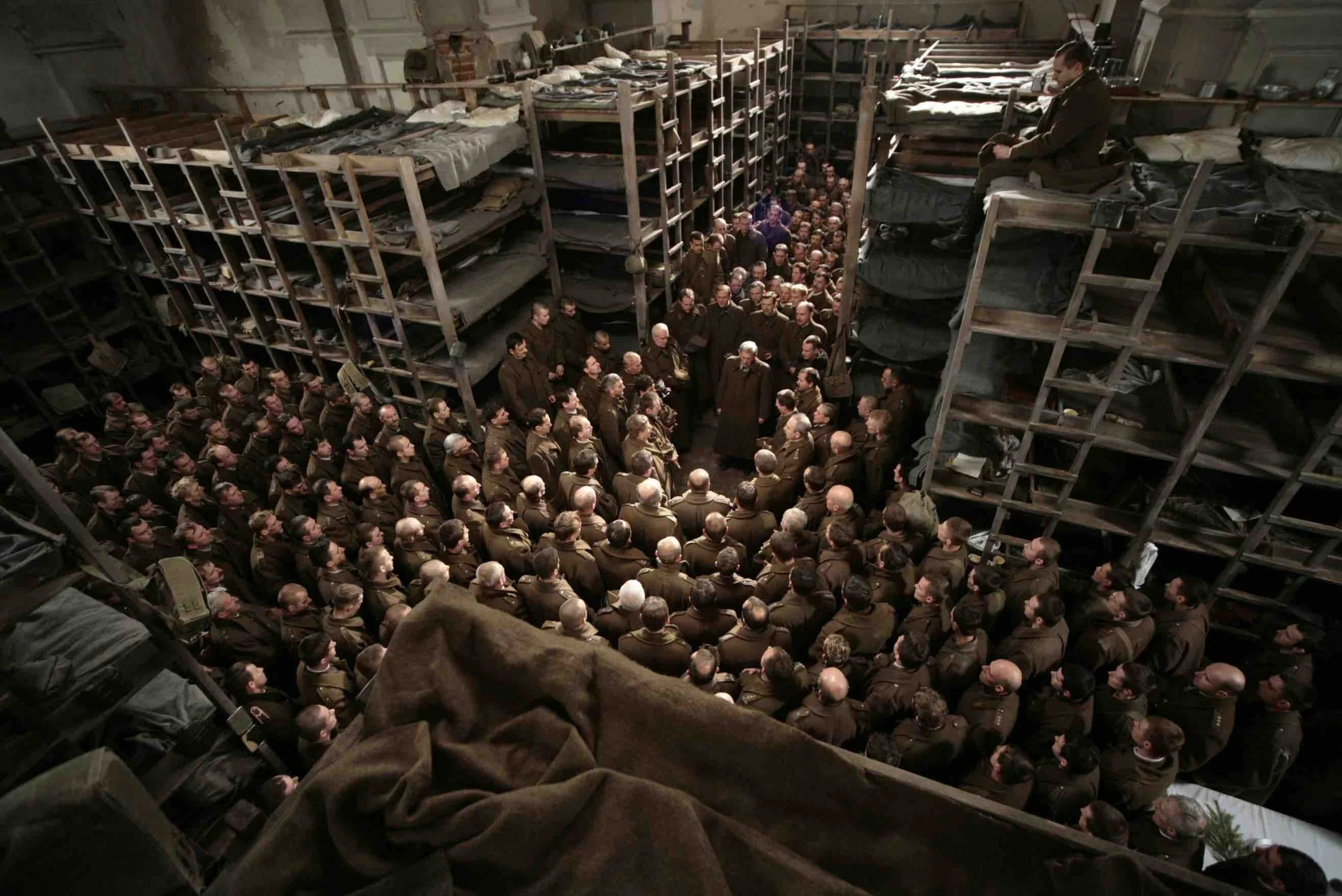
Katyn
Wajda’s first three films—A Generation, Kanal, and Ashes and Diamonds—all derived from his experience in the Polish underground during the Second World War. The third of this loose trilogy, Ashes and Diamonds, revolves around a trio of resistance fighters; the masterful work opens the VIFF Centre’s series on November 19, with additional screenings on November 22 and 25. Bożena Karwowska, professor of Central, Eastern, and Northern European studies at UBC, leads an opening night talk at the screening.
The series closes on December 27 with 2007’s Katyn. Perhaps Wajda’s most personal film, it broaches his father’s death during the Red Army’s Katyn Forest massacre. After the war, the Soviets blamed the Nazis for the slaughter—a cover-up as central to the film as the war crime itself.
Screenings of Wajda’s films across the continent this year are part of the Wajda 100 Tour – North America project, organized by DI Factory with the financial support of the Polish Film Institute.
Purchase tickets and discover all the films on offer through the VIFF Centre.
Post sponsored by VIFF Centre.
Related Articles
Featured___LZSettings_N4IgzgFg9g7gSgUwIYBMCyUBOCAyBLAOwGsQAuAMyQBswEAacBAYygJSUwE80EAXVJPzIgCrBCAaRYAUQAeTBJgAOvMr0wBXeiCp4wvAJIBbJAHMEAQV2mCRhAVWkdCcqsnQYABST6A8pgBVJRYjQlNpADd7XjBhDWCoUIJTCRAAIyooJiIDFGEAVgAOAAZ8tIBOJiZygCYUABZiwvrygDZyJtSpL0w8BTVNbV4EWV4AZTwAL3EnOxQ8DSMujwAVCEW0giQ8KgGtBhYqRYIAdTwUXggyGoB2YoYlMwQJ6euARgfeky4efnYhJyiAjiBjWCC8NJQWRkSg0IYjXhWPA2OwOYRUFxuEB2P6CJCeKBgPC8PCsYRpBCZGAAWhYDmiqTwJnMFjASmYvDgglJwjeADp8qlyDthpgyKB+ClSAQNFQqAdBAhTFhOMIxgBhODSaQAORAAF8DlA5RzSQRcgVyDVKh1yPU3uQbkhyABmcout41Do3eqFVIQZAoRQrBHCABiyF4GmweQYpg0vFFZFa93Aq2JGL22l0+mMTxeMxdqaDRJswiQCagpl6sZASkwUBQGiYvAAiho+kQAGp4BAwaRbDIIPIUai0BihWTD9WsYZo0jqfYgCu8KDqhtKLOSXQlzyKOCwMguhj2JBDnBISaq0dwhjUKiRaKxG-jkDEhBGMAGAgHmBHhj8EOvAzkcRgEM+NQAWeGK8AA4gmSakDUqZGFAaQ7AgIHHM+HzYmhGHwYmihkKmmSoFYVD+N4Uqwq+ZEoNRzxTDM9QMDAmBIEoBjDJ+ZyXPgxAwmO2hgFg4yLN8nDcR+z4iFA1KiZgWLdGMEAcAgABCCGsLJoiqepqRpNp4EGHSSIogyTgKPSYoMEZiY6aZrAFsIYAmHKhnGV+dIgVg5JUEg2SeQ5Jl0mMvCcJmThgAAjho6nUpCmBBrZy4oCg6qCCsZjqgFYC0LpYipIcGItmaASYLsTgAPQcCSTAYrEAEceB5BYJ+4ogA2-AkmSpCgJMnURNQWgkQwGgEMSwhBik+qGuATDUDMoDQv1IDDUcMxvMUqYTVNTgAKQGgw16gBto2kNtu2TY4IBHXNDBQI8TDEqd60jVtO3jTdwj3Y95DkLQjgrUNH1jSAe23Uo0LzW950zNd+11jD81YMihCdatZ1g6Q+SI7df0gHDON499SP3fNYBEH2mOg5t4OQ9NSrHUTdMXfjTOzQ9y6TSYvXgWQADaAC6DDYNQGmZNkFpOBkWRENSjT1C0bxpNUKBMC6NT1EWCAuuQ5QGkAA