Drawing on globe-spanning influences, Gord Grdina’s Ru’ya creates kaleidoscope of melody and rhythm
Christ Church Cathedral performance by the renowned Vancouver musician’s latest project will blend intercultural virtuosity with poetry from a troubled Middle East
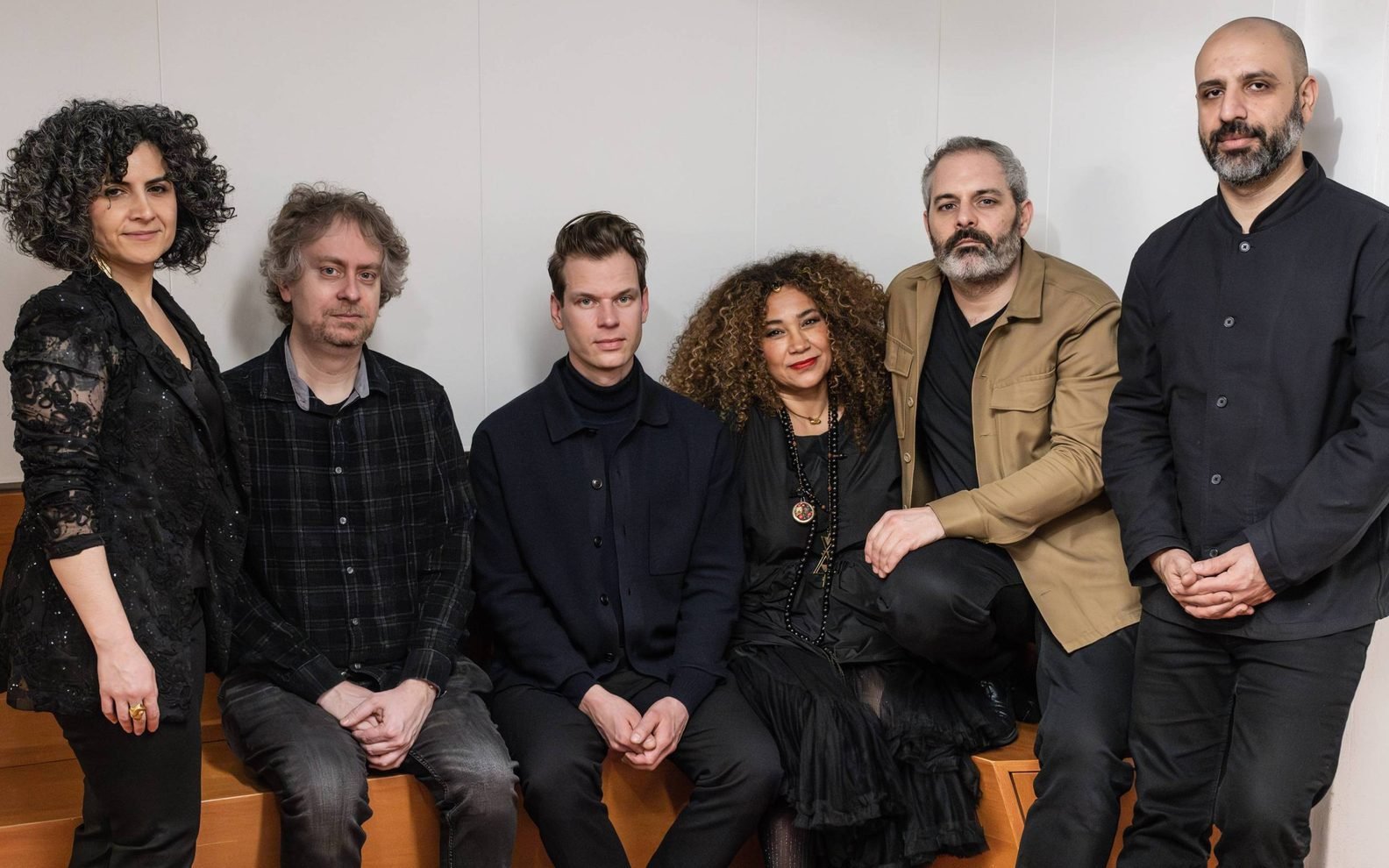
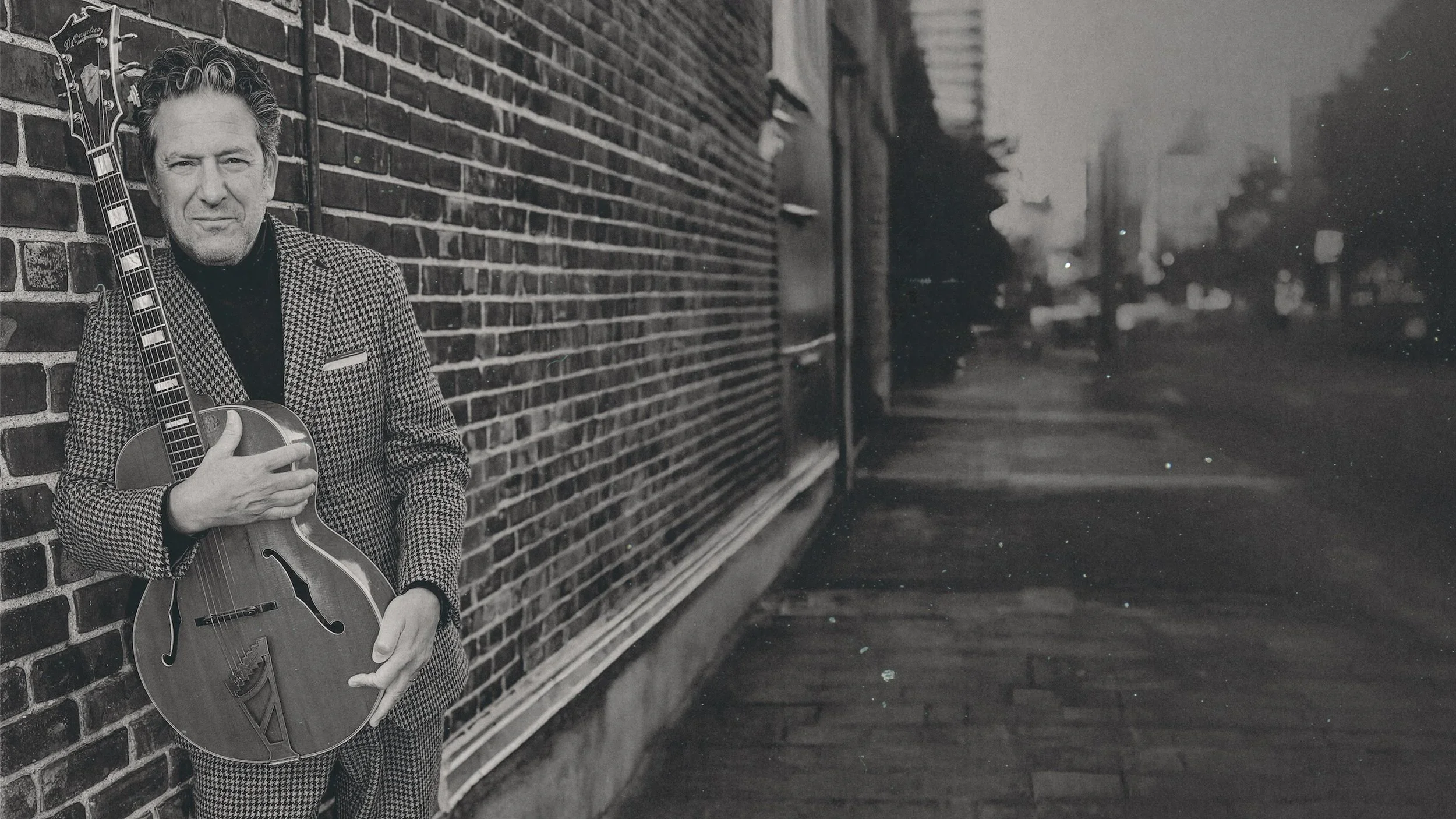
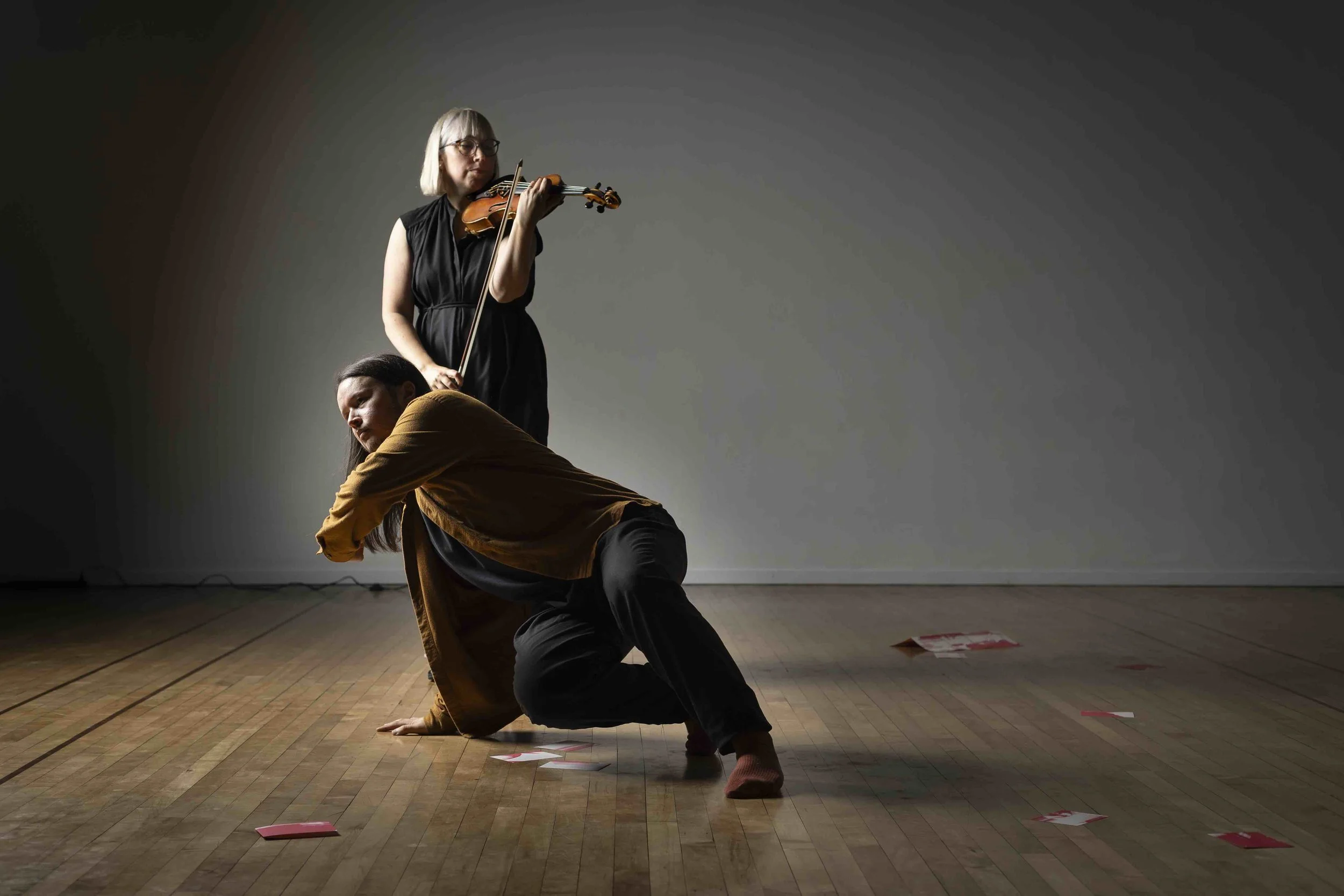
Gord Grdina’s Ru’ya.
The CapU Global Roots Series presents Gord Grdina’s Ru’ya at Christ Church Cathedral on November 4
THE MUSIC IS AMAZING, but it’s the poetry that matters. And that’s in part a function of the times we’re living though, when apparently unresolvable conflicts in the Middle East have had the bittersweet consequence of raising North American awareness of that region’s ancient, diverse, and evolving cultures. The oud, which is essentially the guitar of the Arab world, is having a surprising renaissance. Shelves of Middle Eastern cookbooks line the walls of every decent bookstore, as home cooks begin to explore the region’s culinary riches. And we’re slowly becoming aware of the esteemed place that literature holds in the Arab world. The 19th-century English radical Percy Bysshe Shelley may have said that “poets are the unacknowledged legislators of the world,” but that is especially true in the Middle East, where poetry has long served as the voice of personal and political liberation.
So it’s apt that Middle Eastern poetry is at the heart of Gordon Grdina’s new band, Ru’ya—and ironic that the Vancouver-based composer, guitarist, and oud player doesn’t speak Arabic. Nor does he write music as a way of venting his feelings. For him, it’s more a case of finding out what will happen when musicians with distinctively personal styles combine to tackle his complex and kaleidoscopic melodic lines and rhythmic patterns. “The music is sort of engraved with emotion,” he says in a telephone interview from his East Van home, “but it’s not necessarily about specific things.”
Add lyrics, though, and that changes. And with Ru’ya, which means “foresight” or “vision” in Arabic, Grdina has been beyond fortunate to enlist the help of Ghalia Benali, a Belgian-Tunisian vocalist of uncommon charisma and depth. In the Arab world, she’s widely hailed as the rightful heir to the late queen of Arabic music, Umm Kulthum. Her interpretations of the Egyptian legend’s classic songs have made her famous. But Benali is also a modern woman with modern ambitions: fascinated by improvisational forms, she’s eager to work with musicians from a wide array of other cultures.
Even after only one gig—in Berlin’s prestigious Pierre Boulez Saal, no less—it’s already clear that Ru’ya delivers all of the adventure that the singer is looking for, and Grdina couldn’t be happier.
“The connection,” he says, “came about through [Ru’ya percussionist] Hamin Honari and Constantinople, Kiya Tabassian’s group. Hamin was playing with them, and they had a project where they were doing Persian music with Ghalia. We did a double bill with them in Vancouver, so that’s where I first heard her. I was quite blown away and thought, ‘Man, that’s someone I’d like to work with.’ Constantinople does things in cycles, so they aren’t doing anything with her right now. But Hamin and her remained quite close after that tour—they talk quite a lot—and when I was putting together this project I really thought of her, because she’s such an improviser: sort of open and looking for new projects.
“Whenever you hear her do anything,” he continues, “you kind of sense a playfulness, while still having massive control and depth and a real meaning that comes through.”
Benali is also blessed with a literary sensibility, and seems to have an innate ability to choose lyrics that match, both sonically and emotionally, Grdina’s music.
“She’s an adept student of contemporary Arabic poetry, as well as traditional,” he says. “She’s got such a knowledge of all of this poetry, so I’d be bringing music to her and she’d listen and then she’d be like, ‘Ah, this piece will fit with this poem.’
“One of the pieces is an older one I’d written with Kenton [Loewen] and Hamin called ‘Gaza’. She heard that and instantly connected it to a piece of hers, where all the lyrics are by a friend of hers who is a Palestinian poet. That music just fit perfectly, so it’s like a hybrid composition of hers and mine with the poetry of that Palestinian writer, Nasser Rabah.”
Naturally, he adds, “there’s a feeling of wanting to get this music out as soon as possible.”

Gord Grdina’s Ru’ya in performance.
Although Grdina expects that Benali’s popularity in the Middle East will attract Arabic speakers to Ru’ya’s local debut at Christ Church Cathedral on November 4, he’s also making plans for those of us who are not fluent in the singer’s native tongue. He’s hoping that he’ll have a full set of translations ready for the show, and they’ll certainly be in the liner notes when the band releases its debut recording in 2026. But the music speaks for itself, albeit in a decidedly polyglot way. Joining Grdina, Benali, and Honari in Ru’ya are Turkish-American violinist Eylem Basaldi, Austrian pianist Elias Stemeseder, and German drummer Christian Lillinger—all internationally acclaimed virtuosos, as they’ll have to be to play the leader’s charts.
“I feel very deeply that we need to bring different cultures together, different ideas together, and be able to celebrate each other’s differences,” Grdina says, noting that in writing for this configuration he has to allow not only for each musician’s strengths, but also for their individual accents, as it were. So it’s fortunate that this cultural polyphony fits well with the sonic polyphony that he’s been developing in his compositional output. “For the last several years now I’ve been working on writing three or four lines that are independently very strong,” he explains. “If you listen to any one of them, that could be the main melody, and if you listen to all of them, they all come together. It’s a kind of beautiful tapestry, but you could single out any one of those threads.
“It’s an analogy that you hear quite a lot, but it’s kind of like a [Jackson] Pollock painting, where if you just follow one colour, then all you see is that colour—or you can sit back and see the whole thing.” 

Related Articles