Dominique Fils-Aimé’s music becomes a way of life rooted in emotional journey
Acclaimed Montreal singer and songwriter intertwines healing experiences in nature and musical history to reach toward the light
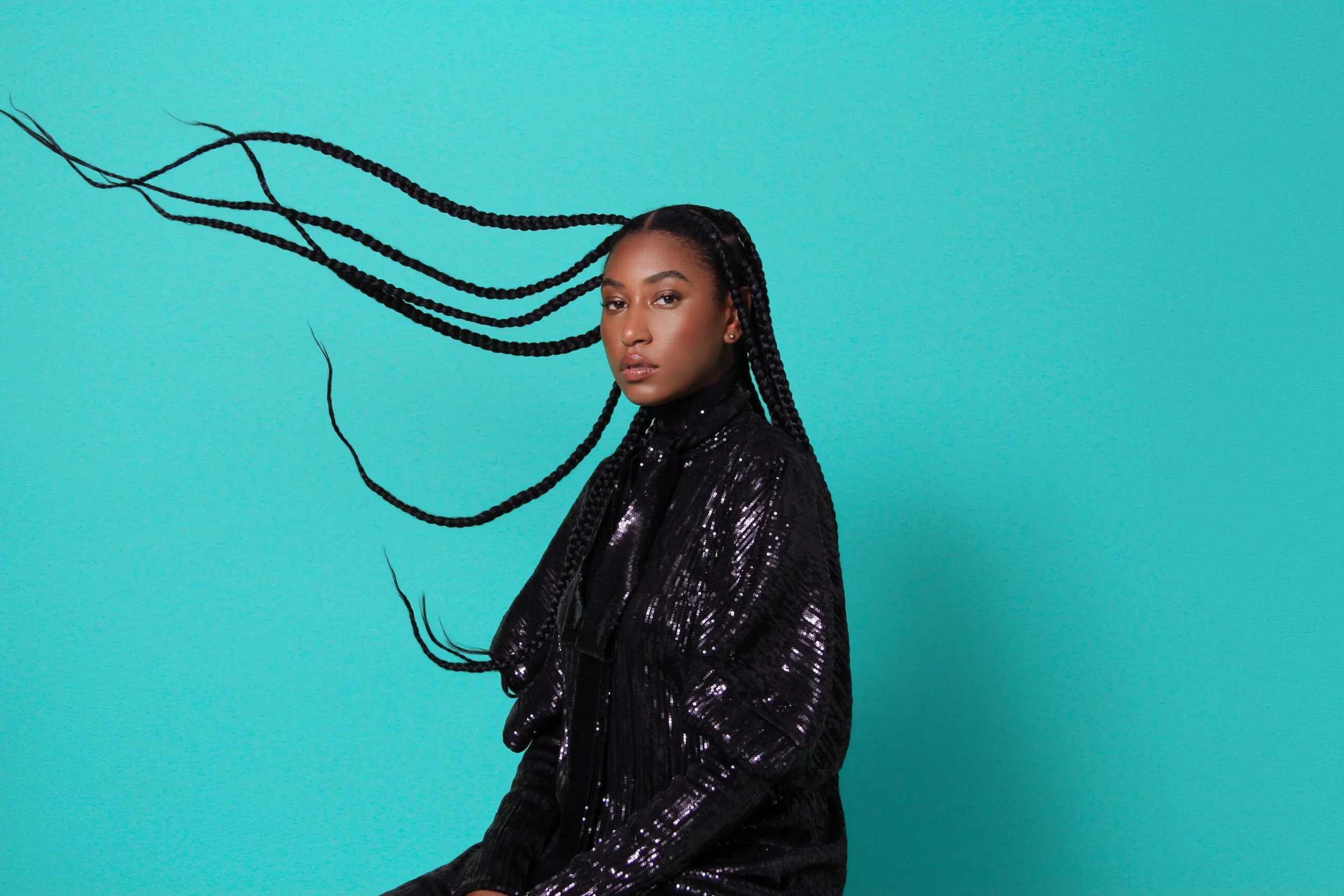
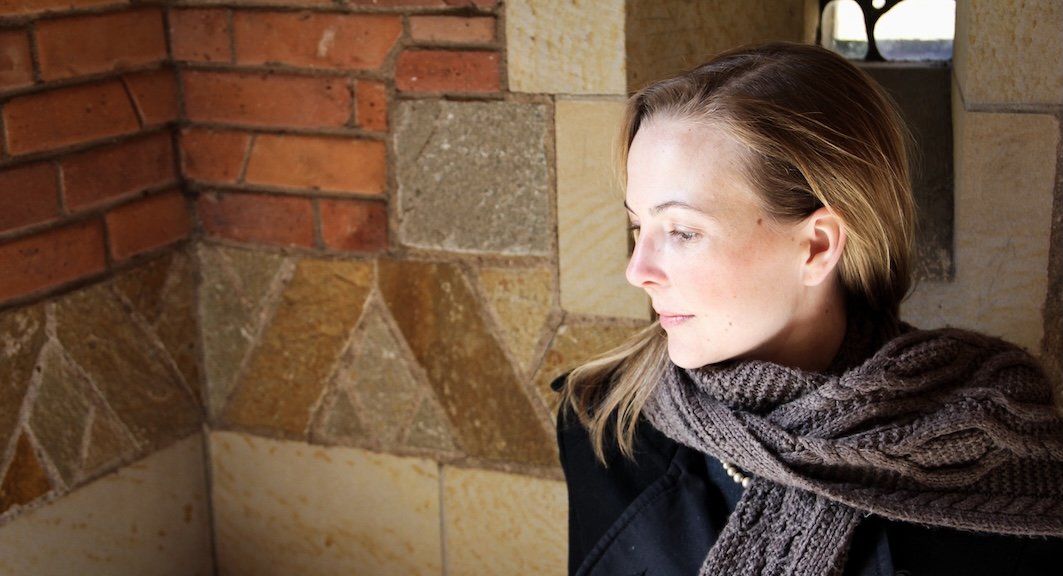
Dominique Fils-Aimé. Photo by Jetro Emilcar
The Chan Centre for the Performing Arts presents Dominique Fils-Aimé at the Chan Shun Concert Hall on March 7
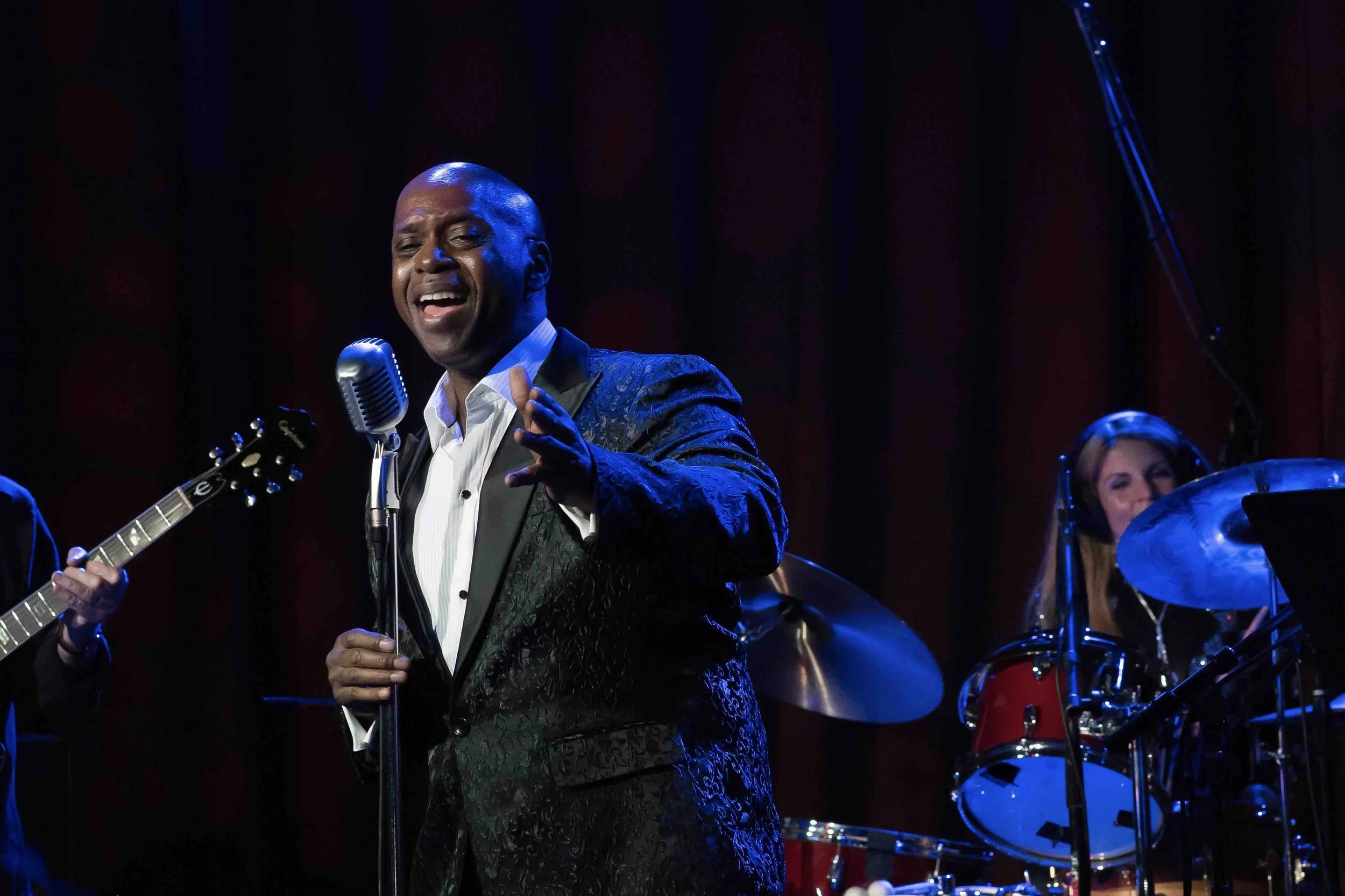
WHEN SHE COMES TO the Chan Centre for the Performing Arts on March 7, singer and songwriter Dominique Fils-Aimé will have one primary goal: to hold your attention during an expansive journey through jazz, blues, soul, and improvisation. In return, however, there’s something that she’d like you to hold: your applause.
Oh, there’ll be occasions for clapping and cheering—no need to worry about that. But for the kind of immersive experience that Fils-Aimé and her versatile band want to provide, those will be interspersed between longer medleys of songs from her relatively short but extremely productive career.
The key element of her live performances, the Haitian-Canadian musician explains, is that “we are here to have fun and to just enjoy the moment to the fullest. So there is definitely a part when we know the show by heart, and so we’ll throw each other challenges before going onstage, where everyone will have to do something they’ve never done before. We always try to remain in the present moment and never have it run on automatic pilot. That would be my worst nightmare!
“I found that I was very free in my music, and I wondered if there was anything in the show that was not as free,” Fils-Aimé adds, on the line from her Montreal home. “And I realized that I’m not comfortable with the concept of doing one song, talking, applause, and then another song [followed by] applause, et cetera. So I’ve created the show in a way that it becomes one story. All the songs are interlinked in a way that it stops very rarely. There’s way more music than talking, which I love. And there’s also very little space for applause, so that people can sink into the music and just get into that place where they’re receiving the frequencies and have nothing else to do but be there and connect with us.”
Such long-form thinking is far from foreign to Fils-Aimé’s sensibility. Each of her five studio albums—including 2019’s Juno-award-winning Stay Tuned!—has a distinct musical and emotional focus, and beyond that they’re divided up into trilogies that aim to paint a bigger picture of the singer’s interests.
“The first trilogy [Nameless, Stay Tuned!, and Three Little Words] was very much anchored in the past,” she explains. “It was a way to look at all the musical genres that impacted me growing up. And when I started doing that l realized that between blues, jazz, and soul there was a very clear emotional link to the history behind those times, when that music was created. I was fascinated and inspired by how we have history books on one side to tell us about what happened—written, of course, by the winners or whoever has the most power. And then I realized that music and art have the capacity of holding the memory of the emotional process. How were people feeling? How were people coping? How were they finding the resilience to go through it? So that’s where the first trilogy came from, and from me discovering my emotional link to all of these musical styles. No matter the history behind them, they’re just something universal that will reach everyone who has a heart.”
A hint of Fils-Aimé’s preoccupations can be found in her debut’s inclusion of Billie Holiday’s anti-lynching anthem “Strange Fruit” and Nina Simone’s “Feeling Good”, an early expression of Black pride and empowerment. The new and as-yet-uncompleted trilogy finds her turning inward, somewhat, as she develops a trippier, loop-based sound and delves deeper into her own psyche—but also into her growing rapport with what ecologist David Abram has called “the more-than-human”.
“I wanted to take everything that I learned from the first trilogy, where I was discovering myself musically, and….anchor myself in that lineage where they’re talking about jazz as a way of life, as a way of being, as a way of perceiving our life in general,” she notes. “For the second trilogy, it became more personal and anchored in the present, but looking toward the future. What is there in this world that we are trying to free ourself from? What kind of elements do we have available to make that move and to represent our growth? And the thing that has brought me the most lessons, that has taught me the most, has always been nature, in one way or another.”
Consequently, 2023’s Our Roots Run Deep opens with the self-explanatory title track and closes with “Feeling Like a Plant”, both of which explore plant life as a metaphor for honouring ancestors, surviving inclement weather (personally or politically), and reaching toward the light.
“I feel like I started from the roots of the tree,” Fils-Aimé says, “and as I climbed up to the top of it, the sun became my main inspiration: everything that it represents, from love to light. There’s also this notion of trying to rise above the noise and trying to rise above our clouded judgment, especially at a time when everything is very divided. I felt like trying raise the general frequency of people through music, so that we can aim towards a higher place that is peaceful, that is calm, that is cloudless.”
The second part of the trilogy, My World Is the Sun, hasn’t quite hit the streets, but on the evidence of its debut single, “The River”, it will be centred on the concept of flow, and perhaps also on ways to navigate turbulence.
“I have always written from a place that felt like channelling,” Fils-Aimé offers. “And this one started from a meditative process that was part of my personal emotional journey. I had suffered from a heavy depression that really stopped my previous life, my previous professional life—in psychological support, funnily enough. But I always felt like I could put myself in a state where I would detach a little, start meditating, and a humming sound would come, mantras would come, and I would just let them guide me. It’s always been like that, but for this album specifically, every single song was led by that feeling of channelling. So every time I had a song that just came, I would follow it until the end, and if ever in the process I would start thinking about ‘Oh, should I add a verse? Is this a structure that makes sense?’ I would cancel the song. So I ended up keeping only the songs that came to me 100 percent naturally—without thinking, without questioning, without trying to reformat it to speak to whatever my brain might question. And that was an extremely pleasant process!”
As for the third instalment of Trilogy 2, the generally effusive Fils-Aimé is playing her cards close to her chest. “I have a feeling that I know, but I want to see if life confirms it,” she says, laughing. “This time I’m really letting my personal journey be reflected in the music, because I feel like the musical evolution and the personal evolution of a person are intertwined—and I want to make sure that it is a reflection of where I’m at at that moment. But I have a feeling that I know where it’s going!” 

Related Articles