Brahms X Radiohead finds common ground between classical music and alternative rock
Composer and conductor Steve Hackman has no fear of crossing stylistic boundaries

Conductor Steve Hackman
The VSO presents Brahms X Radiohead at the Orpheum on March 21 at 7:30 pm
IN THE 1993 CINEMATIC version of Jurassic Park, Jeff Goldblum’s character, Ian Malcolm, utters one of the book and movie franchise’s most famous quotes. Speaking to the CEO of InGen—a firm that has successfully manipulated ancient DNA to create living dinosaurs—Malcolm says, “Yeah, yeah, but your scientists were so preoccupied with whether or not they could that they didn't stop to think if they should.”
For composer and conductor Steve Hackman, the stakes aren’t quite as high as they are in the potentially catastrophic business of bringing T. rexes and Velociraptors back to life. The DNA he splices is of the musical kind, but he still finds himself weighing could against should when it comes to his work.
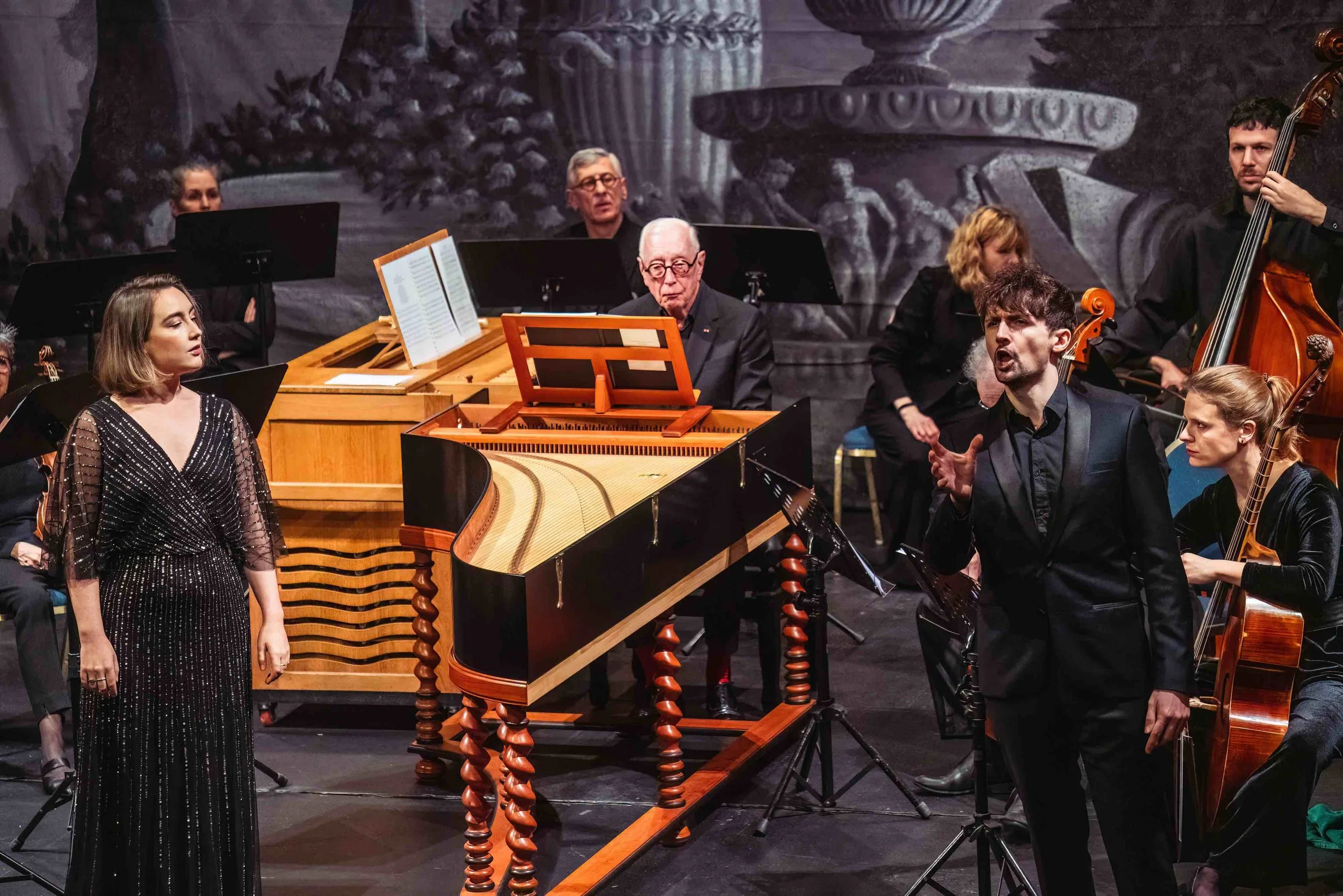
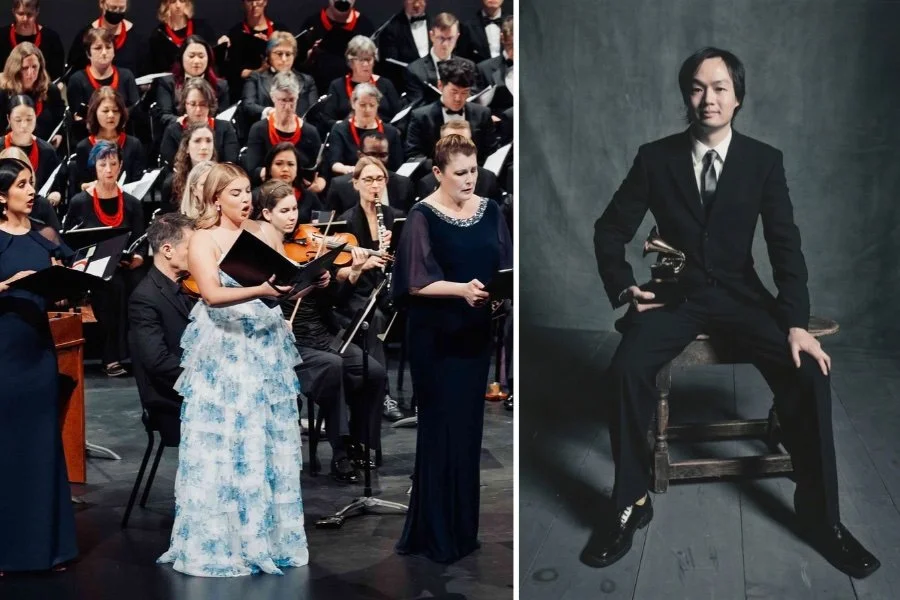
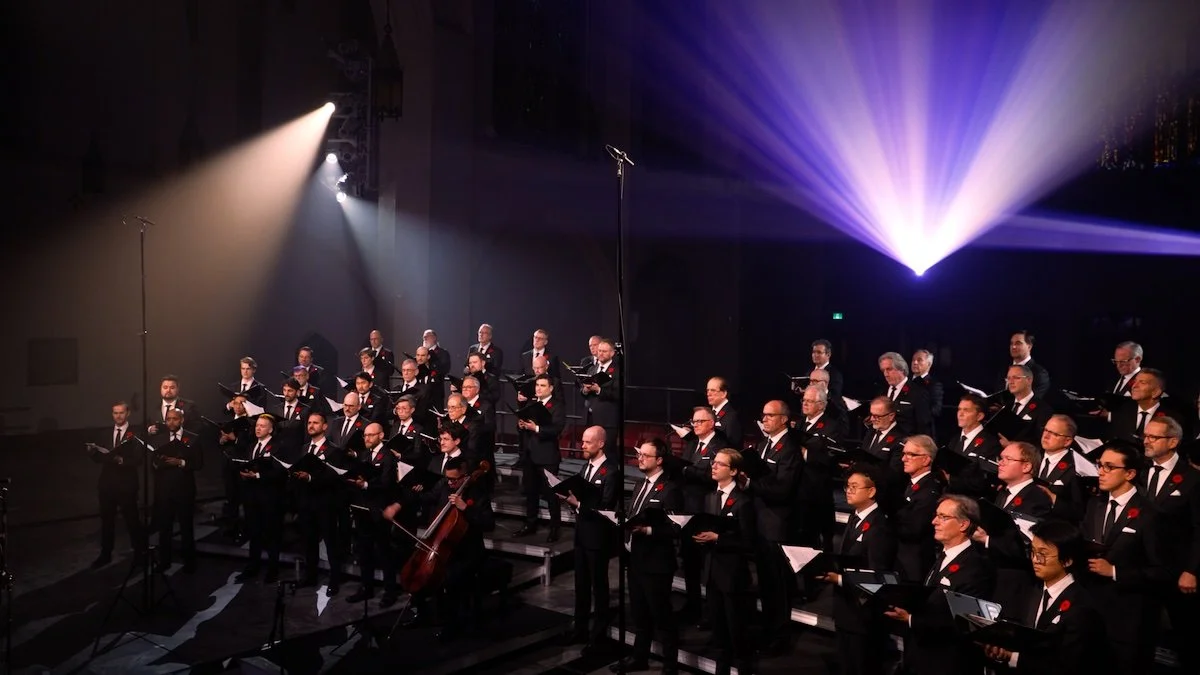
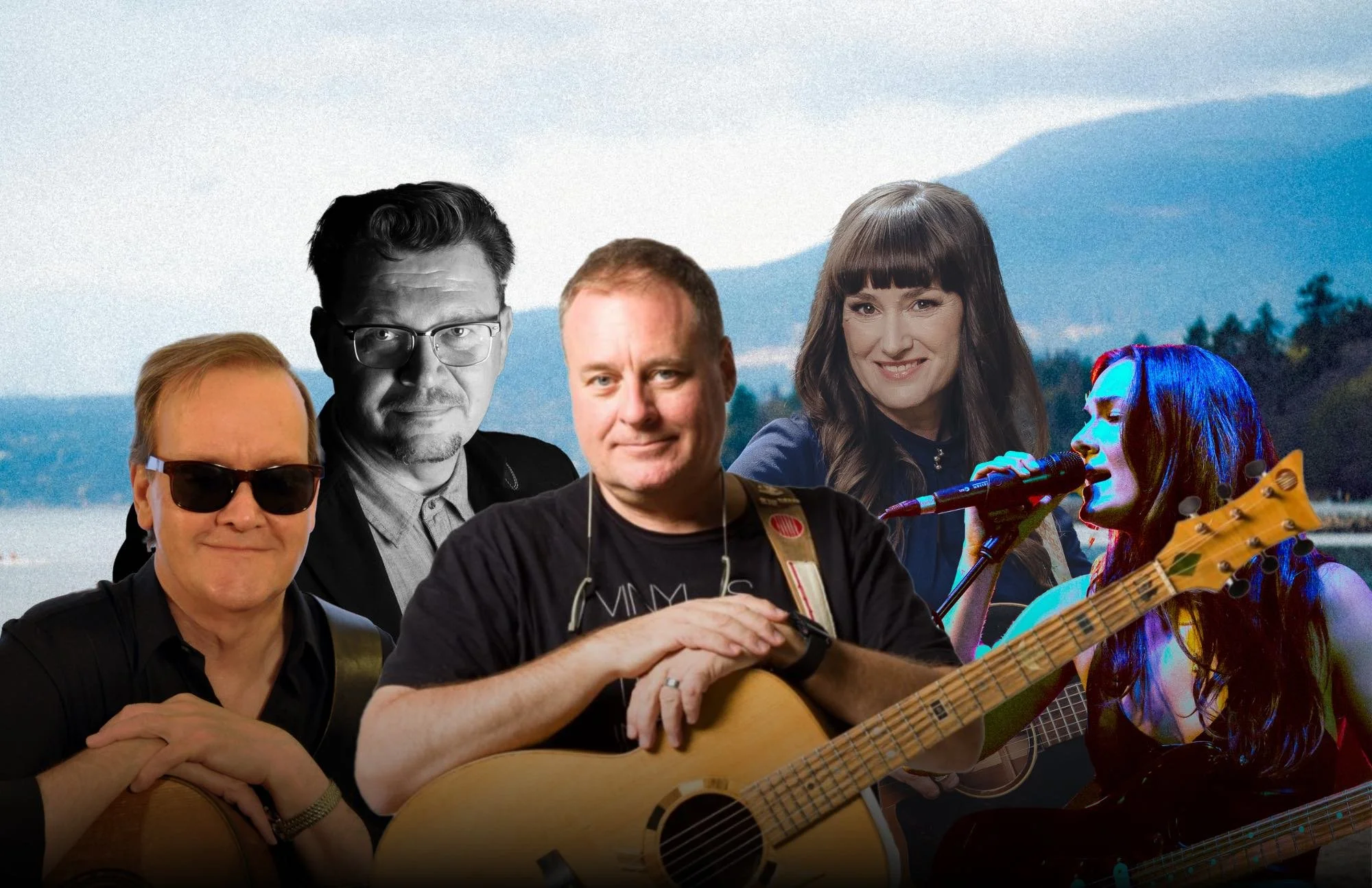
One of Hackman’s most celebrated pieces, Brahms X Radiohead, fuses the 19th-century German composer Johannes Brahms’s Symphony No. 1 in C minor, Op. 68 with the English band Radiohead’s career-defining 1997 LP OK Computer. In Vancouver, Hackman will conduct the VSO in a performance of Brahms X Radiohead that will also feature vocalists India Carney, Khalil Overton, and Andrew Lipke.
On paper, an orchestral work of the mid-Romantic period wouldn’t appear to have much in common with a dystopian-themed alternative-rock record, but in Hackman’s mind, they make a natural pairing.
“They’re both pieces that have a lot of anxiety, and this brooding feeling; this tense, unsettled feeling,” he tells Stir in a telephone interview. “So, from a macro level, I thought to explore that emotional similarity. And then on the micro level, there are certainly lots of musical devices or key signatures or time signatures or chord progressions that they have in common—but you could say that for a lot of music. Just because things are in C minor doesn’t mean you have to combine them, of course.
“I often say that just because you can, that doesn’t mean you should,” Hackman continues. “The first movement of Brahms being in 6/8 and ‘Subterranean Homesick Alien’ happening to be in 6/8, that speaks to the ‘you can,’ because you can put them together easily. But I think that thematic connection, that emotional connection…that answers the question of whether you should.”
Besides Brahms and Radiohead, Hackman has said “Yes, I should” to a number of other unlikely pairings, including Ludwig van Beethoven and Beyoncé, Béla Bartók and Björk, and Igor Stravinsky and Kendrick Lamar. Symphony No. 1 and OK Computer, however, have occupied a shared portion of the composer’s consciousness far longer than any of those other match-ups.
“This might sound odd, but that music sort of lives in the same place in my mind, because I fell in love with that album while I was preparing for auditions at Juilliard and Curtis for conducting,” he reveals. “One of the pieces we had to learn for the audition was the Brahms First Symphony. So they already coexisted in my mind, though the idea to combine them was still years away.”
Clearly, Hackman is perfectly comfortable crossing the perhaps-arbitrary boundaries that separate classical compositions from popular songs. In fact, the roster of artists he has worked with as a composer, arranger, conductor, or accompanist is impressively wide-ranging and includes the Baltimore Symphony Orchestra, Carly Rae Jepsen, Chanticleer, the Beach Boys, Andrew Bird, Doja Cat, Kanye West, and the Tallis Scholars.

“I don’t see these big barriers or dividers between classical music and alternative music, in this case,” Hackman says. “I just see music as music. I see it in its kind of absolute form. It’s made of the same building blocks. It manifests in different ways, we experience it in different ways, and people categorize it in different ways, but to me they’re not that different. I guess from a mission standpoint, that’s the one place where this all comes from—just trying to illustrate that these things have much more in common than we may think.”
Hackman stresses that fusions such as Brahms X Radiohead are rooted in true appreciation of the artists who created the works in the first place. He certainly makes no claim that he is improving on the originals.
“I am in no way asserting that OK Computer would have been better if it was combined with Brahms’s First Symphony or vice-versa,” he says. “That is not what this is. This is expressing my adoration for that work and hoping that by combining them and fusing them, we can see them in a different light and maybe reveal something new.”
After almost a decade and a half of playing matchmaker for unexpected musical bedfellows, Hackman says he could now conceivably blend together the work of any pair of artists, even if they appear radically disparate at first blush—Skrillex and Erik Satie, say, or Madonna and Henryk Górecki.
“If something doesn’t share a time signature or chord progression or a key, I just make it so that it does,” he says. “I rewrite it. As the years have gone on, it’s been much more about ‘Should you combine these things? Is there an overarching reason to combine Beethoven and Coldplay or Stravinsky and Kendrick Lamar?’ Because I can make the music work.”
And sometimes, when you can do something, you also should—but not if it leads to packs of Velociraptors rampaging through the streets, of course.

Related Articles