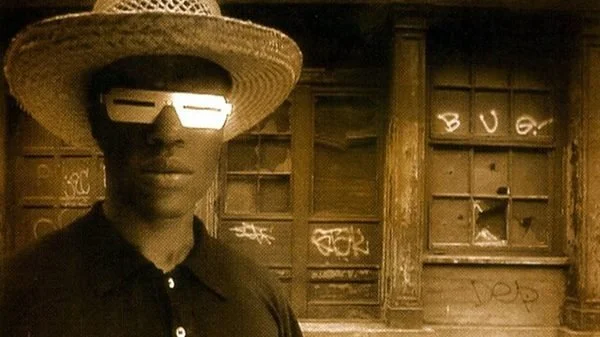
Ruckus Early Music finds lightness of dance in inspiring story of Ignatius Sancho
New York City ensemble’s program for Early Music Vancouver pairs pieces by Handel with high-spirited English country dances by the British African composer and abolitionist
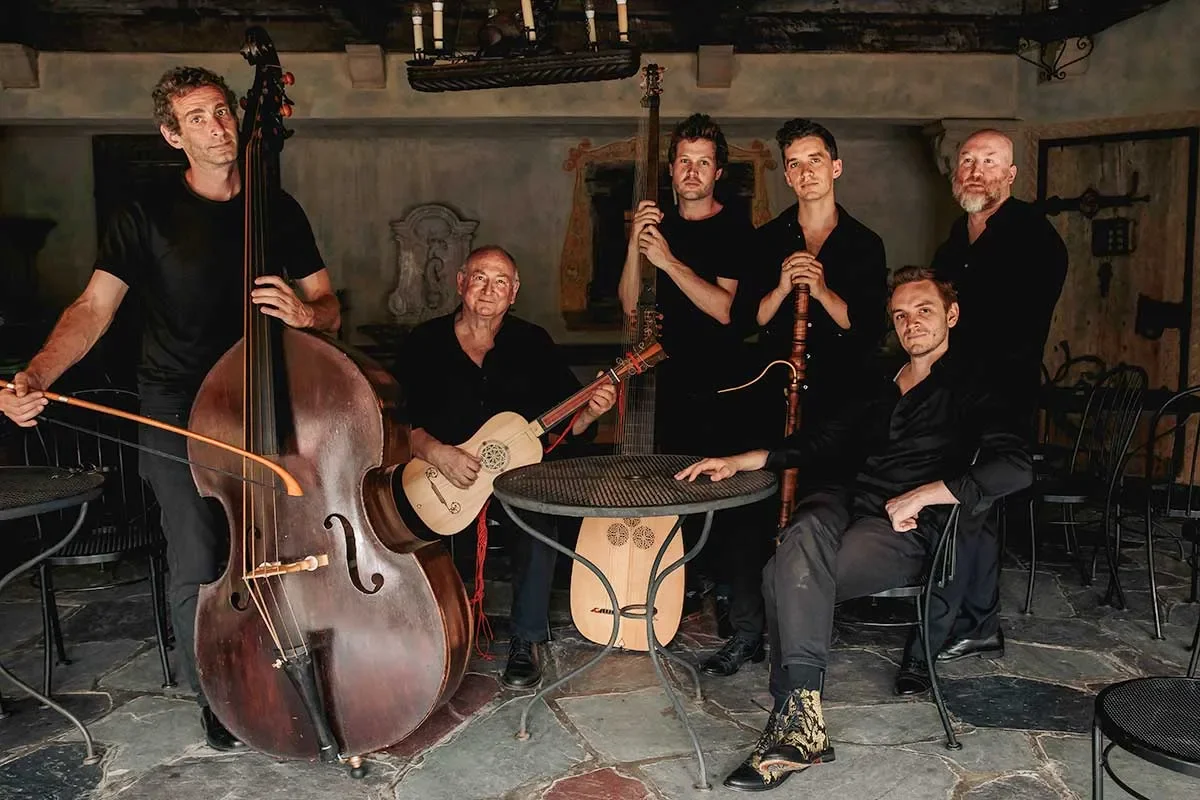
Ruckus Early Music
Early Music Vancouver presents Strawberry Fields: Handel, Sancho, and English Country Dances at Christ Church Cathedral on February 27 at 7:30 pm
ALL THE SUGAR in the world can’t coat the fact that these are dark times, yet it’s important to remember that the world remains full of wonder. And what I’m wondering about today is how it’s possible that I had been ignorant of the existence of Ignatius Sancho until February 3 of this year, when he entered my consciousness courtesy of an email from Early Music Vancouver. Born aboard a British slave ship circa 1729, Sancho was brought to the United Kingdom as a two-year-old orphan, won or was granted his freedom, established a prosperous business, and became a vital campaigner for the abolition of slavery, respected by such cultural figures as the painter Thomas Gainsborough and the author Laurence Sterne. In 1774, he became the second person of African descent to vote in an English election.
And he wrote music. Extraordinary music, which local audiences will get to hear at Christ Church Cathedral on February 27, when the New York City–based early music ensemble Ruckus will present Strawberry Fields: Handel, Sancho, and English Country Dances. It’s a bold move, offering a relative unknown’s music alongside that of George Frideric Handel, composer of the Messiah and companion to kings, but it makes sense—and neither musician will suffer in the other’s company.
It’s not known whether the two ever crossed paths in London, where they both spent much of their lives, but Sancho was 30 and a free man in 1759. when Handel died, and recent scholarly research indicates that Sancho was a vocal admirer of the older composer’s music.
Beyond historical proximity, however, the two shared a penchant for making music for dancers. Sancho was explicitly interested in the indigenous dance music of his adopted home. In their contribution to Early Music Vancouver’s Lumen Festival, Ruckus intends to play the entirety of Sancho’s 12 Country Dances for the Year 1779, interspersed with three of Handel’s trio sonatas. The dances that those were intended to accompany—sarabandes, allemandes, gavottes, gigues, and minuets—are more suggestive of courtly romance than of rustic revelry, but Ruckus’s artistic director and bassoon virtuoso Clay Zeller-Townson believes that they stem from the same impulse: pleasure.
“We’re seeking to take Handel’s music out of a courtly-only sphere and bring some rustic energy into it, to make it music that could make anyone want to dance, not just a king,” he says. “And we want to bring some real refinement and elegance to Sancho’s music as well.”
So far, Zeller-Townson and his shifting cast of Ruckus colleagues have applied their effervescent ethos to eight distinct projects, including The Edinburgh Rollick, based on the music of the 18th-century Scottish composer and fiddler Niel Gow; avant-jazz pioneer Roscoe Mitchell’s Metropolis Trilogy; and Fly the Coop, an exploration of Johann Sebastian Bach’s sonatas and preludes that features the stellar talents of Baroque flute specialist Emi Ferguson. She, in turn, introduced Zeller-Townson to Sancho.
“Ruckus had been looking to explore the vast terrain of English country dances,” he explains. “There’s hundreds of possible publications that you could go to to look for social dances that were hugely popular in all sectors of society in the 18th century, not just courtly entertainment. People from all walks of life were dancing country dances. So I knew we wanted to do a country-dance project, and Emi told me that I should check out Sancho’s music. She has this fabulous collection, and as soon as I saw 12 Country Dances I knew that it was a perfect fit for us as a group, for many reasons.”
One is that while many country-dance tune books were written for fiddle, and thus only outlined basic melodies, Sancho’s instrument was the harpsichord, and so he included what Zeller-Townson calls “fully fleshed-out harmony”.
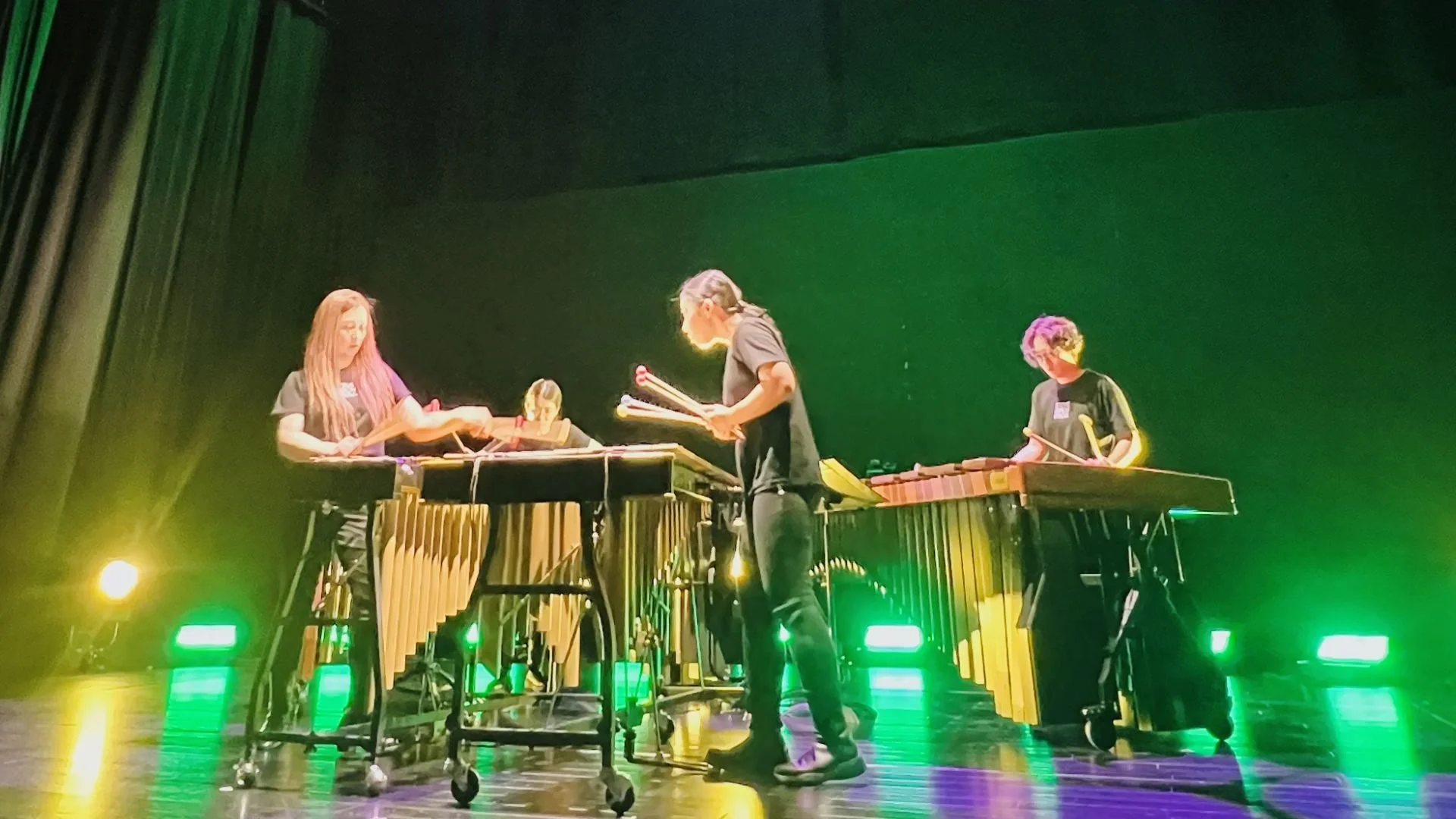
“This doesn’t sound too radical, but it is pretty rare in the 18th century for a set of country dances to have both melody and harmony,” he says. “As soon as you see the way that Sancho uses harmony—in a very simple way, just like eighth notes in the left hand of the harpsichord underneath the melody—it is a language of writing that those of us in Ruckus can intuitively create textures around. All that’s to say that the scores that Sancho wrote are simple, in a sense—simple enough that they allow for invention, and complex enough that they have some amount of structure and harmonic language that we can play with. So they’re just like a really rare kind of document that allows Ruckus to do what Ruckus does. And what Ruckus does is that we collaboratively improvise and create textures using this 18th-century rhythm section that we are.
“Sancho’s music is also just very evocative,” he continues. “His titles are very evocative. His pieces were named after people that he knew and respected: there’s ‘Lady Mary Montagu’s Reel’, but there are also titles like ‘Strawberries and Cream’ and ‘Bushy Park’—locations around London that he knew. So there’s a musical reason that Sancho’s country dances are a great fit for us as players, and then there’s just the great thing of sharing his story. He was just such a cool guy, and he had a really vibrant life.”
Four other cool guys are alluded to in Ruckus’s concert title: John, Paul, George, and Ringo. It’s easy to link the Beatles with early music: producer George Martin was a founding member of the London Baroque Society, and Paul McCartney, a virtuosic sponge, almost certainly borrowed from Handel in his eloquent horn arrangements. And while Zeller-Townson doesn’t want to give too much away, he does promise that in addition to Sancho’s “Strawberries and Cream”, Ruckus will slip “Strawberry Fields Forever” somewhere into their program.
“It’s pretty loose,” he says, laughing. “‘Strawberries and Cream’ is just a super iconic image of the British countryside in summertime. A field of strawberries? Come on! It’s not too esoteric a connection—and sometimes you just need to have fun.” 

Related Articles