John Reischman and the Jaybirds’ musical roots thrive on strong sense of West Coast place
With new album The Salish Sea and a “bluegrass concerto” of the same name, the renowned mandolinist and his cohort of virtuoso musicians summon wild elements of the natural world
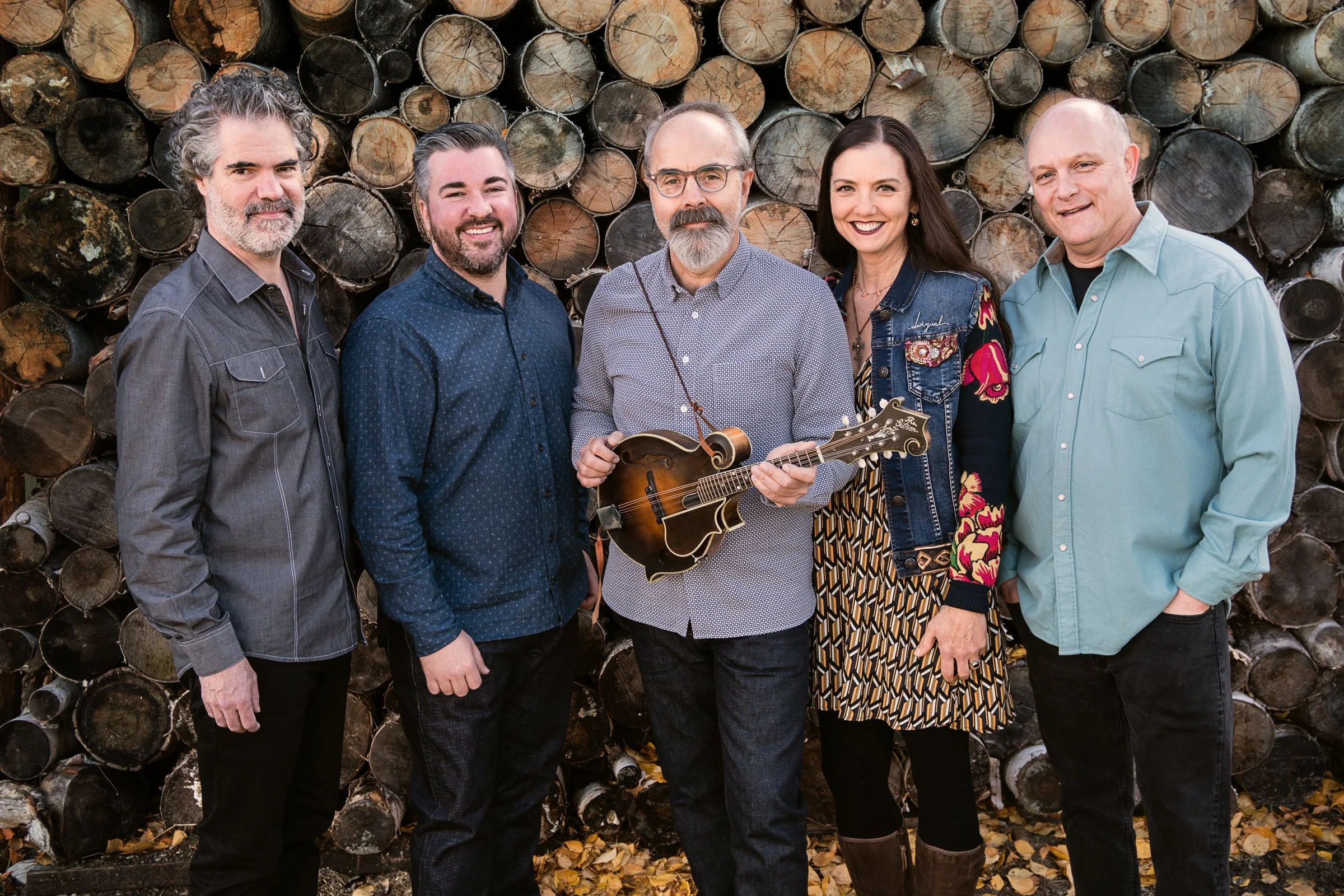
John Reischman and the Jaybirds
New Westminster’s Anvil Theatre presents John Reischman and the Jaybirds on December 7
THE LARGEST FREE-STANDING example of installation artist James Turrell’s magical Skyspace concept in North America. An acre’s worth of Sol LeWitt’s brilliantly garish wall drawings, currently on view until 2043. Anselm Keifer’s 82-foot-long Étroits sont les Vaisseaux (Narrow are the Vessels), an almost geologically complex work of layered concrete, paint, and metal. The Massachusetts Museum of Contemporary Art, a repurposed factory that dates back to the 1860s, is arguably the best place to see large-format, high-concept visual art in eastern North America.
Somewhat more surprisingly, it’s also a hotbed of contemporary bluegrass. Who knew?
Bluegrass, of course, is the native musical expression of the southern Appalachians. It’s a style fostered in the shady groves and dark hollers of Kentucky and Virginia and Tennessee, and informed by the hardscrabble lives of coal miners, tenant farmers, and the occasional bootlegger. While far from unsophisticated, it has, to the best of our knowledge, never been taught in art school. It is, however, more than welcome at MASS MoCa, as mandolin virtuoso and Jaybirds bandleader John Reischman happily reports.
“There’s a wonderful festival in western Massachusetts called FreshGrass, and it’s held at the Massachusetts Museum of Contemporary Art, which is unusual as a setting for a bluegrass festival,” Reischman explains in a phone interview from his Vancouver home. “The site is an old brick building, and they have these great art installations but also two stages, two main stages where they alternate between acts, and a few smaller things. And although it’s got ‘bluegrass’ in the title, or ‘freshgrass’, they also have more alt-country folks, and contemporary types. People like Sierra Ferrell and also Mavis Staples… a lot of folks that are definitely not bluegrass!
“They also have this history of commissioning various artists who were at the festival,” he continues. “Aoife O’Donovan wrote a song cycle for them, and I think a woman named Becky Buller did too, and instrumentalists like Jerry Douglas and different folks. We’ve played there a few times; the most recent time was in 2024, and they reached out and asked me if I would be up for writing what they referred to as a ‘bluegrass concerto’.”
Naturally, Reischman agreed, and we can get a taste of the piece this week, when John Reischman and the Jaybirds play New Westminster’s Anvil Theatre on December 7. It will mark the local debut of the new suite and also the band’s next album, both called The Salish Sea.
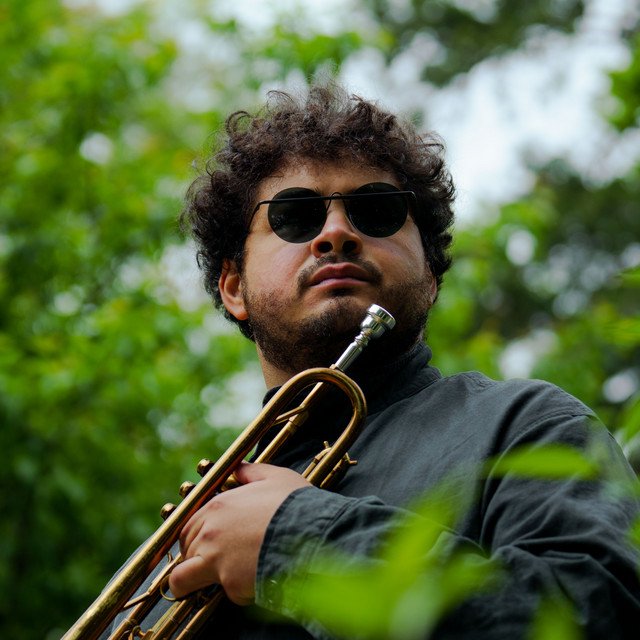
“It’s a set of three compositions,” Reischman says of his concerto. “It’s basically presented by a bluegrass band. which was the Jaybirds in this case, augmented by Darol Anger and Sharon Gilchrist. Darol played second fiddle and Sharon played second mandolin….They said it could be three connected pieces; it could be three fiddle tunes or whatever. But as soon as they asked me, I had some things I wanted to incorporate thematically from old-time music. It ended up taking shape over six months or so, and it became less old-time sounding and slightly more new-acoustic sounding.”
That’s appropriate enough, for the Jaybirds are not quite a traditional bluegrass band, although the mandolinist and his musical partners—Trisha Gagnon and Patrick Sauber, who share the lead vocals while playing upright bass and guitar, respectively, plus banjo wizard Nick Hornbuckle and versatile fiddler Greg Spatz—do share a strong sense of place with the genre’s Appalachian founders. They’ve embraced cedar trees instead of tobacco fields and a salty ocean rather than sparkling mountain streams, however, and that’s evident on their pared-down quintet version of “The Salish Sea”’s first movement, which can heard on the new record. It’s beautiful, slightly wild, and not without subtle hints of darkness.
“The piece is kind of dramatic,” Reischman agrees. “I was thinking of a winter storm on the Gulf Islands, that kind of thing.”
Place has always played a part in the Jaybirds’ approach. Among the locales immortalized on earlier releases from the band are “Salt Spring”, “Deception Falls”, “Wellesley Station”, and “Thistletown”, while The Salish Sea also includes Hornbuckle’s ode to his parents’ address, “Creekwood Drive”, and Reischman’s paean to a favourite pub, “The Crow and Gate”. And while the mandolinist says that—in his case, at least—the titles generally take shape after the music is fully formed, he does do his best work while in nature, sometimes with a little help from a friend.
“During Covid I was walking a lot, and my dog and I were writing tunes together,” he says, not entirely seriously. “We had that melody, and it sounded kind of Celtic to me. I thought ‘The Crow and Gate’ sounds kind of Celtic too, so that’s that!
“I love living here,” adds the California-born musician. “I mean, I love the whole West Coast: just having access to the natural world is an important thing for me. I don’t know how directly that affects what I do, but some of the tunes that I write definitely come from being outside, walking in the woods or something like that.”
Whether onstage, in the forest, or gracing a high-end gallery, Reischman and his Jaybirds deliver strong and beautiful sounds. 

Related Articles