Film reviews: Mile End Kicks to Influencers, quick takes from Whistler Film Festival
Chandler Levack’s love letter to Montreal and her early 20s offers a new kind of female heroine; Kurtis David Harder unveils a super-energetic sequel; and Wədzįh Nəne’ (Caribou Country) takes viewers to B.C.’s snow-dusted northern reaches
Mile End Kicks
The Whistler Film Festival runs from December 3 to 7 at various venues
THE WHISTLER FILM FESTIVAL, which celebrates its 25th anniversary next week, has made a name for itself not only with its storybook, powdered-in-snow setting, but with its strong Canadian and B.C. programming.
Here are quick looks at just some of the highlights of the 106 films running December 3 to 7—more than half of which are from the Great White North.
Mile End Kicks
December 4, 3:30 pm, Rainbow Theatre
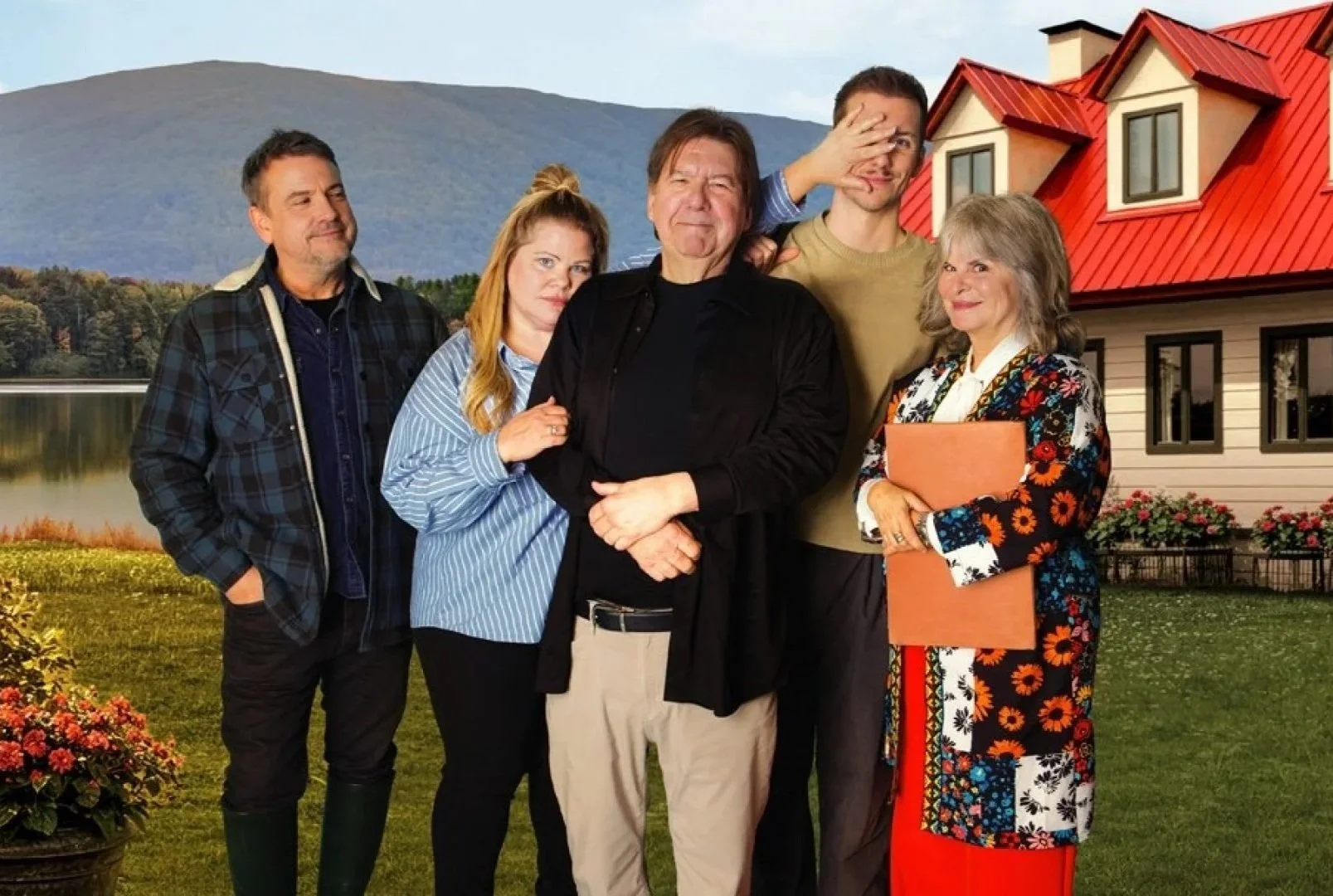
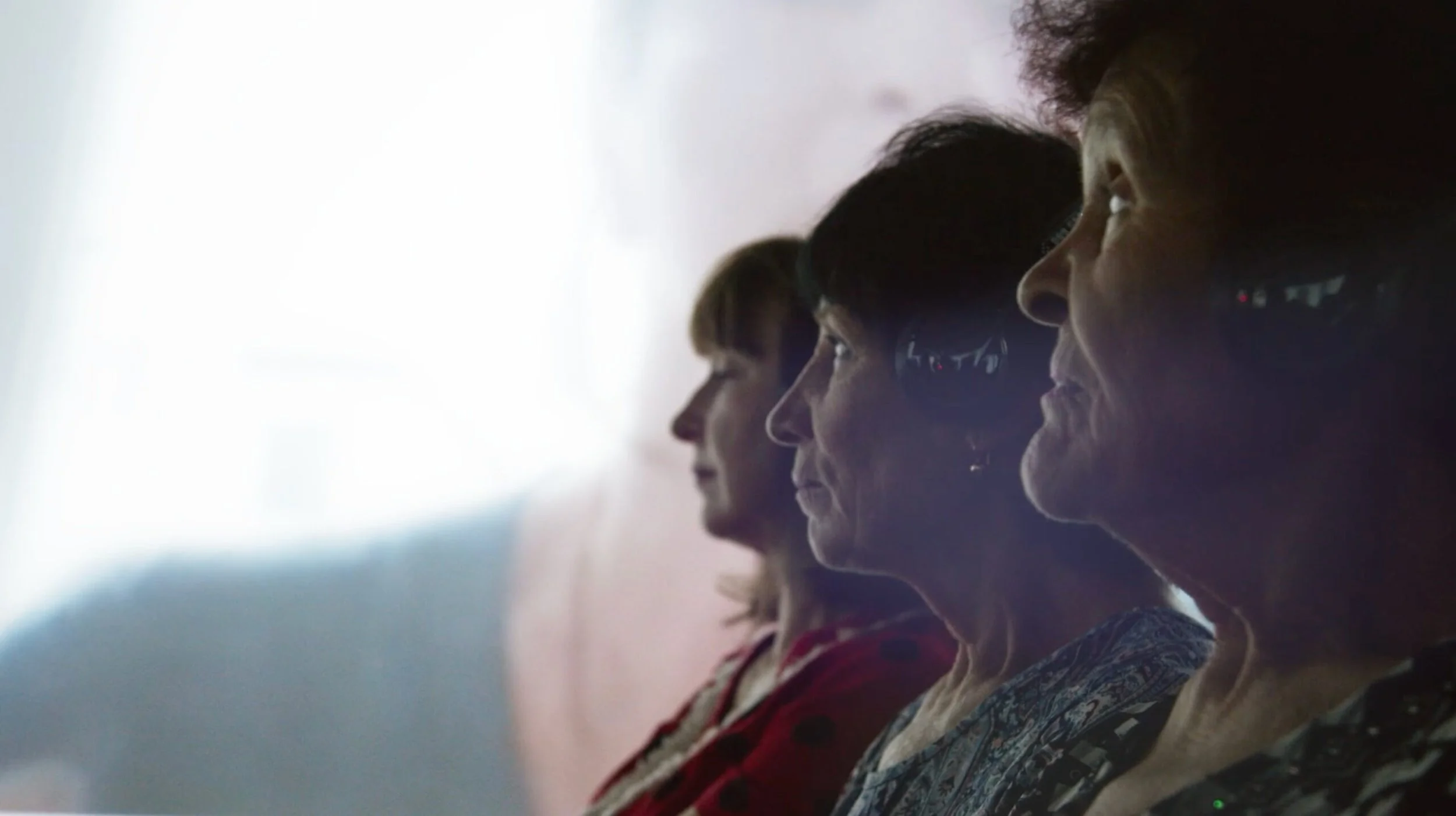
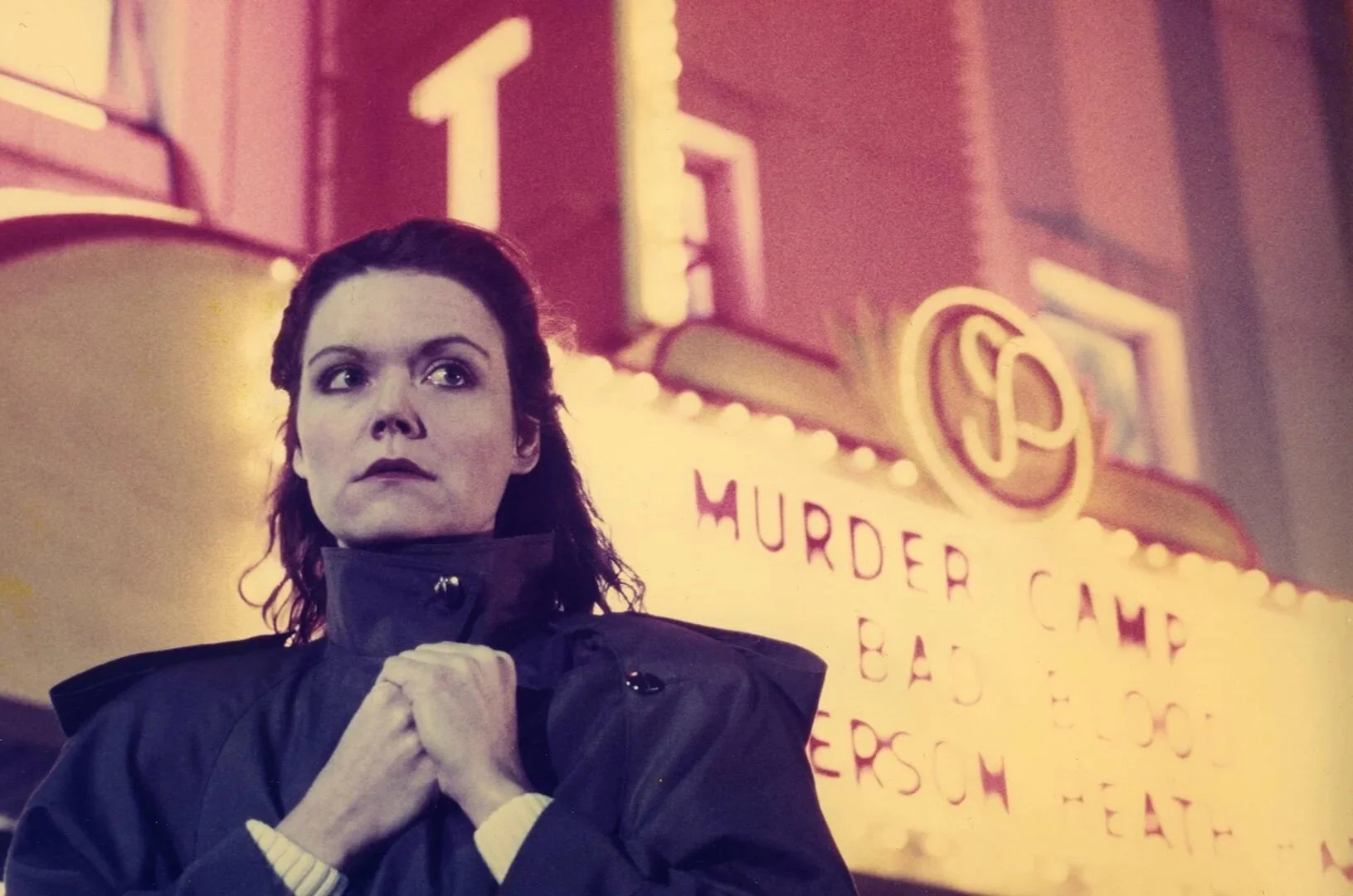
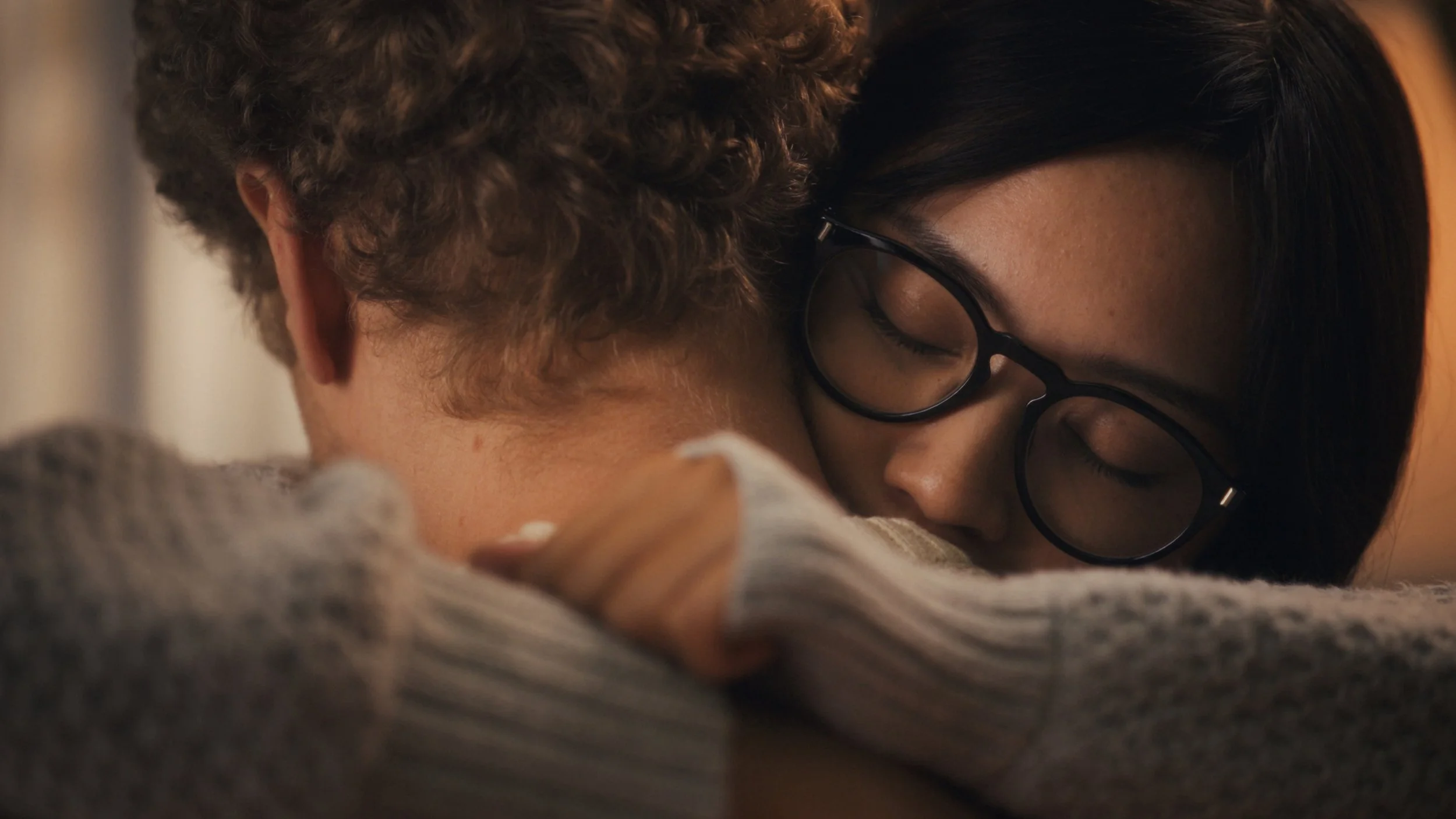
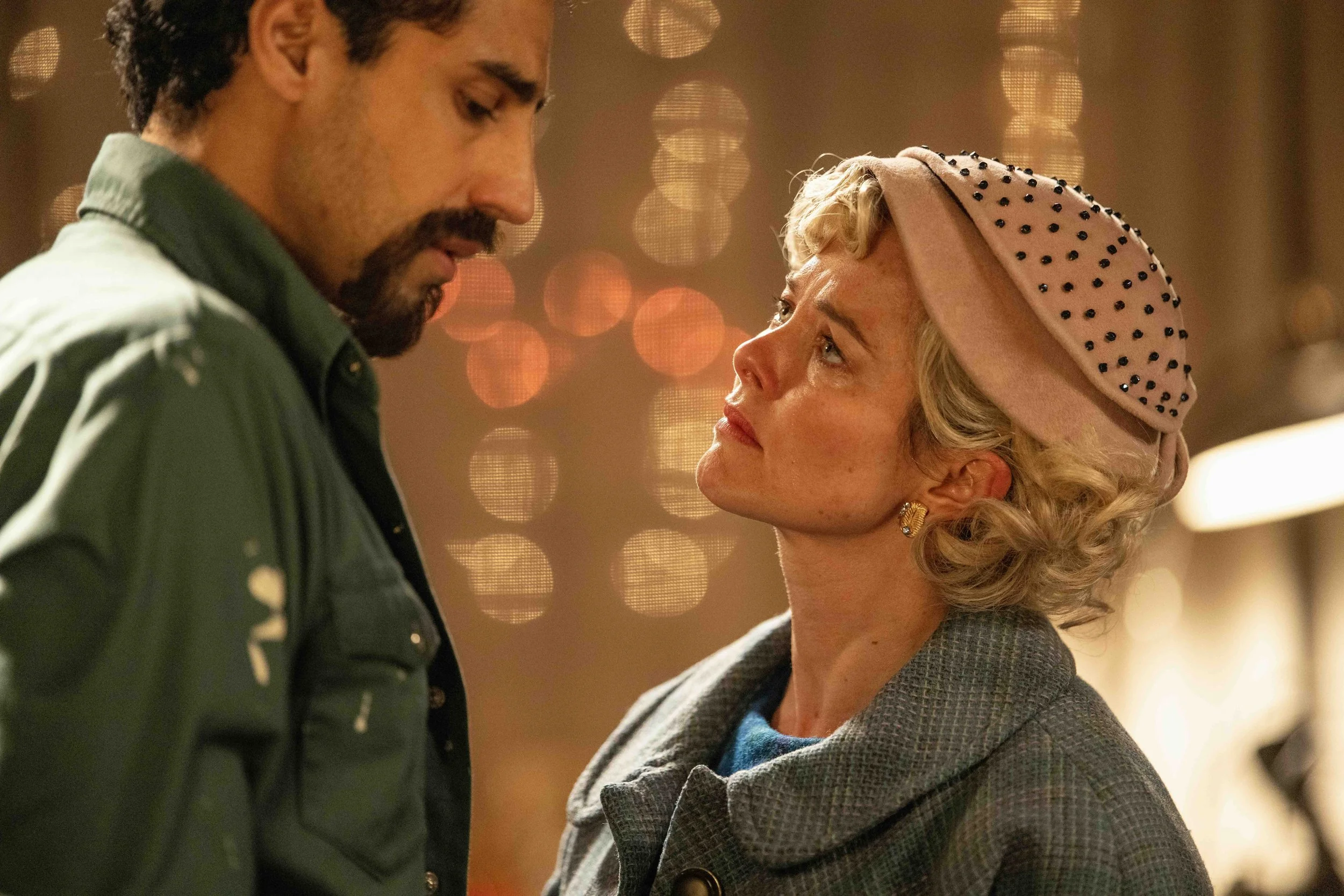
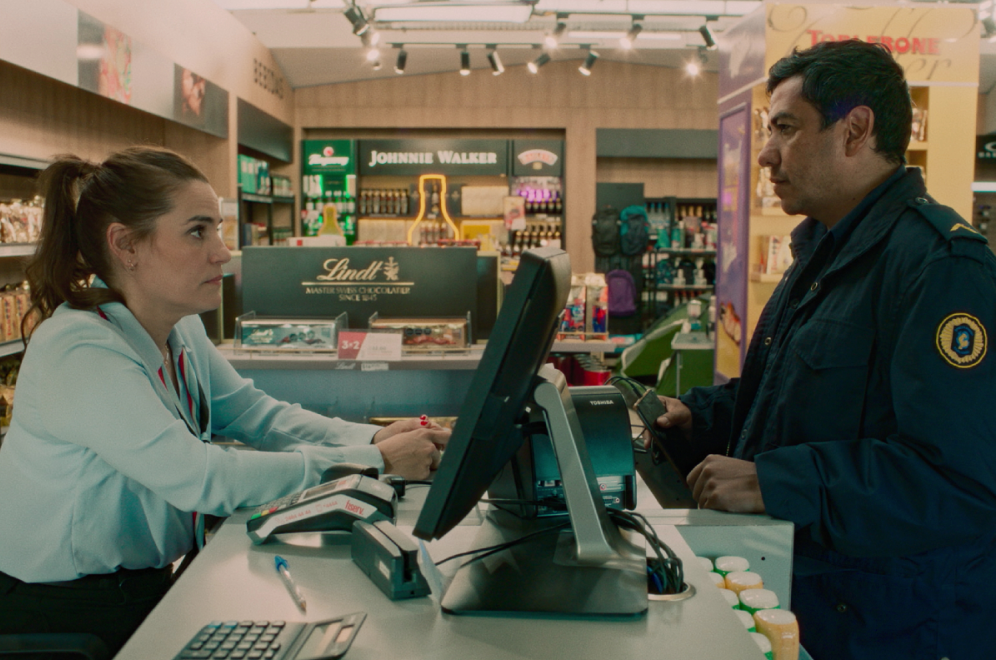
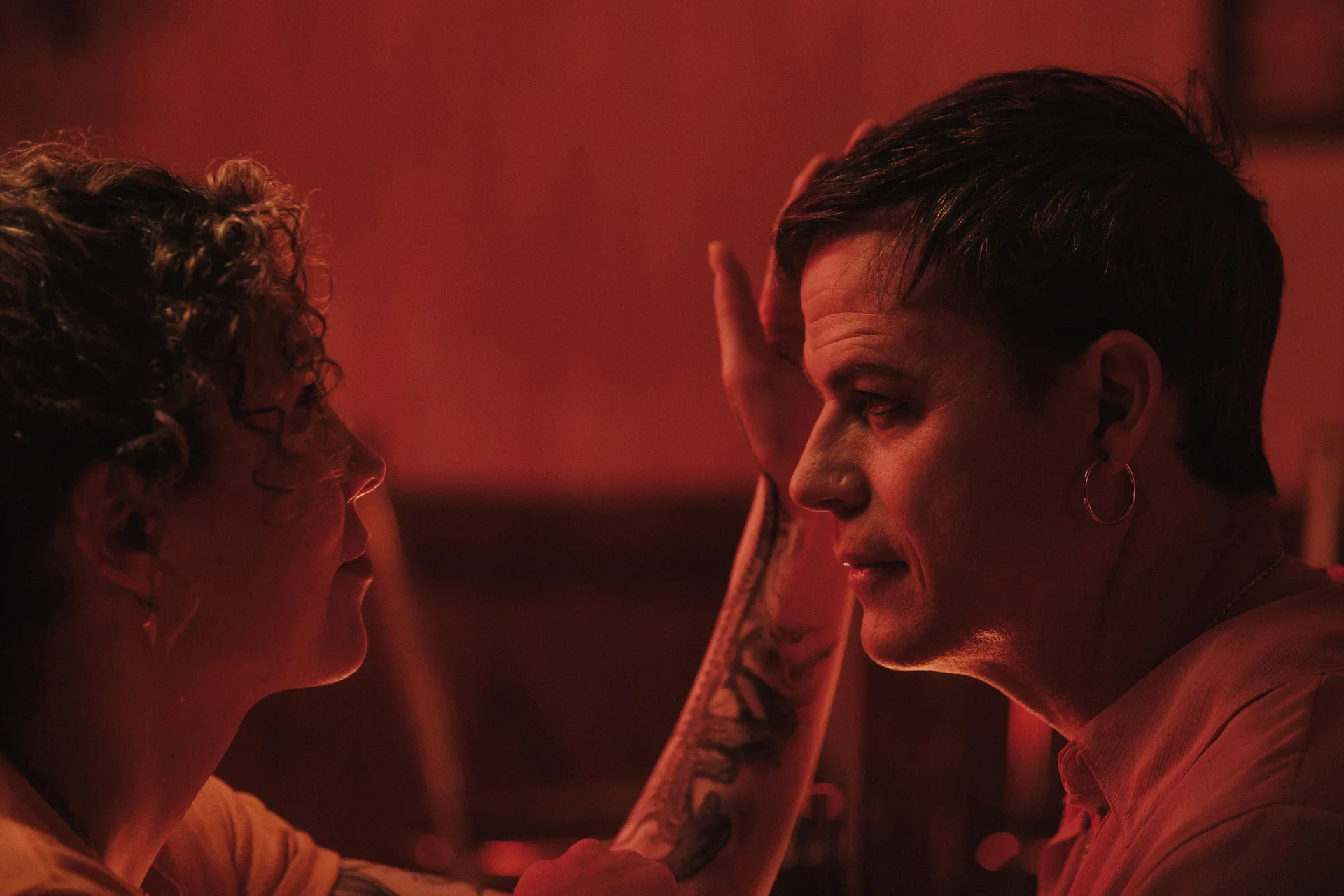
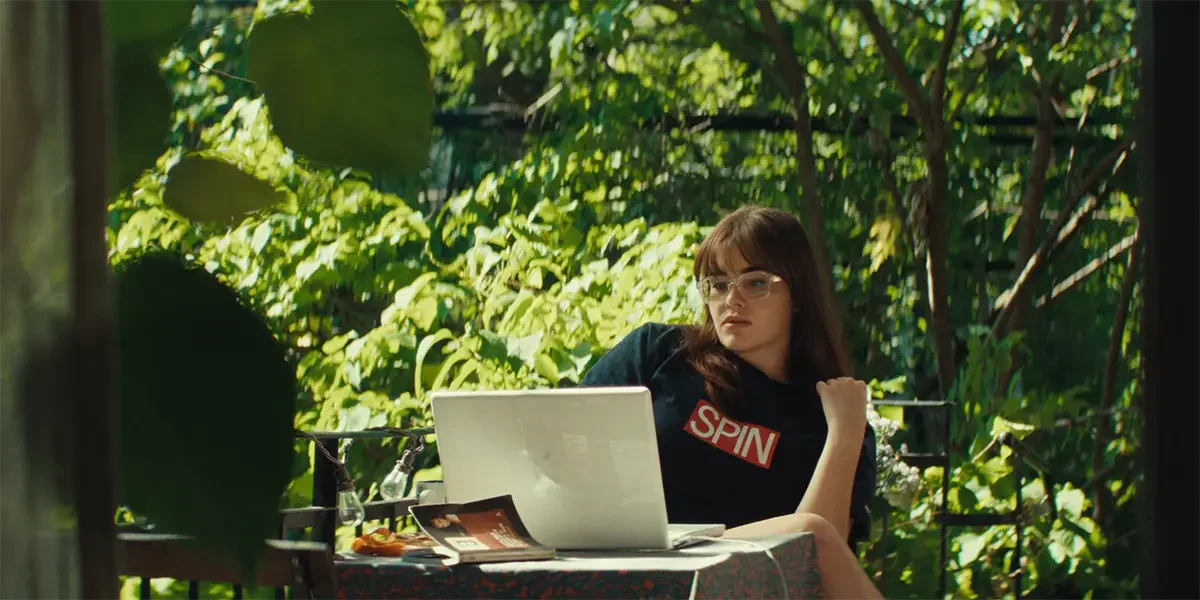
Even though it’s set only 15 years ago, you’ll feel an aching nostalgia watching Chandler Levack’s Mile End Kicks. It makes you long for the 2011 things that have already disappeared: flip phones, CDs, and tape recorders; the Montreal live-indie-rock boom that gave rise to bands like Arcade Fire, Stars, and Wolf Parade; and alt-weeklies—ones made from actual paper. (The lead character, Grace, works at the fictional Merge, constantly chasing her editor [Jay Baruchel] for cheques.) The offbeat comedy is at its strongest when speaking across eras, however. It’s a coming-of-age story that captures that brief moment in your early 20s when the world seems wide open, but you’re not quite positive who you are, who you’re meant to be with, and where you’ll end up. It’s also a time when you can pick up your life and, say, move to Montreal (“the new Seattle”)—which is exactly what Grace (Barbie Ferreira) does, hopping the bus from her hometown of Toronto to write a book in a shared brick walk-up for the summer. Ferreira is pitch-perfect, making you root for Grace as she juggles a pair of flakey-musician boyfriends, all-night clubbing, and her first book deal to write about Alanis Morissette’s Jagged Little Pill—which her alt-hipster friends consider cringe-inducingly uncool. (It goes without saying the film’s music, by the Montreal band Tops, is effortlessly awesome.) Fans of Levack’s scrappy 2022 breakout I Like Movies will love the offbeat characters and humour; what’s new are complex ideas around gender expectations (watch Grace try to fit into an all-guy alt-newsroom discussion of Hüsker Dü), body positivity, and barely suppressed female anger. Levack and Ferreira offer profound hope for a different kind of young, female heroine—cool but nerdy, awkward but strong, whip-smart but given to insecurity (“I think of myself as a brain in a jar”). Mile End Kicks also acts as an aching reminder that some good things must disappear—the running joke being that you have to return to Toronto to grow up and get a real job. JS
Influencers
December 4, 9 pm, Rainbow Theatre
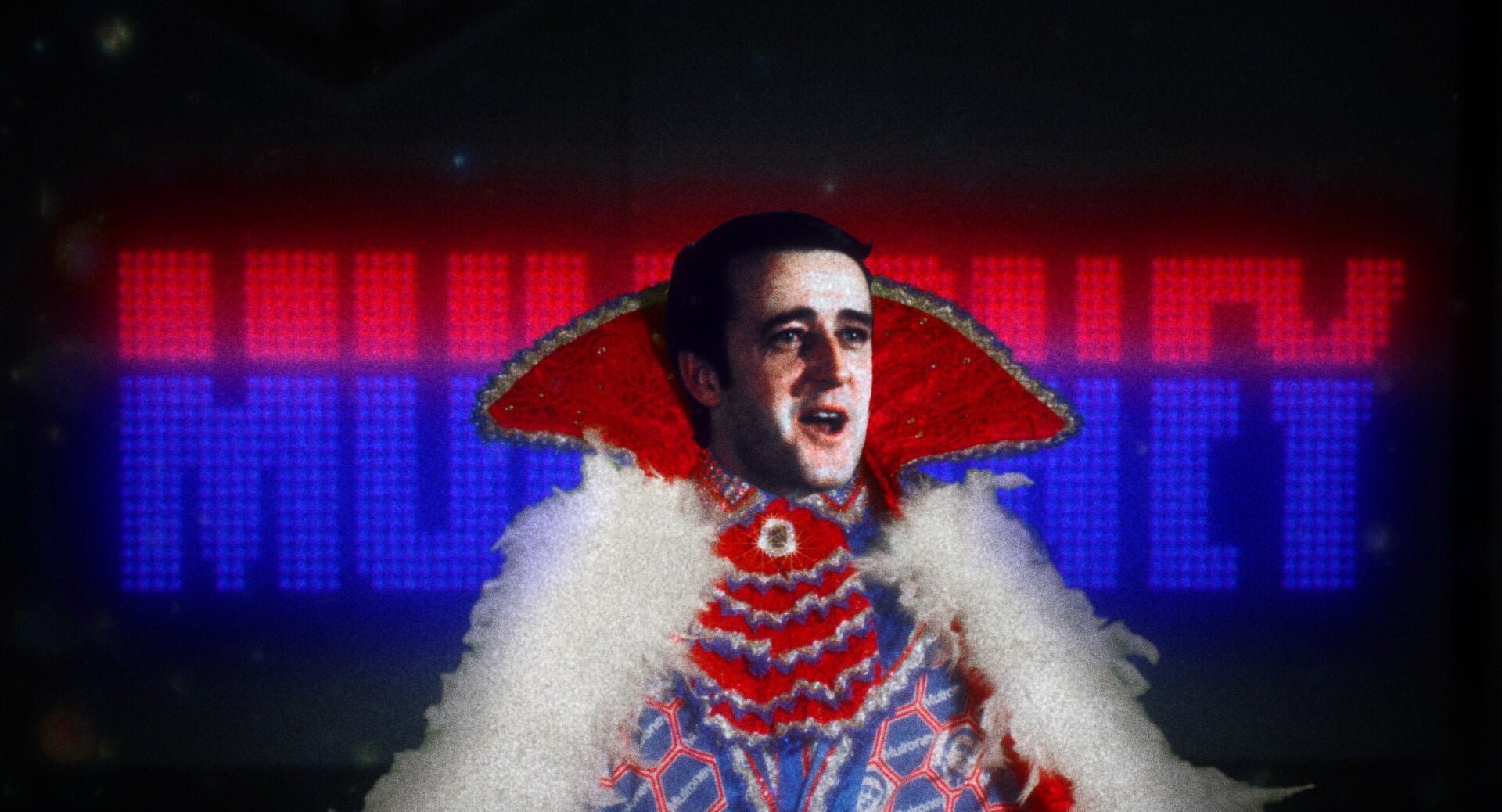
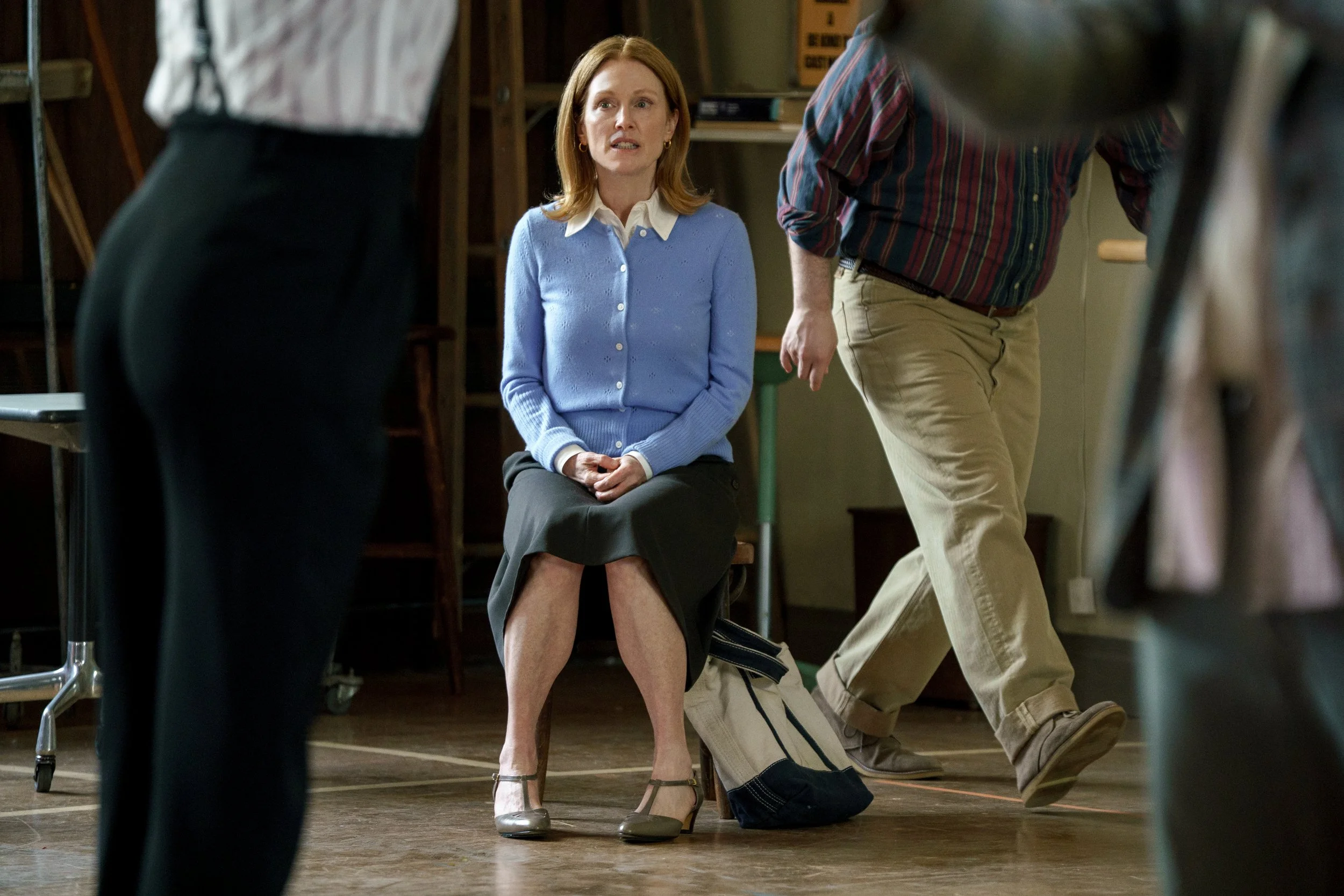
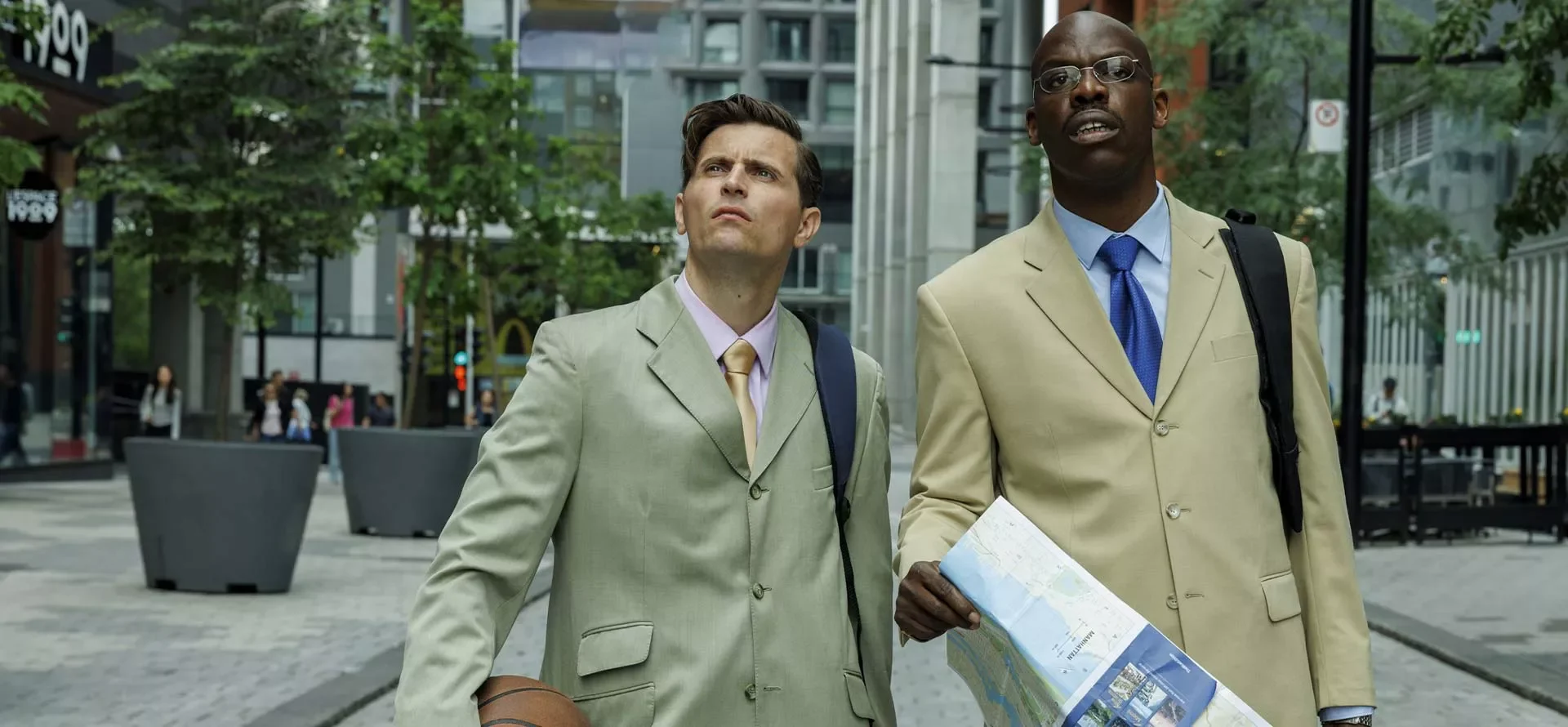
Released in 2022, Influencer was a solid thriller so enthusiastic in its nastiness that you found yourself rooting for its most evil character. As CW, Cassandra Naud gave us a smart and sexy psychopath who could back-end her way through social media and lure “influencers” to an unthinkably cruel death. (What’s not to like?) Her comeuppance came when, finally outwitted, CW was stranded alone on a remote Thai island without food, water, or any hope of escape. This super energetic sequel has a lot of fun with that not-so-conclusive ending. The first thing we learn is that CW is somehow enjoying a relatively normal life with her partner Diane in the south of France. Once her murderous past catches up with her, as these things are bound to do, she’s asked more than once: “So how did you get off that island?” It’s to the credit of Calgary-born writer-director Kurtis David Harder that he makes this dumb joke work over the film’s very entertaining and extremely vicious 110 minutes, which pits CW against her old nemesis Madison (Emily Tennant) while introducing new characters like the Andrew Tate–inspired Jacob (Jonathan Whitesell). The model here might be Texas Chainsaw Massacre 2, which exploded the first film’s pummelling terrors into gonzo horror-comedy. Influencers is much broader than the first film, much sillier, way more violent, and it ends with such a devastating and exaggerated takedown of online culture that we can easily forgive its endless lapses in logic or the persistent question, even more niggling than the mystery of CW’s island escape: How do these Instagram and Discord assholes afford to do all this? AM
Ni-Naadamaadiz: Red Power Rising
December 6, 5:30 pm, Squamish Lil'Wat Cultural Centre
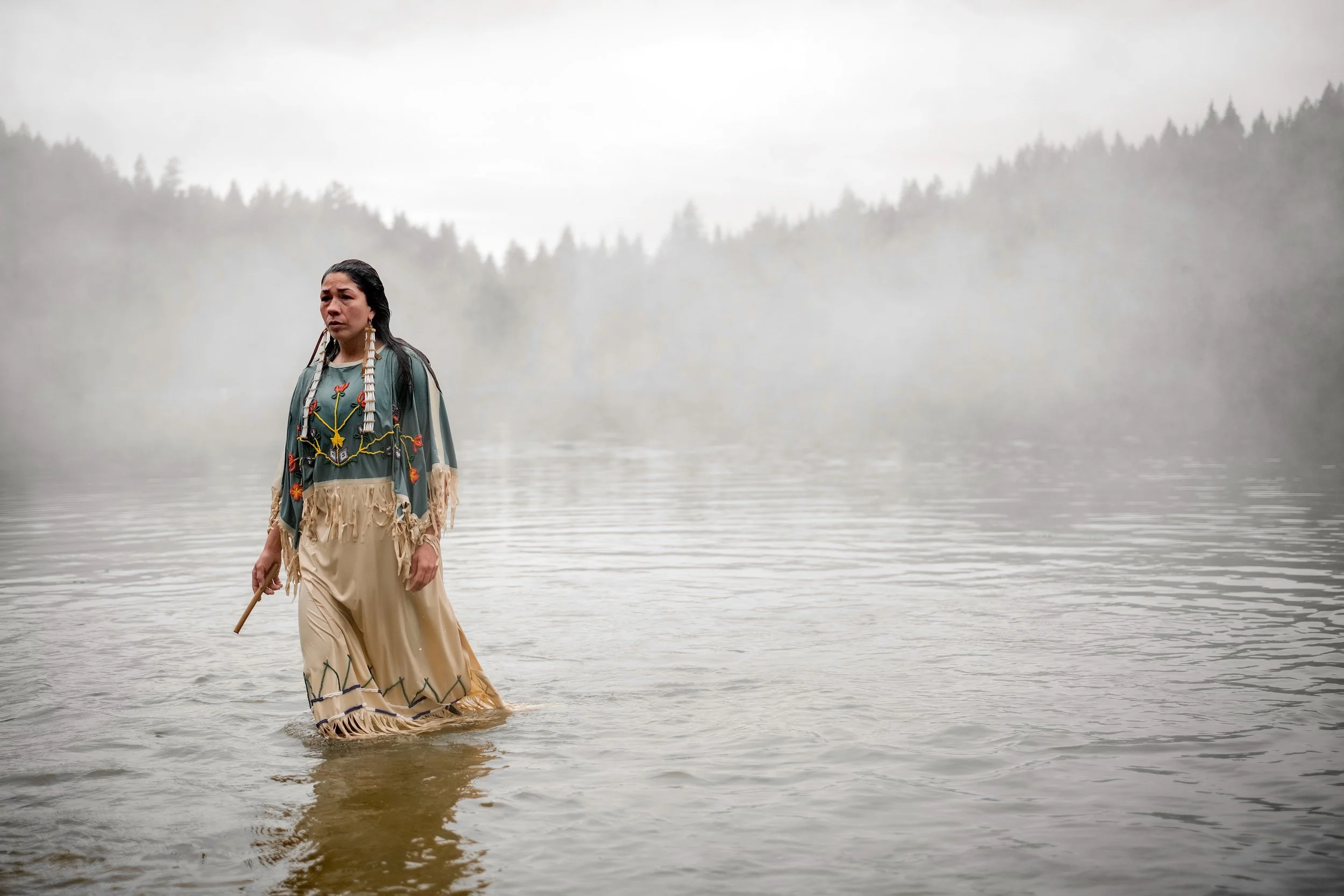
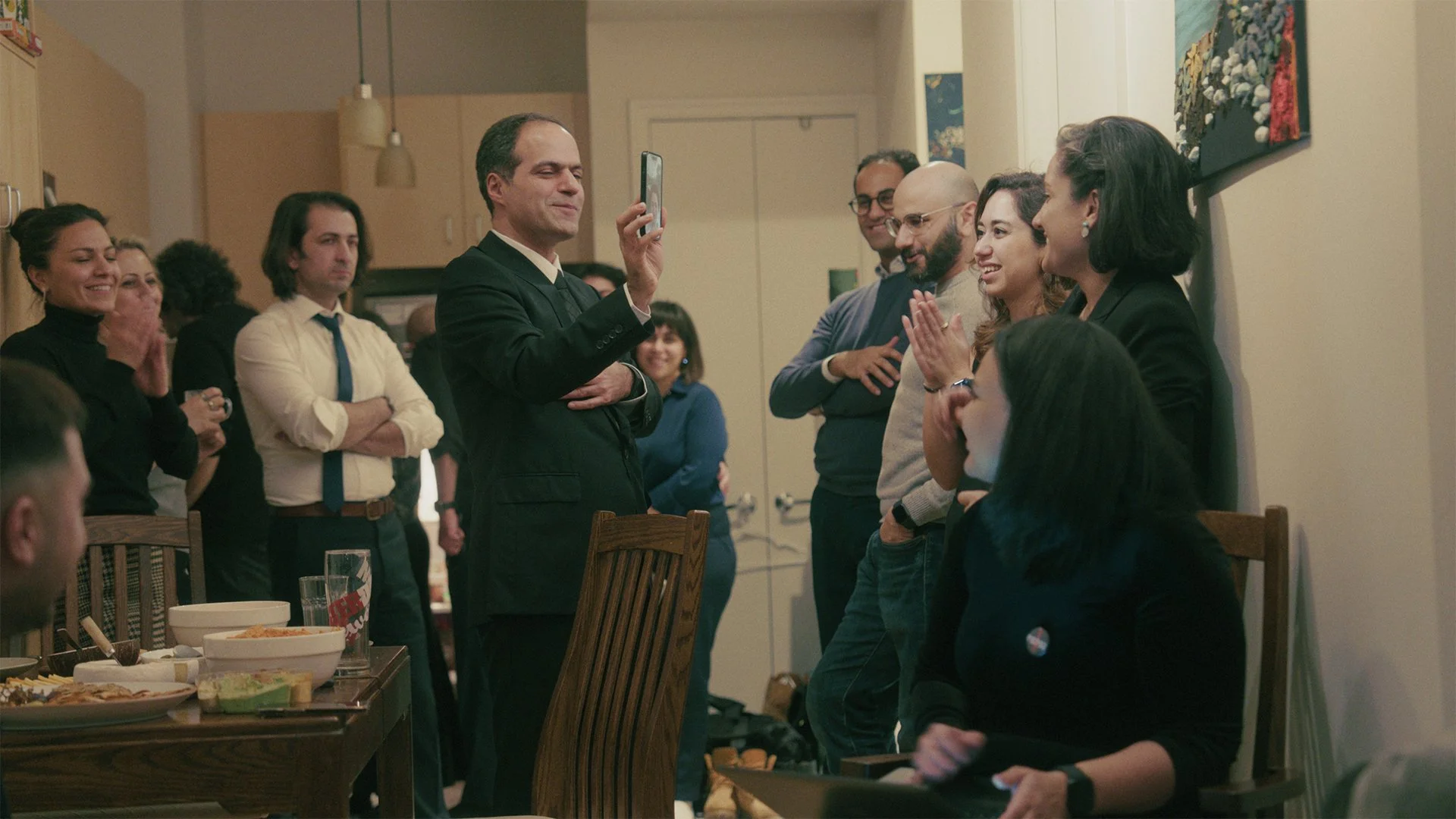
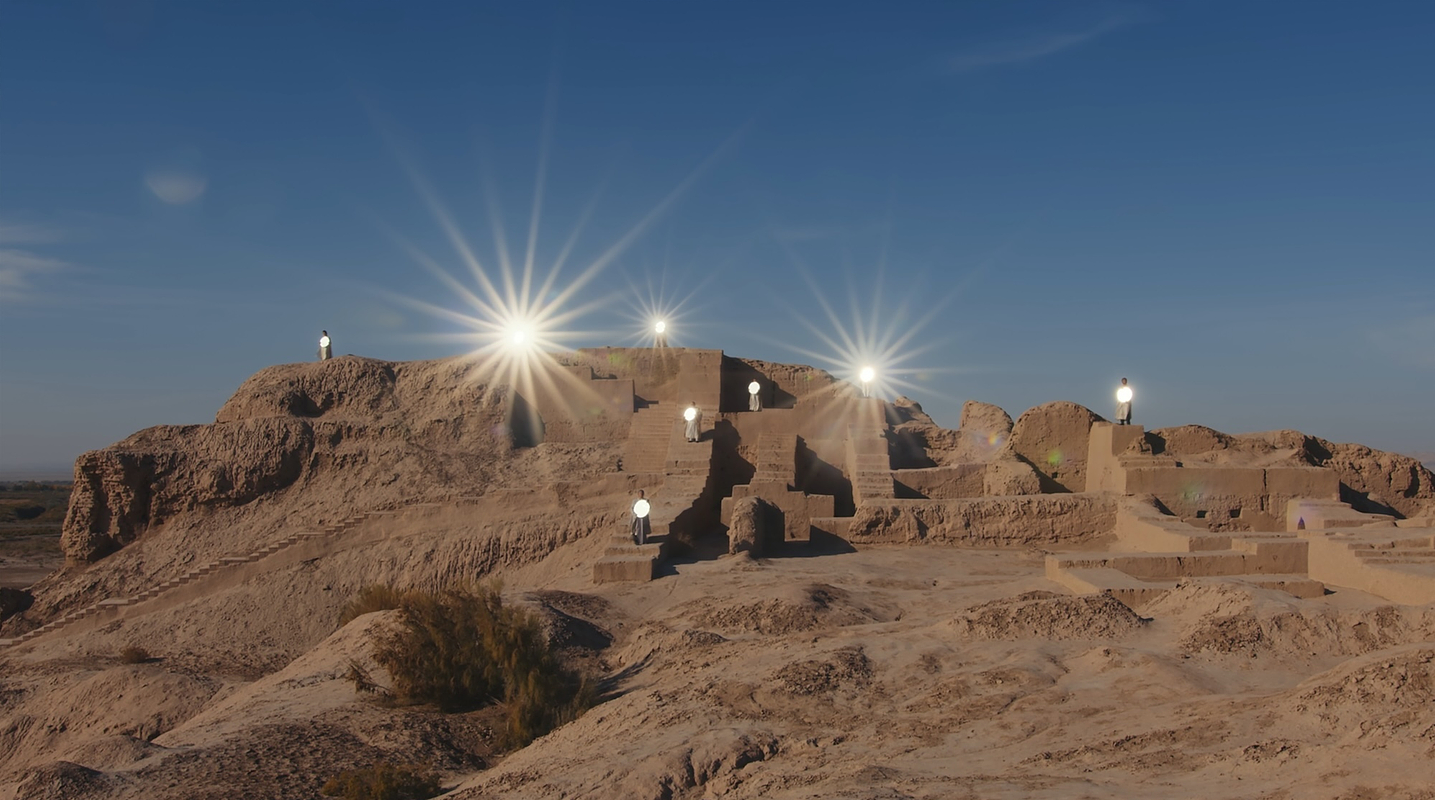
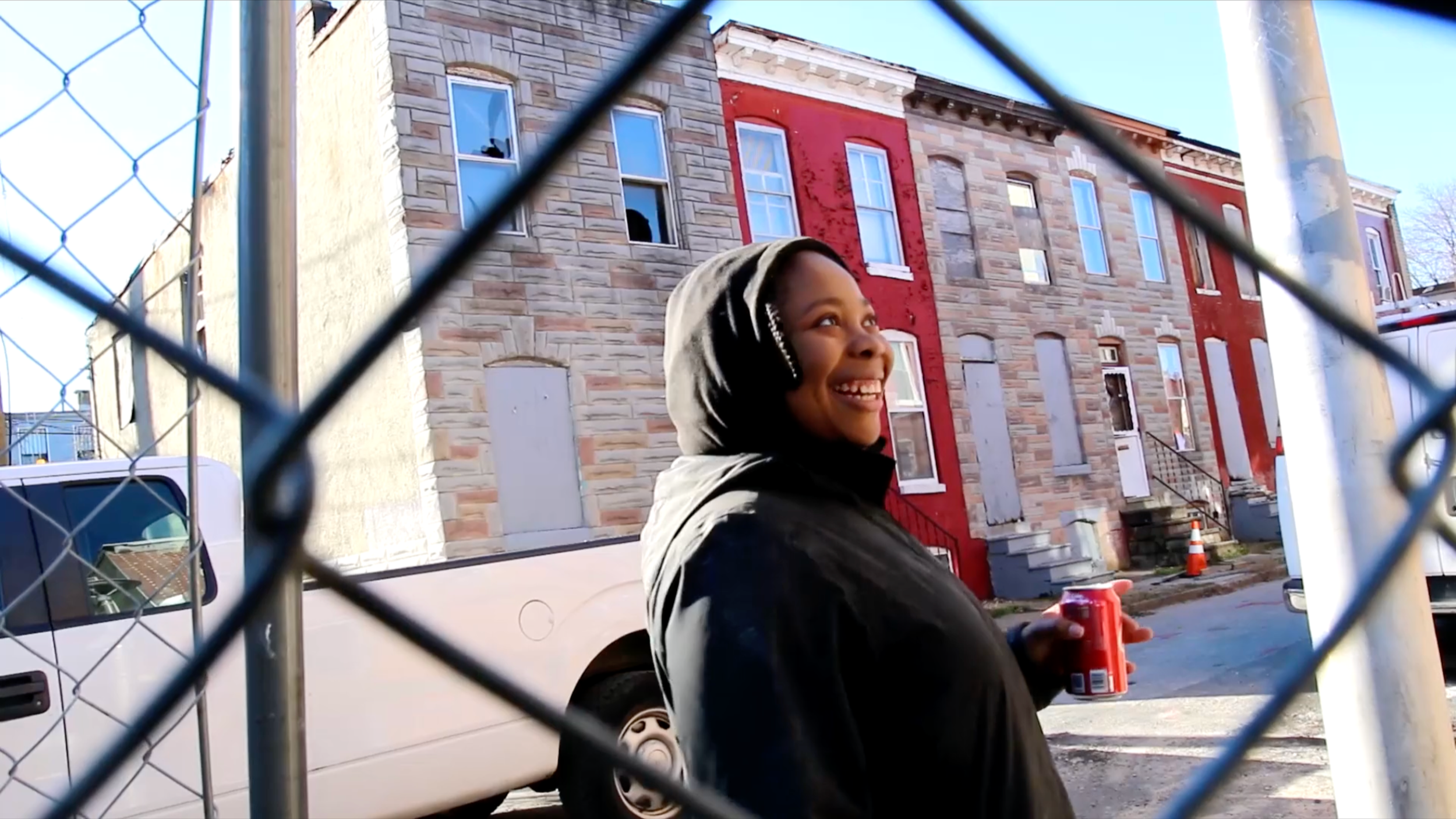
Louis Cameron was an impressive figure. Handsome, charismatic, eloquent, he led the armed occupation of Anicinabe Park by the Ojibway Warriors Society in 1974. His eloquence is matched by all of the participants in this rich and somewhat heartbreaking doc, which spends some time setting the scene for that historic act of Indigenous resistance, precipitated by the “years of fear and dread” felt in the small Ontario city of Kenora. Less eloquent was the government response to the invasion of the park. Guns, tanks, and helicopters descended fast and Kenora coughed up its own trigger-happy vigilantes, while silent locals watched “natives” being disappeared right off the streets. The end of the occupation (including un-negotiated arrests) would lead to the Native People’s Caravan that descended on Ottawa shortly after. It wasn’t long before the batons started to fly on Parliament Hill. John Trudell of AIM is seen early in the film, pledging support and asking, “Do you think they can keep us out?” Sadly, if predictably, the FBI also managed to plant one of their guys up here. These are just some of the details in Shane Belcourt’s expansive and absorbing film, which, fascinating archival footage aside, is like an oral history of the neglect, double-dealing, and straight-up murder experienced by Indigenous people in Canada in the 1970s. Louis Cameron was hounded by cops and other enemies in his final years, meeting a tragic end as he was swallowed by the demons collected at residential school. His potent words, read by his son, form the backbone of Ni-Naadamaadiz, which otherwise reminds us that, in these matters, one Trudeau government is as craven and ignoble as the next. AM
Wədzįh Nəne’ (Caribou Country)
Wədzįh Nəne’ (Caribou Country)
December 4, 12:30 pm, Rainbow Theatre, with writer-director Luke Gleeson and writer-cinematographer Tim Cote in attendance
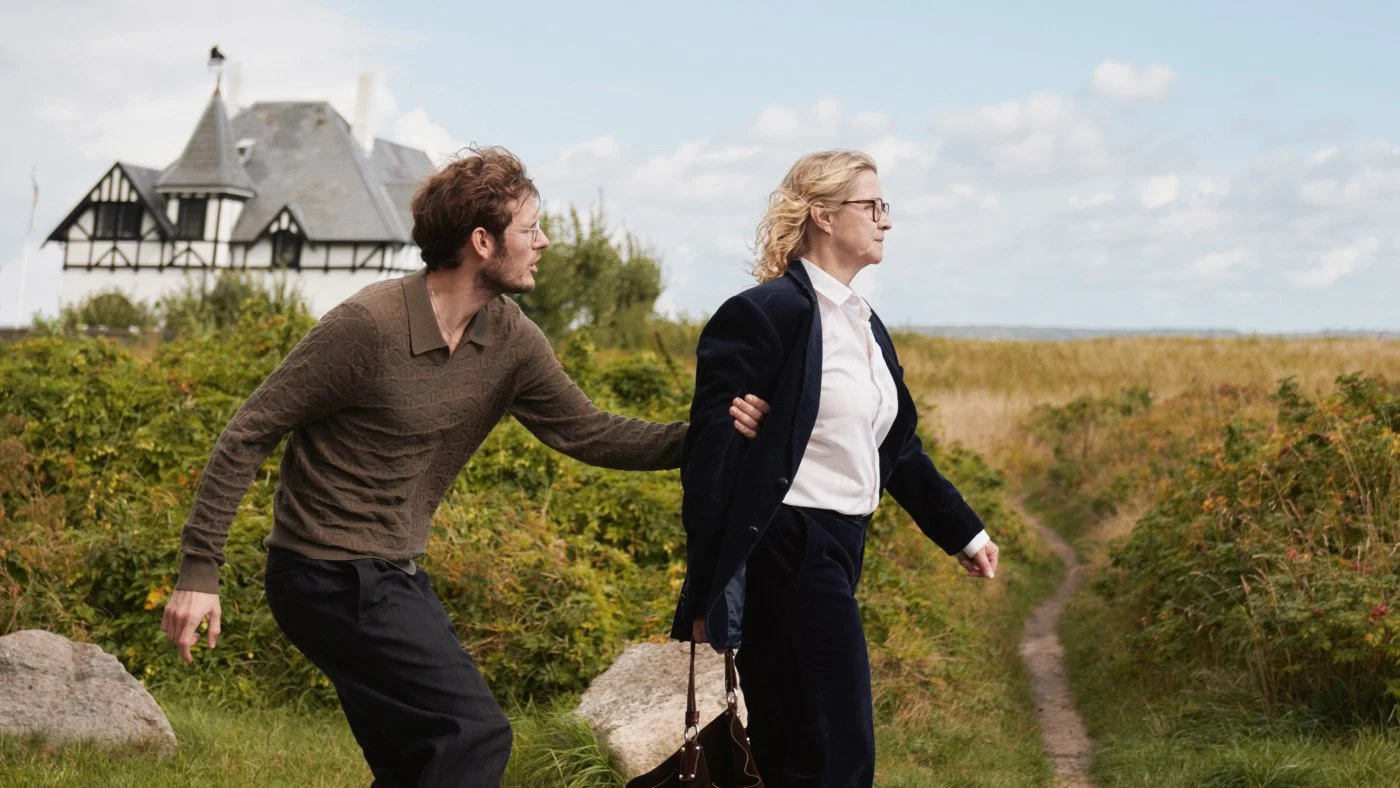
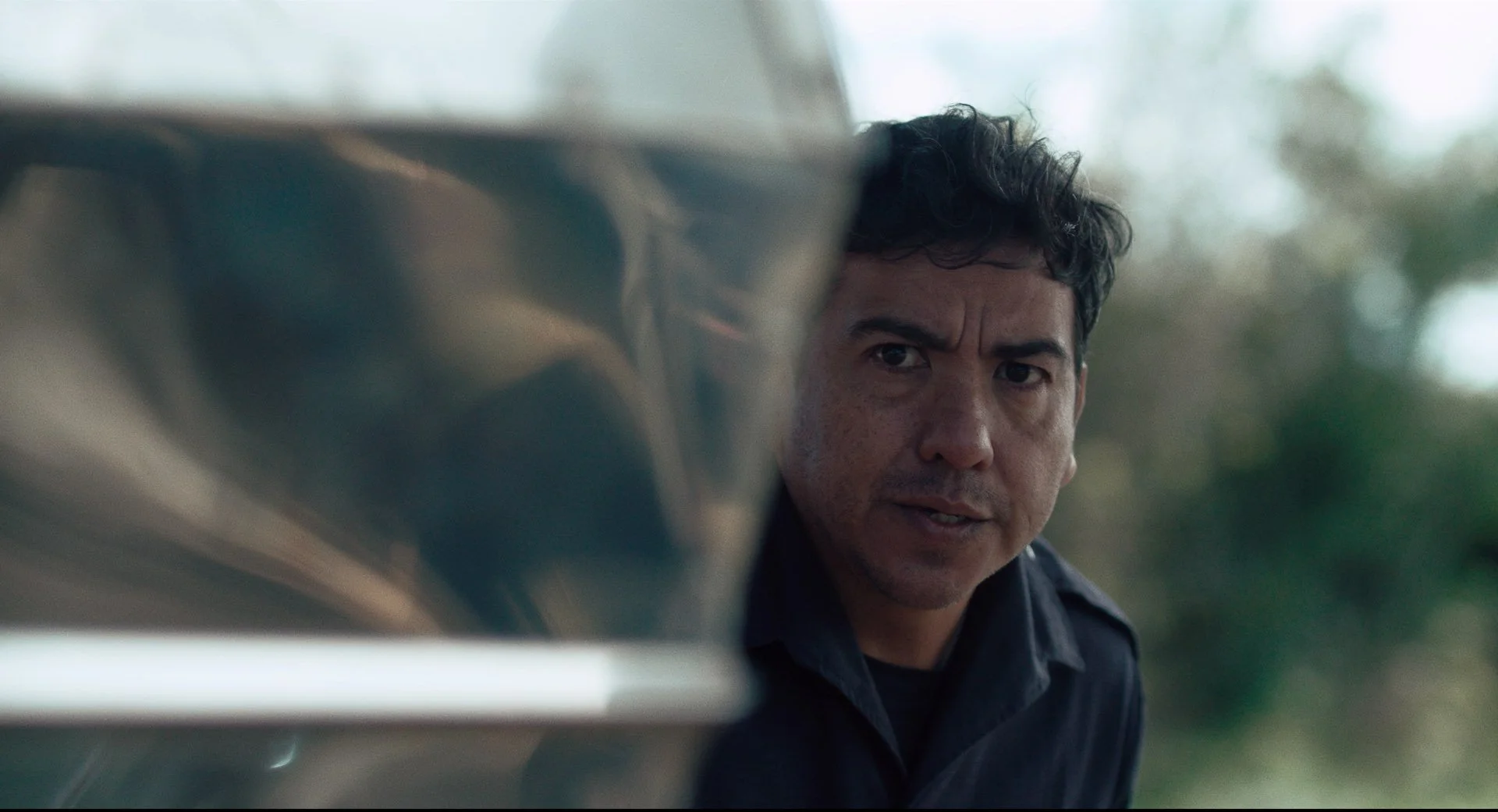
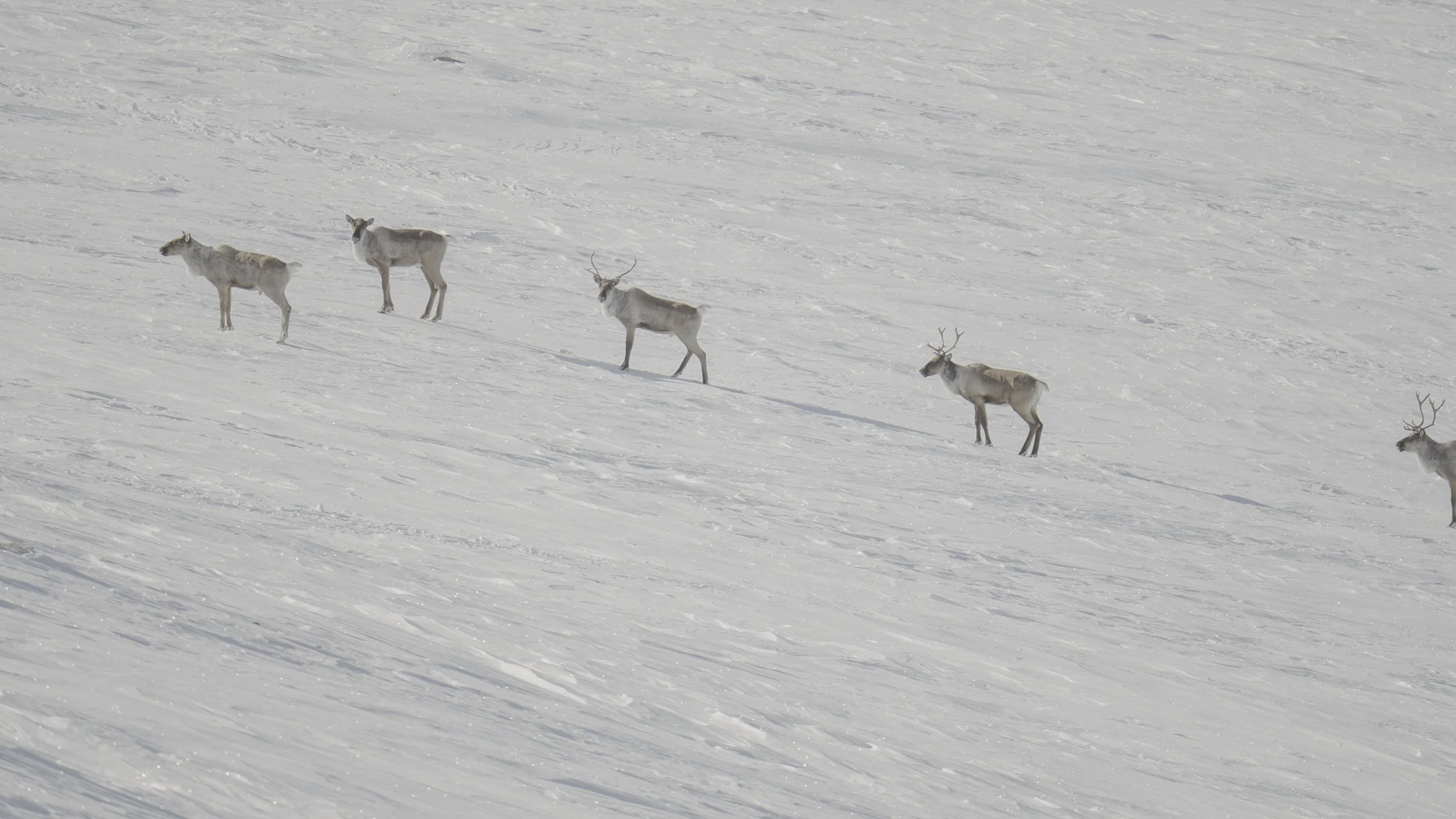
The caribou in B.C.’s northern interior travel hundreds of kilometres, requiring vast amounts of space that everything from wildfires to an ever-industrializing society is gobbling up. Fittingly, filmmaker and Tsay Keh Dene Nation member Luke Gleeson gives these fascinating animals room to move, taking his time to shoot them from high above, running along remote, wintry landscapes in this artfully meditative new documentary. Interweaving his grandfather’s stories of a time when the northern herds once filled the region’s valleys, he follows Indigenous guardians, government biologists, and guide outfitters as they rally to protect the near-mystical-seeming white animals, as a trifecta of climate-change-induced fires, increased logging, and pine-beetle destruction threatens the population. Just monitoring the caribou carries its own massive physical challenges: in one scene, we watch a researcher drop from a hovering helicopter with nets to try to take blood samples from one giant cow (without using tranquilizers). Animated maps vividly quantify the loss of habitat and encroaching wolves and roads. More than anything, though, Gleeson offers a chance to spend some contemplative time in one of B.C.’s most remote—but sadly no longer untouched—regions. JS 


Related Articles