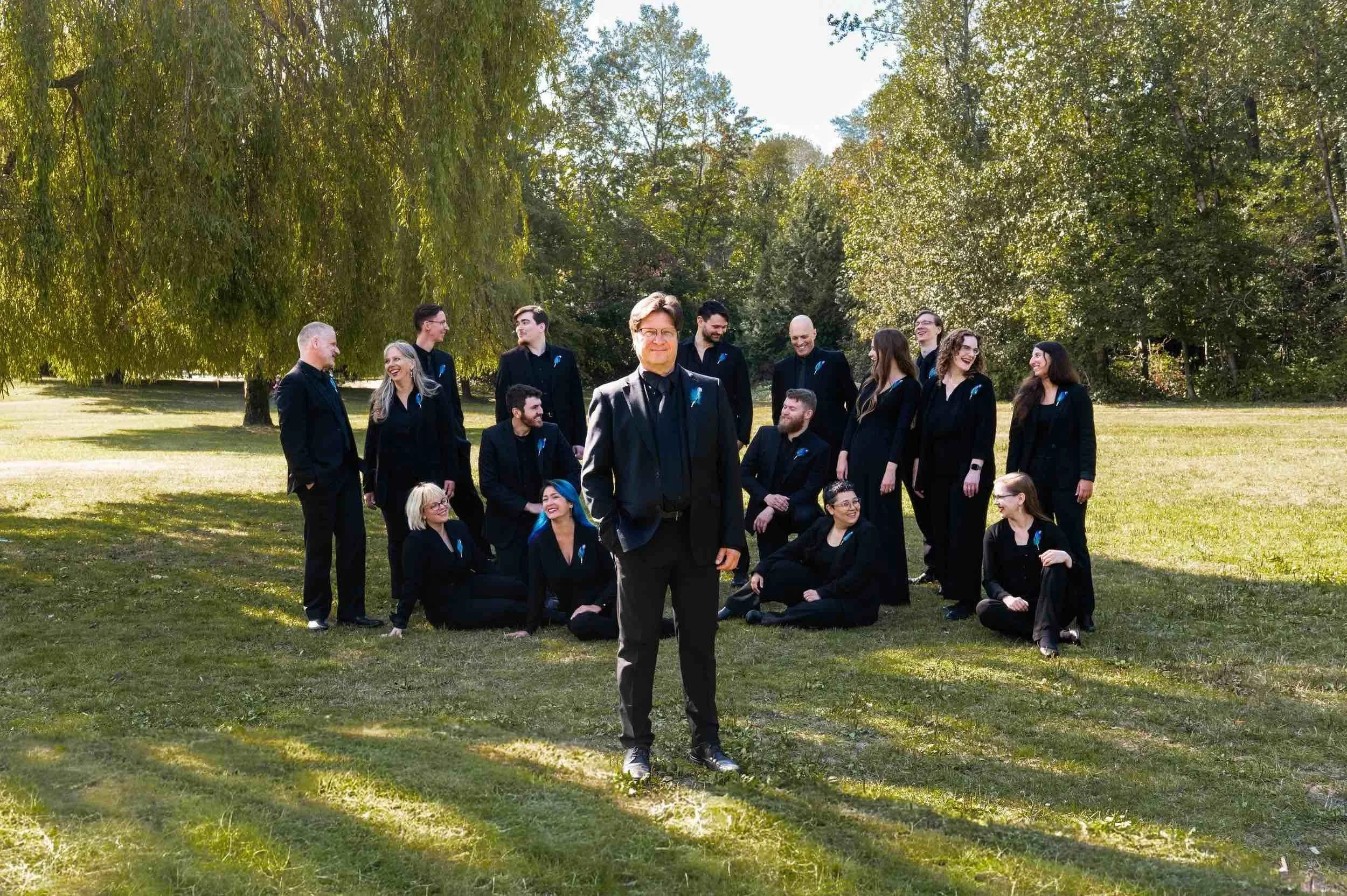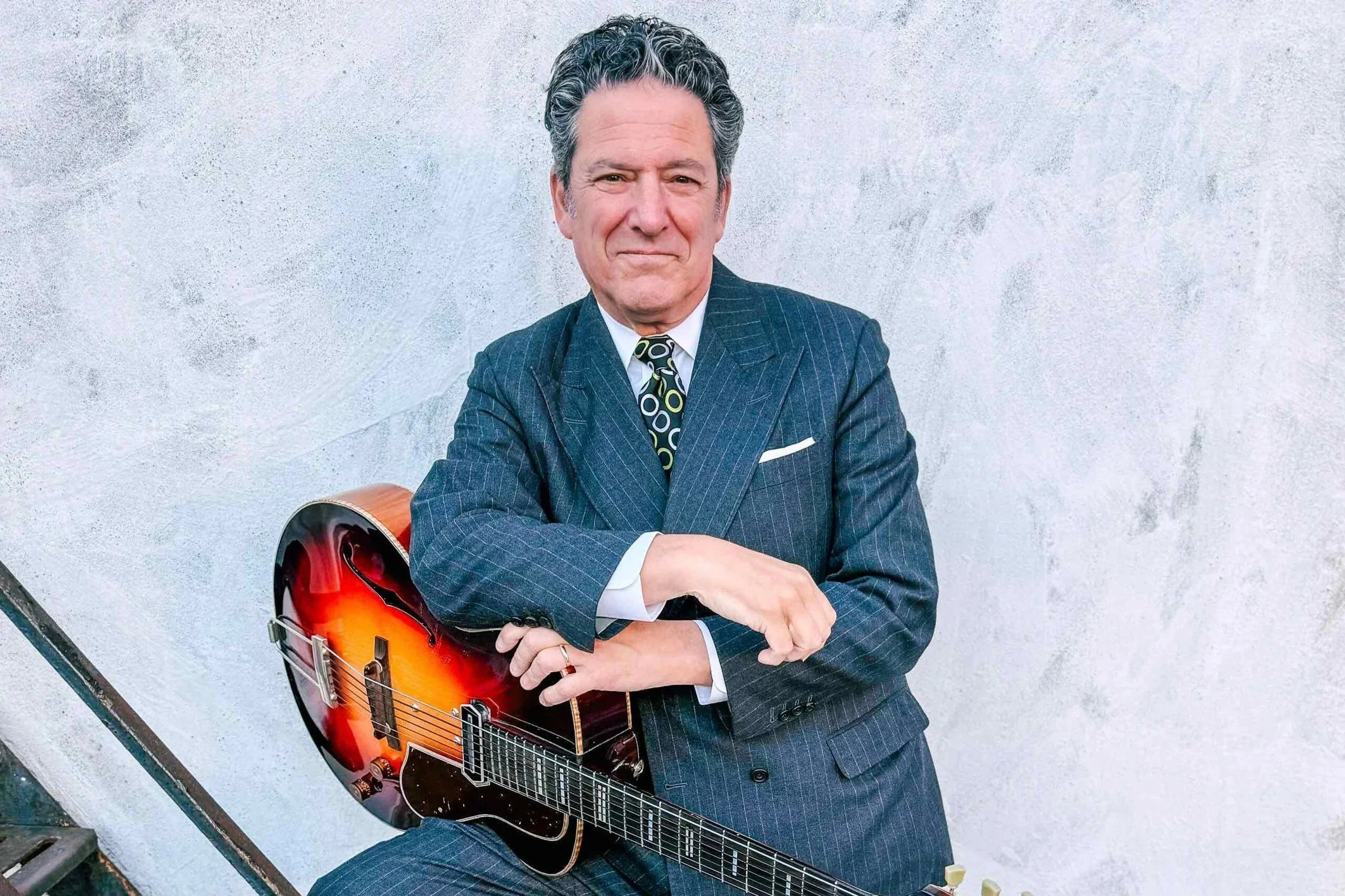
Folk-rooted string quartet the Fretless finds a voice in singer-songwriter Madeleine Roger
Collaborating with vocalists taught the acclaimed, formerly all-instrumental group new ways of listening and working
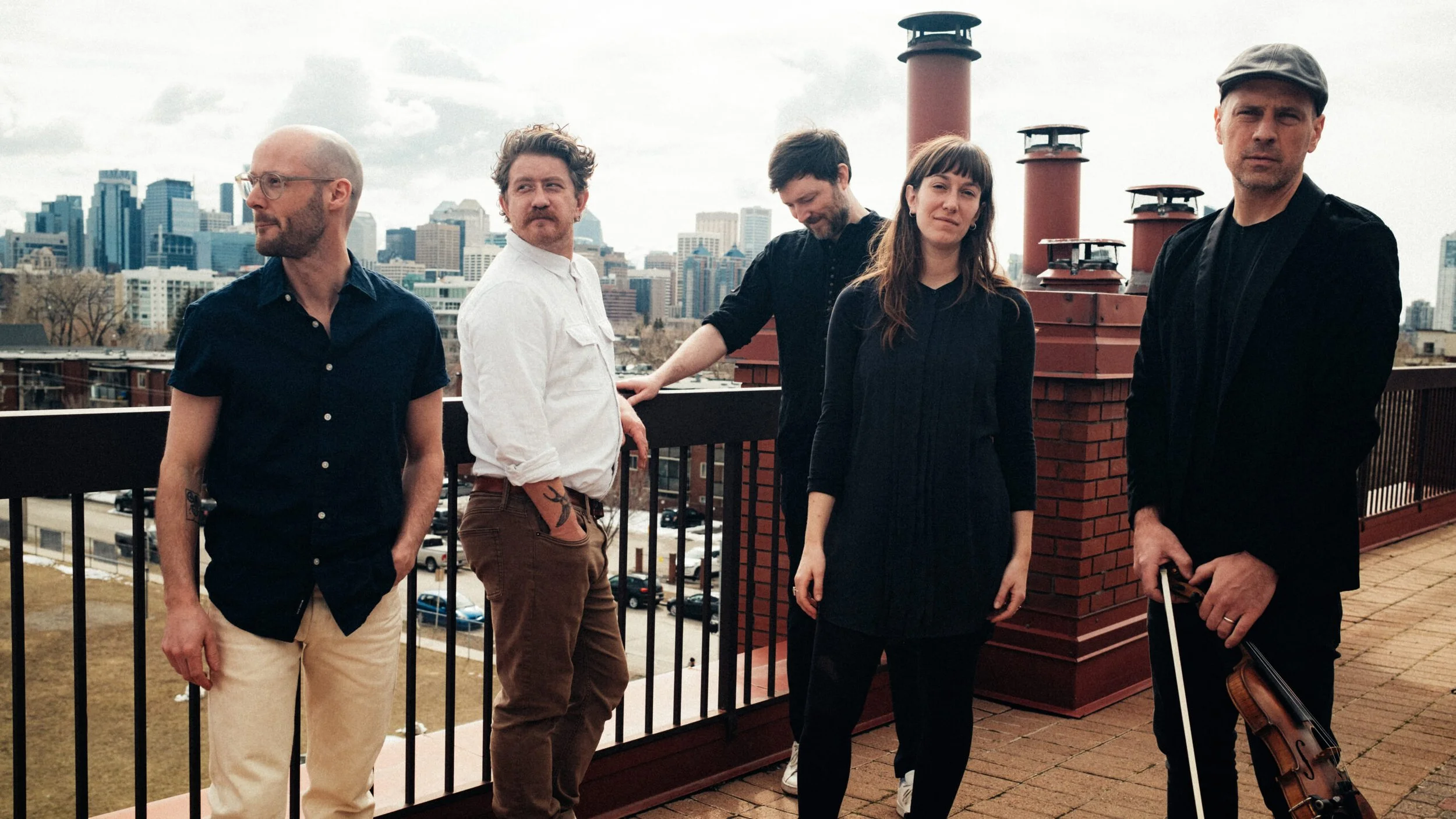
The Fretless and Madeleine Roger
The Kay Meek Arts Centre’s Amplify Series presents The Fretless feat. Madeleine Roger on January 25 at 7:30 pm
ALMOST SINCE ITS inception, Toronto-based four-piece the Fretless has been recognized as one of Canada’s top instrumental groups, with the hardware to show for it. The band’s 2012 debut LP, Waterbound, for example, helped earn the Fretless a Canadian Folk Music Award for instrumental group of the year. The band’s third album, 2016’s Bird’s Nest, won the 2017 Juno for instrumental album of the year.
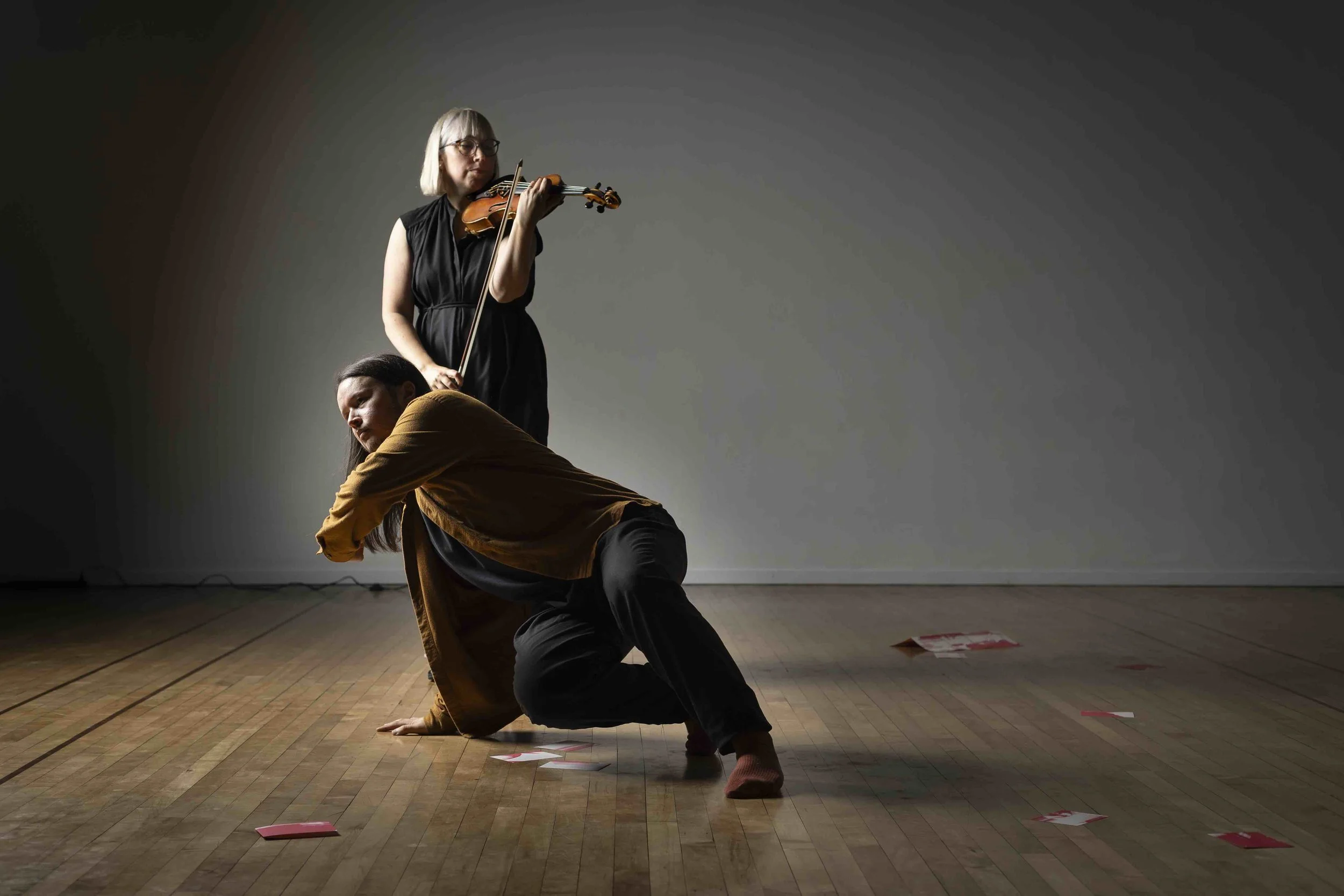
In 2021, however, the group’s four members—Trent Freeman (violin, viola), Karrnnel Sawitsky (violin, viola), Ben Plotnick (violin, viola), and Eric Wright (cello)—invited a bunch of their favourite singers and songwriters to collaborate. The result was an album called Open House, which featured vocals from Dan Mangan, Ruth Moody, the Bros. Landreth, and others.
Freeman tells Stir that working with singers forced the four musicians to alter their way of approaching their craft.
“It was quite a change, because for nearly a decade it was just the four of us, deeply working together and really getting to know each other’s writing process and skill sets too, and the writing would reflect not only our skill set, but how we wanted to push each other and ourselves,” says Freeman, reached at the Horseshoe Bay ferry lineup. “With a song, the main goal is to heighten the song experience and really support the singer while making our parts still reflect the unique sound that the Fretless has already. So we learned so much.”
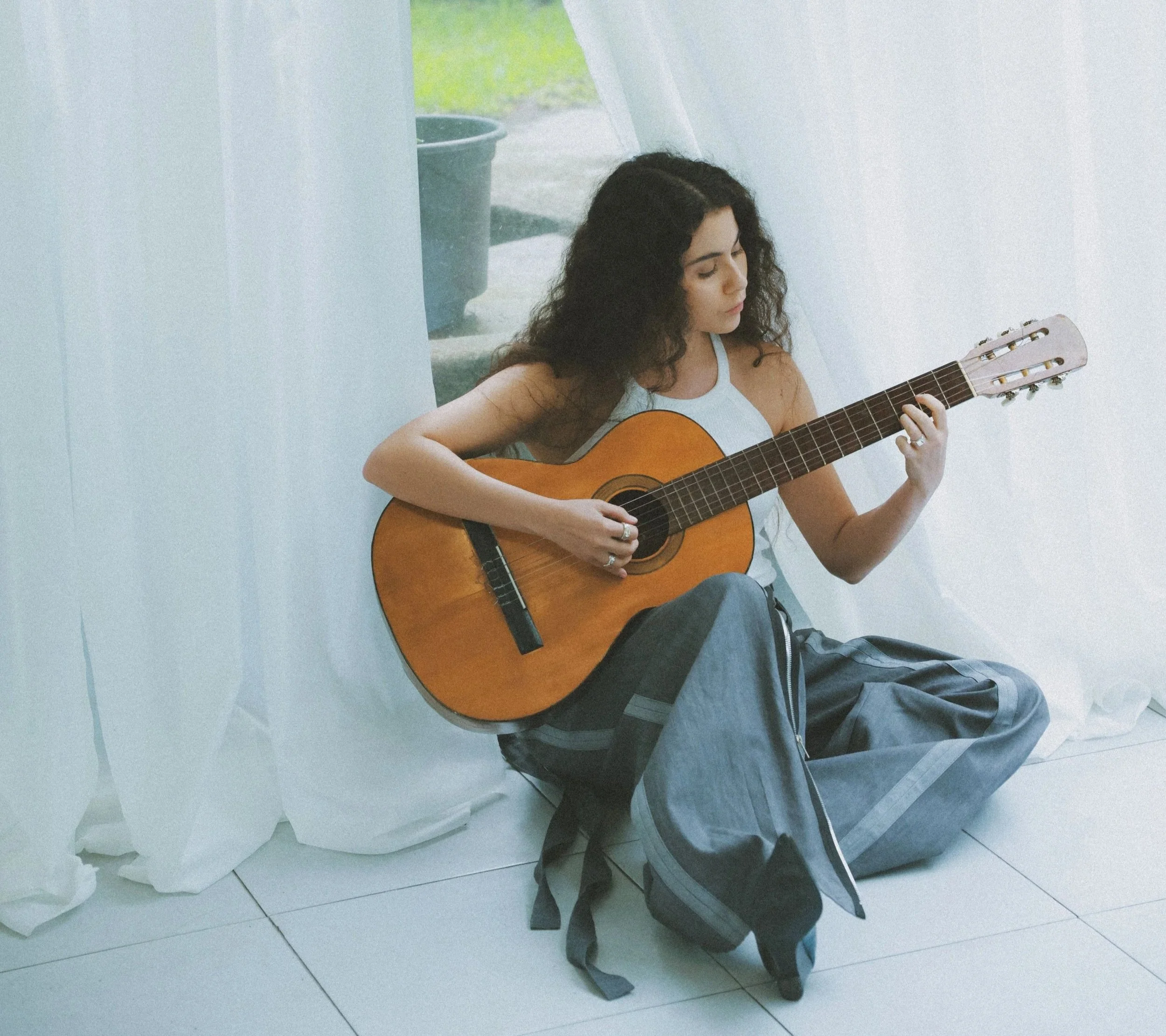
Most recently, the band has been applying what it learned on tour dates with Winnipeg-based singer-songwriter Madeleine Roger, who also contributed three songs to the Fretless’s most recent album, Glasswing, released in 2024.
“It’s really kind of incorporating her voice as another string instrument in a lot of ways,” Freeman notes. “Doing swells together with two violins and a voice has a whole different timbre to it than just three violins. So it’s really neat to try to mimic those sounds or just blend in that perfect way. And it also frees up a voice for us, because now we can write accompaniment parts for four players as opposed to writing accompaniment parts for three players and having another person take melody. So, yeah, it’s been a journey. It continues to be.”
Although the Fretless draws most of its musical vocabulary from folk traditions—think Appalachian string-band music and Celtic fiddle tunes—Freeman says the group strives to mirror the dynamics of a chamber string quartet.
“A classical quartet—if they’re doing it right—they’re breathing together, they’re moving together, they’re uniting their sound in the middle of that four-person expression,” he says. “And to me, that’s what we’re trying to copy, and we’re trying to learn from: that team effort, really creating one unified sound and a complete experience.”
One significant way in which the Fretless departs from the classical model is the quartet’s ample use of improvisation.
“We leave quite a lot of room for that, mostly because we want to feel surprised and alive and feel that creative spark onstage too,” Freeman says. “So we leave not only, like, 16 bars for somebody to fully improvise a solo over, with the rest of the band backing them up, but even just the way you play a melody, or the way you ornament something, or the way two people will have a section that’s just pads or chords, but it’s not fully composed; it’s just a suggestion, and then they work together in a co-improvisation to create something on the spot.”
Of course, carving out space for improvisation also leaves open the possibility that a song will go places that no one onstage anticipated, leaving the players no choice but to ride out into wild, uncharted territory. Surely, though, this never happens to musicians as disciplined and seasoned as Freeman and his bandmates?
“All the time, man,” Freeman says with a laugh. “All the time, and it’s usually great. That is usually what I live for, those moments of surprise and true expression.” 

Related Articles