Early Music Vancouver aims to make Handel’s beloved Messiah feel both fresh and familiar
Pacific Baroque Orchestra conductor Alexander Weimann says the German-English composer’s oratorio is never the same piece twice

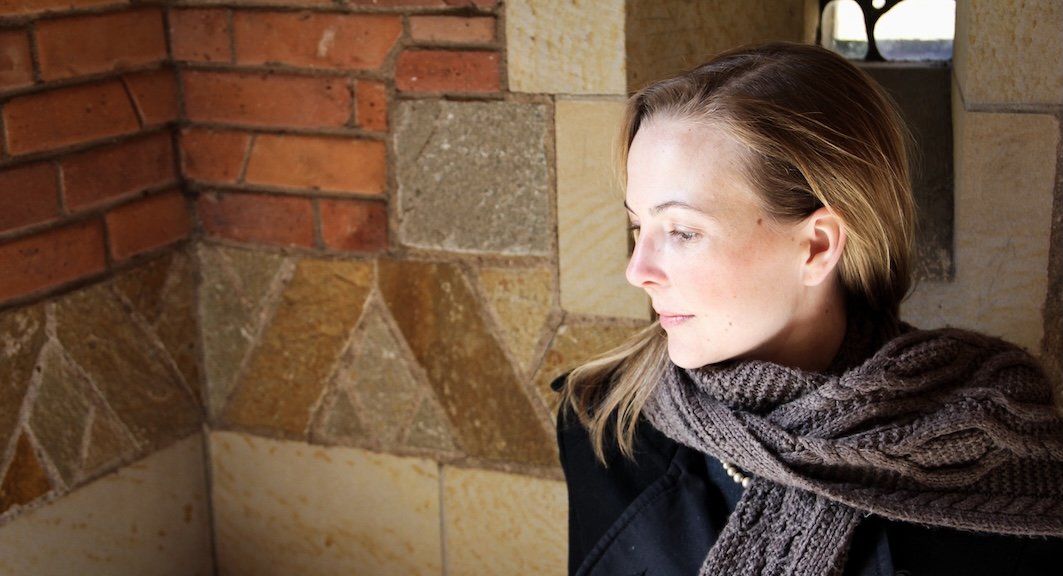
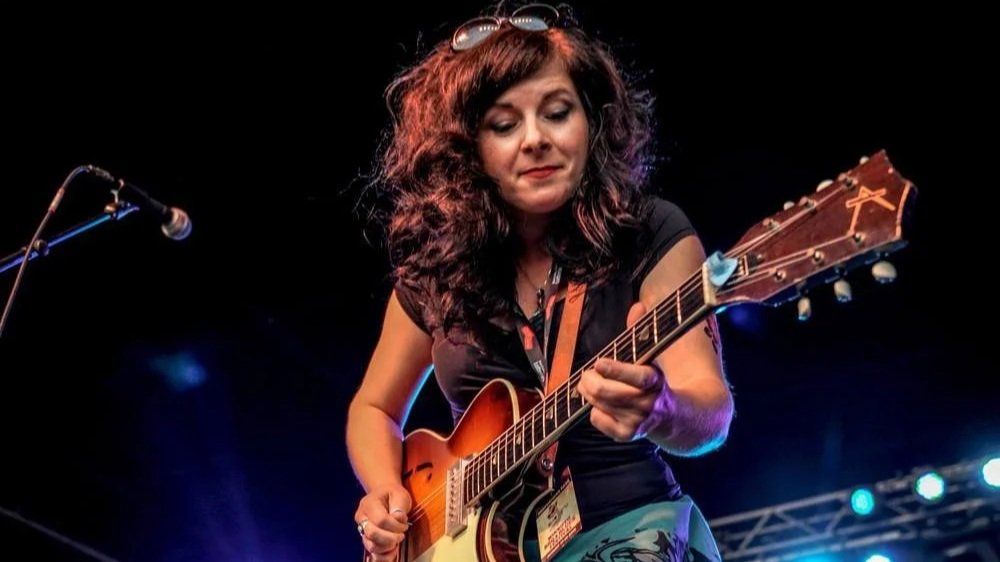
Cecilia Duarte, Photo by Ashkan Image
Early Music Vancouver presents the Pacific Baroque Orchestra and Vancouver Chamber Choir performing Handel’s Messiah at Fraserview Mennonite Church on December 12 at 7 pm and at the Orpheum on December 13 at 7 pm
SINCE ITS FIRST PUBLIC performance in Dublin in 1742, George Frideric Handel’s Messiah has never fallen out of favour with audiences, even as its presentation has been changed to suit the tastes of the times.
In the Victoria era, fashion dictated massively scaled-up renditions of the beloved oratorio. In 1857, for example, London’s Crystal Palace hosted what was billed as the “Great Handel Festival”, complete with a performance of Messiah by a chorus of 2,000 singers and an orchestra of 500.
Not everyone, however, was a fan of this supersized Handel. Bernard Shaw was among the detractors, writing: “Why, instead of wasting huge sums on the multitudinous dullness of a Handel Festival does not somebody set up a thoroughly rehearsed and exhaustively studied performance of the Messiah in St James's Hall with a chorus of twenty capable artists? Most of us would be glad to hear the work seriously performed once before we die.”
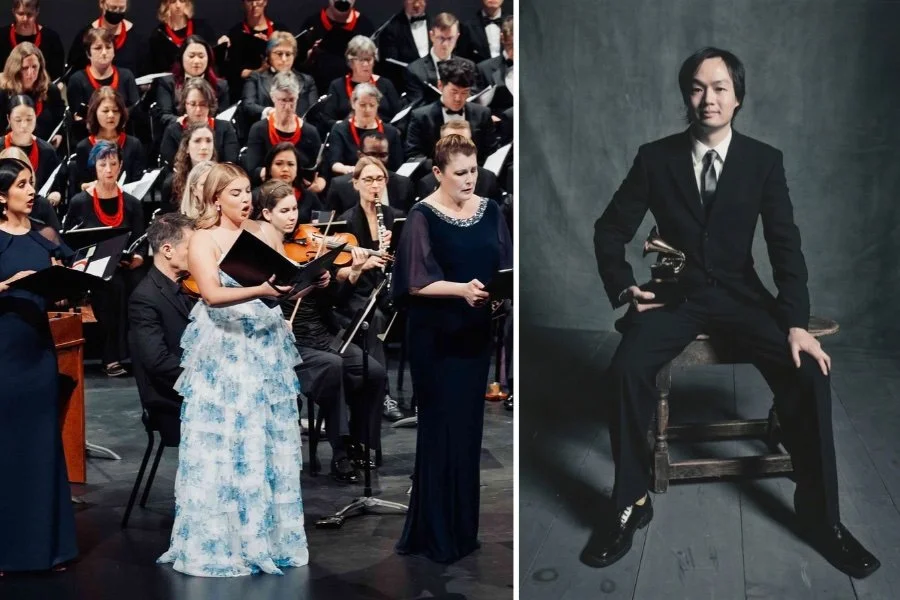
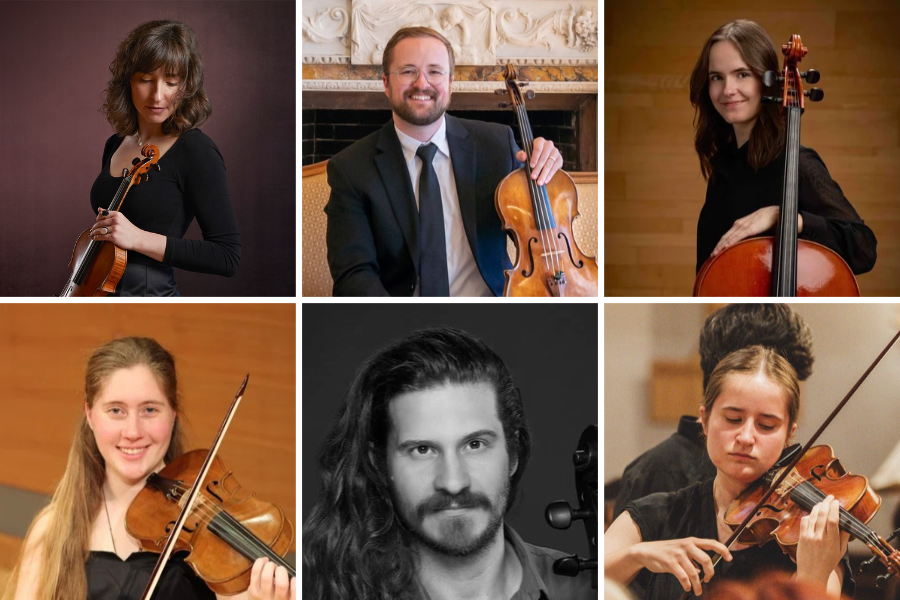
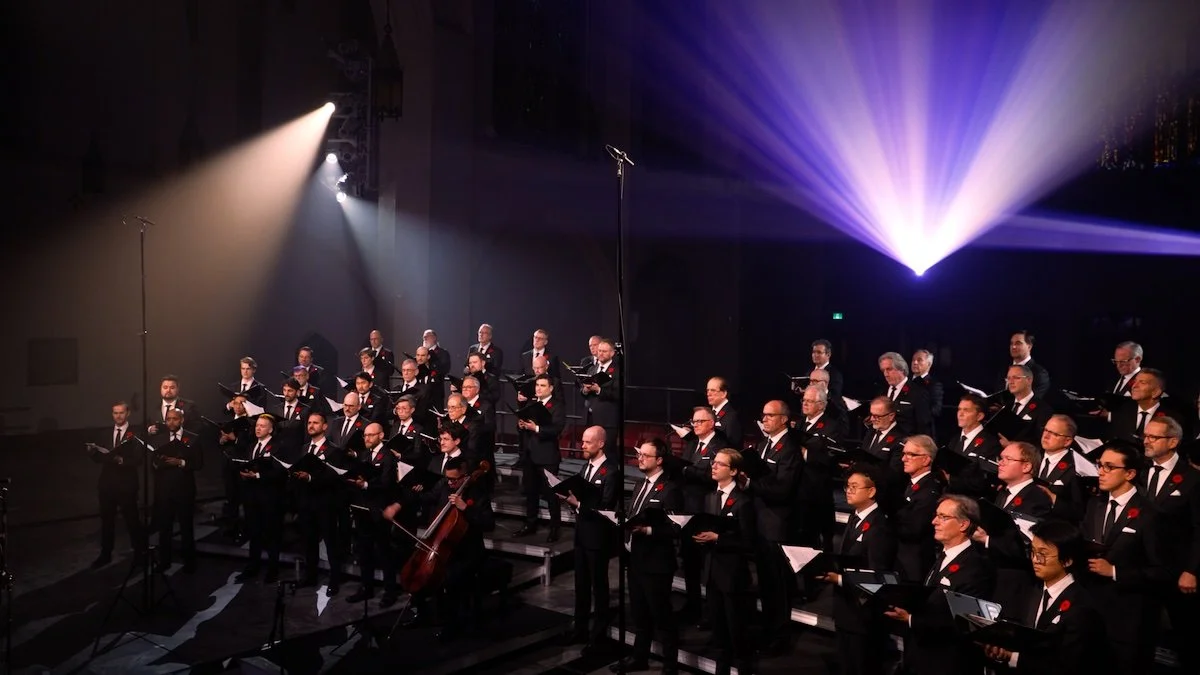
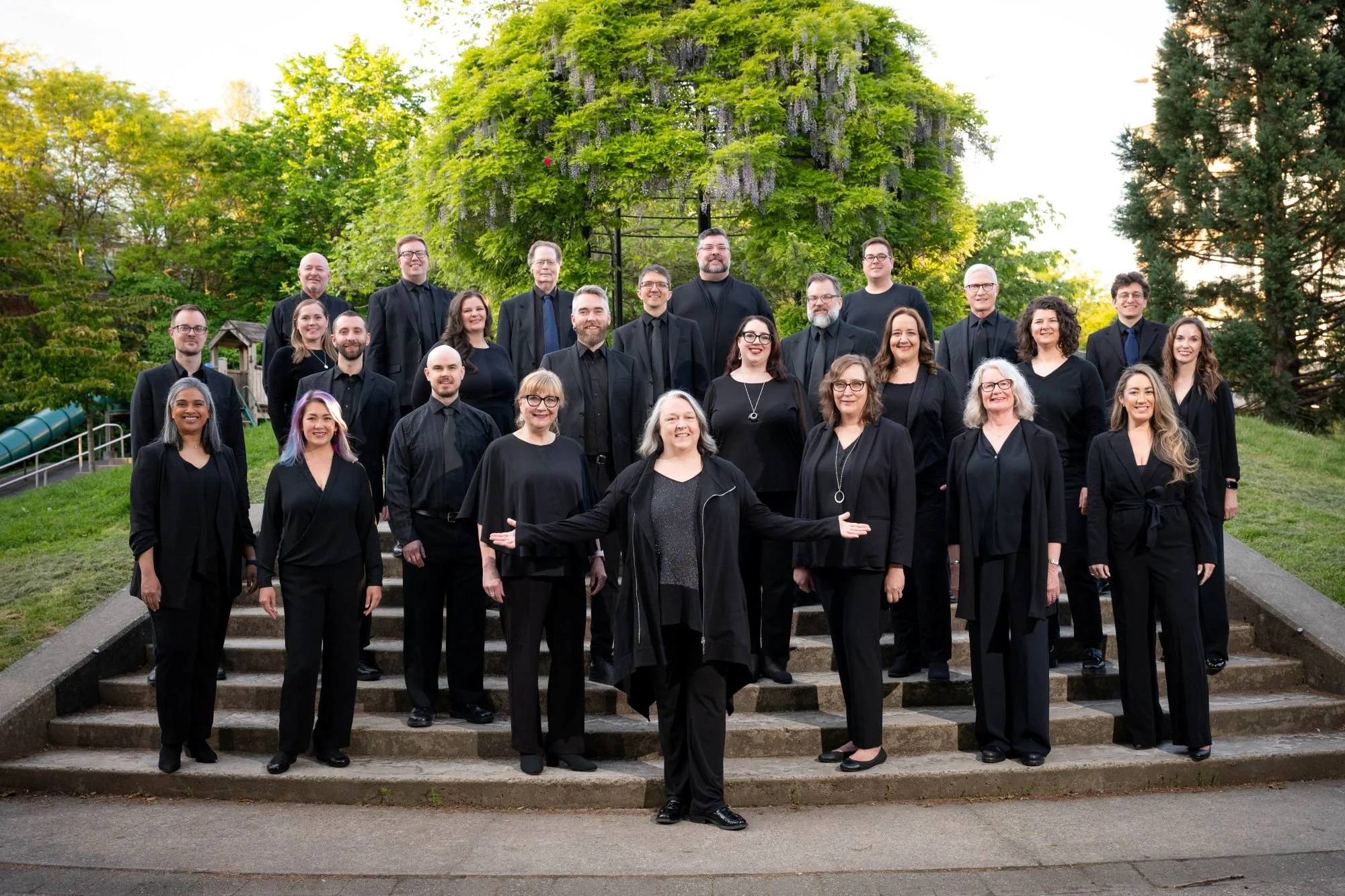
Shaw would no doubt approve of the version that Early Music Vancouver is presenting this month, which features the Vancouver Chamber Choir and the Pacific Baroque Orchestra directed by Alexander Weimann, along with soloists Myriam Leblanc (soprano), Cecilia Duarte (alto), Jacob Perry (tenor), and Sumner Thompson (bass).
“We actually follow, pretty much, the forces that Handel would have had in Dublin for the first rounds of performance: a choir of roughly two dozen singers and a similar-sized orchestra,” Weimann tells Stir in a telephone interview.
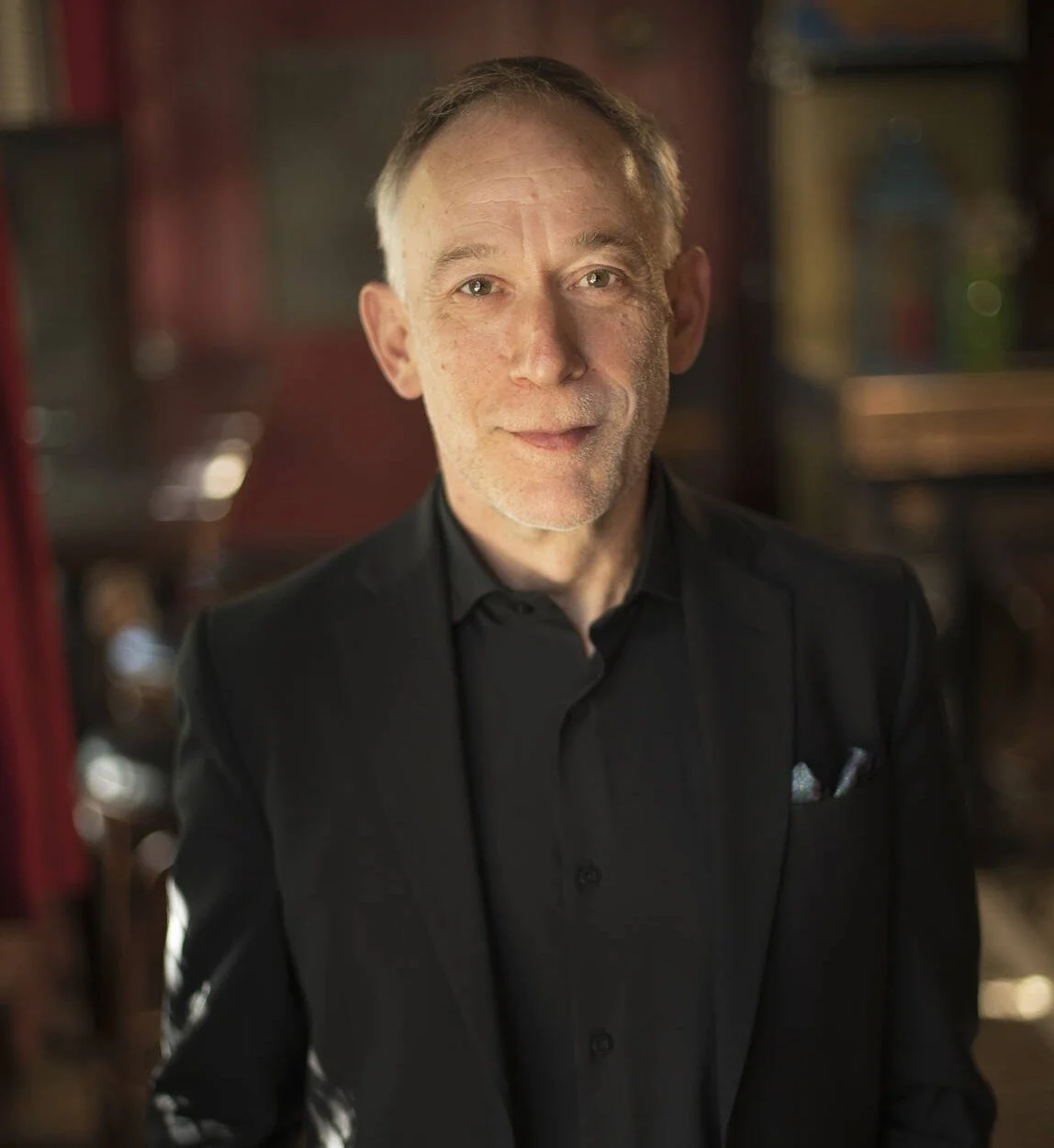
Alexander Weimann. Photo by Mark Mushet
The conductor notes that Messiah, with its English-language libretto by Charles Jennens, was not part of seasonal celebrations when he was growing up in Germany. Weimann recalls instead hearing Johann Sebastian Bach’s Passions and Christmas Oratorio. As a performer, however, he guesses that he played Messiah’s basso continuo accompaniment dozens of times, and he has since conducted it on somewhere in the ballpark of 20 to 30 occasions.
Remarkably, it’s never the same piece twice.
“It’s a little bit similar to an opera, in that every performance will give you a different swing,” Weimann says. “Even though it’s the same story, it will actually come to life every time a little differently.”
Weimann is well aware that, when it comes to Messiah—one of the best-loved and most-performed choral works in Western music—audiences have certain expectations of what they will hear and experience.
The key, he says, is not to subvert those expectations, but rather to approach the score in a way that makes it feel fresh and alive for the audience and the performers alike.
“That’s precisely the balance, or the dance, to basically be open to the piece as though you were hearing it for the first time, even though you aren’t,” Weimann says. “And that’s the challenge for somebody playing a piece, to not just execute sort of a rendition, but to live it in the moment. And of course that’s not easy when you know the piece.”
The conductor compares it to the experience of being in a long-term relationship and trying to recapture the thrill of meeting your partner for the first time.
“It’s a little bit of a paradox, I guess, but I still think it’s possible,” he says. “So much of the musical language, or the musical devices, that he chooses are really quite extraordinary, and just because we are used to them, it’s easy to fall into that trap of thinking, ‘Oh, yeah, that’s something we know,’ right? That’s precisely the challenge: to be as on-the-edge and as excited as if it were the first time, even though it isn’t.”
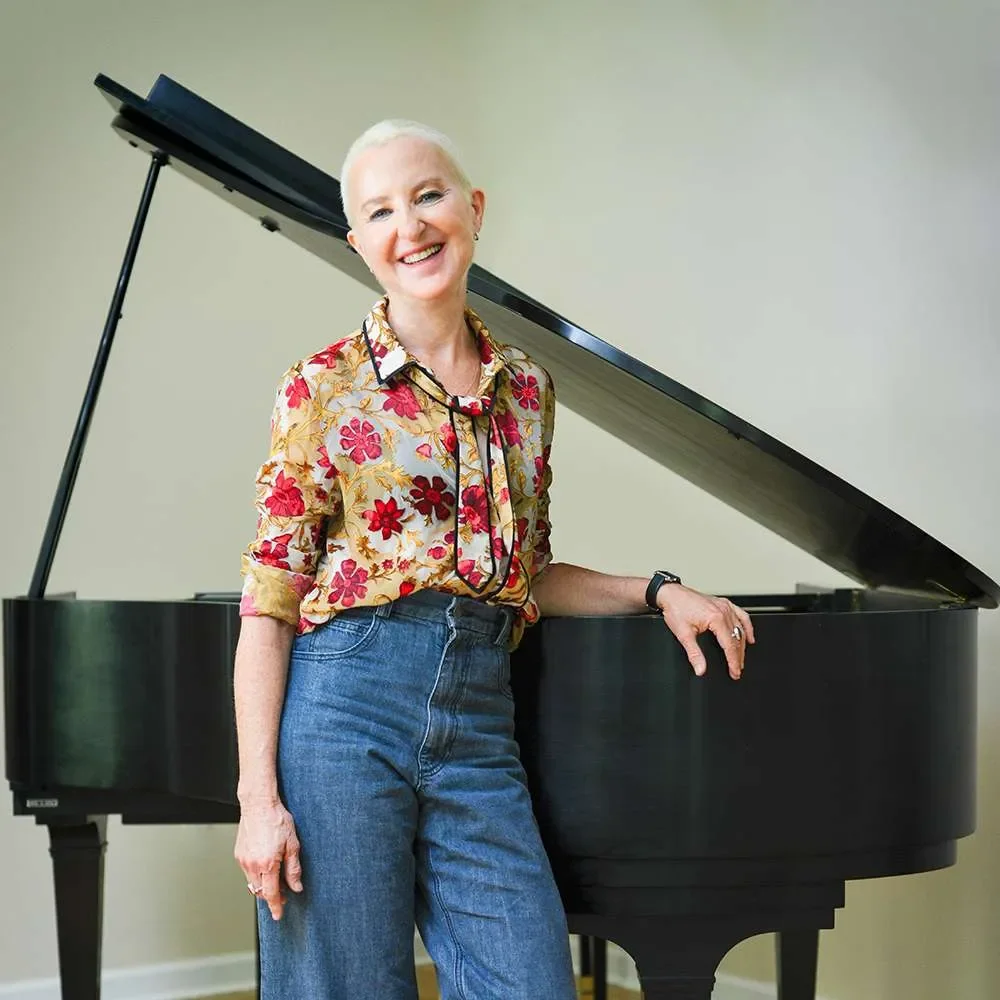
For Duarte, finding that first-time feeling should come naturally. In a separate phone interview, the Houston, Texas–based alto reveals to Stir that these Early Music Vancouver shows represent an important milestone in her career.
“I sang Messiah as a chorister, of course, and I’ve done the arias out of context here and there, but this is actually going to be my very first full Messiah as a soloist,” Duarte says. “In 2023, I did Messiah, but there were two altos, and so we shared the solos. But singing all the solos completely, this is going to be my first time.”
Well, the first time in English, at any rate.
“Just two weeks ago I did a full recording of Messiah completely in Spanish, in a translation that was made specially for the Bach Collegium in San Diego,” Duarte says. “We premiered it back in 2022, but then they decided to do a full recording of it. So I have been close to the Messiah music for the past month, singing it a lot—of course, in a different language, which happens to be my native language—and so I feel like I got really close to the message of the whole piece. It adds a very special element for me now that I’m doing it fully in English, because I feel like I can relate even more deeply to the piece.”
The Bach Collegium’s Ruben Valenzuela created El Mesías with Mexican conductor Mario Montenegro, who—instead of directly translating Jennens’s original libretto—created an original text that reflects contemporary Spanish-language usage while respecting the finer details of Handel’s score.
When the recording of El Mesías becomes available next year, Handel fans will have a whole new way to experience the music they love.
Weimann has a few Handel releases of his own available, including a Juno-nominated 2013 Pacific Baroque Orchestra recording of the German-English composer’s opera Orlando and a collection of his arias featuring Canadian soprano Karina Gauvin. Of course, the best way to experience Handel’s music is in a concert hall (or church, as the case may be), and Weimann argues that this is especially true of Messiah.
“It creates its own community when you actually listen to it or perform it or be in the same room,” the conductor says. “It’s difficult to put it into words, but it’s really more than just an unfolding of some sort of architecture. And that community experience is one that you don’t get listening to a recording, for one. You also don’t get it looking at the music and imagining it. It’s really something that happens in real life.” 

Related Articles