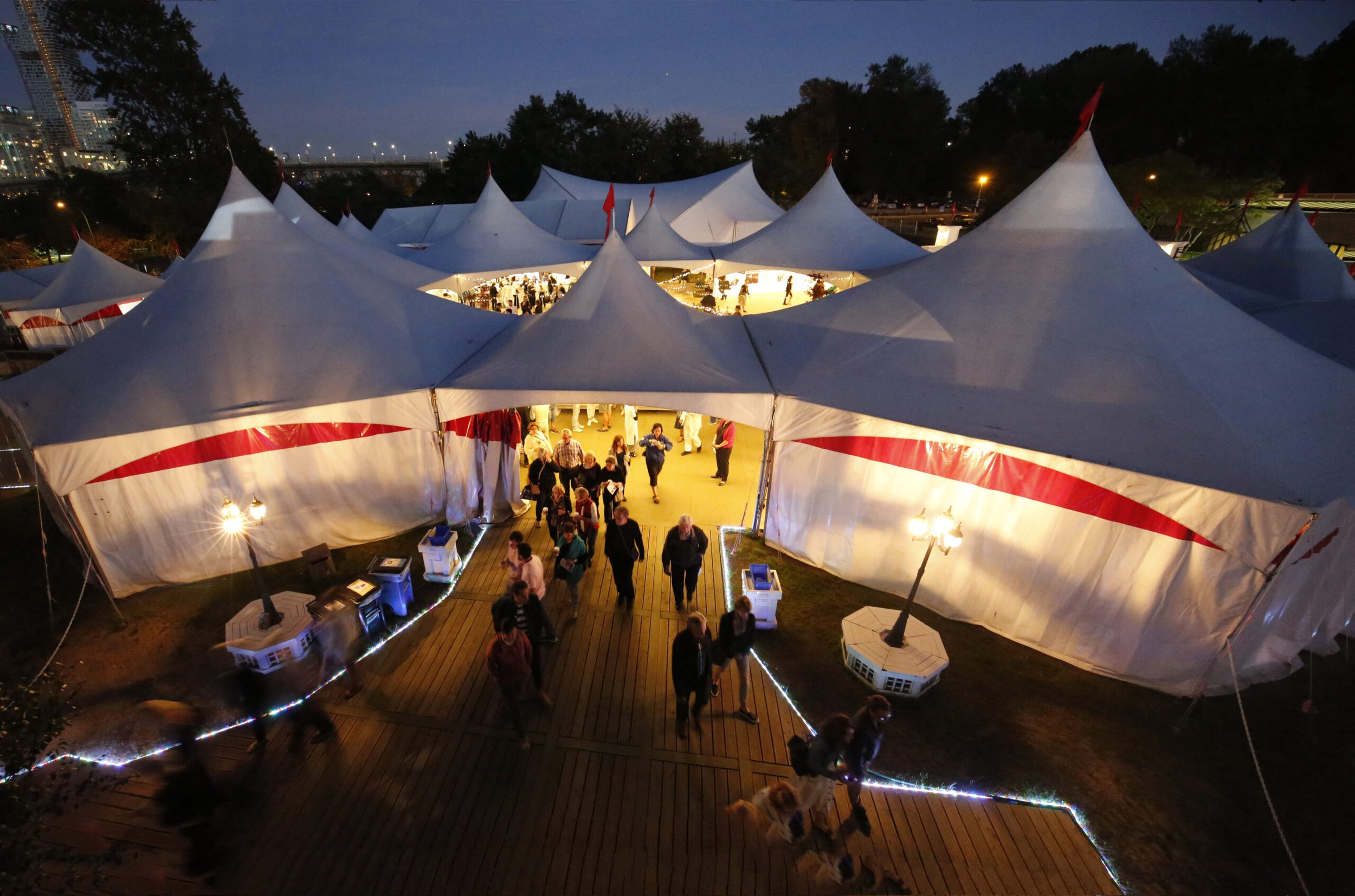
Theatre reviews: Two bold shows at rEvolver Festival explore life in an increasingly synthetic world
Megan Milton’s Free Kittens and William Rubel’s Robin Redbreast in a Cage converge on close human relationships in an age of reality TV and AI
Free Kittens
Upintheair Theatre presents rEvolver Festival at The Cultch to May 31
REVOLVER FESTIVAL RETURNS to The Cultch this year with another lineup of formally adventurous, politically restless work. The two wildly different shows below converged (surprisingly) on two seemingly unrelated but fertile cultural preoccupations: babies and reality television. They’re but a small sample of the strange, contemporary terrain Upintheair’s festival is undoubtedly interested in mapping this year.
Free Kittens
Continues May 29
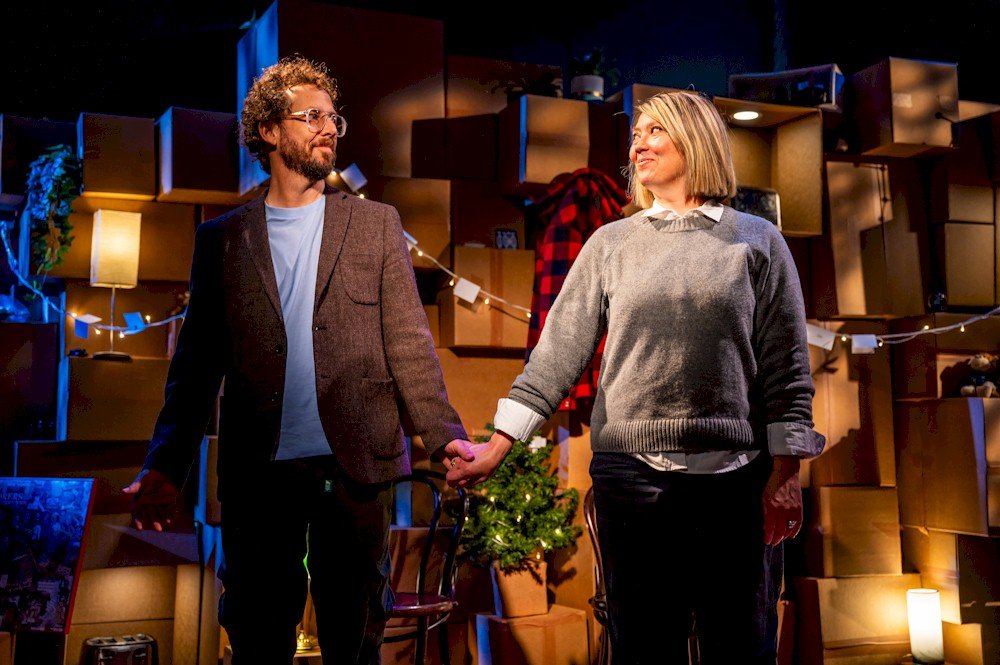
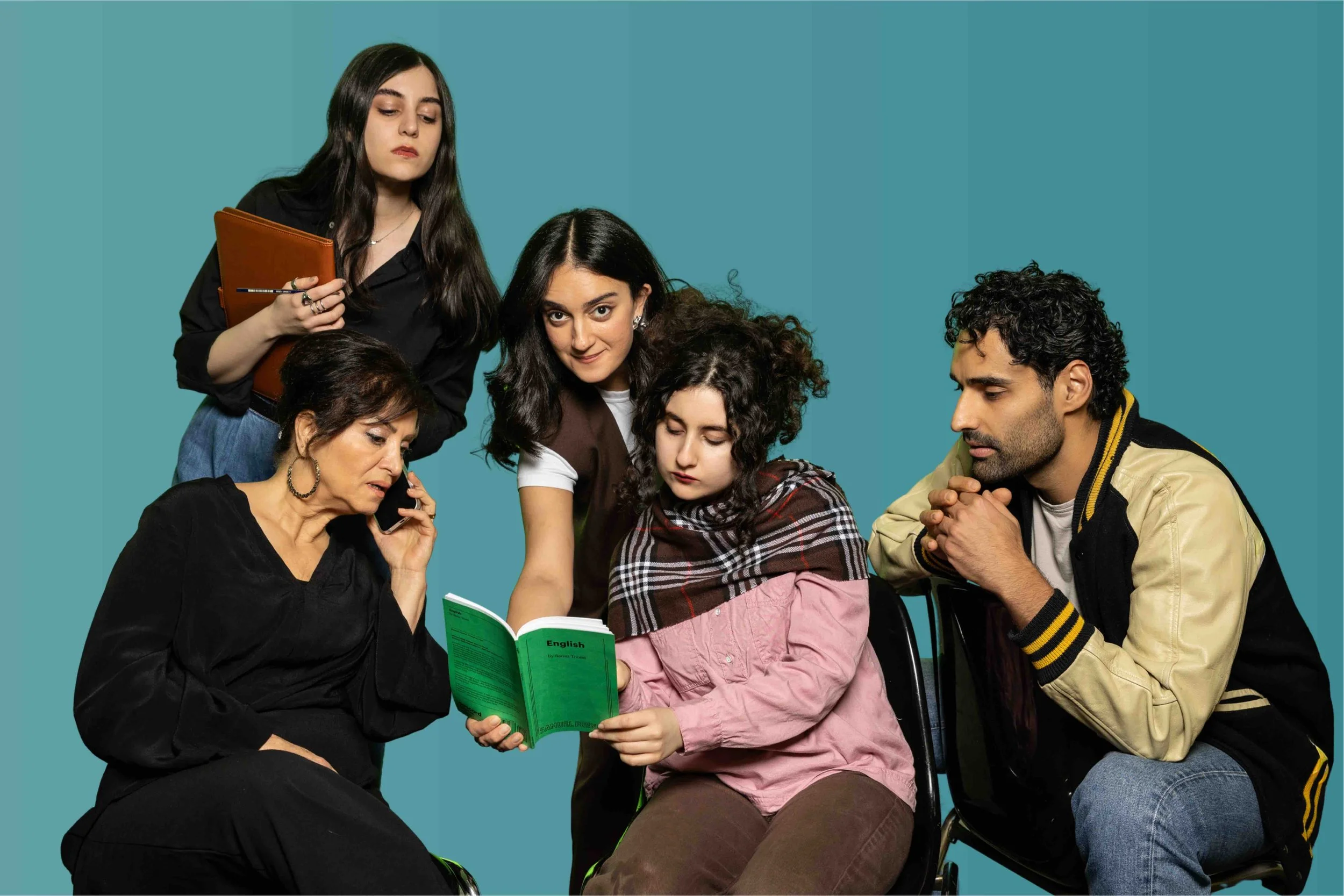
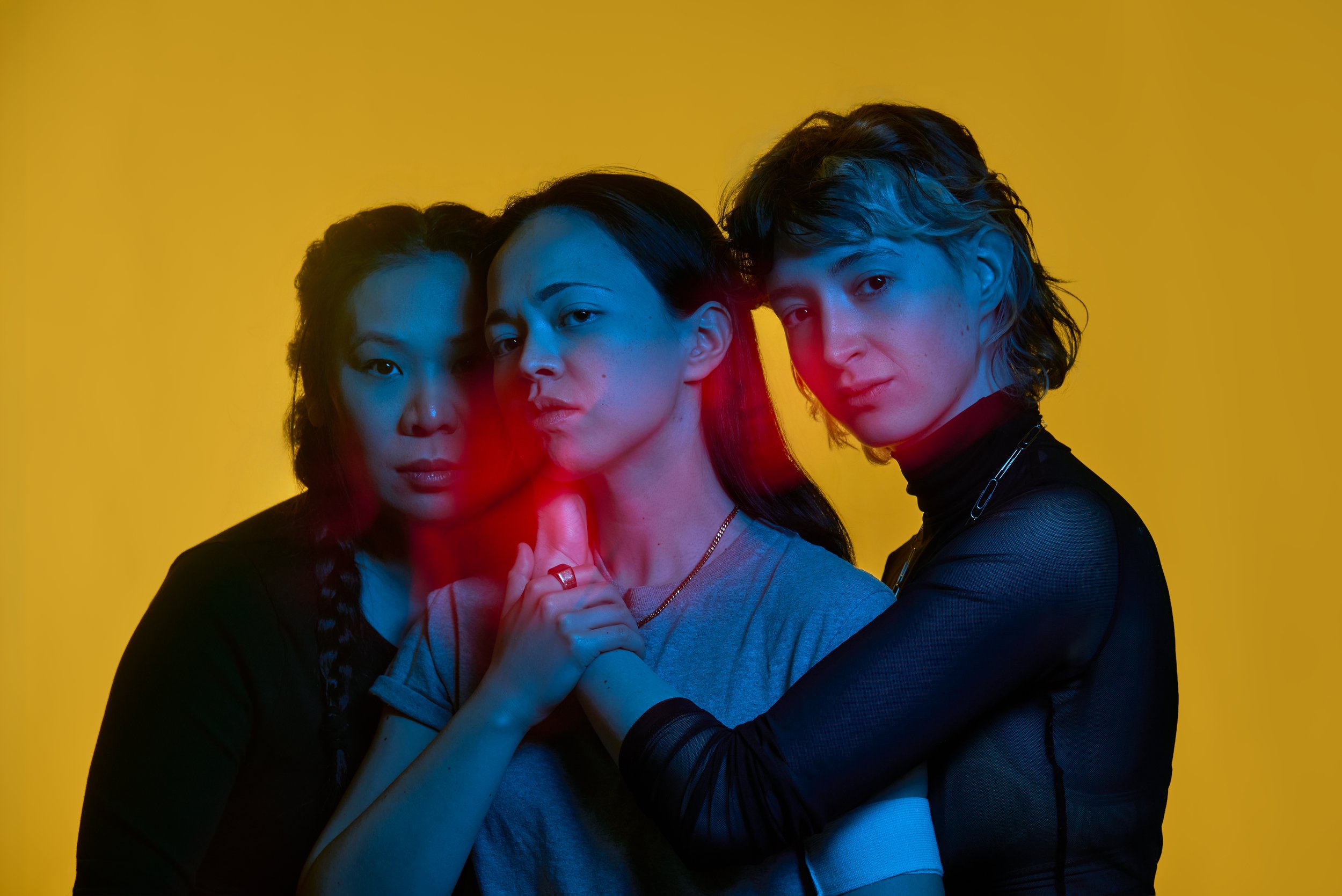
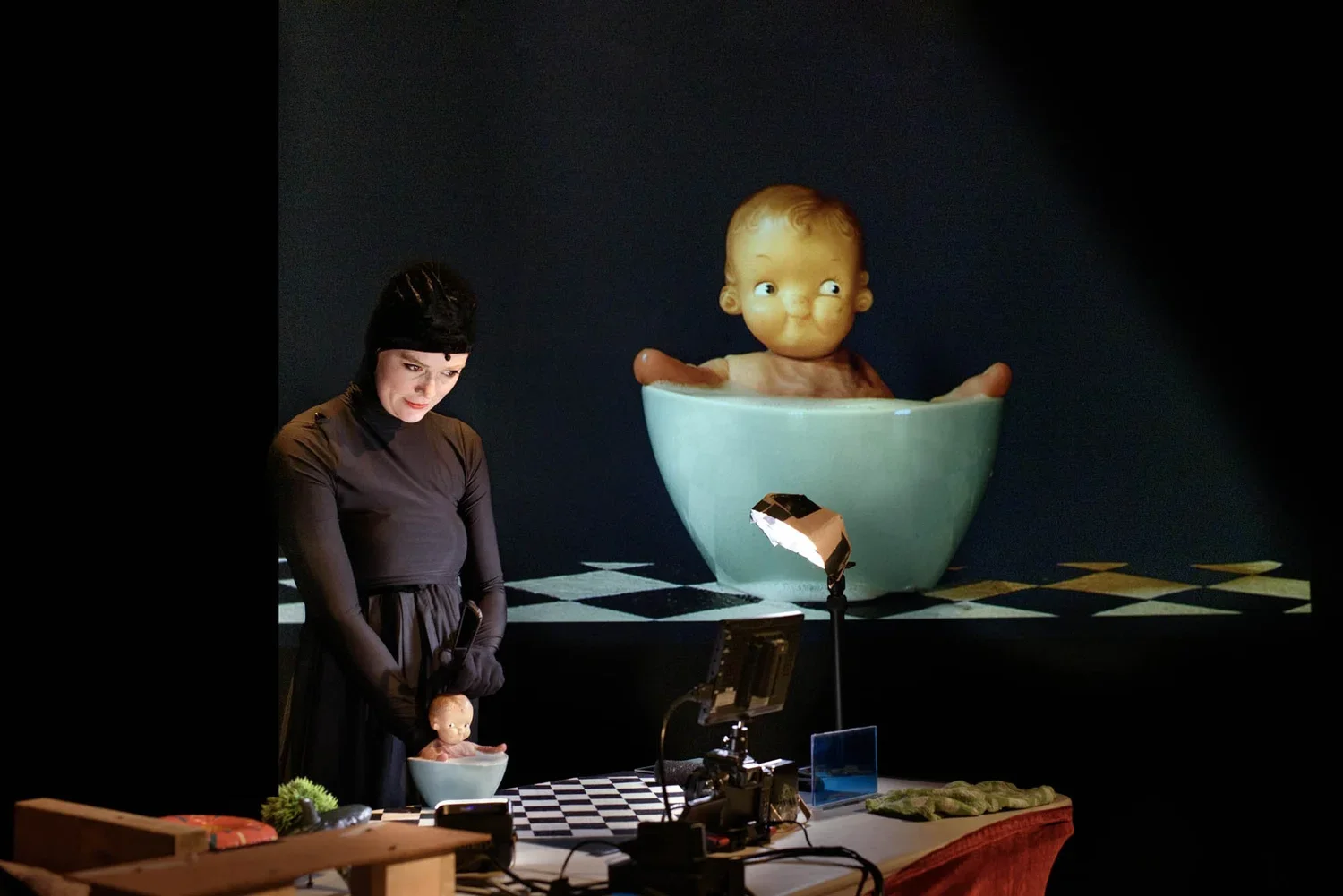
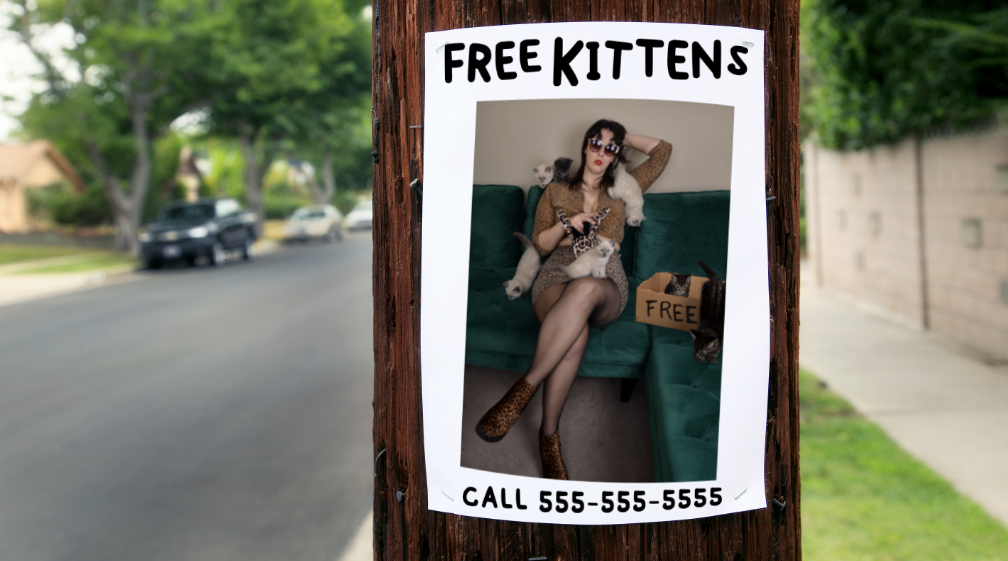
Megan Milton realized her mother “lived in a different plane of reality” while watching MTV’s 16 and Pregnant. Her mother had shared this fate in high school, and Milton remembers, dumbfounded, that instead of being horrified by the precarious situation of the teen mothers, she complained that the reality show hadn’t existed back then, when she might have wanted to be on it. It’s one of many realizations that arrived early for the writer and performer of Free Kittens, forged through a childhood spent caring for a caretaker too young for parenthood and stuck in a perpetual state of immaturity as a result. A self-proclaimed “abortion survivor”, a joke she and her mother both found hilarious, Milton approaches these experiences with the same mordant humour running throughout a show that often feels like the phrase “my trauma, my jokes” personified through an hour-long monologue. The writing moves easily between self-deprecating observations (“You know you’re white trash when your family becomes known as the family who’s always giving away free kittens”) and sharp reflections on reproductive rights, unwanted motherhood, and the harsh realities that follow idealized notions of care. Delivering these insights from a chair surrounded by cat plushies, Milton balances the rhythms of stand-up with a looser intimacy that's very effective. No matter how uncomfortable the material becomes—and opening night audiences responded with frequent groans of recognition—Free Kittens stays incisively funny, empathetic, and unapologetically self-possessed. Like good reality TV, it’s able to lionize pain, embarrassment, oversharing, and banality into something that never abandons its gauche entertainment value, all while delivering unexpected, profound nuggets about human nature.
Robin Redbreast in a Cage
Robin Redbreast in a Cage
Continues May 28 and 31
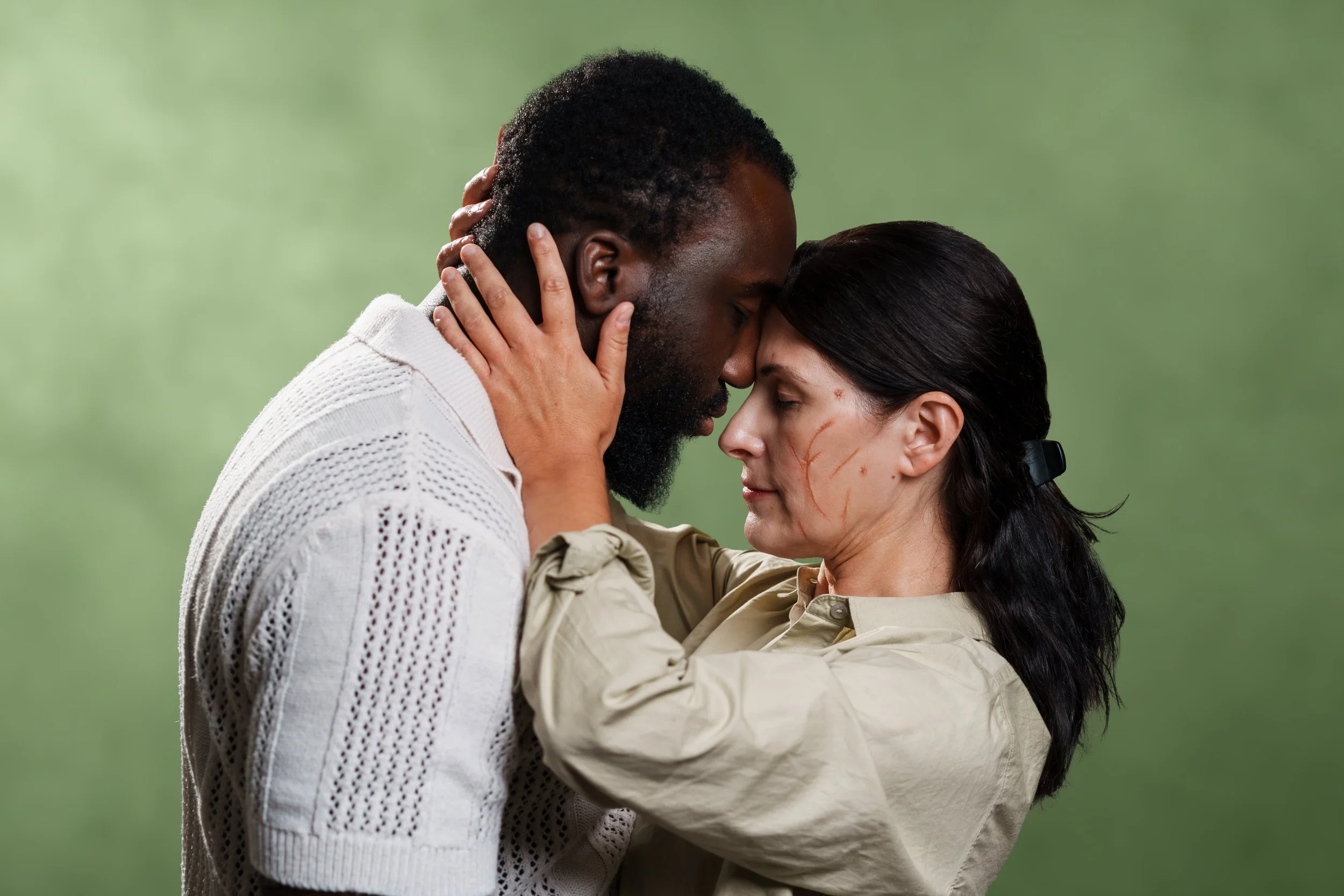
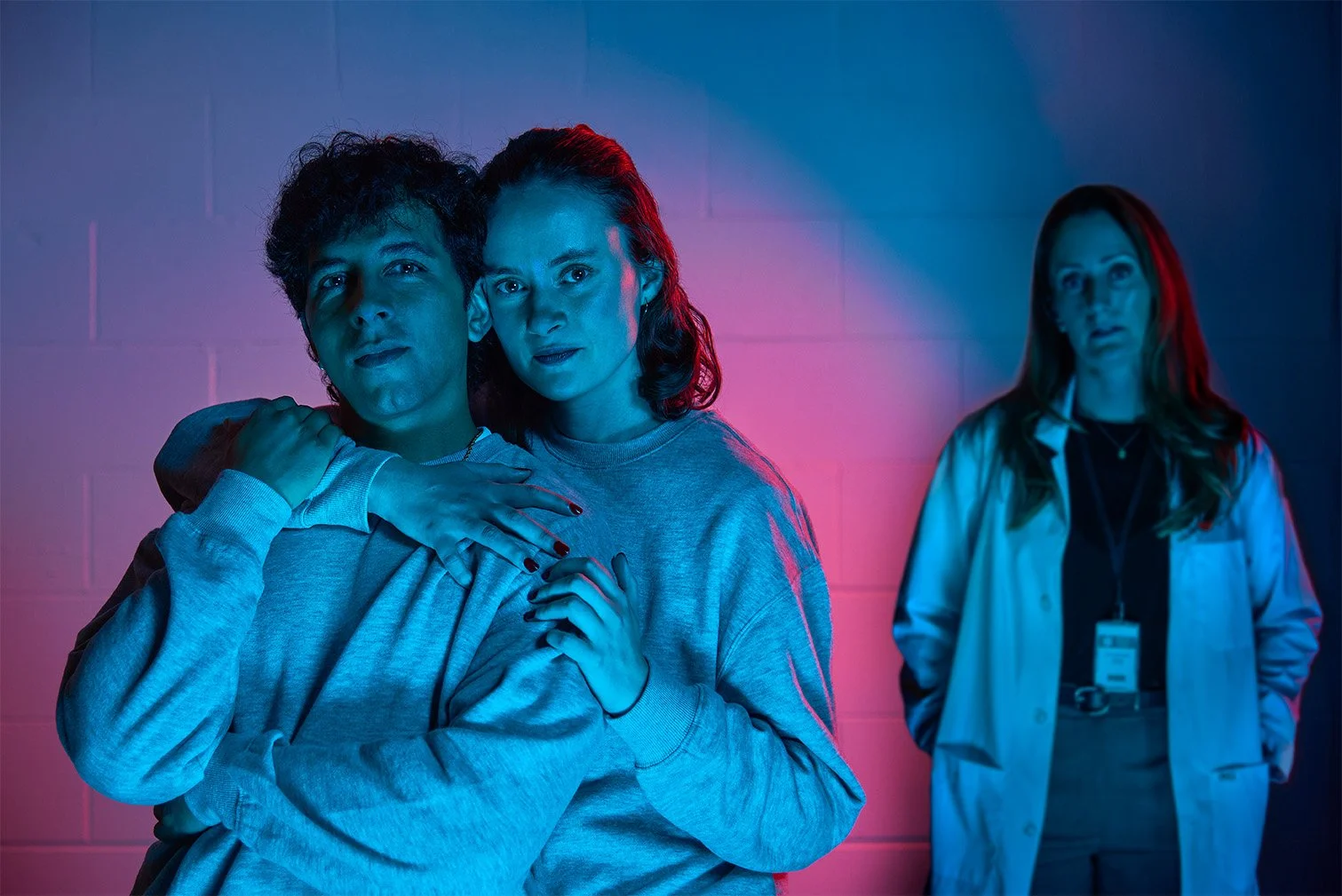
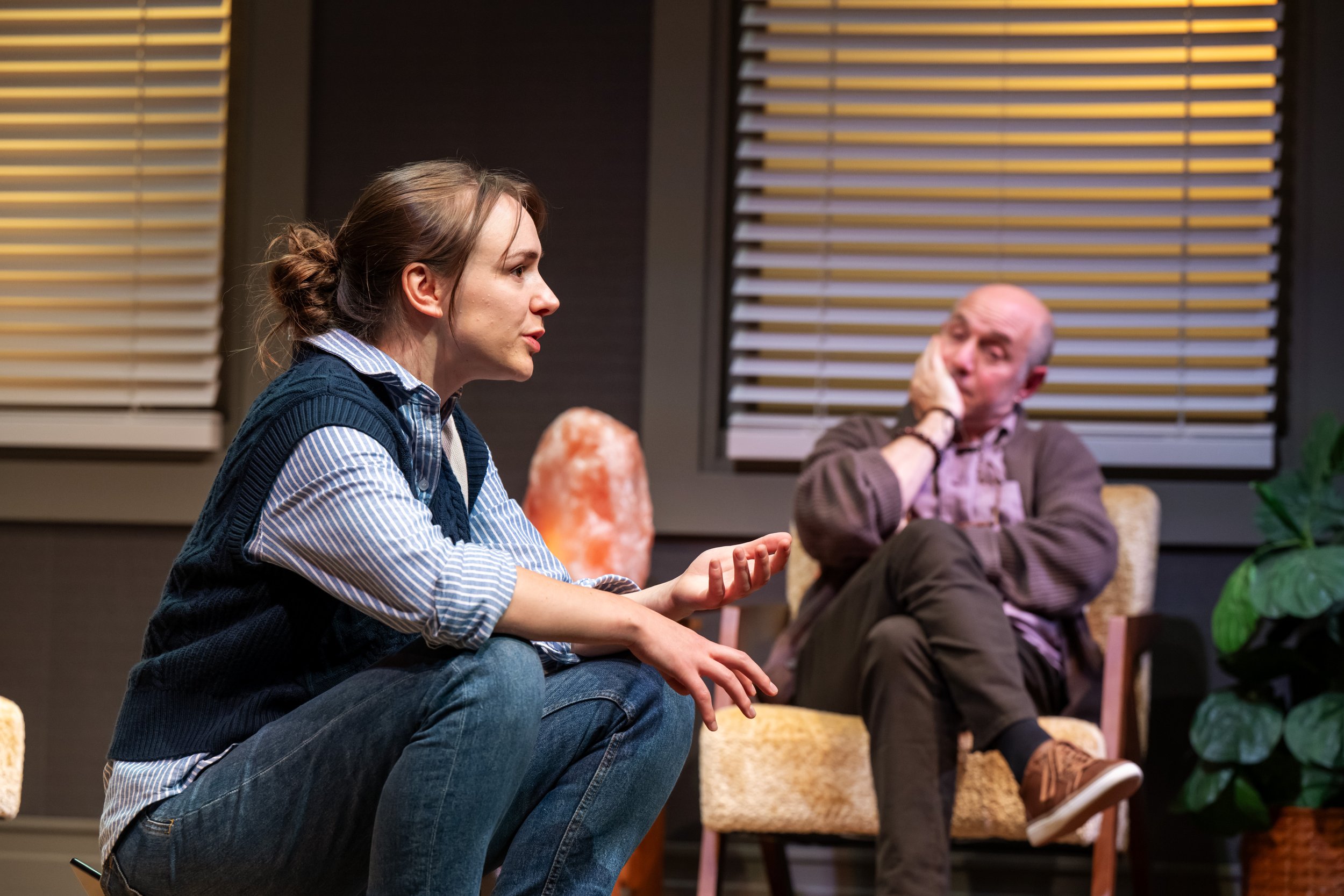
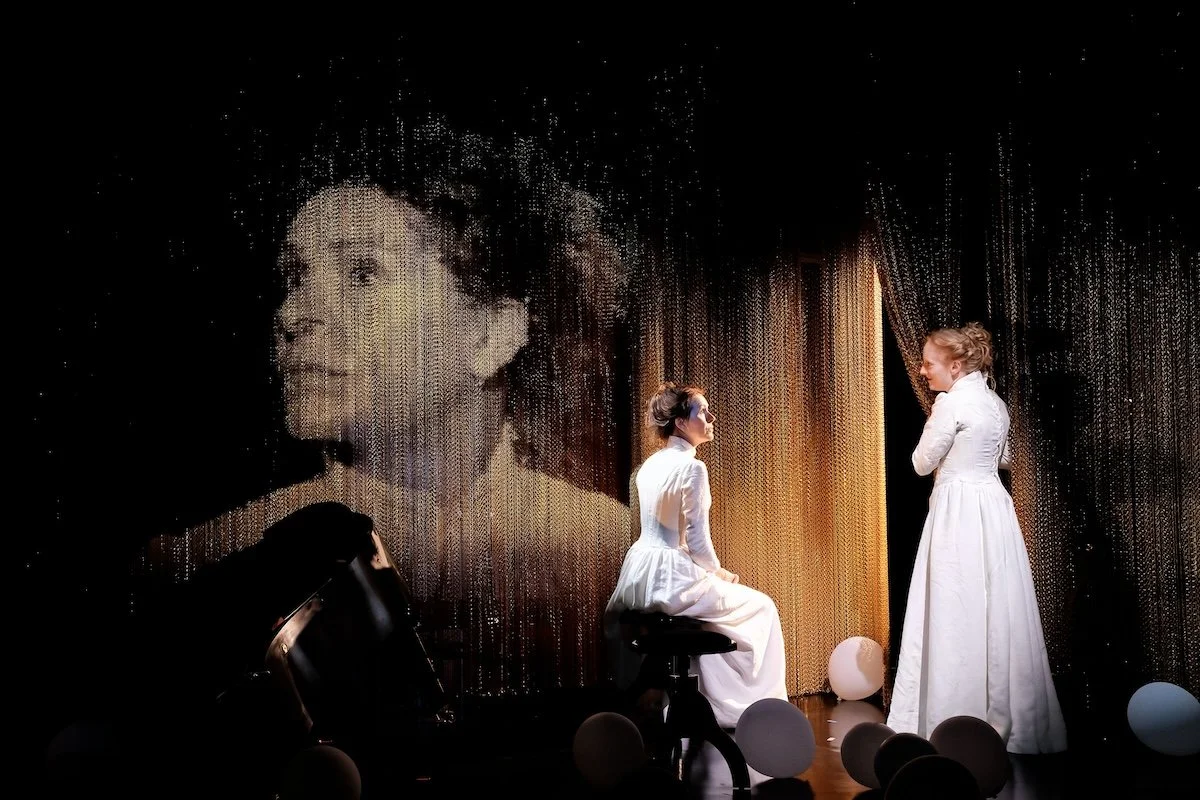
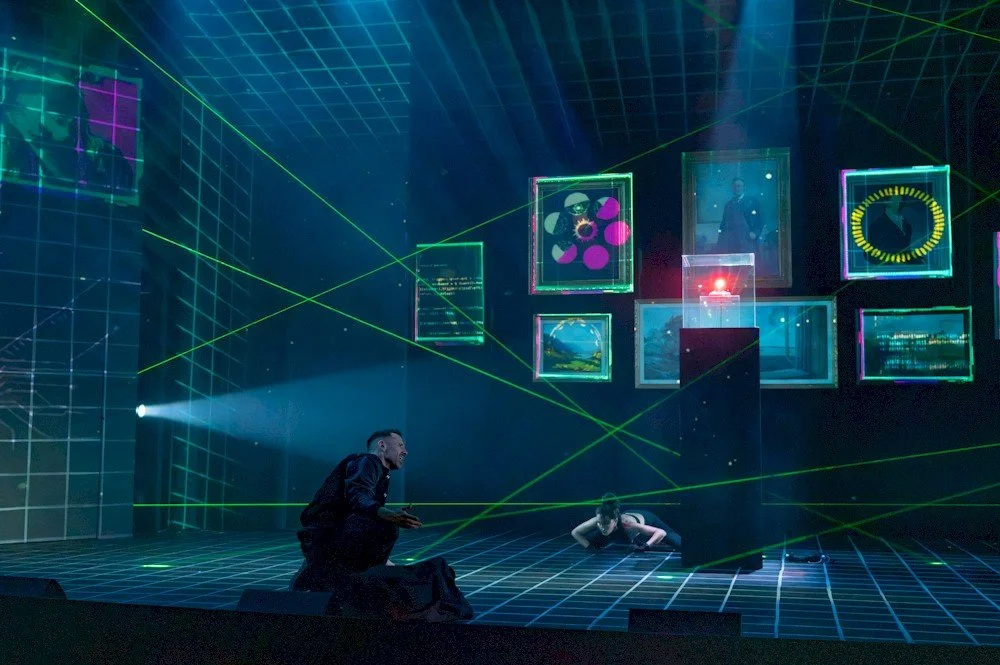
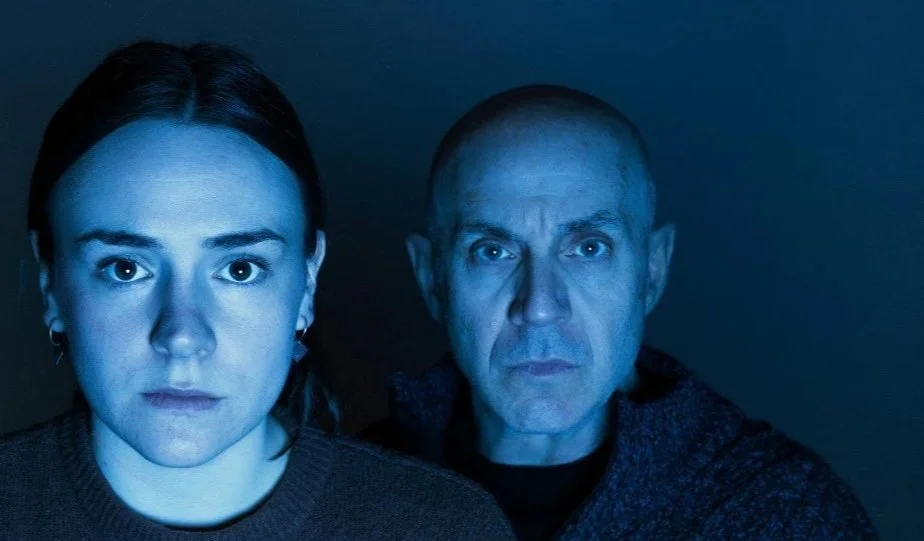
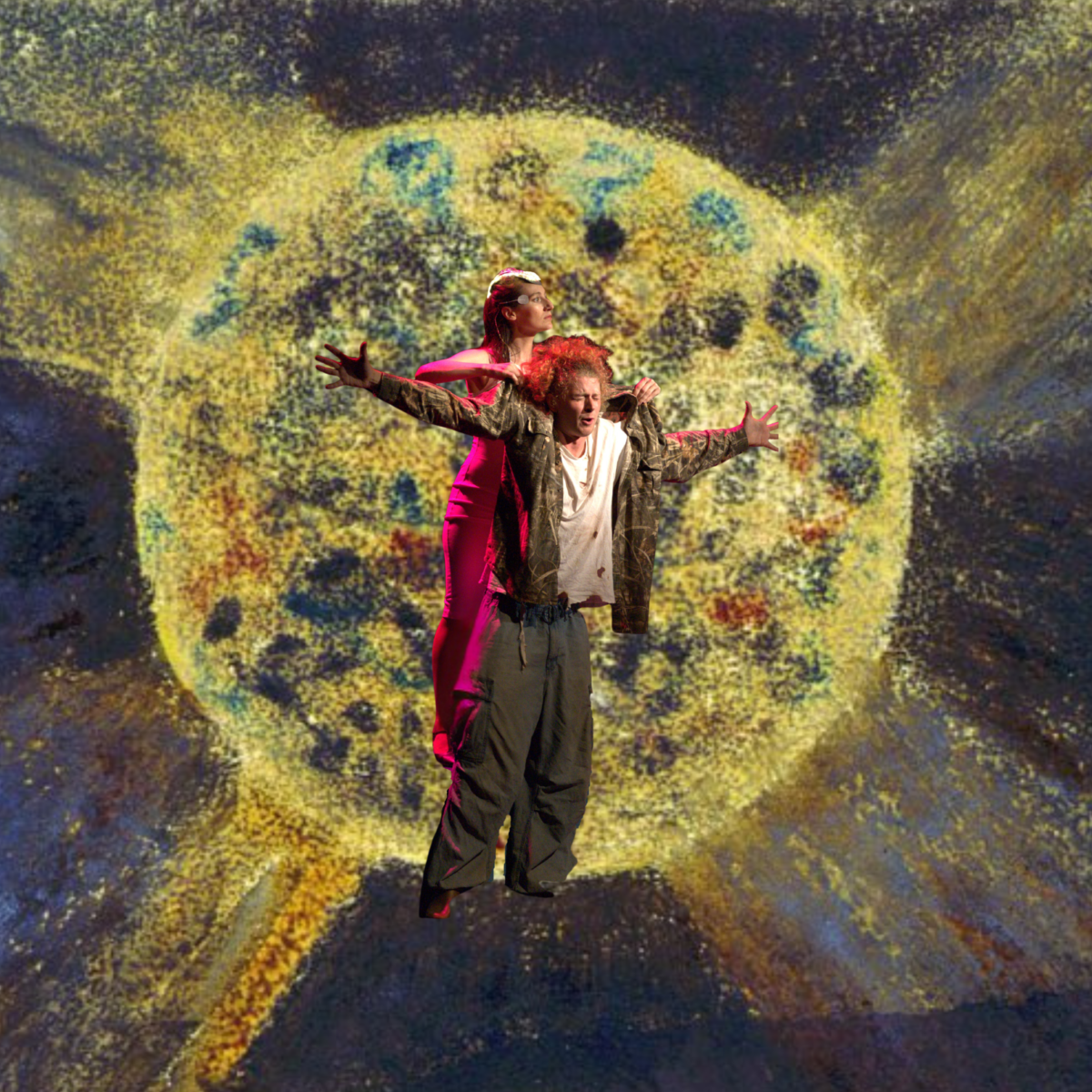
There’s a sentiment among reality TV viewers that’s gained some traction in recent years: the idea of watching these shows in an “anthropological way”. It’s a bit of a self-aggrandizing claim, sure—sometimes trash TV is just that. But the artificiality embedded in this type of entertainment feels less and less like an obstacle to understanding ourselves and more like a reflection of our increasingly synthetic and technologically administered living conditions. Certainly, that’s the future imagined by William Rubel’s Robin Redbreast in a Cage. Set in a speculative AI-run society where humans are siloed into reproductive and labour functions, the play follows Robin (an energetic Alexander J Skinner) as the latest participant on Outsider, the only television show left on Earth: a Survivor-esque spectacle in which a contestant is abandoned in the wilderness and forced to fend for themselves. Watching it obsessively is Olma (played tenderly by Jenna Hill), one of Robin’s former human mentors who begins questioning her own future after discovering she is pregnant and knowing she’ll be forced to give up her baby to the AI overlords. The uniformly strong cast contends with the play’s heady blend of dystopian sci-fi dialogue and William Blake–inspired poetry, though some pacing issues and uneven sound cues muddy its ambitions. Still, the play finds something poignant and even touching in the relationship between Robin, the reality star, and Olma, the viewer, who in the end are just two people recognizing each other through the oppressive containment of their respective worlds. 

Angie Rico wrote this review as part of Page Turn, a professional development network for emerging arts writers, funded by the Canada Council for the Arts and administered by Neworld Theatre.
Related Articles