Sparks fly as harpist Rita Costanzi joins Vetta Chamber Music’s return to Schafer’s chamber-music masterpiece, Theseus
At Stirrings, strings piece explores rich contemporary territory, alongside classical Borodin and Debussy

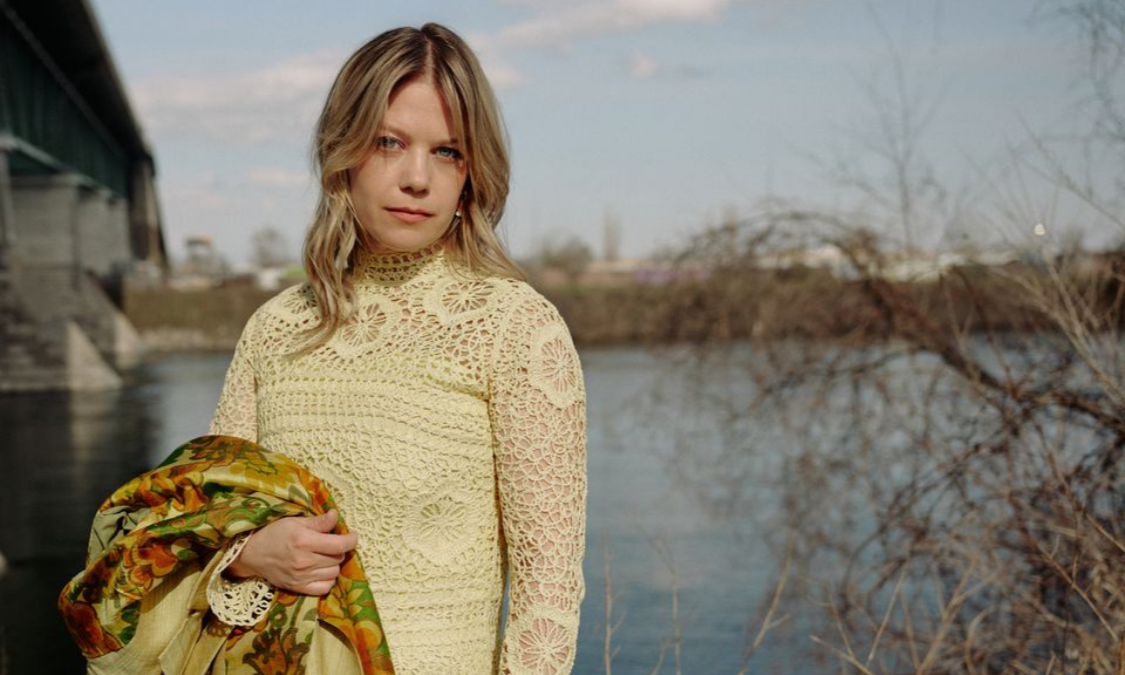
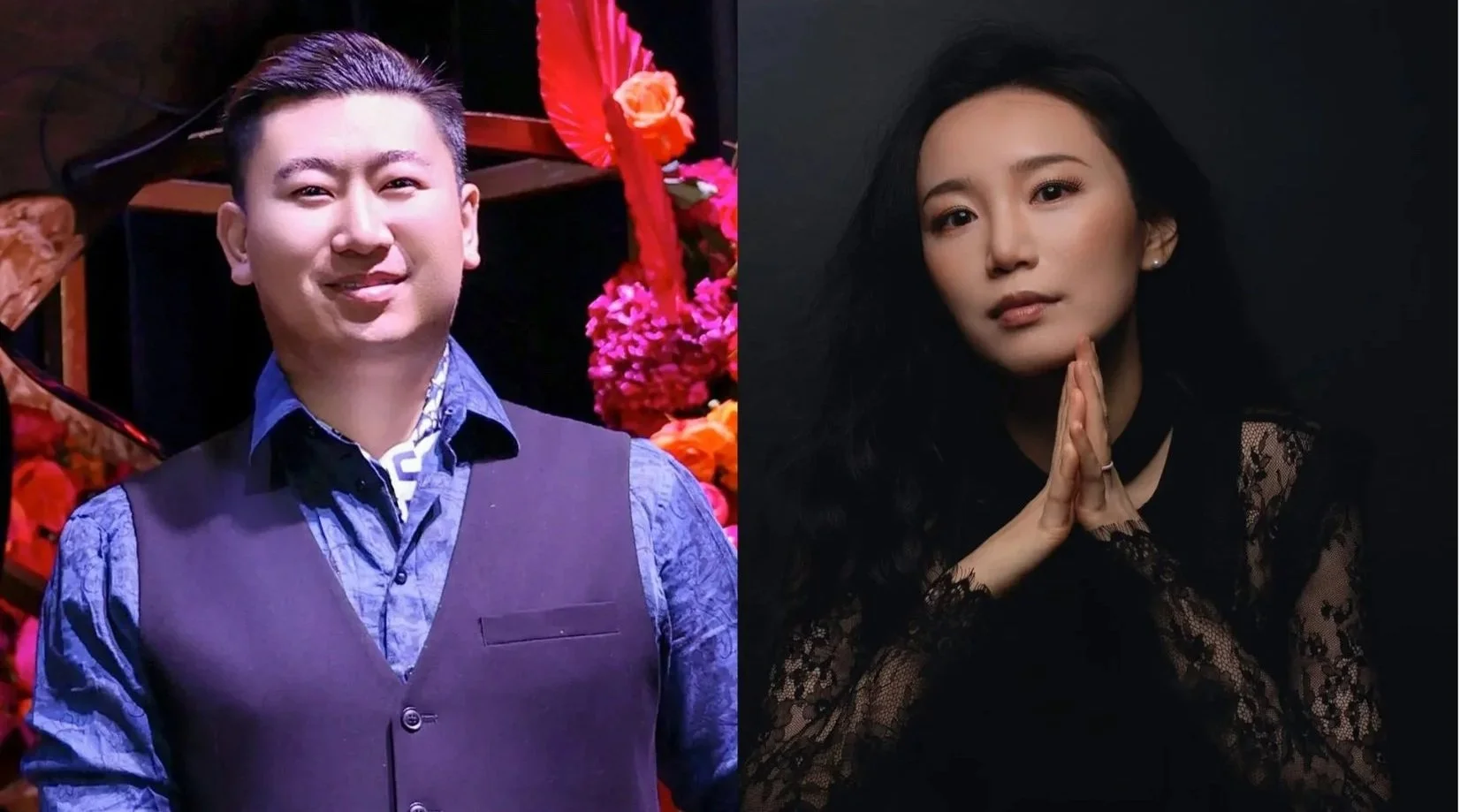
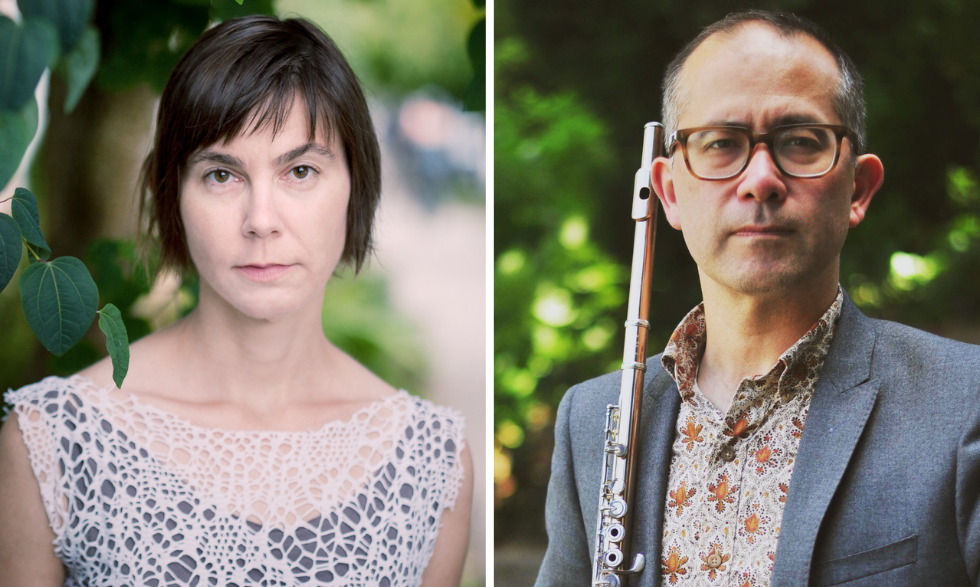
Rita Costanzi. Photo by Shelley and Keith Photography
Vetta Chamber Music presents Stirrings at West Point Grey United Church on the afternoon of November 14; at West Vancouver United Church on November 15; and at Pyatt Hall in a matinee show on November 16
FOR BOTH JOAN Blackman and Rita Costanzi, R. Murray Schafer’s Theseus demanded hard work, but ultimately offered transformation.
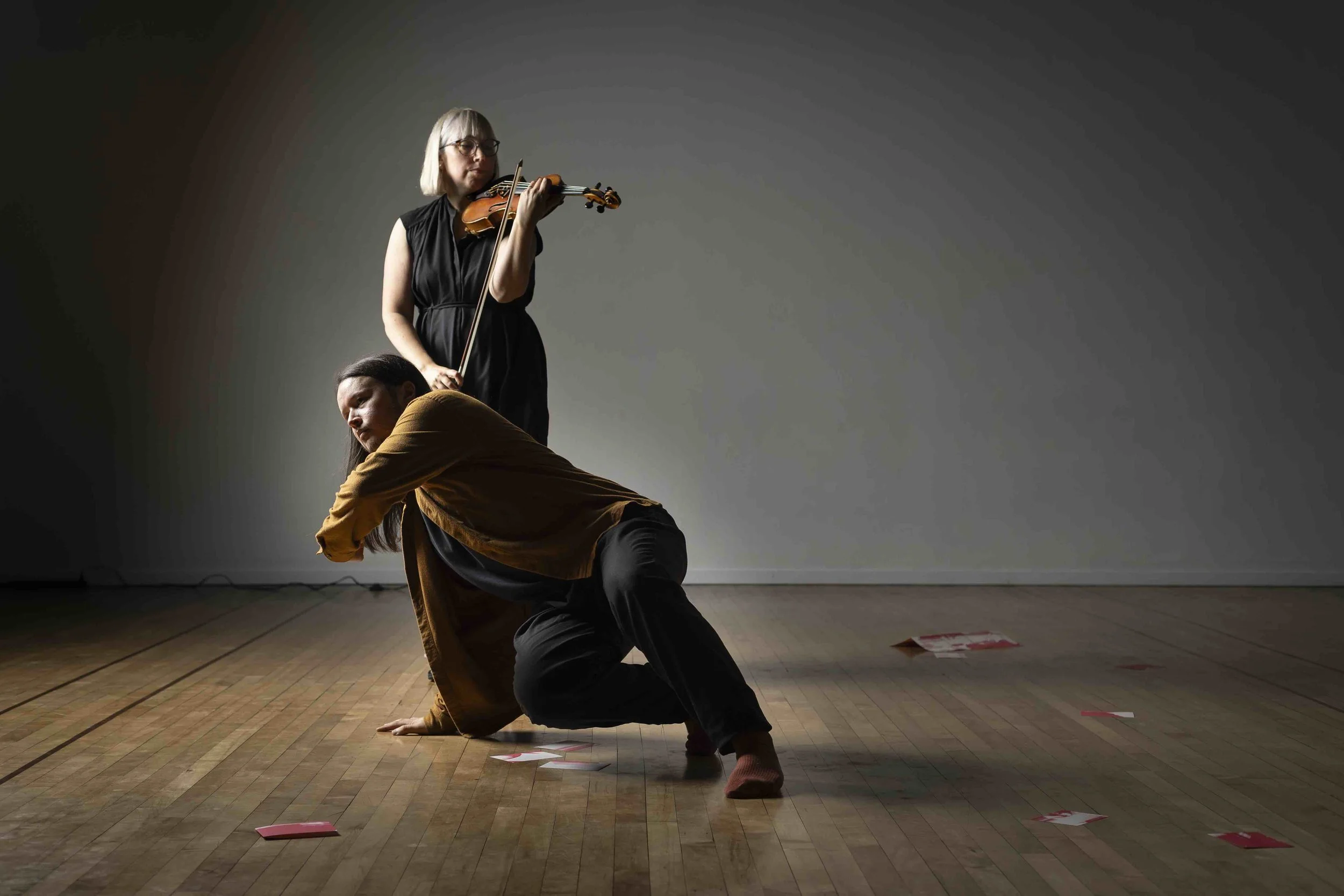
“We began rehearsing the strings alone, reading from a large score so we could all see and respond to each other’s intricately interwoven parts,” Blackman, artistic director of Vetta Chamber Music, says of her first encounter with the work, in 1994. “When Rita joined us for the second rehearsal, sparks flew! It was then I first understood how contemporary music could have as profound an artistic impact as the classics I had always preferred. It was riveting.”
That’s an assessment that Costanzi, who had encountered Theseus some time beforehand, wholeheartedly supports. “I immediately wanted to learn this piece, because the harp repertoire didn’t really have much in terms of strength, and I wanted to portray that,” she explains, in a telephone conversation from her New York City home. “You know, harp gets a bad rap,” she adds, laughing. “It’s not everybody’s favourite instrument. We don’t have fabulous repertoire; we don’t have a Beethoven concerto or a Shostakovich sonata. But at the climax of Theseus I take a metal rod and, as I play descending octaves in the left hand, I beat some of the bass wires with it. And this is Theseus, I think, killing the minotaur.
“I just loved working on a piece that could really take me to a new place with the instrument.”
When the harpist and the violinist return to Schafer’s chamber-music masterpiece as part of Vetta’s 40th-anniversary season—alongside violinist Alana Lopez, violist Jacob van der Sloot, and cellist Zoltan Rozsnyai—they’ll also have a chance to explore some more conventional harp repertoire. Costanzi will open solo, playing Marcel Tournier’s Vers la source dans le bois, an early-20th-century classic that she feels especially close to. “There are regular composers who write music for instruments, and then there are instrumentalists themselves who wrote music for their instrument. And of course they always know the instrument more deeply than a general composer might,” she notes. “In the case of Tournier, he was head of the harp department of the Paris Conservatoire for many years, and I had the great honour of studying with his protegé Jacqueline Borot. I lived in Paris for an academic year to learn the French technique, and played on Tournier’s harp. So I feel a great connection with him and his music, which is so beautiful—and so evocative!”
After a performance of Alexander Borodin’s String Quartet No. 2 in D major, all five will convene for Claude Debussy’s Danse sacrée et danse profane, another classic of French impressionism, and one which includes a conceptual link to the Greek myths that so often inspired Schafer. “The first ‘danse’, the sacrée, is like the temple of Apollo, and the second, the profane, is the Dionysus element,” Costanzi contends. “Debussy really brings in these two contrasting themes, which is wonderful.”
Still, it’s the chance to hear Schafer’s rarely played Theseus that makes this concert a must. (Note that you’ll have three opportunities: at West Point Grey United Church on the afternoon of November 14; at West Vancouver United Church on November 15; and a matinee show at Pyatt Hall on November 16.) For those in need of a refresher course in Attic drama, it finds the titular demigod, having already slaughtered any number of evildoers, venturing into King Minos’s palace to rescue a group of Athenian youths due to be sacrificed to the monster of Knossos. Not surprisingly, there’s also a love interest: Theseus intends to make off with the Cretan princess, Ariadne. (Equally unsurprisingly, he later dumps Ariadne and elopes with her sister Phaedra, but that’s a story for another day.)
Some 2,600 years since an unknown bard first wrote it down, the Theseus legend remains a classic iteration of what Joseph Campbell called “the hero’s journey”. And in that regard, at least, it bears some relation to Costanzi’s own life story, which she and playwright Hershey Felder have dramatized and will bring to Granville Island’s Revue Stage on November 22. Woman on a Ledge, the harpist explains, documents her own journey through art, love, heartbreak, and recovery, with a twist: Costanzi’s great love was Vetta’s co-founder, violinist Victor Costanzi.
“When I met Victor and was hit by this lightning bolt of love, I wasn’t prepared for it,” Costanzi admits. “I was going to marry my harp. My teacher had been quite old-school: you either have a marriage or you have a career, but you don’t have both. So it just threw a wrench into the works, and this was a great conflict. I wanted to raise my children and to be onstage at the same time! But it was all meant to be, and now, at this age, of course I’m free and I’m fulfilling my true dharma and my true destiny by acting, playing, and teaching. And I’ve written a memoir. It’s all just sort of coming out.”
Theatre, she adds, has allowed her to return to the instrument that has obsessed her from a very young age. “It’s interesting when your body and your voice become your instrument,” she says. “When I went back to the harp [after her first turn as an actor] I was shocked—I was stunned—at the strength that came through my playing, and now I urge all my college-age students to take a semester of drama. I say, ‘This is going to open you up. This is going to open up your vehicle of expression, and now when you go back to the instrument you are going to be more powerful. I guarantee it.’
“Which, to come back to Theseus, is why I so much wanted to do that again. The acting does that for me, and my interpretations, now, at the instrument… I don’t even know the word for it. They’re just so far beyond anything I ever did before.”
Perhaps the word she’s looking for is “fearlessness”.
“Yeah,” Costanzi agrees. “One of several, yes!” 

Related Articles