Stir Q&A: At the Chutzpah! Festival, Australian duo’s Common Place taps into the magic of partnerwork
Dancers Omer Backley-Astrachan and Jana Castillo explore the importance of connection and trust
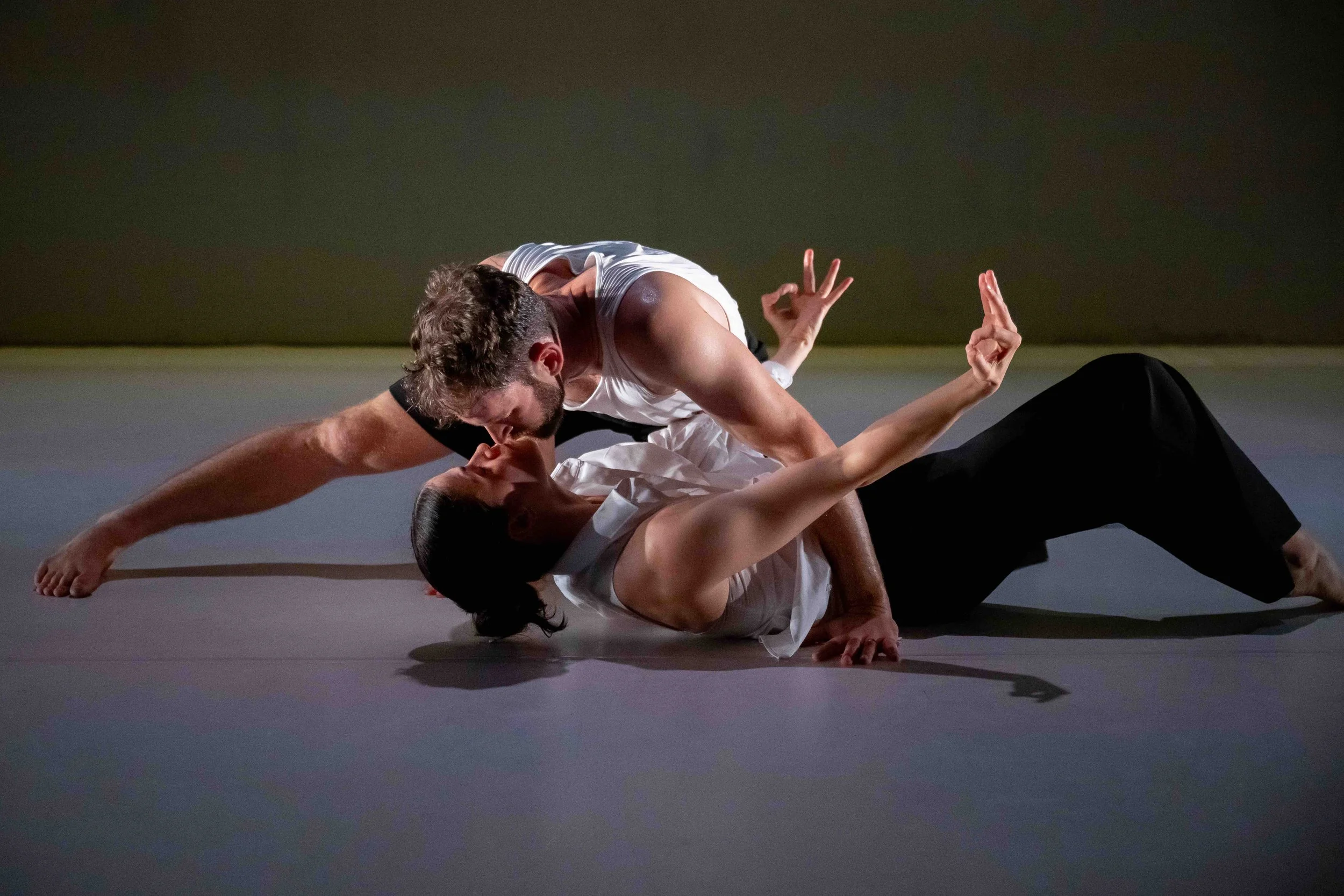
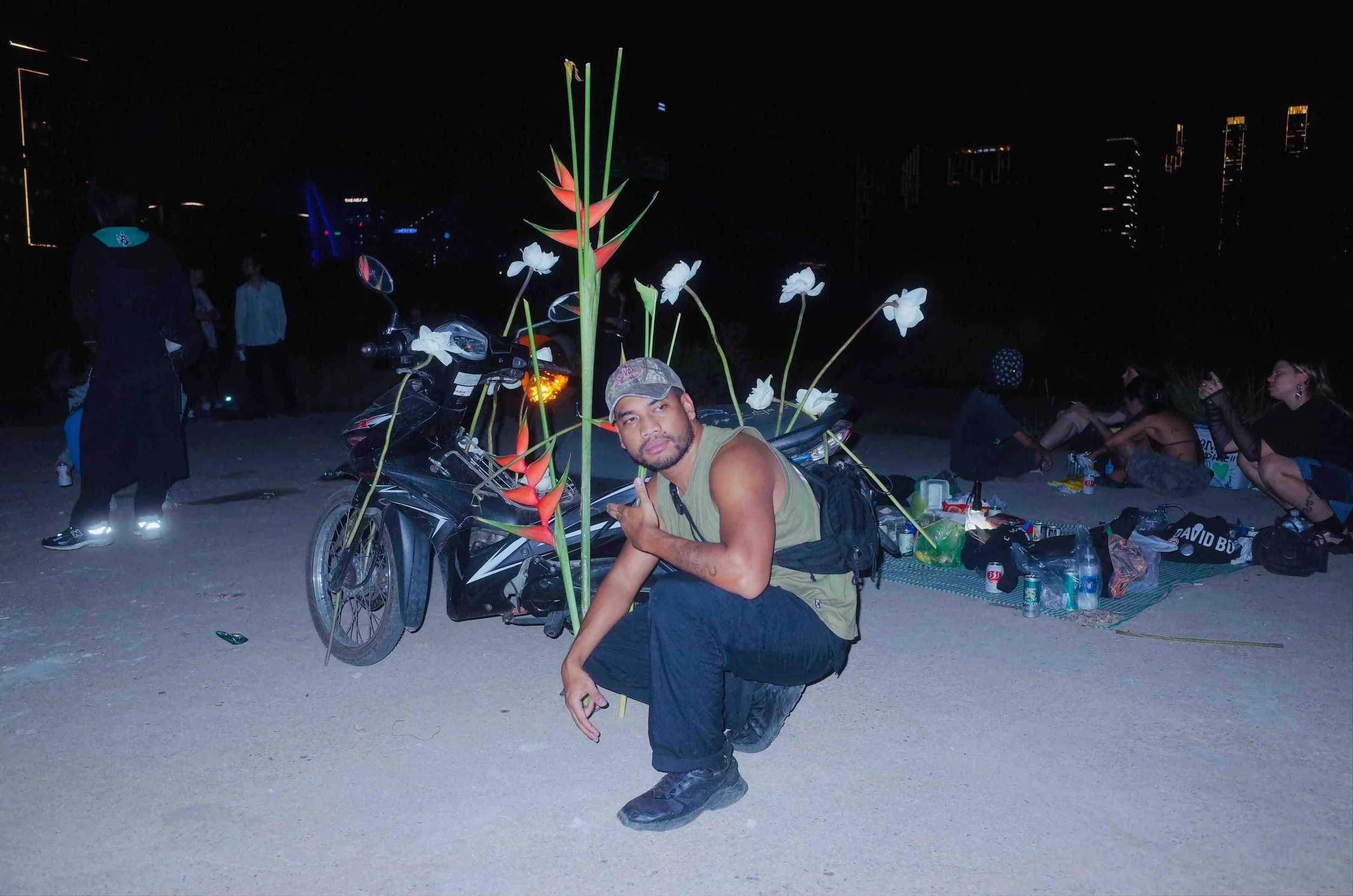
Common Place. Photo by Wendell Levi Teodoro
The Chutzpah! Festival presents Common Place at the Norman & Annette Rothstein Theatre on November 20 at 7:30 pm
CONNECTION AND COMMUNITY are at the heart of Common Place, a duet from Australian dancers Omer Backley-Astrachan and Jana Castillo.
The piece is choreographed by Backley-Astrachan, who comes from a diverse background in dance, installation, film, and multimedia art. He’s known for a style that pairs intimacy with physical rigour, as exemplified by pieces like the radical Rhapsody, an investigation of tension and gender identity that was performed on the fifth floor of a parkade.
Common Place is perhaps more tender, with Backley-Astrachan and Castillo having a friendship of their own to draw on. The pair will perform the piece here at the Norman & Annette Rothstein Theatre on November 20 as part of the Chutzpah! Festival.
After the show, All Bodies Dance Project co-founder and artistic director Naomi Brand will host a facilitated discussion with Backley-Astrachan and Castillo in the Sidney and Gertrude Zack Gallery. The Australian duo will also hold a master class for emerging and professional dancers at the Rothstein on November 21 at 10 am.
Stir touched base with Backley-Astrachan before his performance of Common Place here to learn a bit more about the piece.
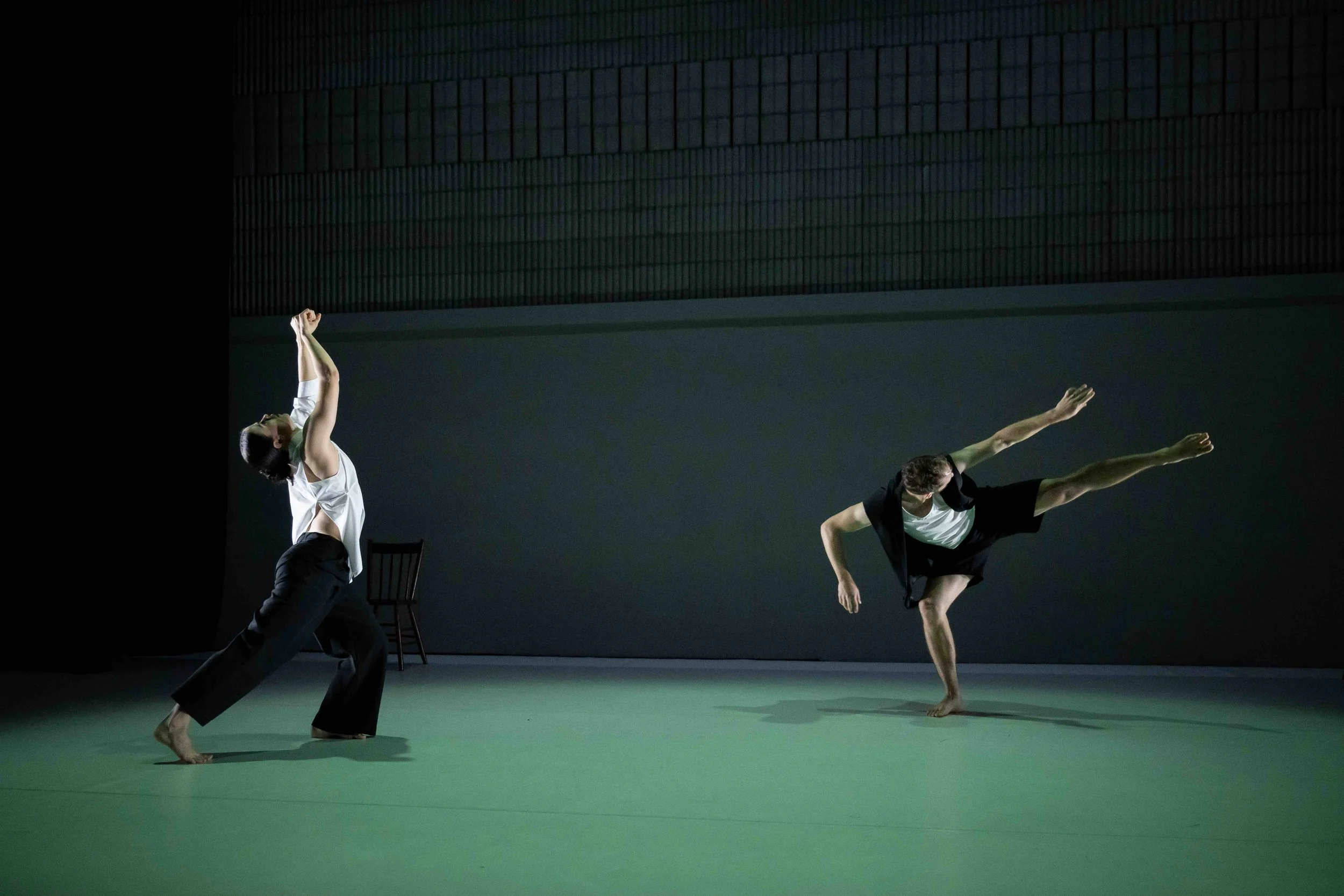
Common Place. Photo by Wendell Levi Teodoro
Under what circumstances did the two of you first meet—and what were your perceptions of each other? Fast-forwarding to now, what do you value most about the dance partnership you’ve built together?
Jana and I met at a colleague’s house party. I was sitting on the sofa when I caught a glimpse of Jana throwing her middle finger at me from across the living room—followed by a smile and a “sorry”. But with the music blasting, I couldn’t hear her. So I got up and approached. Then Jana said something along the lines of “I’ve got Tourette’s—don’t mean to be rude.”
We then met on several other dance occasions, and I saw her perform a few times. I recall thinking, “Wow, I am for sure going to work with this human.” And we did. We started working on Common Place in 2023 and have established an incredible friendship. We are both open-book sort of personalities, and the trust we have in each other means that artistically, in the creation of work, we can very quickly arrive at very authentic places in our mutual exploration—without judgment.
What sort of role has dance played in fostering community and belonging in your life—and how did you go about translating that into choreography for Common Place?
Community to me means custodianship over people—taking care of each other on the mere basis of belonging to a group. And I experienced that big-time within the dance community in Australia. Dance as a career relies heavily on connection and community; nothing can really happen in a vacuum.
When it comes to Common Place, the work very quickly becomes larger than the sum of its parts. The development happened through six different residencies with different Australian arts organizations. We made a habit of inviting people to watch rehearsals and discuss the process, or even just have lunch with us, to connect more meaningfully. Later, with every presentation, there was connection forming with audiences, and then there were repertoire workshops with dance students. So the work became a vehicle for a huge amount of connection.
The Chutzpah! Festival has described the piece as “drawing on folkloric vernacular”. Can you explain what that means in terms of the styles or movement qualities you’re performing onstage?
Creatively, we often started a day with folky improvisation—usually to Irish music or old country music—which evoked a sense of shared joy and community. Folk, to us, is an access point for the everyday person to connect with art, imagination, and mythology. This influenced the material and the imagery in the work—lots of rhythmic steps, hand-holding, and partnering.
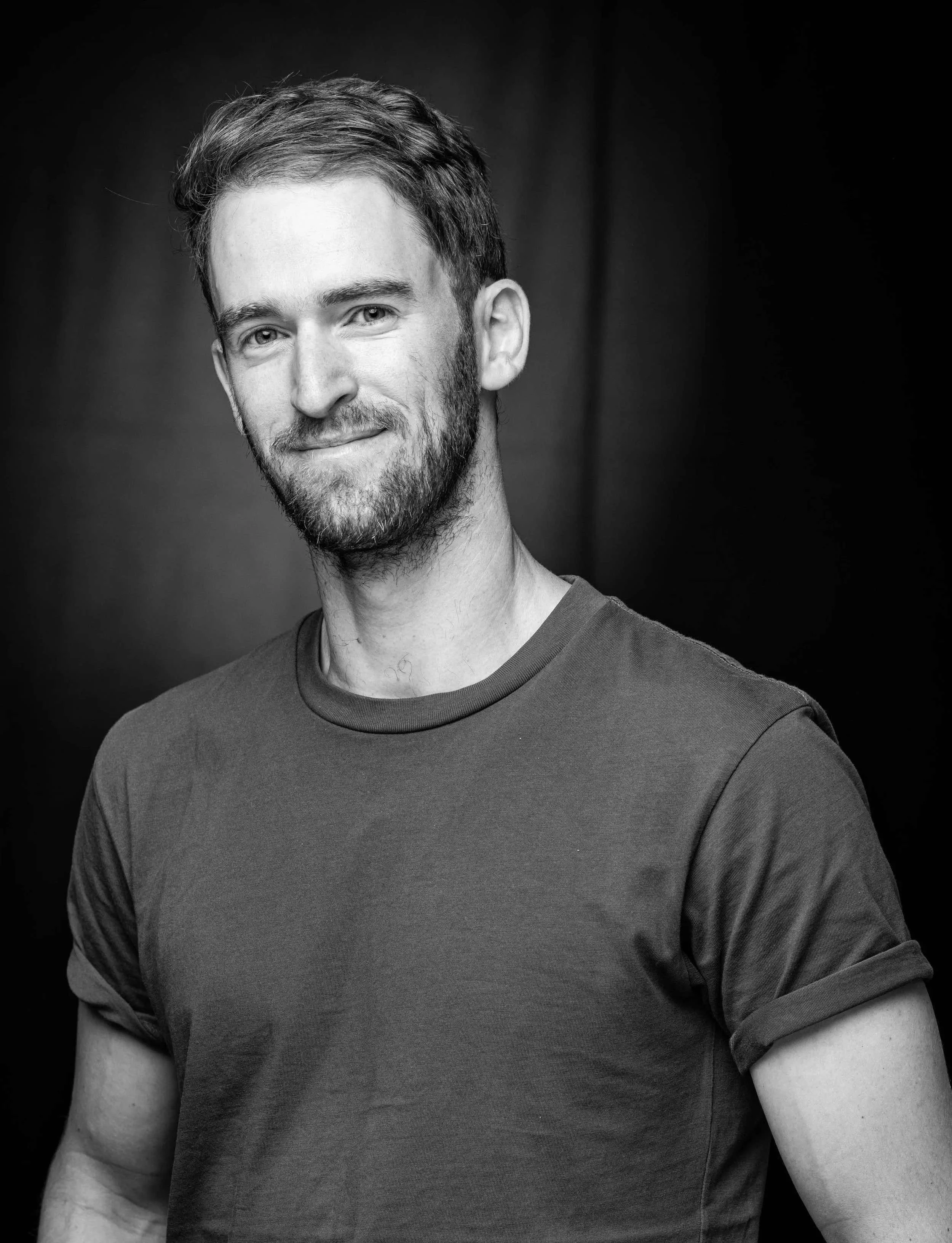
Omer Backley-Astrachan
I want to touch on the partnerwork in Common Place. On a physical level, what sort of balance are you striking between big moments like lifts and more intimate instances of connection? And on an emotional level, can you describe the type of trust that is required to execute a piece like this?
Completely. To perform a duet means it’s all about partnering—both physically and mentally. For instance, let’s talk about a large work with 15 dancers. It’s easier to kind of blend in or be lulled by the collective. You can’t do that in a duet; you have to remain present for each other in a heightened state.
On the physical level, we are never looking for striking partnering elements like big lifts. It’s when you combine your dancing and intention to become one single entity that the magic in partnering is truly experienced. Some hand-holding partnering phrases we have are complex and require a huge amount of shared musicality. It’s great fun.
On the topic of trust—it’s like a relationship, right? You need to trust yourself to be able to show up for your partner. That way, you have agency rather than codependency. Then the emotional part, to me, rises from the physical journey we take together during the show.
How would you describe the tone of this piece—and how does the soundtrack play into the mood that’s created onstage? Ultimately, what sort of impression do you hope to leave on viewers?
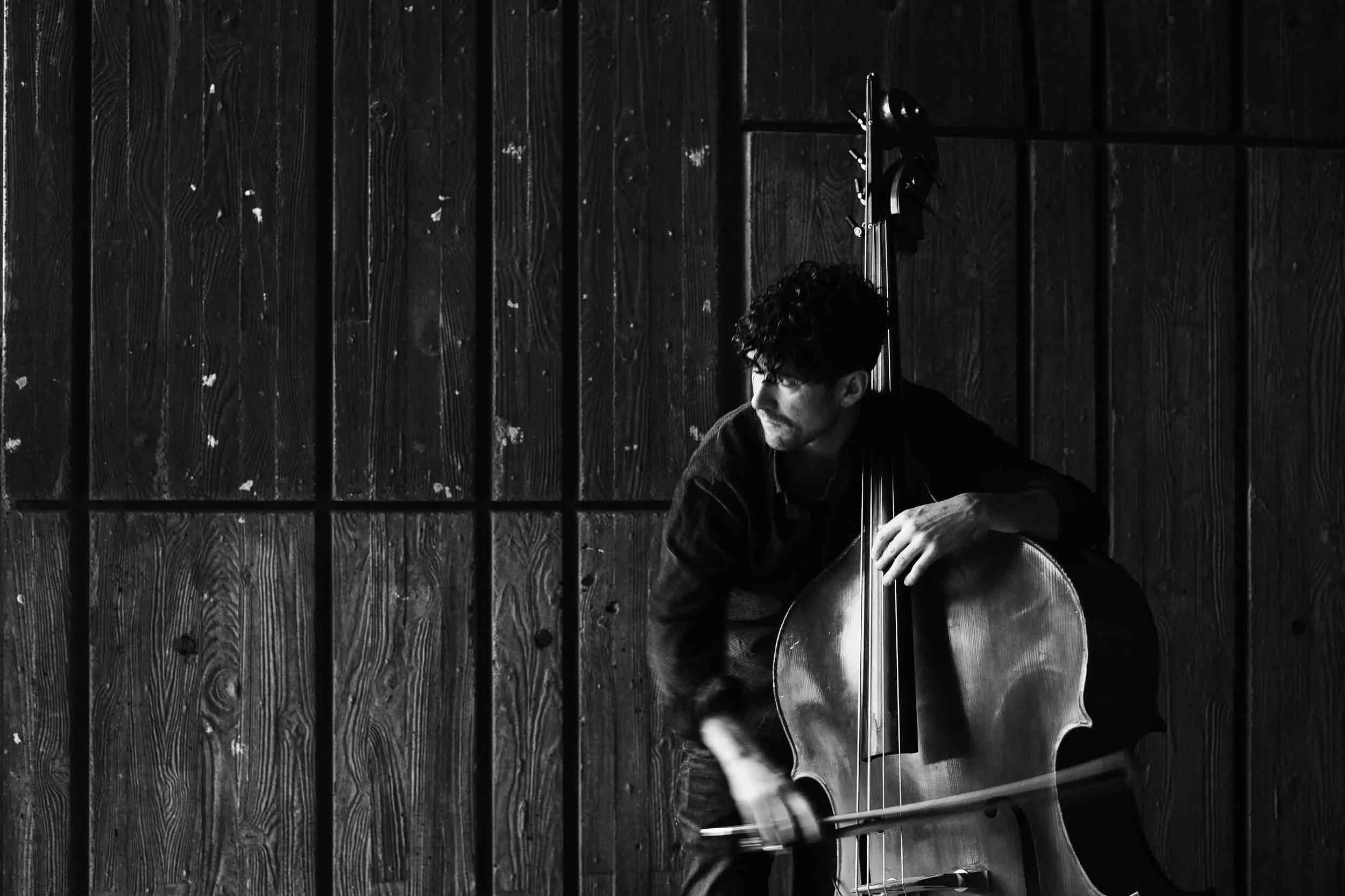
The soundtrack was created by Australian composer James Hazel, who spent time with us in the studio and compiled many, many samples during the process. The score includes our own voices; the drumming sounds are actually the studio floor. We also recorded the sounds of bells and a harmonium live during rehearsals and used that in the main track. The idea was to include the process itself in the final product rather than design and manage the process for a certain predetermined outcome.
This attitude towards process is at the heart of my choreographic practice. Ultimately, we both want the audience to be taken by the beauty and the power of dance. The storytelling is there in the movement; the drama is felt through the architecture of the work. I want people to enjoy it in the end.


Related Articles