Vancouver New Music’s Whispered Folds festival delves into sounds from the other side
Interdisciplinary artists Parmela Attariwala and Erin Gee take very different approaches to exploring the afterlife through their work
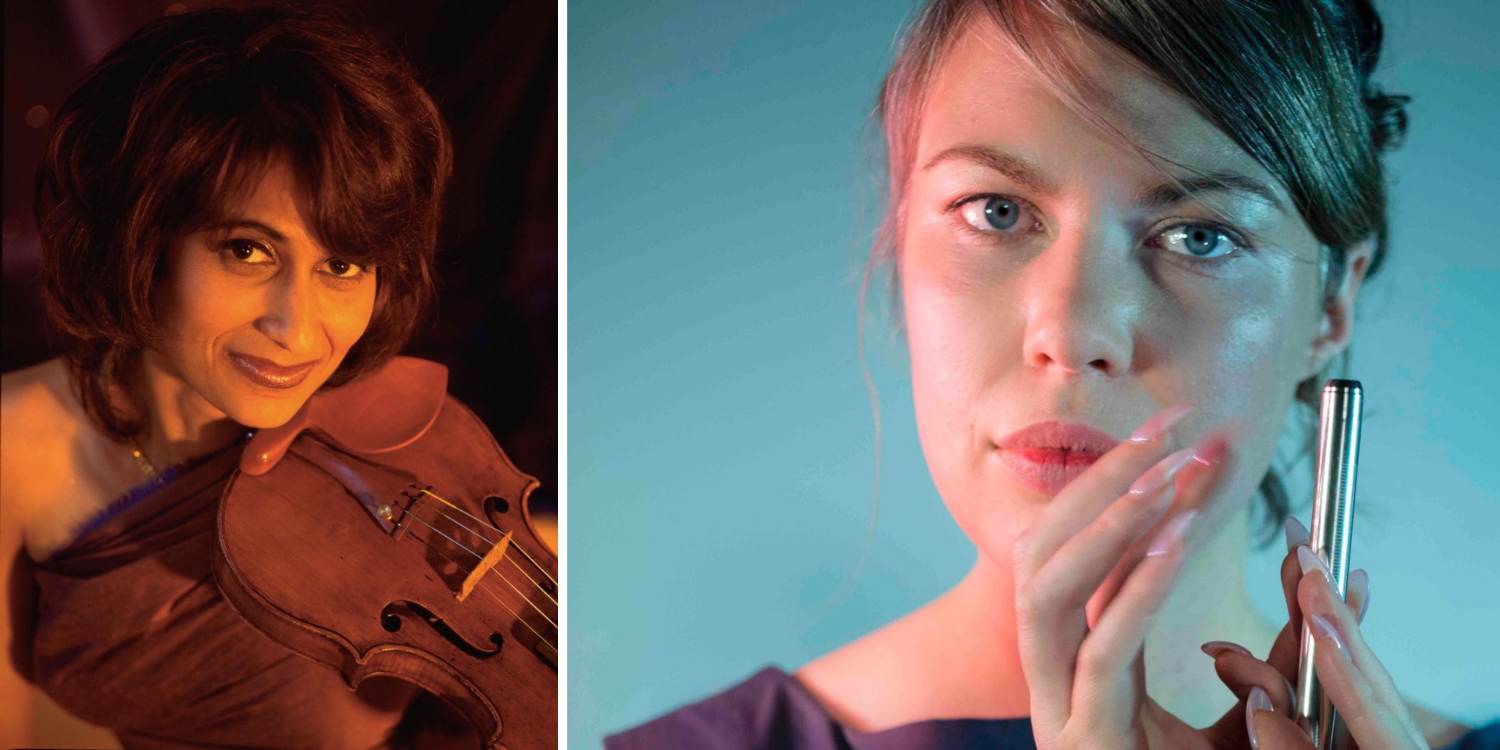
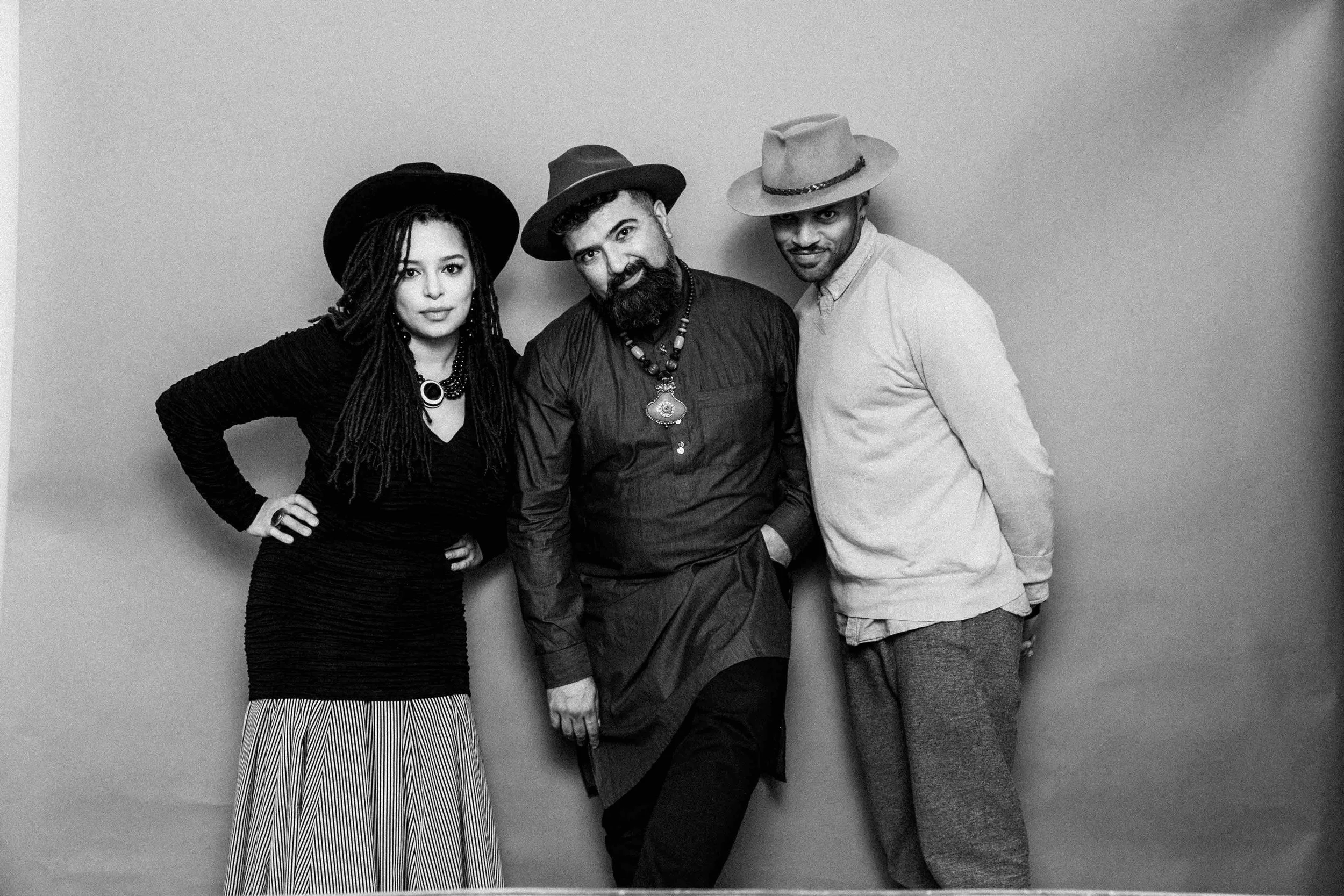
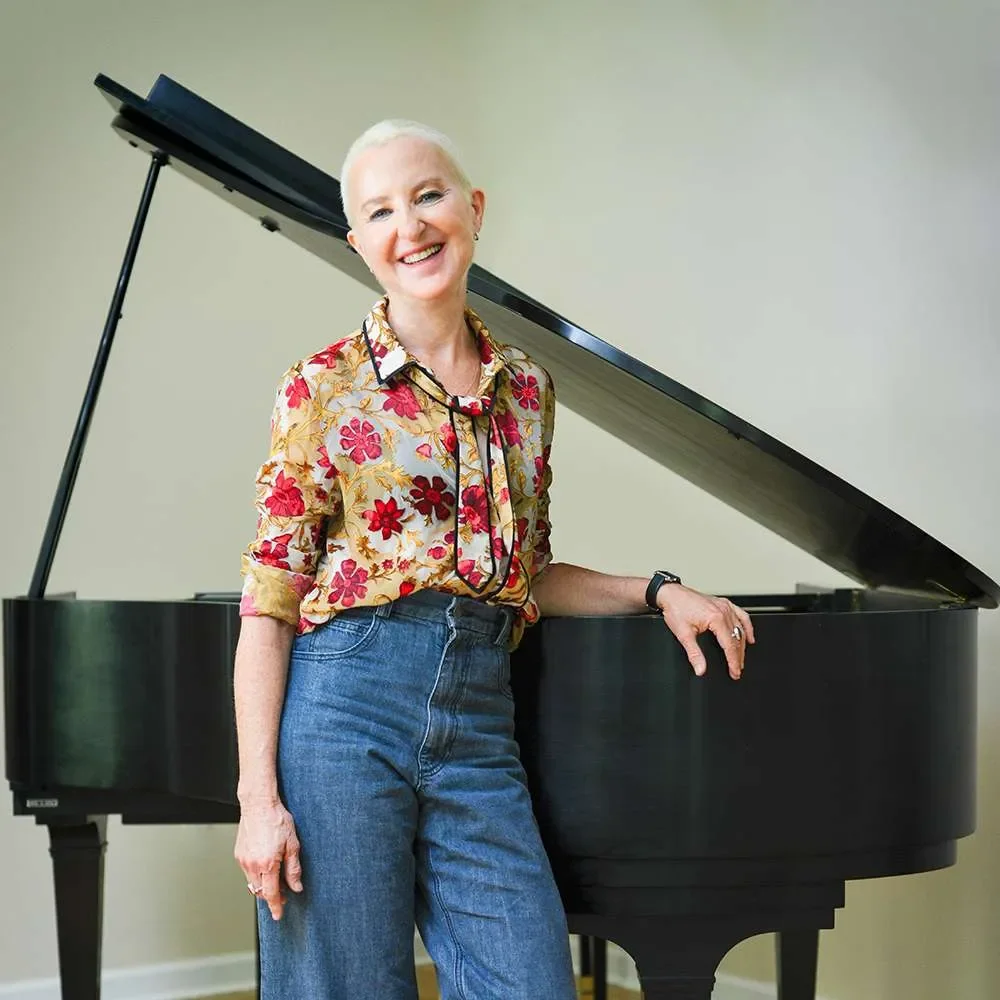
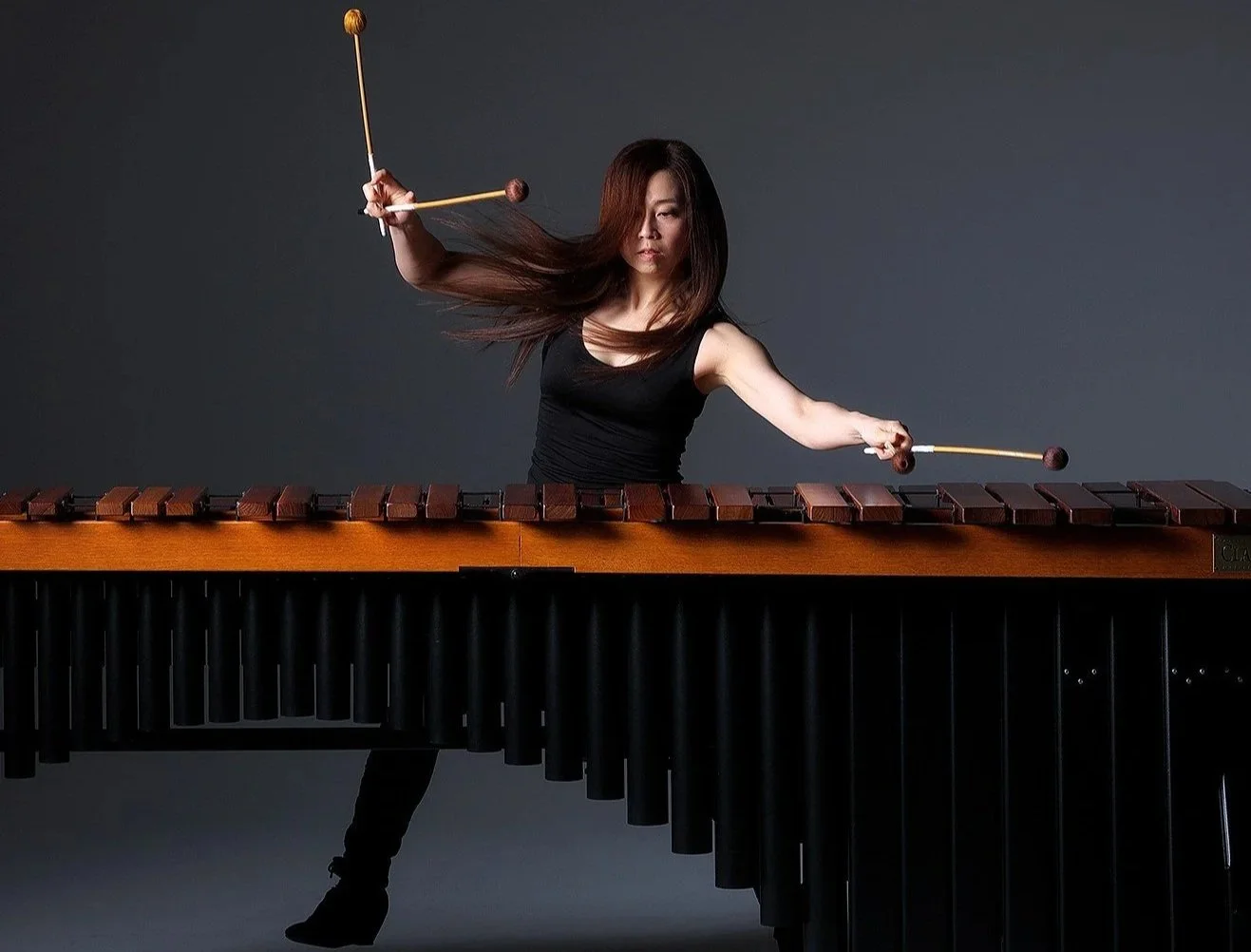
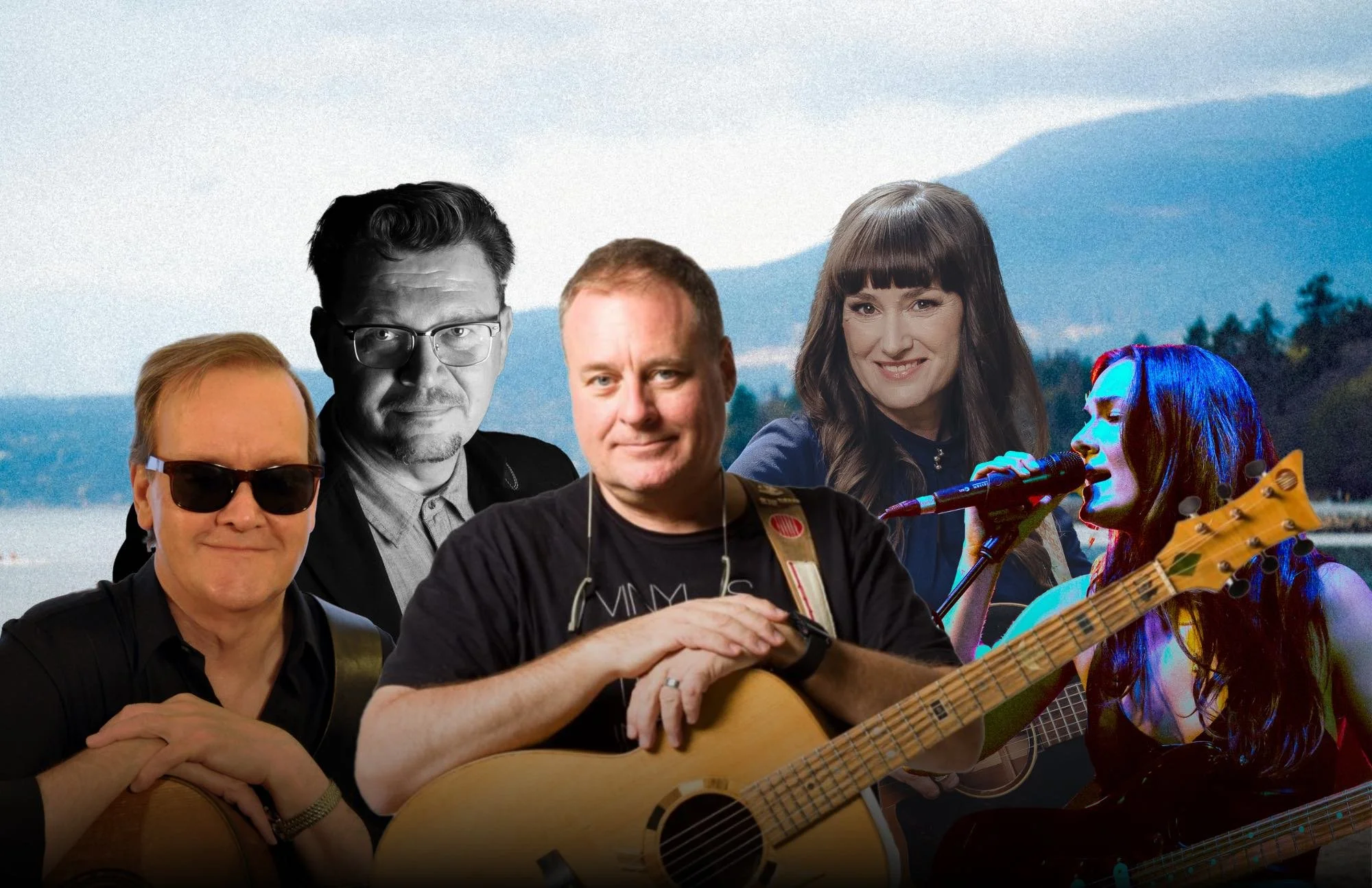
Parmela Attariwala (left) and Erin Gee
Vancouver New Music presents Whispered Folds at the Annex from October 16 to 18
TO GO FURTHER HAS always been the remit of the experimental musician: to find new sounds, new techniques, new instruments, and new nuances of emotion. So it’s perhaps not surprising that at least two of the participants in this year’s Vancouver New Music–sponsored Whispered Folds festival—interdisciplinary artists Parmela Attariwala and Erin Gee—are separately aiming to push past the final frontier.
And we’re not talking space here, but death.
For something that is both universal and unavoidable—something that will happen to every living organism and, ultimately, to the Earth itself—death remains essentially unknowable. Theories about the afterlife range from the matter-of-fact to the absurd, and Gee and Attariwala wisely refrain from making any claims that they can’t back up. But they both, in very different ways, want to allay some of our fear of the end, finding a kind of solace in turning extinction into art.
Attariwala—who shares a bill with Émilie Payeur and Cecilia Lopez at the Annex on October 16—takes a very multifaceted approach to the topic. Inspired by her Sikh heritage, by visual artists Jeffrey Gibson and Nep Sidhu, and by Bharatanatyam choreographers Sujit Vaidya and Gitanjali Kolanad, she’ll explore what death means to her both culturally and personally. It’s been much on the violin and viola virtuoso’s mind of late, in part because she is the primary caregiver for her elderly parents, but also because as she herself ages death is thinning the ranks of her elders, mentors, and peers.
One of the most audacious components of her program will be her “resurrection” of one of those friends and mentors: the improvising guitarist Ken Aldcroft, a former Vancouverite who helped move Attariwala away from classical rigour and into a more open-ended form of creativity.
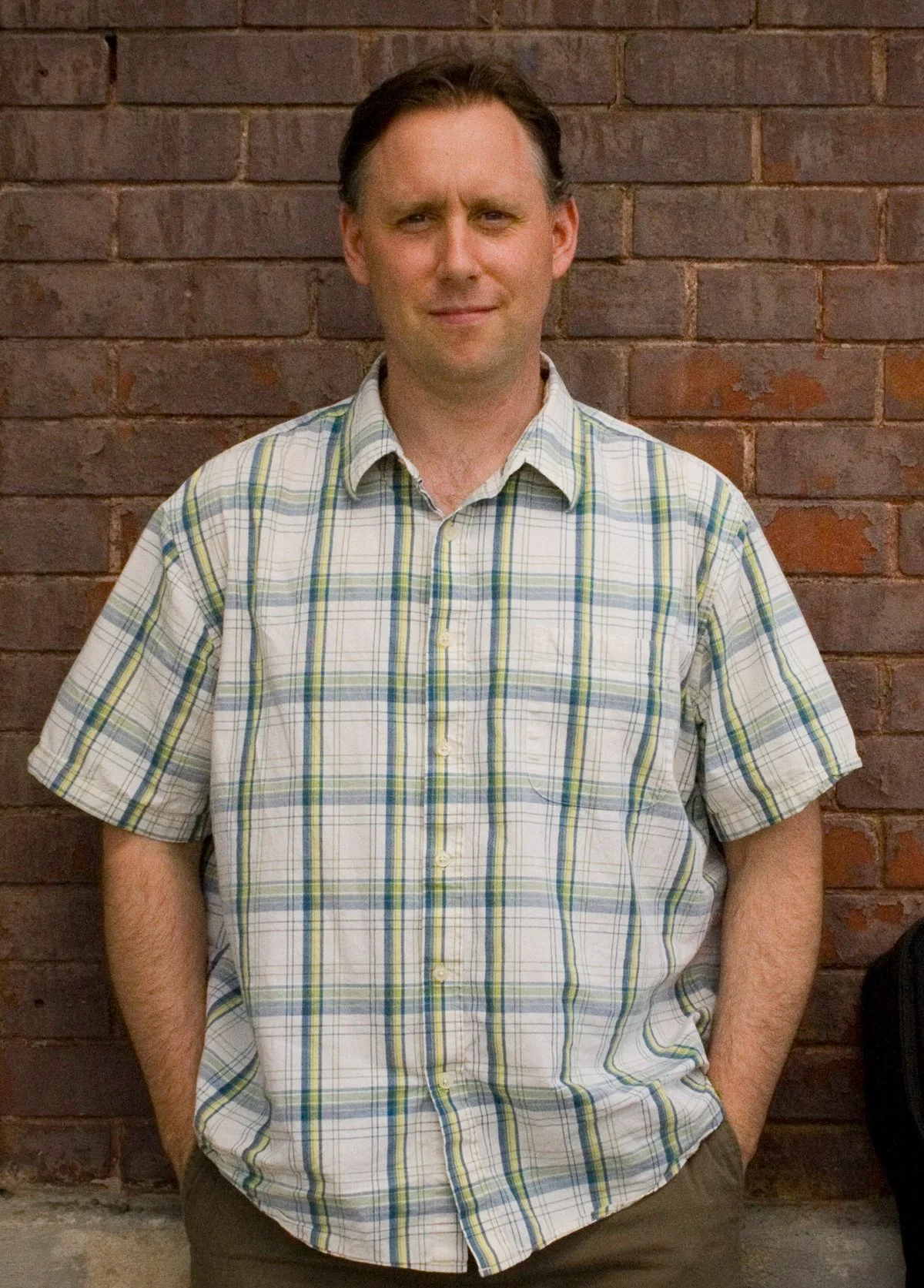
Ken Aldcroft
“He was a beautiful person, and he had a huge effect on those of us who were part of the improv scene in Toronto,” Attariwala recalls. “Ken just loved playing with people, and when he met me he didn’t think ‘Oh, you’re a classical player,’ he just said ‘Hey, let’s improvise!’
“He passed very suddenly,” she continues. “It was a heart attack: he walked into a hospital and said ‘Something’s wrong.’ They said ‘No, you’re fine,’ and as he left he died. So it was shocking for all of us—and for me Ken was one of the most challenging people to play with, because his energy was so fast. He was such a virtuosic player, and when he died I thought ‘Oh, no. Is that it? I won’t have the chance to try to meet Ken at his level of virtuosity again?’ So I asked Ken’s widow if she had any solo recordings of Ken, and there were a few, and I said ‘This is what I’d like to do. I’d like to play with one of those, randomly. I’ll let the sound person choose whichever one to play—I haven’t heard them, except for little fragments—and I’ll play an improv with Ken.”
Other aspects of Attariwala’s performance will draw on a Sikh bedtime prayer that is also traditionally sung at funerals, in a new and perhaps startling sonic interpretation.
“My master’s degree focused on the historical intersection of music and poetry in medieval Punjab,” she notes, saying that she combined research into Hindustani music with an investigation of medieval Punjabi, the language of early Sikh scripture. “My interest in Sikh poetry is about wanting to understand it holistically,” she explains. “It is poetry that was intended to be set musically and sung. This music is integral to the effectiveness of the poetic affect. As a musician, I see this as critically distinct to examining only the words of the poetry. Music adds layers of emotional depth. Yet, as an ethnomusicologist, I also know that music reflects societies. So, I want to bring to the poetry a sound world that reflects the diasporic Sikhs who are multi-generationally removed from the Punjab, and for whom the sonic metaphors of temple music are too foreign to convey the intended emotional depth of the poetry.”
And a third component will find Attariwala dancing while playing; one of the two choreographed works, Better the Well, was inspired by the Sikh women who chose suicide rather than exile following the partition of India and Pakistan in 1947. “Fully embodied performance,” she notes, has been a key part of her musical practice since the 1990s, when she was part of a Banff Centre production that merged music, theatre, and dance. But those interested in this aspect of Attariwala’s work might want to move quickly.
“Speaking of aging,” she says with a laugh, “I’m not sure my body can do it much longer!”
THOUGH ERIN GEE’S Whispered Folds performance, on a bill with Brady Marks and Viva Pacheco at the Annex on October 17, won’t be as multifaceted as Attariwala’s, it is likely to prove no less thought-provoking and perhaps even more immersive. If, that is, you have no objection to being immersed in the humus and leaf litter of a forest grave. In it, the Montreal-based electronic composer and voice artist will attempt to give voice to the fungi, bacteria, and invertebrates that assist a buried body in its inevitable return to dust.
There’s often a philosophical element to Gee’s work: earlier productions have been inspired by feminist theory, and by the techniques of emotional manipulation in the digital realm. For In Bloom, however, a concern with mortality began to rise during the COVID era, and simply needed an outlet.
“I guess I just found myself thinking about the afterlife, and thinking about the power of music and sound to have us moving through these spaces that are normally impossible,” Gee explains. “And the most impossible place, to me, seemed to be the afterlife, because it’s an utter mystery. We don’t know what happens to ourselves after death.
“I started imagining ‘What if nature itself had a voice that would whisper to you?’” she continues. “Like, ‘What would it say, and how would it be?’ And that is impossible, but the thought that occurred to me is that nature is brutal and disgusting and beautiful, all at the same time. I assume that nature loves us, but not in these ways that we can understand. So what kind of voice would nature have? And when I say ‘nature’, I was thinking of the bacteria and fungal matter that would come to kind of process your body—and embrace your body—after death. So I stage this encounter between you, from the perspective of having recently been dead, and the voice of nature as it decomposes you.”
Unusually for Gee, who’s best known as a composer-performer, In Bloom was a commissioned work, originally intended to be performed by Montreal composer and inventor Jean-François Laporte. And in the process of writing it, Gee rather gleefully jumped into Laporte’s sonic universe, generated by a wild assortment of hand-made sound generators that combine air compressors, membranophones, resonant bowls, and whistling ducts.
“They’re just very odd sounds,” Gee reveals. “There’s a lot of these rubbing, grinding, very brass-like sounds. I would say, as somebody who used to play the trombone, that they remind me a lot of trombone noises, actually, with a lot of metallic clicks and a lot of different things rubbing over the surface of the membrane, creating what I thought of as birth sounds. And there’s a lot of my voice. So when I was composing these tracks in my studio, I remember listening to them and also listening to a lot of natural soundscapes from the forest and thinking ‘I want to be somehow outside of my voice. Like, I need to be the voice of an animal crying, and I want it to be something bigger than a human. Something primal.’
“The piece does start out with a lot of foreboding to it,” she adds, laughing. “But the voice kind of constantly reassures you that the process of decomposition is absolutely painless, and maybe even pleasant. And there are some more ecstatic parts, where I describe, with very poetic language, the mycelium entering your spine and kind of caressing the inside of you. It sounds very peaceful. But the way that the piece ends is so mysterious that it leaves you in that continuity. The story doesn’t quite finish itself.”
As with life itself, don’t expect a sequel. But do expect to be challenged, calmed, frightened, and intrigued by Gee, Attariwala, and all of the other contributors to Whispered Folds. 

Related Articles