For guest curator Canisia Lubrin, Vancouver Writers Fest proves a respite from the heaviness of the world
Author of forthcoming elegy The World After Rain looks at writers’ roles in times of crisis
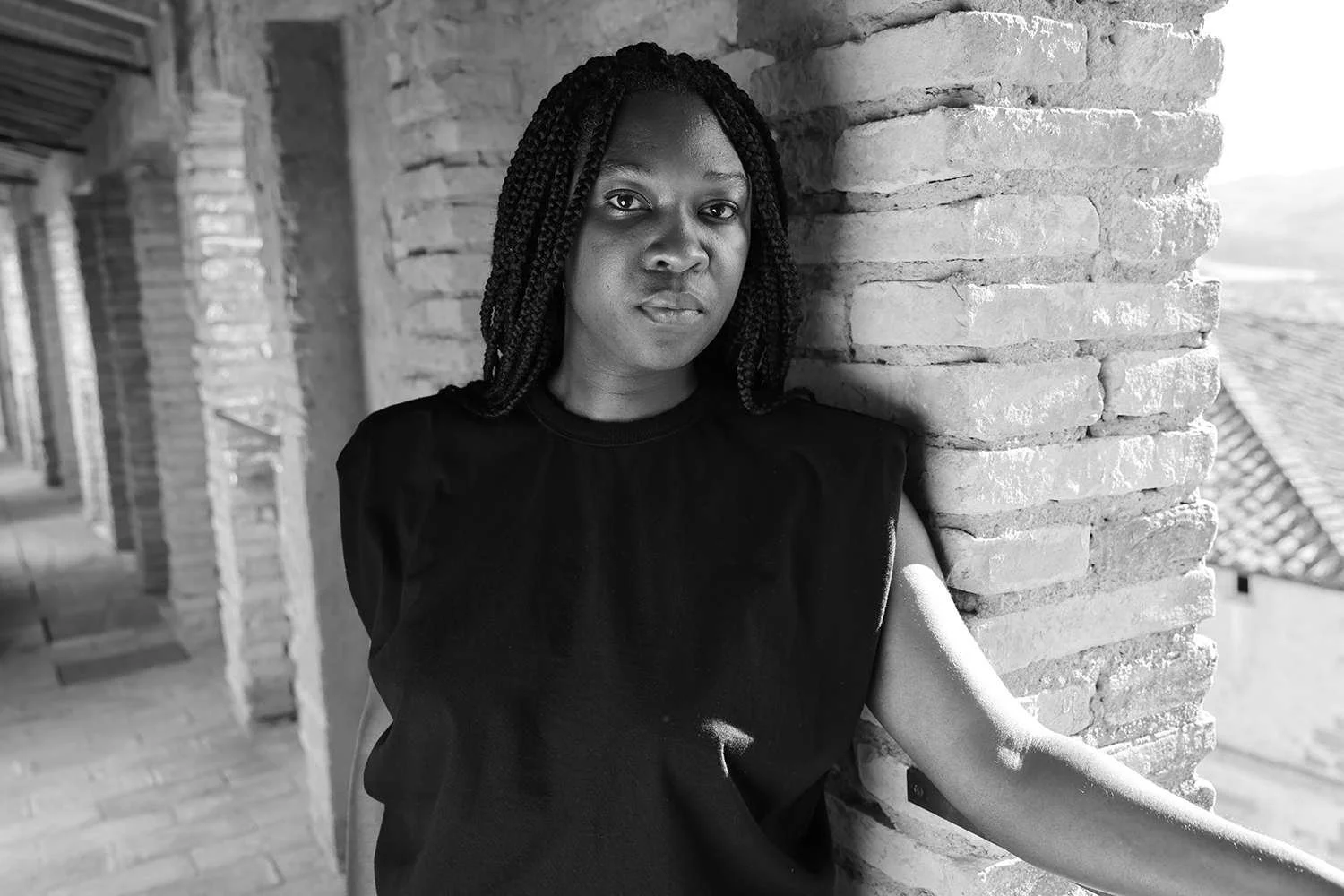
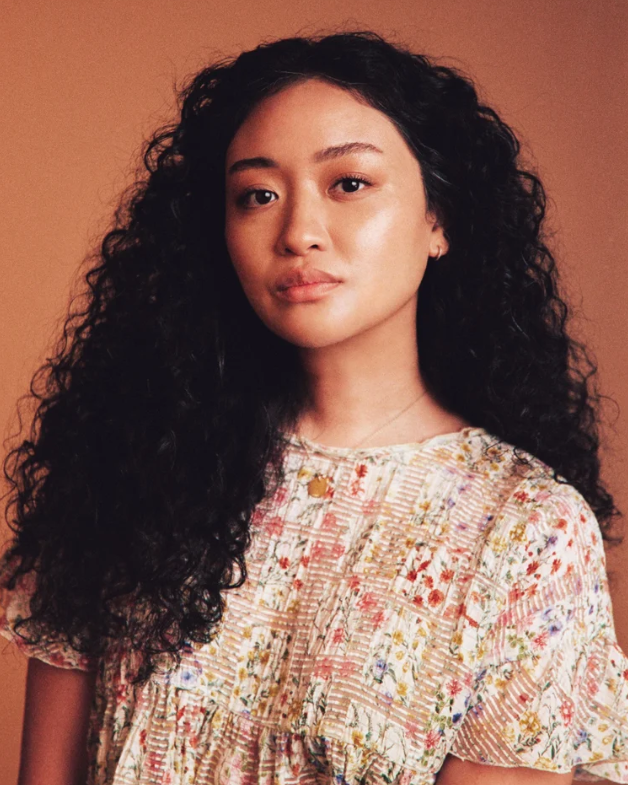
Canisia Lubrin. Photo by Rachel Eliza Griffiths
Vancouver Writers Fest takes place from October 20 to 26 at various venues
“WE CANNOT EXPLAIN the world, named the same as marrow beaten to glue,” writes Canisia Lubrin in her long-form poem The World After Rain. “Bones circling the belly of the Earth / our voices shattering the glass windows / of unrelenting, heated houses: mother describes the world: a tumour. yes.”
Lubrin’s forthcoming release is an elegy to her mother that offers meditations on grief, love, and loss. That inability to explain the world which she describes in her poem carries over into many writers’ practices, and by extension, into this year’s Vancouver Writers Fest. The 2025 event will focus on fostering a greater understanding of a variety of issues at the forefront of the cultural and political sphere, both locally and abroad.
When Stir connects with Lubrin by phone ahead of the festival, at which she is a guest curator, she explains that she views her writing practice as an implement for examining the unknown.
“I think that’s the potential where literature can in fact clarify things,” Lubrin says, “and can push us toward deepening our understanding of the world and each other and furthering our own sense of responsibility to one another in an ecosystem, in a world, where our very existence depends on having a sense of care toward each other in every direction—human, non-human, the entire ecosystem. So for me, I’m always looking for what the thing is that I don’t yet understand, and then doing the hard work of somehow attending to how that reveals what’s true about our lives.”
Lubrin has authored the poetry collections Voodoo Hypothesis, The Dyzgraphxst, and The Wail, as well as a fiction work called Code Noir. The latter book is based on King Louis XIV of France’s 1685 historical decrees that defined the conditions of slavery; it won the Carol Shields Prize for Fiction and the Danuta Gleed Literary Award.
For the Vancouver Writers Fest, which is taking place from October 20 to 26, Lubrin has devised four events that adhere to the theme Cycling and Renewal for the Earth.
“With this current moment in the world being so full of terror and upheaval, [I was thinking through] what that means for writers, who generally are regarded as a kind of barometer for reflecting the world and reflecting on the world,” she explains. “Literature’s promise of helping clarify the human condition, that says that there is a kind of cyclical nature to things; that things happen and then they impress upon the future, which we’re living right now as our present.”
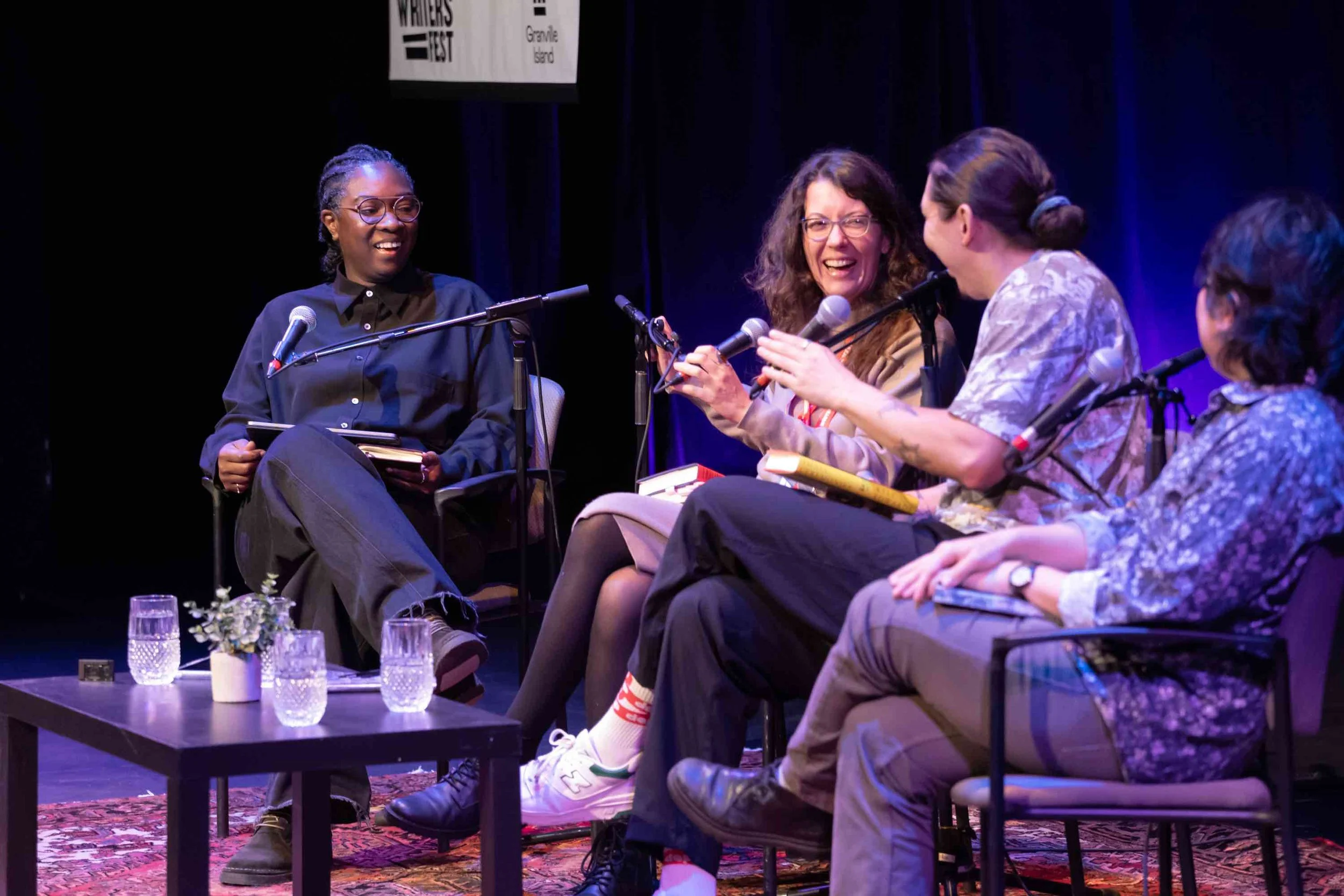
An event on October 21 called Blood in the Pen: Stories, Crises, Repair, and the Writer will revolve around the roles authors play in times of crisis. Otoniya J. Okot Bitek, Saeed Teebi, and Madeleine Thien will join Lubrin onstage. Each of them offers a different perspective through their work; Teebi’s You Will Not Kill Our Imagination is a memoir of Palestine that examines what it means to be a writer in exile whose homeland has sustained a large-scale assault, while Bitek’s We, the Kindling tells stories of young Ugandan girls who were captured during the 1990s to address how genocide continues to haunt the present day. Thien’s The Book of Records, meanwhile, addresses topics like guilt and responsibility from the perspectives of important minds in history.
“I’m coming at the theme of cycling and renewal with the integrity that demands we look at really hard questions,” Lubrin says. “We look at what compels us to act, even in the form of literature, and how times of distress and times of despair make the writer’s job even more urgent.”
During Verses of Transformation on October 25 at the Granville Island Stage, authors Billy-Ray Belcourt, Junie Désil, Cecily Nicholson, Danez Smith, Karen Solie, and Paul Vermeersch will draw questions from a bag and take turns answering them in a fireside-style chat. How those questions were chosen and who they were written by, says Lubrin, will remain a secret right up until the event unfolds.
Later that day at the same venue, Crosscurrents of History will unite Jeremy Tiang, Kyle Edwards, and Maria Reva for a conversation about history from the perspectives of folks of different nationalities; Tiang is Singaporean, Edwards is Anishinaabe from the Lake Manitoba First Nation, and Reva is Ukrainian.
Lubrin has much more in store at the festival. On October 20 at the Vancouver Playhouse, she’ll be partaking in the opening night Oh, Canada!, which involves an in-depth conversation about what it means to be Canadian in the context of the nation’s current issues and ever-shifting geopolitical landscape. She’ll also be hosting a masterclass for high-school students with Jillian Christmas on October 22, and will be in attendance for the Poetry Bash, an evening of readings, on October 23.
While some discussions at the festival may feel grim given their magnitude, Lubrin points out that conversing openly about heavy topics can bring lightness to them.
“In spite of the fact that the theme is not afraid to take on some difficult topics, there’s actually a great sense of renewal,” Lubrin says. “There’s a great sense of something heartening happening, simply because there’s an action involved in bringing intellect, the voice, and bodies together. And that’s where the possibility lives. That’s the space in which the possibility lives. It was great to have that kind of conversation—it was a respite, actually, from all of the heaviness of the world.” 

Related Articles