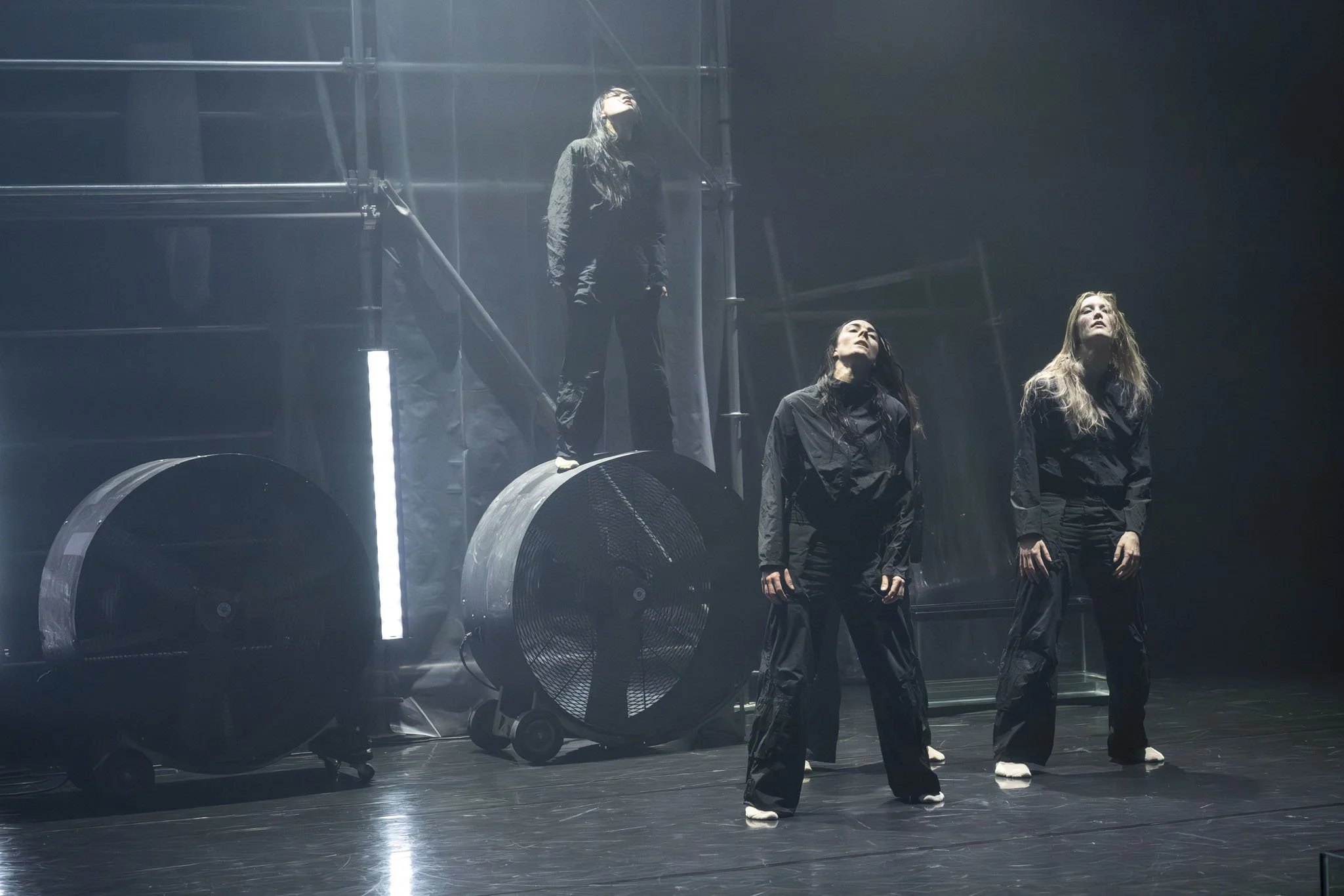
Be(ing) Moss closes the Vines Art Festival with a meditation on humanity’s place in the natural world
The piece by Soya and Chantal is “a kind of ancestral experience ritual” that invites attendees to join in the stillness and subtle, meditative movement
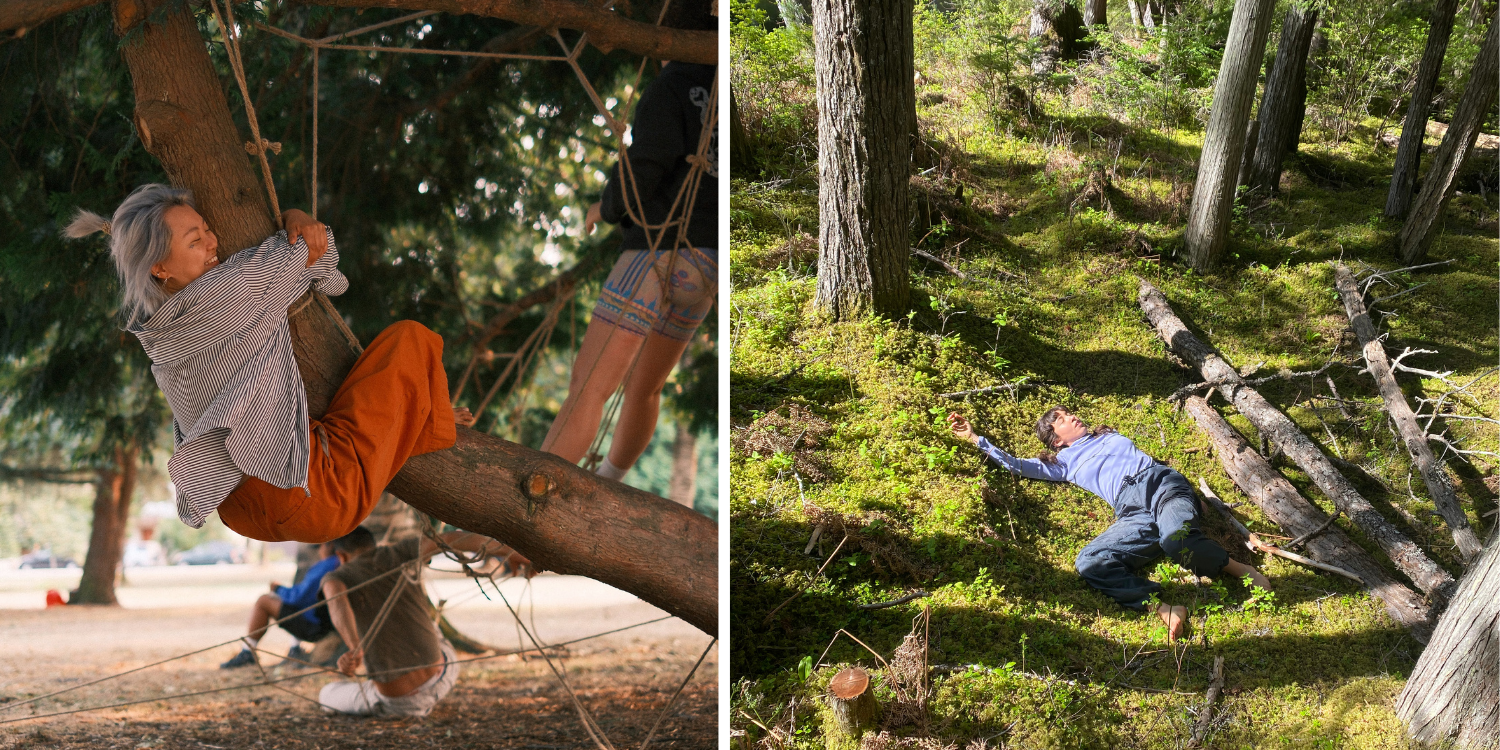
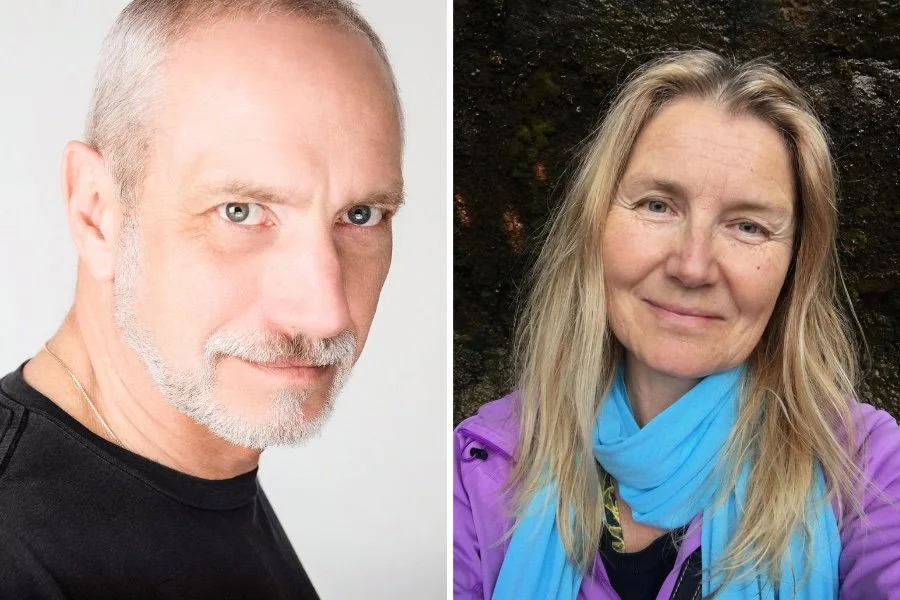
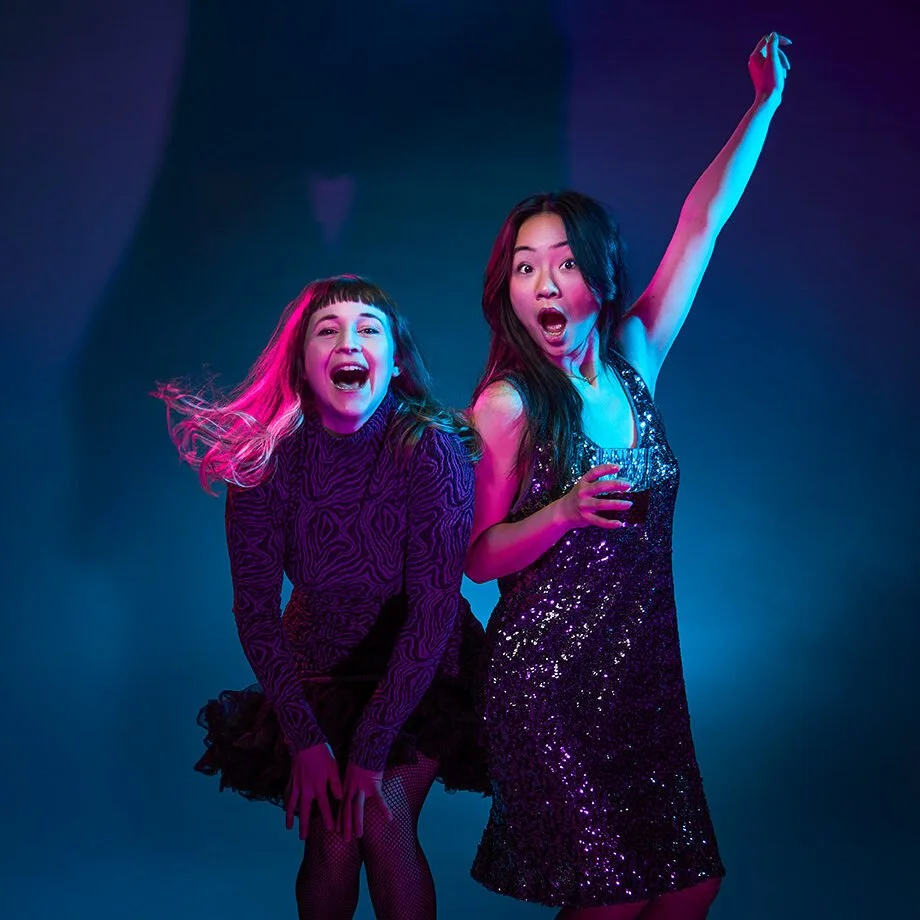
(Left to right) Soya; Chantal
Vines Art Society presents the closing event of the Vines Art Festival at John Hendry (Trout Lake) Park on August 15 from 1 pm to 6:30 pm
THE IDEA THAT everything has a spirit is a theory at the core of a number of belief systems, including Japan’s animistic Shinto religion, Buddhist and Taoist philosophies, and Indigenous and shamanic views of the world.
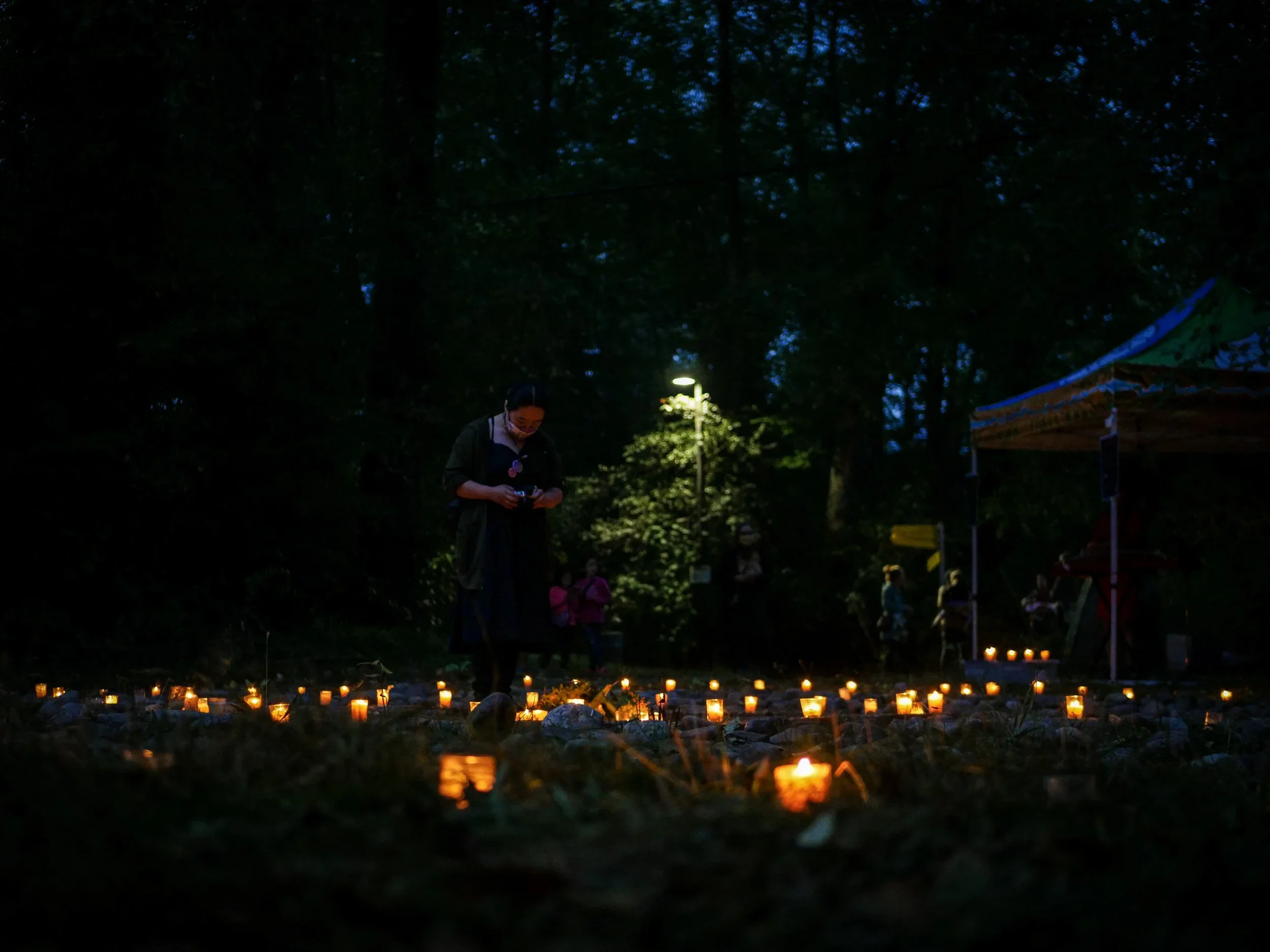
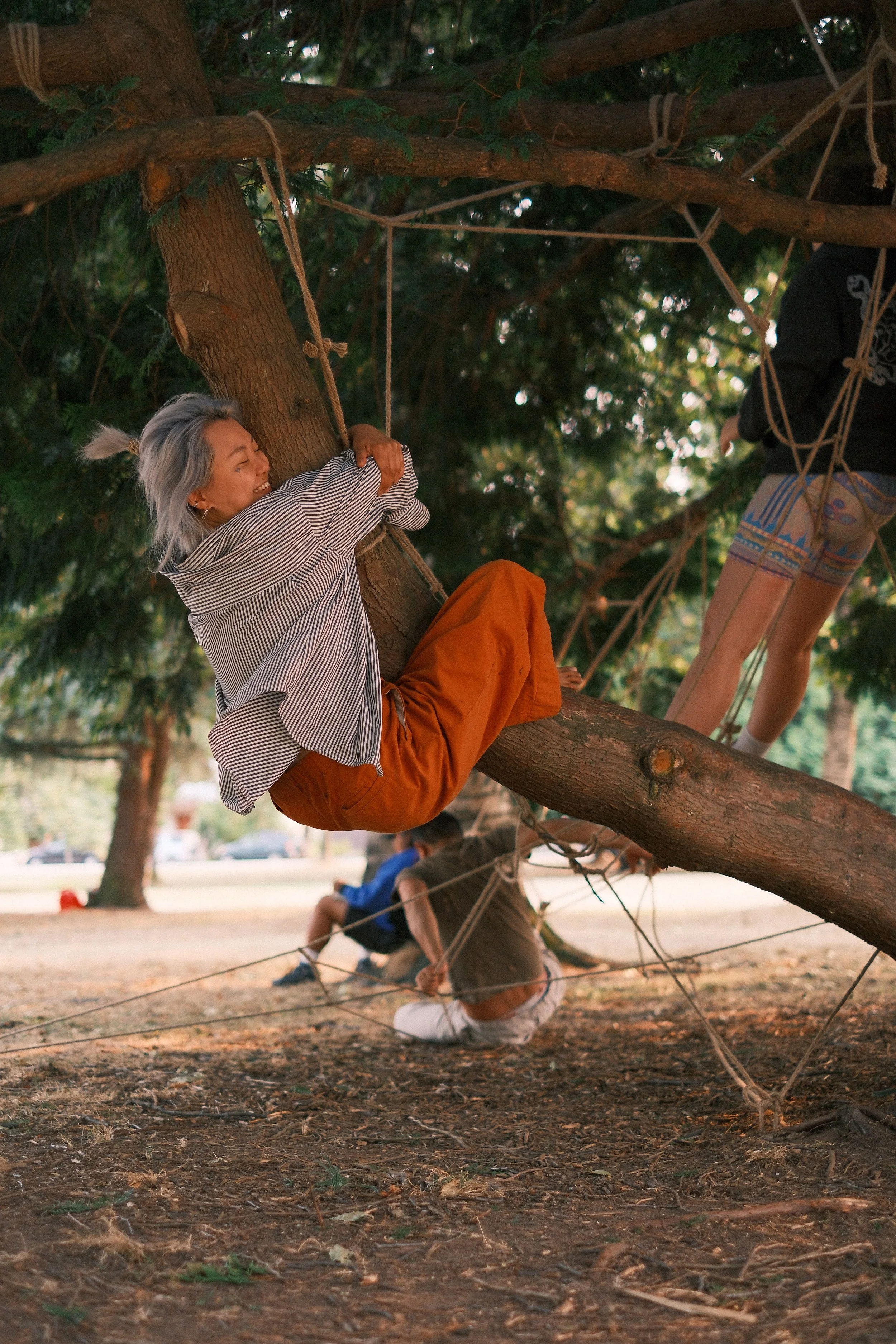
It’s also the concept at the heart of Be(ing) Moss, a work that the duo of Soya and Chantal will be presenting at Trout Lake as part of the final day of the Vines Art Festival. The interactive performance draws on contact-improvisation dance and earth-based art.
When Stir speaks to the cocreators a couple of weeks before the Vines finale, Soya and Chantal are still working on the piece’s details—but they are very much in agreement when it comes to the underlying themes. Be(ing) Moss is about, well, being moss.
Noting that the work is “a kind of ancestral experience ritual”, Soya acknowledges that, from an audience perspective, it won’t look like much, at first.
“We will start with the grounding small dance, which is that we will be standing, and on the outside, it’s seemingly a very still practice,” she says. “But we’re noticing how our bones, our neural system, and the earth are interacting in the resonance. And then it will slowly come into different phases of how the moss are interacting with the outside part of the other natural beings—how, when the water comes, it will fully open up, and when the sun comes and it dries up, it will curl itself.
“So we’re going to move in these ways too, when thinking about moss, of how they move,” Soya continues. “And then, while thinking about bringing the spirits of moss in our body, we’ll be doing more contact-improv dance.”
In creating this piece, Soya and Chantal have drawn inspiration from the work of Potawatomi botanist Robin Wall Kimmerer, the former director of the Center for Native Peoples and the Environment at the State University of New York College of Environmental Science and Forestry. Kimmerer is widely known as the author of the 2013 bestseller Braiding Sweetgrass: Indigenous Wisdom, Scientific Knowledge, and the Teachings of Plants.
In her earlier book Gathering Moss, Kimmerer explored the lore of mosses, not just in scientific terms, but also within the framework of Indigenous ways of knowing.
“In Indigenous ways of knowing, it is understood that each living being has a particular role to play,” Kimmerer wrote. “Every being is endowed with certain gifts, its own intelligence, its own spirit, its own story. Our stories tell us that the Creator gave these to us, as original instructions. The foundation of education is to discover that gift within us and learn to use it well.”
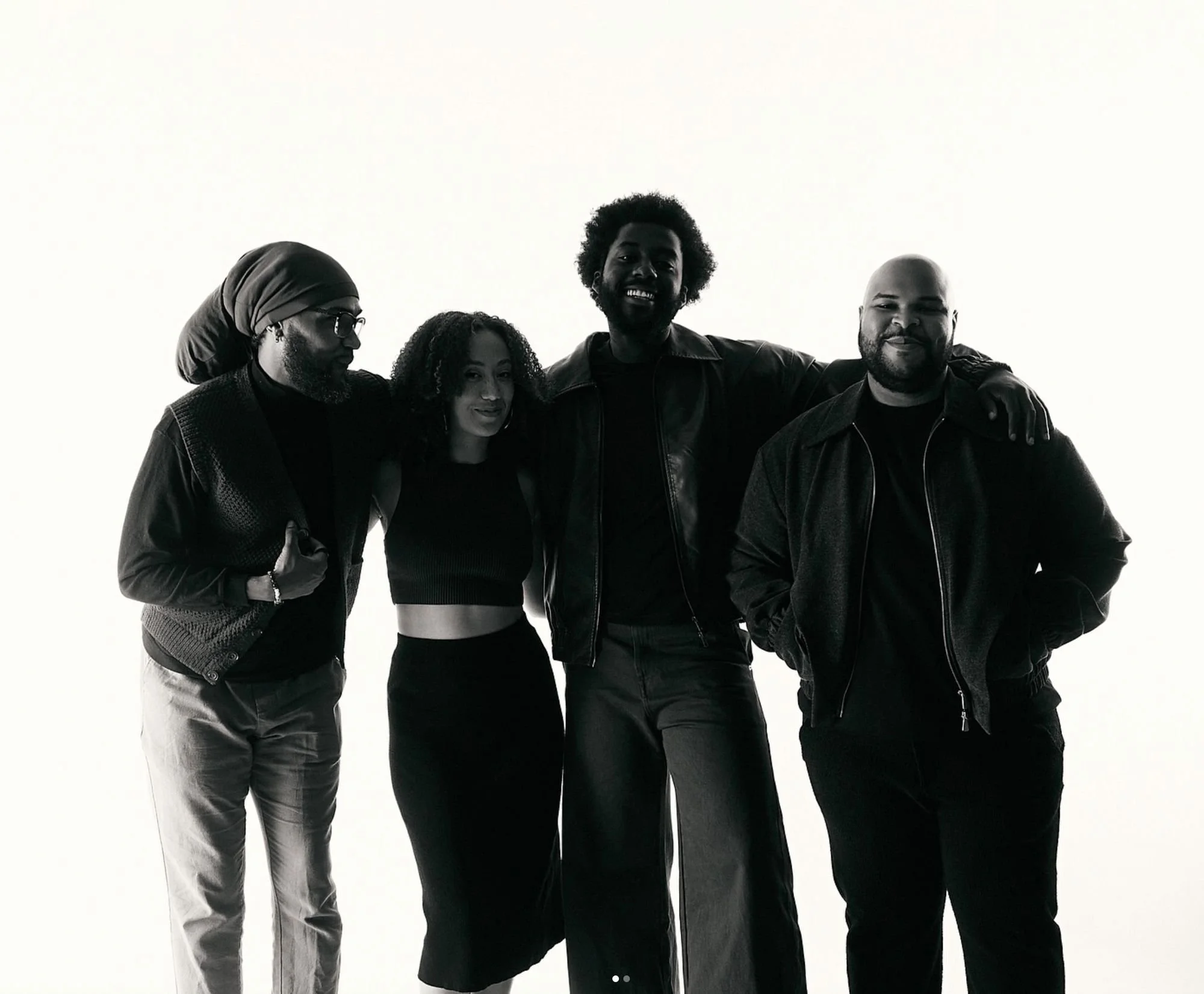
Nana and the Asafo Brigade (NATAB)
Soya says the concepts of eco-queerness and eco-sensuality are central to her perception of her relationship to the natural world. “I think ultimately what it is, is to be able to see that we as humans are part of nature,” she says, “and seeing we and other species, other beings, are interacting with nature and that it is not something we’re saving—getting out of this very human-centric, very ‘saviour complex’ way of seeing nature, but being with other beings as equal parts. Seeing the trees and moss and kelps as partners in our movements, in our very everyday, very bodily practices.
“Like, for example, I would say the more simple way to say it is that when I’m touching a rock, it’s no different than touching the body of a human,” she offers. “When I am touching the moss, it feels no different from hugging a friend.”
Be(ing) Moss is also influenced by herbalism and Traditional Chinese Medicine (Soya is of Cantonese descent), but prospective participants won’t need a theoretical grounding in any of these areas, just an open mind.
“It’s like a meditation dance, with an invitation to the audience to join,” Chantal says. “We’ll be leading the score, and inviting people to practice in the stillness that Soya was mentioning and also in finding movement in subtle ways, perhaps.”
Be(ing) Moss is but one component of an entire afternoon’s worth of programming at the park, which kicks off at 1:15 pm with opening remarks by Robbie George of the Tsleil-Waututh Nation, after which Sam Chimes builds a soundscape out of voice, keys, and percussion, layering Afrocentric rhythms and improvisation while inviting audience participation.
Later on, Barbara Wilson blends contemporary dance with Chilean street circus styles; Nana and the Asafo Brigade (NATAB) plays a set of soulful African folk music; Sudhesna Mohapatra performs Indian classical dance to the songs of Rabindranath Tagore, with vocal interpretation by Aneri Nanavaty; and a set by 20love—the singer/songwriter folk duo of Tiannin Chan and Michael Arkinstall—closes the 2026 edition of the Vines Art Festival.
It’s a wide-ranging showcase of local talent, and Be(ing) Moss might just be the quietest, stillest part of it, but Soya says it will offer rich rewards for those who come to it with two key traits.
“I think intention and attention are very important; coming into the practice with the intention, and then bringing attention to other beings, and ourselves as one of the beings, too,” she says. “I think these two really ask people to slow down more, to find the subtlety of movement and subtlety of sensation and ultimately to be able to sense in stillness, and finding the resonance in that stillness. To me, it’s the way to listen to nature.” 

Related Articles