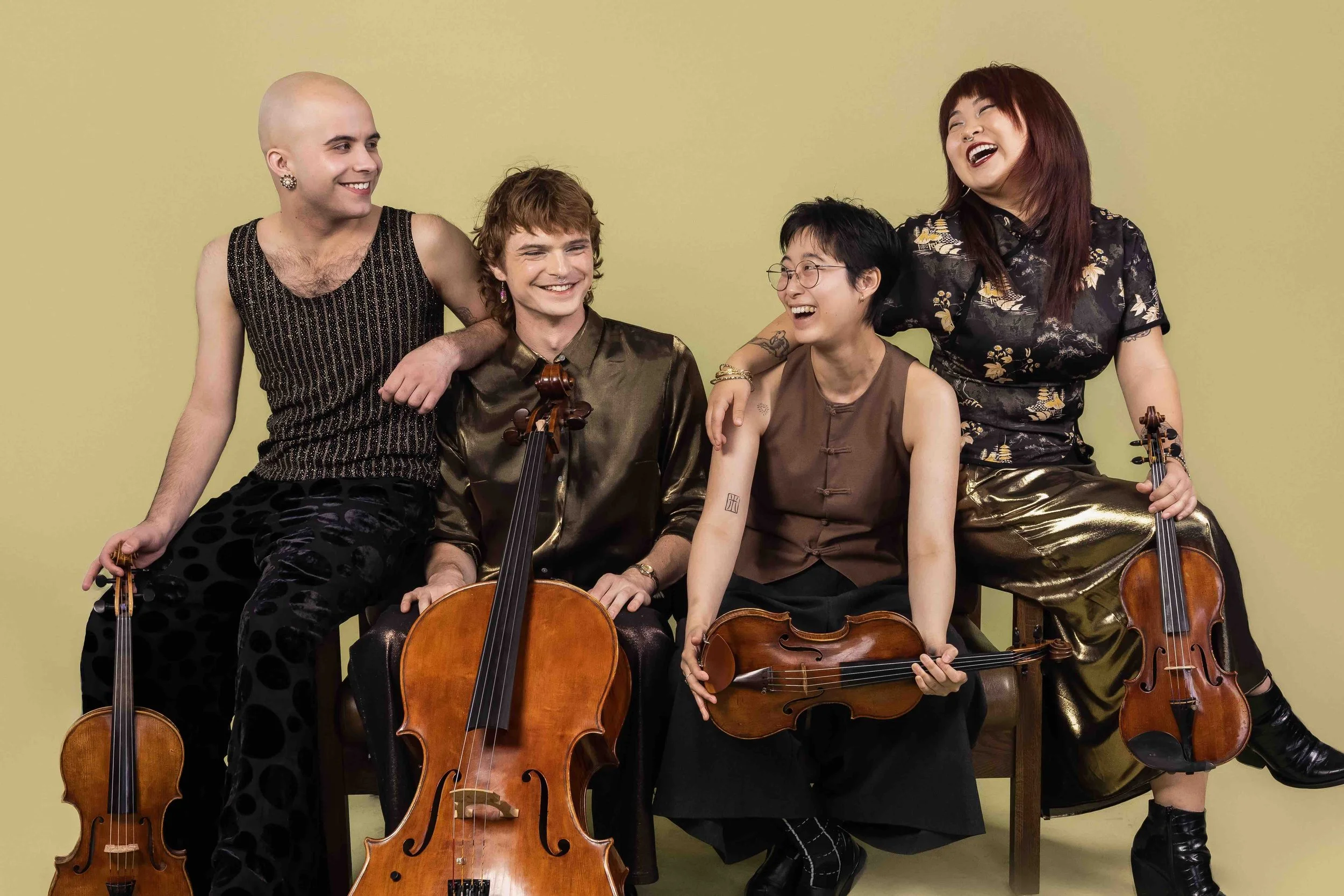
Ghibli Jazz Orchestra pays a big-band tribute to beloved animation studio’s soundtracks
Isabel Leong and her 18-piece band play scores by Ghibli composer Joe Hisaishi—but they don’t simply re-create the music of the films
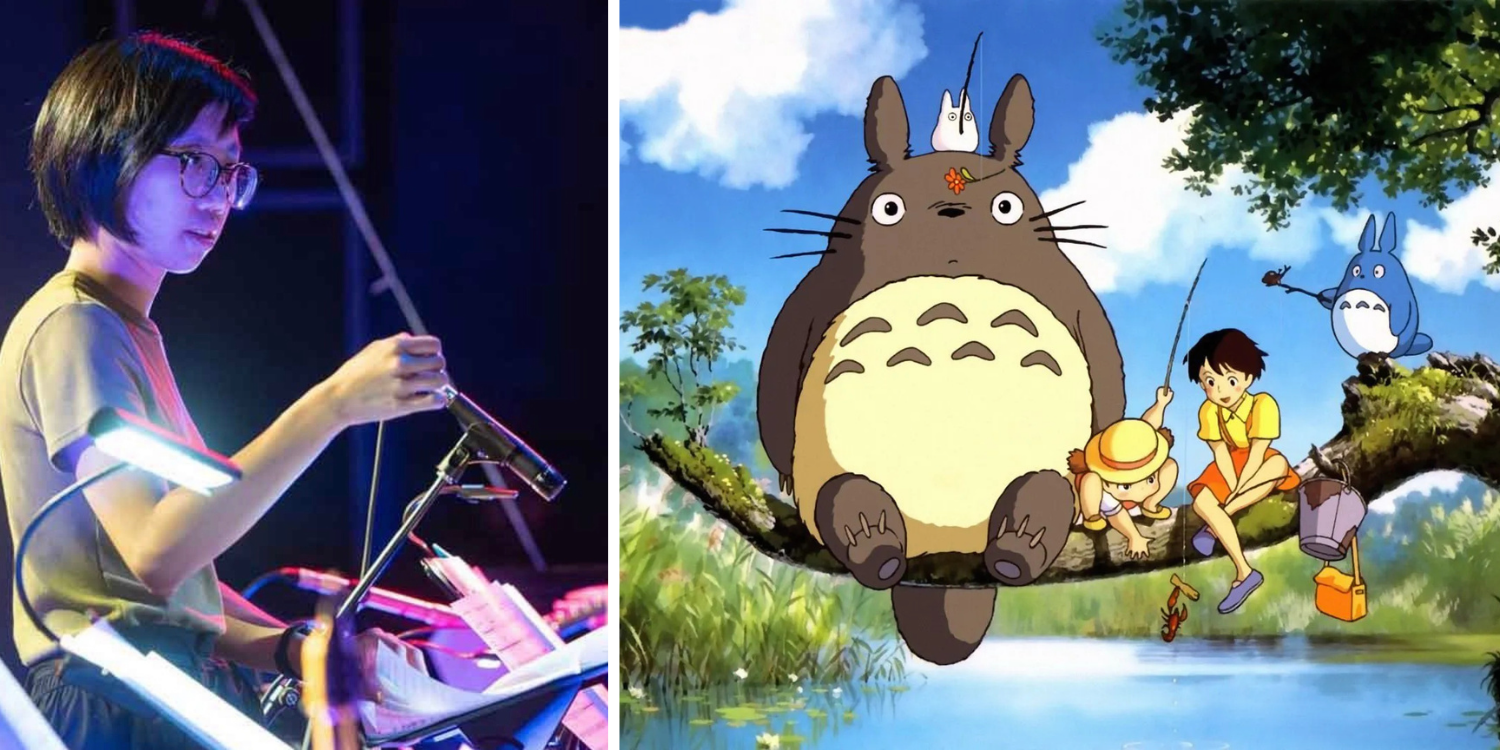
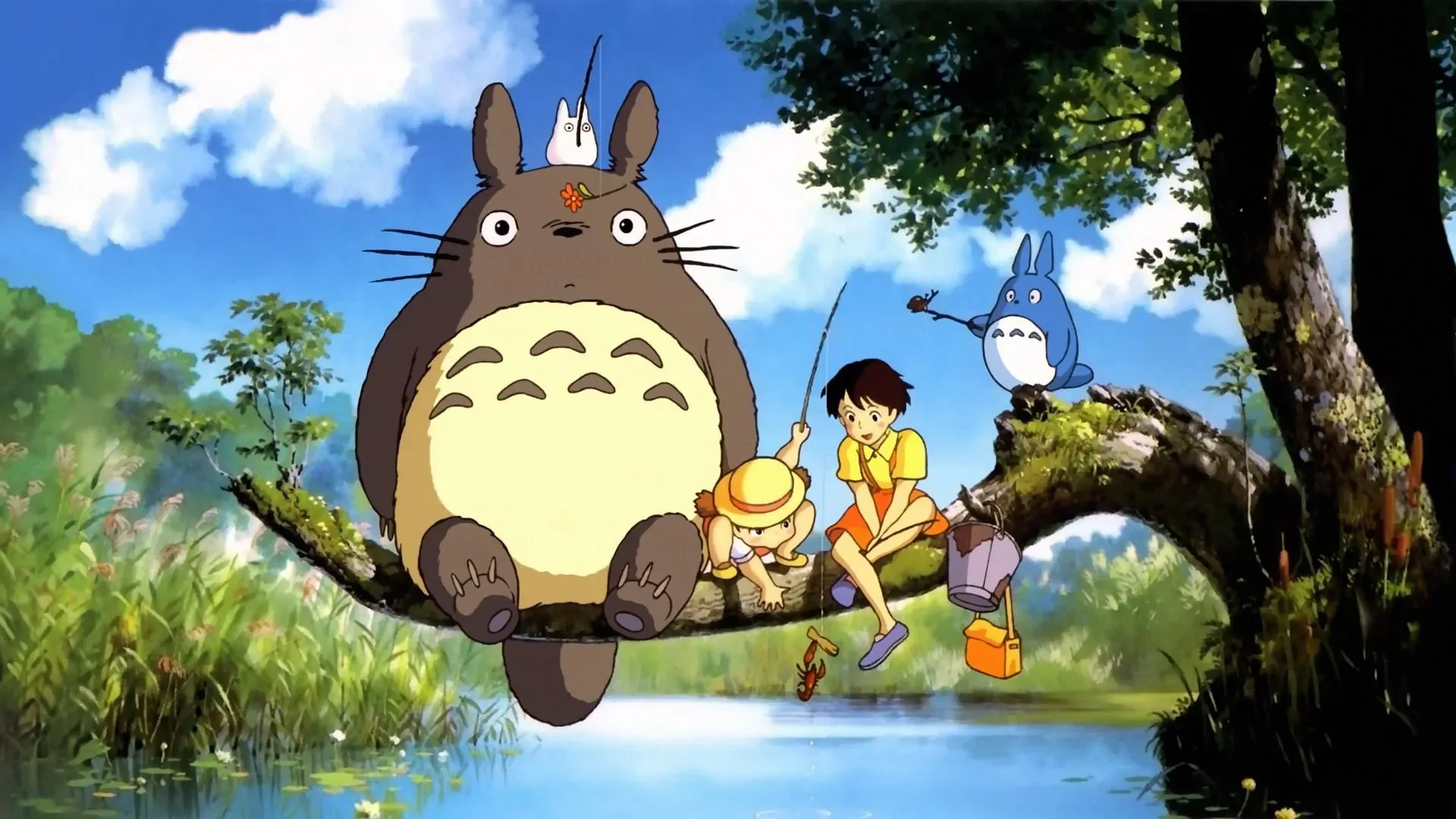
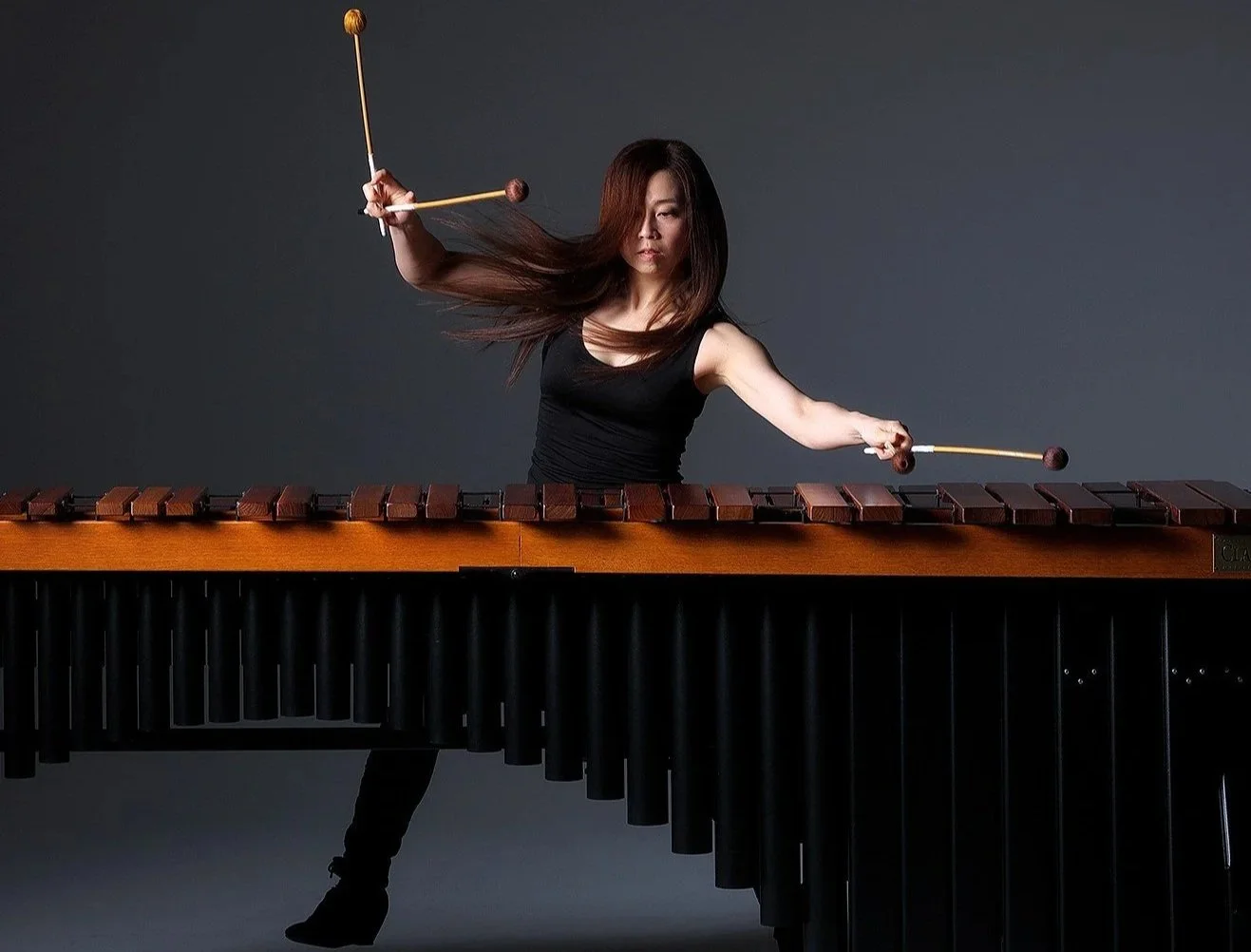
Left to right: Isabel Leong; My Neighbor Totoro
As part of VanJazz ’26, Infidels Jazz presents Ghibli Jazz Orchestra at the Chan Centre for the Performing Arts on October 24 at 7:30 pm
HANG AROUND WITH enough musicians and you’ll hear all sorts of high-concept ideas for new bands. For example—hear me out!—what if there were an outfit that only played Michael Jackson songs in the style of the Ramones, and it was called, of course, the Shamones?
Okay, that might be a terrible example, but sometimes an idea is too good to pass up, like the one Isabel Leong came up with back in her student days at Capilano University.
“I was in my second year of university at Cap, studying jazz, and a couple of my friends and I were talking about cool ideas for bands and things like that,” she tells Stir in a recent phone interview. “And I mentioned, ‘I think it would be really cool to have a full big band play some music from Studio Ghibli,’ and all of them were like, ‘That would be really cool. You should do it.’ So I did.”
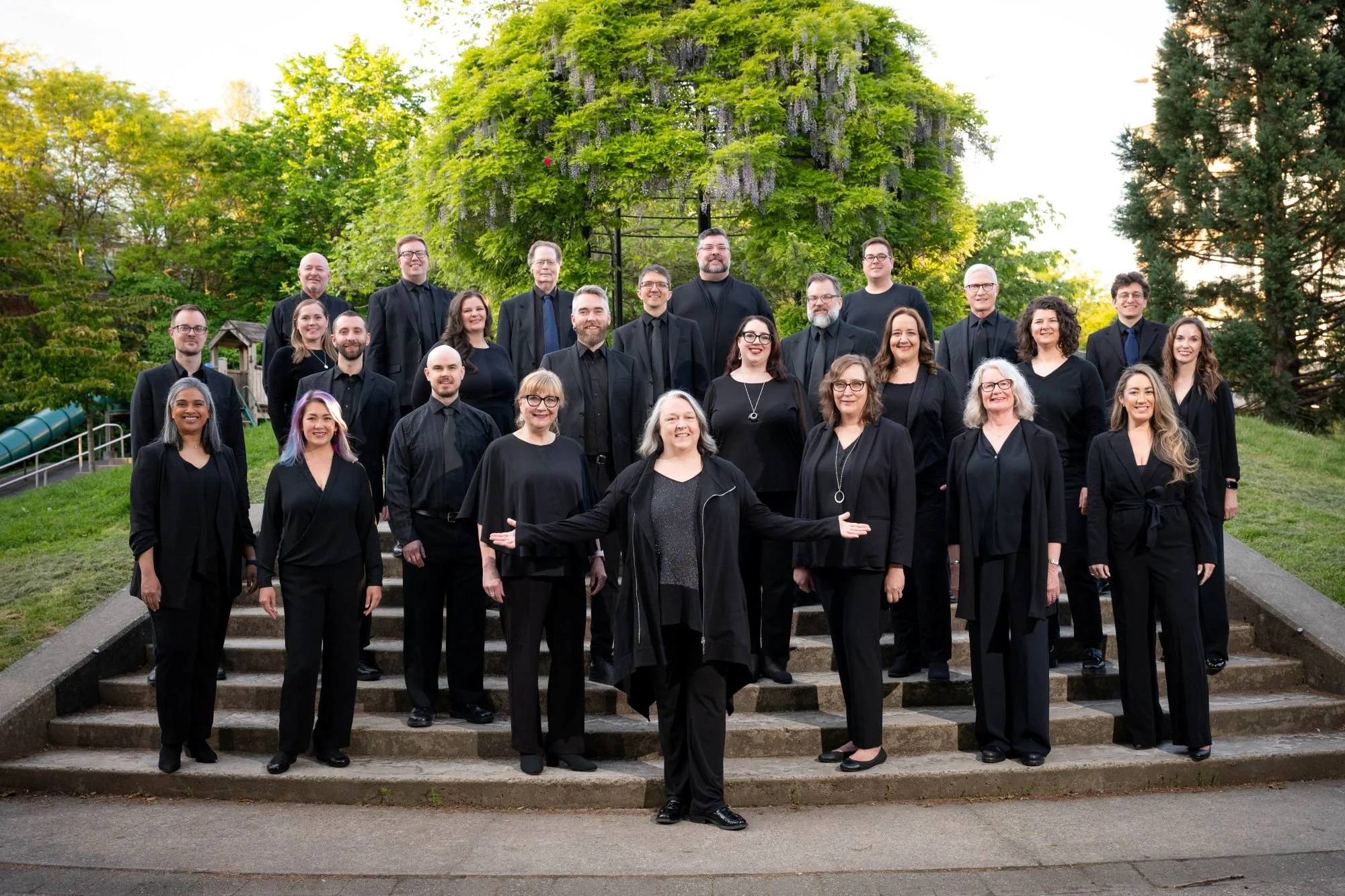
Leong’s idea eventually became an 18-piece big band. As its name suggests, Ghibli Jazz Orchestra specializes in performing music from the scores of films released by the famed Japanese animation studio founded in 1985 by directors Hayao Miyazaki and Isao Takahata and producer Toshio Suzuki.
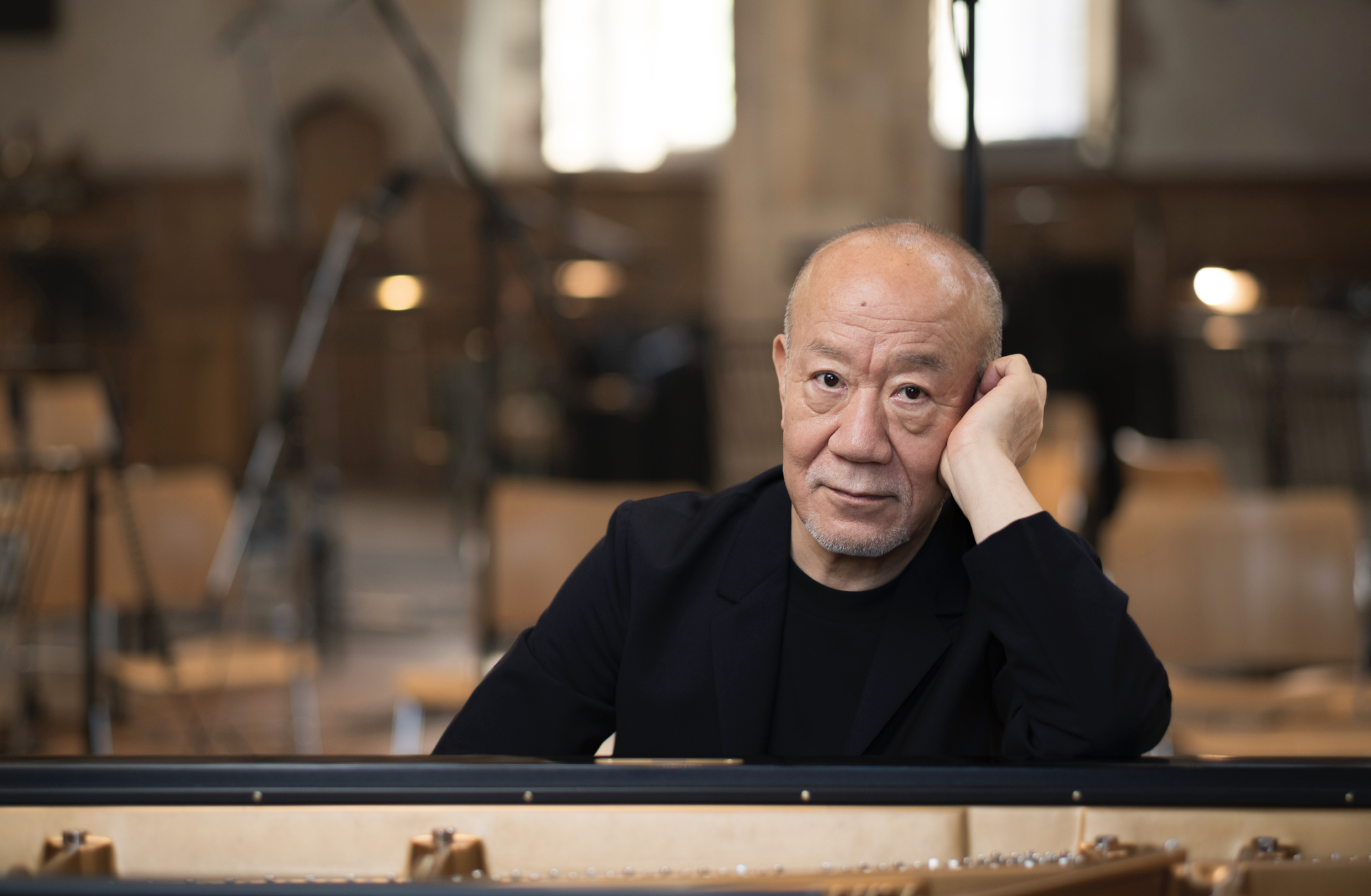
Joe Hisaishi. Photo by Nick Rutter
Most of Ghibli Jazz Orchestra’s repertoire is drawn from the catalogue of Joe Hisaishi, who has composed the scores for roughly half of Studio Ghibli’s features, including all of the ones directed by Miyazaki himself. The band routinely performs selections from My Neighbor Totoro, Porco Rosso, and Nausicaä of the Valley of the Wind.
“We try and get a pretty good spread of them,” Leong says. “There’s a couple of films we haven’t touched at all. And, full disclosure, I have not seen every single Ghibli film. I would love to, but it’s gonna take me a while. We haven’t fully dug into some of the not-as-well-known or less-popular movies, but I am really hoping to do that because some of the soundtracks on those are amazing.”
Mind you, one does not simply walk into Long & McQuade and pick up the full charts for Grave of the Fireflies or The Wind Rises—or even Spirited Away, which is the most popular and commercially successful Studio Ghibli movie globally.
“I have a number of arrangers in the band, so our arrangements are written mostly in-house by us,” Leong says. “There’s a few where I have friends outside of the band arrange them. But in terms of getting the sheet music, there are published piano editions that I have, and I reference those a lot, but usually when they publish those it’s just the most popular songs, maybe one from each movie. There’s also plenty of concert-band arrangements out there, but I don’t often reference those, because they would require me to spend quite a bit of money on concert-band music, which is expensive. With the lesser-known songs that haven’t been published, we usually just sit and transcribe them ourselves and figure them out.”
Don’t expect to attend a Ghibli Jazz Orchestra performance and hear note-for-note renditions of Hisaishi’s classically informed arrangements, which often make use of full symphony orchestras, lush string sections, and operatic choirs.
“We’re not playing one-to-one re-creations of what the music is,” Leong says. “We take it and we change it up. Obviously, the melodies can be recognizable, but beyond that it sounds nothing like the music from the films.
“Our instrumentation is generally very different,” she continues. “We don’t have any orchestral strings—no violin, cello, any of that. It’s just typical big-band instrumentation, plus a flute. We do incorporate a decent amount of doubling, so a lot of our saxes will have to play clarinet occasionally, but we mess with stuff for sure. There’s some charts that I would say if I didn’t tell you that it was derived from a Ghibli soundtrack, people wouldn’t know.”
Leong plays guitar and vibraphone and performs as a member of the quartet ISBN, but her role as conductor has so far kept her from taking on instrumental duties in Ghibli Jazz Orchestra.
“I would love to, but some of our music is complex to the point where it would become very hard to do without a conductor, or I’d have to find someone else to conduct the band,” she notes.
When asked which Ghibli film is her favourite to watch and which she thinks has the best soundtrack, Leong doesn’t hesitate to pick Nausicaä of the Valley of the Wind as her answer to both. Mind you, The Boy and the Heron—Miyazaki’s long-awaited 2023 comeback feature, which won the best-animated-feature Academy Award and captured similar honours at the Golden Globes and BAFTA Awards—is a strong contender.
“I’ve only watched it once, so I would like to rewatch it, but I really enjoyed it, and it might be competing with Nausicaä for my favourite movie from Ghibli,” says Leong. 

Related Articles