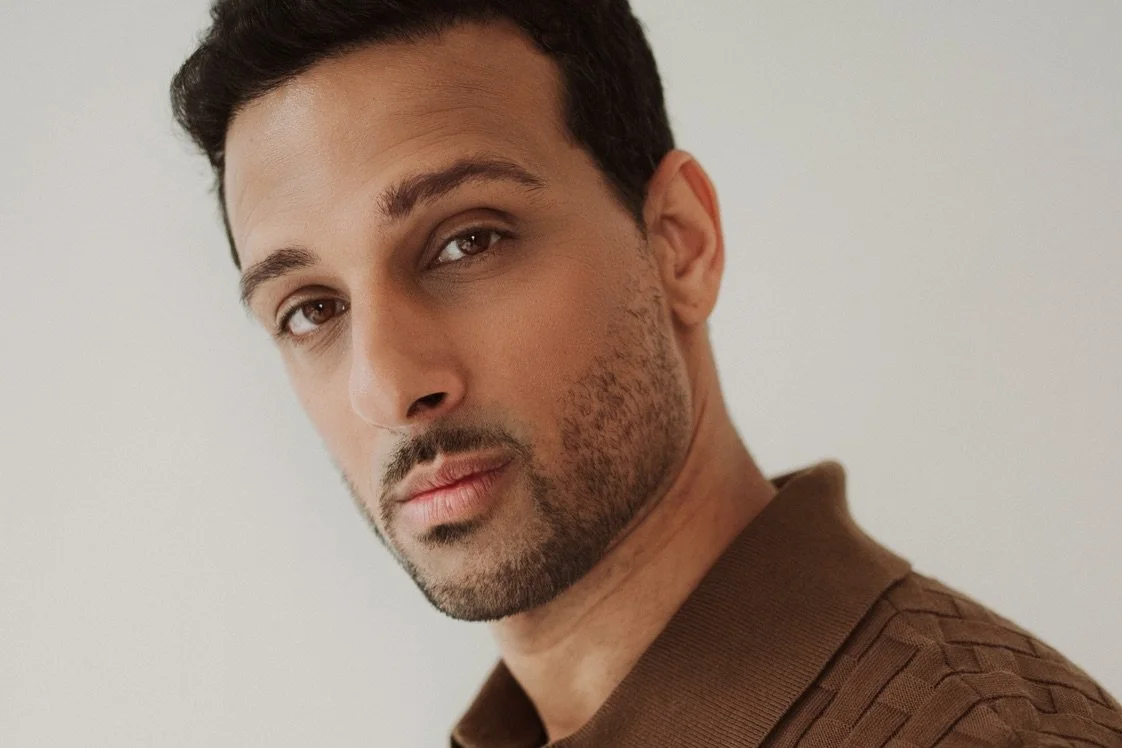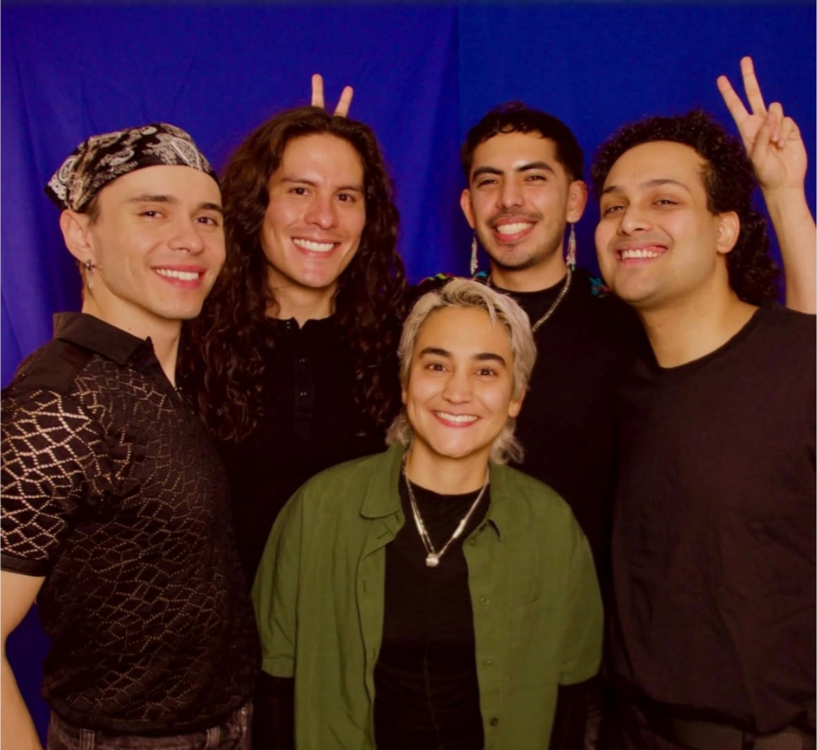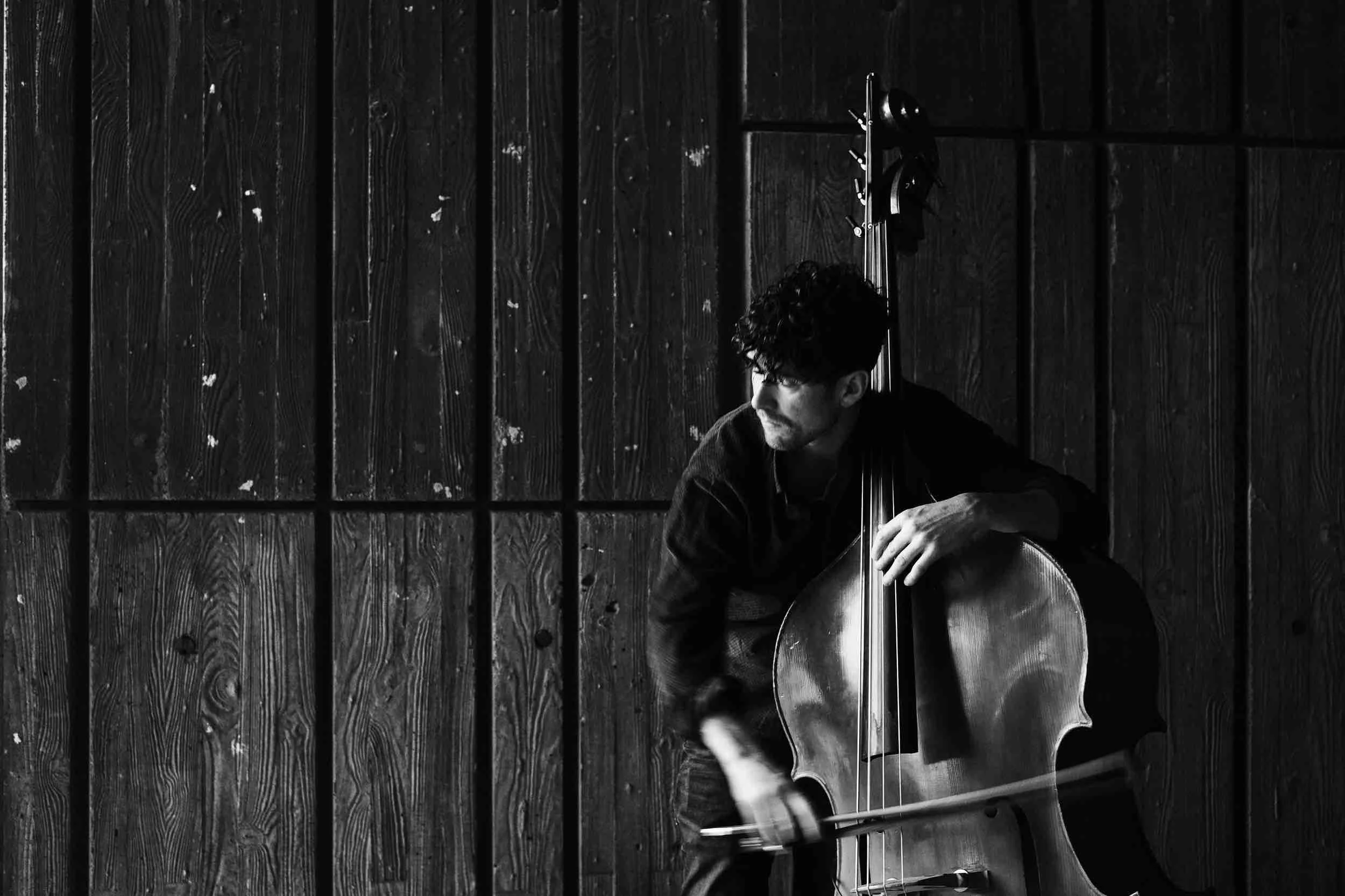
In Death and Taxes, Brass Tax and Gerardo Avila celebrate life through music and clowning
As part of the Downtown Eastside Heart of the City Festival, the new show nods to Mexico’s Día de los Muertos and similar traditions from other countries
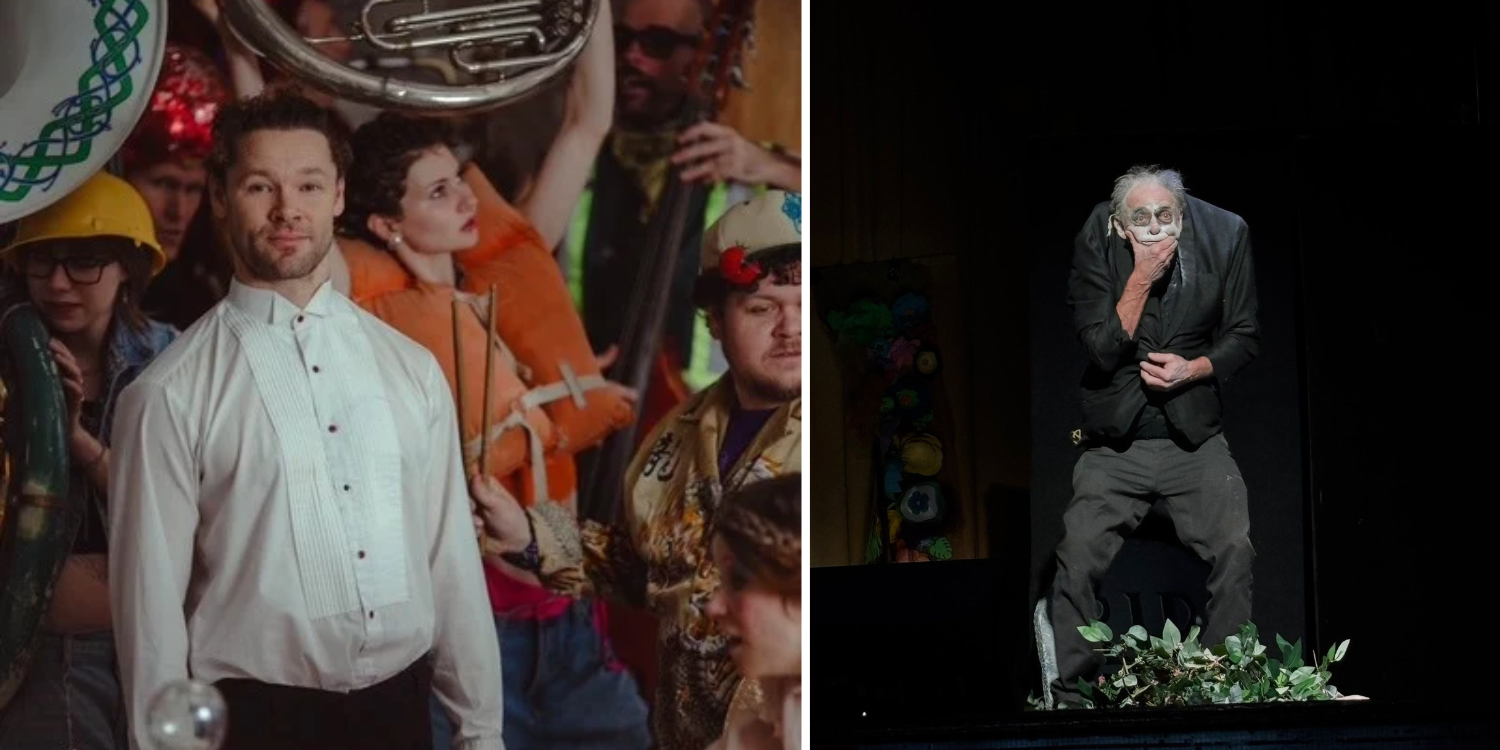
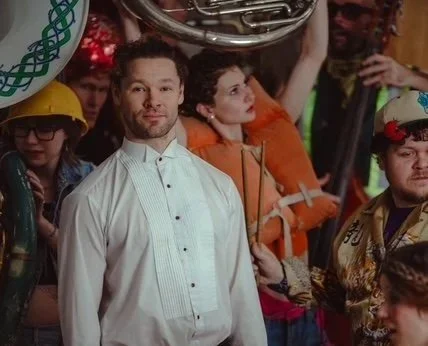
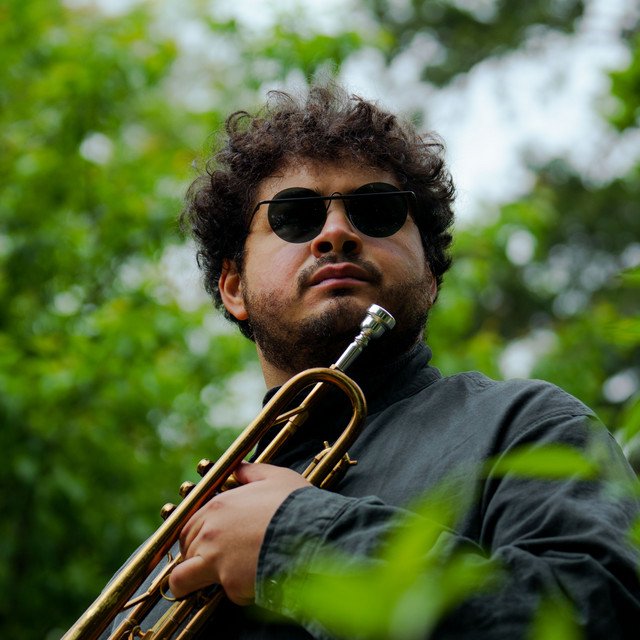
Left to right: Nathan Barrett and Brass Tax, Gerardo Avila
The Downtown Eastside Heart of the City Festival presents Death and Taxes at SFU’s Djavad Mowafaghian World Arts Centre on November 1 at 7 pm
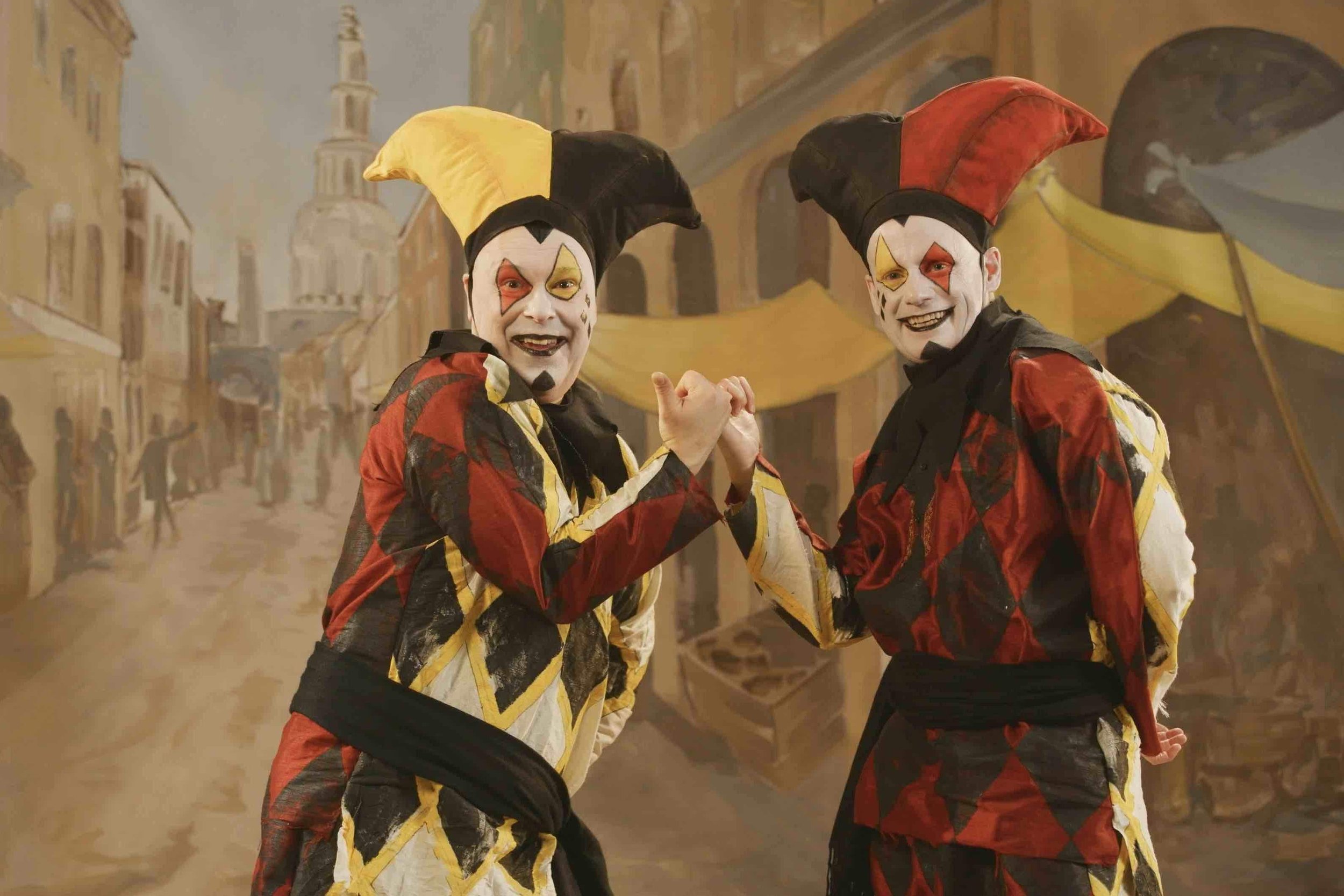
GIVEN HOW LONG they’ve known each other, it’s surprising that before now, Gerardo Avila and Nathan Barrett had never worked together. Barrett is the trumpet player and leader of the band Brass Tax. Mexican-born Avila is an artist of many talents, from mime to magic, but he’s probably best-known for his work as a clown, which includes a stint with Cirque du Soleil.
In a Zoom call with Stir, Avila notes that he has known Barrett all his life.
“I have worked with Nathan’s father for many years—Ross Barrett, famous saxophonist of Vancouver—and Nathan is also my godson,” he says. “This is our first collaboration in a show.”
Barrett, who is seated next to Avila on the call, a baby on his knee, adds, “Gerardo has been very influential to me. He’s a master clown and an amazing performance artist, so I grew up watching him running around with my dad; my dad would be playing saxophone and Gerardo would be clowning. It really informed my approach to performance art, too, just watching Gerardo work."
The elder Barrett and his other son, Tim Sars, are the musical directors of the long-running Carnival Band, a regular performer at the Dusty Flowerpot Cabaret’s Halloween staple, the Parade of Lost Souls.
This year, Avila and Brass Tax will also be getting into the spirit of the season as part of the Downtown Eastside Heart of the City Festival. Their new show, Death and Taxes, is rooted in the Mexican tradition of Día de los Muertos. This is familiar territory for Avila, who presented a similarly themed performance as part of the same festival in 2025.
“Last year, we did the Day of the Dead in more of a theatrical performance with shadow puppetry and a history of the conquest, and all the elements of the Day of the Dead in Mexico,” says Avila, who divides his time between Vancouver and the Sunshine Coast.
This year’s show, the clown reveals, takes a more expansive view of what Día de los Muertos is all about—namely, “honouring the dead by celebrating life,” as he puts it—by encompassing traditions from Ecuador, Guatemala, Poland, Italy, Spain, and elsewhere.
“Because Vancouver is multifaceted culturally, we’re trying to bring not only the Mexican, but other countries’ tradition of celebrating with music,” Avila says. “They do that; they go to the cemetery with music, they sing to the dead, they talk to the dead, they bring food.”
In New Orleans, music is a big part of such traditions, including the annual Mardi Gras–style Halloween parade. The Crescent City is also the birthplace of the jazz funeral, in which the family and friends of the dear departed march from the funeral home to the graveyard, accompanied by a brass band. These tend to start out as sombre processions, but inevitably wind up as an excuse to laisser les bon temps rouler.
“We have a heavy New Orleans influence on the band,” Barrett says. “We do funeral processions. We clowned at a funeral home the other weekend. So, for the band, nothing is off-limits when we’re riffing. A lot of stuff comes up; mortality is often a theme in our music, but making light of it, and celebrating the dead.”
In Death and Taxes, Avila plays a taxman who, though he now resides in the spirit realm, remains determined to collect unpaid levies. It’s a good opportunity for the veteran clown to show off his comedic chops, but the members of Brass Tax have a few yuks up their sleeves, too.
“We have a clown component in our shows,” Barrett says. “We always have gags. In each song, we have a gag or we have a moment of some kind of theatrical component to the music. And we’re very interactive with the audience, we penetrate the fourth wall constantly.”
Without giving away too much, Barrett notes that the show is also about “the spiritual tax” or karmic debt that Avila’s character must pay. There is, however, another reason that the show is called Death and Taxes, and it has to do with his band.
“The whole premise, why we called ourselves Brass Tax, is that the regular gigs we had were paid through tips,” Barrett says. “So, I would go around through the crowd, and I would extract the ‘brass tax’. So we kind of share this taxman component.”
If you want to hear Brass Tax’s music for yourself, one of your best bets is YouTube, as the group has yet to release any studio recordings.
“Brass Tax has nothing recorded,” Barrett says. “We have tons of video of us kicking butt onstage, but we don’t have any tracks out. We’ve written songs for this performance that will be premiered at the show; there’s a song called ‘Bones’ that we’ve never done before. In 2027, we’re going to release an EP on January 31, so that’ll be cool, and ‘Bones’ will be on that EP.”
If you can’t wait that long, you’ll just have to show up to Death and Taxes on November 1; don’t make the taxman come looking for you. 

Related Articles