At Chutzpah! Festival, dancers in Meghann Michalsky’s Exile perform amid wind and water
Calgary artist’s world premiere reflects on feelings of displacement and discomfort that come with spiritual transformation

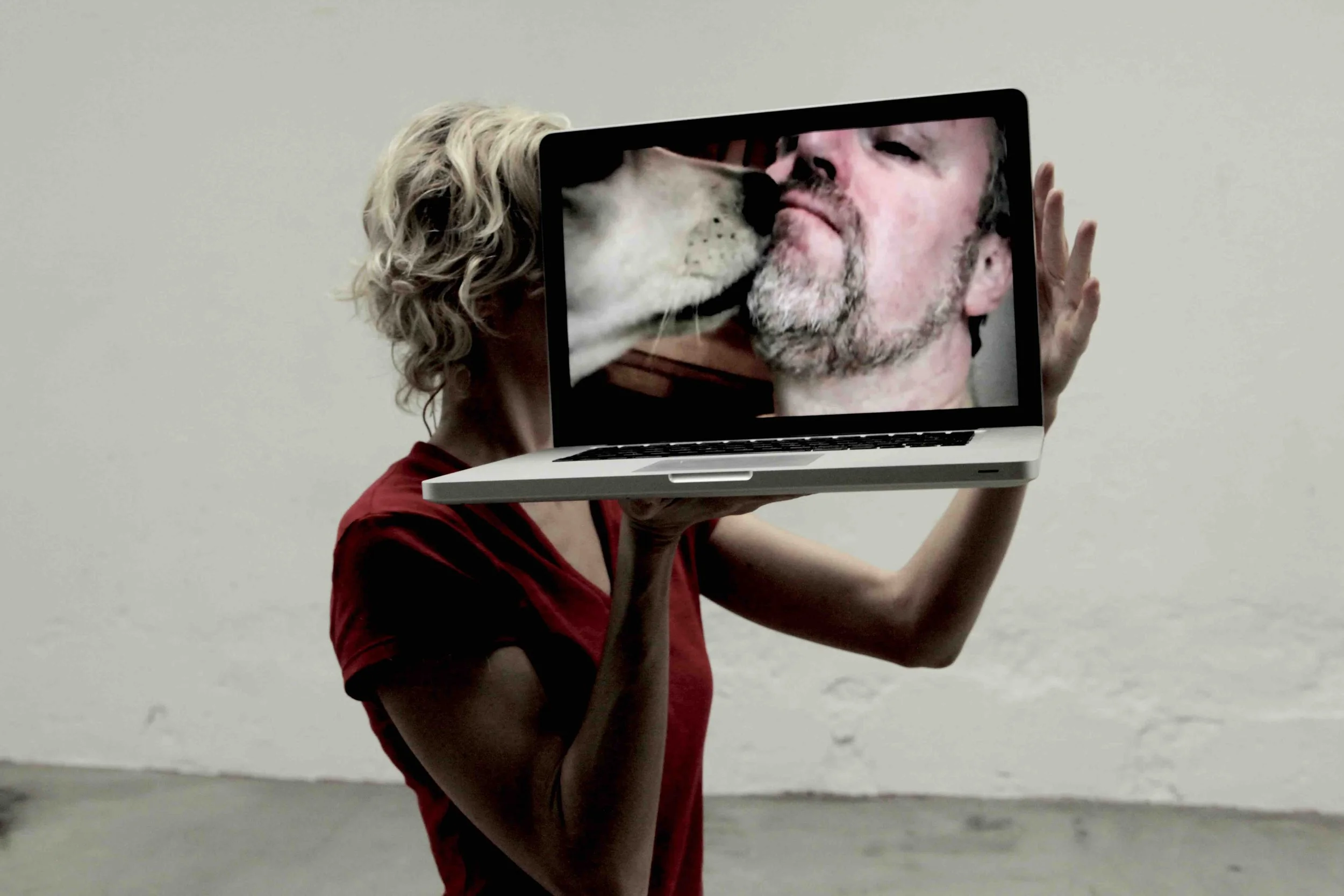
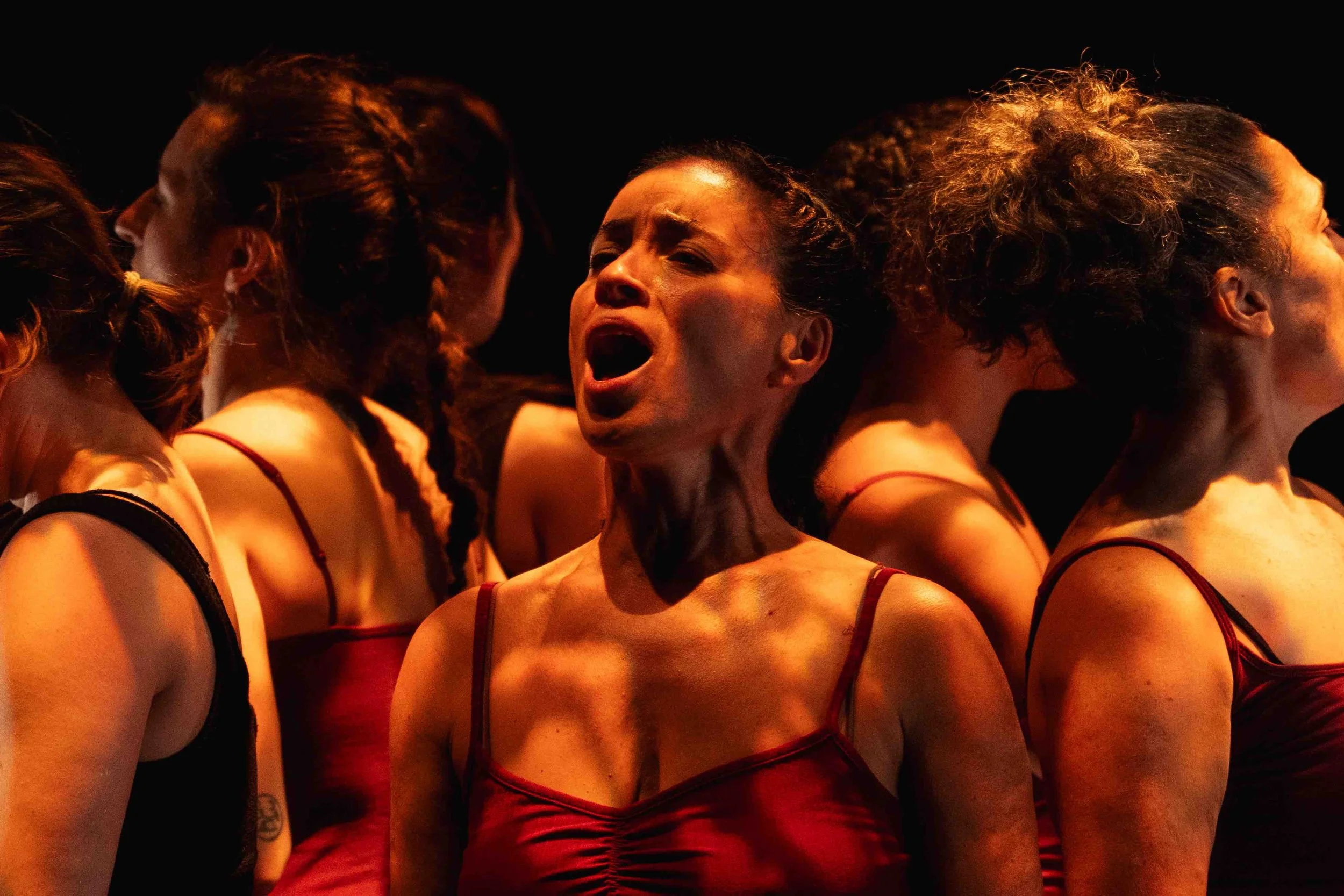
Meghann Michalsky in Exile. Photo by Rita Taylor
The Chutzpah! Festival presents Exile at the Norman & Annette Rothstein Theatre on November 10 and 11 at 7:30 pm
WHEN FACED WITH uncertainty and turmoil, Meghann Michalsky turns to nature for clarity and reassurance.
“Like going for a walk and actually feeling the wind on my skin, because then you know you’re in the present moment,” the dance artist tells Stir over the phone. “I’m sure people have gone for walks and not felt the temperature or any sensation, but I actively seek those out.”
Nature also appears in her works. The choreographer-performer has produced several dance films that take place outdoors—on beaches and in forests and fields. But could she bring those experiences to the stage? Could she share that feeling of wind and water with a live audience?
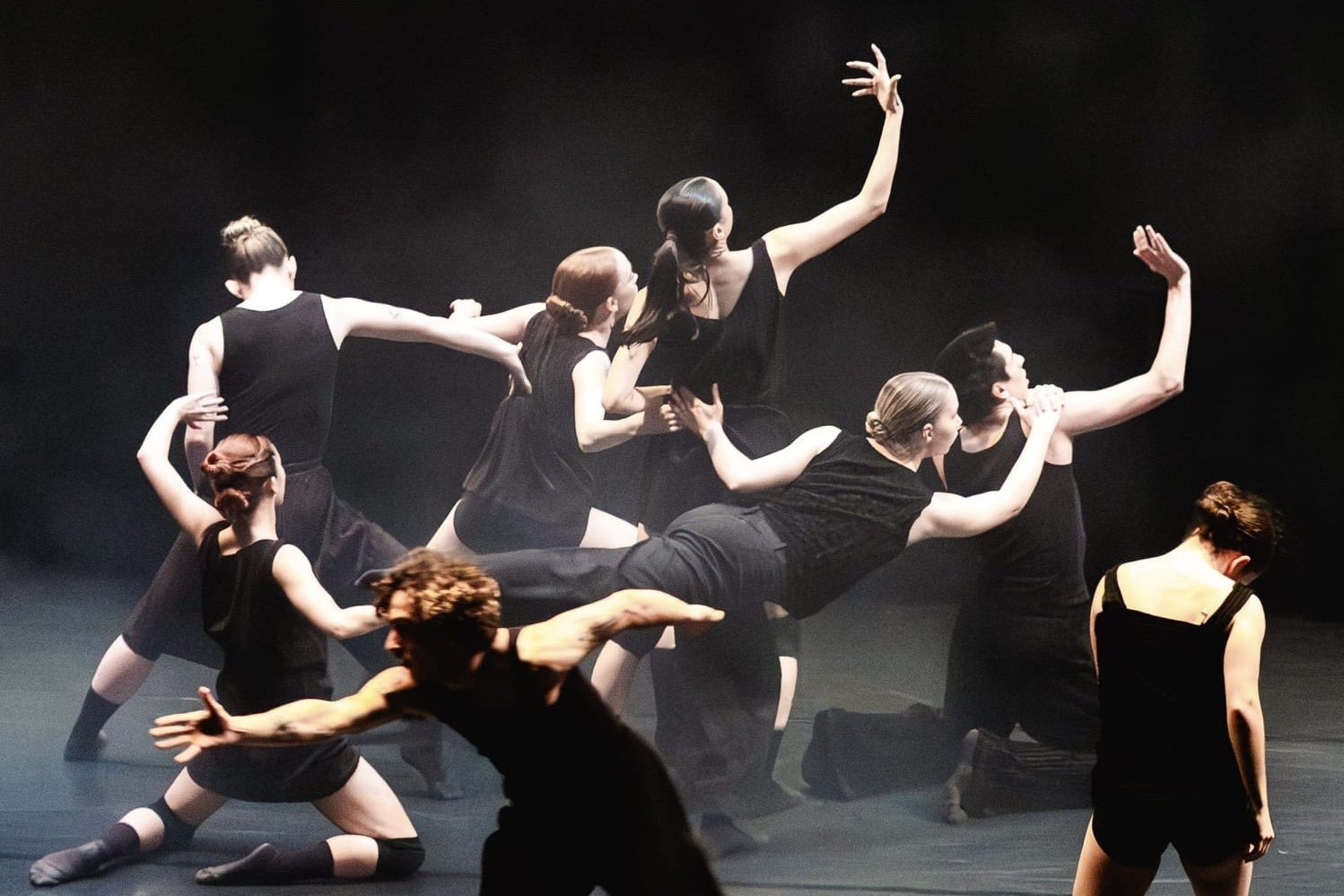
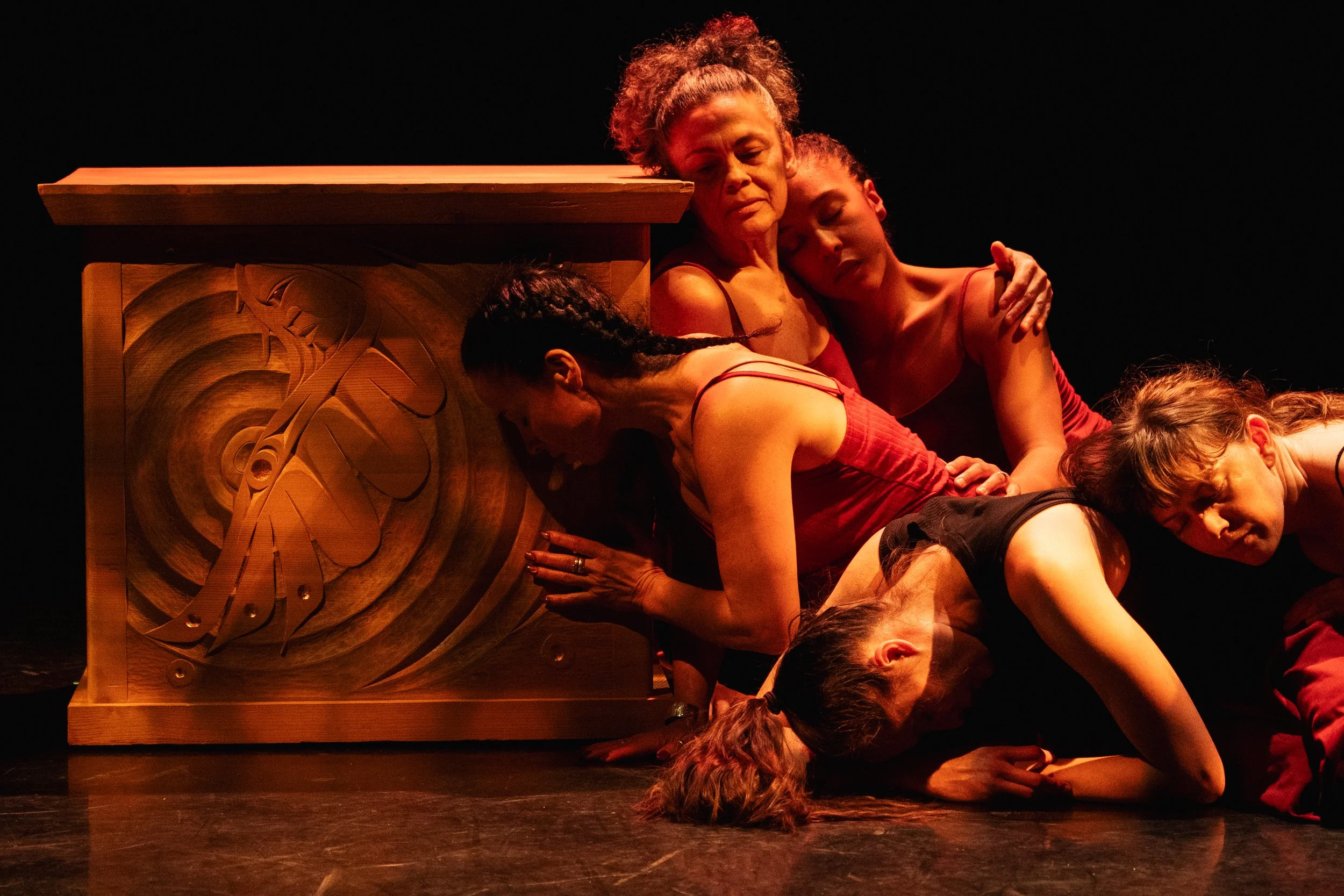
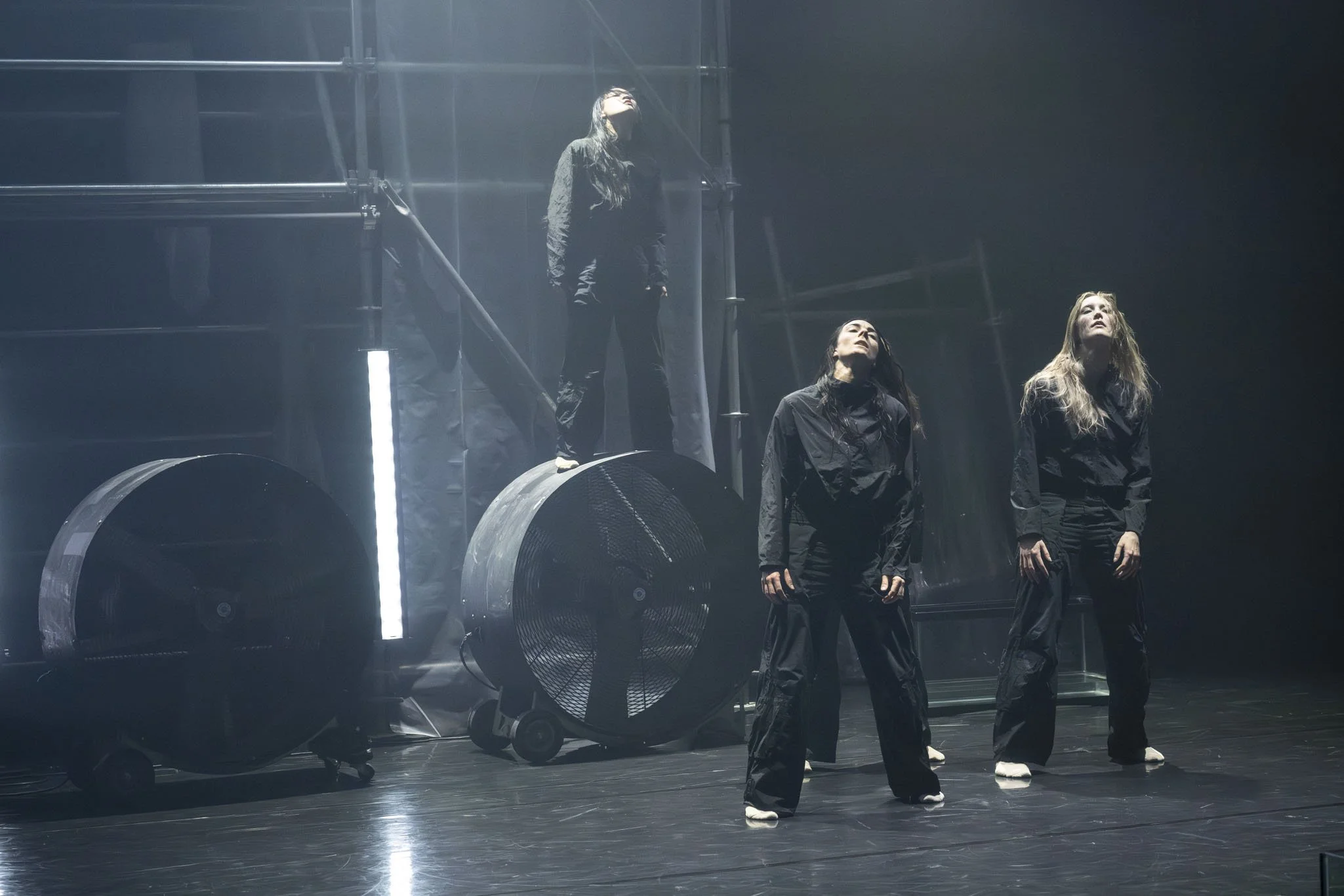
Exile, presented at the Chutzpah! Festival on November 10 and 11, is her answer to those questions. Developed in partnership with Project InTandem (a contemporary dance production platform co-founded by Michalsky) and Banff Centre for Arts and Creativity, the show is set in a world where clean air and water are scarce. The music, composed by Darren Young, incorporates euphoric water and wind sounds alongside energetic rock ’n’ roll. Michalsky and four other dancers (Reese Wilson, Kaili Che, Maddy Cruz, and Kelsie Vanstone) share the stage with rigid scaffolding, industrial fans, and clear water troughs, interacting with the sacred elements as they undergo spiritual transformation. Their tense, controlled movements carry a primal quality that often appears in Michalsky’s projects.
“Within this industrial setting, you will see big, virtuosic dancing and five women embodying risk and abandonment in their cellular structure,” she says of the choreography. “This type of physicality is also more rare in Western concert dance. We’re trying to sense euphoria in our bodies and cause chaos onstage, going through rounds of repetition that create change.”
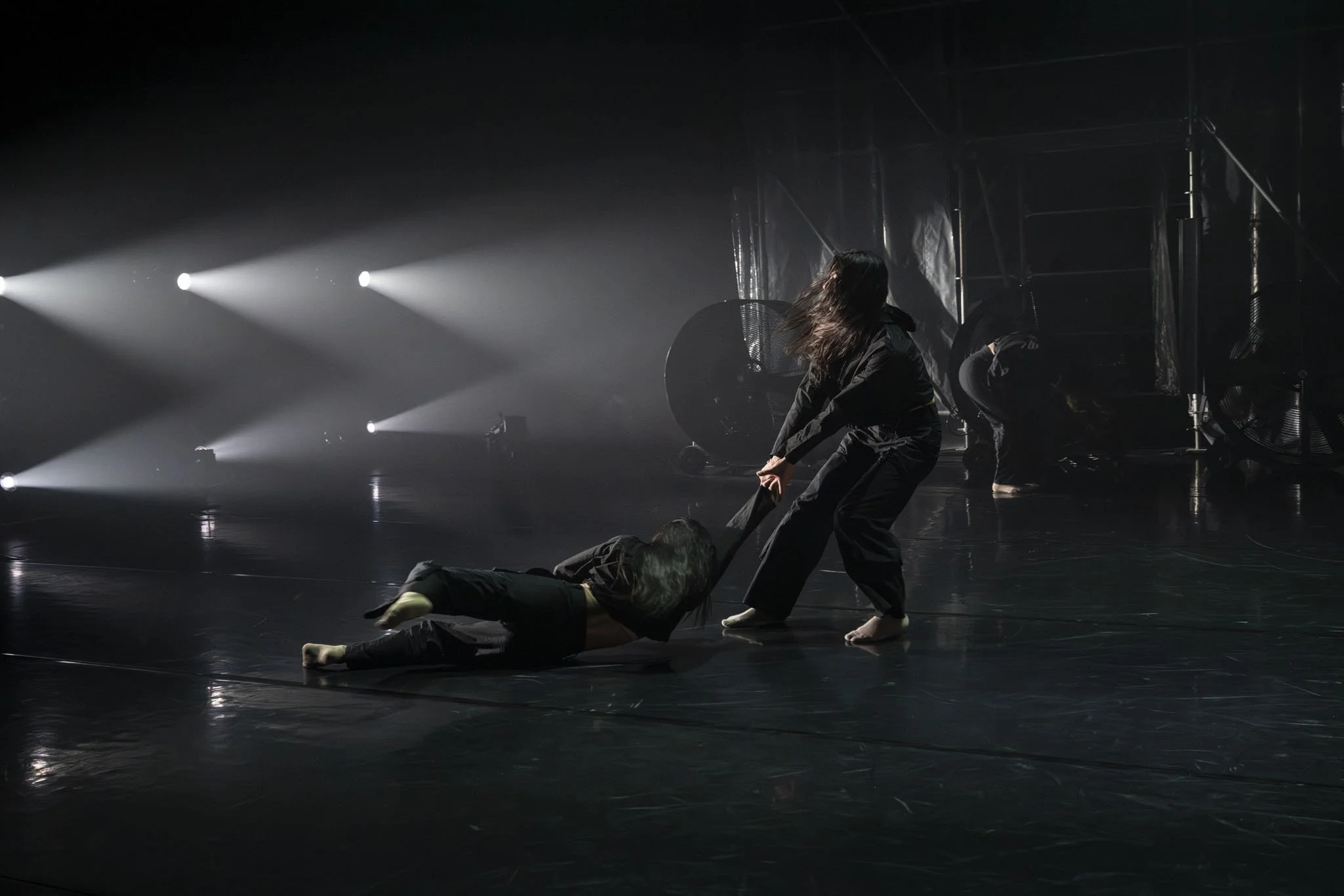
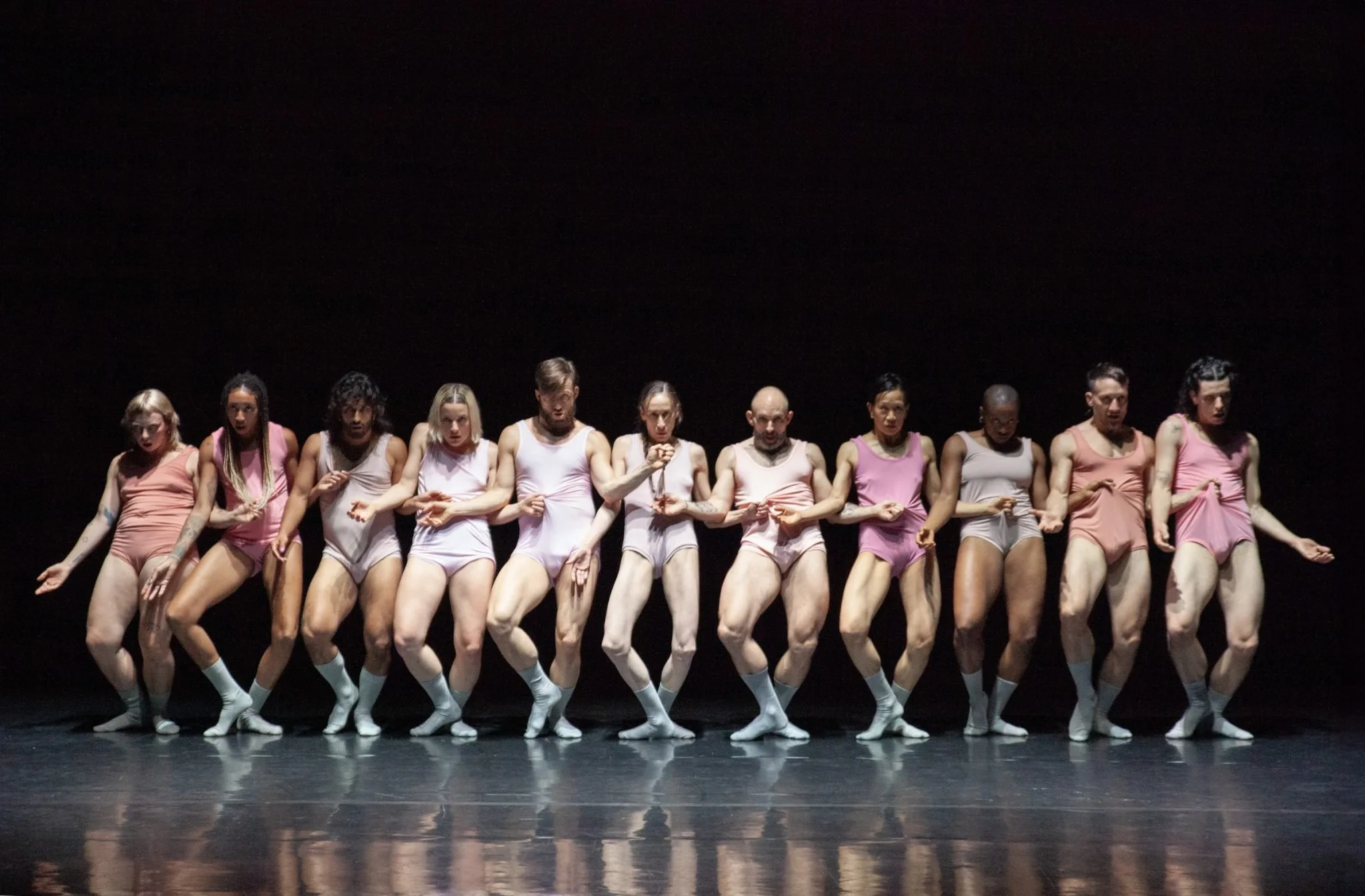
Exile. Photo by Rita Taylor
The process of reconstructing oneself, Michalsky says, is inevitably uncomfortable and challenging. She likens the journey to that of being banished, and the title speaks to the feelings of vulnerability and loss. “In order to transform into something new, you have to let go of what you were,” she explains. “And not knowing what it will be like in the new version of you can feel like you’re exiled and displaced in your own skin.”
Onstage, that discomfort extends to the dancers’ physical conditions. She describes Exile as a kind of ritual, simultaneously fragmented and circular; the performance begins and ends with water, and the dancers repeatedly interact with different set elements to create a series of seemingly fractured images. After starting the show by lying inside a partly filled aquarium, Michalsky has roughly 45 seconds to change her clothes before her next scene. “I physically have to go from one element to another, so one moment I’m soaking wet and then I’m onstage still feeling the water dripping from my hair,” she says. “The sensation of being wet and then, by the end of the show, dry is a pretty unique feeling…and that’s also a transformation that’s actually real.”
For the artist, the towering scaffolding at the back is more than an addition to the industrial architecture. It also represents a framework within an individual, constructed by their personal experiences, whether positive or negative. She uses the example of trauma and how that continues to stay with a person long after healing. “My belief is that it doesn’t ever fully leave you, your reaction to that trauma,” she says. “Everything that has happened to us stays with us.”
Then there is wind. Five 42-inch industrial fans line the stage, filling the room with a loud, mechanical hum and powerful gusts of air that reach the audience. “The fans actually kind of dry out the space,” she adds. “Dancing a 60-minute show, and you have no saliva and there’s no air…The show is called Exile, so we are in the trenches with the environmental elements as well.”
Performing alongside her all-women ensemble, Michalsky reflects on the sense of interconnectedness she strives to achieve in all her projects. “I hope people can witness a version of themselves within the work, and that it brings a kind of peace to their own lives,” she says. “Life is hard and it’s always nice to see other people going through a similar experience.”


Related Articles