Vancouver Art Gallery announces Formline Architecture + Urbanism and KPMB Architects to envision new structure
Specific design proposals expected in 2026; Swiss architecture firm Herzog & de Meuron’s original plan had been discarded in December

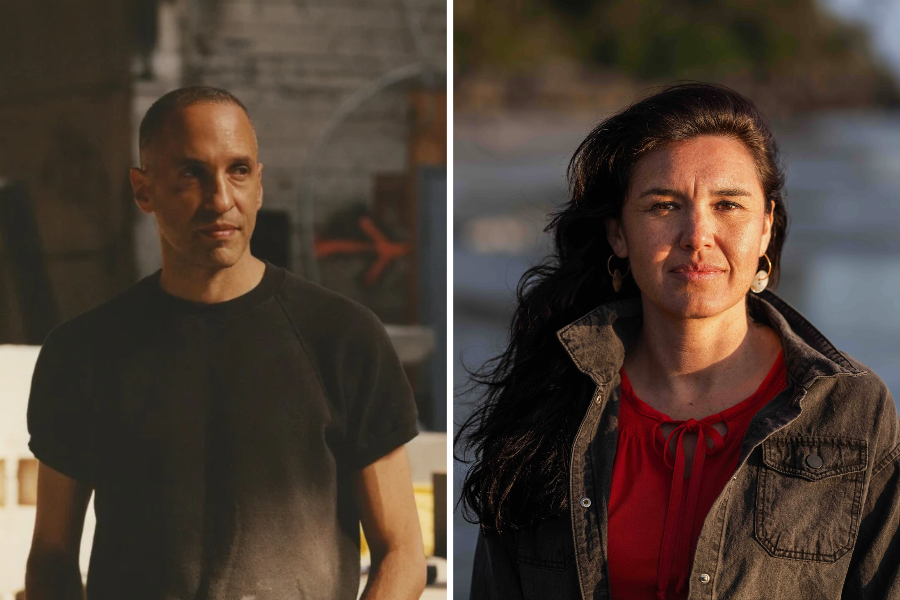
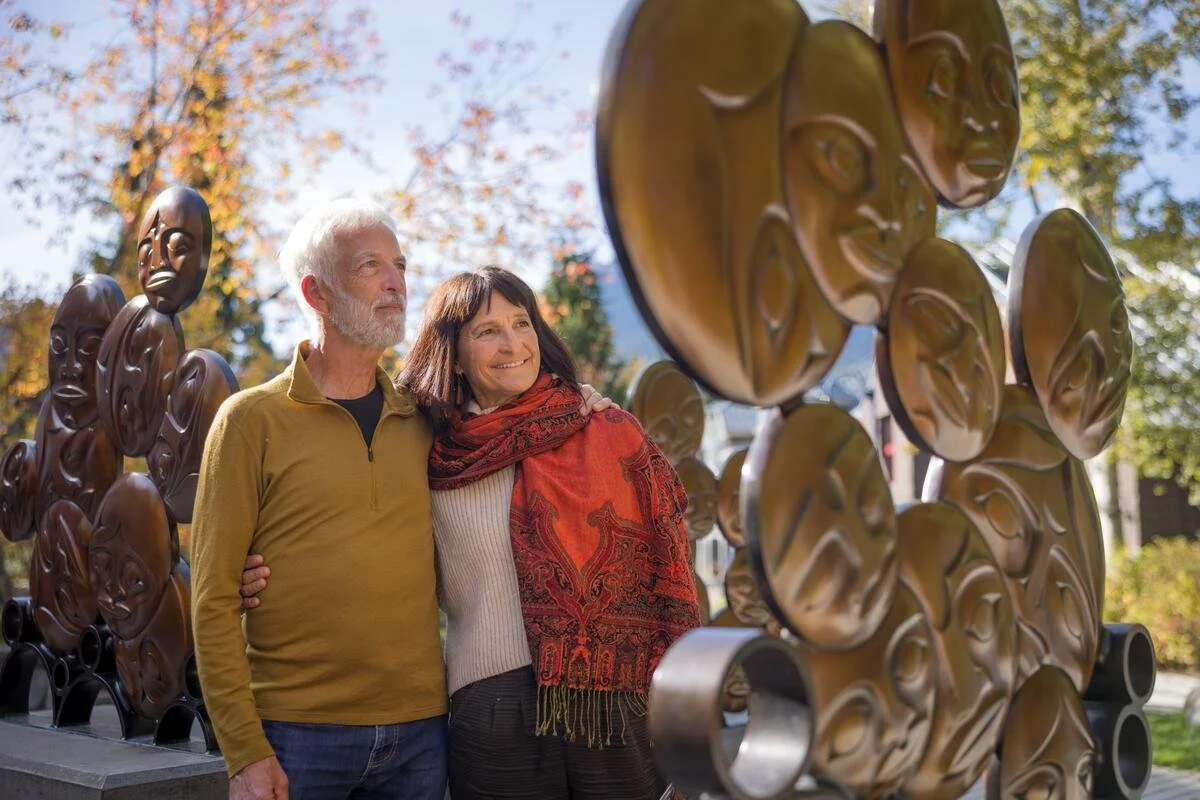
KPMB’s Gardiner Museum (left, photo by Shai Gil), and Formline Architecture + Urbanism’s Squamish Lil’wat Cultural Centre in Whistler (photo by Michael Bednar).
AFTER MONTHS OF SEARCHING, the Vancouver Art Gallery has announced plans are moving forward again on its new site at Larwill Park on West Georgia Street.
Today it named Formline Architecture + Urbanism and KPMB Architects as the architectural team that will lead the next phase of design for its purpose-built home. The team was selected from proposals by 14 Canadian firms. The next step is to launch a public input process with the goal of formalizing a conceptual design in 2026.
“We are announcing an important milestone in the Gallery’s renewed vision to create a destination for art and culture that reflects the diversity of our audiences,” it said in a press announcement today.
“The selection of Formline + KPMB to envision the new Gallery is a bold and topical statement supporting Canadian innovation and excellence,” Jon Stovell, chair of the Gallery Association Board, said in the announcement. “KPMB Architects brings a proven track record for creating elegant, world-class museums that centre art and community, while BC–based Formline Architecture + Urbanism leads with an Indigenous design vision that is both contemporary and deeply rooted in tradition.”
Led by founder Alfred Waugh, Formline has a mandate to create culturally sensitive and environmentally responsible architecture, bringing together Indigenous ways of knowing with Western knowledge. Previous projects have included Whistler’s Squamish Lil’wat Cultural Centre and North Van’s Aboriginal Gathering Place. KPMB, founded by Order of Canada–winning architects Bruce Kuwabara, Marianne McKenna, and Shirley Blumberg, has projects that include the in-progress Arts Commons Transformation in Calgary and Montreal’s Holocaust Museum, along with Toronto’s Roy Thomson Hall Enhancement, TELUS Centre for Performance and Learning for the Royal Conservatory, Gardiner Museum of ceramics, and TIFF Lightbox, home of the Toronto International Film Festival.
The VAG had previously secured a foreign firm, Swiss architecture firm Herzog & de Meuron, to design a woven-copper-clad landmark at the site. The project’s plans were scrapped in December 2024 due to a significant increase in construction costs, which ballooned from an estimated $400 million to $600 million. As a result, the gallery had to start from scratch to find a new design for the building that would fit into its financial abilities.
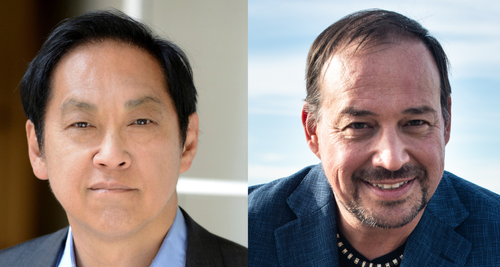
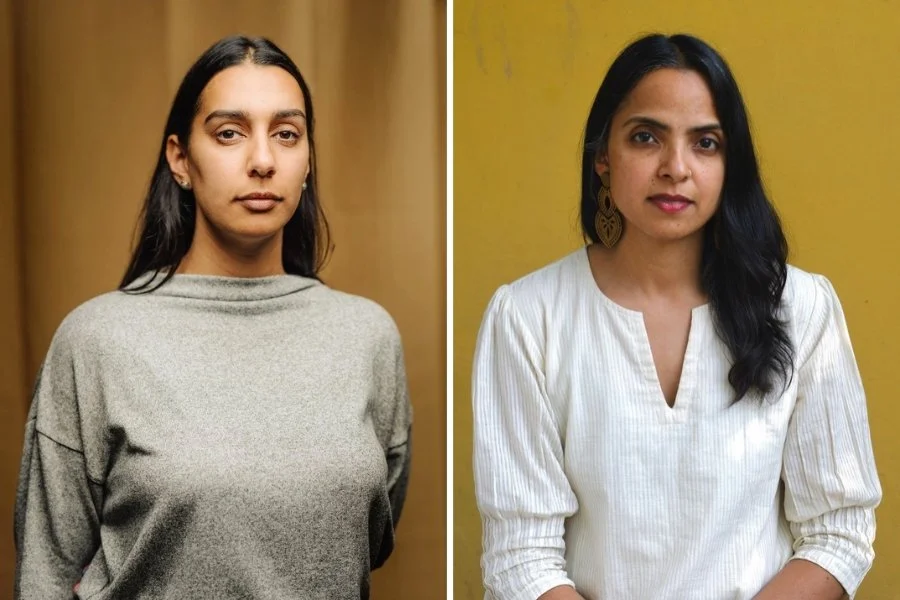
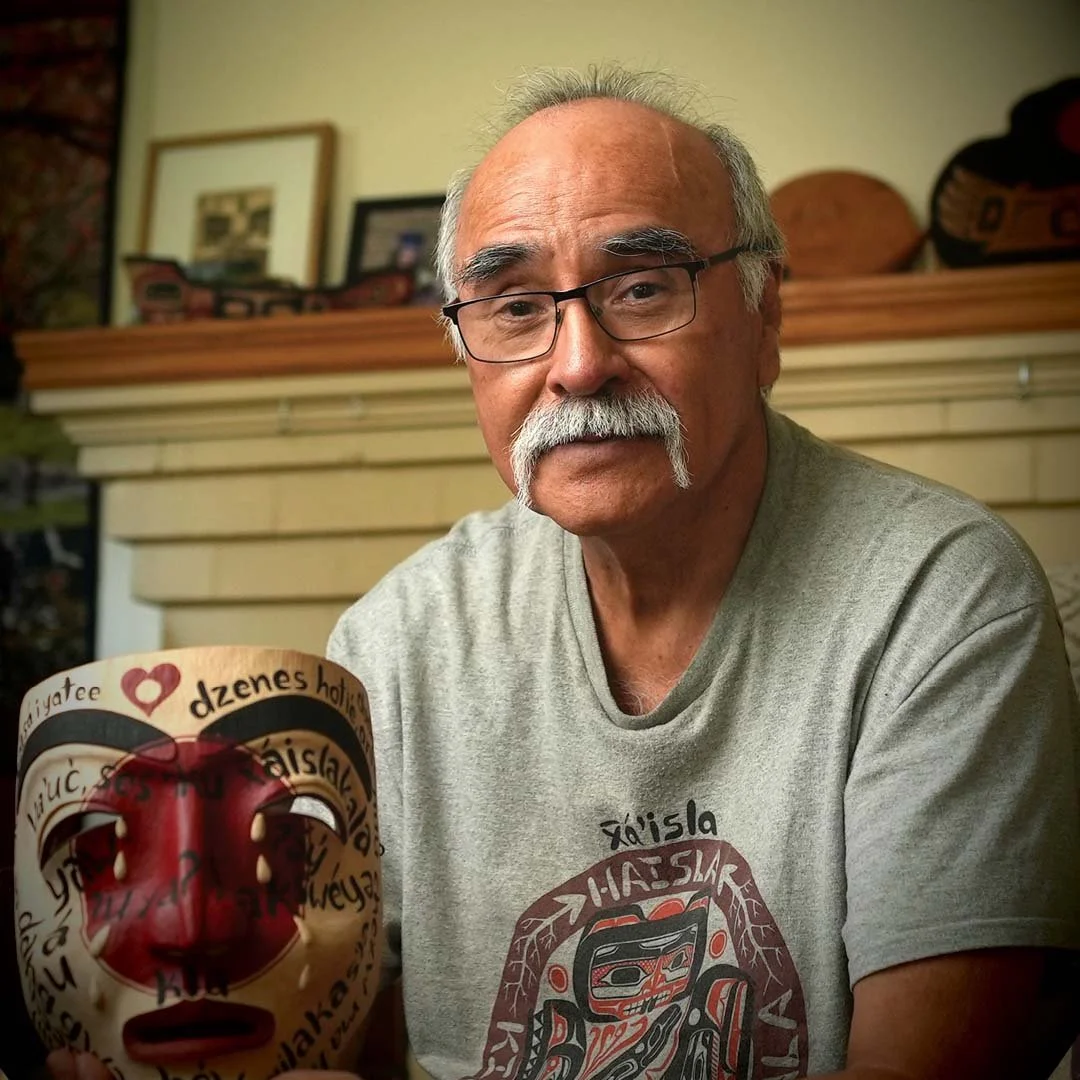
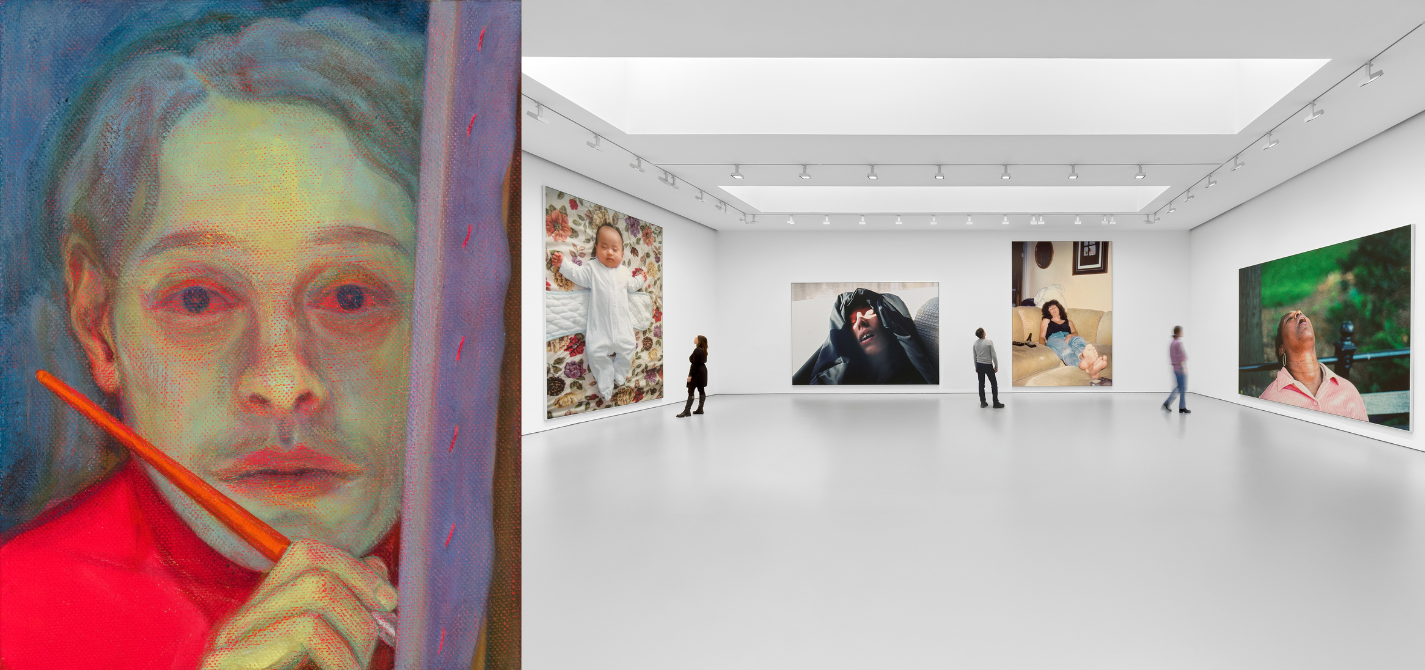
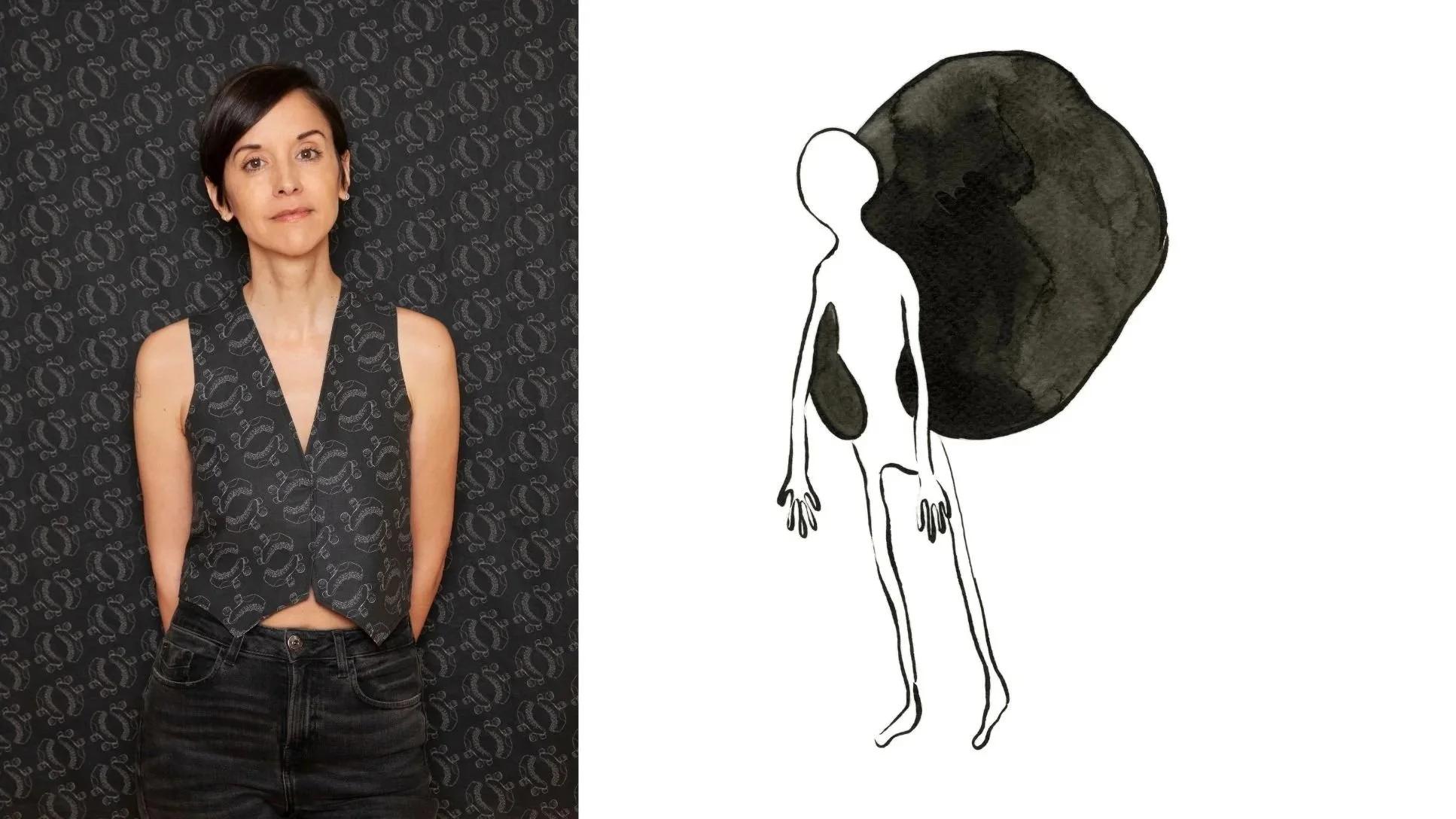
Bruce Kuwabara (left); Alfred Waugh
The VAG has long been in need of more space than it has in its current site, a former court building. The design that was cancelled would have doubled its exhibition space to more than 80,000 square feet, half dedicated to the gallery’s permanent collection. The new design had also encompassed two free-access galleries and a physical home for the Institute of Asian Art, including South Asian and Central Asian works. The outdoor space included a 40,000-square-foot courtyard. Additionally, it provided visible and safe storage for more than 12,000 works of art in the permanent collection, by such major Canadian artists as Emily Carr.
In a more recent development, the Vancouver Cultural Precinct group said in May that it was eyeing sharing the Larwill site with the VAG, with a structure that could encompass a world-class mid-size concert and performance venue and, possibly, a recital hall. The Vancouver Concert Hall and Theatre Society, which is made up of 26 performing-arts groups—from the Coastal Jazz and Blues Society and the Vancouver Symphony Orchestra to Chor Leoni, DanceHouse, and Ballet BC—is exploring designs and budgeting, as well as sites that include the proposed VAG spot. A feasibility study proposed performing-arts spaces either at one-third of the site (with a single music space of 1,200 to 1,800 seats) or one-half of the site (allowing for the addition of a second, 400-seat recital hall). Still, the feasibility study also highlighted the need to consider renovations to the Queen Elizabeth Theatre, the Vancouver Playhouse, and the Orpheum, as well as space at Robson Square.
The VAG says the choice for the new architects was made through an in-depth review and interview process by the gallery and board leadership, artists, and major benefactors and construction experts, with advice from a panel comprised of architects and building and real estate professionals. 

Related Articles