Wrong Husband transports audiences to an ancient Far North, to January 18 at The Cinematheque
Zacharias Kunuk’s latest epic tells a meditative, mystical story of two young lovers separated by fate
Wrong Husband
The Cinematheque screens Wrong Husband on January 10 at 6 pm, January 14 at 8:30 pm, and January 18 at 6 pm
CELEBRATED INUK FILMMAKER Zacharias Kunuk’s latest epic feels timeless and ancient, making it the rare film that lives up to the word “transportive”. All this makes its upcoming screenings at The Cinematheque well worth checking out.
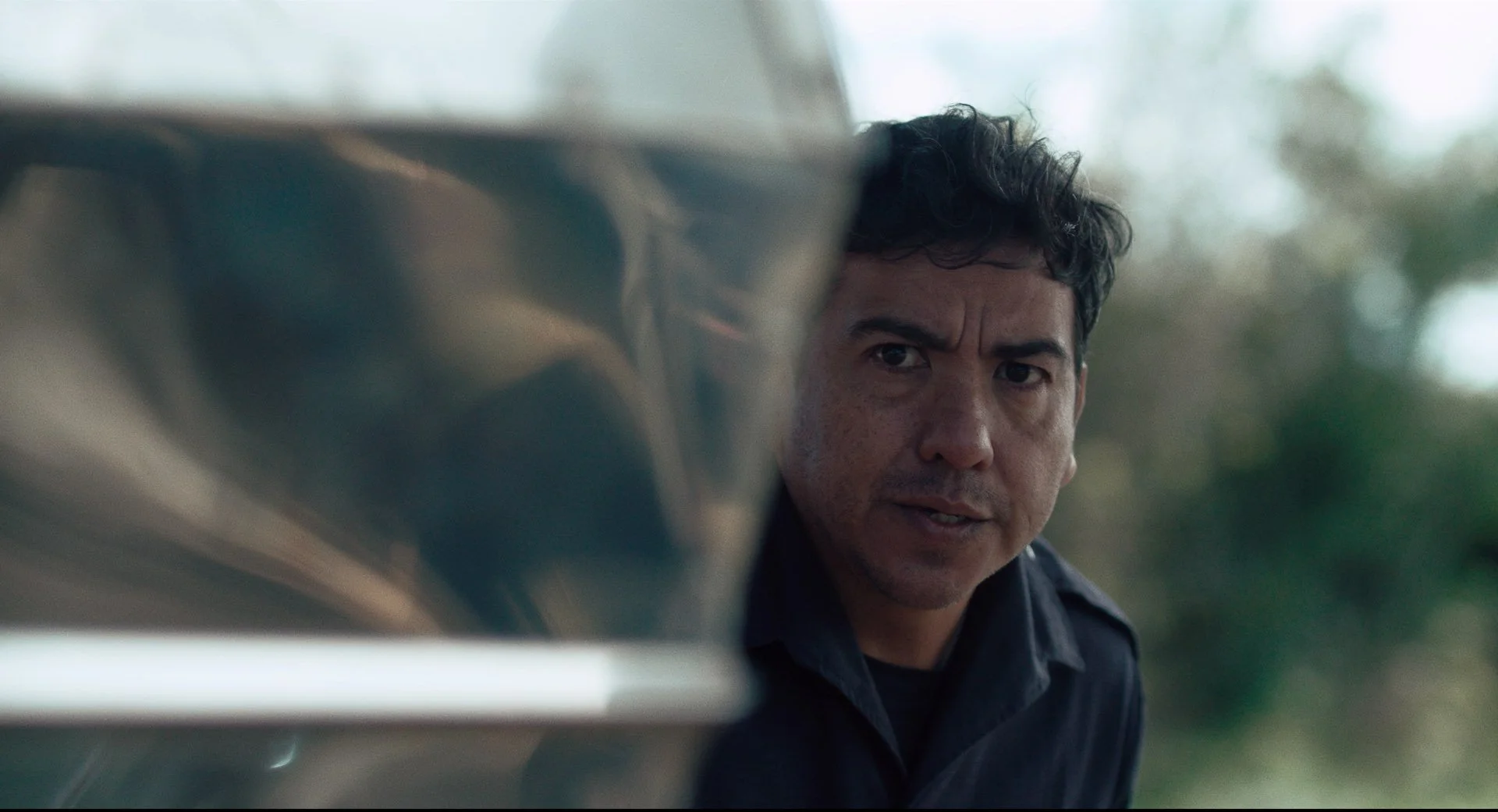
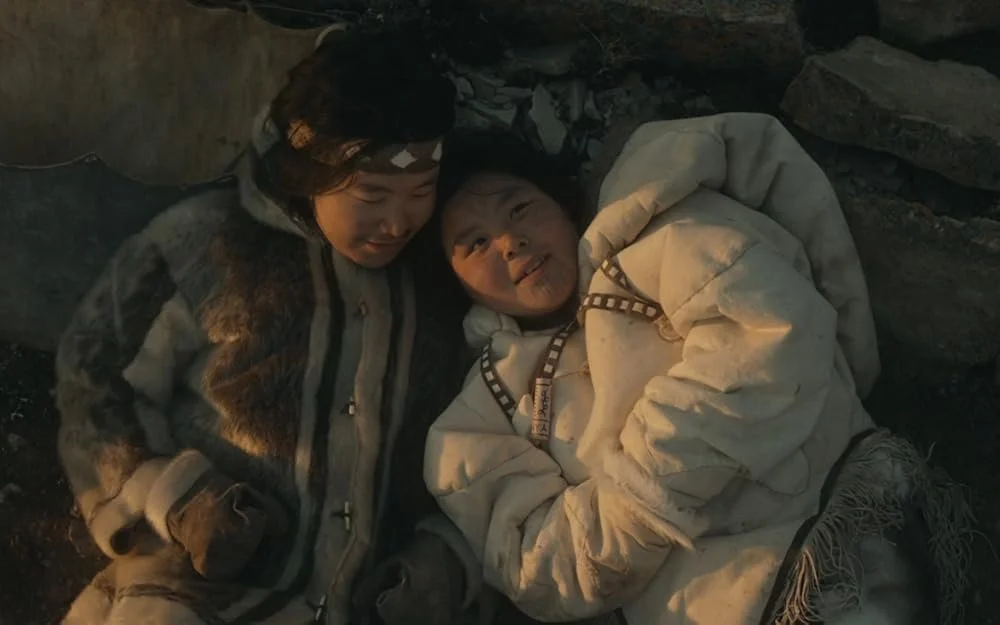
Set 4,000 years ago on the vast, treeless plain of the Far North, it tells the story of Sapa (Haiden Angutimarik) and Kaujak (Theresia Kappianaq), two youths who have been promised to each other as husband and wife from birth. They form a fun, loving bond, but while Sapa is away hunting, they’re torn apart. Kaujak’s father has died, and her mother (Leah Panimera) is led off to marry a male stranger (Mark Taqqaugaq) and live in a far-away tribe—taking Kaujak along with her. When he returns, Sapa sets off on a quest to find Kaujak before she can be married off in the new tribe.
They inhabit a world that feels like a living myth. Trolls lurk in the ice floes ready to snatch children, evil shamans manipulate fates, and spirit women cloaked in fog step in to help the humans. (The low-budget FX somehow work with the before-time storytelling feel here.)
The pacing differs starkly from Kunuk’s breakout masterwork Atanarjuat: The Fast Runner: instead of building a breathless race against time, Wrong Husband creates a sense of suspended time. Tiny figures walk across landscapes where the Earth melts into the sky. In one extended scene, a tribe methodically goes through a death ritual, hand-stitching a body into seal skin, then carrying it across the tundra under the burnished glare of the midnight sun.
What the film misses in thriller energy, it makes up for in meditative beauty and fascinating anthropological detail: the tribespeople are always working, rolling leather boots, picking at the ice with sharpened horns, or filleting salmon.
The film is also full of laughter, from the teasing of boys vying for Kaujak’s attention to the playful way Kaujak and Sapa build the rock foundation for their future home. This place is intricately specific, but its humour—just like its sense of love and duty—is universal.
It’s engrossing and immersive—a trip not just to a distant time and place, but to a fascinating realm where there are different concepts of hours and minutes, of the connection to nature, and of the human and supernatural. 

Related Articles