Film review: Resurrection's dream scenarios pay dazzling tribute to a century of motion pictures
At the Cinematheque, Bi Gan creates five chapters, told in vastly different visual styles—from silent-film Expressionism to shadowy noir to neon-lit contemporary
Resurrection
The Cinematheque presents Bi Gan’s Resurrection from January 7 to February 1
BI GAN’S EPIC new Resurrection has more moments of breathtaking visual wonder than words of actual dialogue.
The Chinese filmmaker’s opus needs to be seen on the big screen, a fact that makes the upcoming showings at The Cinematheque this month a bit of an event.
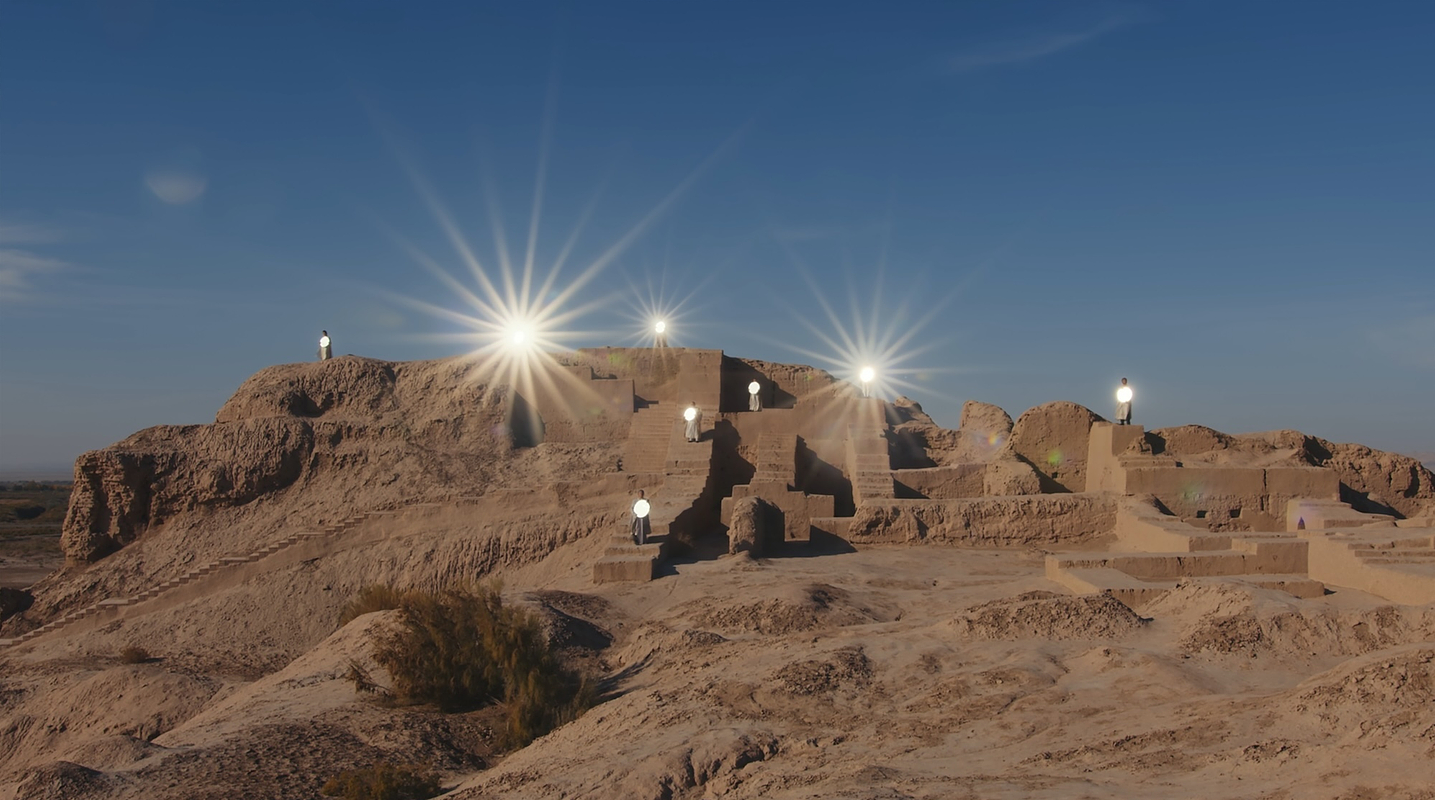
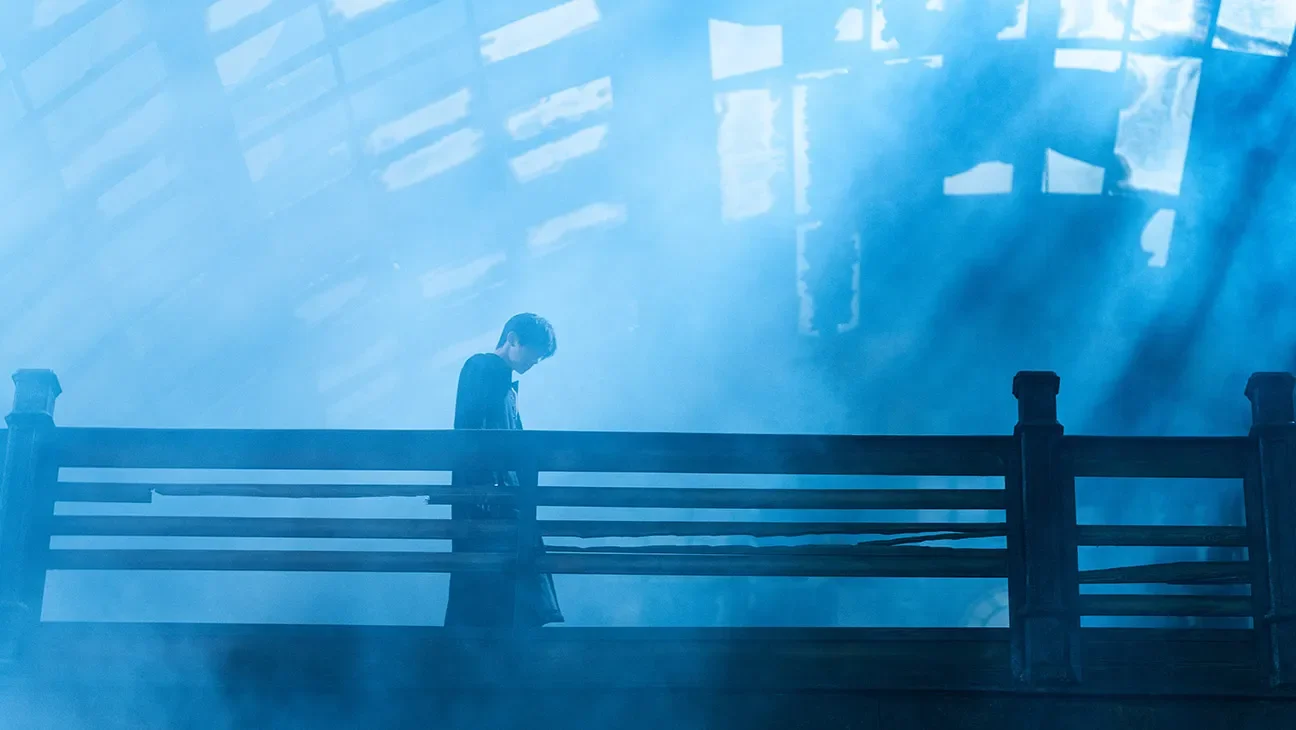
In one scene, a giant arm reaches in to adjust a light fixture on the set of an old Chinese opium den. Bloodied hands play a vintage theremin. Guns shatter glass in a hall of antique mirrors. A body falls through the air into a snowy mountain temple. A wax movie house melts into oblivion. And, in a final, unbroken 40-minute tracking shot, we race through cramped alleyways, crooked stairways, rowdy brothels, and packed karaoke bars—all bathed in red neon light.
What is it all about? Let’s just say it’s better to lose yourself in the sensorial experience of Resurrection than to try to understand it.
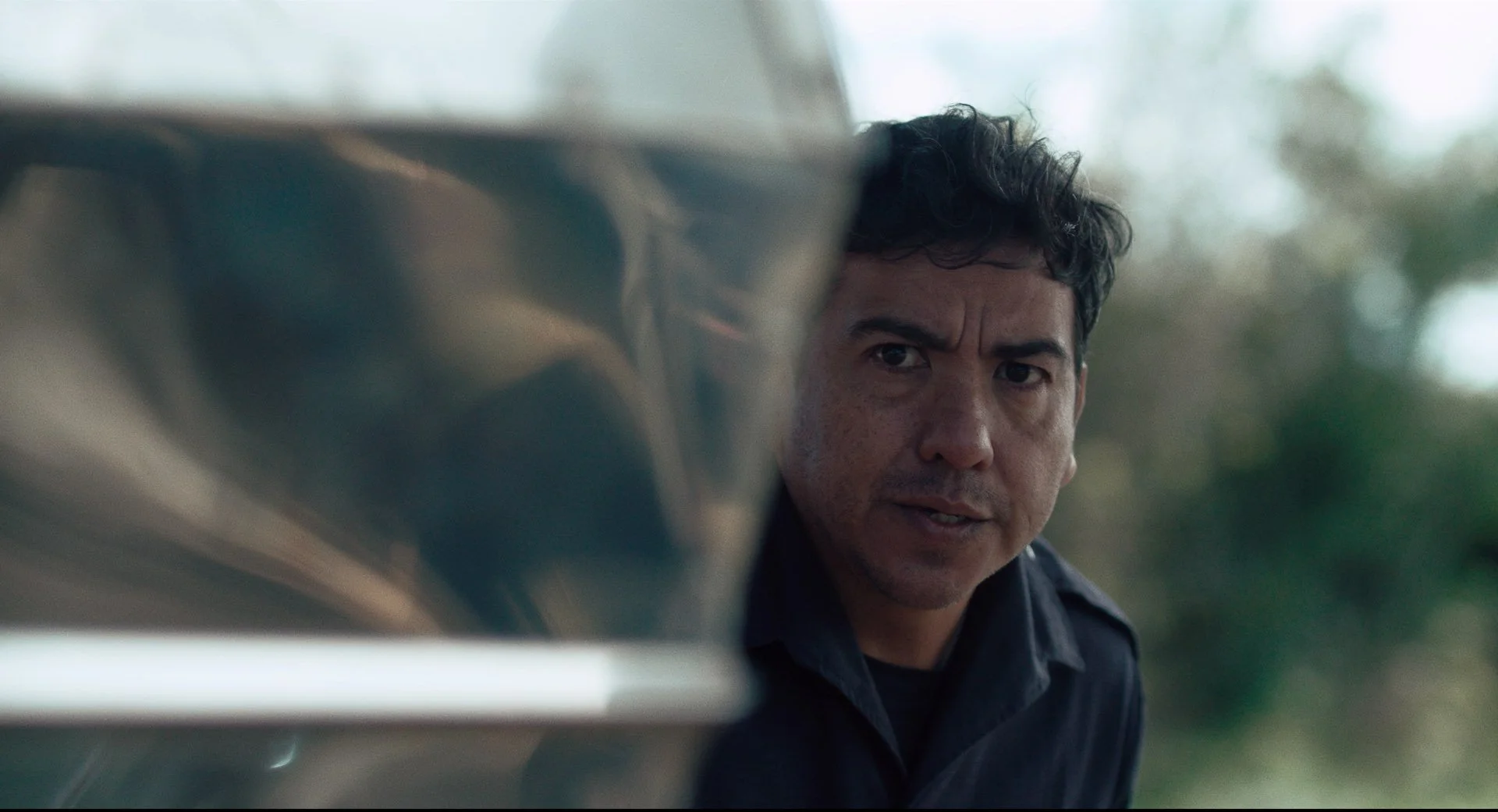
Formally, the film takes place in a future world where humans have discovered they can live forever if they do not dream. But there is a Deliriant (Jackson Yee) who continues to dream, allowing him to reincarnate and shapeshift in a series of cinematic worlds. We follow him through five dreams, told in five vastly different visual styles, each taking place in a different era and thematically tied to one of the five senses.
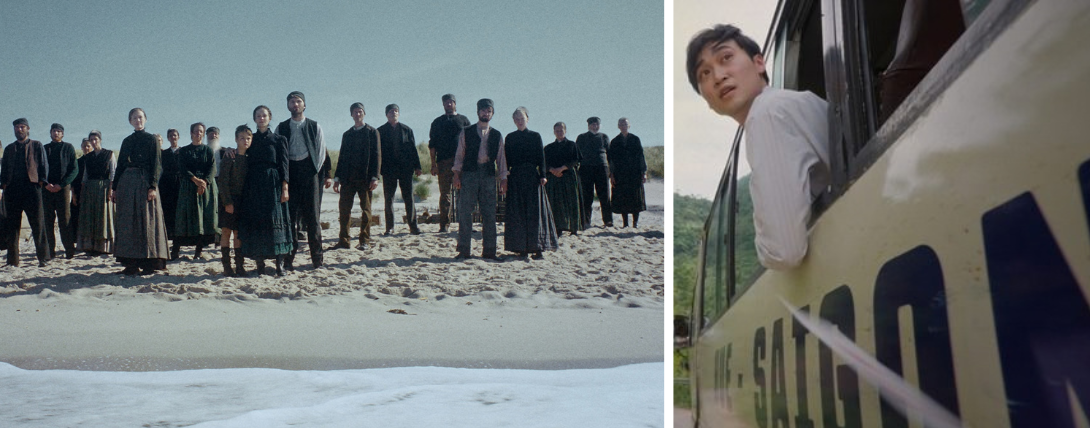
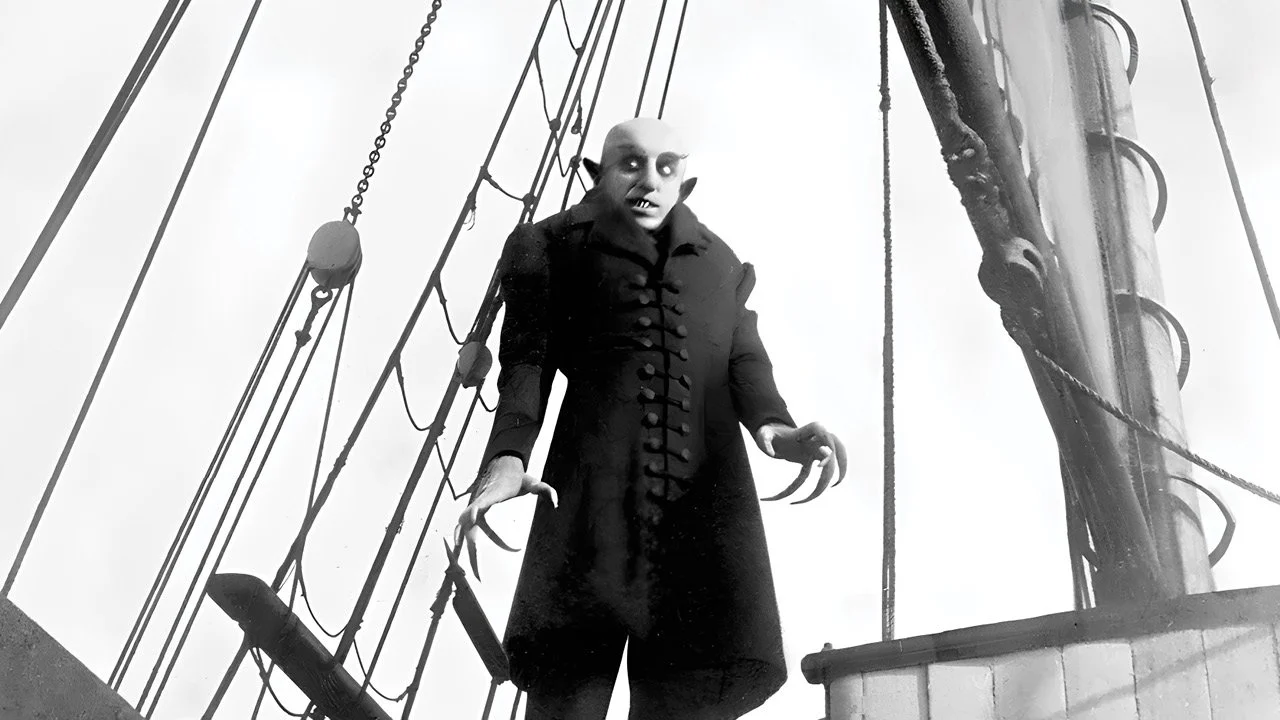
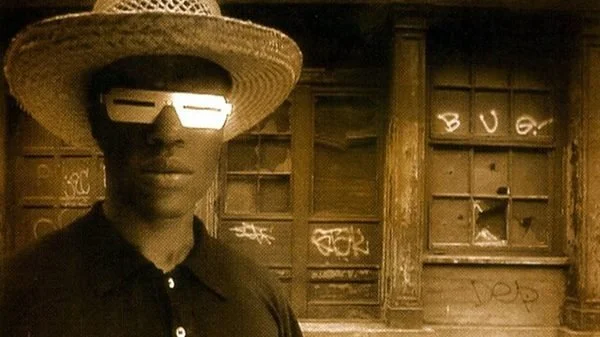
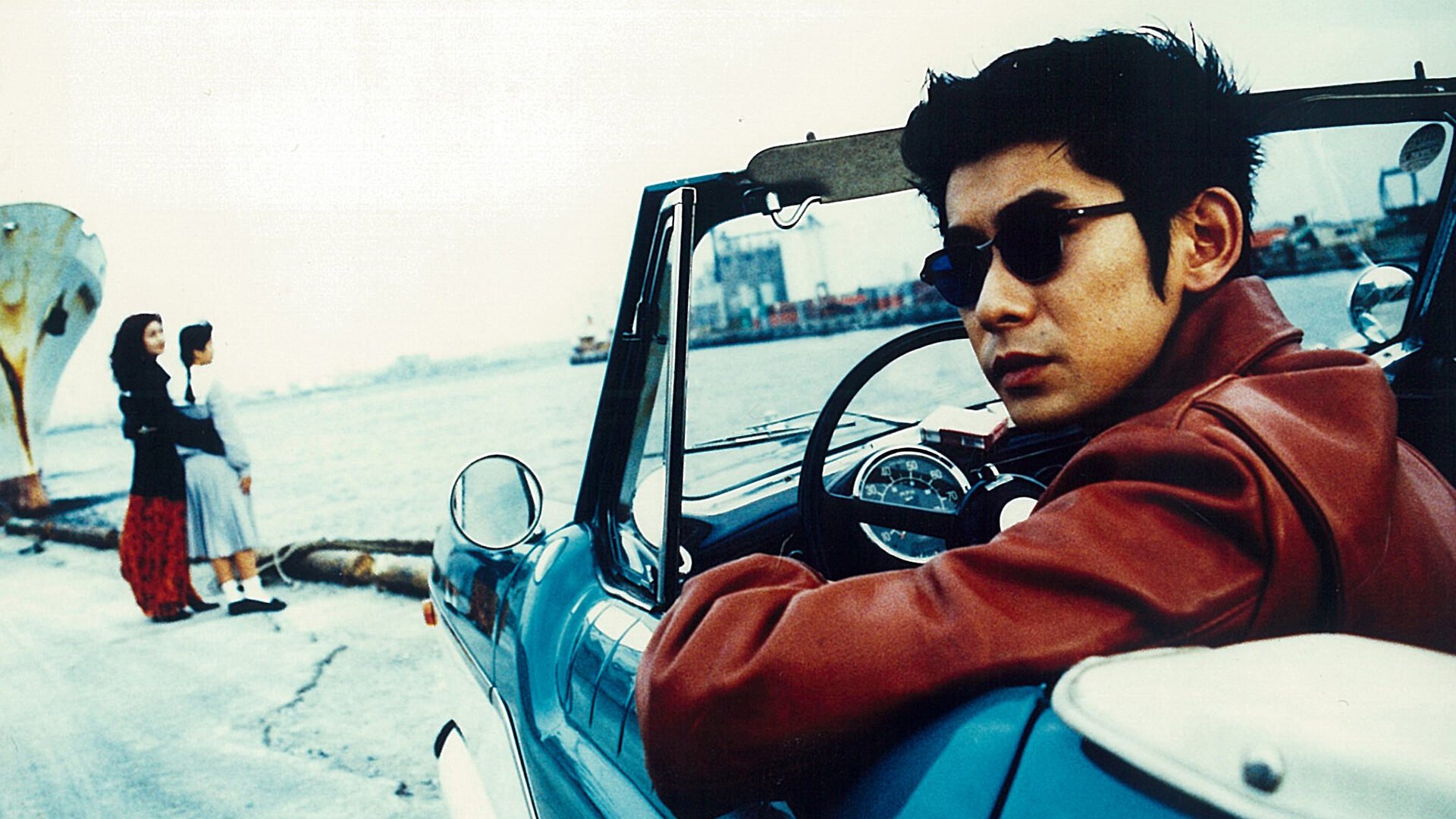
The extended vignettes aren’t so much about narrative cohesion as they are a kind of dream logic that plays on our memories of films. Bi has conjured a dazzling ode to the century of motion pictures that came before him, his vignettes spanning everything from the silent-film era to film noir and contemporary first-person perspective. Along the way, we get touchstones of 20th-century Chinese history. His labyrinthian world pays tribute to countless auteurs—Hou Hsiao-hsien, Wong Kar-wai, Fritz Lang, the Lumière brothers, and Orson Welles, to name only a few. Bi is also “resurrecting” the creative passion for hands-on filmmaking—a message that resonates in a world of AI and CGI—and reclaiming the power of imagination.
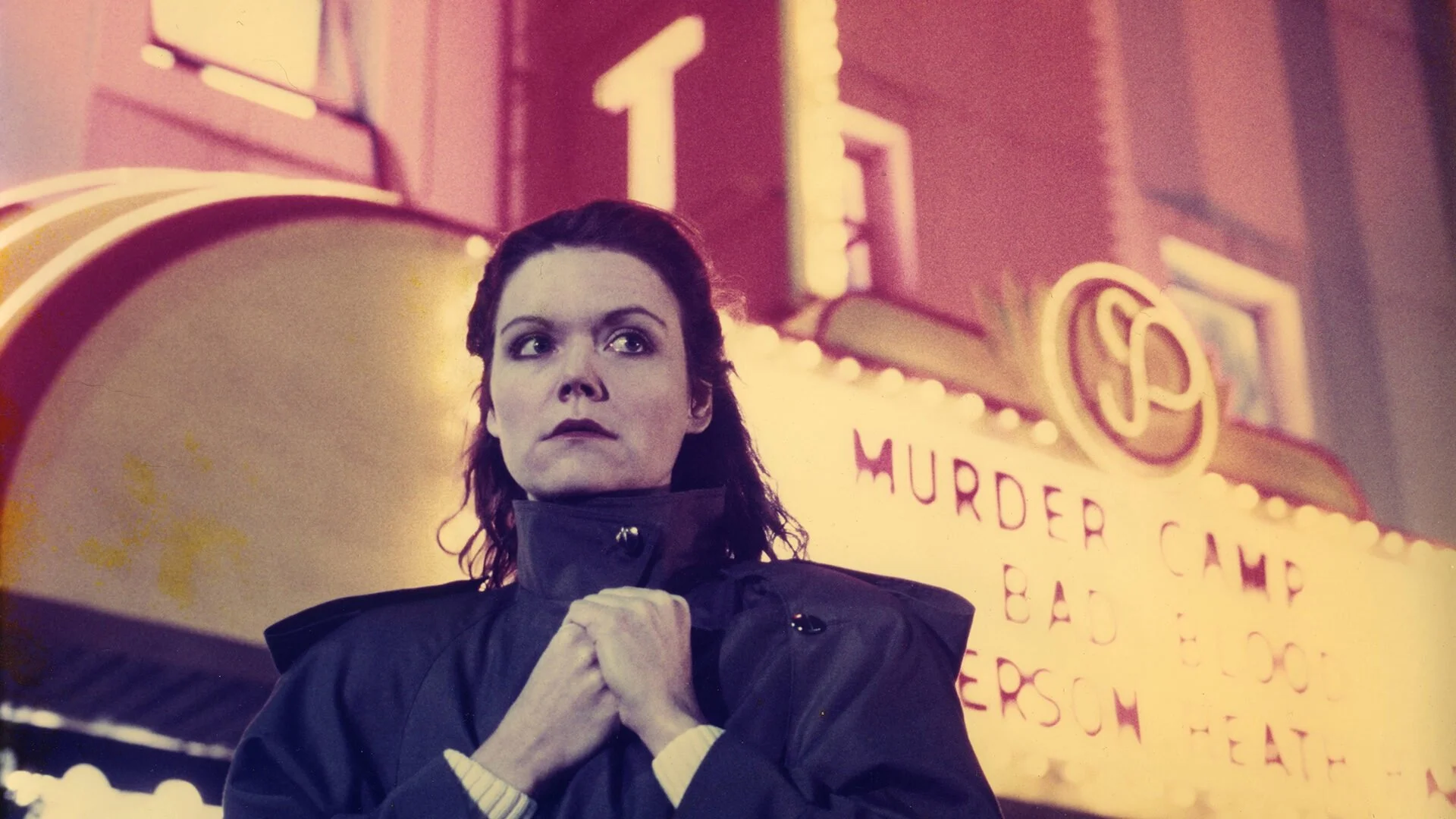
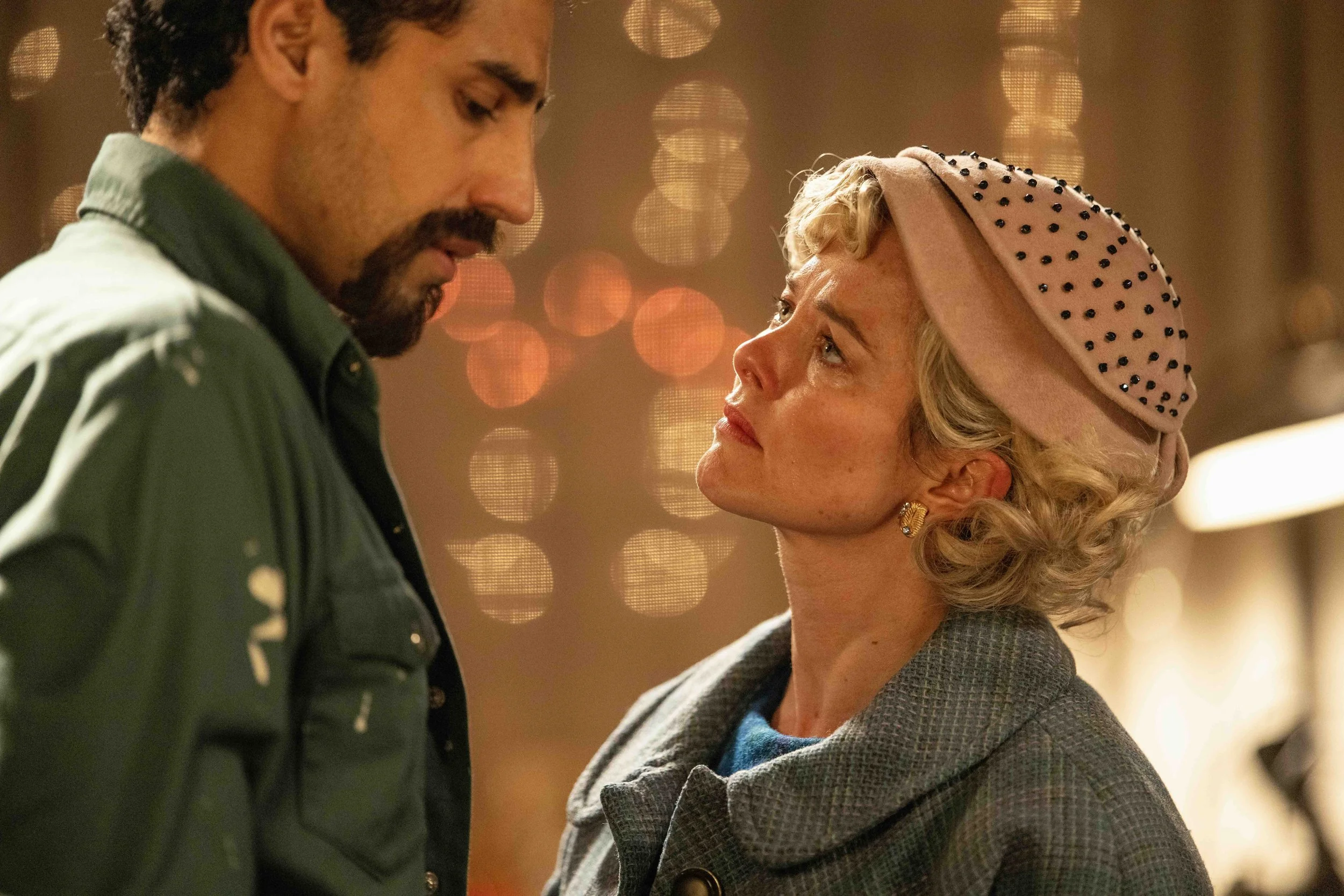
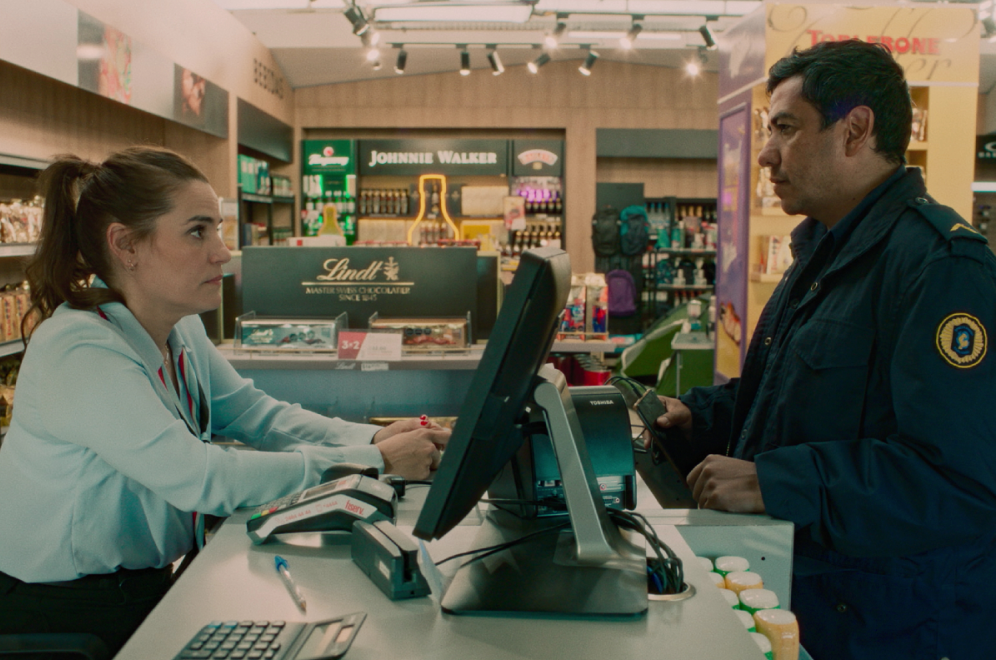
Which segment you prefer may depend on your cinematic leanings. The most stunning may be the opening, with its diorama-like opium den, cutout paper puppets, and hallucinatory stop-motion poppies, or the final vampire love story, with its red neon, pelting rain, and maze-like port-city alleyways. Then again, the shadowy, noir-ish second piece, with its sprawling, bomb-shattered train station, is a marvel, as are the artfully composed, teal-and-red-popped shots of a card shark and his child sidekick in the fourth.
Along the way in this opulent, two-and-a-half-hour work of art, Bi acknowledges that we are watching and celebrating the magic of film together, with the sum of his five chapters greater than any of the separate parts. Dreaming is about surrender, and cinephiles who submit to this phantasmagoria won’t want to wake up. 

Related Articles