The Choral fills story of First World War England with music, opening January 9
Ralph Fiennes plays a choir director in 1916, tasked with performing Edward Elgar’s The Dream of Gerontius
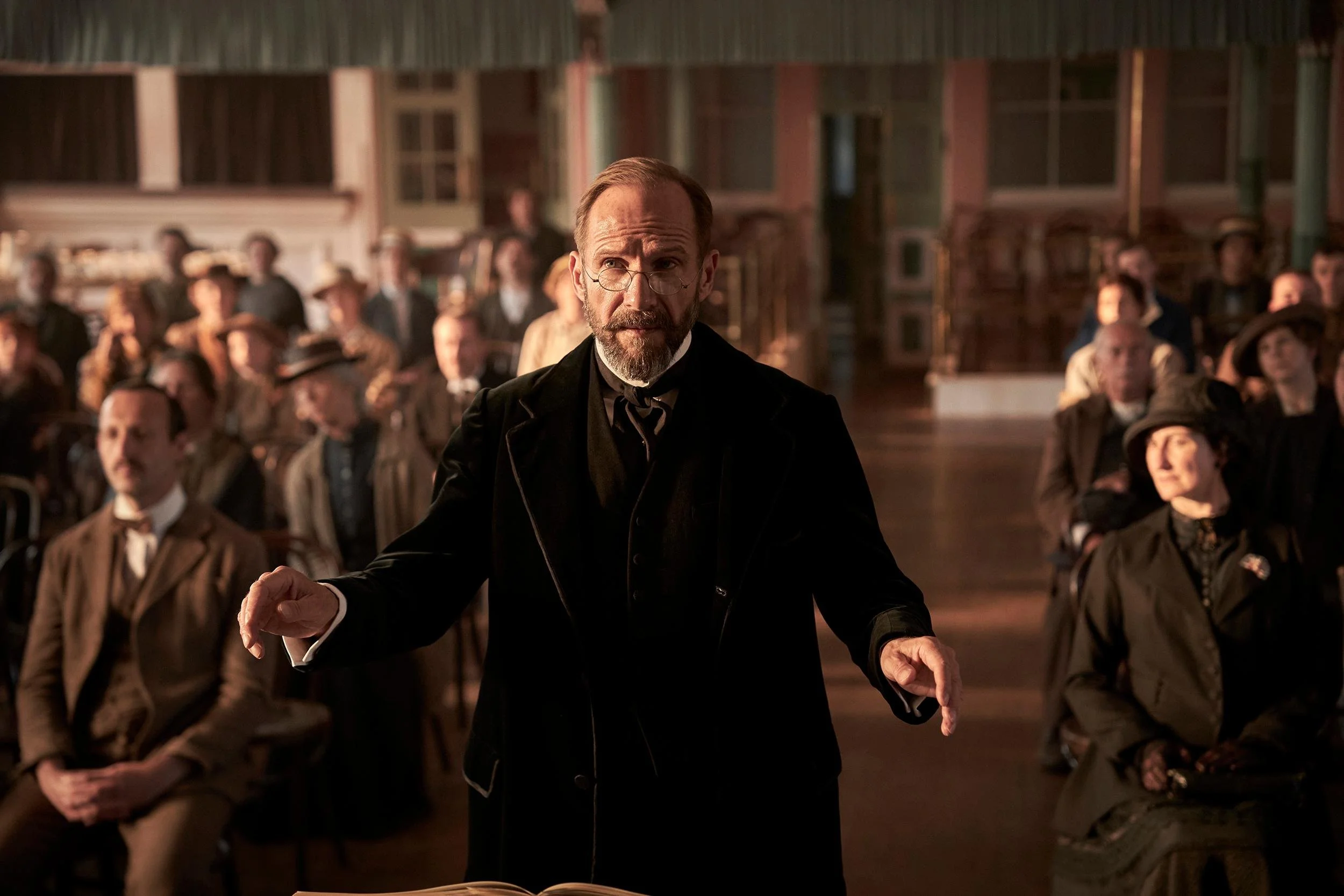
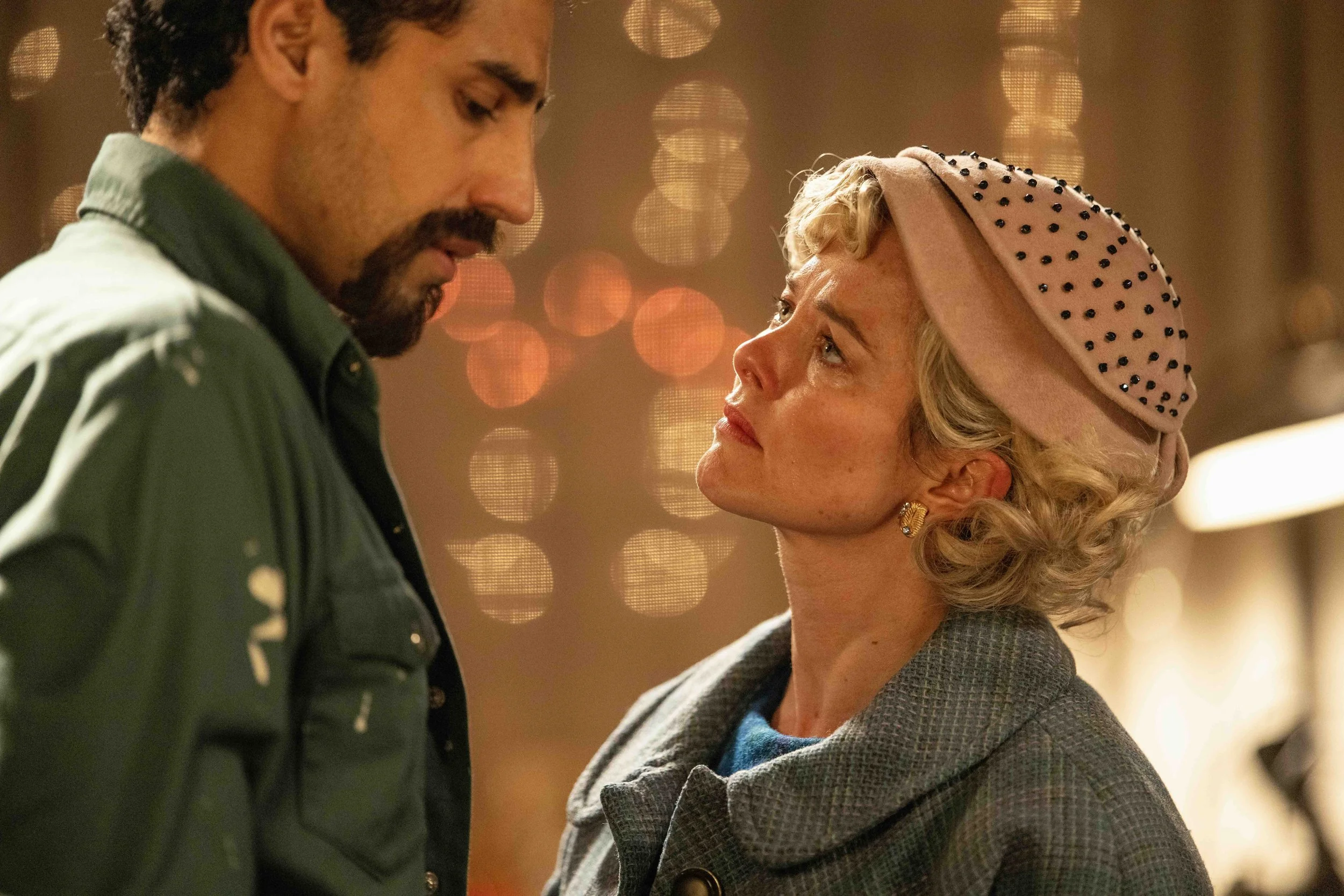
Ralph Fiennes in The Choral.
The Choral is at Fifth Avenue Cinemas starting January 9
THIS GENTEEL, HANDSOMELY SHOT STORY of a wartime choirmaster may feel stuffy at first, but you’ll warm to its world, where manners and decency rule.
The Choral takes place in a fictional Yorkshire mill town in 1916, during World War I, when a choir struggles to boost its ranks after the loss of all fighting-age men. Enter Dr. Henry Guthrie (Ralph Fiennes), a music director who’s just returned from years in Germany—a bit of a scandal to a tight-knit community that’s easily perturbed. Never mind that he might be gay, a subject playwright-screenwriter Alan Bennett and long-time collaborator Nicholas Hytner hint at. As usual, Fiennes excels at this kind of emotionally repressed but noble character.
Guthrie manages to recruit a ragtag chorus that spans an angelic-voiced Salvation Army member to a few boys just shy of conscription to perform none other than Edward Elgar’s The Dream of Gerontius—a haunting work whose exploration of purgatory speaks directly, as it turns out, to a world sending young men to trench warfare. (Legendary actor Simon Russell Beale is on hand for a late, hilarious cameo by Elgar.)
Along the way, Bennett shows how music can offer escape from the bleak realities of World War I—but also, in some unexpectedly blunt moments, how black humour and sex can too.
The film is shot in beautiful, subdued cream colours to match the Yorkshire stonework, and there is some transcendent singing—particularly when a young amputee (nuanced tenor Jacob Dudman) gets sent back from the front. Along the way, you may find yourself caring about these sometimes uptight townsfolk.
In a moving recurring scene, the village's studio photographer takes carefully composed portraits of freshly uniformed recruits—complete with a landscape backdrop and potted fern—before they head off to the front lines. Even in these final sad hours before they're sent to purgatory, the boys must be visions of respectability and honour. Like Elgar's spiritually melancholic music, the scenes add poignance to all the early-20th-century English propriety. 

Related Articles