B.C. artist Brian Jungen wins $100,000 Audain Prize for the Visual Arts
He’s made his name reimagining everyday objects, including reconstructing Nike Air Jordan sneakers to resemble Northwest Coast Indigenous masks

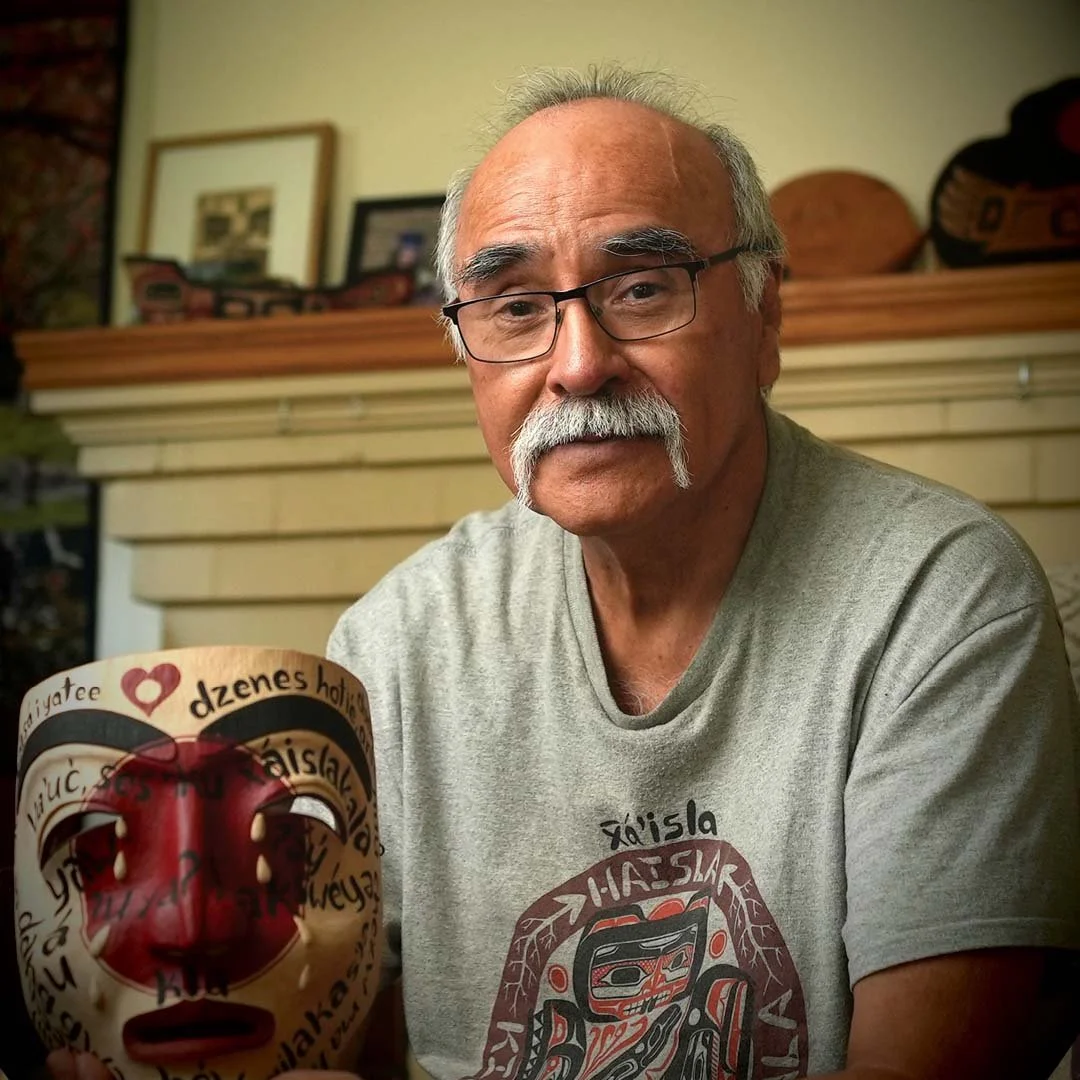
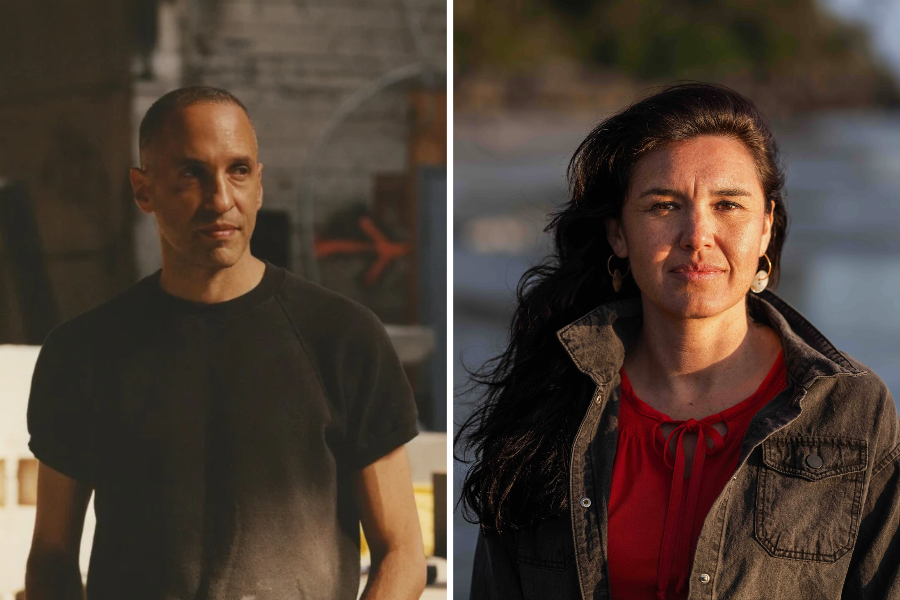
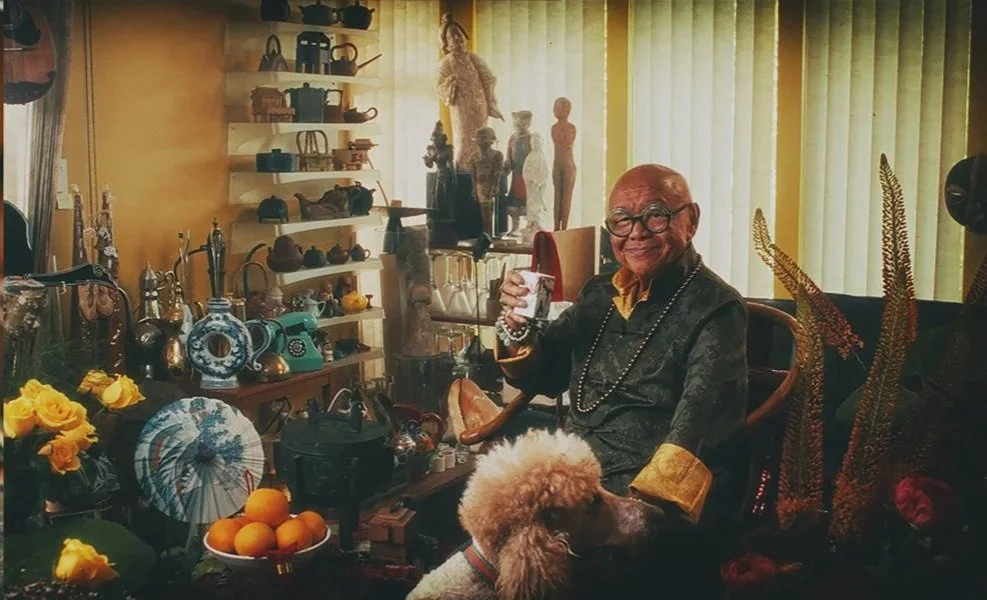
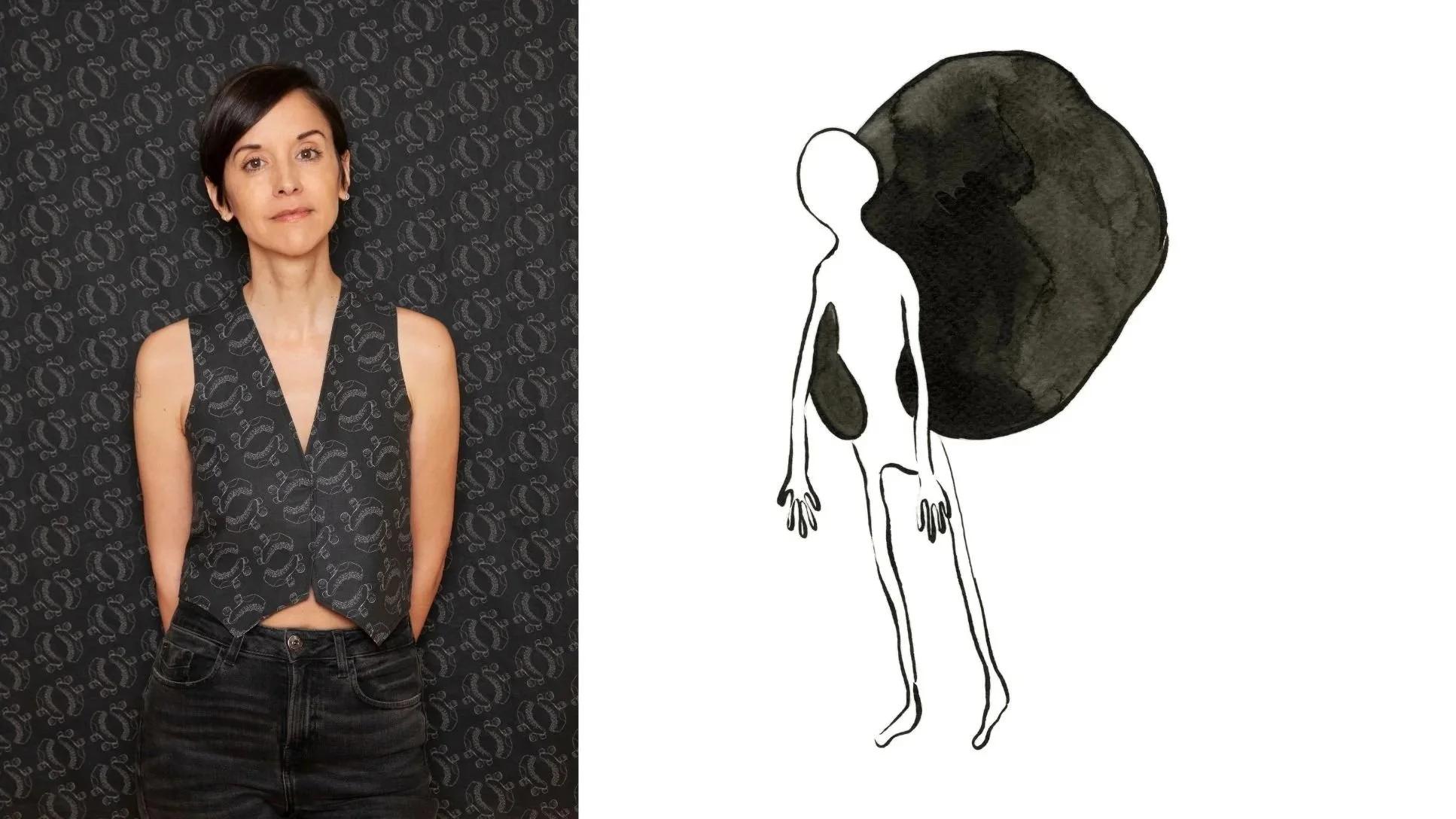
At left, artist Brian Jungen (Tyler Hagan photo). At right, Brian Jungen’s Variant 1, 2002. Audain Art Museum Collection. Gift of Michael Audain and Yoshiko Karasawa
BRIAN JUNGEN, the artist most famous for reconstructing Nike Air Jordans to resemble Northwest Coast masks, has just won the $100,000 Audain Prize for the Visual Arts—the top prize for distinguished B.C. artists.
In announcing the recipient at the ceremony at the Fairmont Hotel Vancouver today, Polygon Gallery executive director and Audain Prize selection-committee member Reid Shier called Jungen’s work—which often recasts everyday objects as masks, drums, and animals—“imaginative, unpredictable, and hauntingly evocative”.
The artist of mixed Swiss and Dane-zaa Nation heritage was born north of Fort St. John, B.C., trained at what is now Emily Carr University of Art + Design, and works across a wide range of media. He has shown everywhere from the U.K.’s Tate Modern to the National Gallery of Canada.
At the ceremony, Jungen presented Vancouver philanthropist Michael Audain with a pair of moosehide moccasins “freshly made” by his cousin—“a little piece of Northern B.C.”
Audain said in the announcement today: “The impact of his art is undeniable. Since the late ’90s, Jungen has forged a name for himself internationally through his commanding sculptural practice. It is critical that we not only acknowledge the calibre of such accomplished artists but also continue to raise their profile here in British Columbia, in Canada, and around the world.”
In 1988 Jungen moved to Vancouver to attend Emily Carr Institute of Art and Design, graduating and then moving to Montreal and New York City—the latter a place where he learned crucial lessons about the art market. In a new documentary short made to accompany the award, Jungen recalled returning to Vancouver to work for Canada Post and continuing his practice
A 1998 residency at the Banff Centre for Arts and Creativity is considered a turning point in his career, as the spot where he began to work on his now famous Prototypes for New Understanding, created between 1998 and 2005—the series of sculptures he made by disassembling and reassembling Nike Air Jordan sneakers to resemble Northwest Coast Indigenous masks. One of those masks, Variant 1, will show as part of From Sea to Sky: The Art of British Columbia, a group exhibition at the Audain Art Museum (at which the piece is part of the permanent collection) opening November 13.
Shier recalled the first time some of the new Prototypes works were exhibited in a solo show at Vancouver’s Or Gallery, which Shier was running in 2000. He described the work as “staggering”: “It’s not exaggerating to say this show launched Brian’s career.”
Jungen recounted in the documentary screened at the event that “I was suddenly being flown around the world doing museum shows.”
The artist has gone on to employ sports gear to create sculptures out of everything from catcher’s mitts to basketball jerseys. Jungen has said his choice of sports materials touch on complex themes around an industry that has appropriated Indigenous terminology, as well as contributed to globalization, sweat shops, and colonialism. He sees his work as a wider comment on Indigenous identity rather than his personal identity.
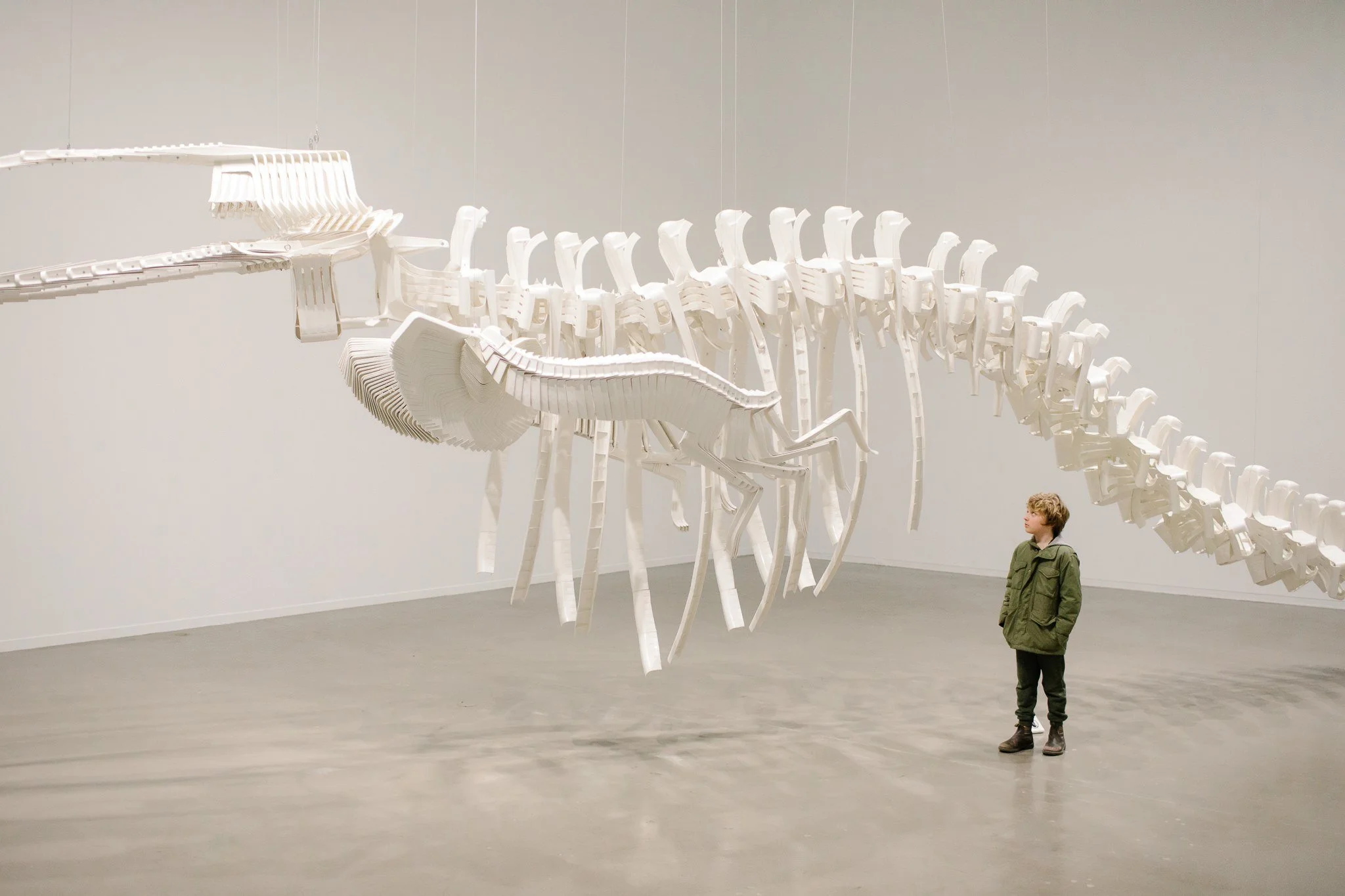
Brian Jungen’s Cetology, at the opening reception of the Vancouver Art Gallery’s lineages and land bases, February 2020. Photo by Scott Little, courtesy VAG
His works also comment on humans’ strained relationship with nature. Across other media, his famous 2002 whale-skeleton sculpture Cetology, made from plastic patio chairs, sits in the permanent collection of the Vancouver Art Gallery. Upside Down Flag Pole, installed outside the Polygon Gallery between 2018 and 2021, subverts national symbols; based on a defunct pole on Jungen’s property, its large concrete anchoring base has become the “flag”, its fabric banner buried underground—playing with ideas of nationality, environmentalism, and land rights.
In 2022, he created the Art Gallery of Ontario’s first-ever public-art commission, Couch Monster: Sadzěʔ yaaghęhch’ill—a giant bronze sculpture cast from second-hand leather furniture and formed into the figure of a performing elephant. Inspired by a real circus elephant, Jumbo, who died in Ontario at the turn of the last century, the tactile work speaks to the plight of animals in captivity, and, Jungen says in the new doc, the metaphorical power of an intelligent creature “forced into cultural slavery”.
Jungen has previously won the inaugural Sobey Art Award in 2002 and the 2010 Gershon Iskowitz Prize.
In the new documentary short, Jungen speaks about the loss of his Okanagan studio and his entire archive by a devastating wildfire that hit his 220-acre working ranch in 2022; his AGO installation Couch Monster had been the final piece created there. He said in a way that it had “freed” him and spoke about how it could allow him to make things out of curiosity again.
Established in 2004 by Michael Audain, the Audain Prize has honoured some of this province’s most influential artists, including Dana Claxton, Ian Wallace, Stan Douglas, Paul Wong, Rebecca Belmore, Rodney Graham, Robert Davidson, Liz Magor, Jeff Wall, Gordon Smith, and E.J. Hughes. It’s selected by an independent committee and presented by Whistler’s Audain Art Museum.
Five $7,500 Audain Travel Awards were also announced at the ceremony in partnership with major B.C. universities. This year’s recipients include: Emily Carr University of Art + Design’s Naimah-Bint Amin, UBC’s Violet Johnson, the University of Victoria’s Edith Skeard, SFU’s Alexis Chivir-ter Tsegba, and UBC Okanagan’s Jesse Weemering. Recipients work across a range of media and will travel everywhere from Bangladesh to London, U.K. Manon Gauthier, executive director of the Audain Foundation, said the prizes “enable a journey of exploration, experimentation, and learning, to inspire and invigorate their artistic practice.” 

Related Articles