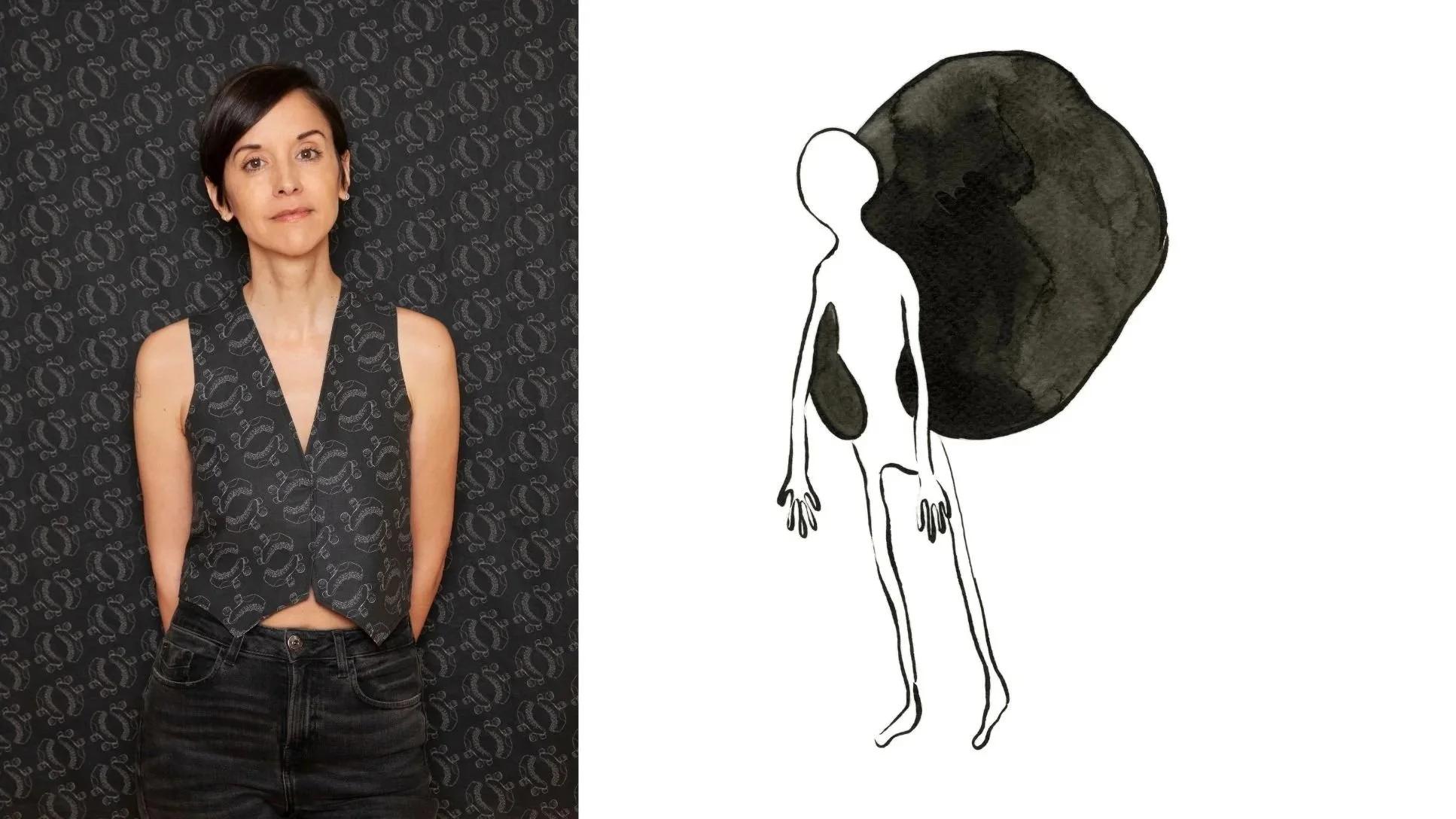
Stir Cheat Sheet: 5 buildings debuting at the Eastside Culture Crawl—and what the artists in them are offering
Diverse participants range from the tattoo experts of Woodland Artist Collective to ceramicist-muralist Serena Chu of Chu Chu Chinatown
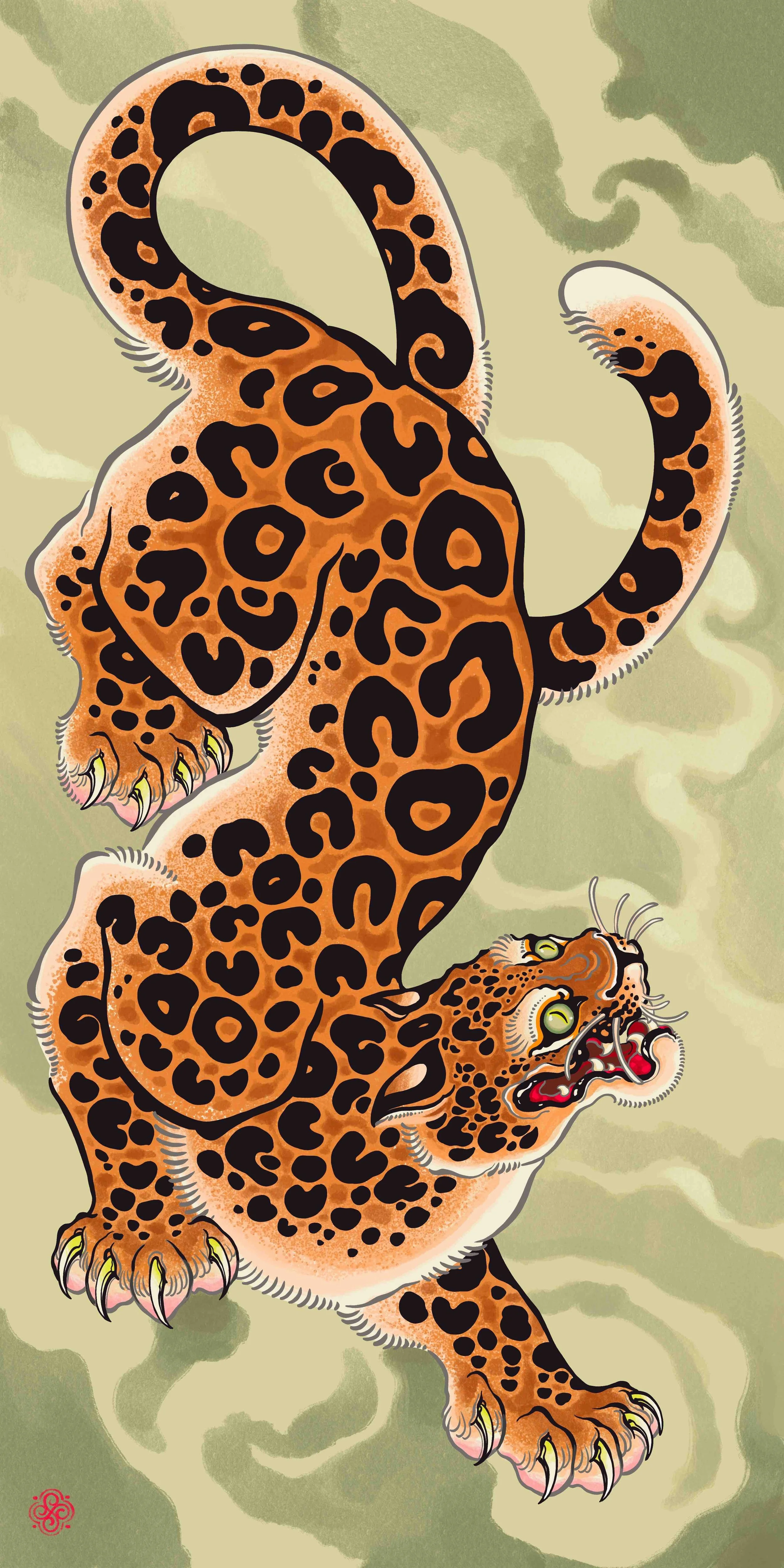
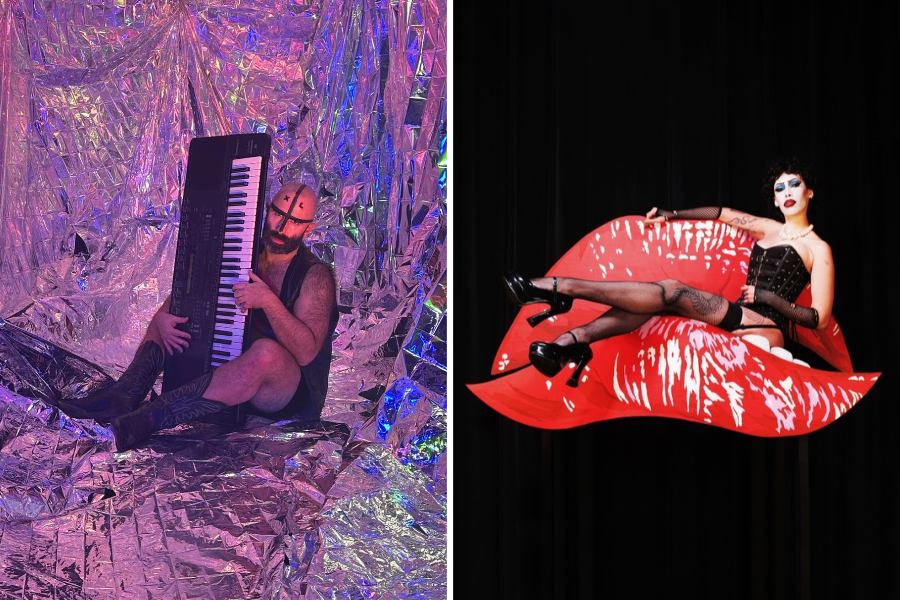
Tattoo by Sam So of Woodland Artist Collective.
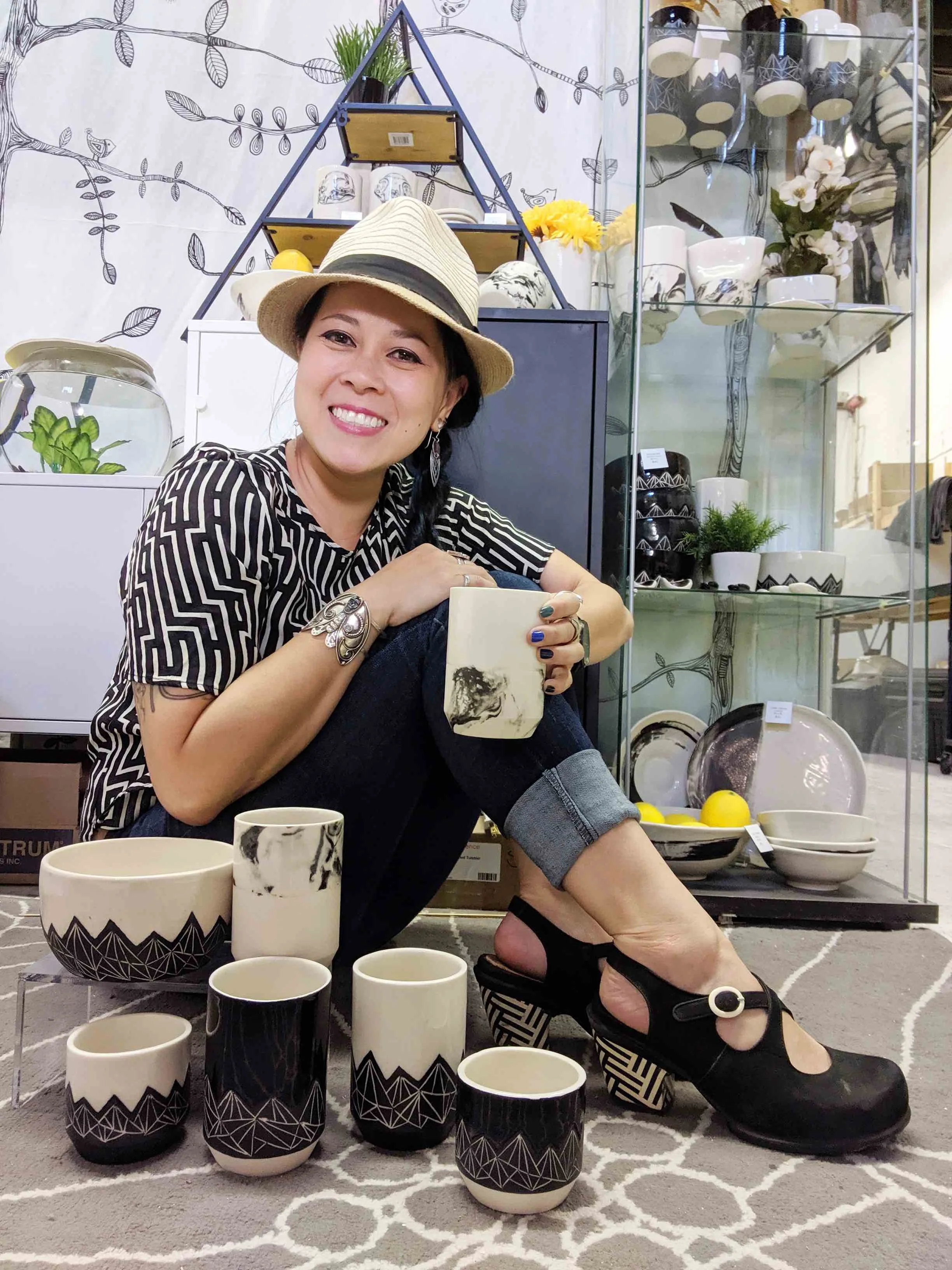
Serena Chu with her “Geometric Mountain” series.
The Eastside Arts Society presents the Eastside Culture Crawl from November 20 to 23
THE UPCOMING EDITION OF the Eastside Culture Crawl is shaping up to be the biggest yet—more than 500 artists will be participating. Amplifying all that excitement, 20 new buildings have been added to the Crawl route this year and will open their doors to the public at the event for the very first time.
Among the artists in those buildings, some have participated in the Crawl before in different spaces, while others are making their debut. Stir connected with a selection of them to learn a bit more about what they’re offering in their unique spaces this month.
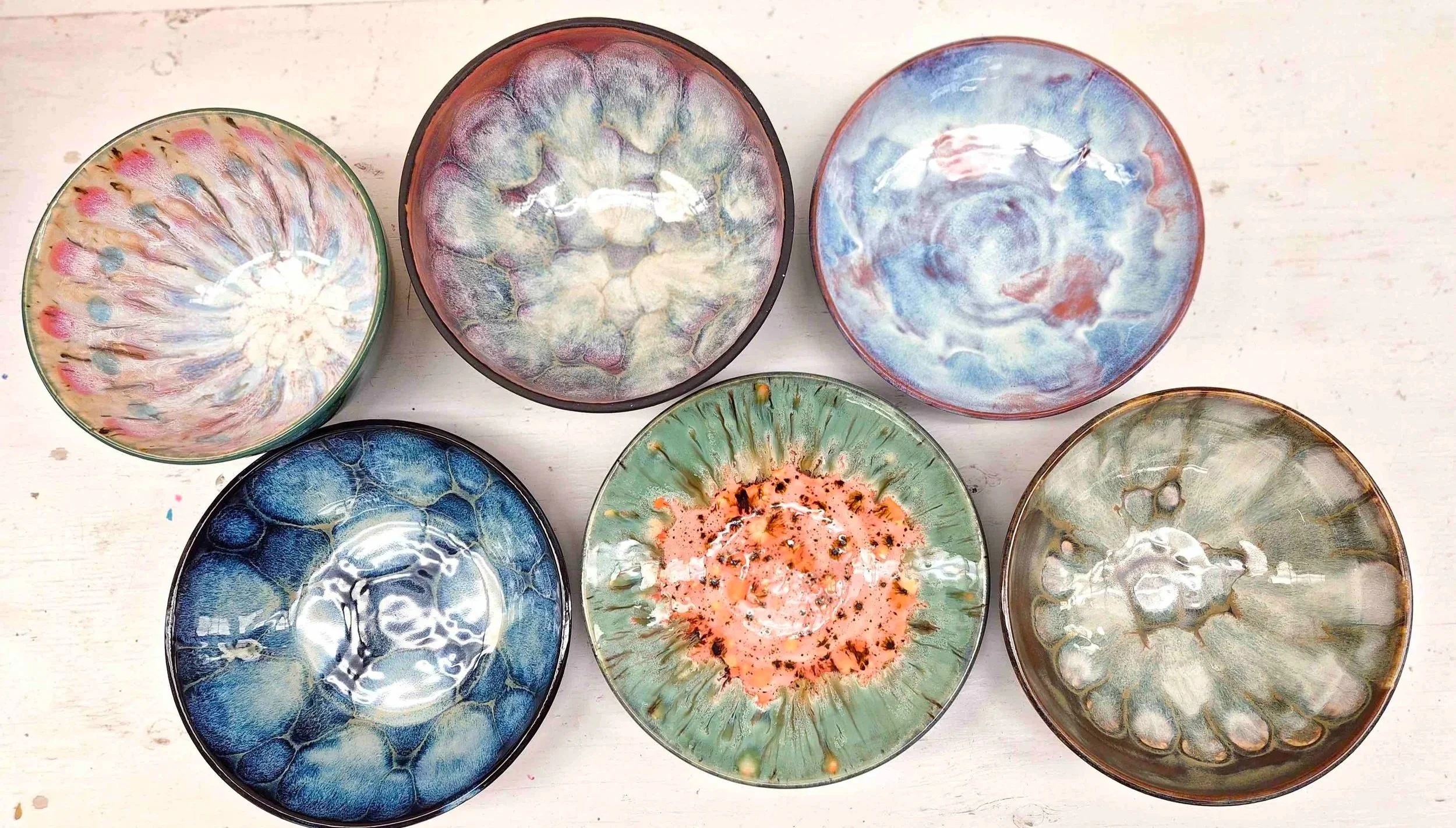
Glazed ceramic bowls by Serena Chu.
Serena Chu
Chu Chu Chinatown, 247 Keefer Street
Multidisciplinary artist Serena Chu has participated in seven Culture Crawls—but this is the first year she’ll be in her new studio, Chu Chu Chinatown. When guests walk into the space, they’ll find an art shop full of handmade gifts and second-hand art supplies for sale at reduced prices; proceeds from the latter products help fund the free art classes Chu hosts for seniors.
At the back of the building, there’s a large studio with a colourful mural that spans the length of the wall.
“The vibe is always cheerful, full of laughter and story sharing,” Chu tells Stir. “I receive a lot of comments that the studio is inviting, supportive, and super kind. My students often call this their second home and a place where they go when they’re having a bad day, because they know it will lift their spirits.”
Chu is originally from Toronto and works primarily with ceramics, often experimenting by using techniques from other mediums—such as silk-screening and airbrushing—on clay. She’s perhaps best known for her “Geometric Mountain” series, which features white peaks on black-glazed ceramics. Chu also creates large murals like the one in her studio.
As for the works she’s made for the Crawl? “Imagine a cascade of glazes running down the interior with a kaleidoscope of colours,” Chu says. Her brand-new collection of bowls and mugs boasts stunning shades of navy blue, sage green, and rusty orange.
There’ll also be some mini vases on display—amazingly, each no wider than a quarter—and Chu will host a demo on how she made them. “The Crawl is a great time for me to stretch my creativity and make ceramics that are outside of my normal scope,” she affirms.
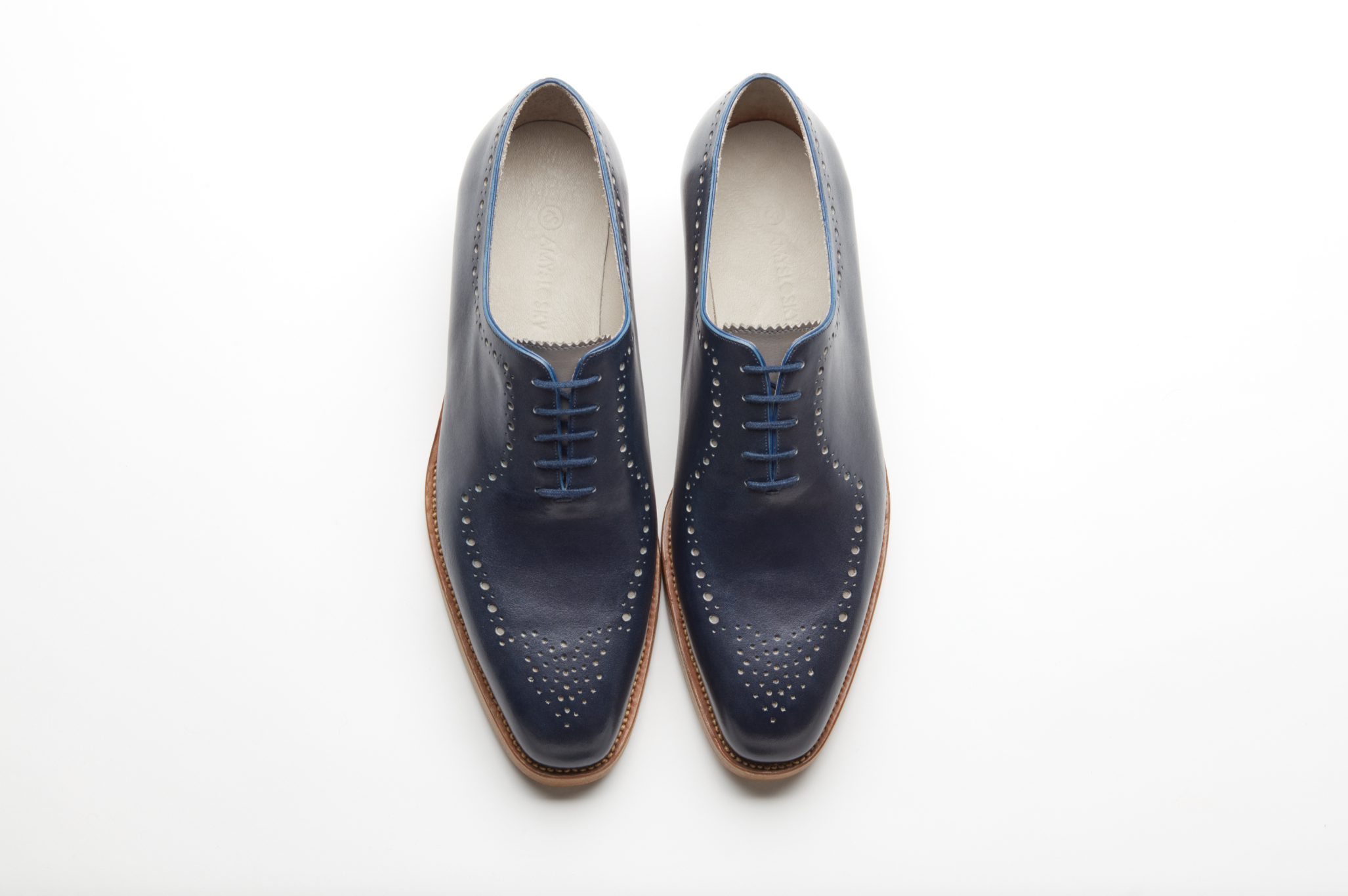
Leather shoes by Amy Slosky.
Amy Slosky
Assembly, 734 Glen Drive
When a fire destroyed the historic Dayton Boots building on East Hastings Street in April, a second-floor studio belonging to shoemaker Amy Slosky was damaged beyond repair. Slosky had been working in the space for two years and lost countless irreplaceable items, from her sewing machine to specialized tools and her own handmade patterns.
Now Slosky has relocated to a Strathcona building called Assembly, a mixed space made up of ground-floor studio and merchant areas and upper-level townhomes and condos.
“I’m still recovering from that event that happened in April. I’m figuring things out,” Slosky says. “But it’s great to have a space to get back to work, start fresh.”
Slosky focuses on designing and crafting custom bespoke footwear for her clients, working primarily with leather. She mastered the artform over four years of training under renowned artisan Angelo Imperatrice in Florence, Italy, and so she often finds herself drawn to the timeless silhouettes of classic flats, such as the Derby, Oxford, Brogue, and Loafer.
“I took a lot of inspiration from the refinement and elegance of Italian-made shoes,” Slosky says of her time in Europe. To make a pair of shoes or boots, she starts by measuring a client’s feet and discussing fit and style. She then makes a custom shoe form, develops a pattern, crafts a fitting model, makes any necessary modifications, and then starts on the final product. It’s a collaborative undertaking through and through.
“It’s a long process, a labour of love that results in a custom handmade pair of shoes that last a lifetime,” Slosky says.
During the Crawl, Slosky will have a small selection of shoes and boots on display for visitors to order and customize. Another artist who worked out of Dayton Boots before the fire, leathersmith Julia Symons, will also be onsite at Assembly, showing guests her work and studio.
“Sharing the space with other artists that were also displaced in the same fire helps a lot,” Slosky says. “We’re a little community within a community. We’ve all helped support each other through a difficult time.”
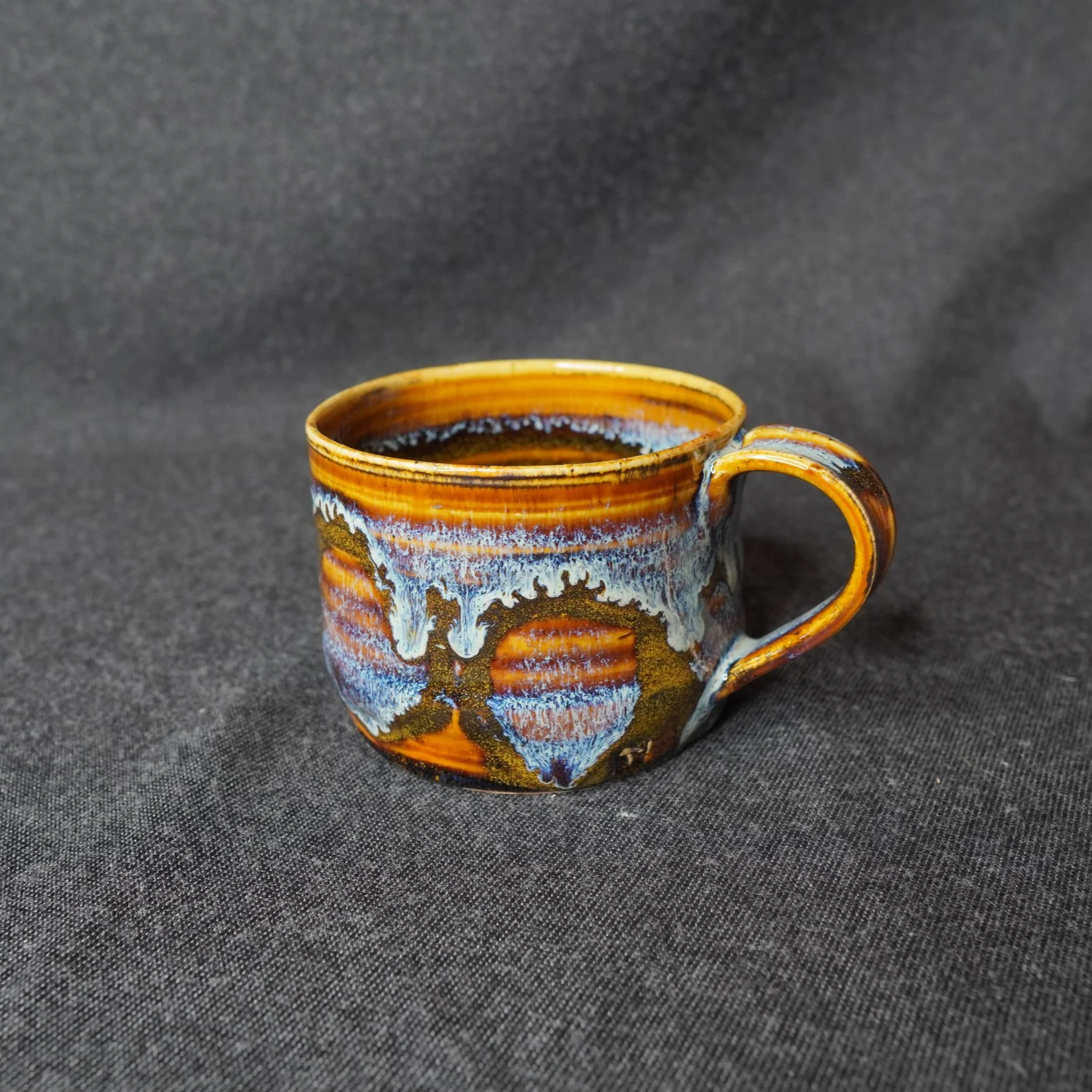
Ceramic mug by Joseph Madigan.

Joseph Madigan in his basement studio.
Joseph Madigan
1862 Charles Street
The basement of a 117-year-old Victorian character home in the Grandview-Woodland neighbourhood is the site of a delightfully unexpected artist studio. Self-taught ceramicist Joseph Madigan is in the process of moving his life and practice from Whistler to Vancouver to complete a residency at the space, two blocks east of Commercial Drive. All that’s left to transport to the house is his hardware—namely, a massive kiln, measuring five-by-five feet and weighing over 200 pounds.
As Madigan is getting his studio set up, it’s developing a lived-in charm. “The vibe is chaotic, as I suffer from a certain blindness to organization,” the artist shares candidly.
Madigan’s practice has taken him all over B.C. to learn and grow. He got a grasp of the basics from Peggy Elms in Mill Bay, studied technical skills with Dan Krystalowich in Victoria, and more recently found inspiration in witnessing the work of Vincent “Binty” Massey in Whistler. Madigan’s materials come from all over; he works with clay from Saskatchewan, glazes from Washington, and additional supplies from New Zealand.
At his studio, an array of kitchenware will be on display, including mugs, dinner bowls, and teapots. Madigan makes big batches of his handthrown products—usually around 50 units of each style—distributing half of them to wholesalers and toting the rest to local farmer’s markets under the cheeky moniker Joe Sells Pot.
Crawl visitors will see that his space reflects his large production volume. They may also catch a glimpse of Madigan’s new works-in-development: lamps and hanging fixtures, which are part of the artist’s plan to begin crafting objects for living spaces.
“My studio, much like my work, is based completely on utility,” Madigan says. “I am constantly asking myself how I can better set myself up for success to create more pots, with better conditions for them to live and grow into completed work.”
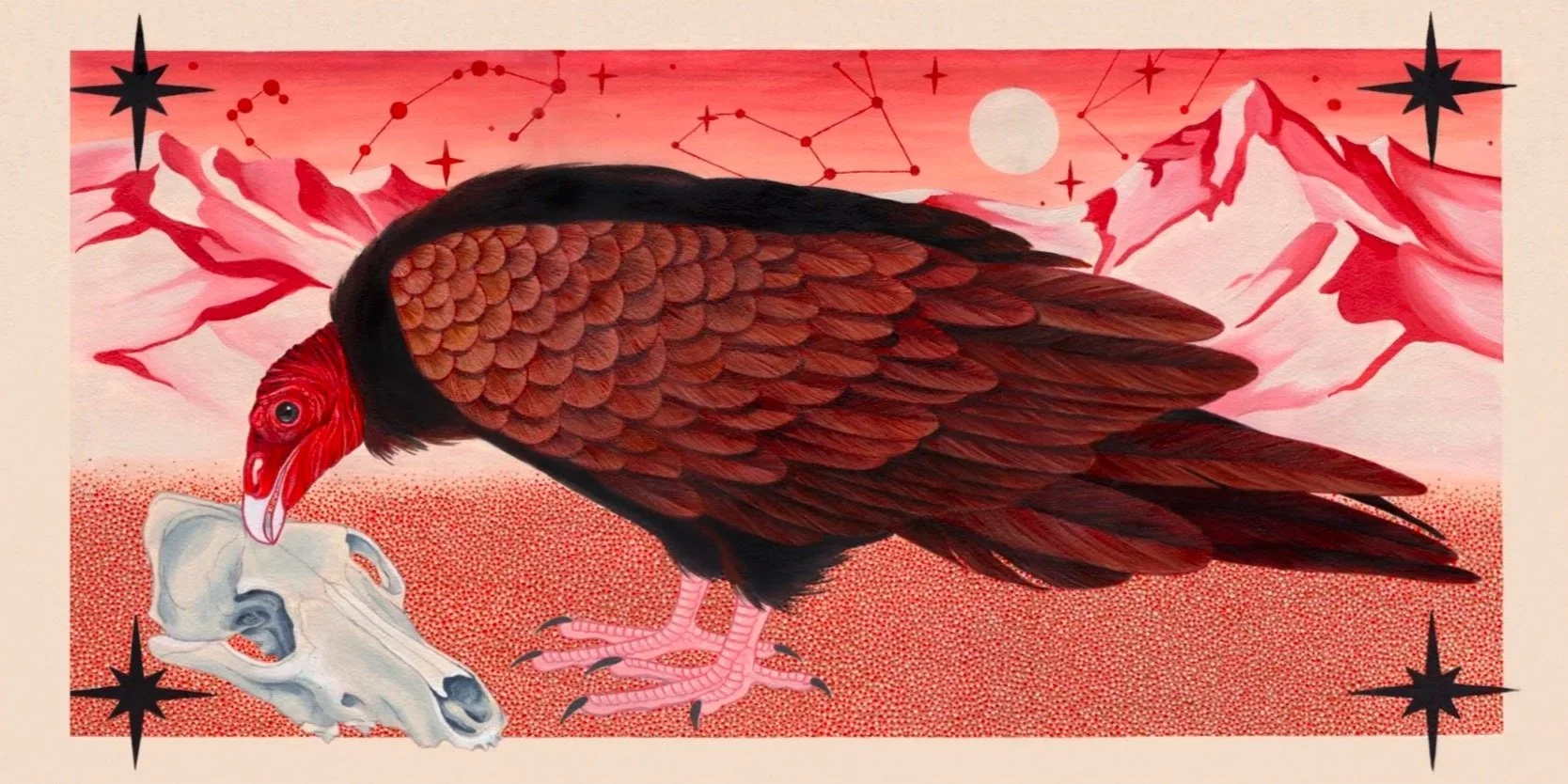
Toledo by Alexis Thomson.
Alexis Thomson and Sam So
Woodland Artist Collective, 1635 East Pender Street
Founded in 2023 by Alexis Thomson, Sam So, and Amélie Soucy, Woodland Artist Collective is a queer, women-owned, accessible, inclusive tattoo studio. Artists at the space also offer their original artwork, prints, clothing, and accessories for purchase.
Thomson, who has been tattooing since 2012, is among the artists exhibiting at the Culture Crawl. She specializes in colourful illustrative pieces and, outside tattooing, works with acrylic, gouache, clay, and textiles.
“My art style is influenced by retro pop culture and a love for the lowbrow,” Thomson says. “Much of my work is silly in nature, and is often based on absurd or whimsical narratives.”
Sam So, who will also be displaying her work at the Crawl, favours a more gothic, mysterious style, which she balances with elements that are cute and playful. She incorporates paint, clay, digital illustration, and textiles into her practice. “While some pieces explore darker, moody themes, others are sprinkled with joy and laughter—a reminder that light and dark can coexist,” So shares.
Crawl visitors can check out mythologically inspired works that range from tapestries to hand-printed apparel. Expect enchanting illustrations of woodland creatures, fantastical skull and moth sculptures, and large nature paintings that evoke the style of tattoo motifs.
As for the vibe of the studio itself, the artists view it as a cozy, collaborative space designed to make everyone feel welcome. Woodland Artist Collective’s building is wheelchair-accessible; tattoo beds can be raised and lowered electrically and have weight limits of 450 pounds each; service animals are welcome in the space; and tinted glasses are available for folks who are sensitive to bright light.
“Our shop is not just a workspace,” the artists say, “but a source of energy and creativity for both us and our clients.”
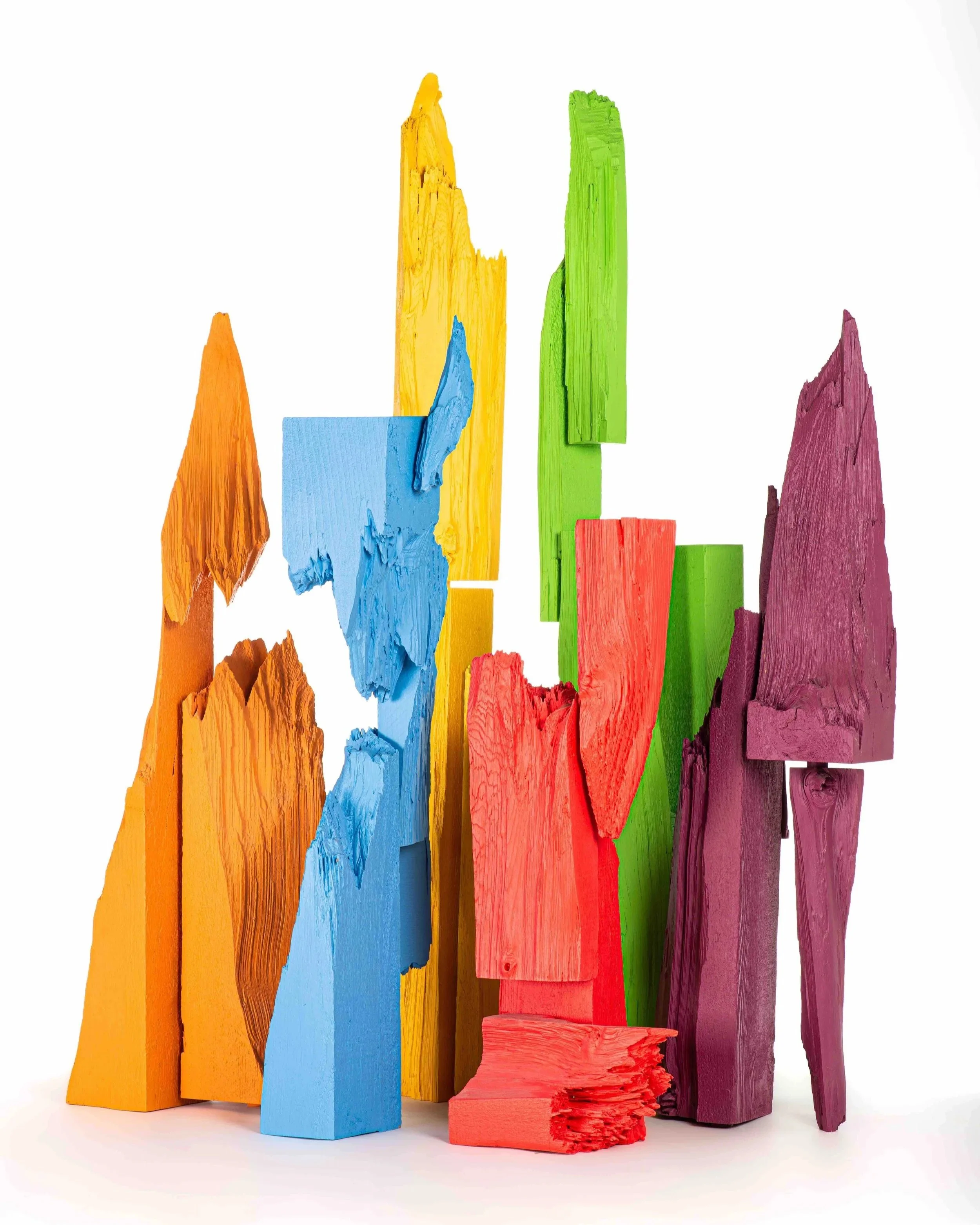
Grouping of sculptures from Patrick Christie’s “Eternal Guardian” series.
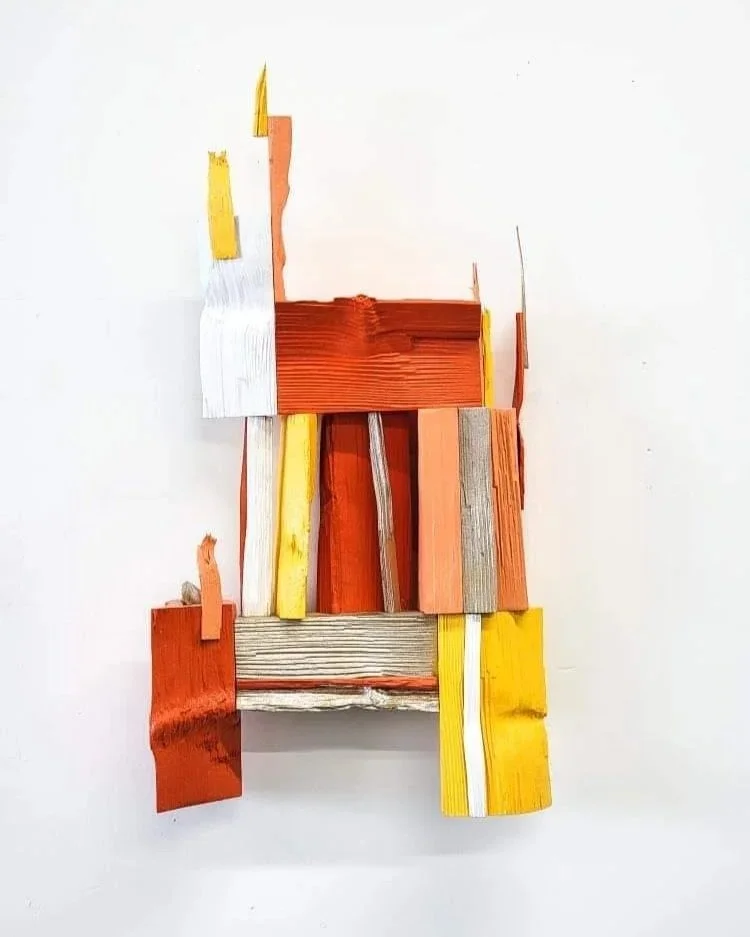
Patrick Christie’s Pyro Traveler from the “Travelers of Time, Space and Matter” series, shown at 560 Gallery in 2022.
Patrick Christie
The Annum, 1305 Frances Street
Industrial designer, wood craftsman, and artist Patrick Christie first participated in the Eastside Culture Crawl back in 2011. Since then, he’s opened his practice to the public at various venues, including the Mergatroid Building, Yew Woodshop, and Space, which he operated for a decade.
For the past two months, Christie has run a studio called the Annum, which unites artists and industrial designers who are working across time-based materials and mediums. He’s currently exploring the intersection between wood and sound by building and testing wooden resonators; and to do so, he’s making a space that combines music-production components such as a mixing room and recording booth with all his wood-shop needs.
“My artwork is a space for personal expression and channelling my inner child and imagination—a place to play, be free, and create without the constraints of time, budget, or style,” Christie says. By contrast, he describes his industrial-design practice as “highly detail-oriented, precise, and driven by digital design tools,” and typically works on large-scale projects for clients.
The designer exclusively sources reclaimed wood from B.C. tree species that would have otherwise been wasted or processed into low-value products, be they plywood sheets or whole logs.
“I have a real issue with using wood that isn’t from the province of B.C.,” Christie shares. “When we talk about sustainability and wood, sourcing from your local region and an actual human being who knows the origin of the tree is, to me, the highest standard of this.”
At the Annum, visitors can see material studies, prototypes, and colour samples Christie has amassed from his site-specific design projects. They can also see his collection of reclaimed wood, and take a peek at some of his recent works made from split wood that he’s deconstructed and reconstructed into entirely new pieces to emphasize grain and texture.
“I was inspired by the woodcraft created around the world with the most basic of tools, often without access to power,” he says. “Someone sitting curbside on a street can carve unbelievable works using a single knife, and it inspires me to think about how I can do more with less. This process of making allows you to be more present in the work and become intimate with the wood in a way that you can’t with a power saw or sanding.”
On a similar note, the artist is also the lead organizer of The Wood Innovation Group, or TWIG, a B.C.–based network of designers and researchers working to modernize the forest-products industry with sustainability in mind. His work with the group revolves around reconciliation and contributing to a better future for B.C. forests and the communities they support.
“Because of this knowledge and these relationships, I am able to centre my work as an artist and create from a deeper place of purpose and meaning,” Christie says. “It’s easy to create things of beauty, but can those beautiful things you make leave a lasting impact on the world and make a difference?” 

Related Articles